

Foscarini ceiling lamps
Foscarini was founded in 1981 in Venice, Italy, and has since developed lighting through technical freedom and close collaborations with international designers. Without its own factory, the company selects production techniques based on each idea, enabling work in everything from mouth-blown glass to carbon fiber and composite materials with clear formal precision.

49 products
Foscarini
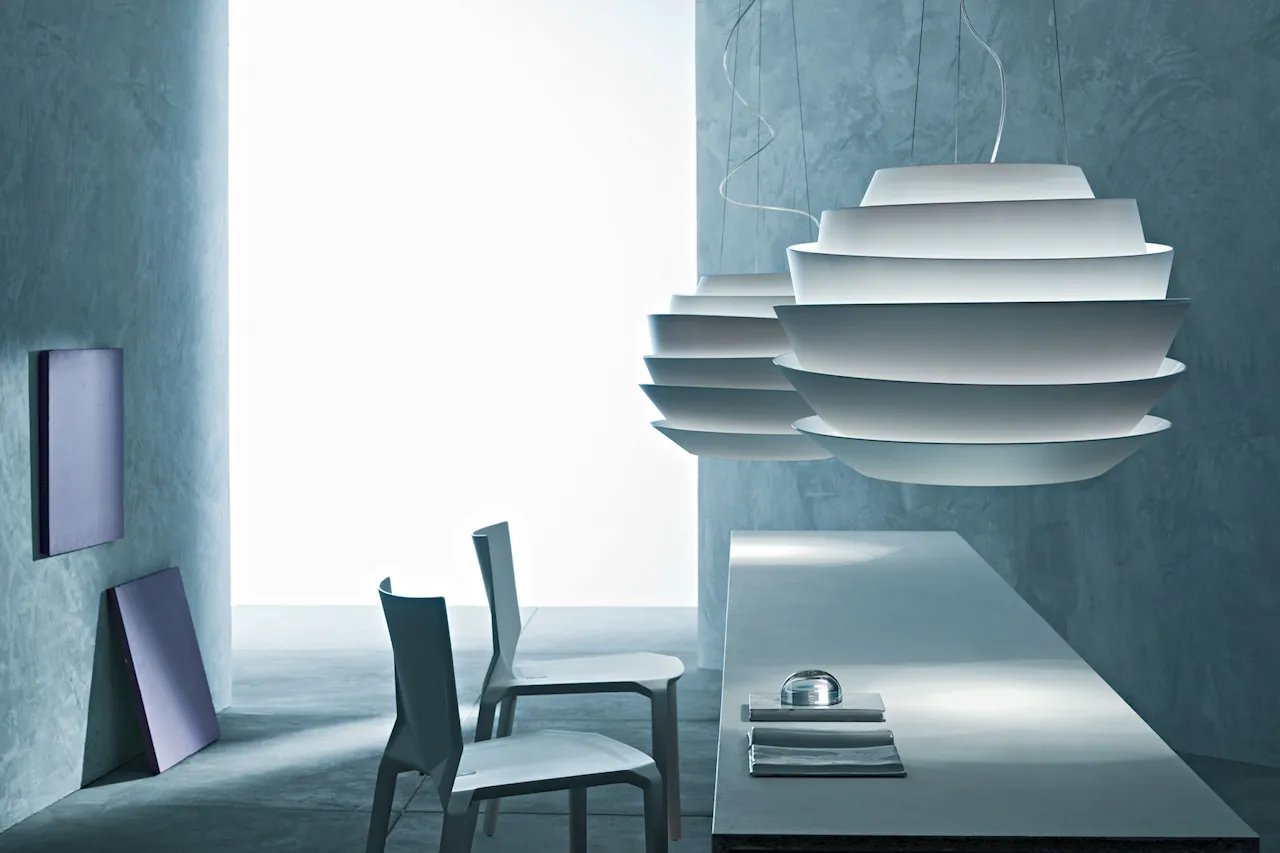
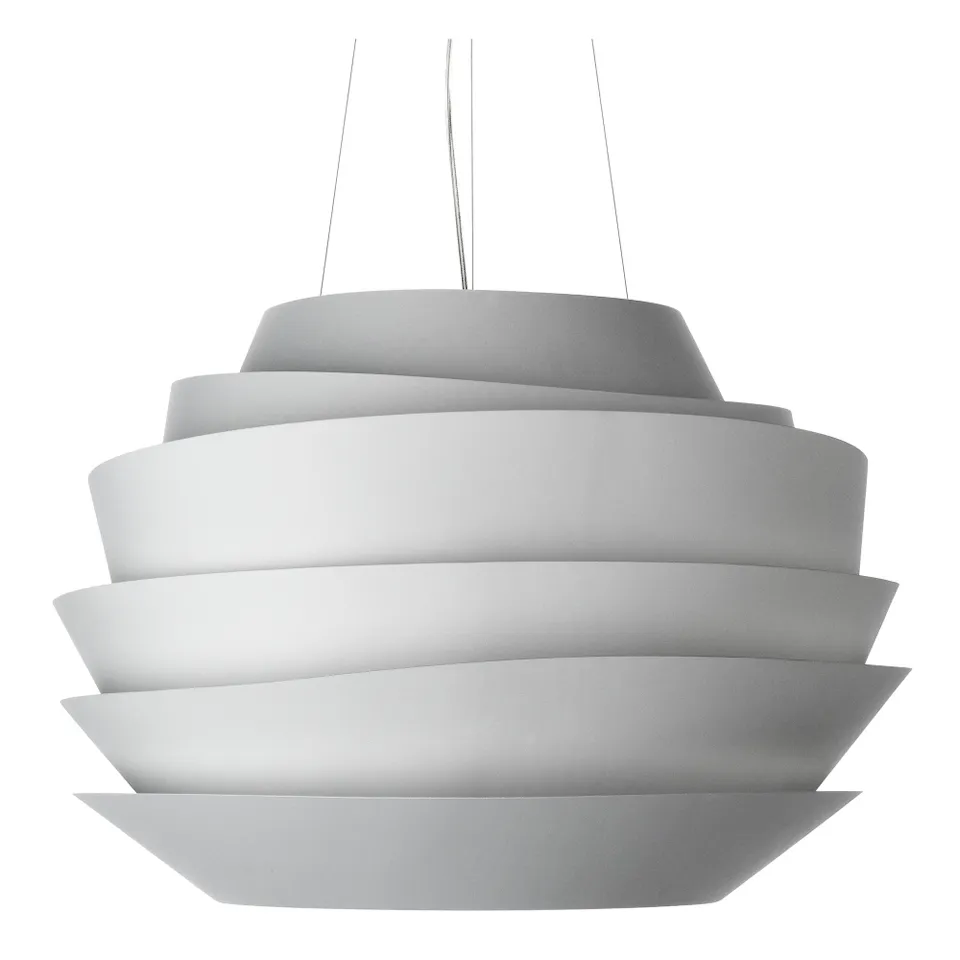
Le Soleil Pendant
€898
In stock- October Offer 15%+ More options
Foscarini
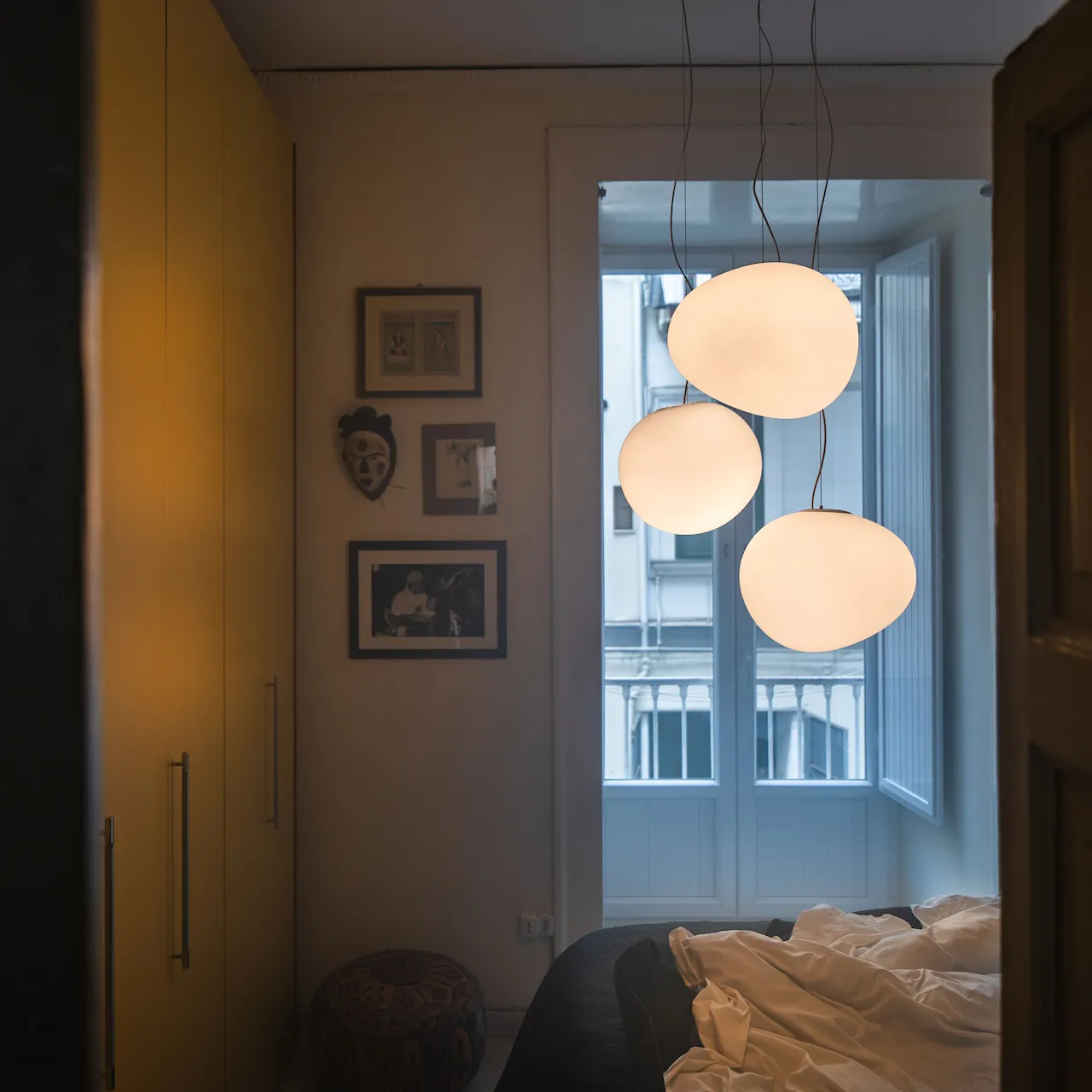
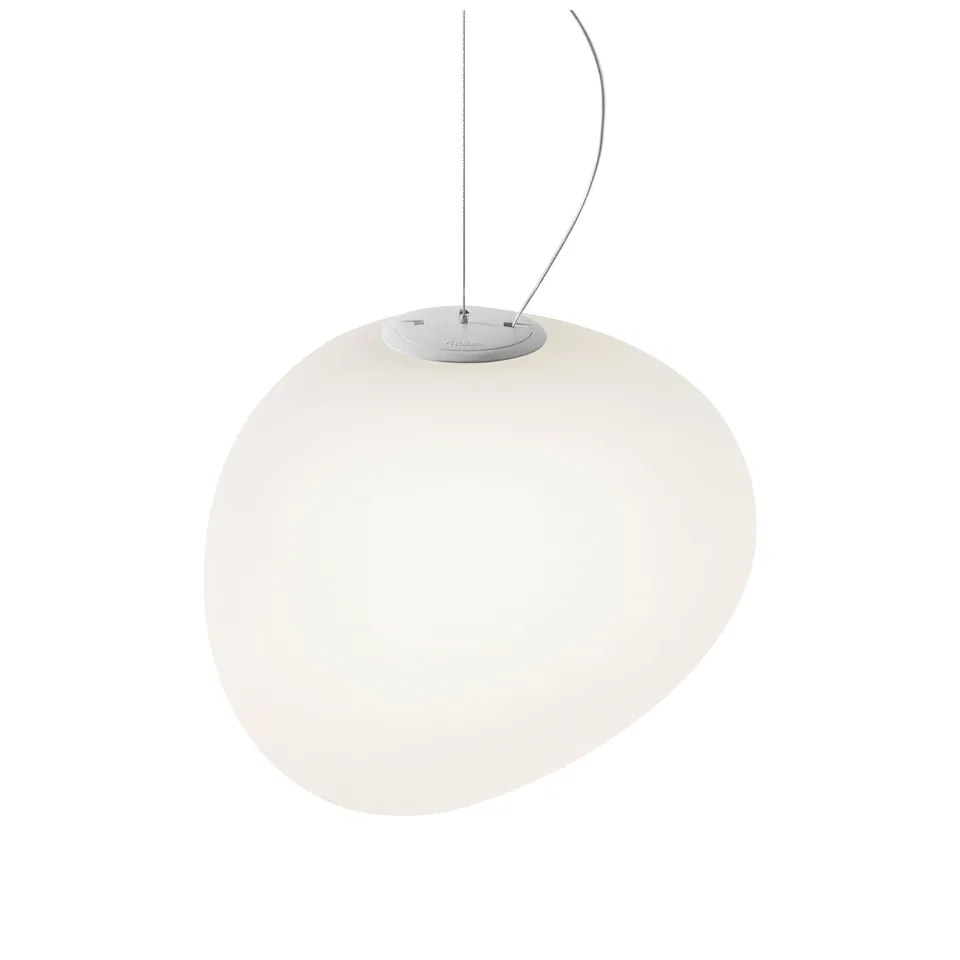
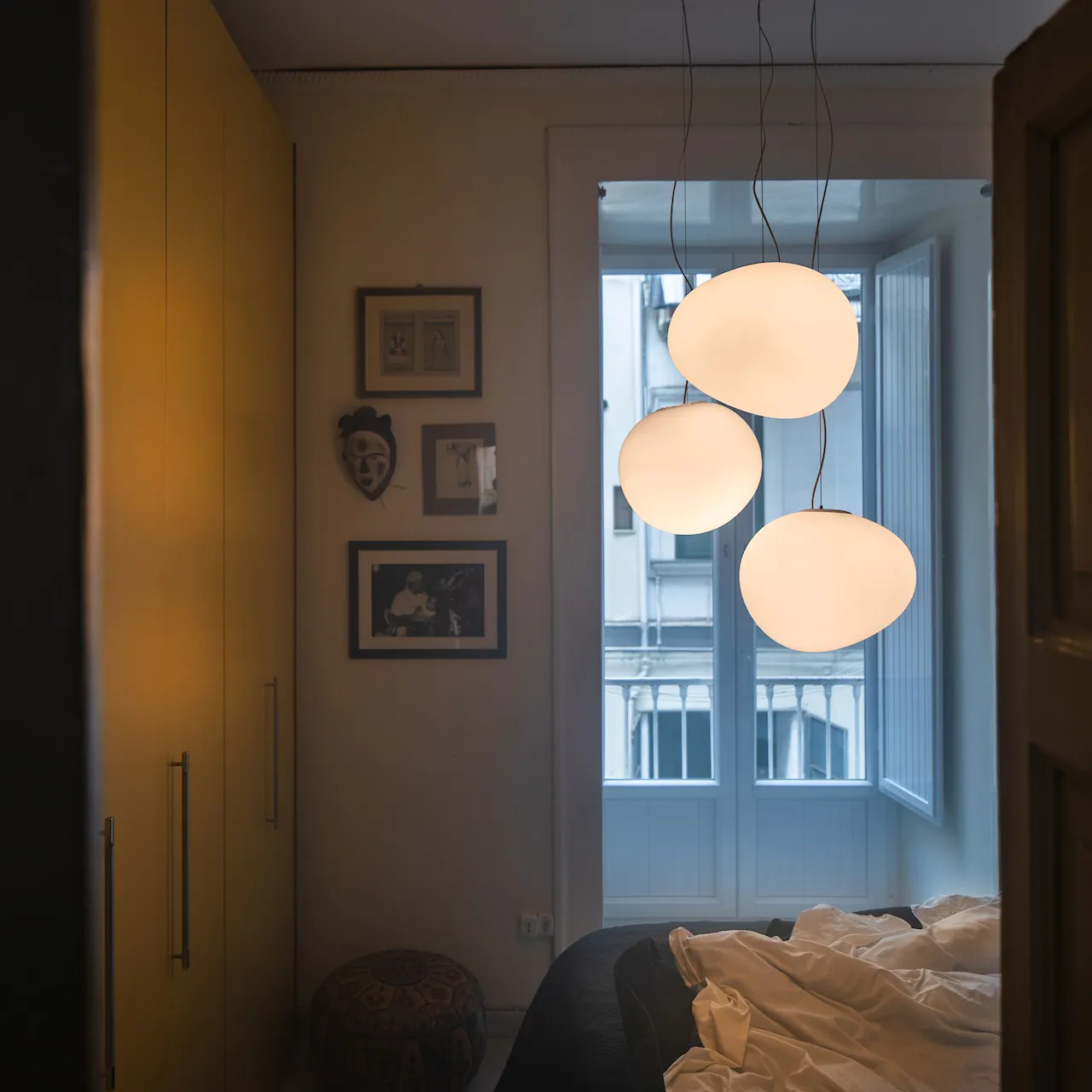
Gregg Media pendant lamp
From €404€475
In stock - October Offer 15%
Foscarini
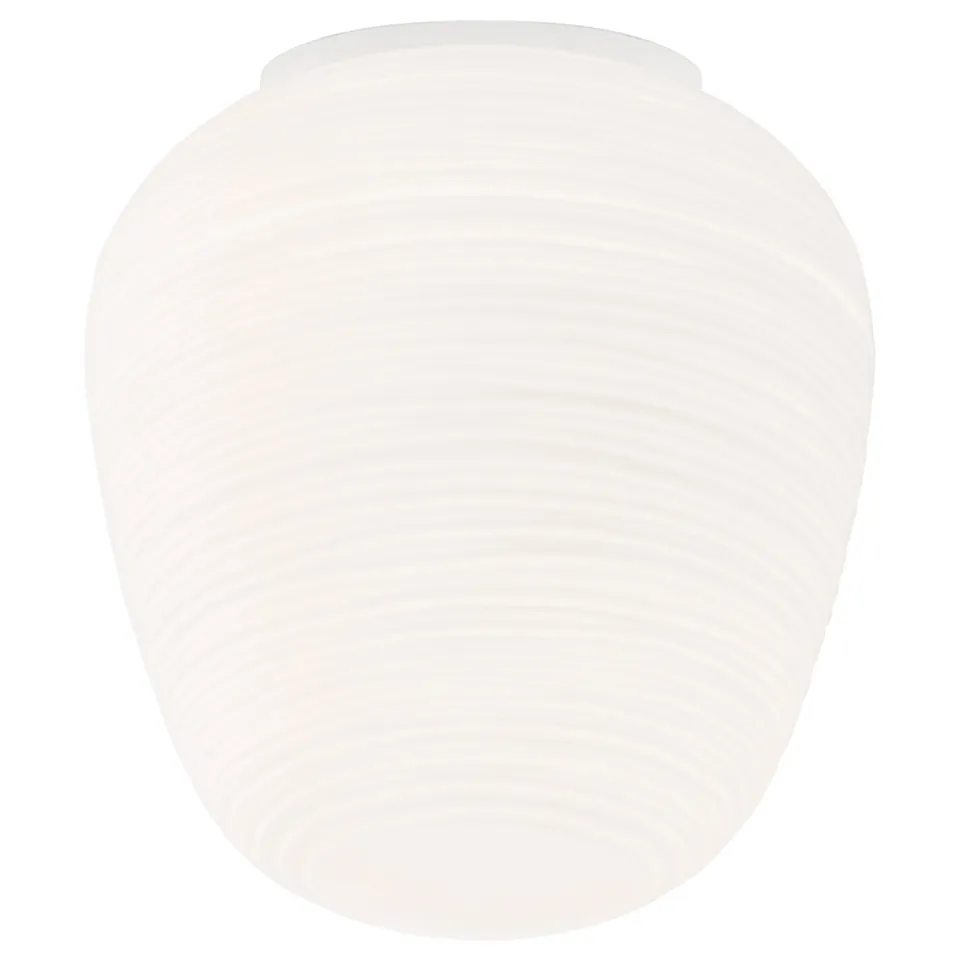
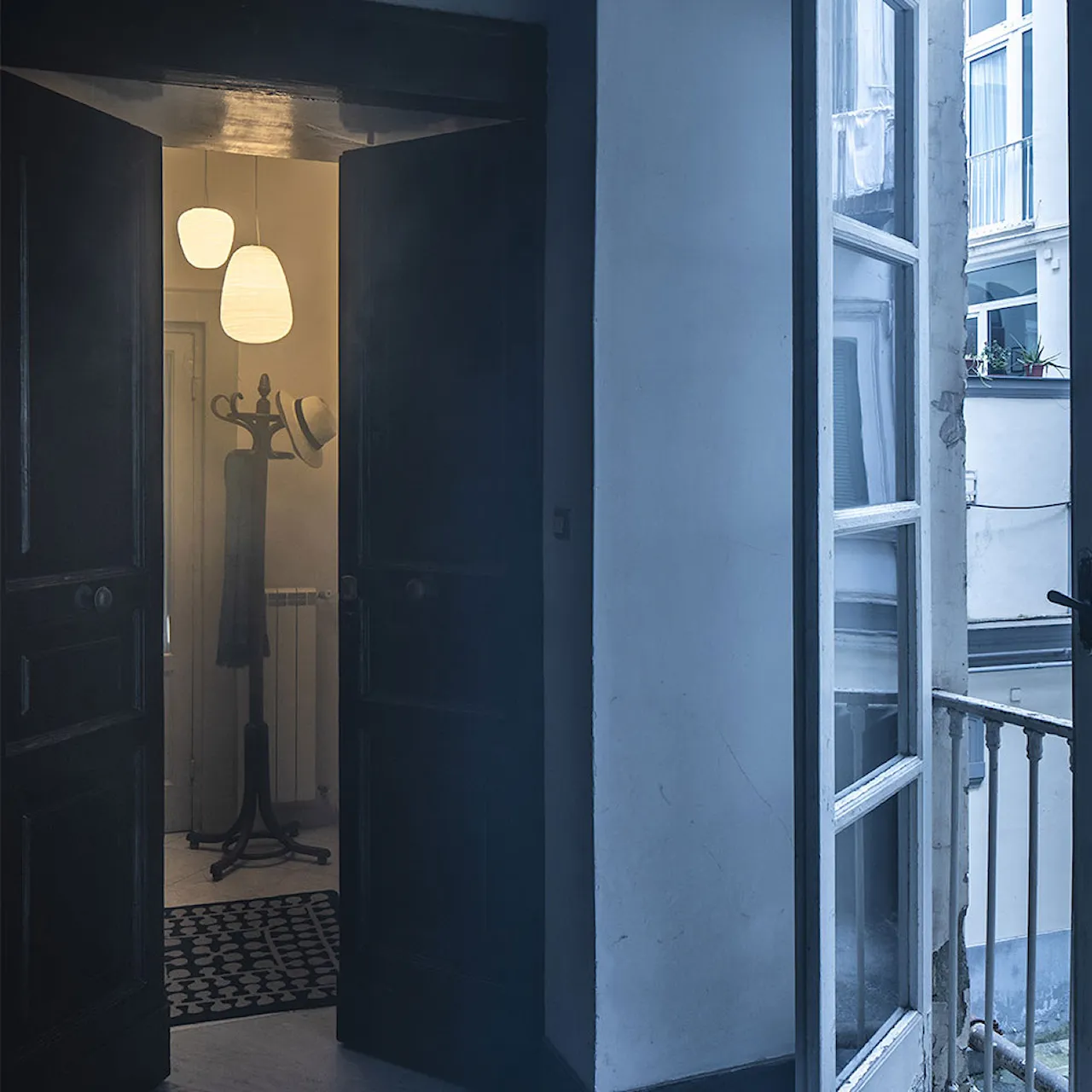
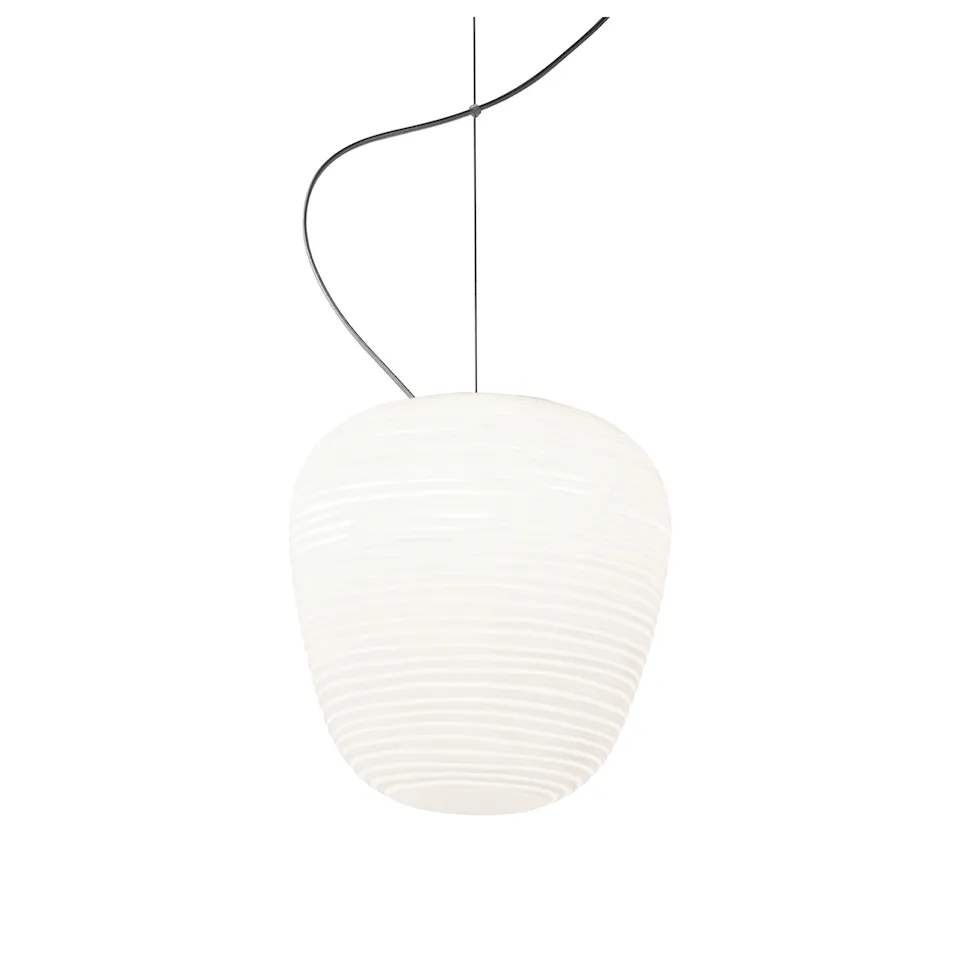
Rituals 3 ceiling lamp
€383€451
- October Offer 15%+ More options
Foscarini
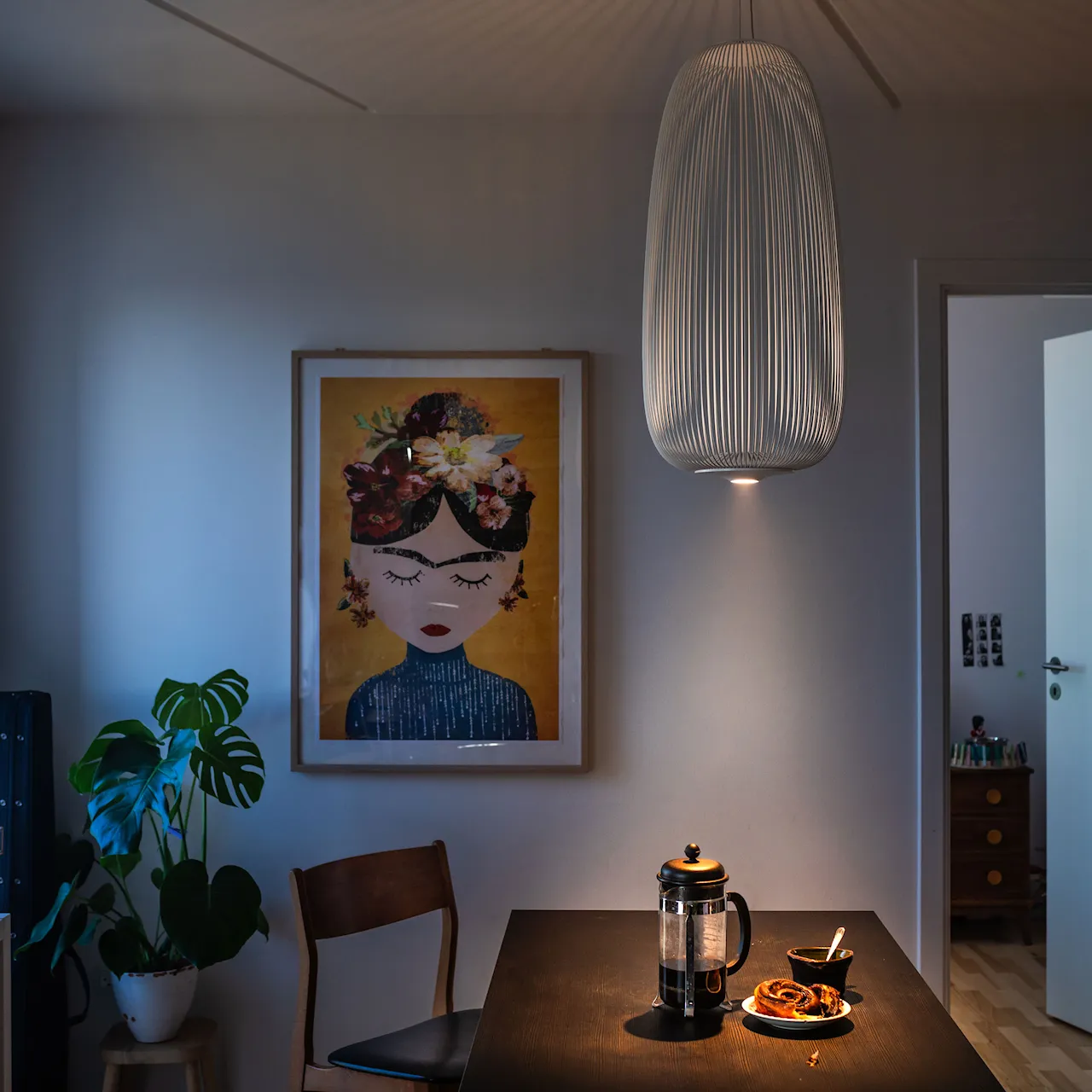
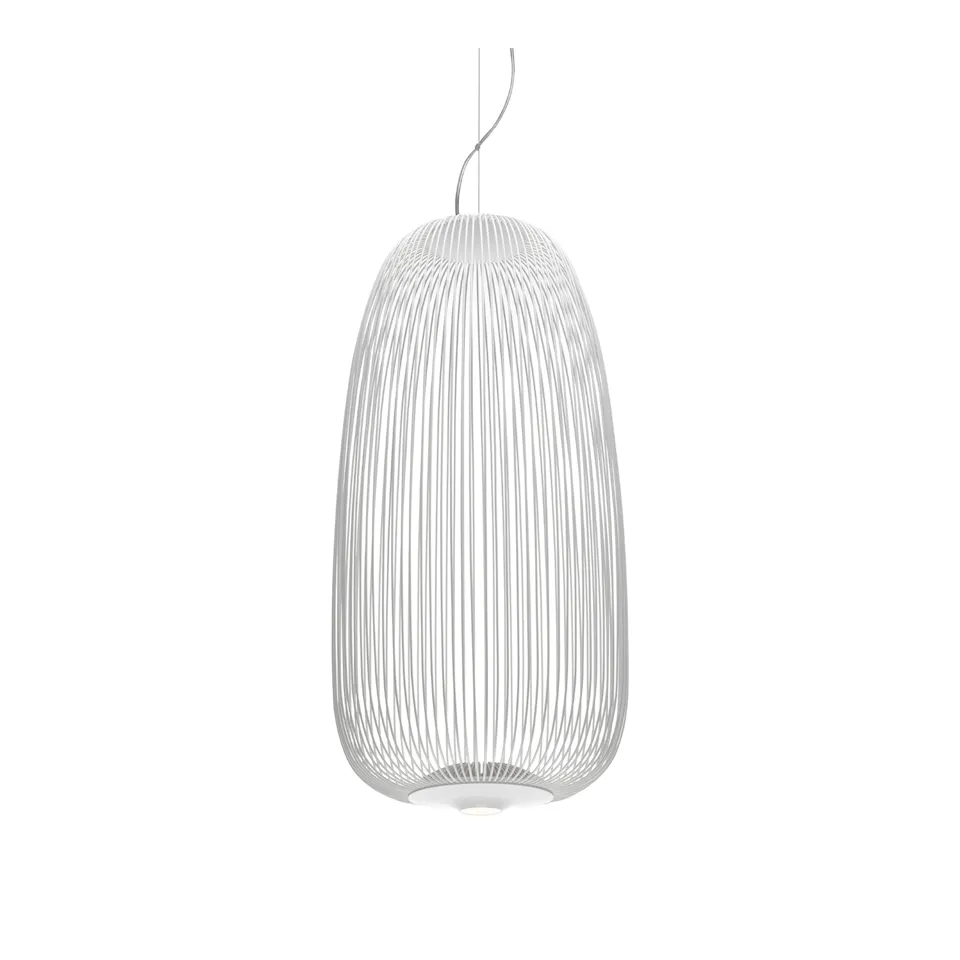
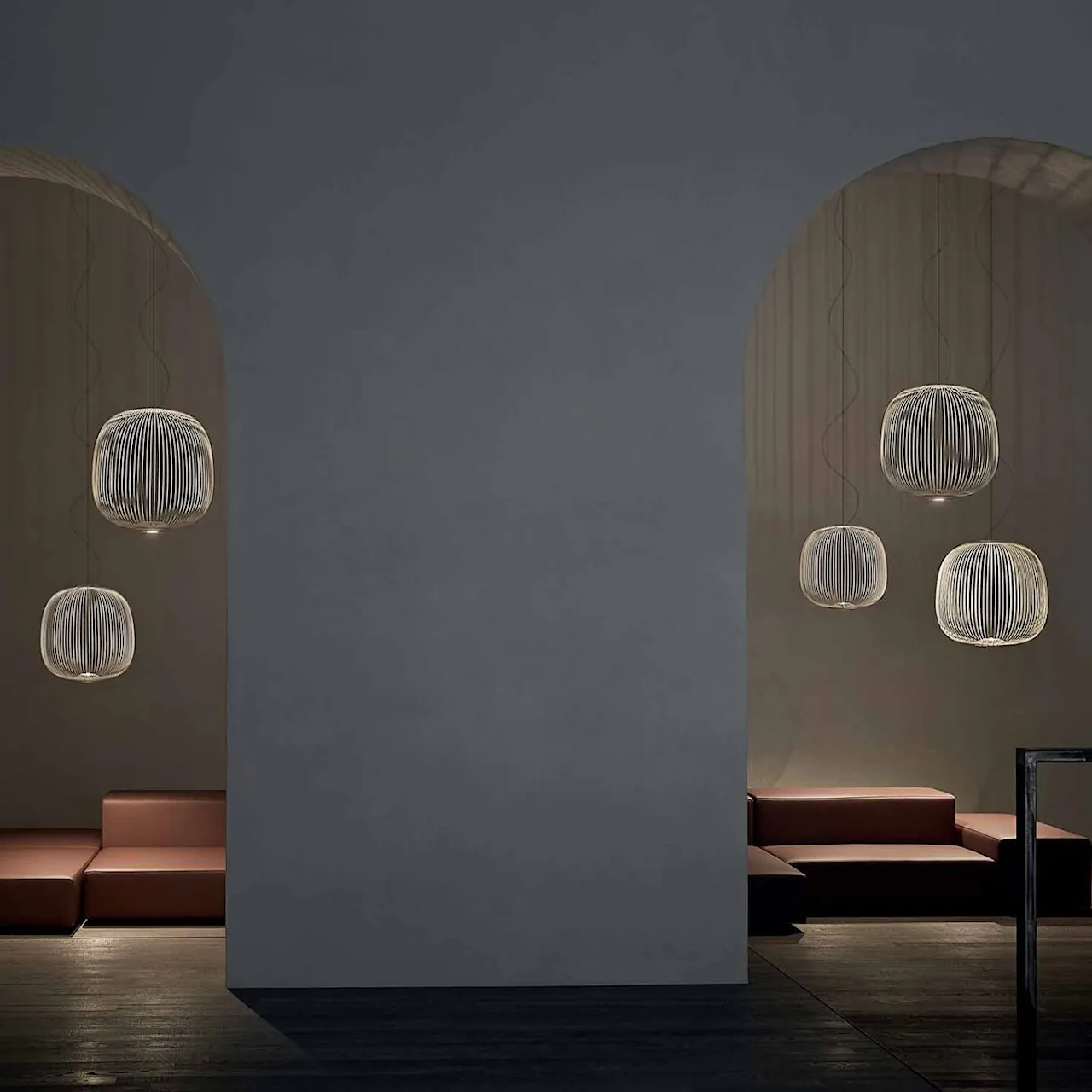
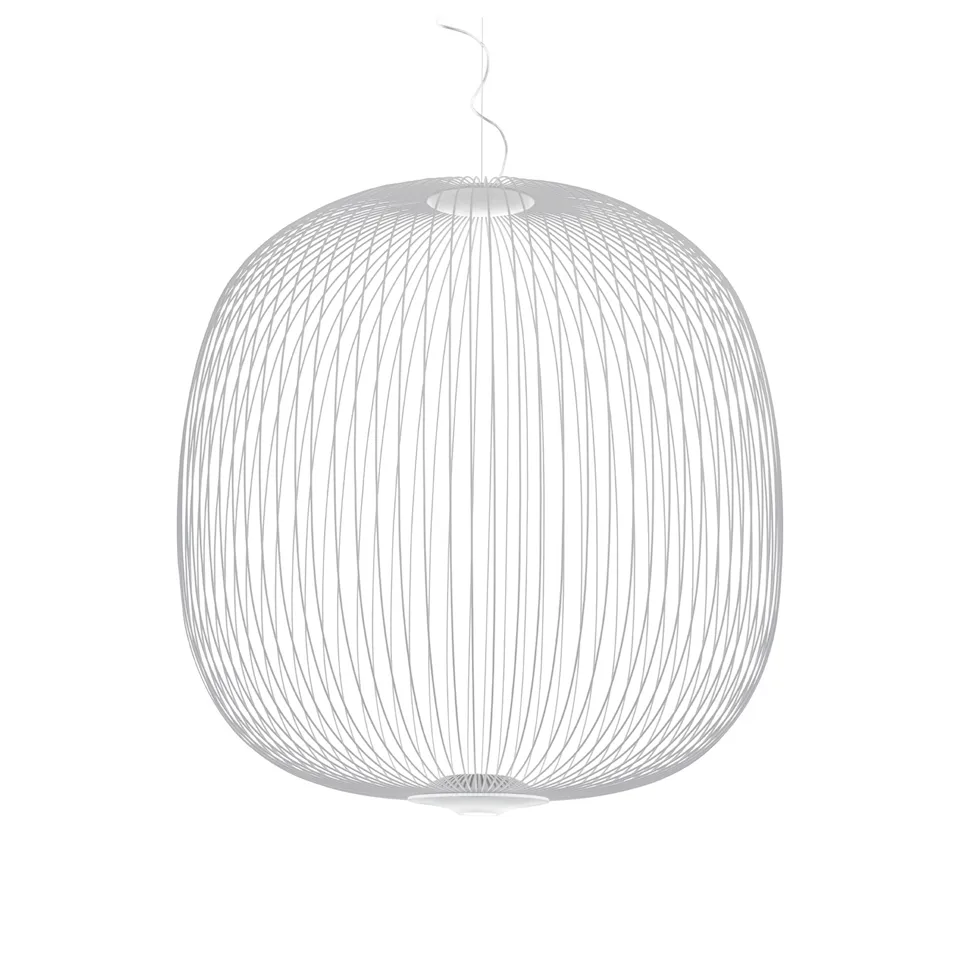
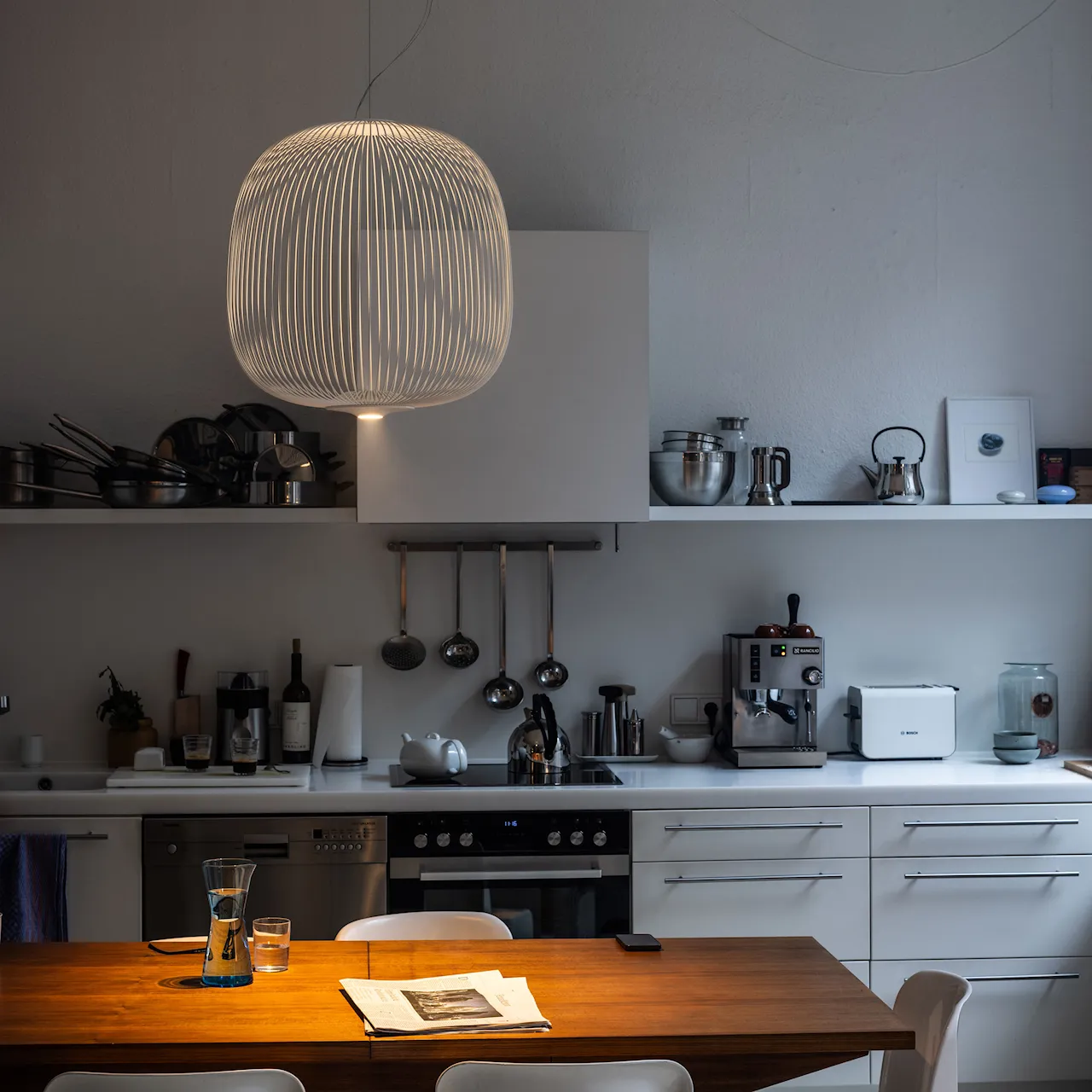
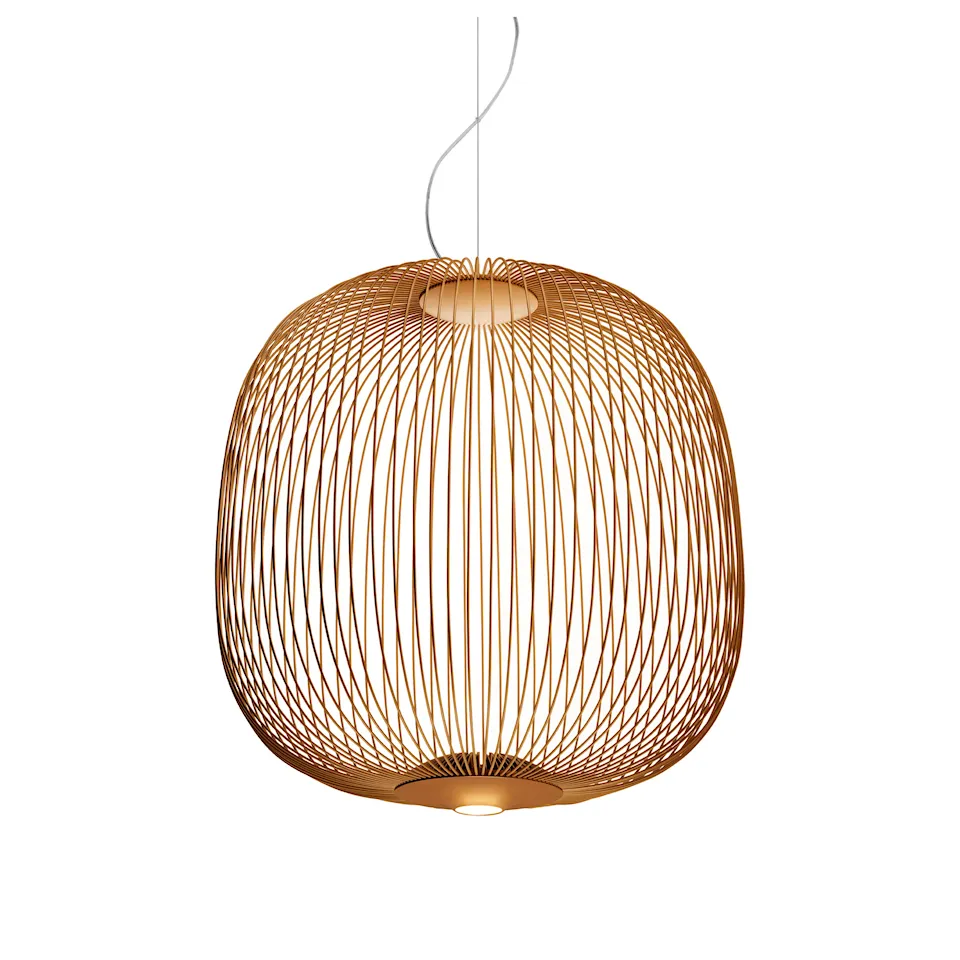
Spokes 1 pendant lamp
From €1,090€1,282
- October Offer 15%
Foscarini
Gregg Piccola pendant lamp
€194€228
In stock - October Offer 15%
Foscarini
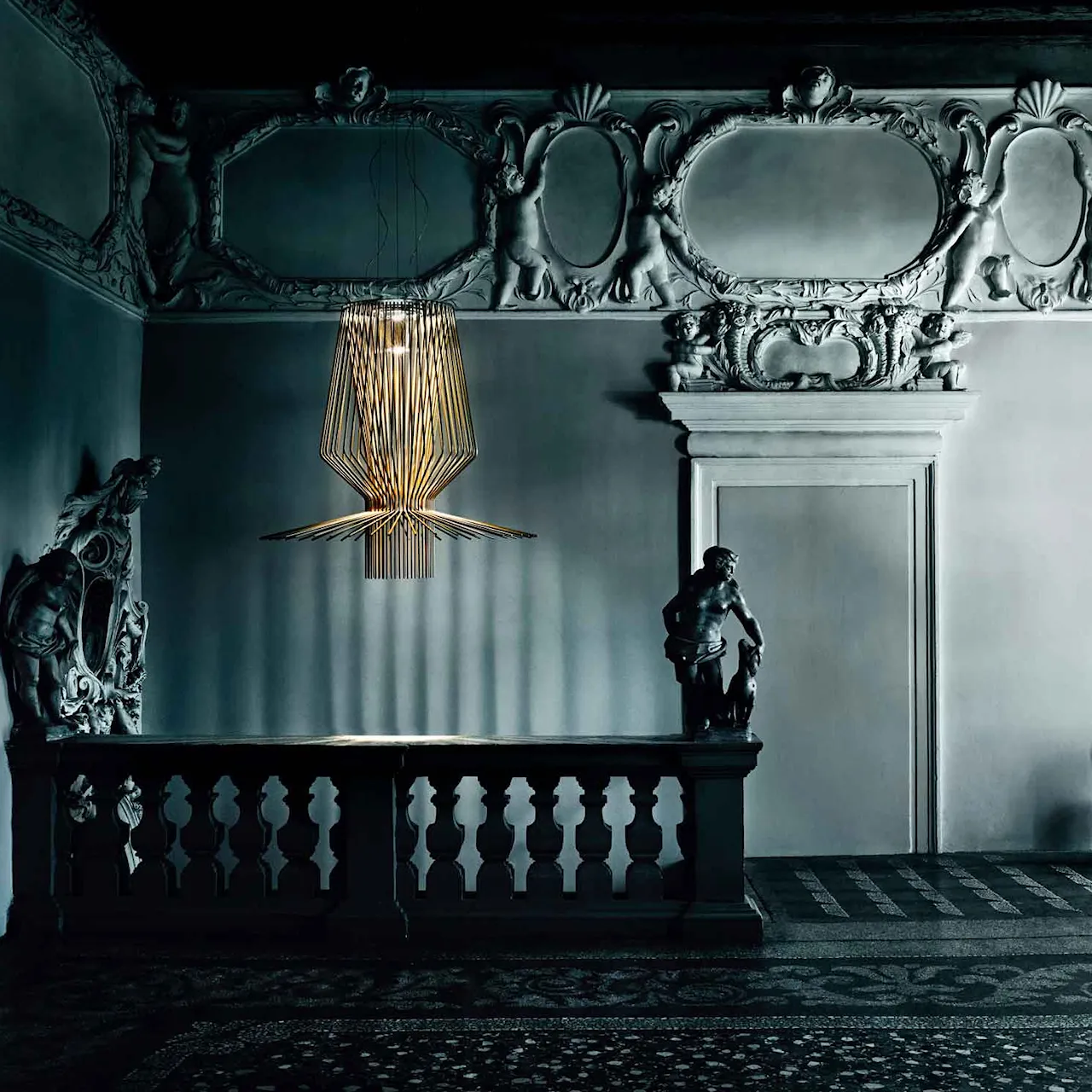
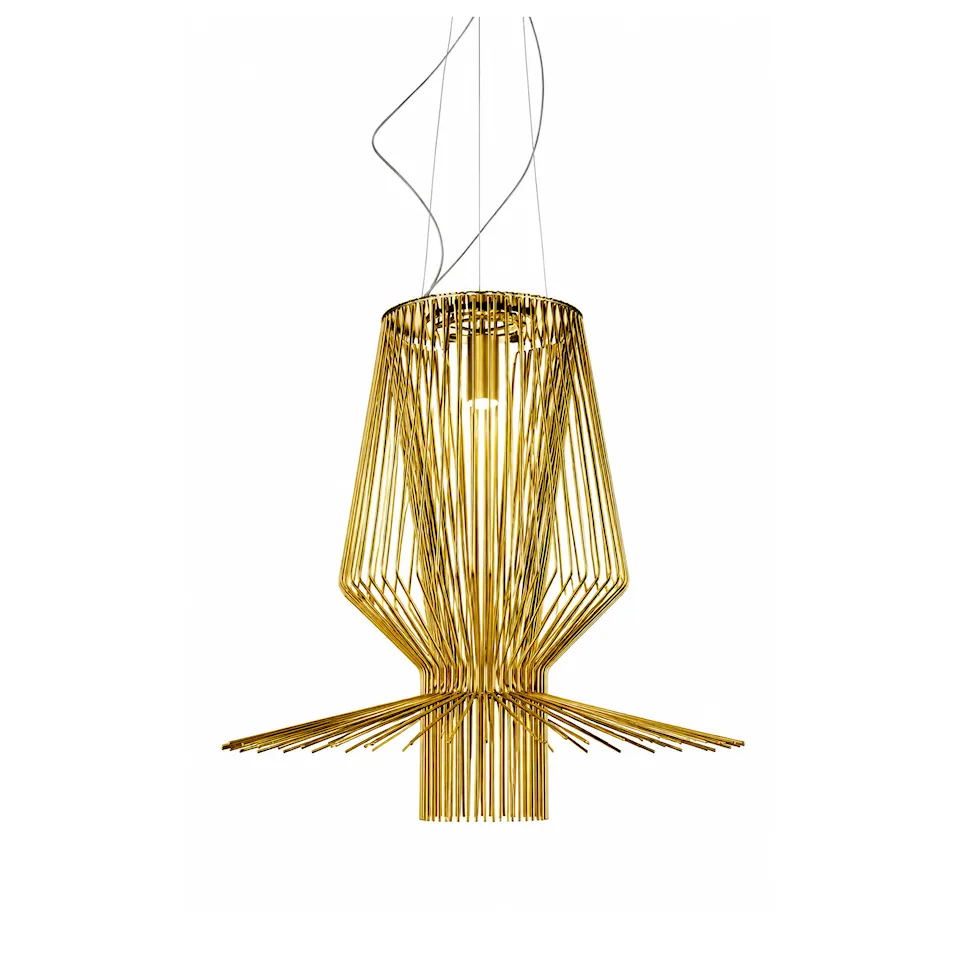
Allegretto Assai pendant lamp
€2,655€3,123
- October Offer 15%
Foscarini
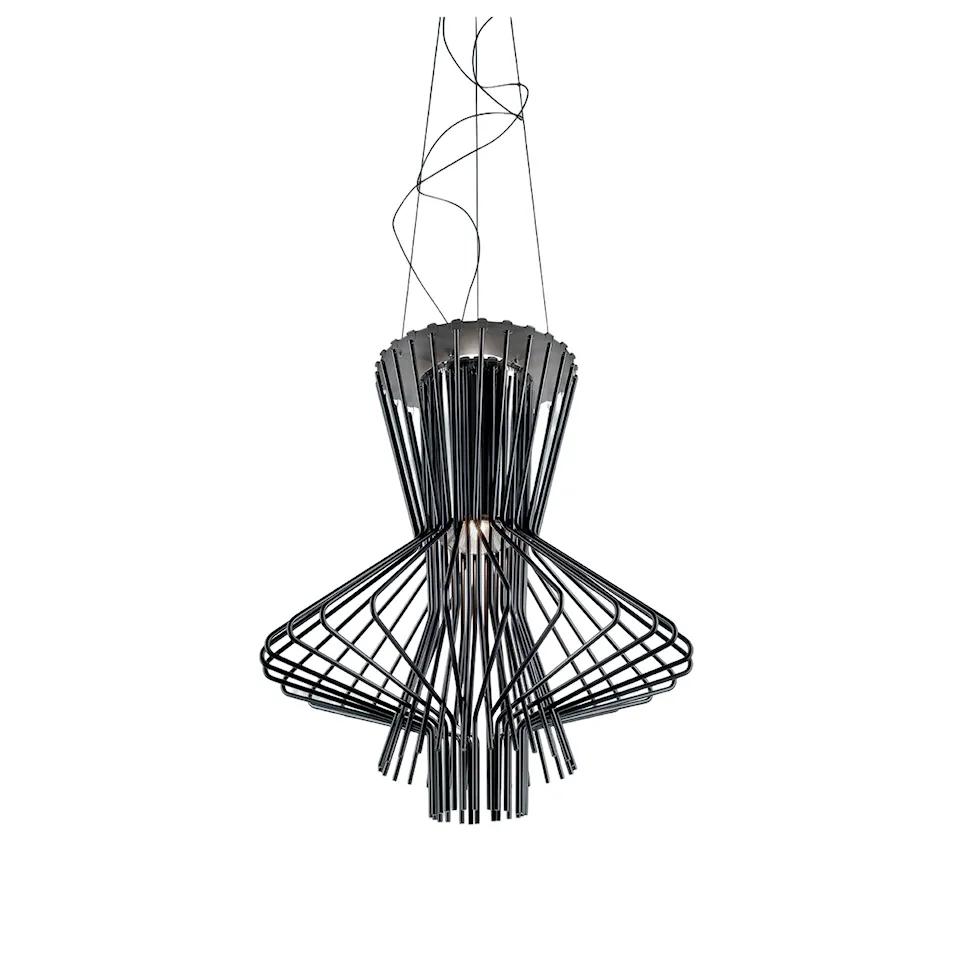
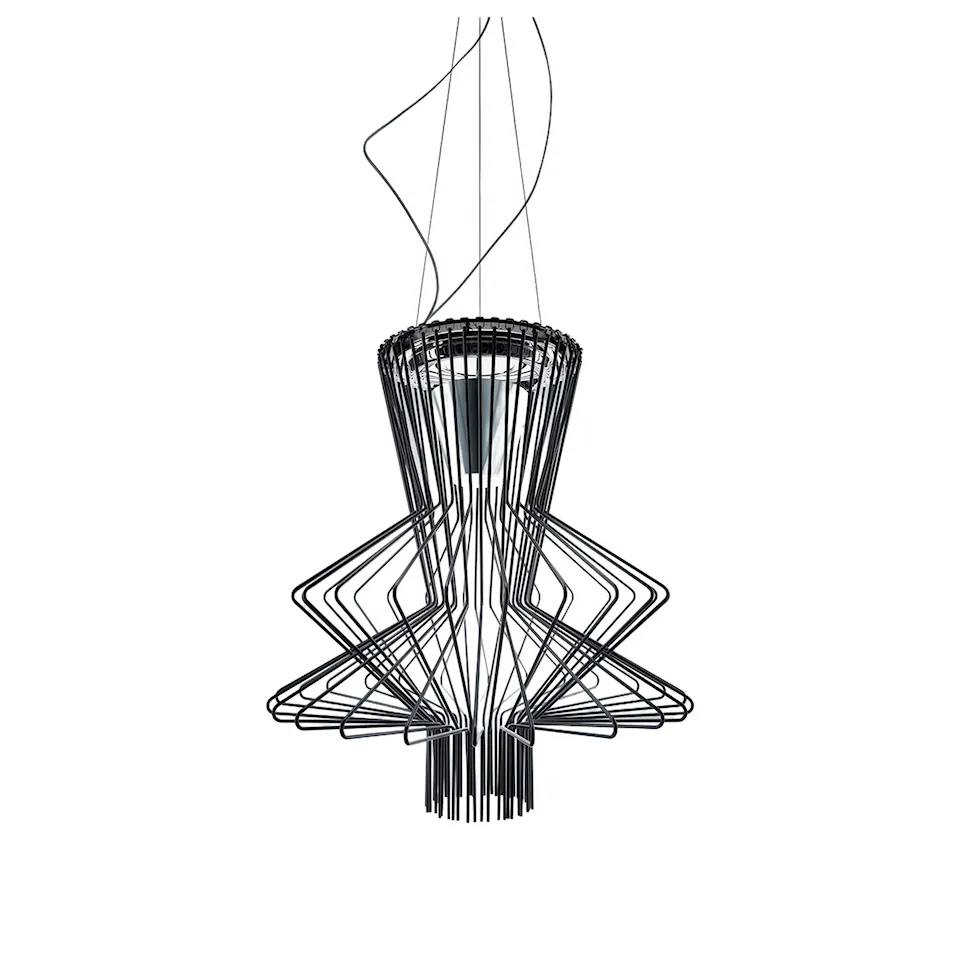
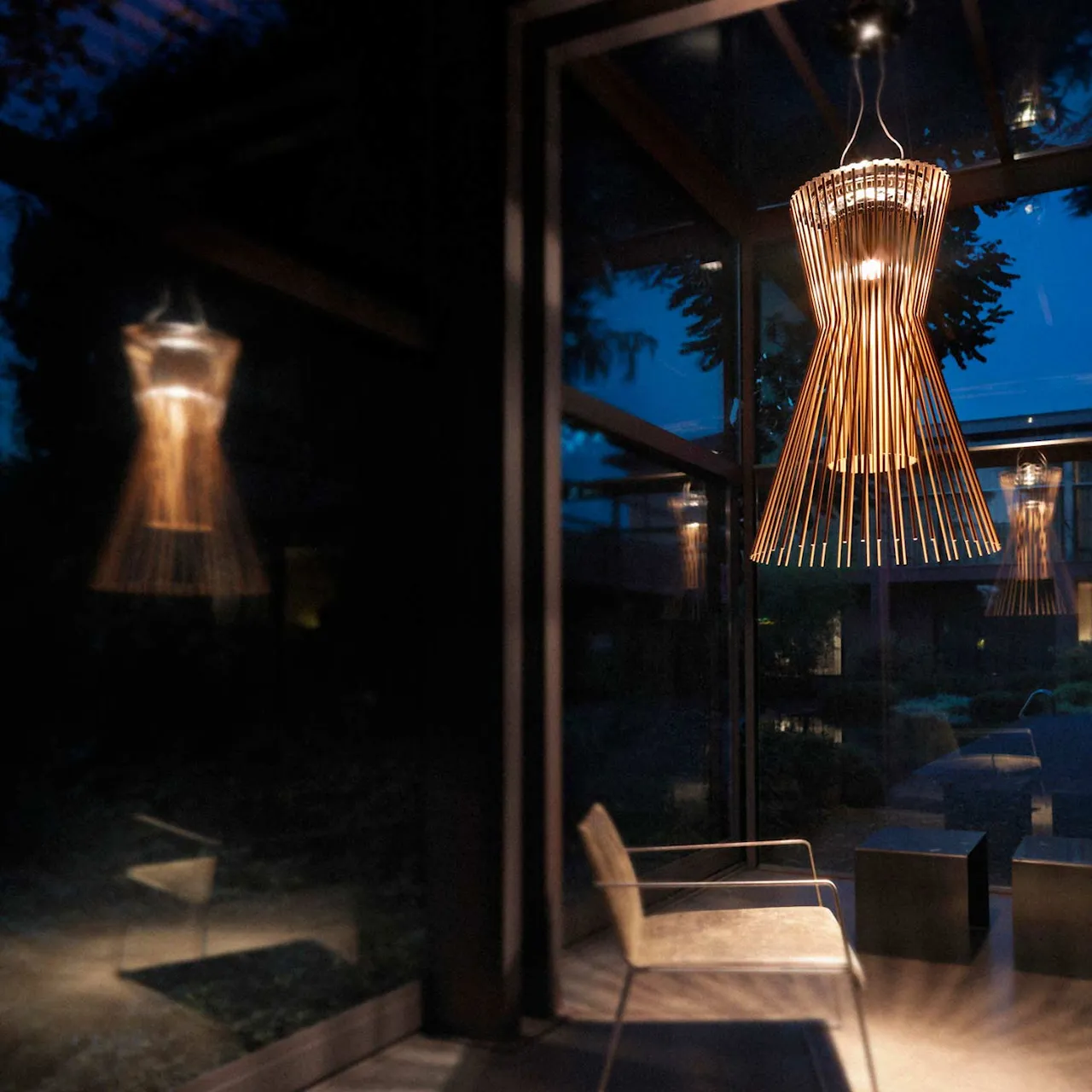
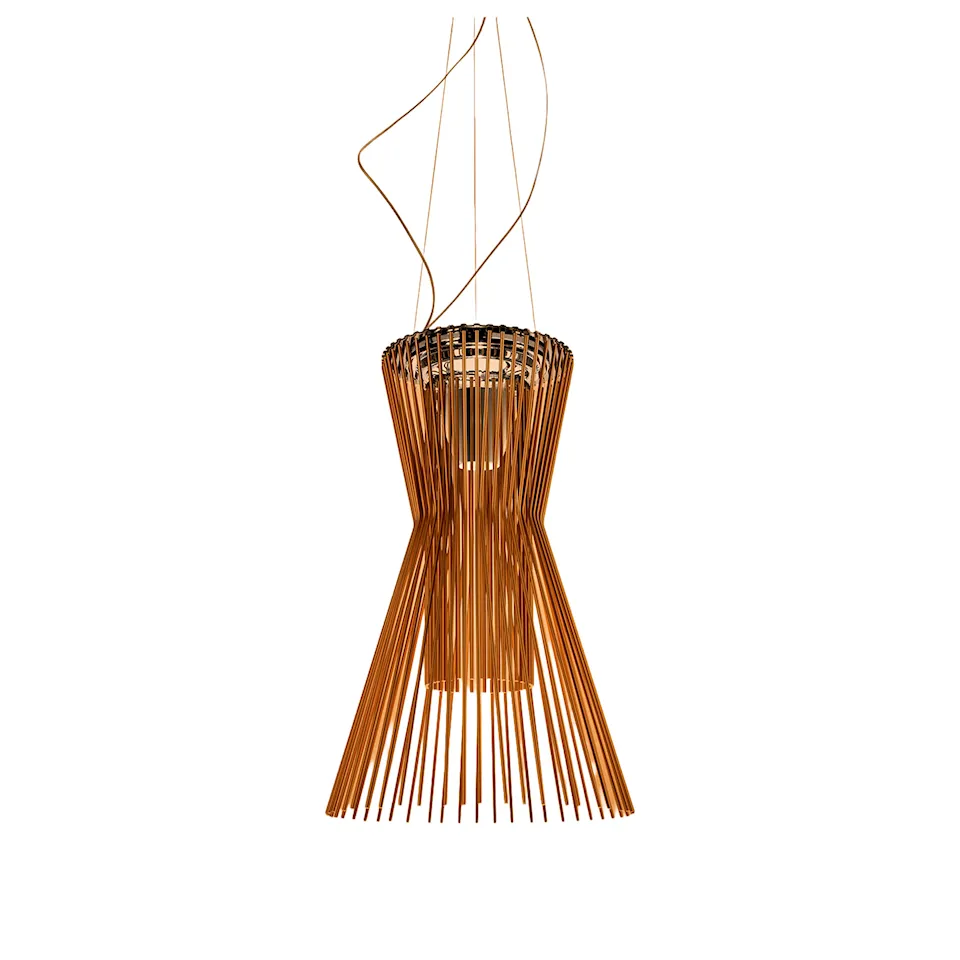
Allegretto Ritmico pendant lamp
€2,005€2,359
- October Offer 15%
Foscarini
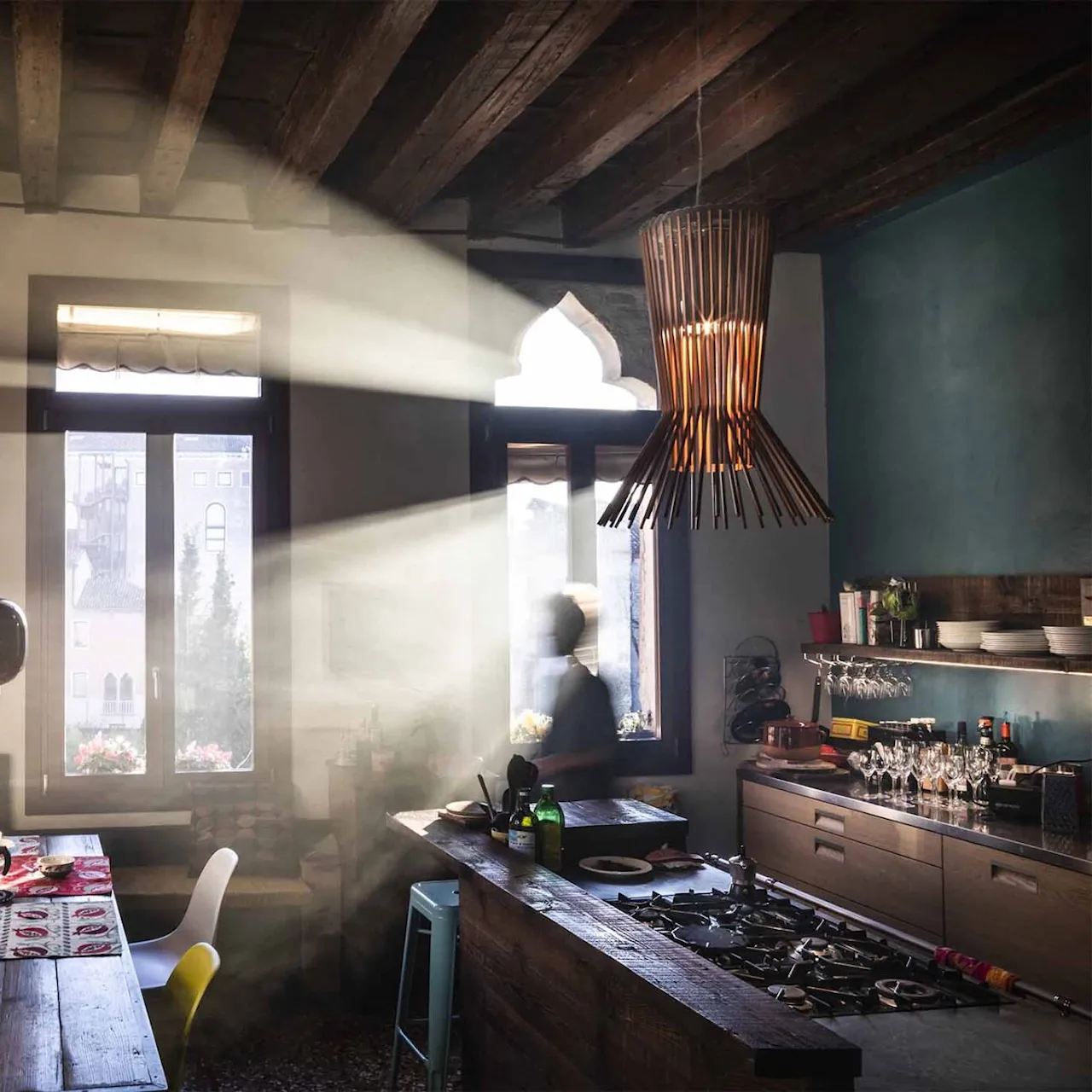
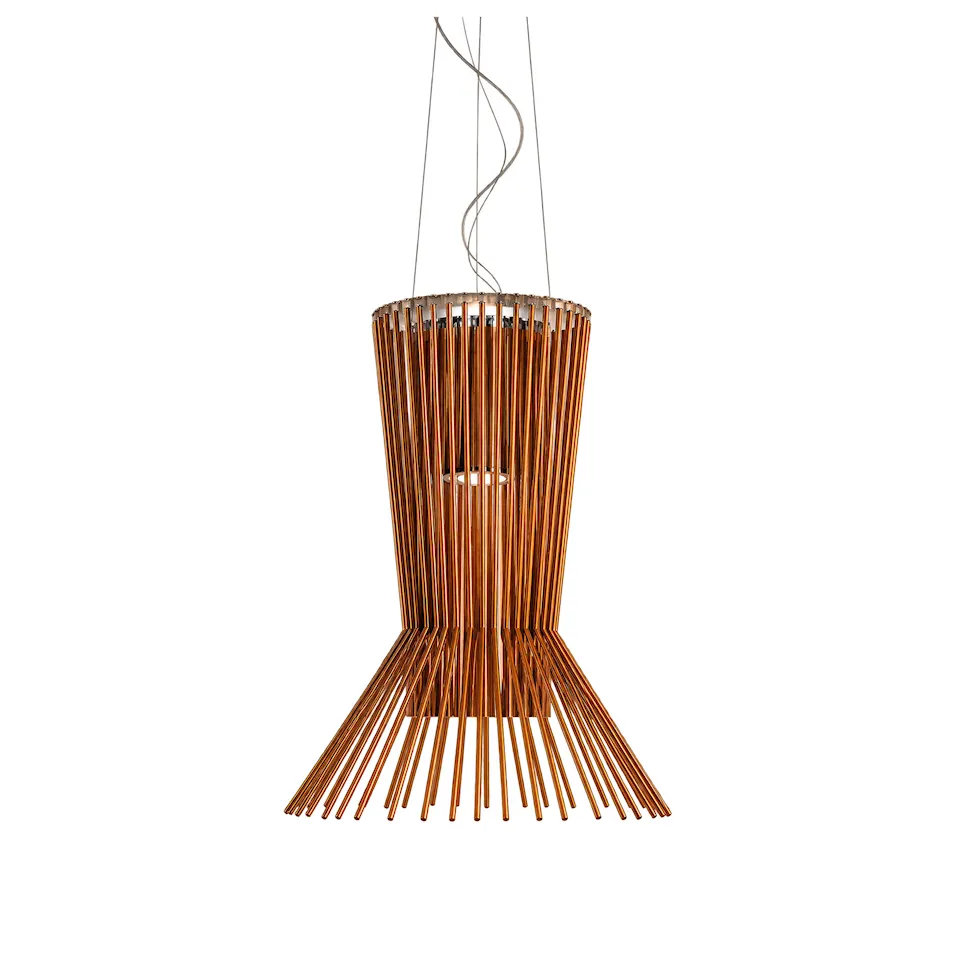
Allegretto Vivace pendant lamp
€2,400€2,824
- October Offer 15%+ More options
Foscarini
Allegro Assai pendant lamp
From €6,766€7,960
- October Offer 15%+ More options
Foscarini
Allegro Ritmico pendant lamp
From €3,372€3,967
- October Offer 15%
Foscarini
Rituals 2 wall and ceiling lamp
€444€522
In stock - October Offer 15%
Foscarini
Allegro Vivace pendant lamp
€4,481€5,272
- October Offer 15%+ More options
Foscarini
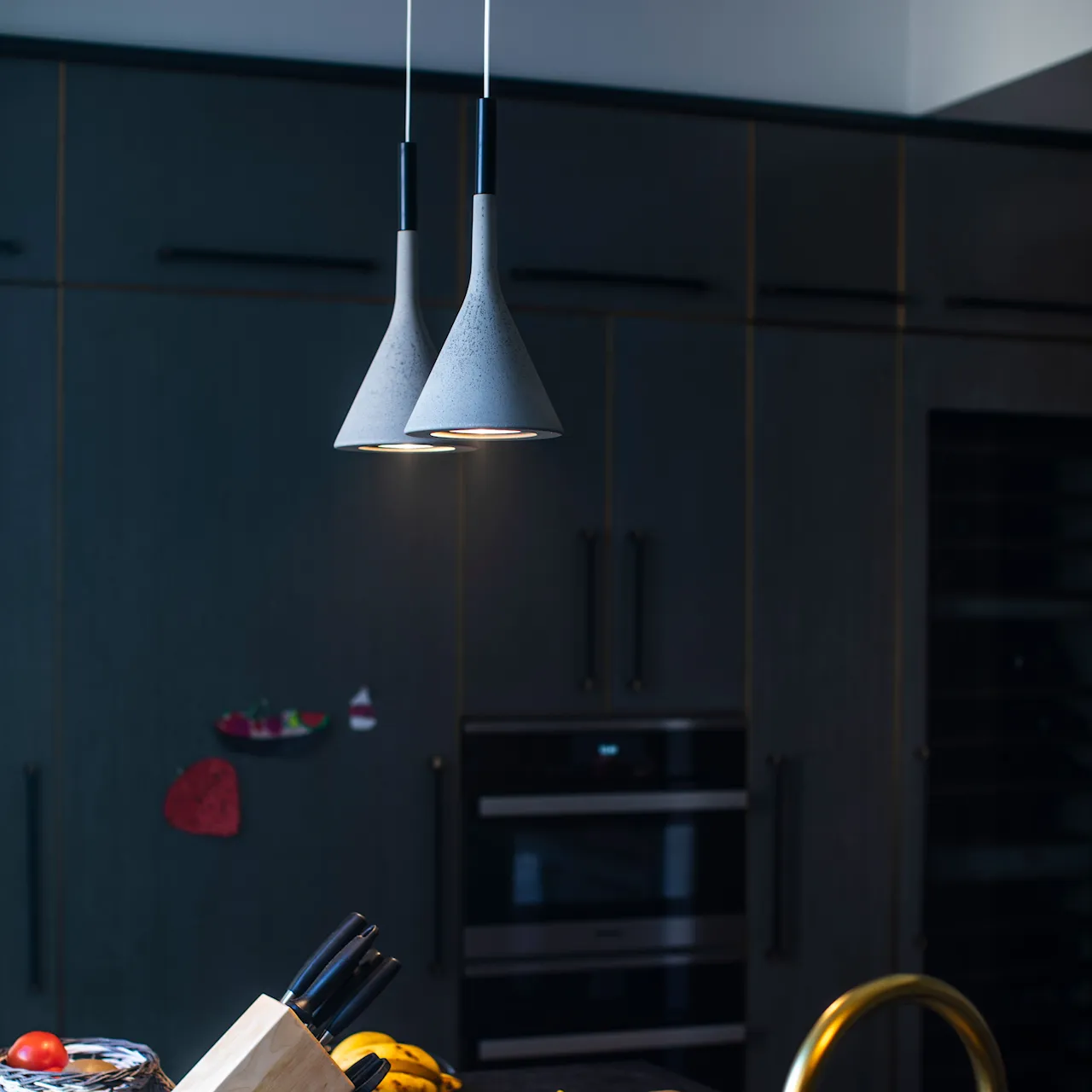
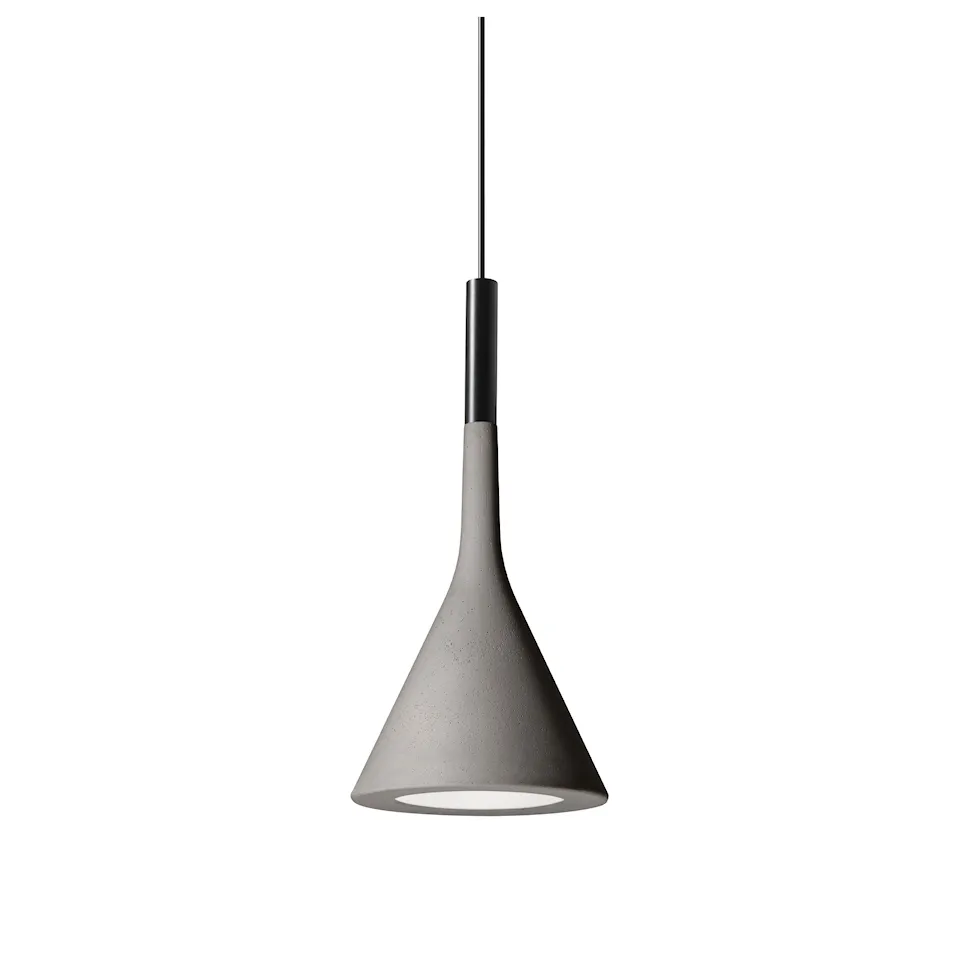
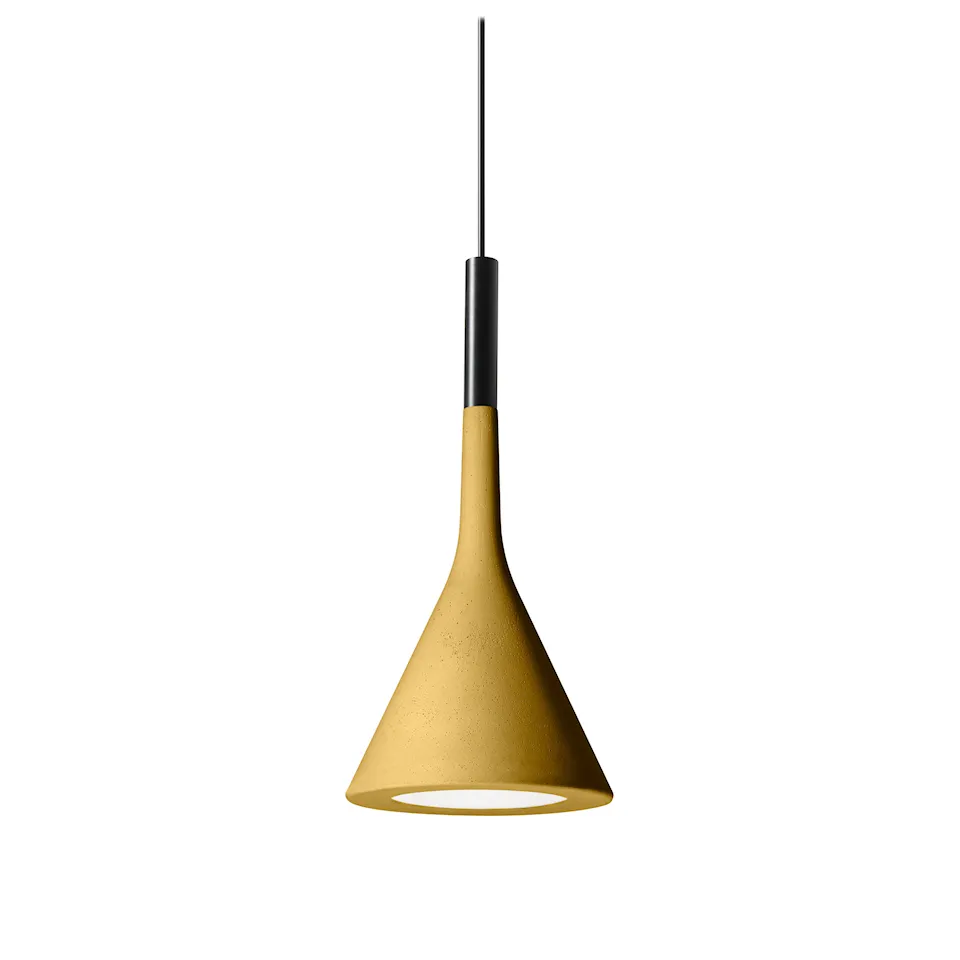
Aplomb Mini pendant lamp
€262€308
In stock - October Offer 15%
Foscarini
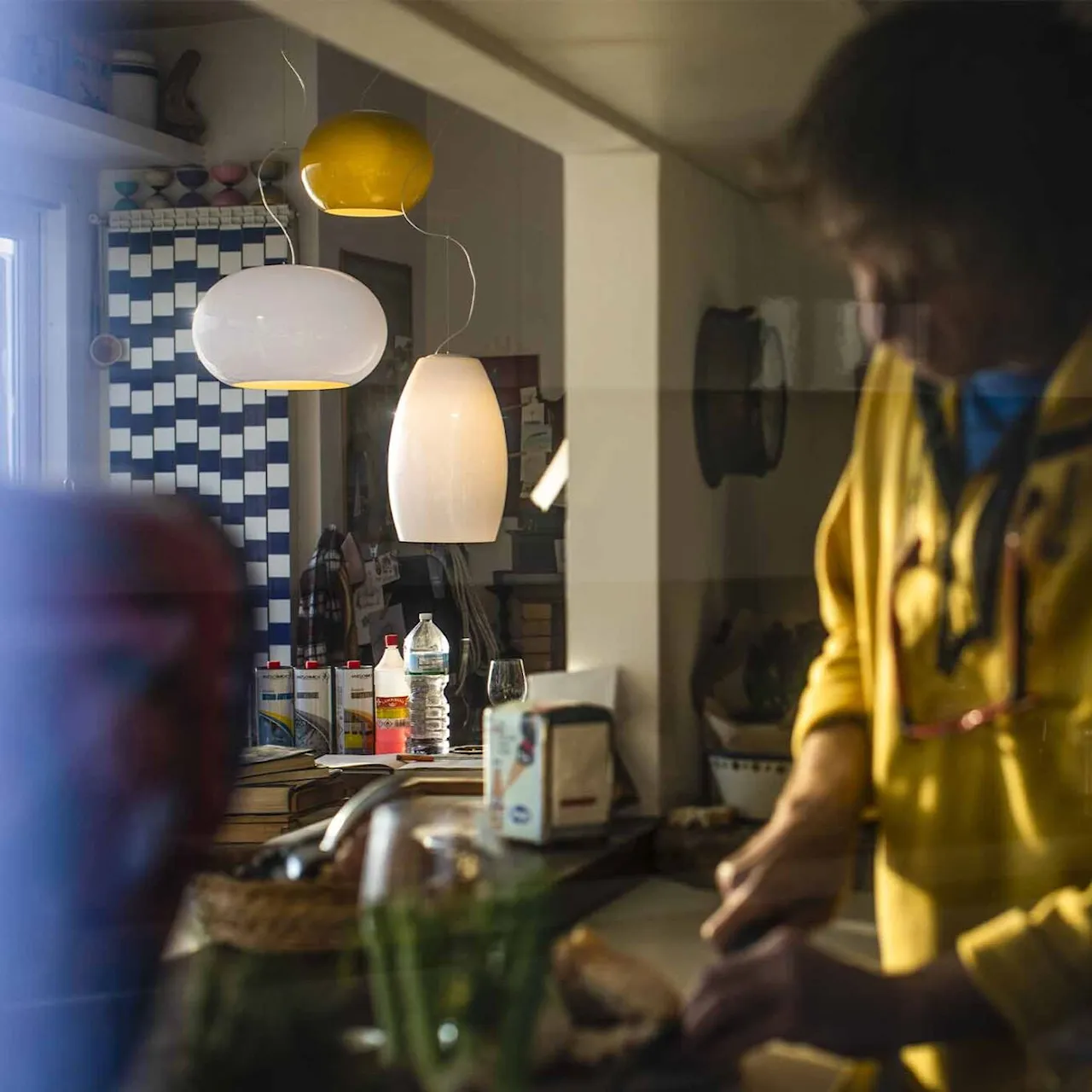
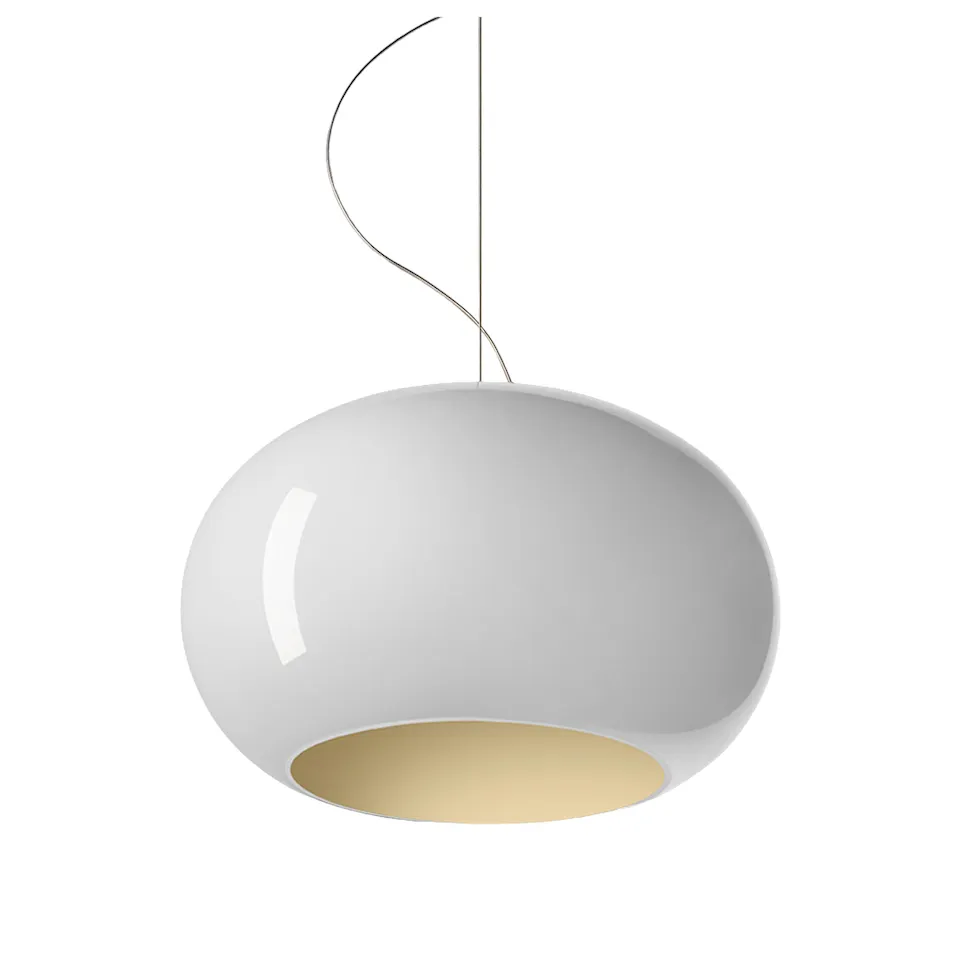
Buds 1 pendant lamp
€683€803
- October Offer 15%+ More options
Foscarini
Buds 3 pendant lamp
From €646€760
- October Offer 15%+ More options
Foscarini
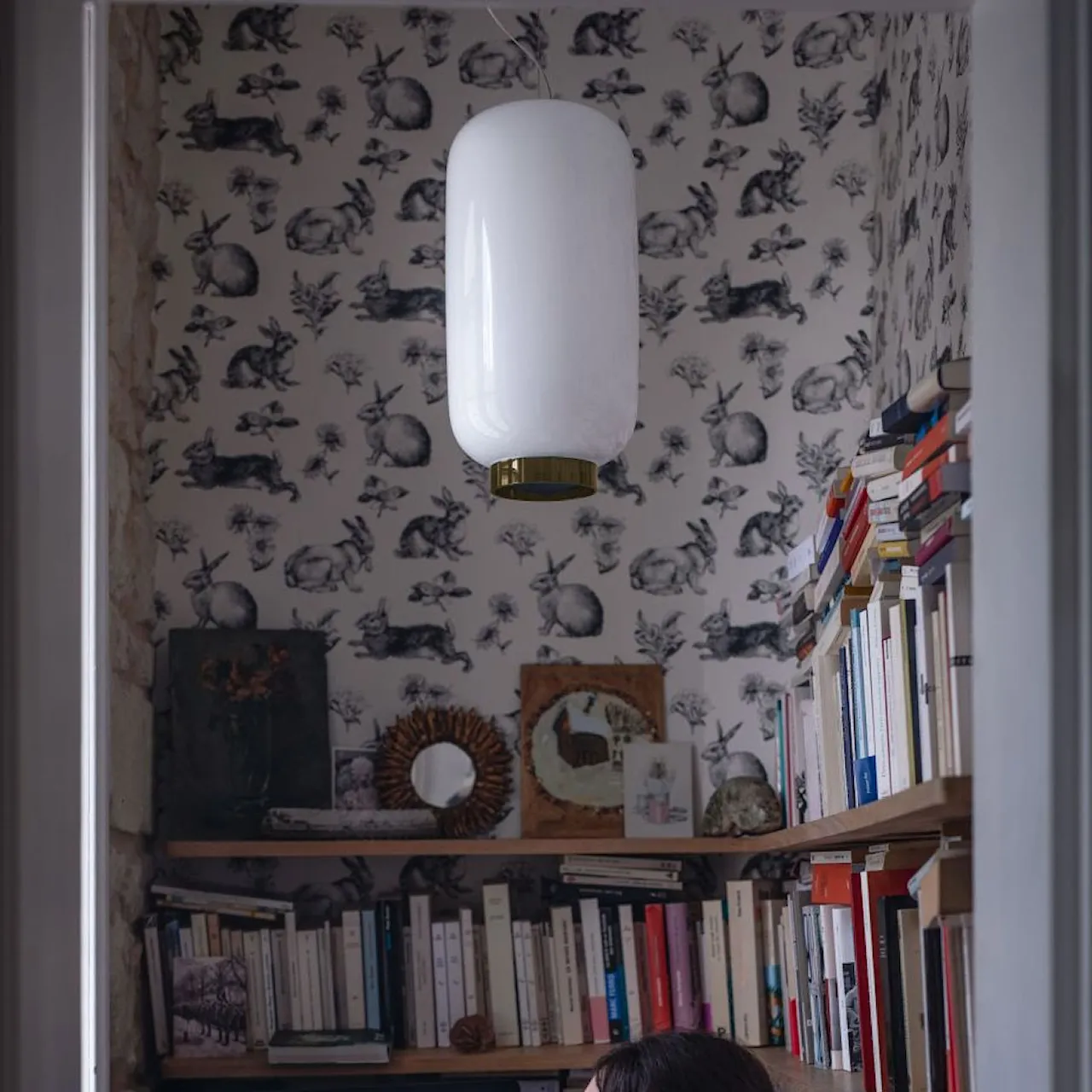
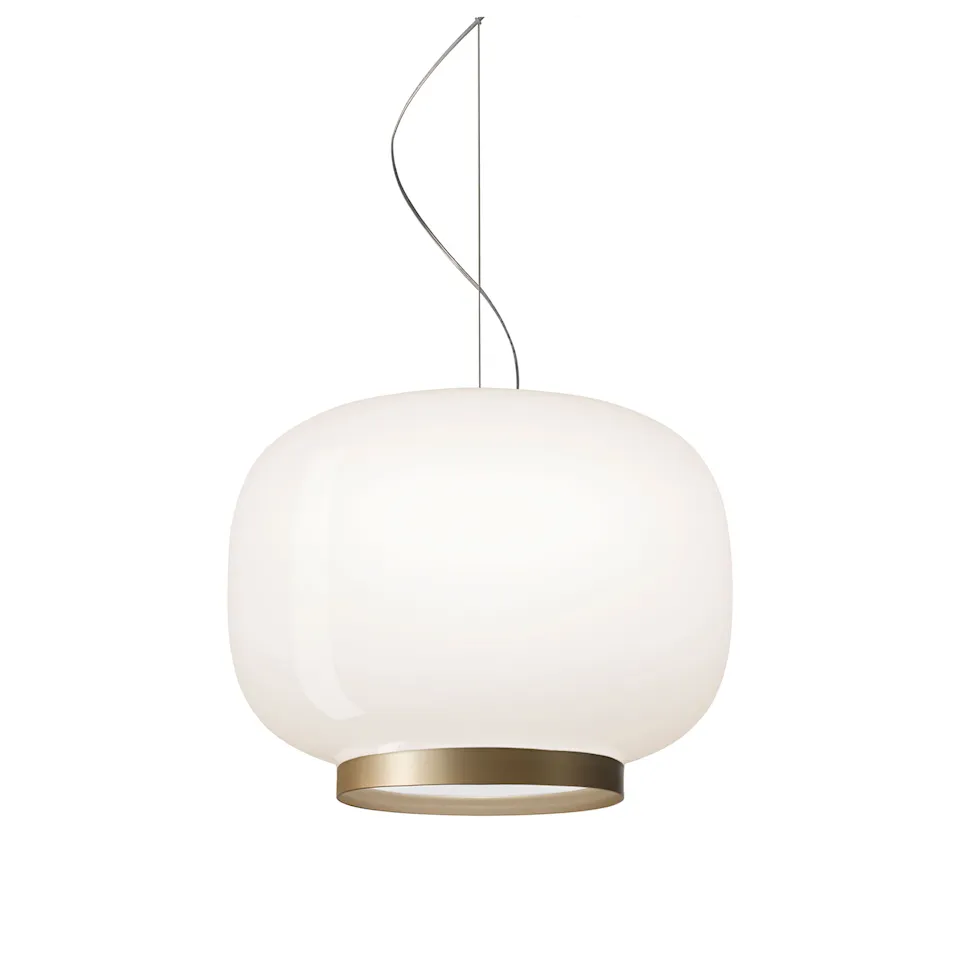
Chouchin 1 pendant lamp
From €658€774
- October Offer 15%+ More options
Foscarini
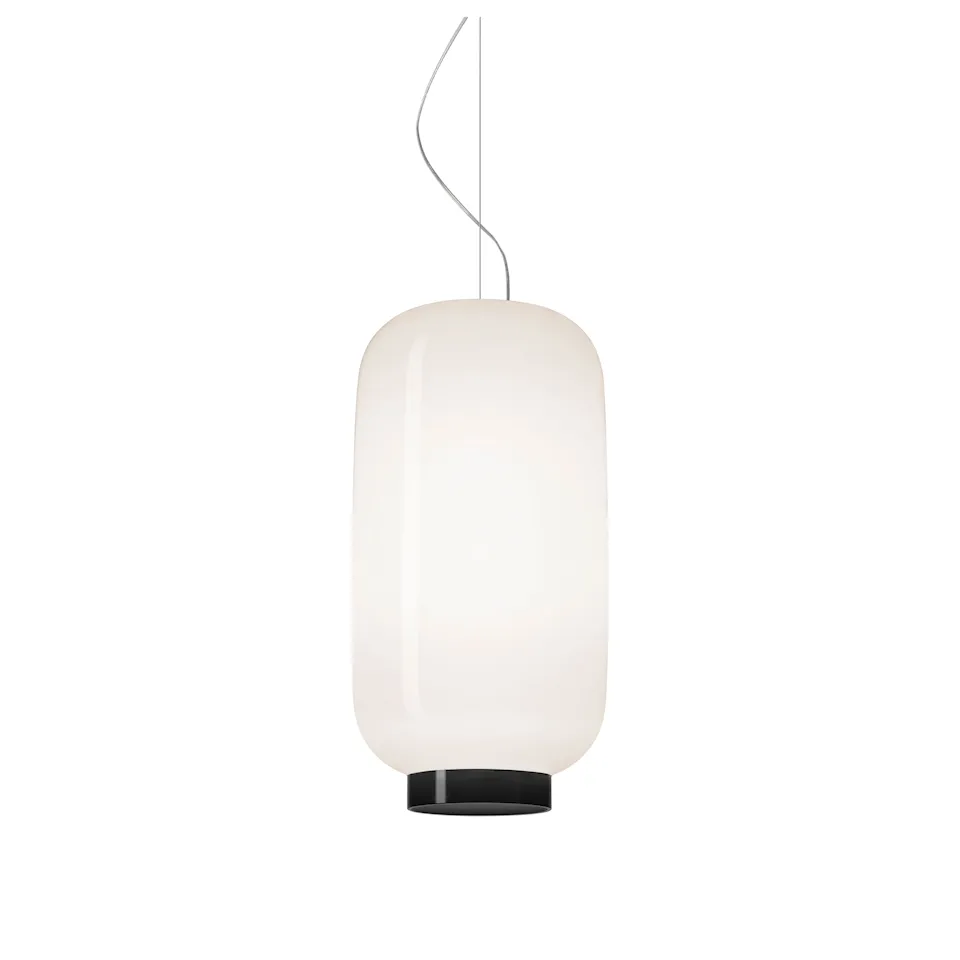
Chouchin 2 pendant lamp
From €597€702
- October Offer 15%+ More options
Foscarini
Chouchin 3 pendant lamp
From €531€625
- October Offer 15%+ More options
Foscarini
Chouchin 1 Reverse pendant lamp orange
From €658€774
- October Offer 15%+ More options
Foscarini
Aplomb Large pendant lamp
From €602€708
In stock - October Offer 15%+ More options
Foscarini
Chouchin 3 Reverse pendant lamp grey
From €531€625
- October Offer 15%+ More options
Foscarini
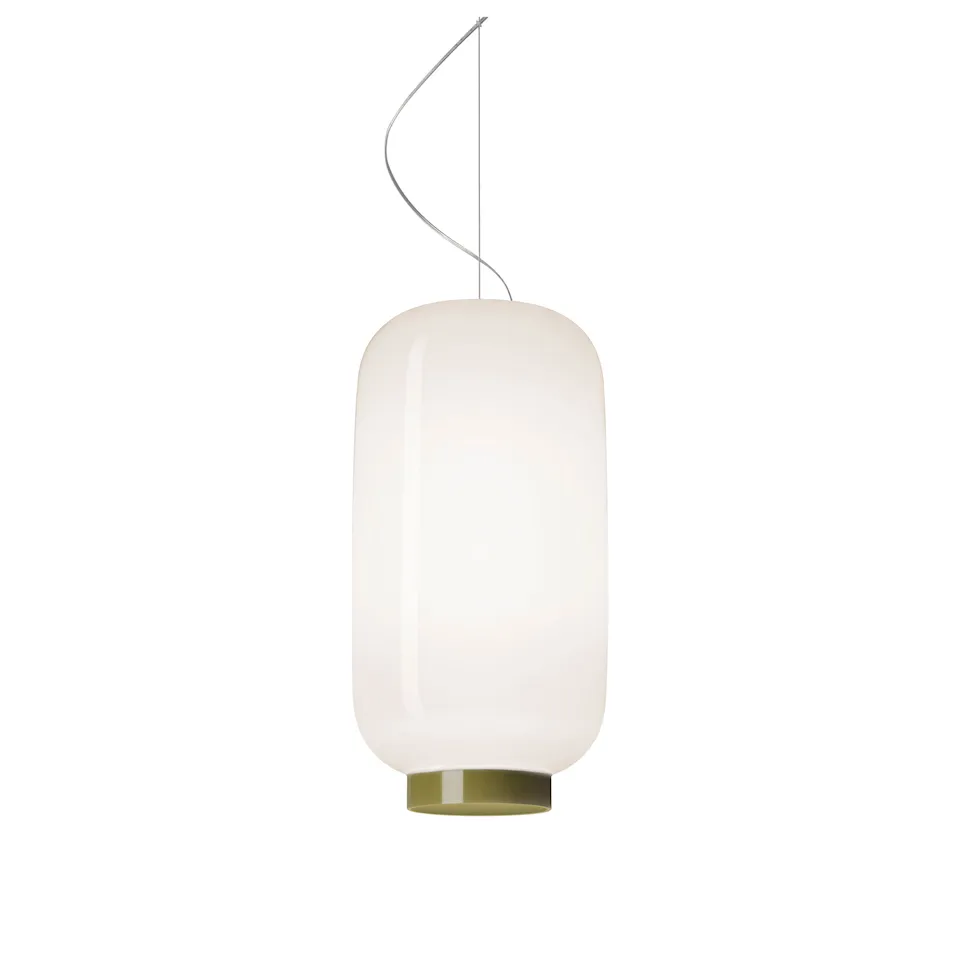
Chouchin 2 Reverse pendant lamp green
From €597€702
- October Offer 15%+ More options
Foscarini
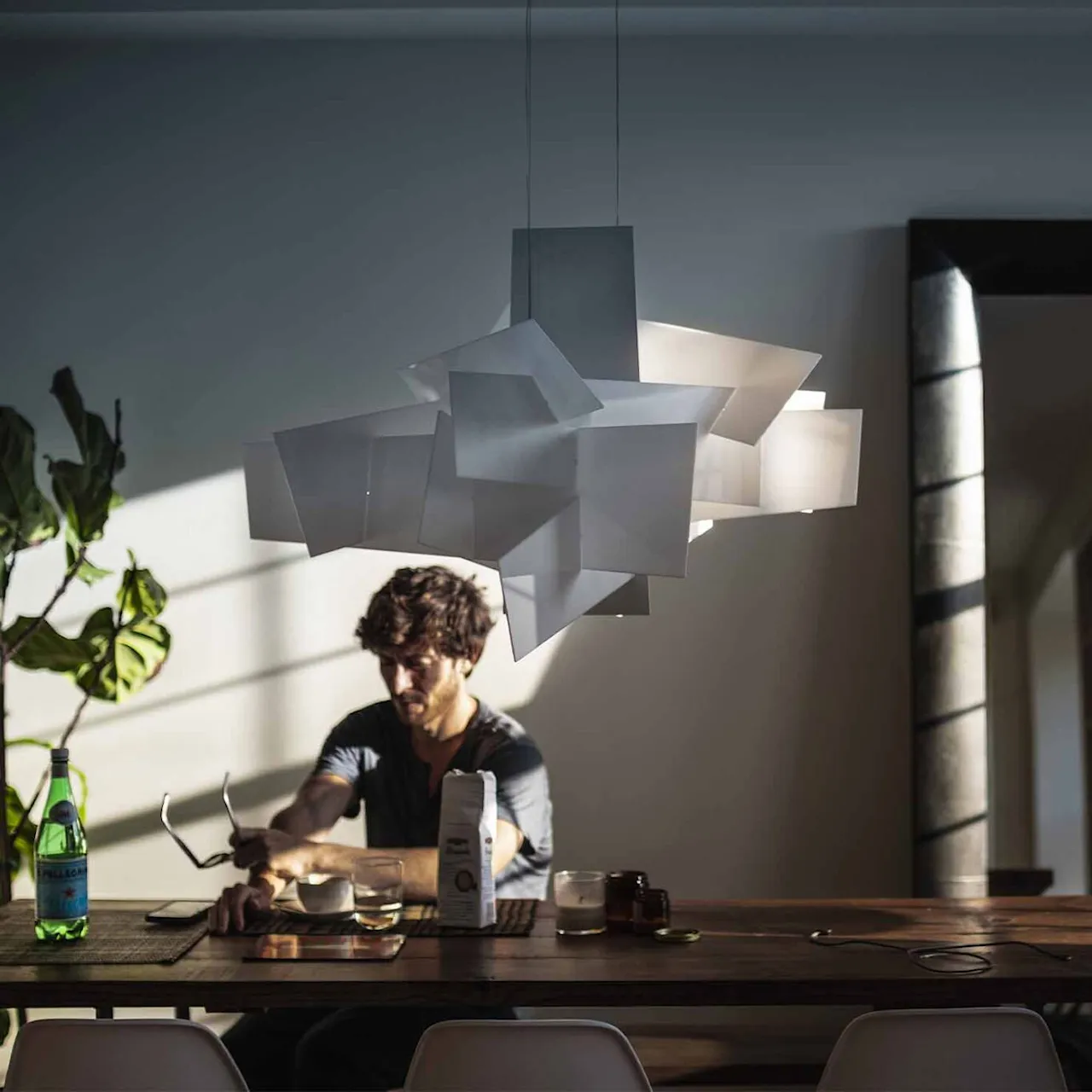
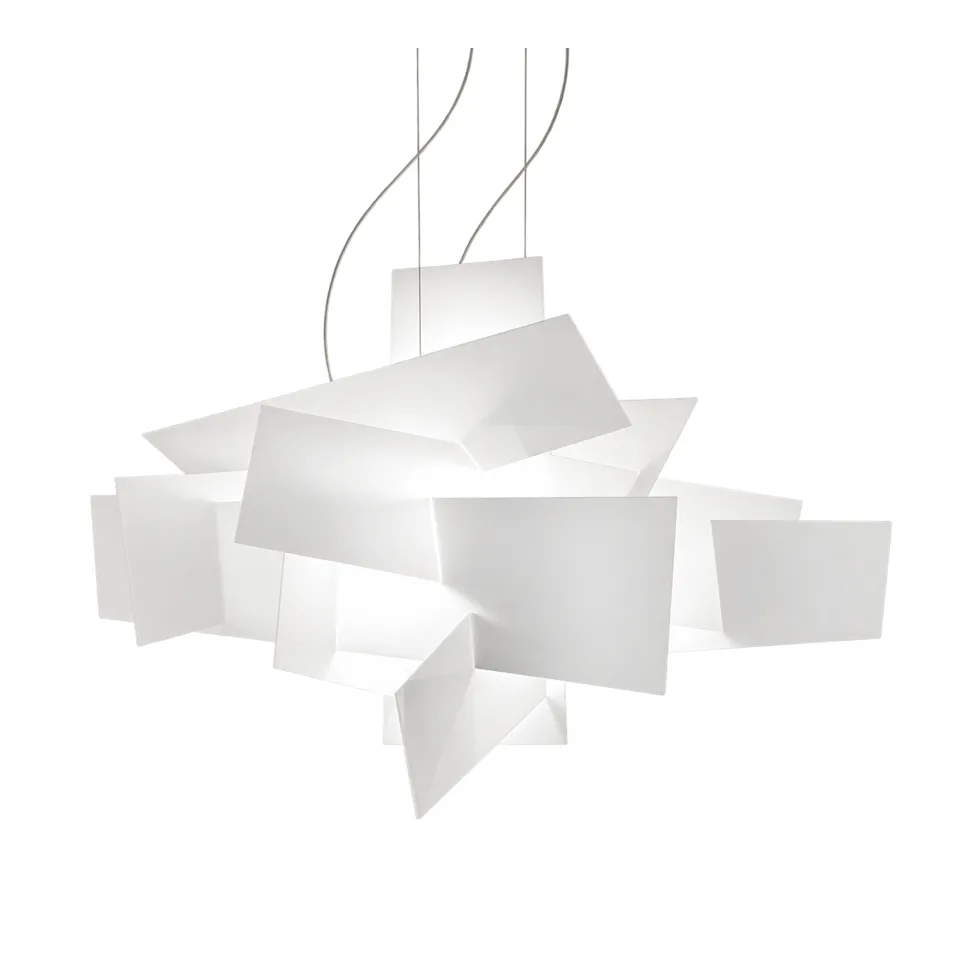
Big Bang pendant lamp
From €808€951
In stock - October Offer 15%
Foscarini
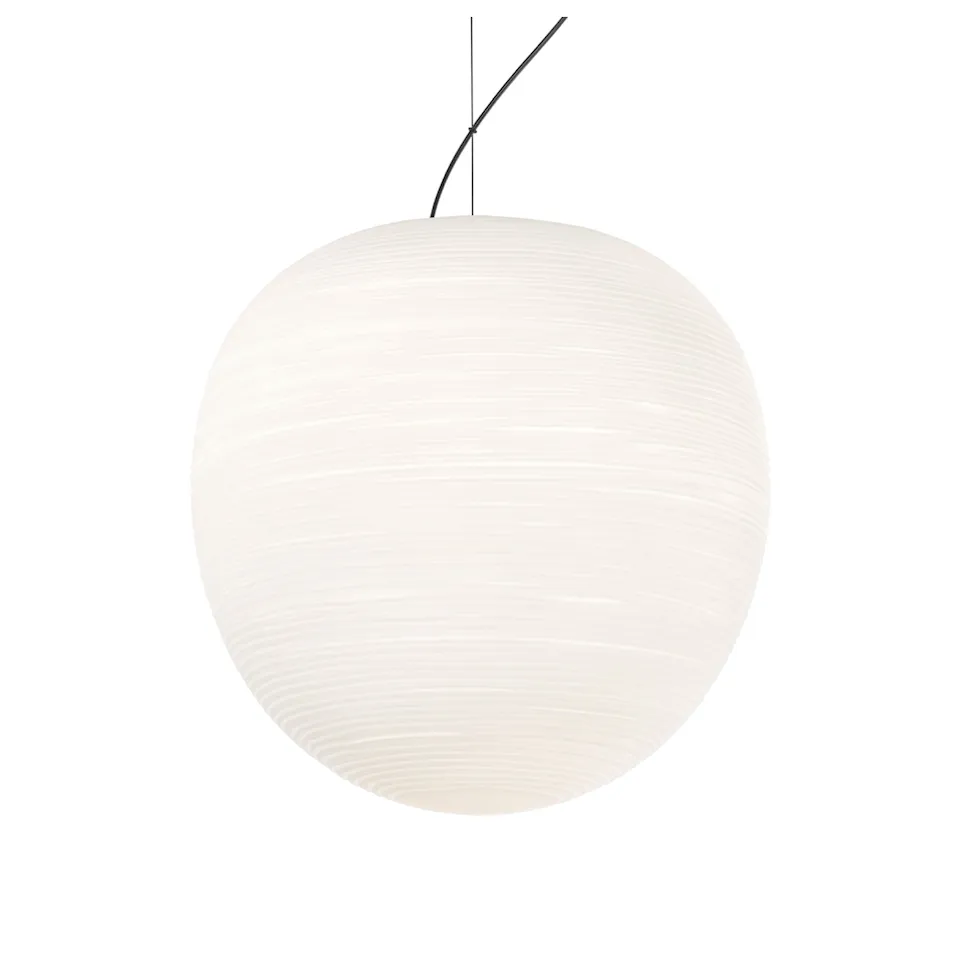
Rituals 1 pendant lamp
€460€541
- October Offer 15%
Foscarini
Rituals 2 pendant lamp
€465€547
In stock soon - October Offer 15%
Foscarini
Rituals 3 pendant lamp
€411€484
- October Offer 15%+ More options
Foscarini
Buds 2 pendant lamp
From €723€851
In stock - October Offer 15%
Foscarini
Spokes 2 Large pendant lamp
€1,682€1,979
- October Offer 15%+ More options
Foscarini
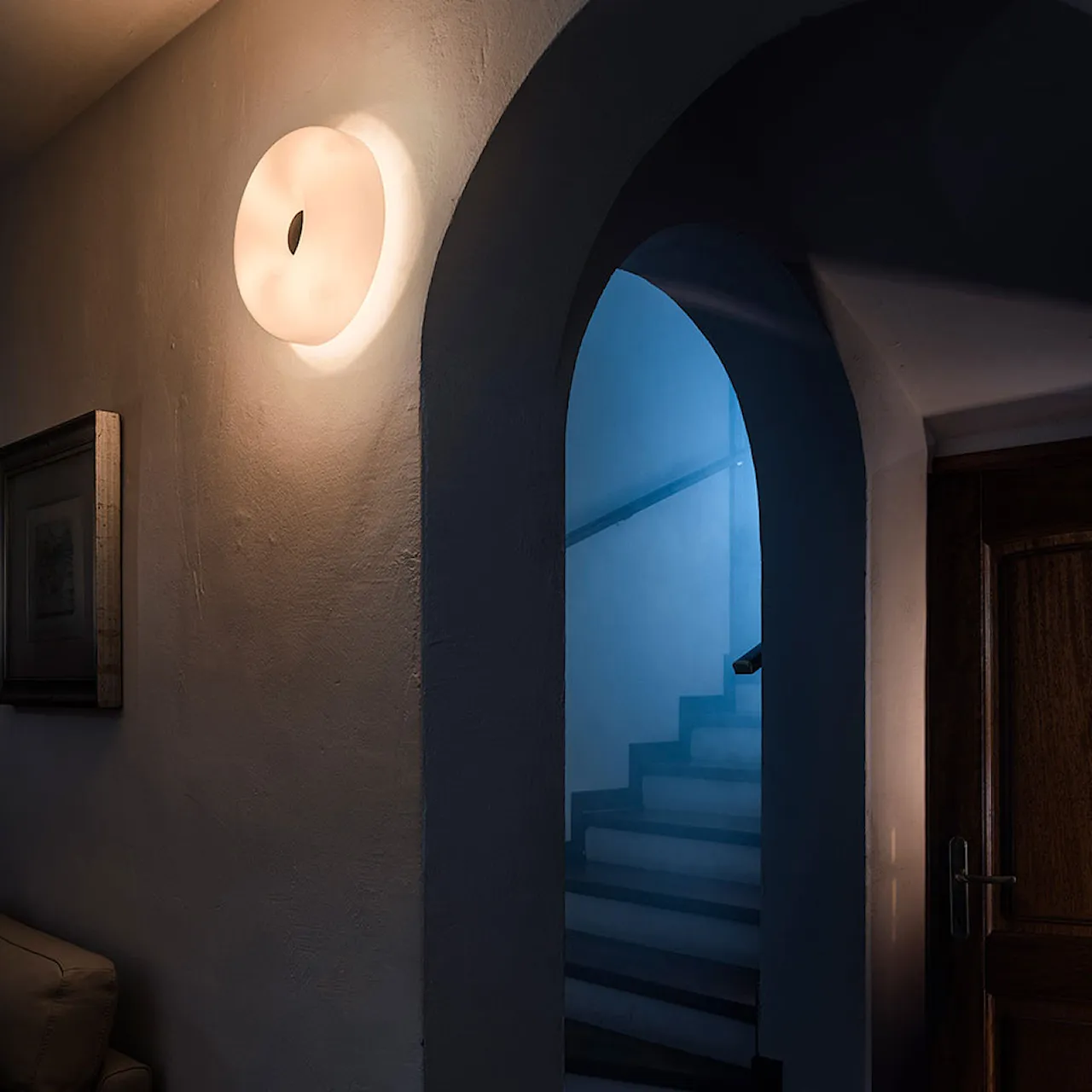
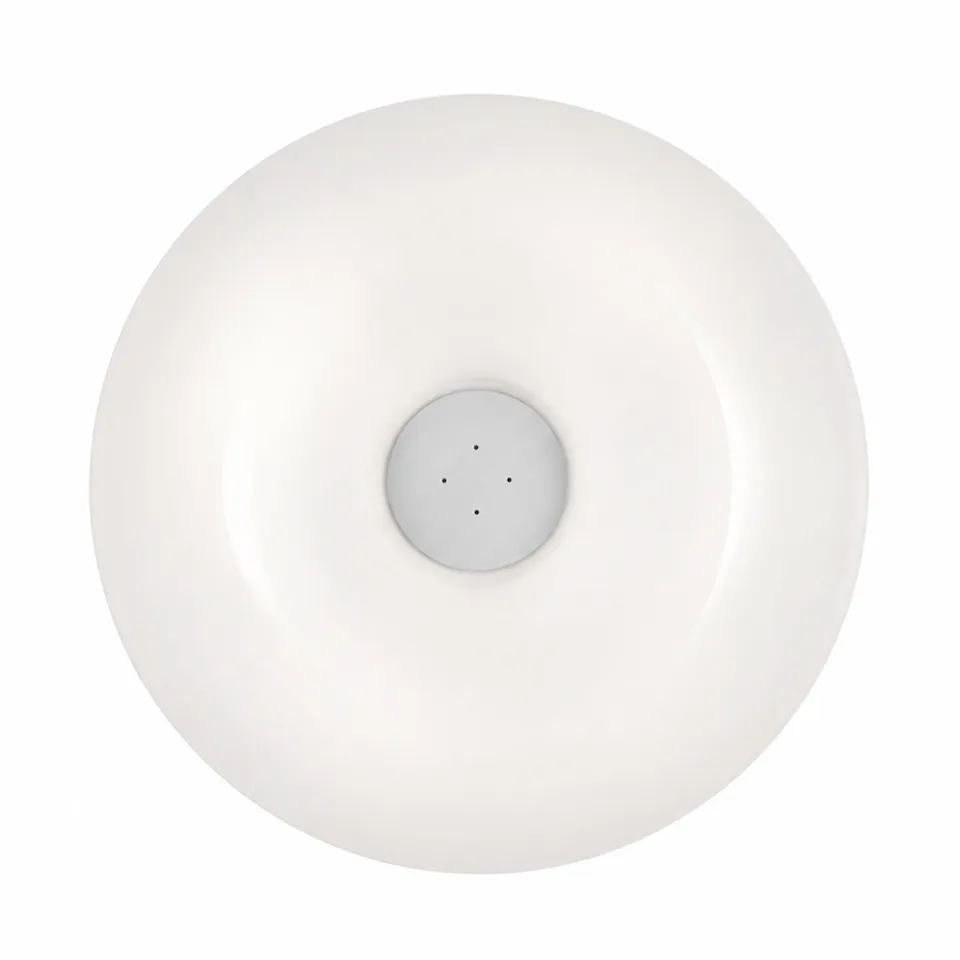
Circus wall and ceiling lamp
From €349€411
In stock - October Offer 15%
Foscarini
Tite 1 pendant lamp
€660€776
- October Offer 15%
Foscarini
Tite 2 pendant lamp
€514€605
- October Offer 15%
Foscarini
Gregg Midi pendant lamp
€341€401
- October Offer 15%+ More options
Foscarini
Aplomb pendant lamp
€354€417
In stock soon - October Offer 15%+ More options
Foscarini
Caboche Plus Grande
From €2,483€2,921
In stock - October Offer 15%+ More options
Foscarini
Spokes 2 pendant lamp
From €1,070€1,259
- October Offer 15%+ More options
Foscarini
Rituals XL pendant lamp
From €707€832
- October Offer 15%+ More options
Foscarini
Caboche Plus Media pendant lamp
From €1,374€1,617
In stock - October Offer 15%+ More options
Foscarini
Rituals 1 Semi wall lamp
From €324€381
In stock soon - October Offer 15%+ More options
Foscarini
Rituals 3 Semi wall lamp
From €298€351
- October Offer 15%+ More options
Foscarini
Rituals XL Semi wall lamp
From €451€531
- October Offer 15%+ More options
Foscarini
Caboche Plus Piccola pendant lamp
€666€784
- October Offer 15%+ More options
Foscarini
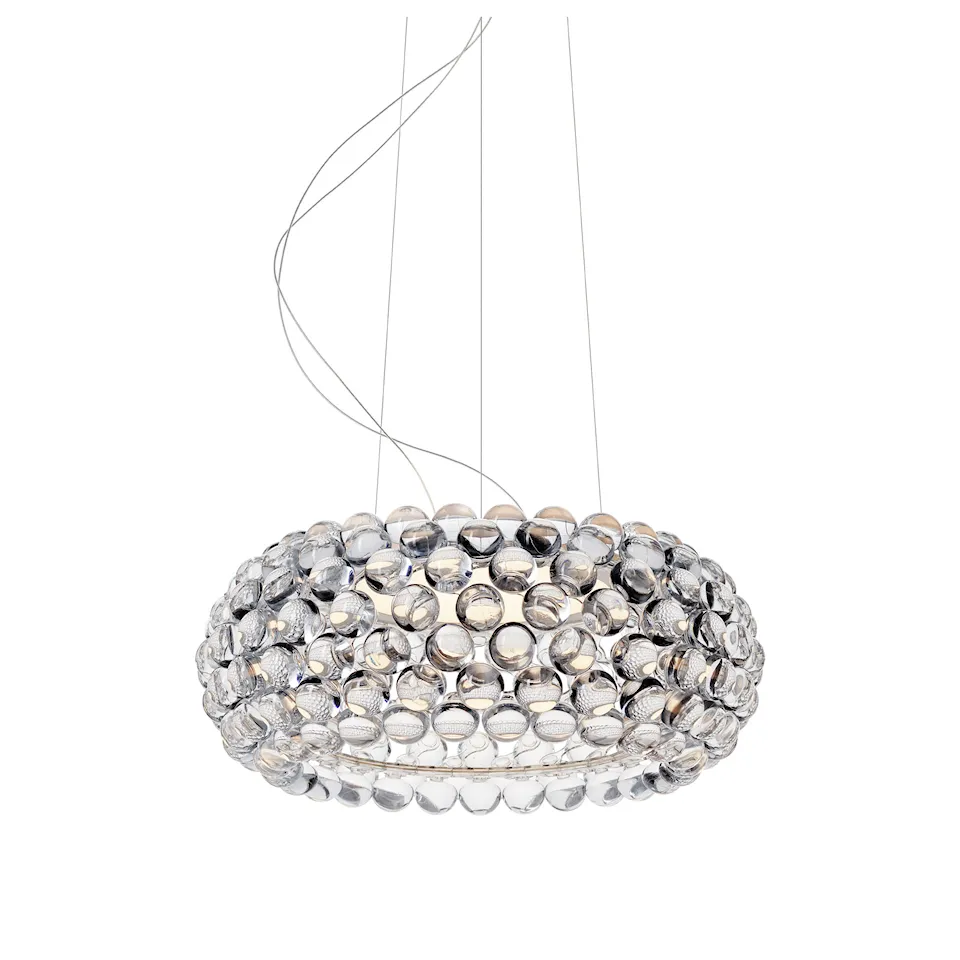
Caboche Plus ceiling lamp
From €1,135€1,335
In stock soon - October Offer 15%
Foscarini
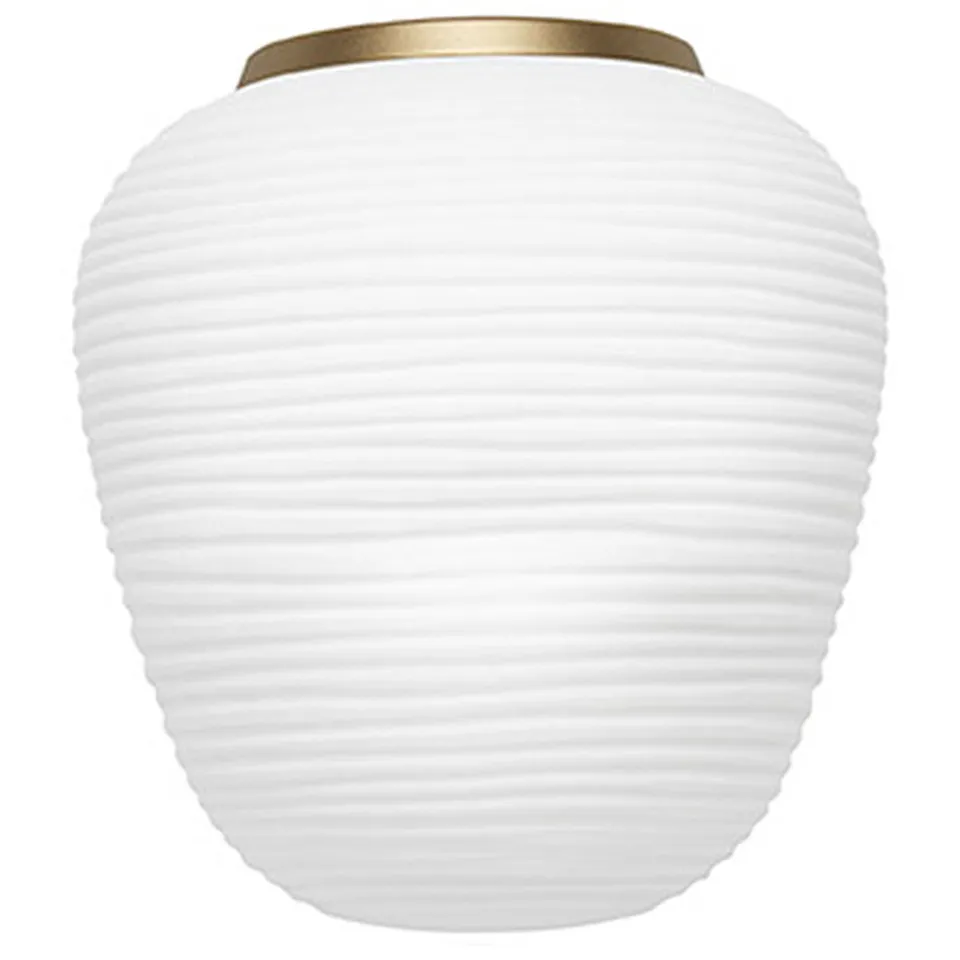
Chouchin 1 Reverse pendant lamp gold
€658€774
In stock - October Offer 15%
Foscarini
Chouchin 2 Reverse pendant lamp black
€597€702
- October Offer 15%+ More options
Foscarini
Chouchin Bianco pendant lamp
From €460€541
- October Offer 15%+ More options
Foscarini
Spokes 2 Piccola pendant lamp
From €949€1,117
- October Offer 15%+ More options
Foscarini
Caboche Plus Media MyLight Pendant Lamp
€1,473€1,733
- October Offer 15%+ More options
Foscarini
Gregg Grande pendant lamp
From €667€785
In stock soon - October Offer 15%
Foscarini
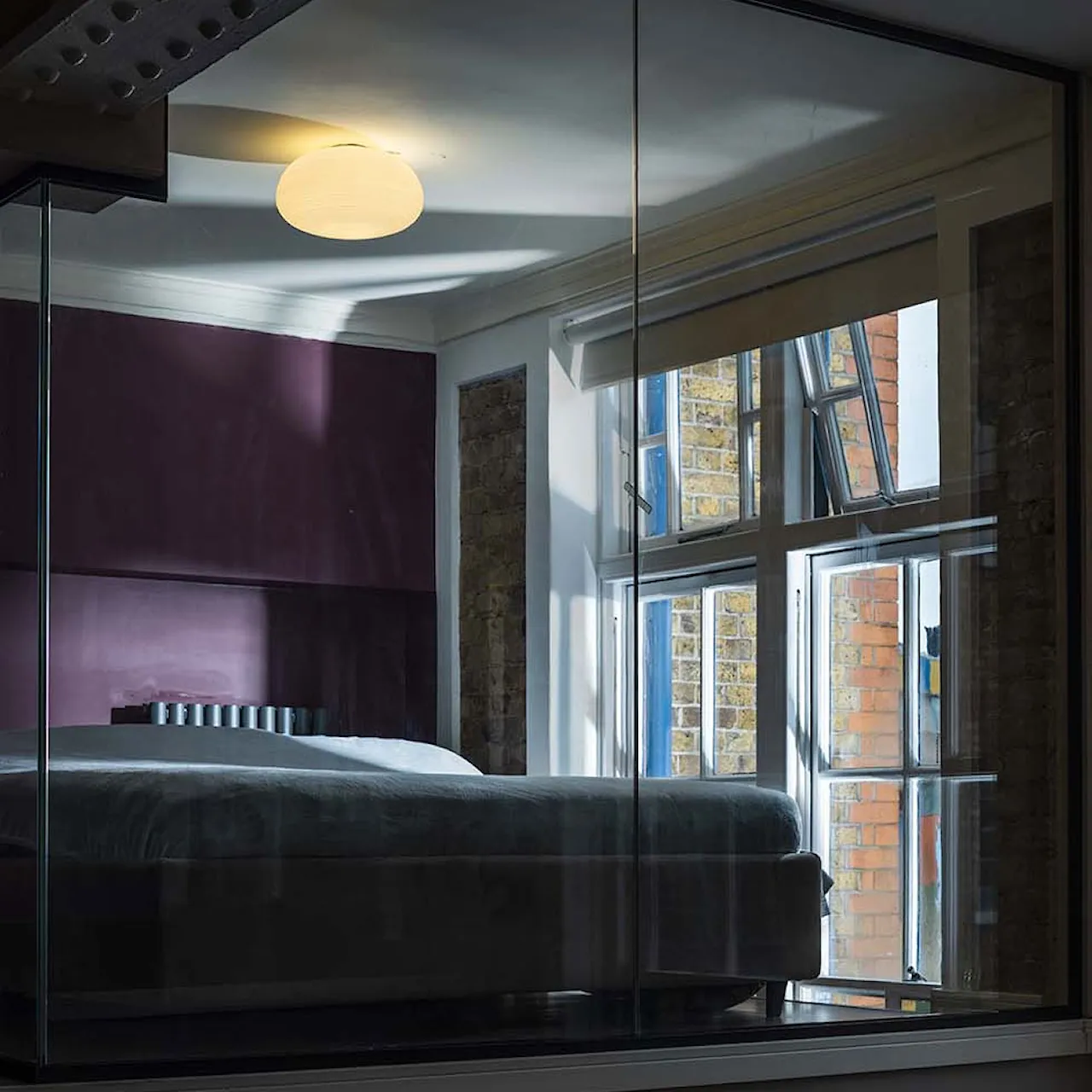
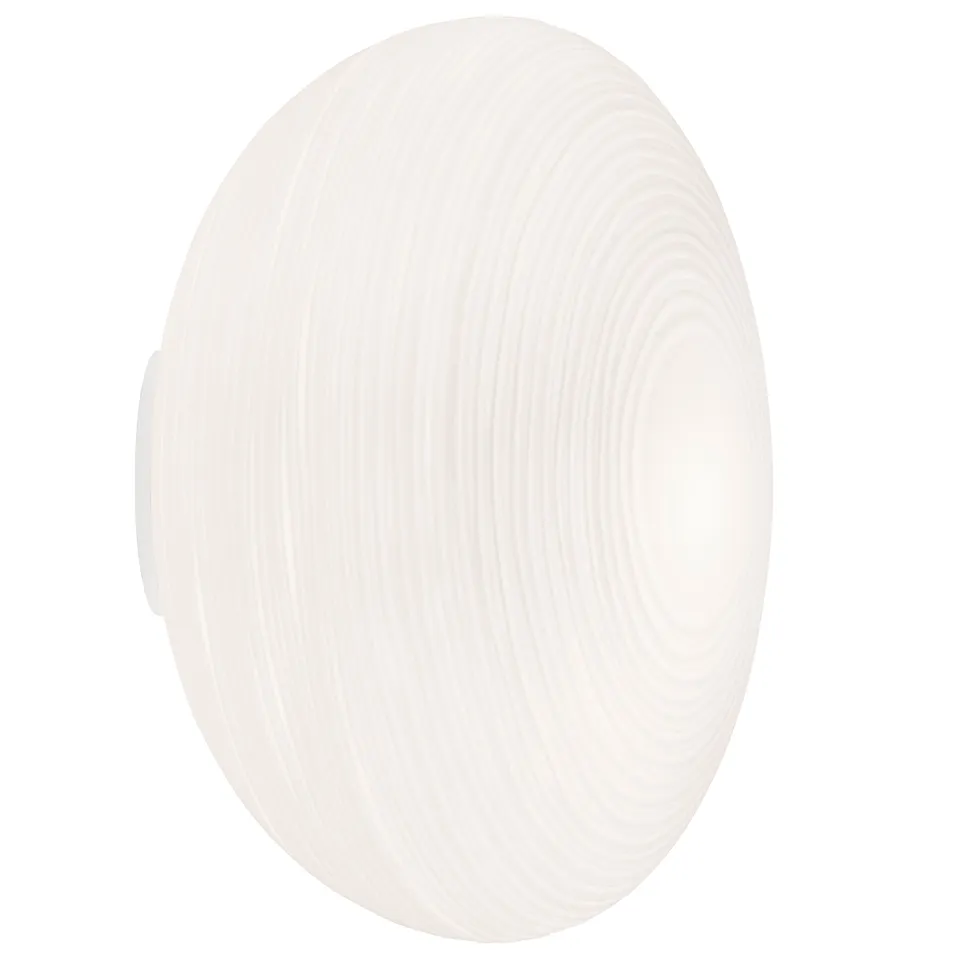
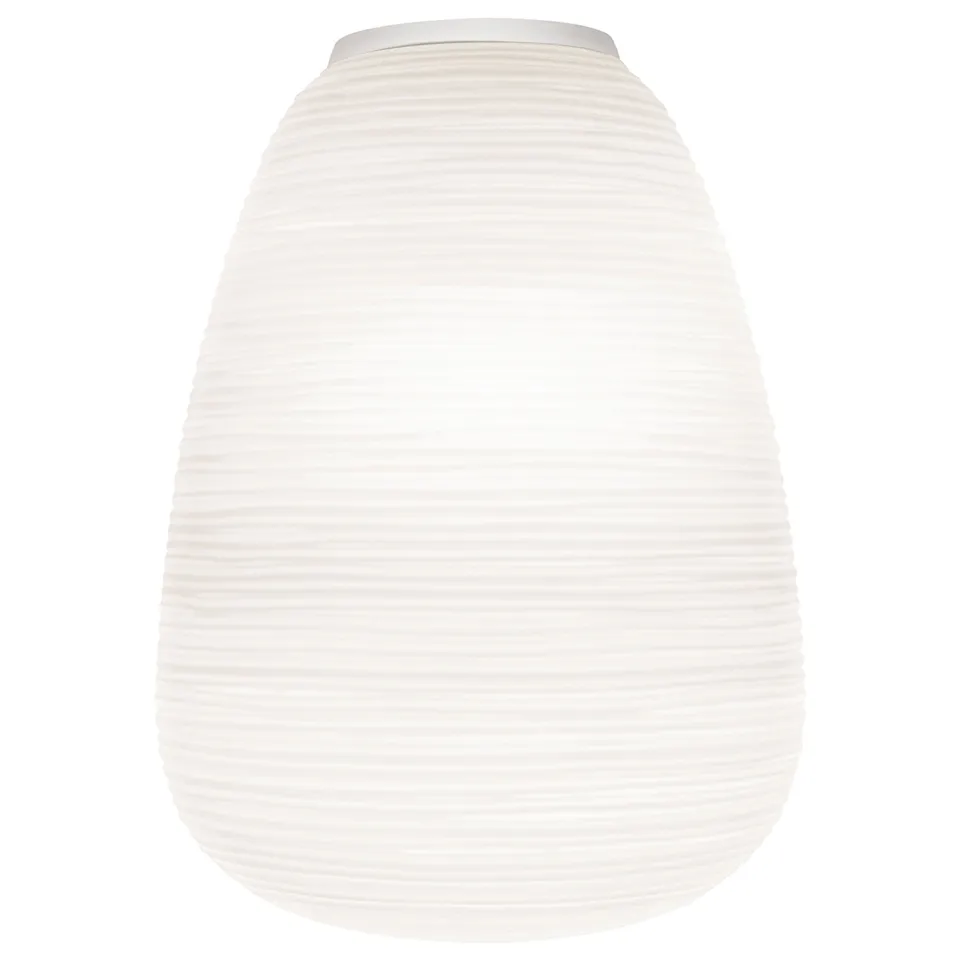
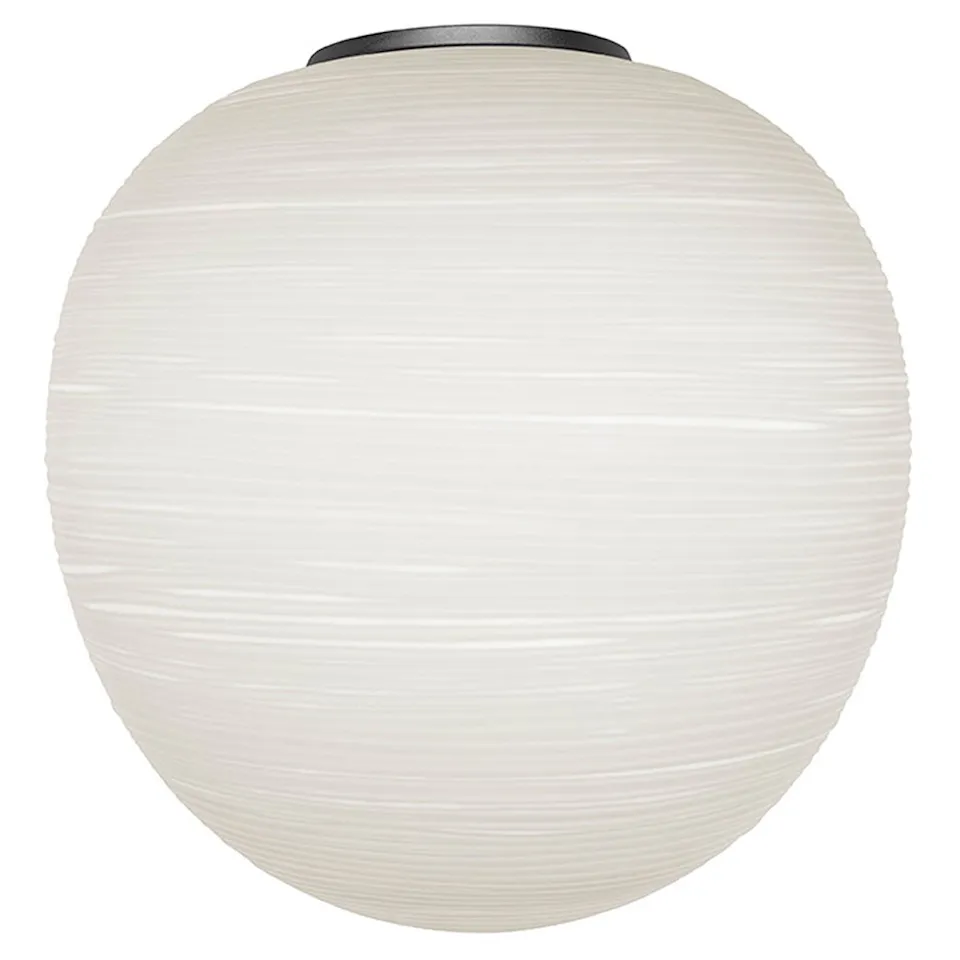
Rituals 1 ceiling lamp
€442€520
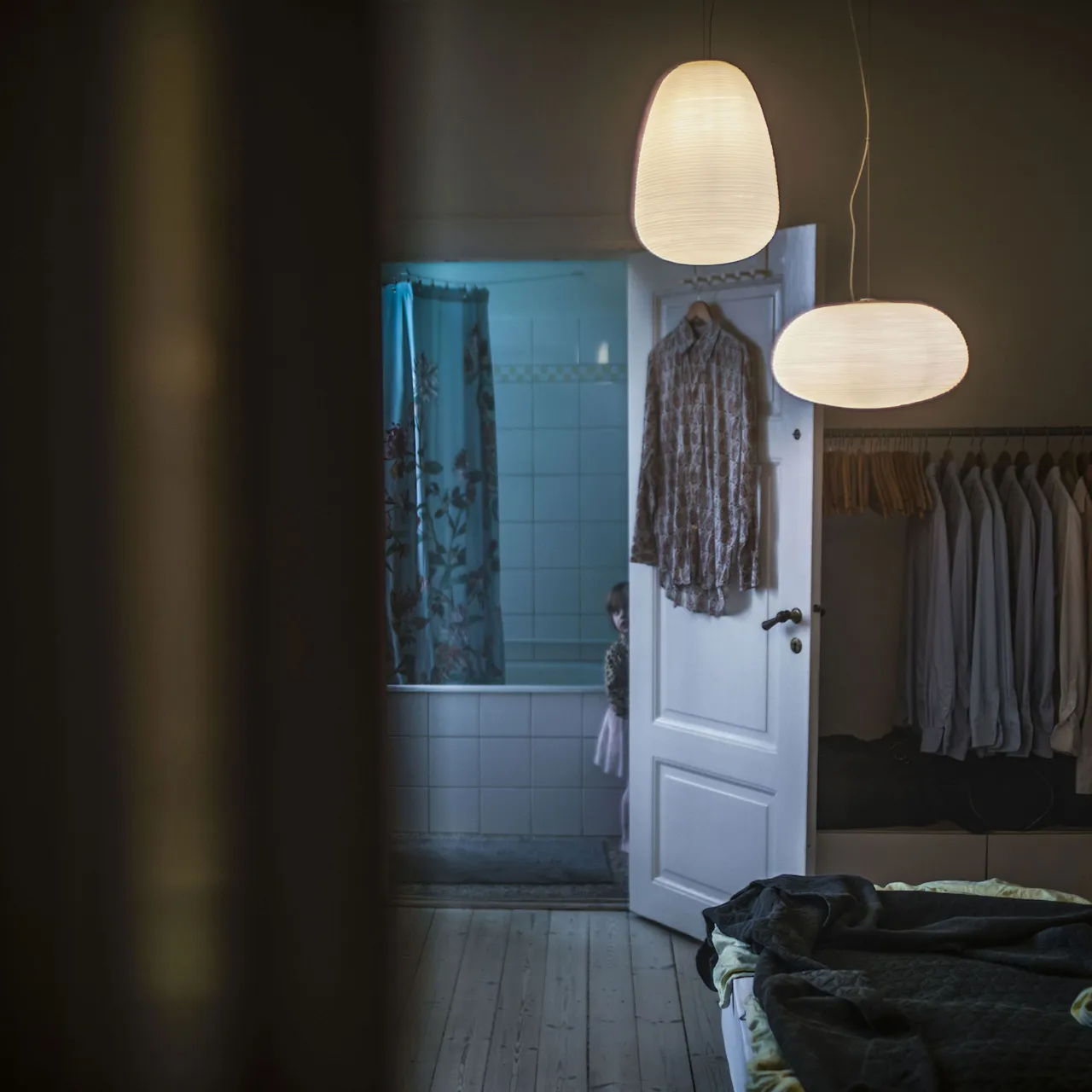
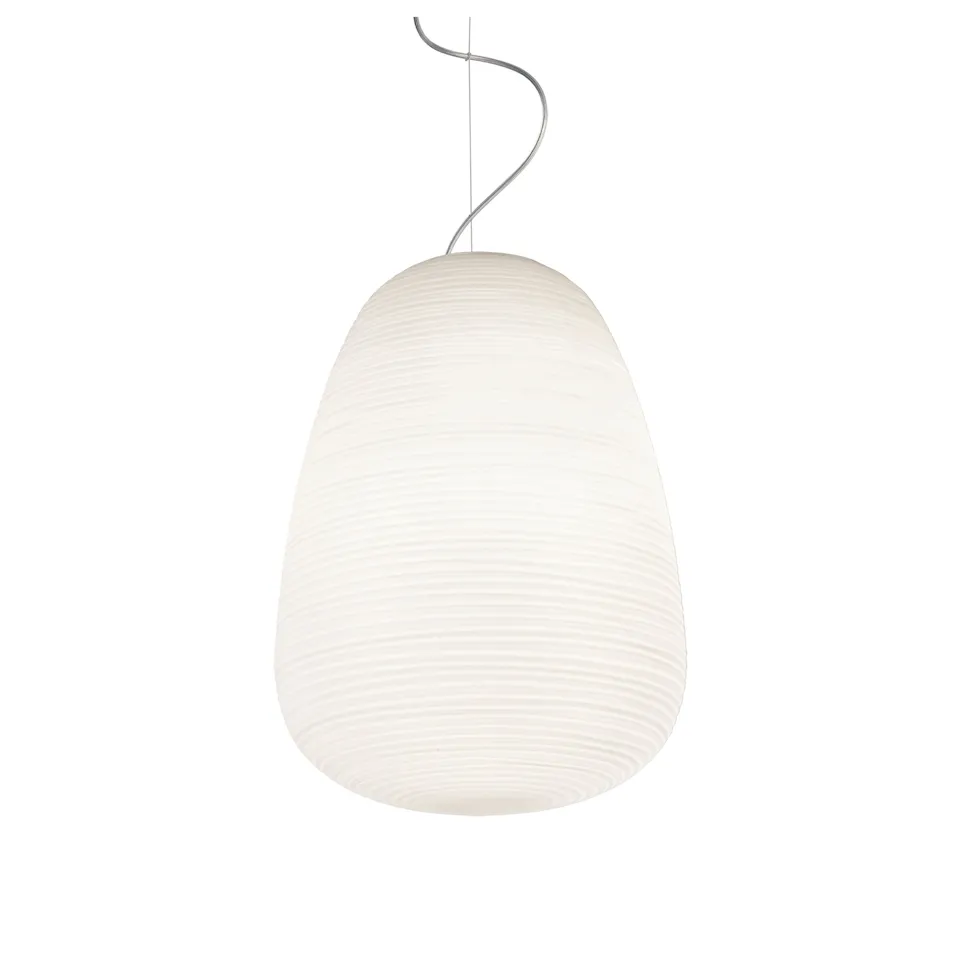
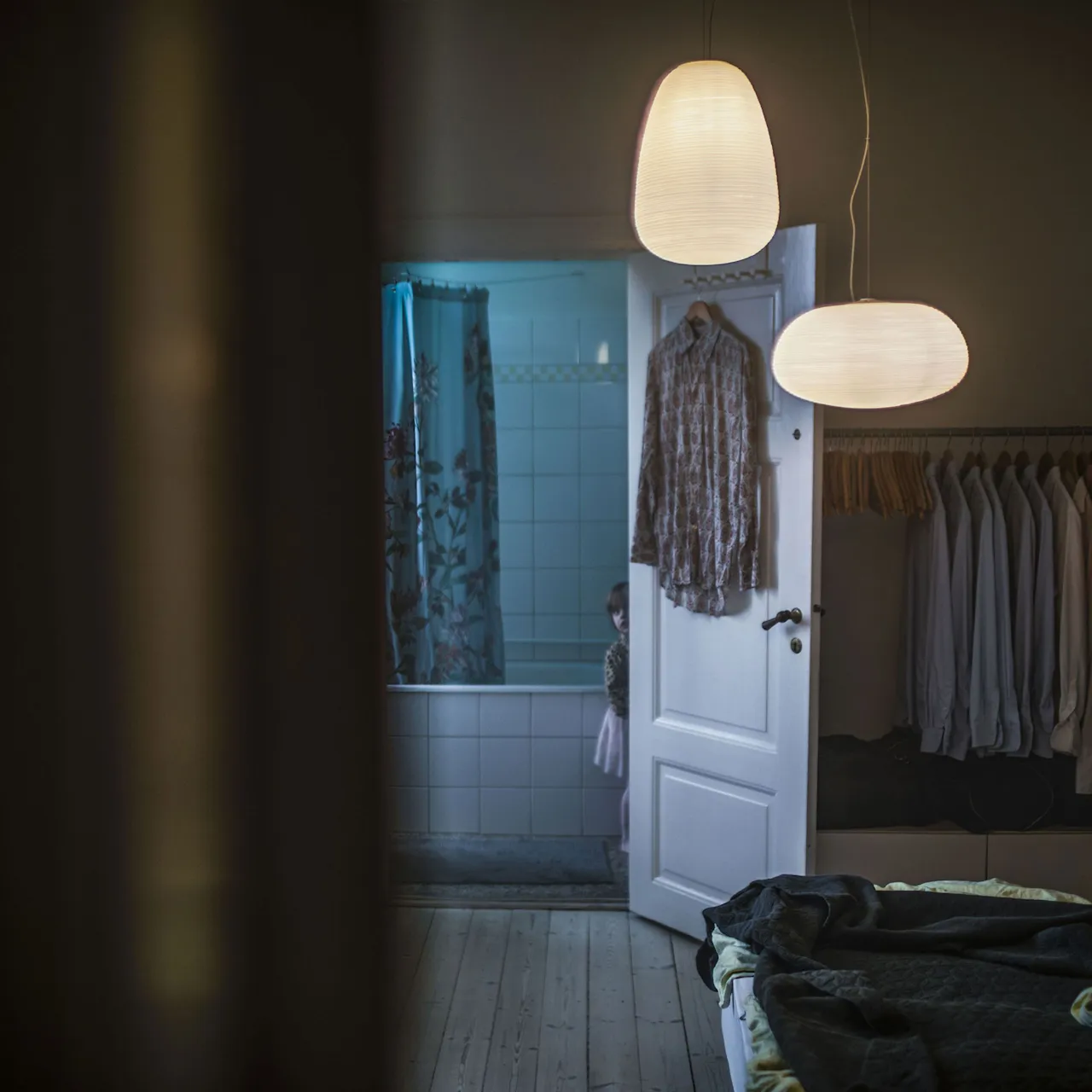
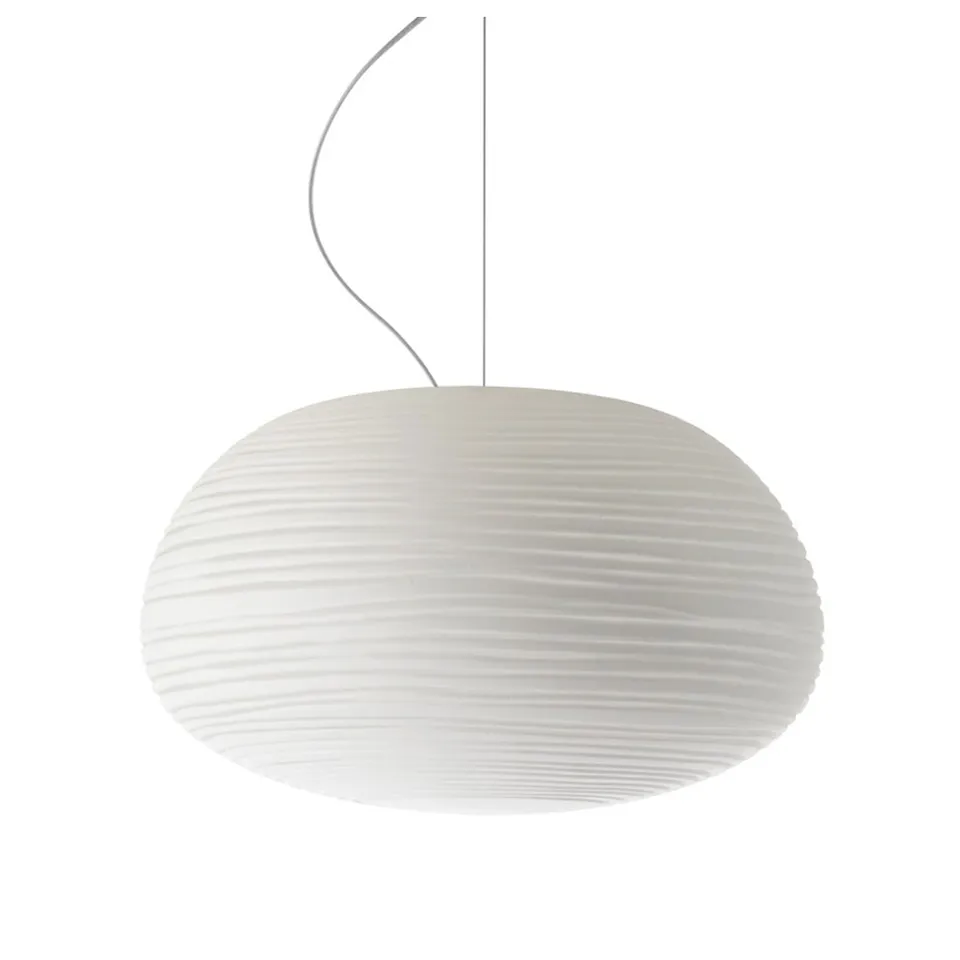
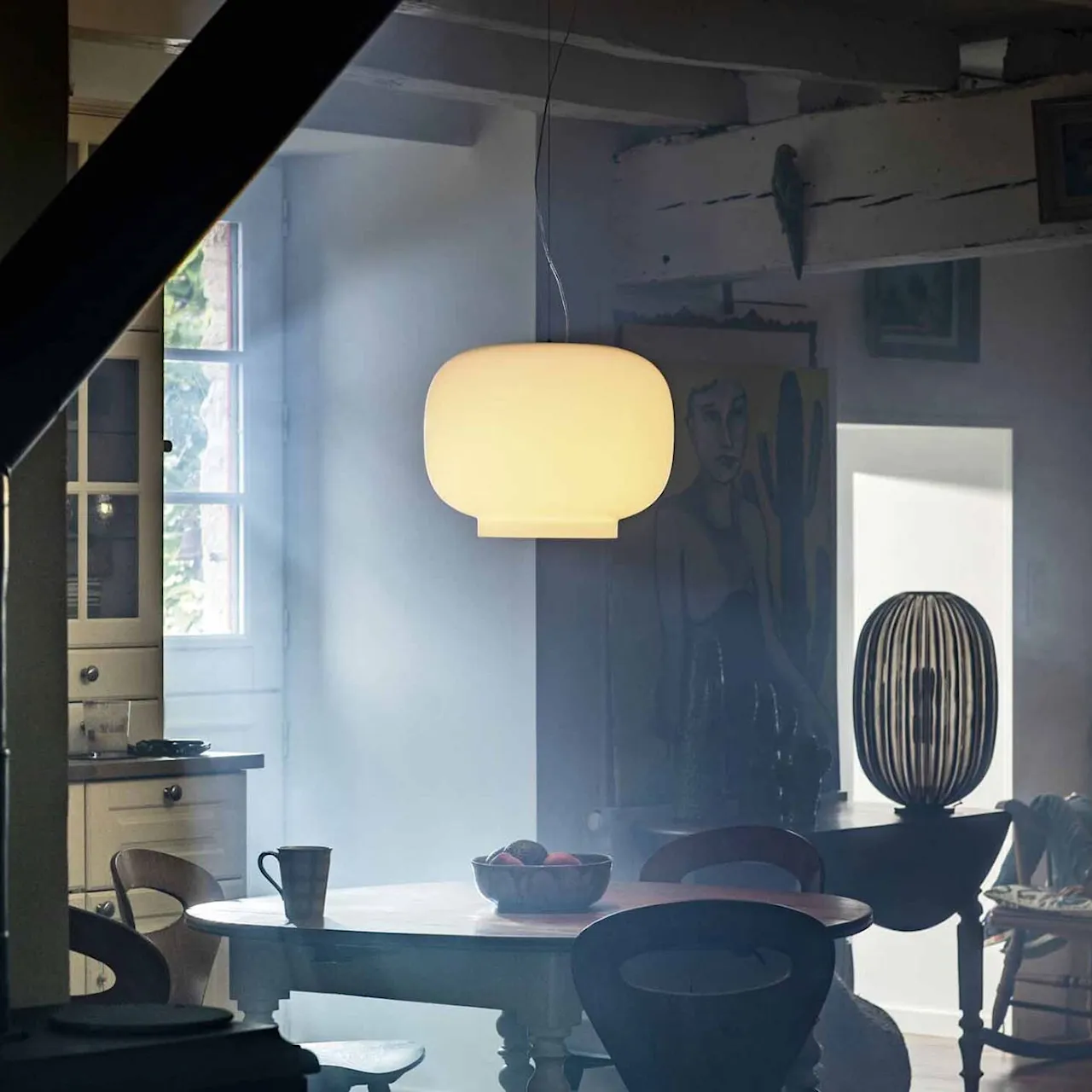
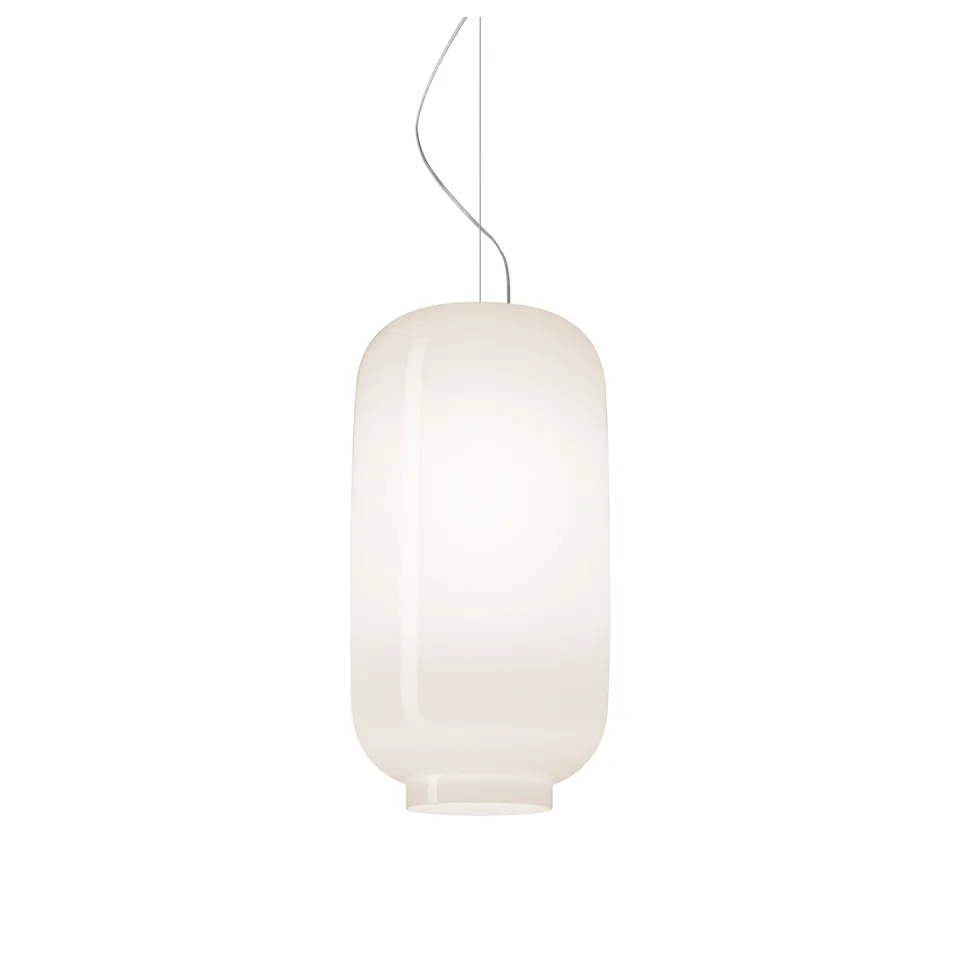
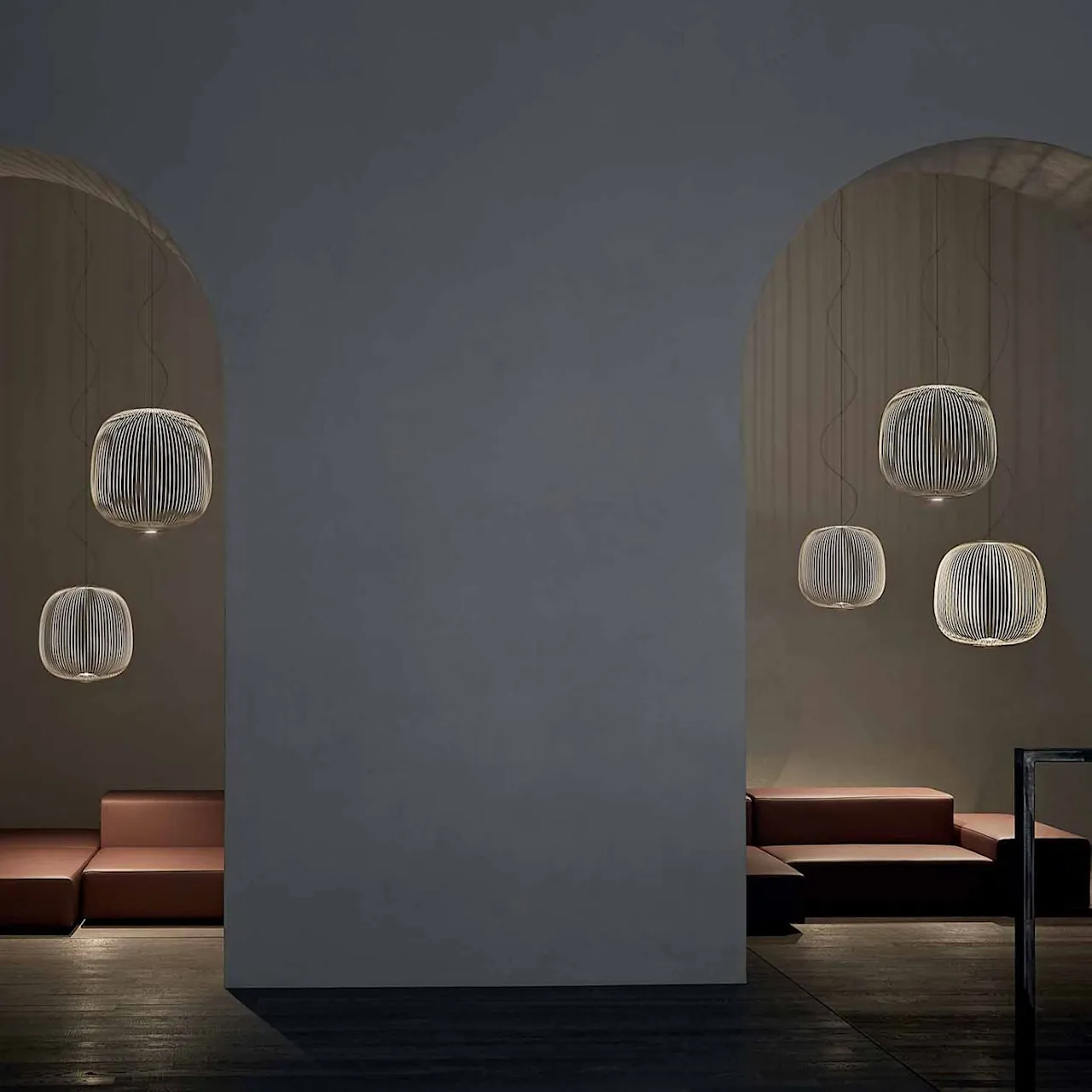
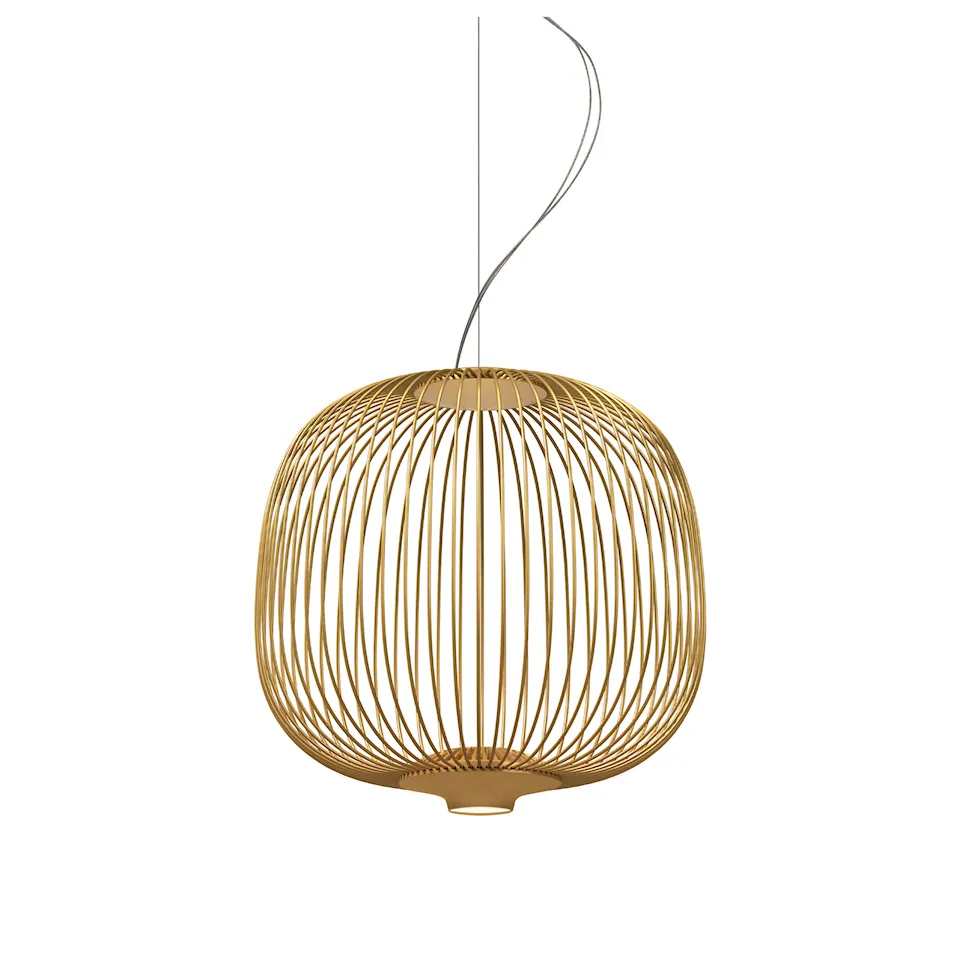
Foscarini
The Italian company has distinguished itself since its inception by not having its own production facility locked to a specific kiln or technology. Instead, Foscarini has chosen the freedom to pair every idea with the most suitable production technique and material. This flexibility has made it possible to explore everything from traditional mouth-blown glass to advanced composite materials and carbon fiber. The result is a collection where every luminaire has a distinct character and where technical innovation constantly drives design forward.
The first major breakthrough came in 1990 with Lumiere, designed by Rodolfo Dordoni, followed by a period of material experiments that laid the foundation for the brand's technical identity. In the early 2000s, Mite and Tite were launched in collaboration with Marc Sadler, sculptural luminaires in fiberglass and carbon fiber that were awarded the Compasso d’Oro the following year for their level of innovation. The materials had previously been used primarily in sports equipment but were applied here to create a light and durable construction.
Collaboration with international designers is central to the brand. By allowing designers such as Marc Sadler, Rodolfo Dordoni, Eliana Gerotto, Patricia Urquiola, Ludovica and Roberto Palomba to experiment freely, the company has created products that challenge conventions of what a lamp can be.
Materials and series with a strong identity
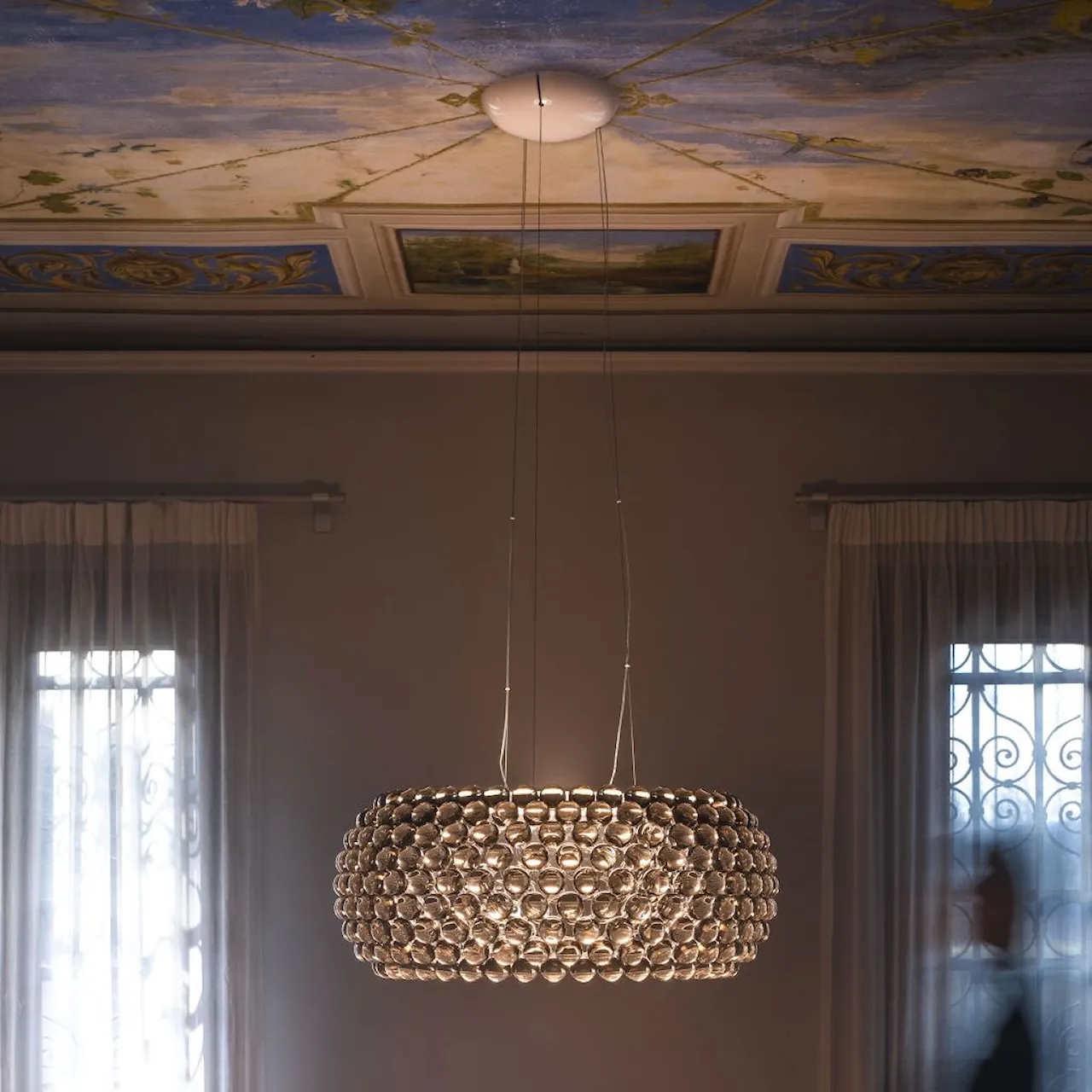
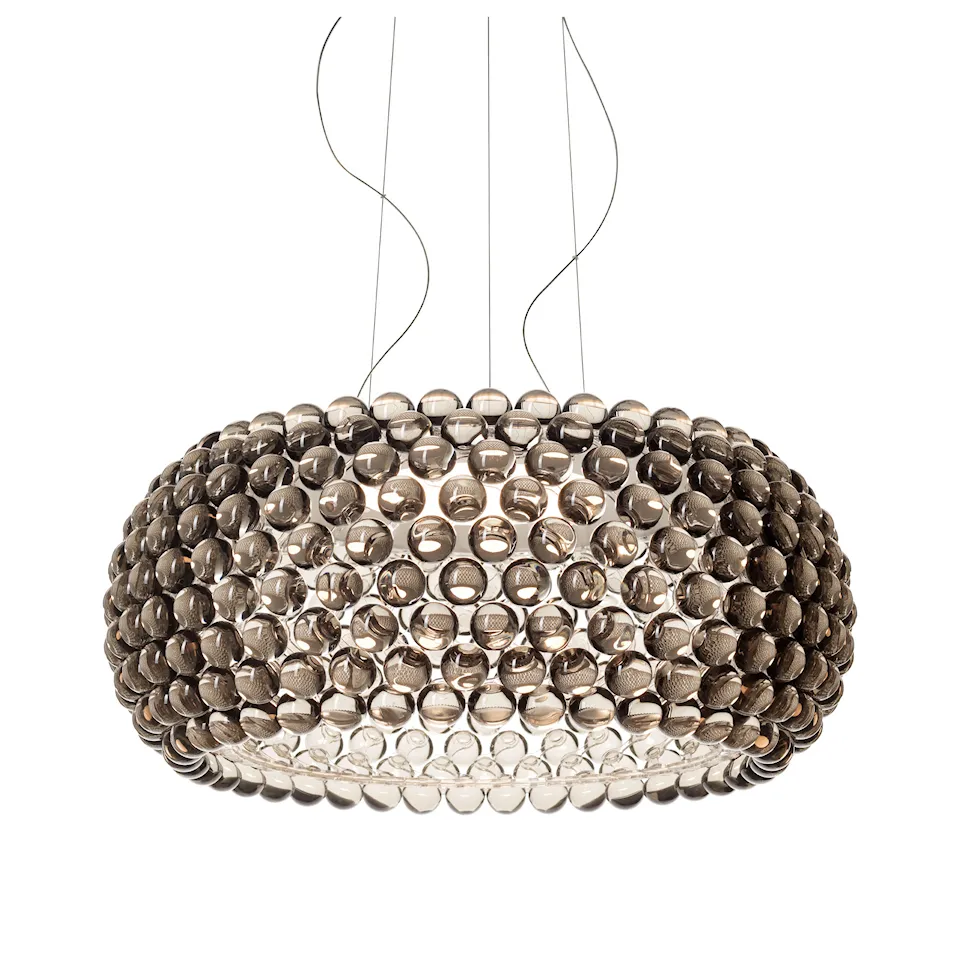
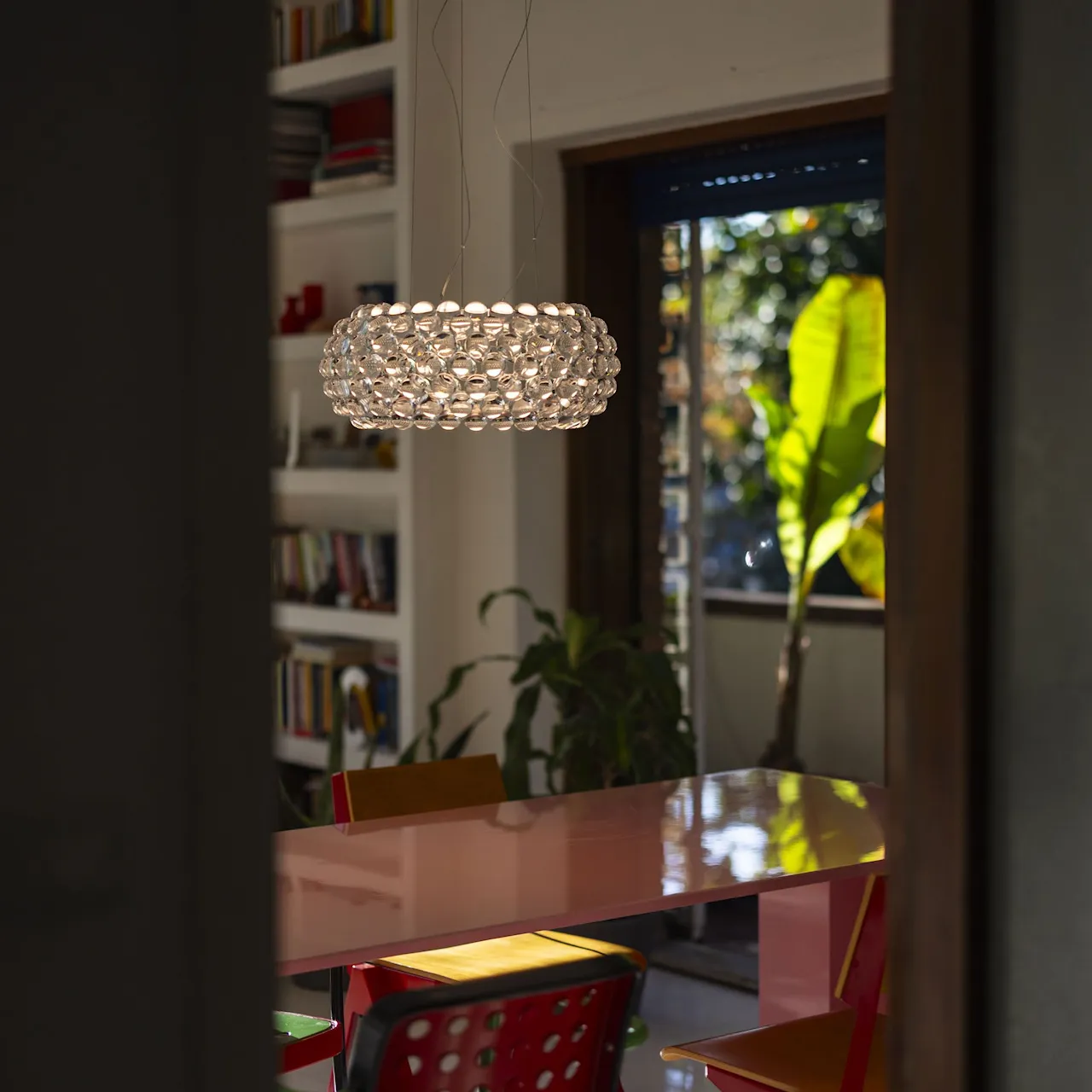
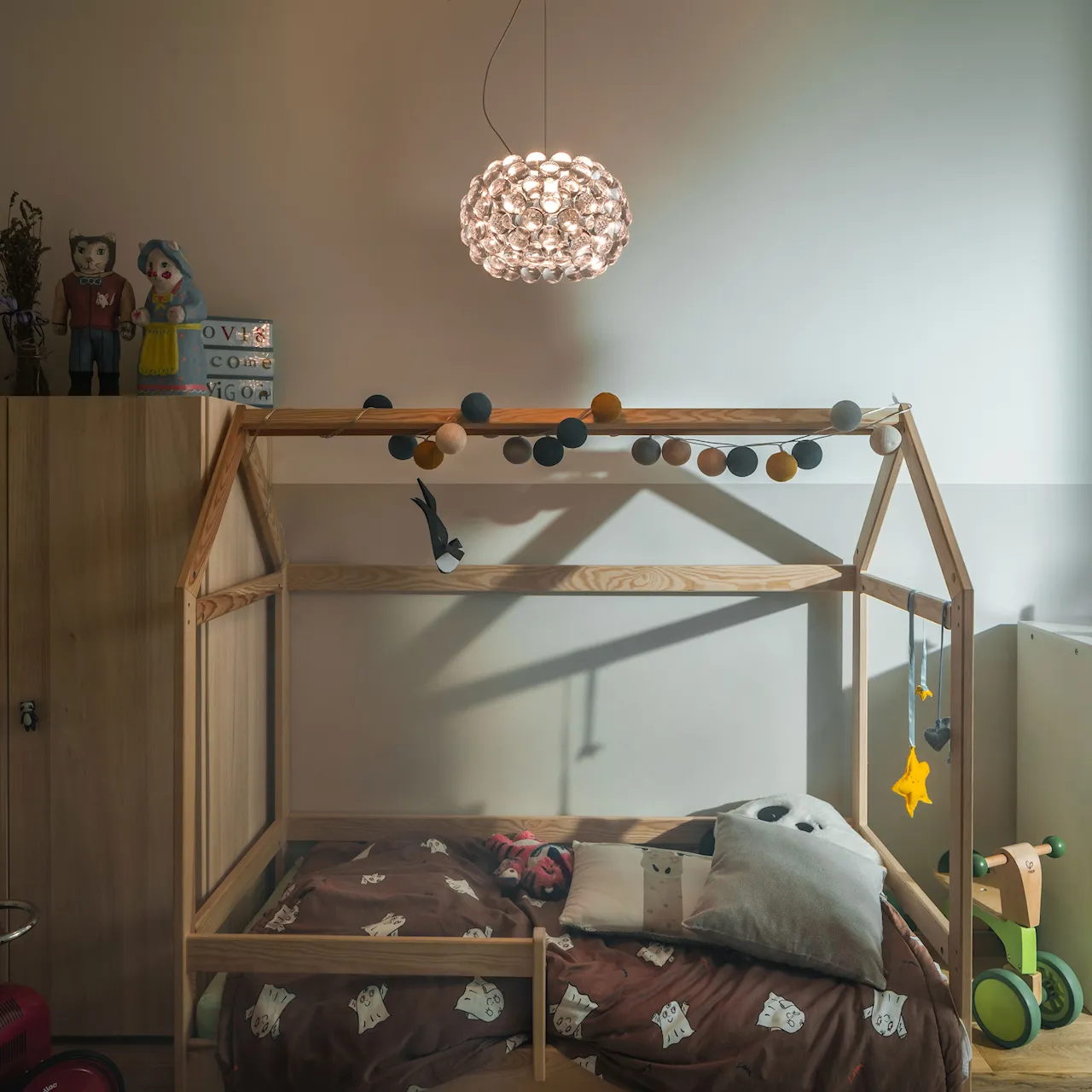
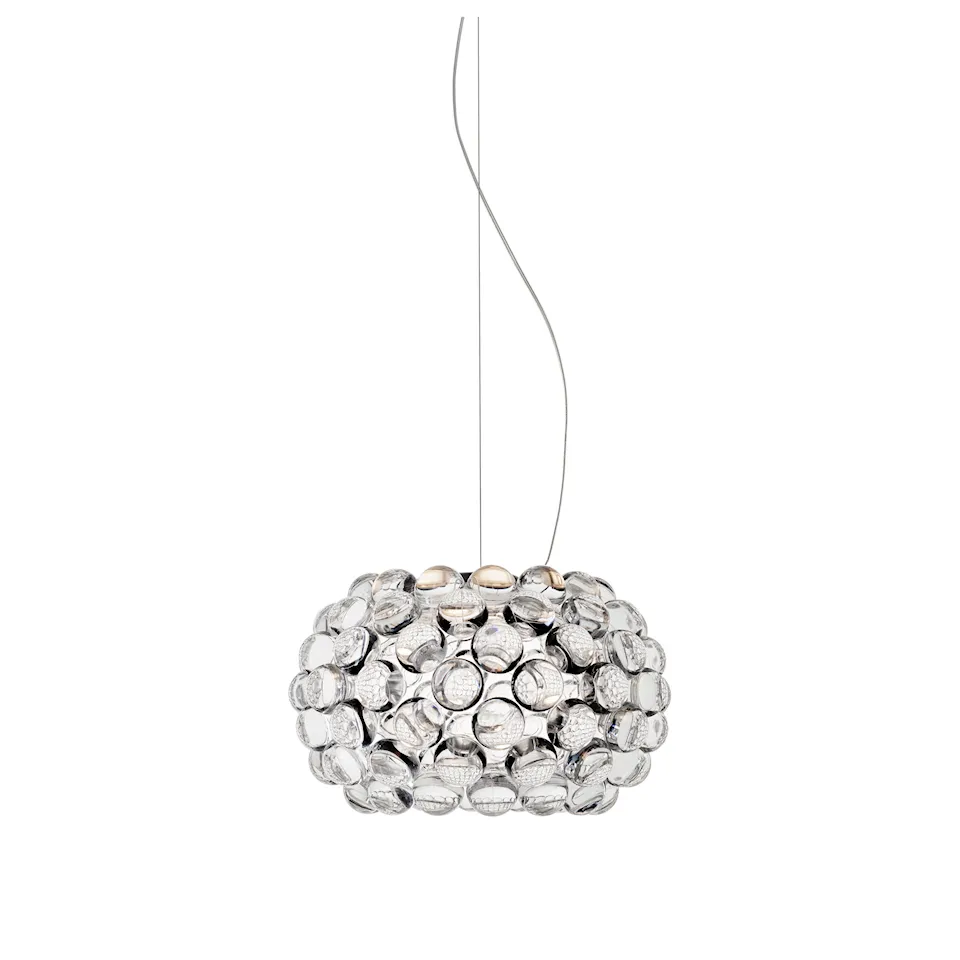
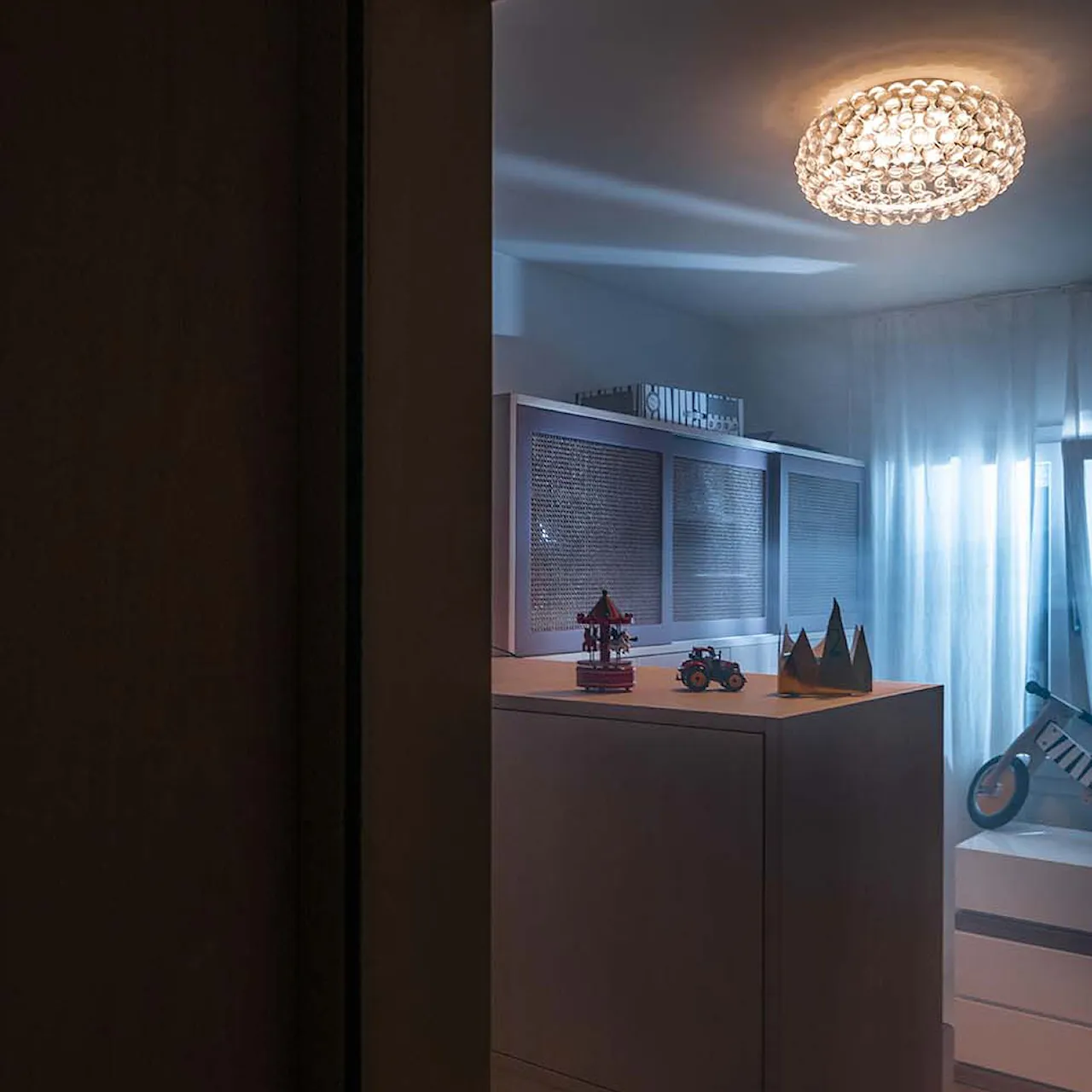
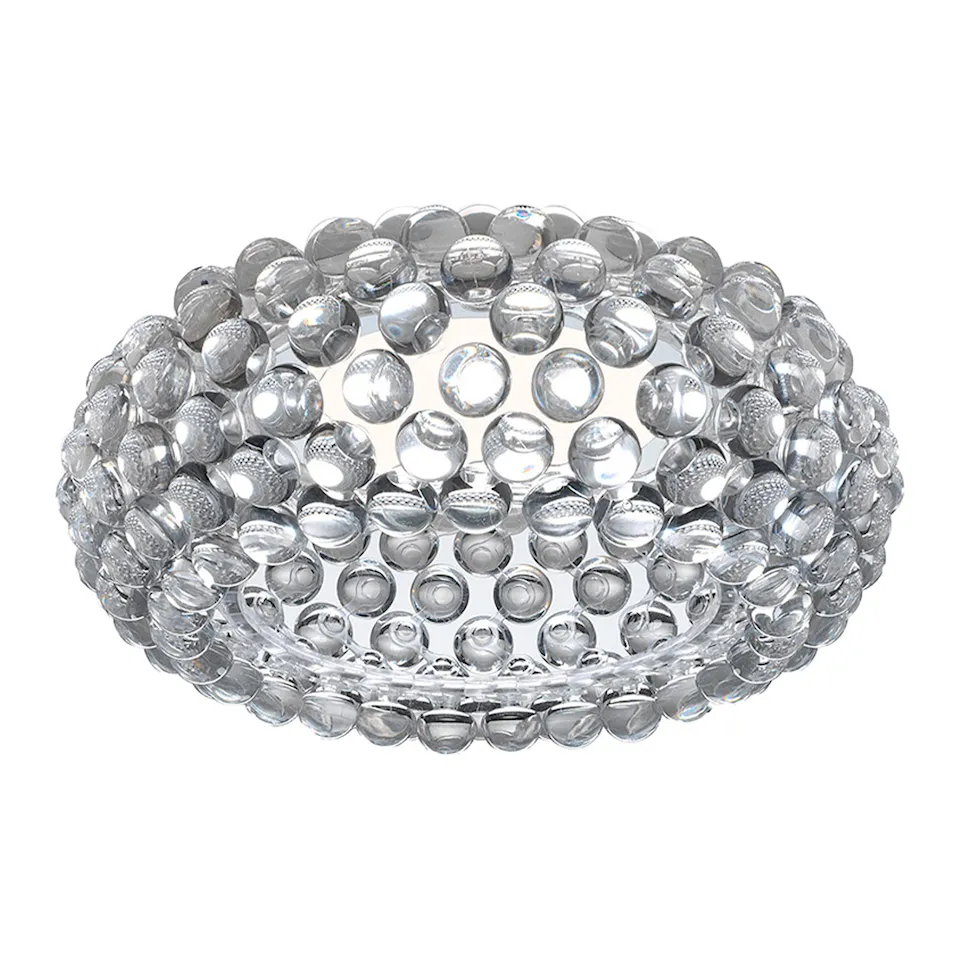
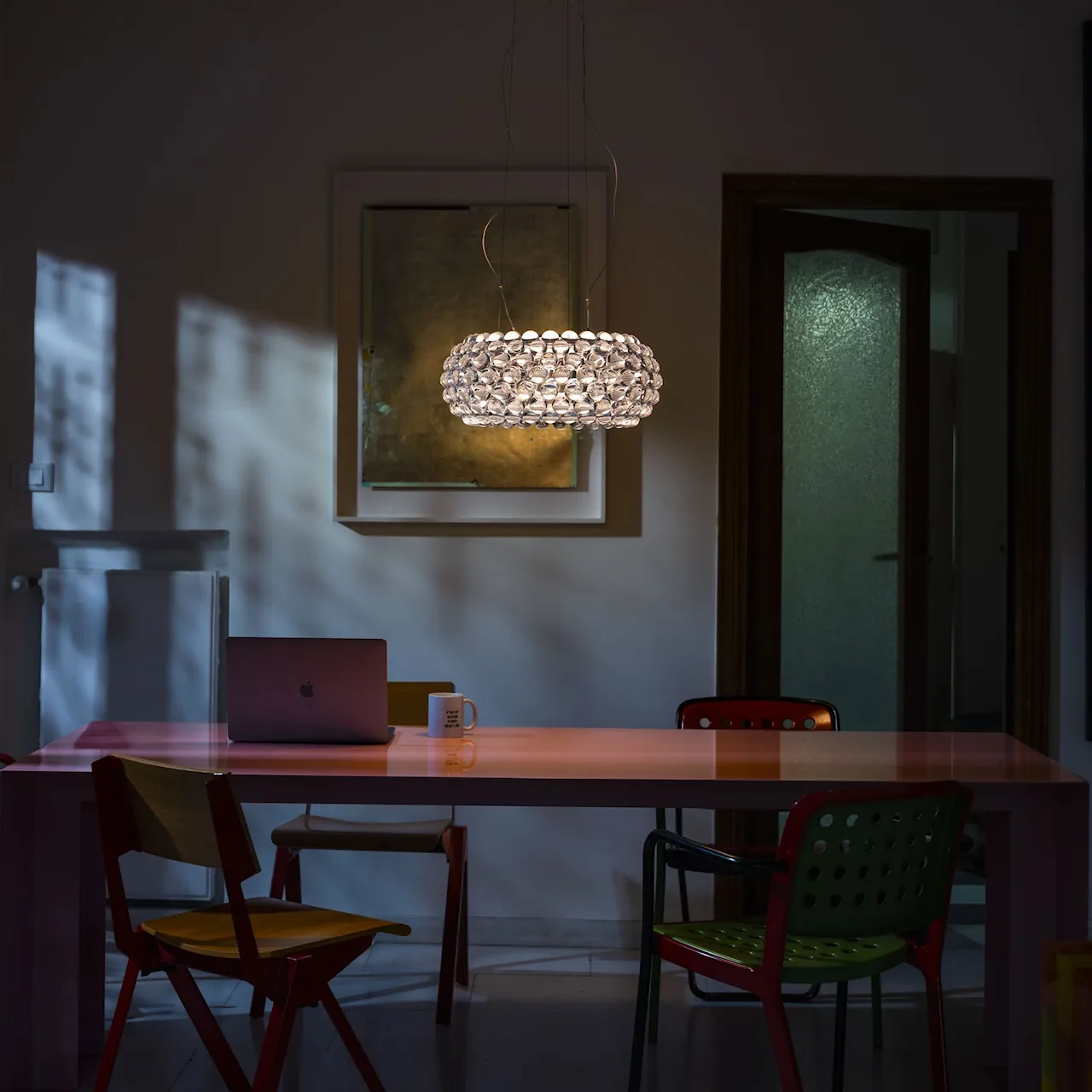
The assortment includes lighting with clearly distinctive expressions. The Caboche series, designed by Patricia Urquiola and Eliana Gerotto in 2005, also marked a decisive step for Foscarini. The series combines a technically advanced construction with a distinct design language. Spheres in polymethyl methacrylate enclose an inner shade of white satin glass. It is a construction developed to maximize light diffusion without glaring. The series is available as ceiling, floor, and table lamps.
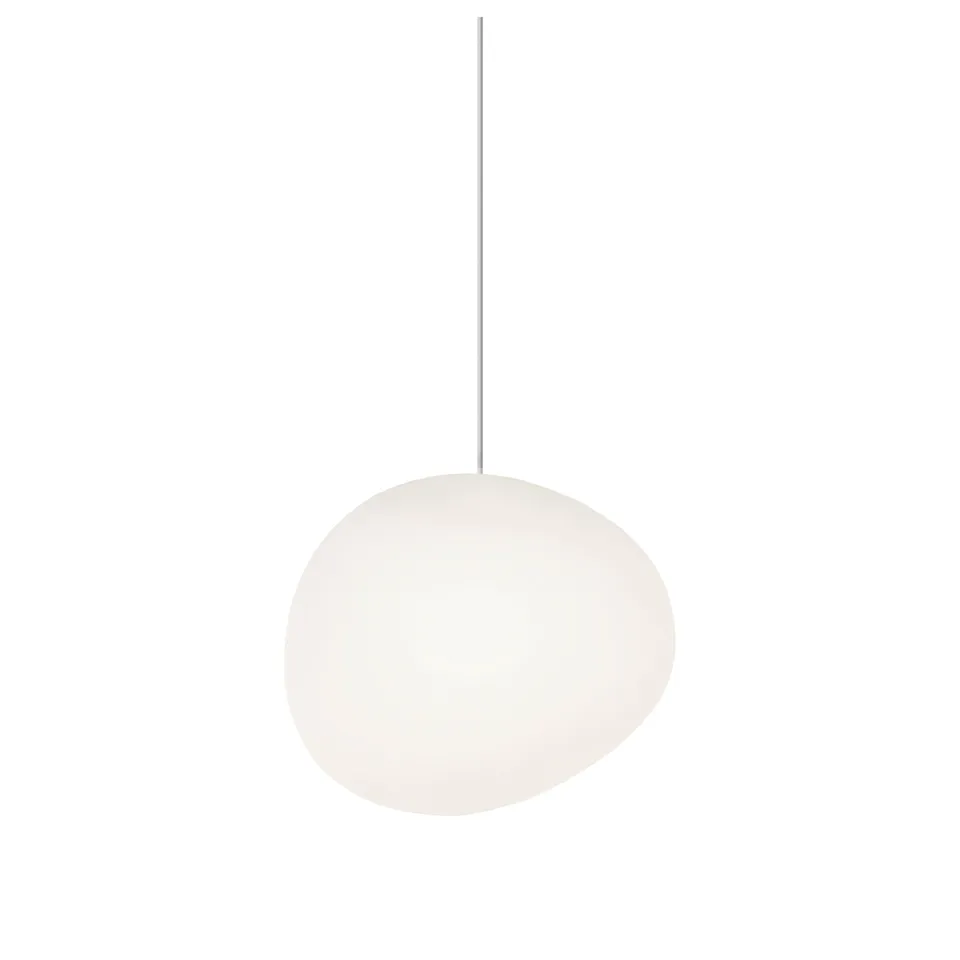
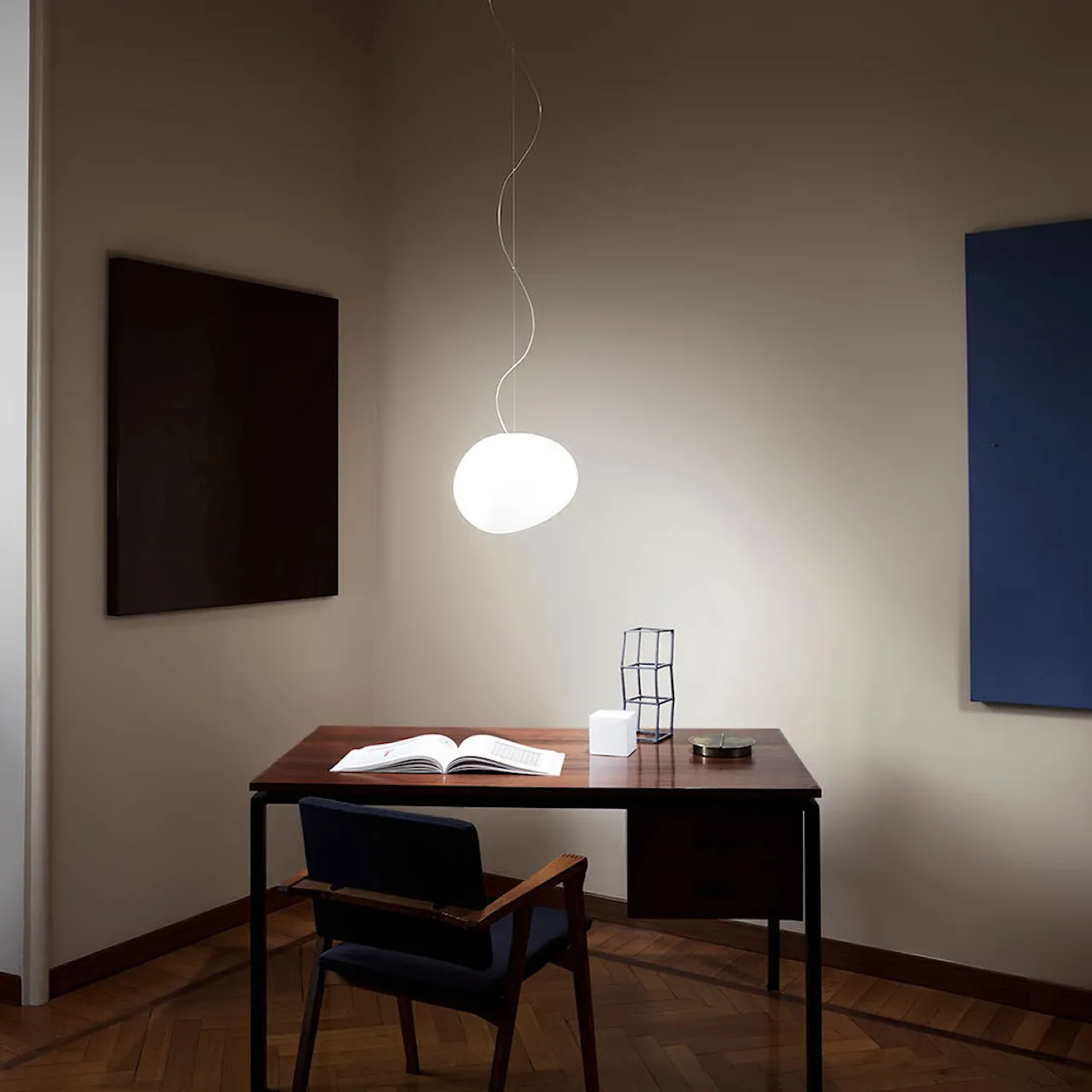
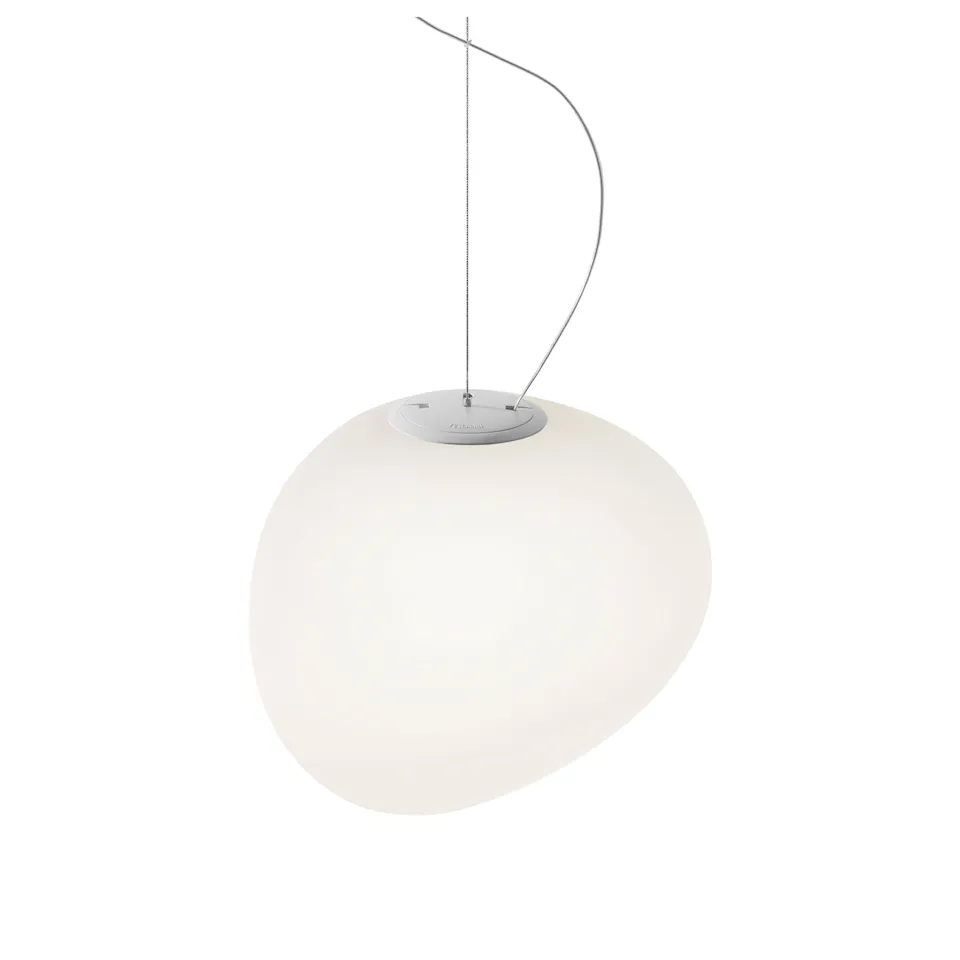
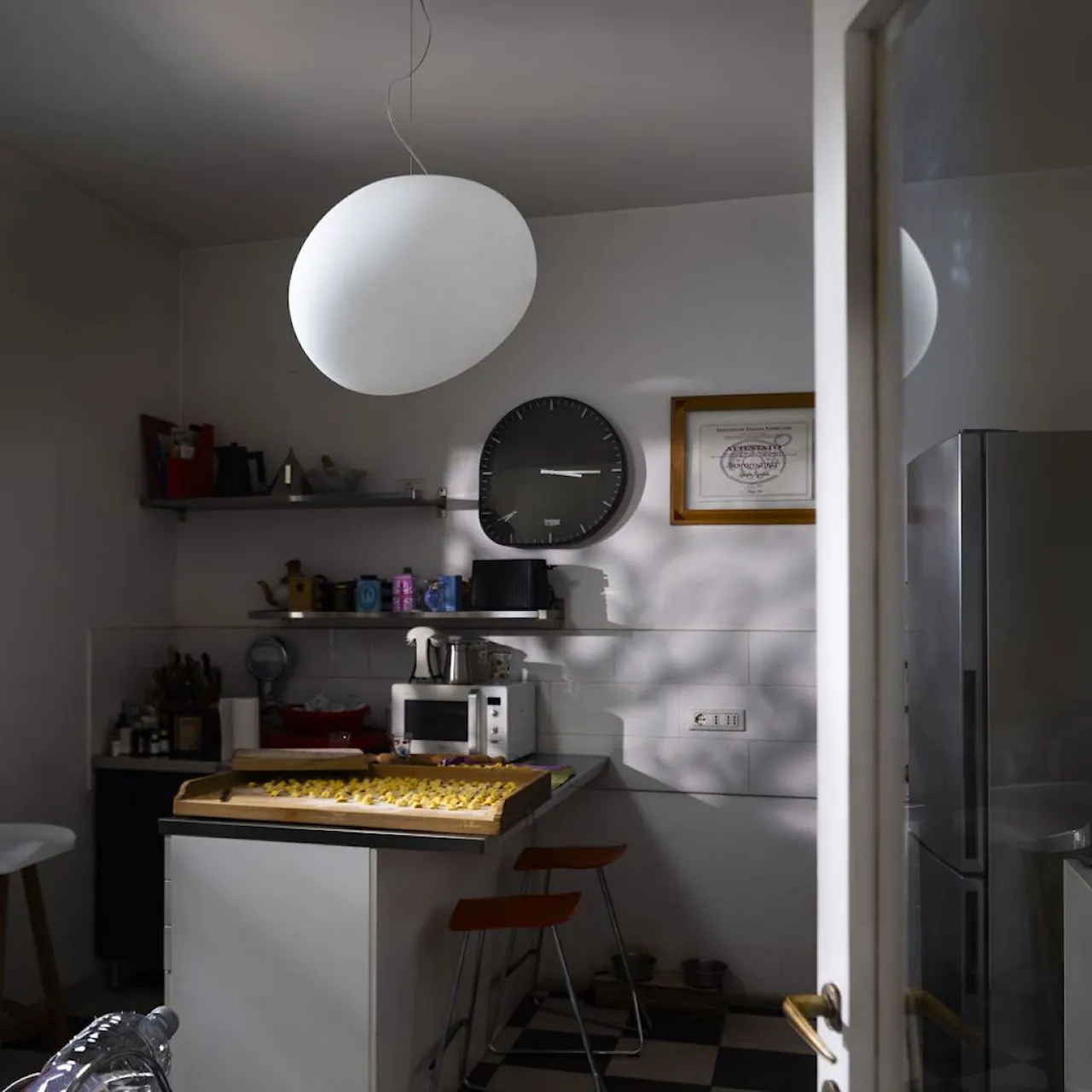
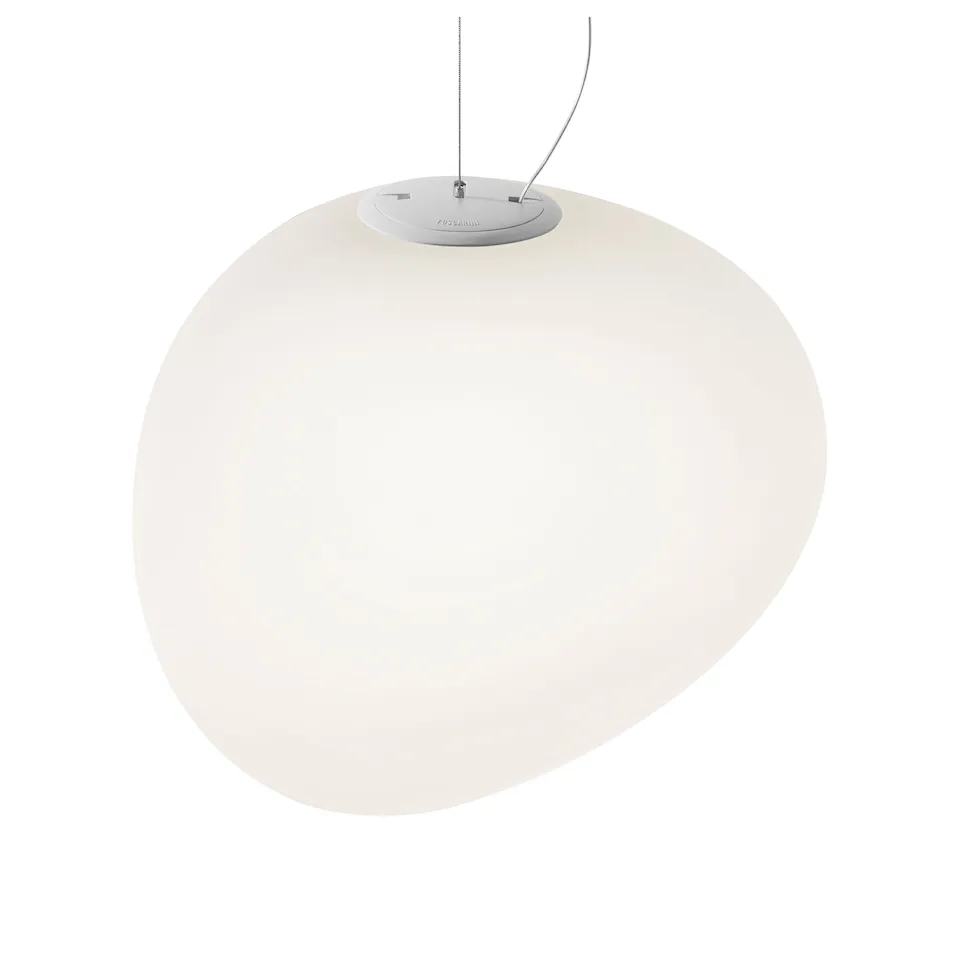
Another prominent series after Caboche is Gregg, designed by Ludovica and Roberto Palomba. The series is based on mouth-blown glass shaped into an asymmetric, organic volume that changes expression depending on the viewing angle. In contrast to the perfect sphere, Gregg gives a more lively impression and is particularly well-suited for placement in groups.
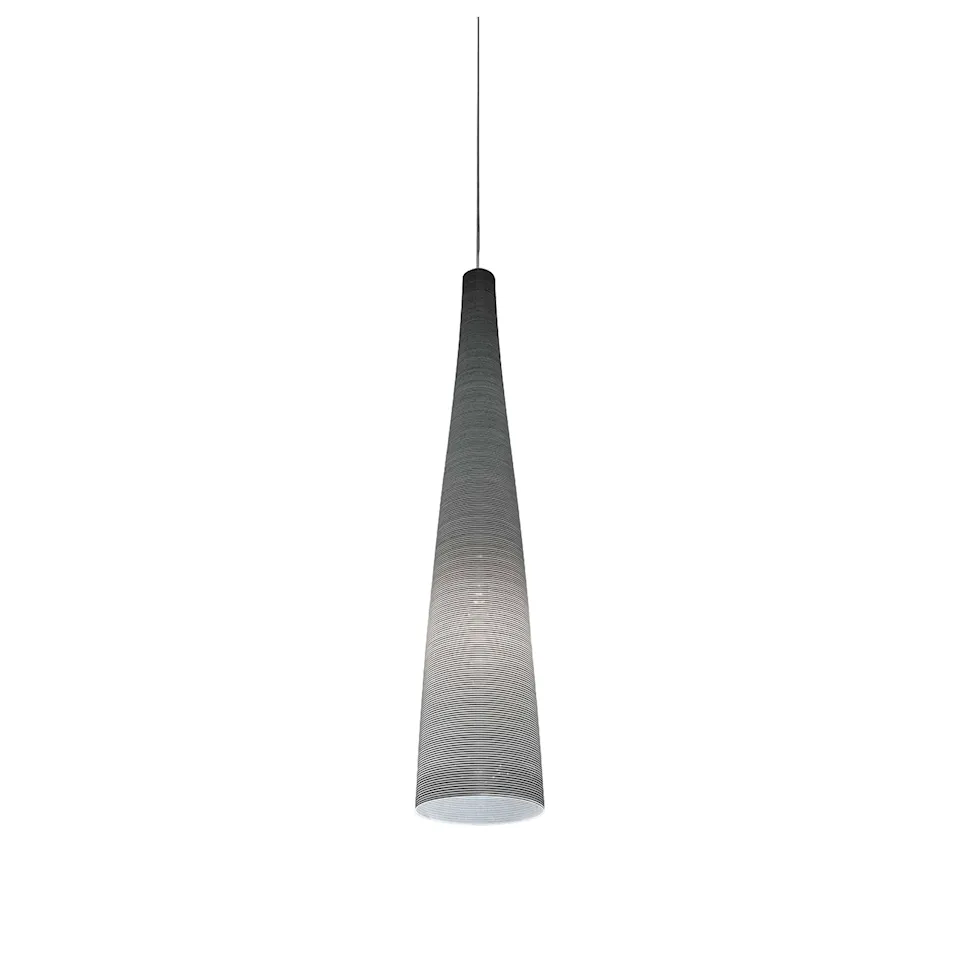
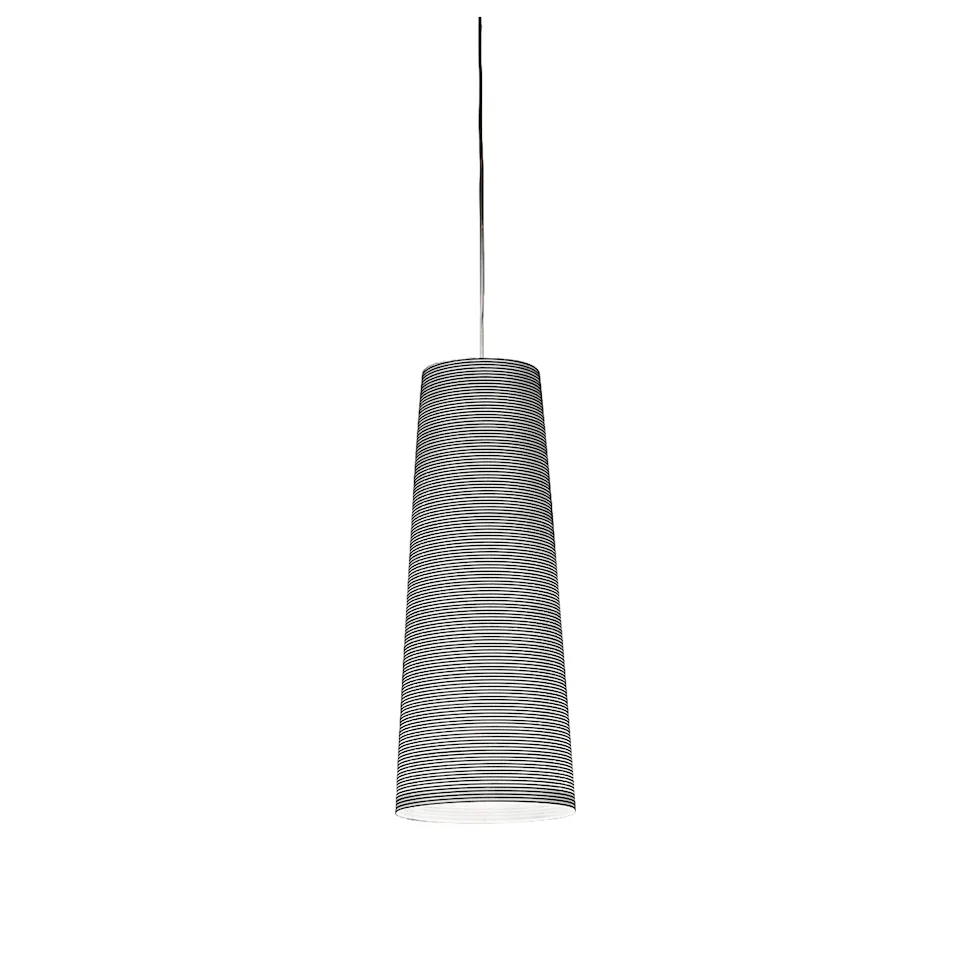
The Twiggy and Tress series, designed by Marc Sadler during the same period as Gregg, also show Foscarinis experimental approach to form and material. Twiggy is characterized by its long, curved arm and generous shade, developed for directed light over larger surfaces with a visually light expression. Tress works instead with a woven structure in composite material where the light is filtered, creating a clear interplay between light and shadow. Together, the series reflect a period where function, construction, and form develop in parallel. It becomes a successful period in the design company's history, and several innovative design lamps get to spread their light.
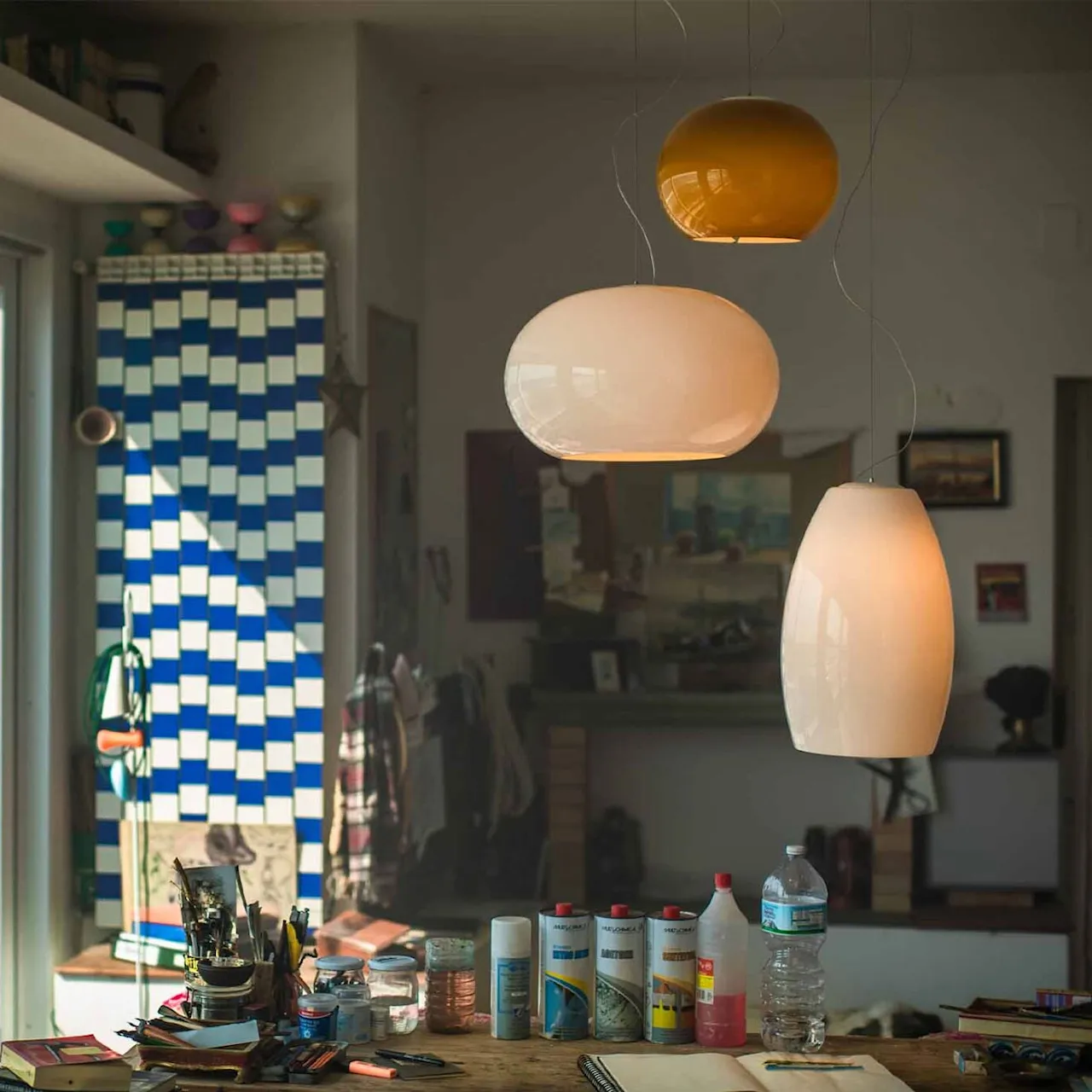
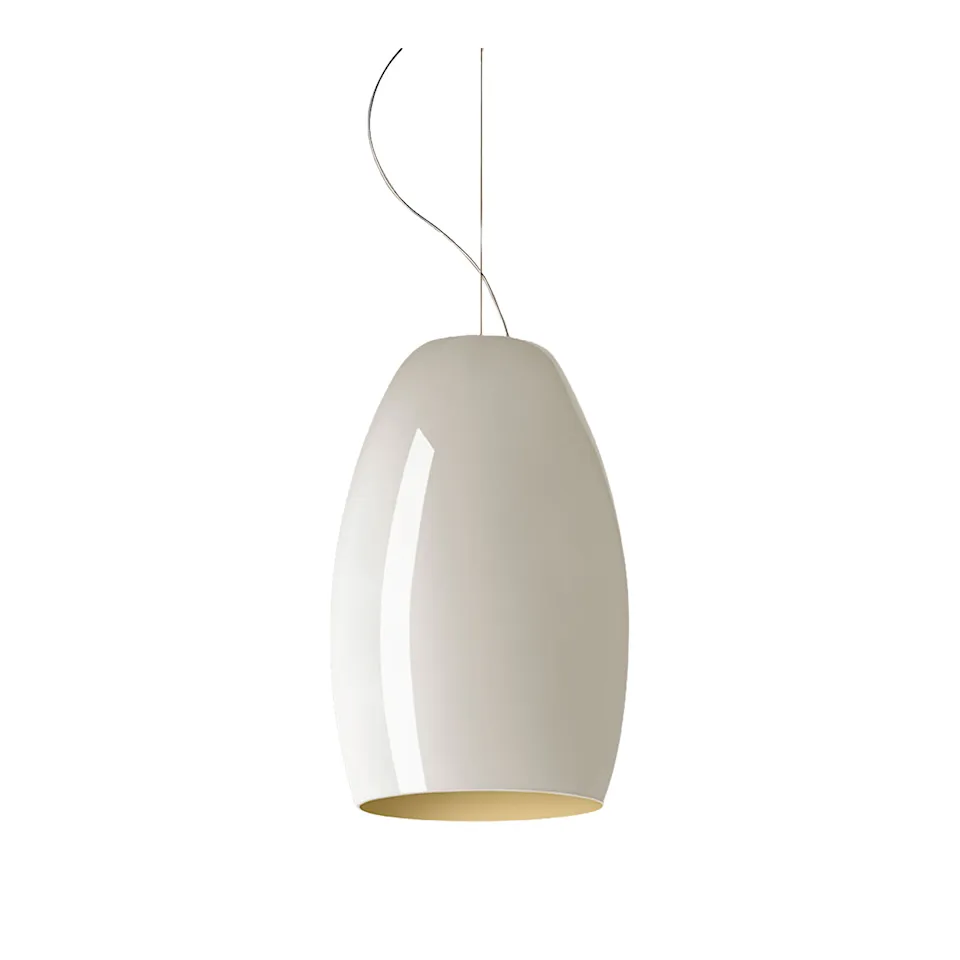
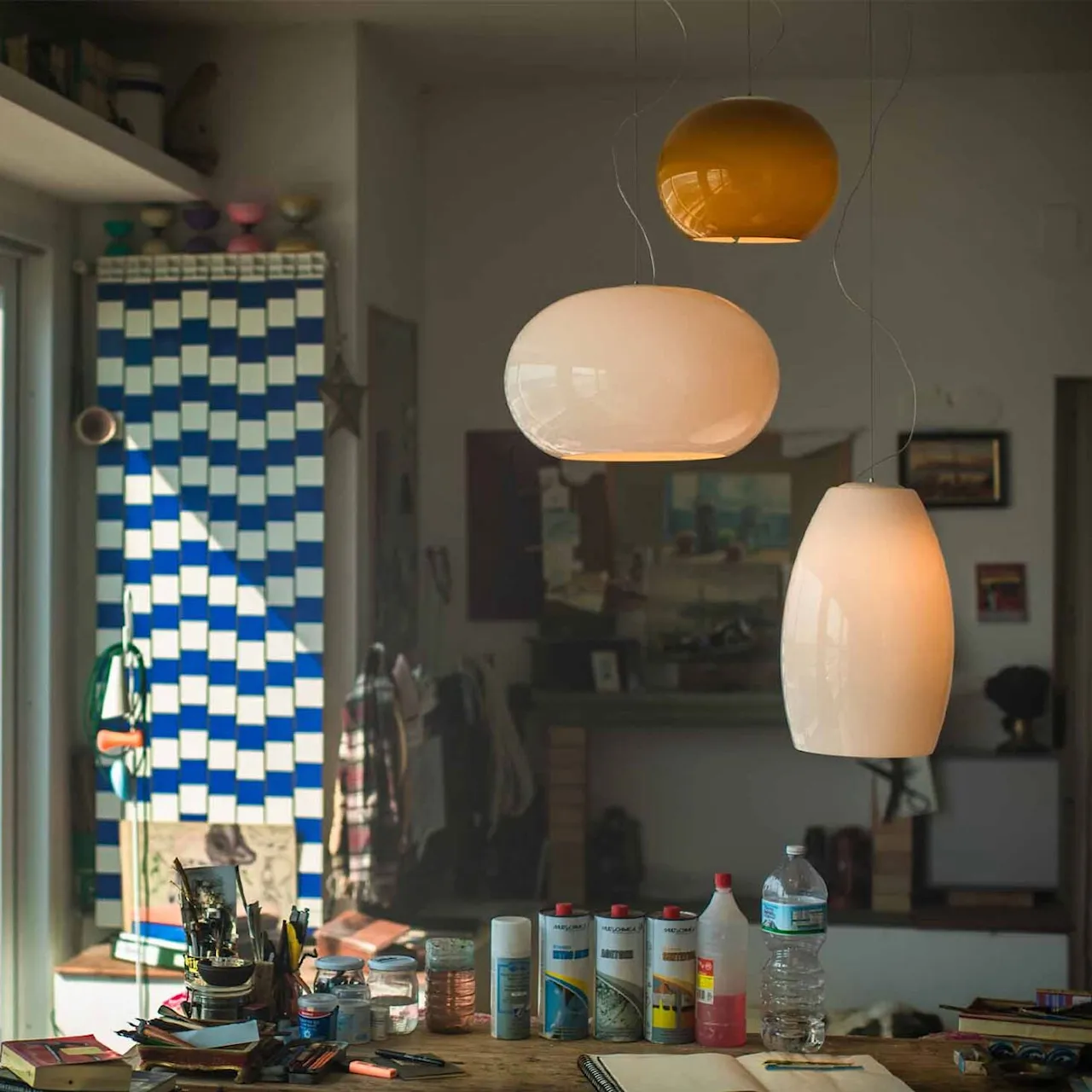
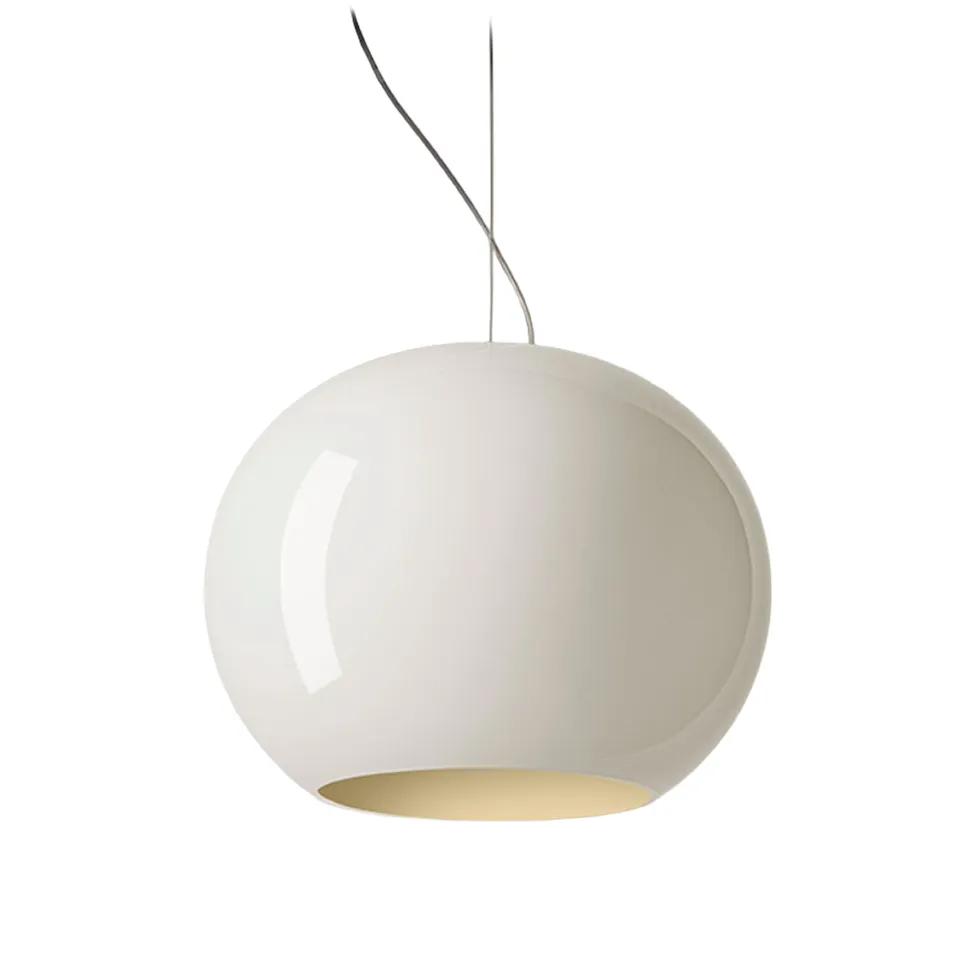
For those seeking color and the inherent qualities of glass, the Buds series by Rodolfo Dordoni is a relevant alternative. Here, five layers of mouth-blown glass are used to achieve a specific depth in the color when the lamp is lit, while maintaining a sculptural quality when switched off.
Function and lighting in different environments
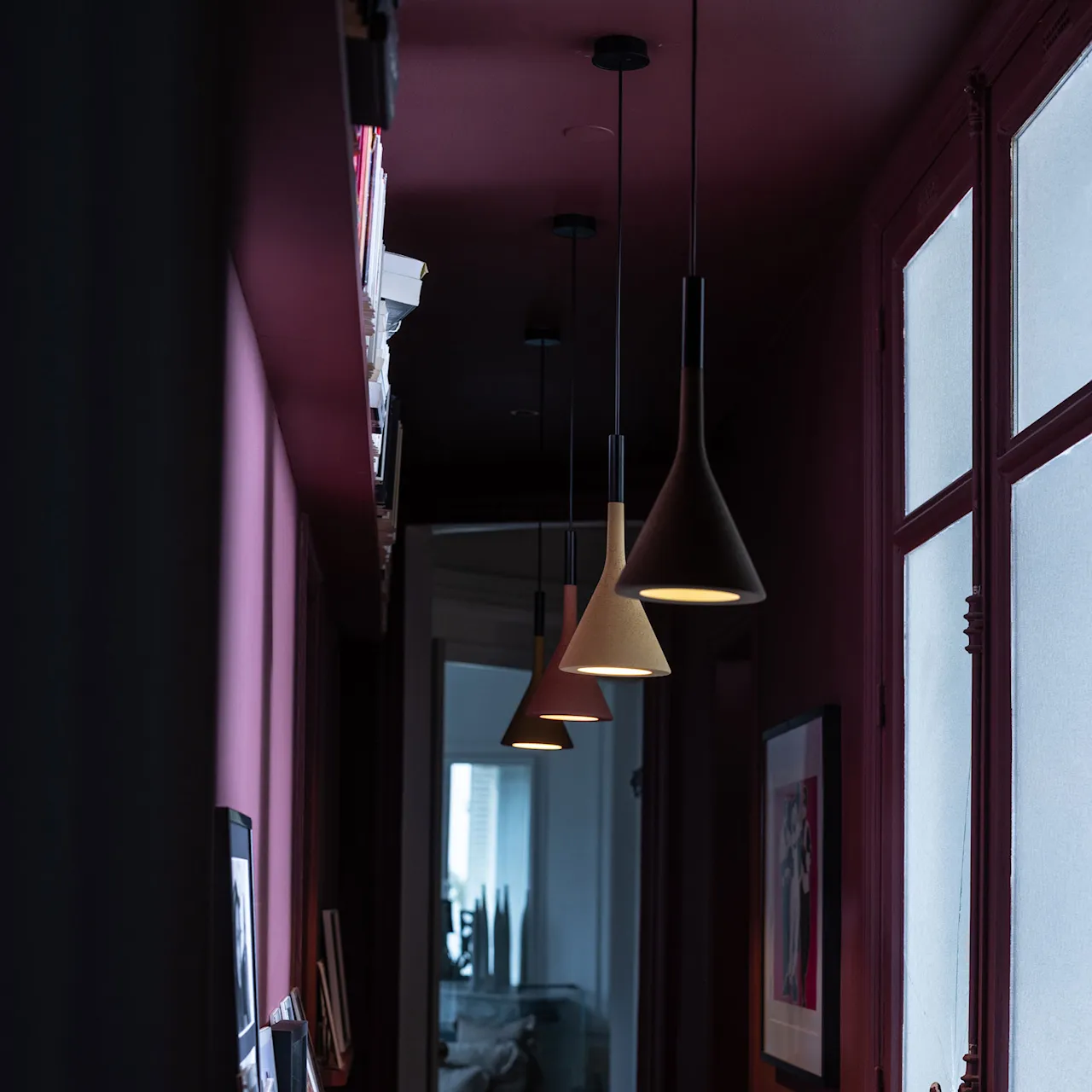
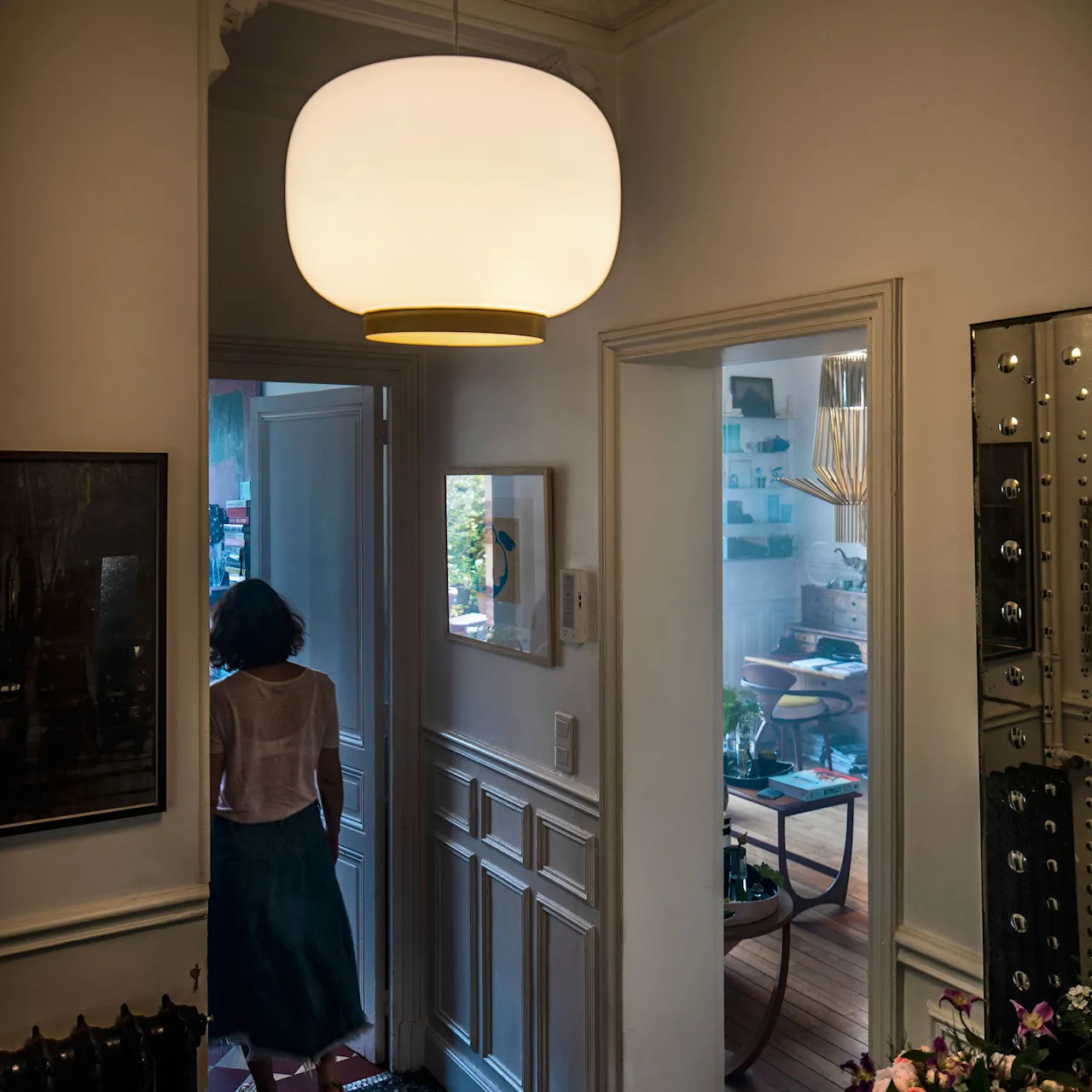
Foscarinis products are designed to solve lighting in environments with high demands on both technology and aesthetics. A pendant lamp from the brand often acts as a central point, while their wall lamps and table lamps offer complementary lighting.
Whether it is a hallway, an office, or a restaurant, Foscarini offers luminaires where function is integrated with a strong formal idea. It is about Italian design that rests on material knowledge and engineering rather than solely decorative aesthetics. For those who want to see more of how technology meets design, Foscarinis assortment is a showcase of modern lighting history.
Is there something you are missing in terms of foscarini?
Please contact us via our contact form to discuss your specific product request.