

Walnut Coffee Tables
Walnut coffee tables combine strong dimensional stability with a distinct material presence. The dense structure and natural variation in grain make them well suited to tables where proportion, durability and precise craftsmanship are essential. In living spaces, walnut introduces a warm, dark tone that anchors the seating area and enhances the interaction between materials.
22 products
- October Offer 15%+ More options
Naver Collection
AK 2580-2582 Point Coffee Table - Walnut Oil
€1,096€1,289
In stock - October Offer 15%+ More options
Naver Collection
AK 2560-2562 Point Strawberry Coffee Table
From €740€871
In stock - October Offer 15%+ More options
Audo Copenhagen
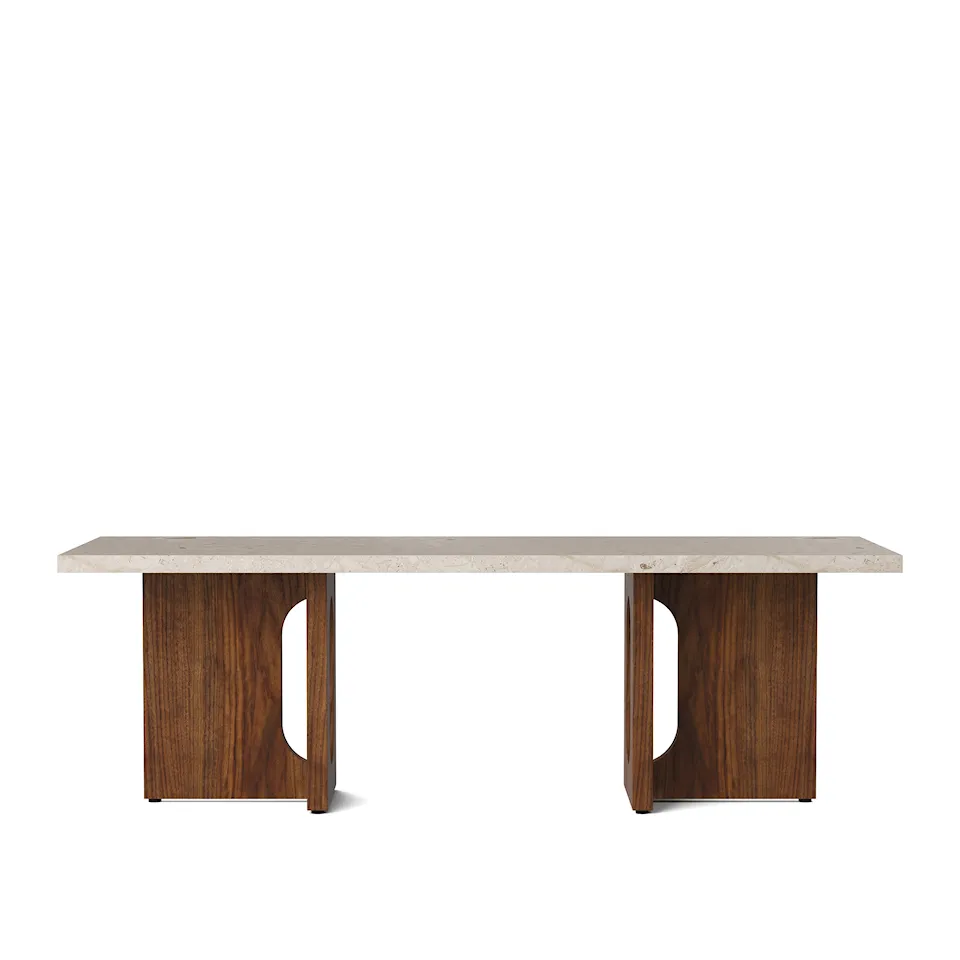
Androgyne Lounge Table
From €756€945
In stock - October Offer 15%
Carl Hansen
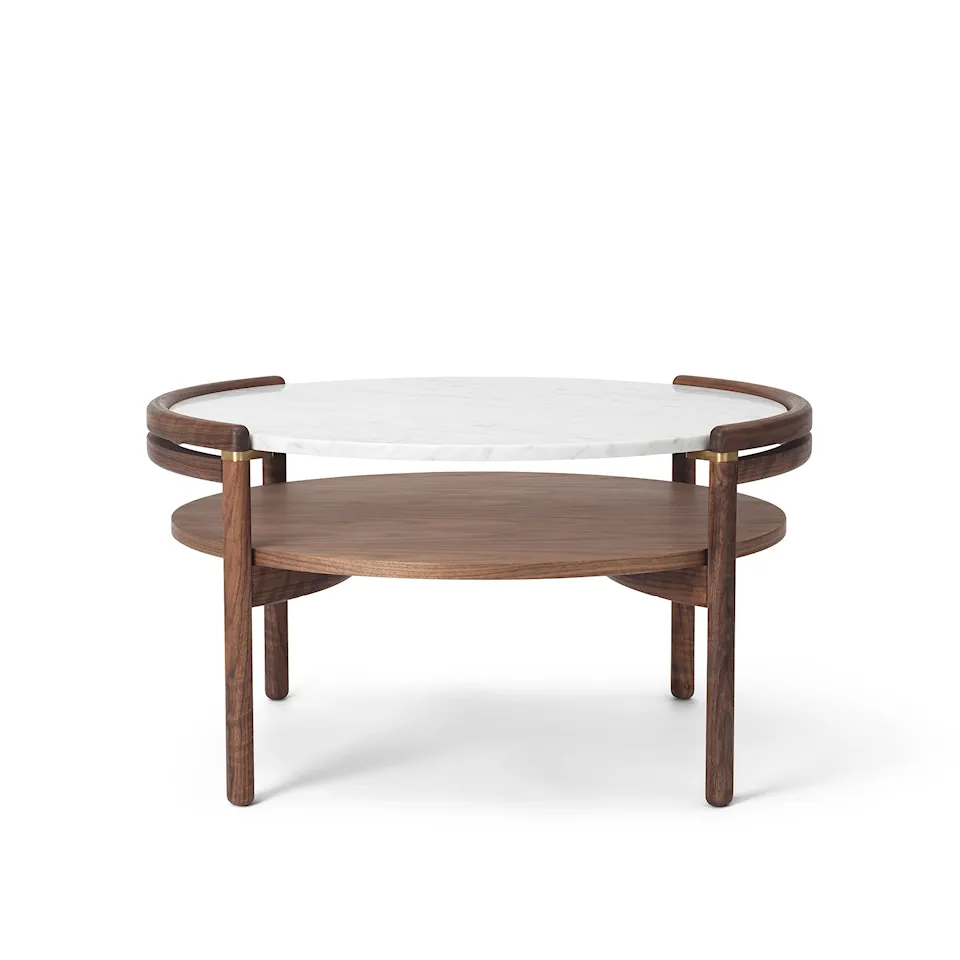
RF1905 Coffee Table Walnut
€3,008€3,539
- October Offer 15%
Fritz Hansen
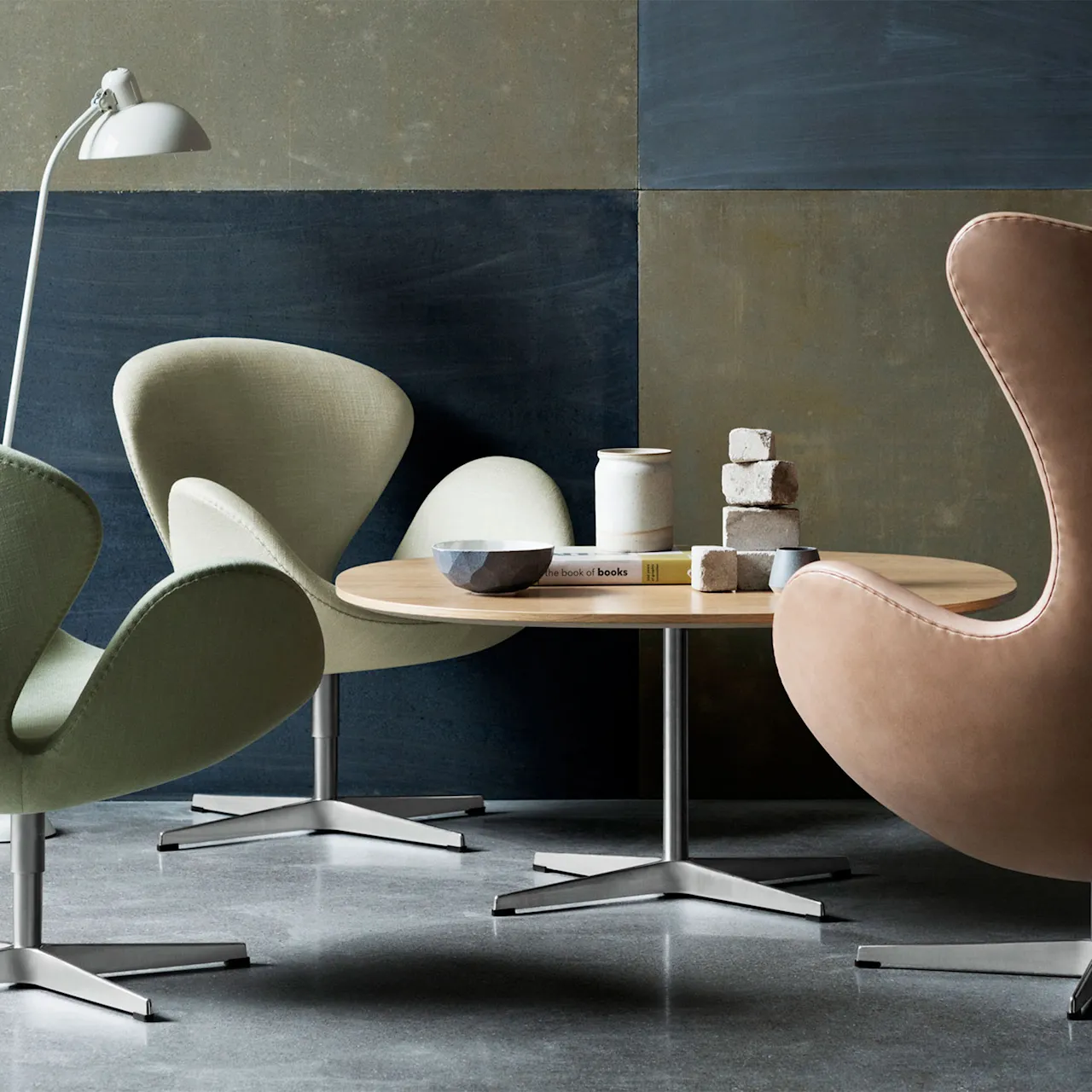
Supercircular A202 Coffee Table
€1,783€2,098
- + More options
Flexform
Giano Coffee Table
From €5,150
- October Offer 15%+ More options
Carl Hansen
CH008 Coffee Table Ø100 cm
From €2,447€2,879
- October Offer 15%+ More options
Carl Hansen
CH008 Coffee Table Ø78 cm
From €1,850€2,177
- October Offer 15%+ More options
Carl Hansen
OW449 Coffee Table
From €840€988
- + More options
Dk3
Plateau coffee table
From €1,520
- October Offer 15%+ More options
Zanat
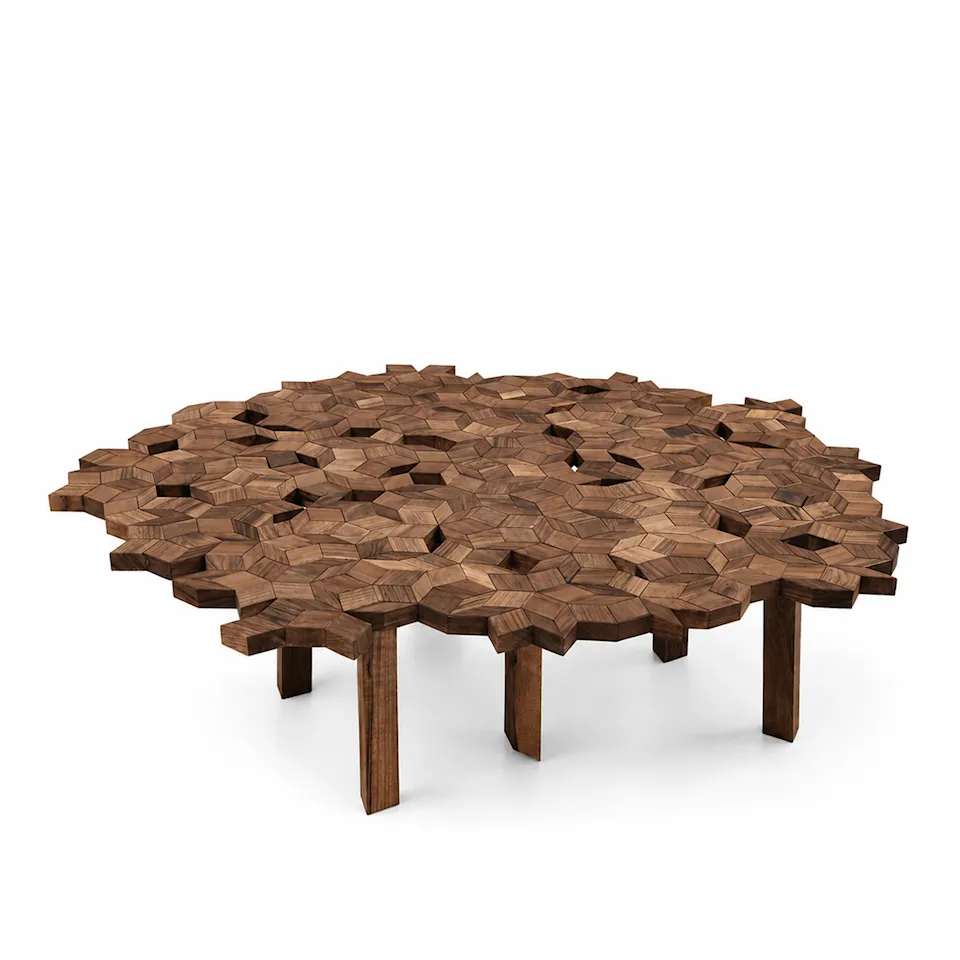
Ombra Table
From €2,417€2,844
- October Offer 15%+ More options
Naver Collection
AK 530-532 Orbit Coffee Table
From €1,017€1,197
- October Offer 15%+ More options
Naver Collection
AK 1880-1881 Coffee Table
From €1,931€2,272
- October Offer 15%+ More options
Naver Collection
AK 1860-1861 Coffee Table
From €1,368€1,609
- October Offer 15%
Naver Collection
AK 980-982 Coffee Table
€2,141€2,519
- October Offer 15%+ More options
Naver Collection
AK 970-972 Coffee Table
From €1,883€2,215
- October Offer 15%+ More options
Naver Collection
AK 2550-2552 Point Coffee Table
From €917€1,079
- October Offer 15%
Naver Collection
product 10222020r
€1,127€1,326
- October Offer 15%
Naver Collection
AK 2540-2542 Point Soffbord
€1,127€1,326
- October Offer 15%+ More options
Naver Collection
AK 2530-2532 Point Coffee Table
From €938€1,104
- October Offer 15%
Zanat
Touch coffee table Ø110
€2,782€3,273
- October Offer 15%+ More options
Zanat
Touch coffee table Ø80
From €1,699€1,999
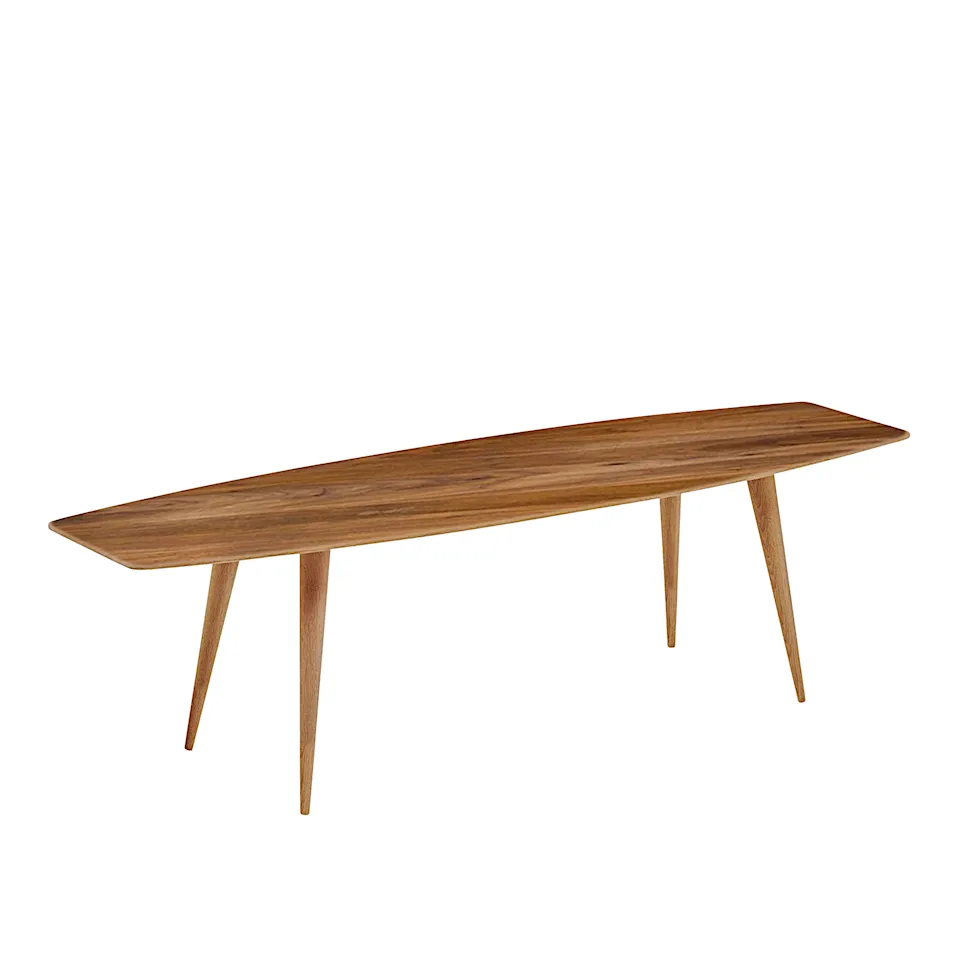
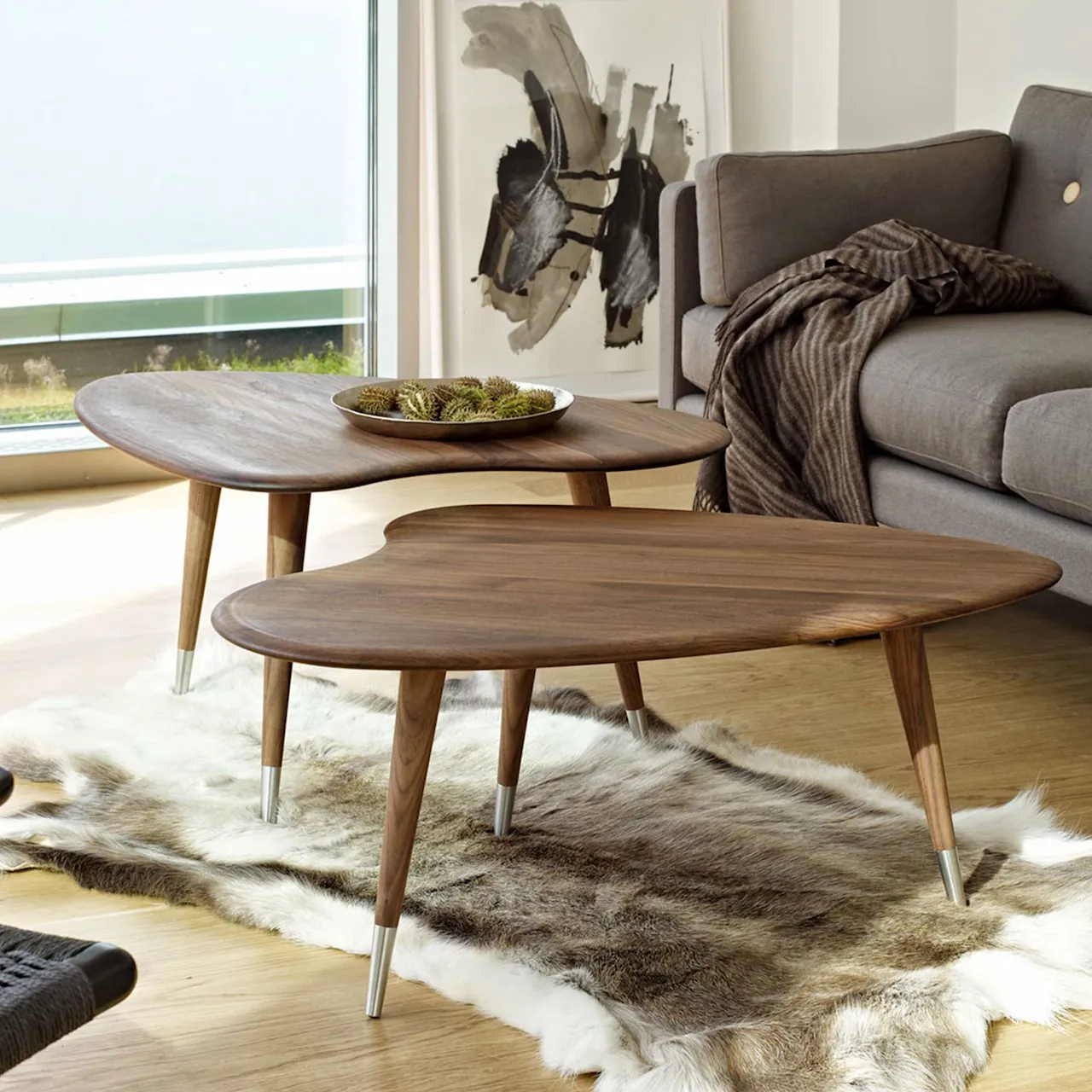
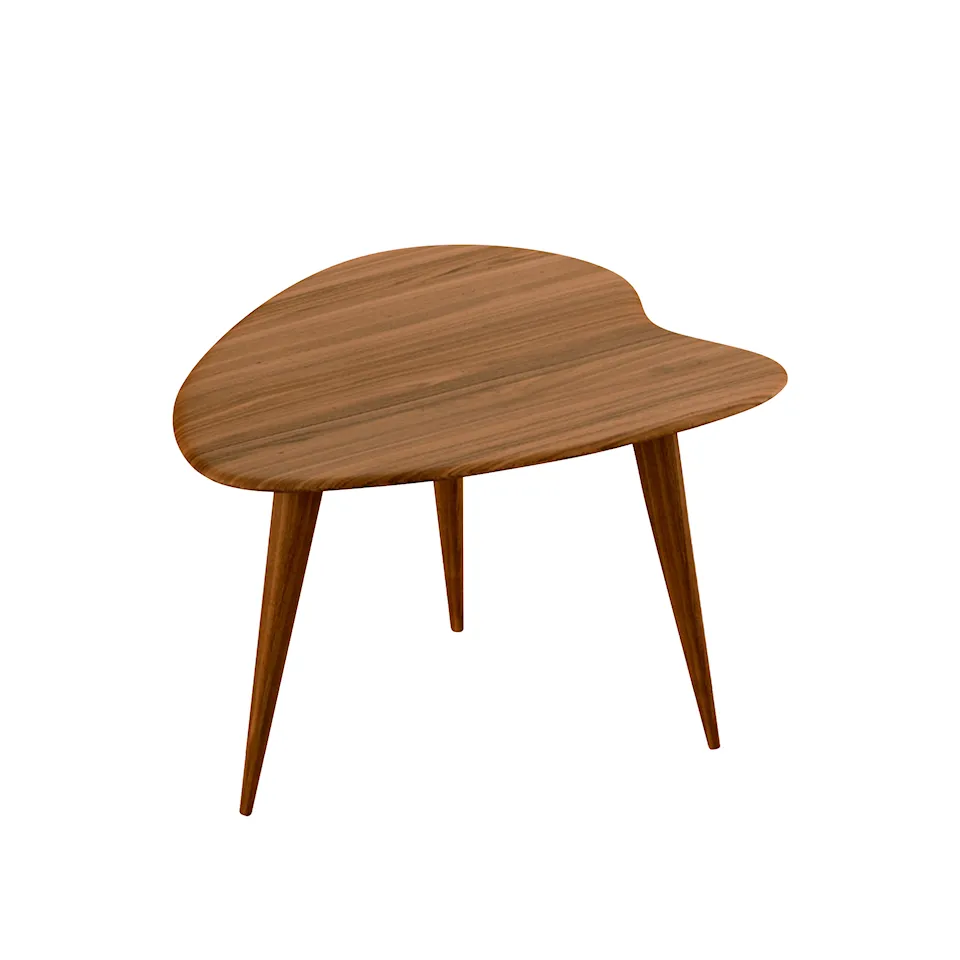
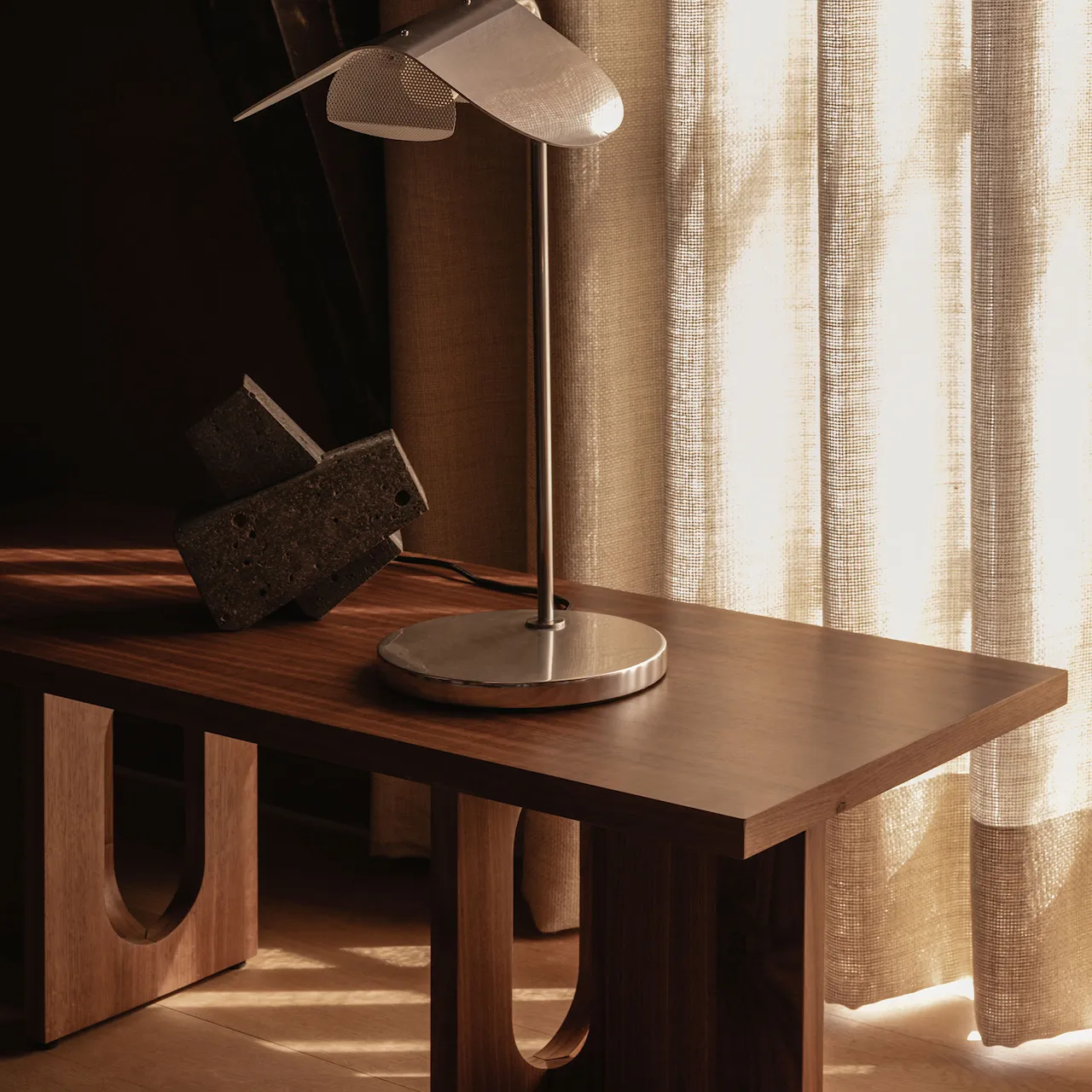
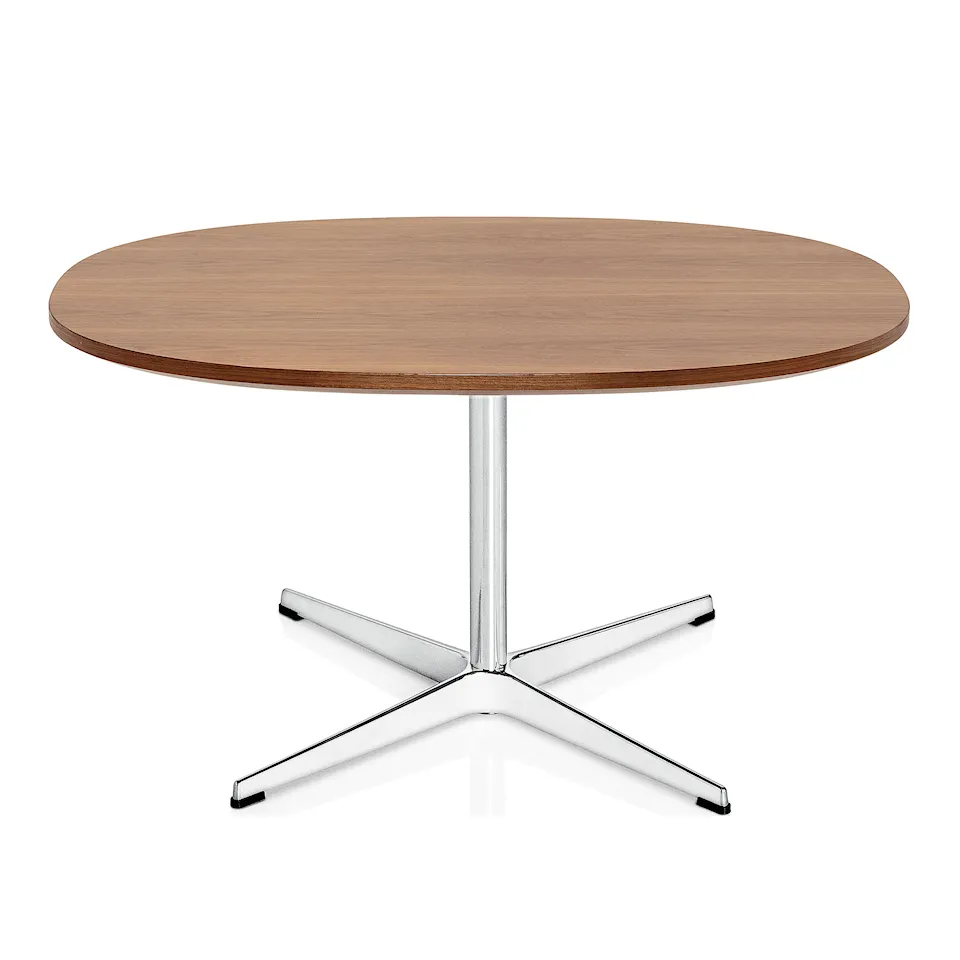
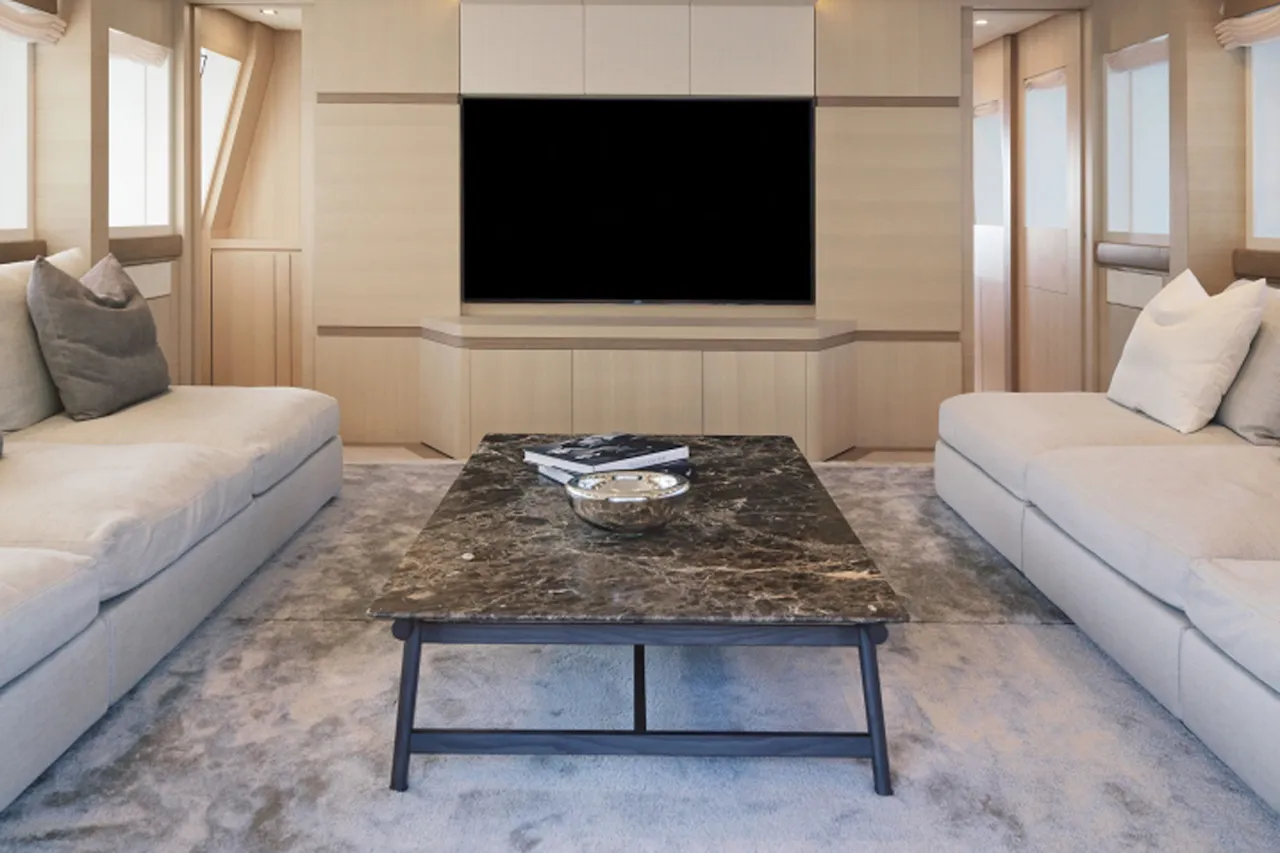
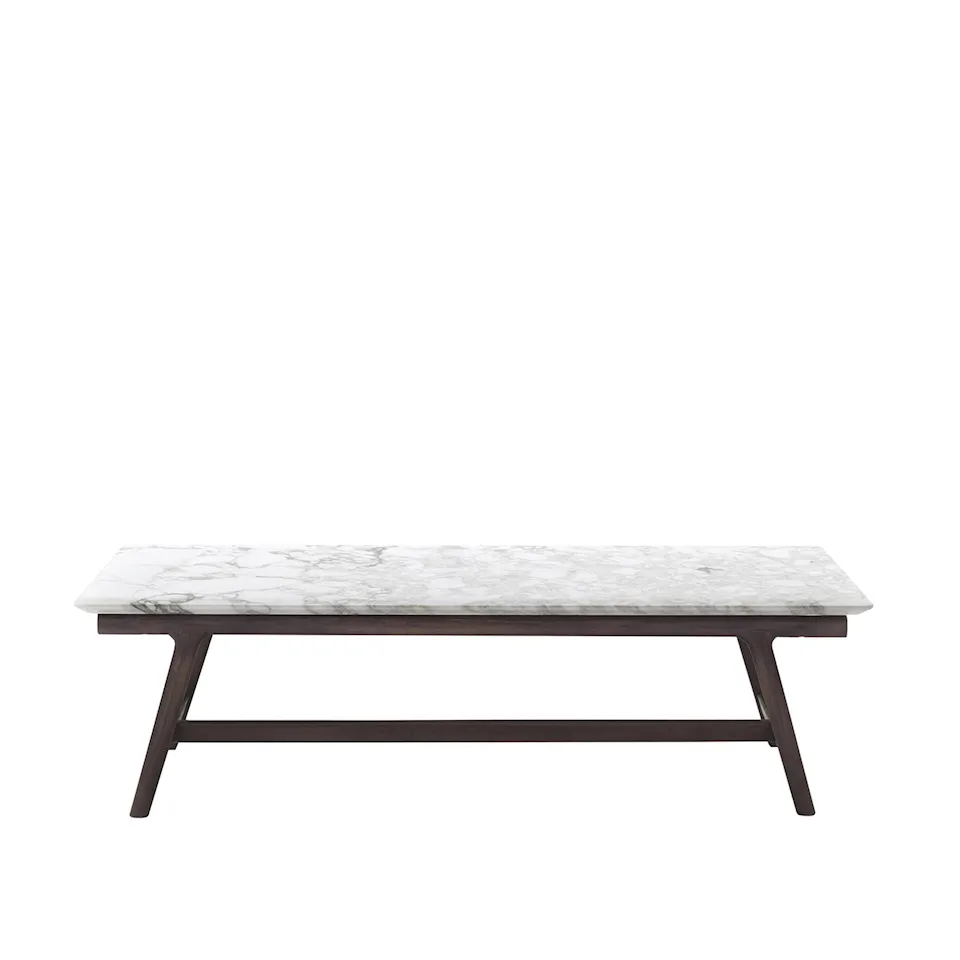
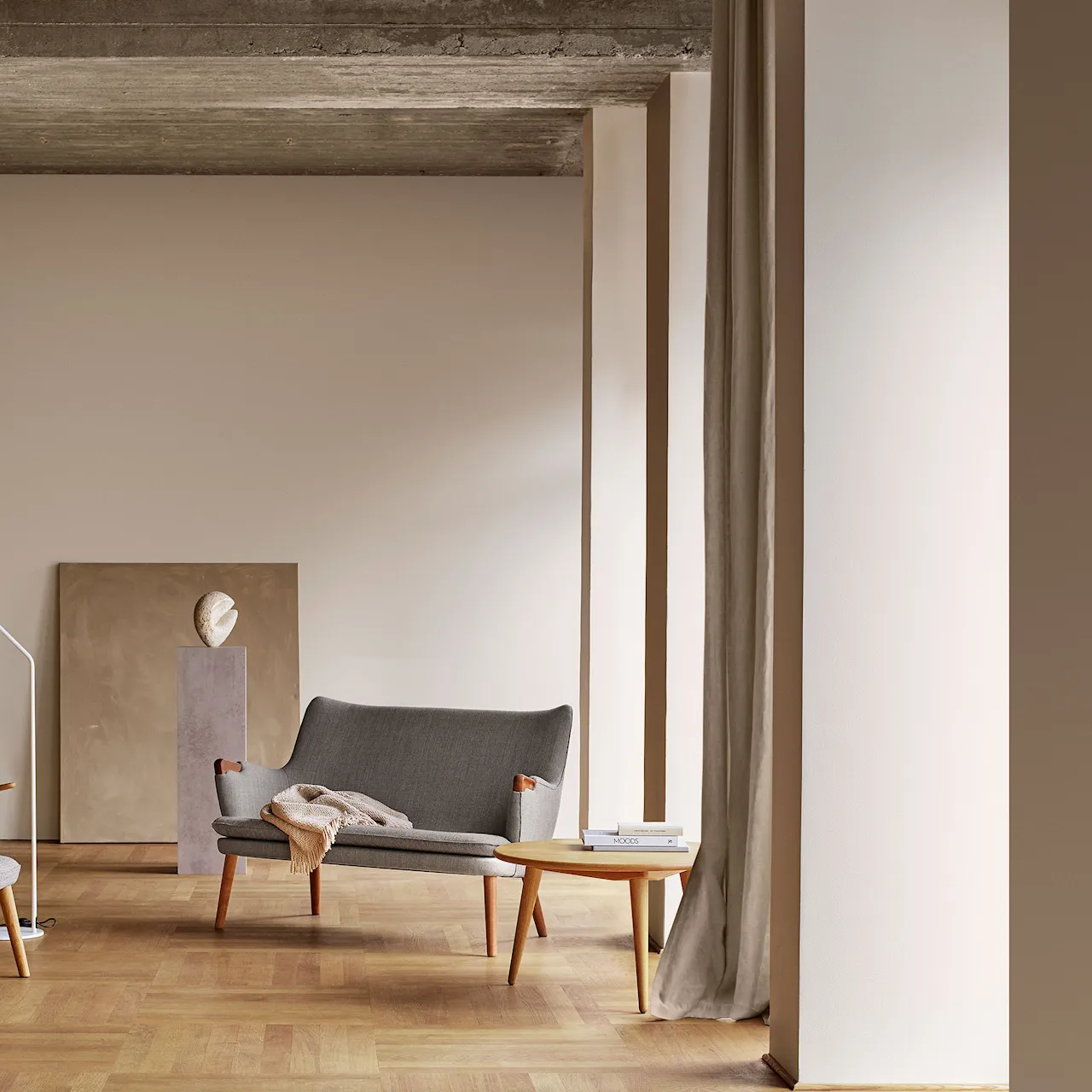
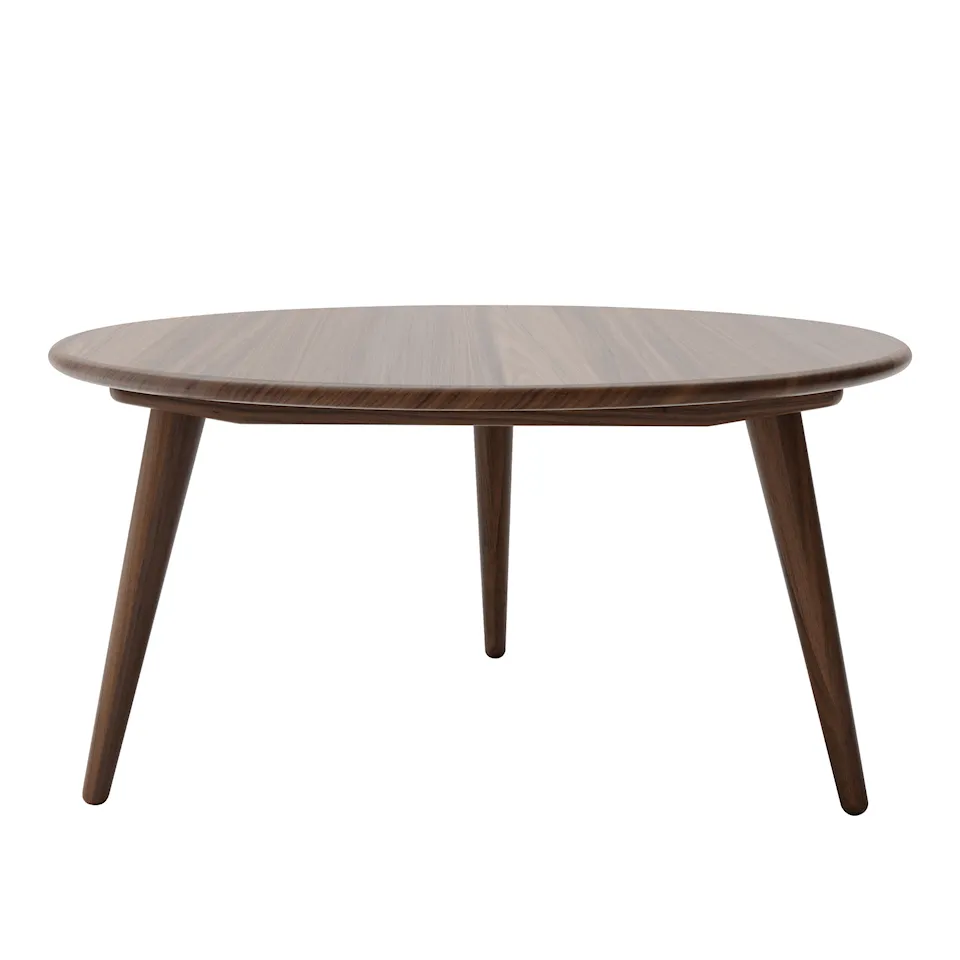
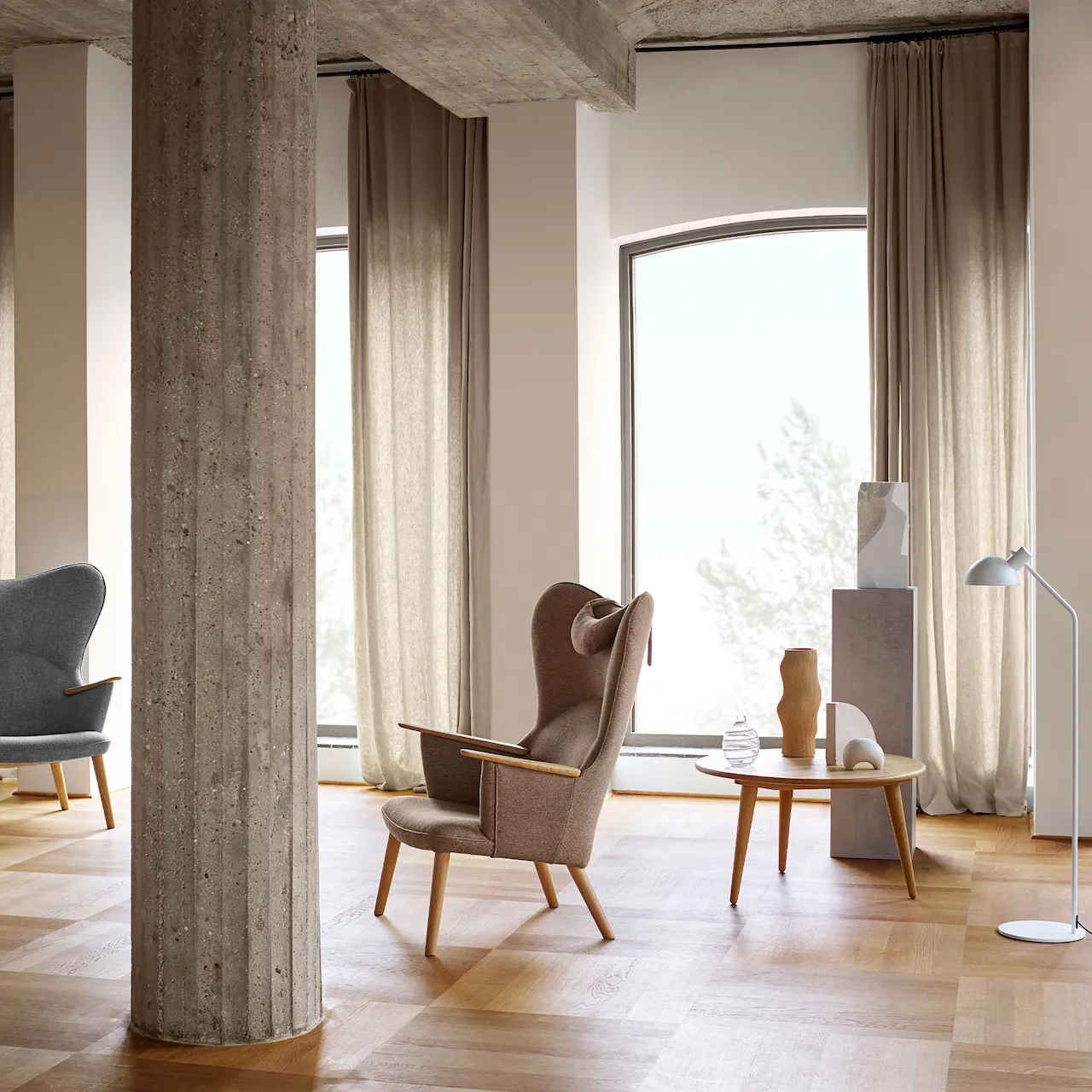
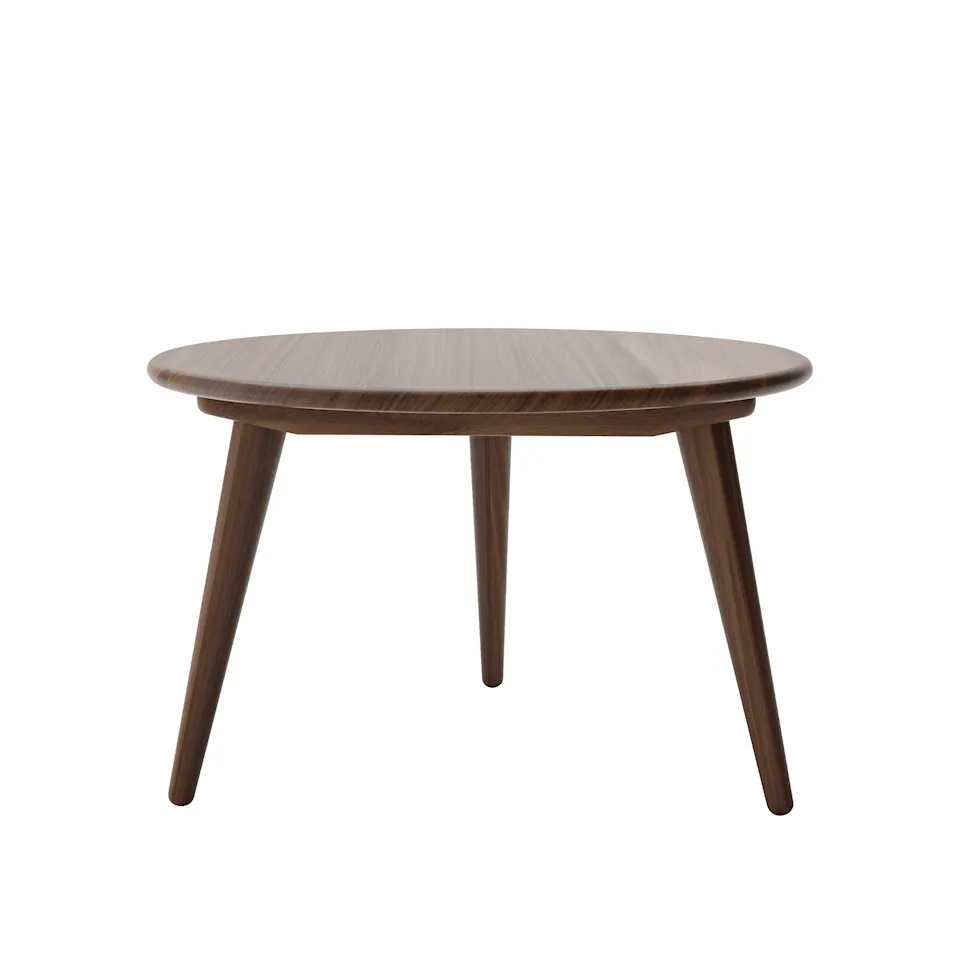
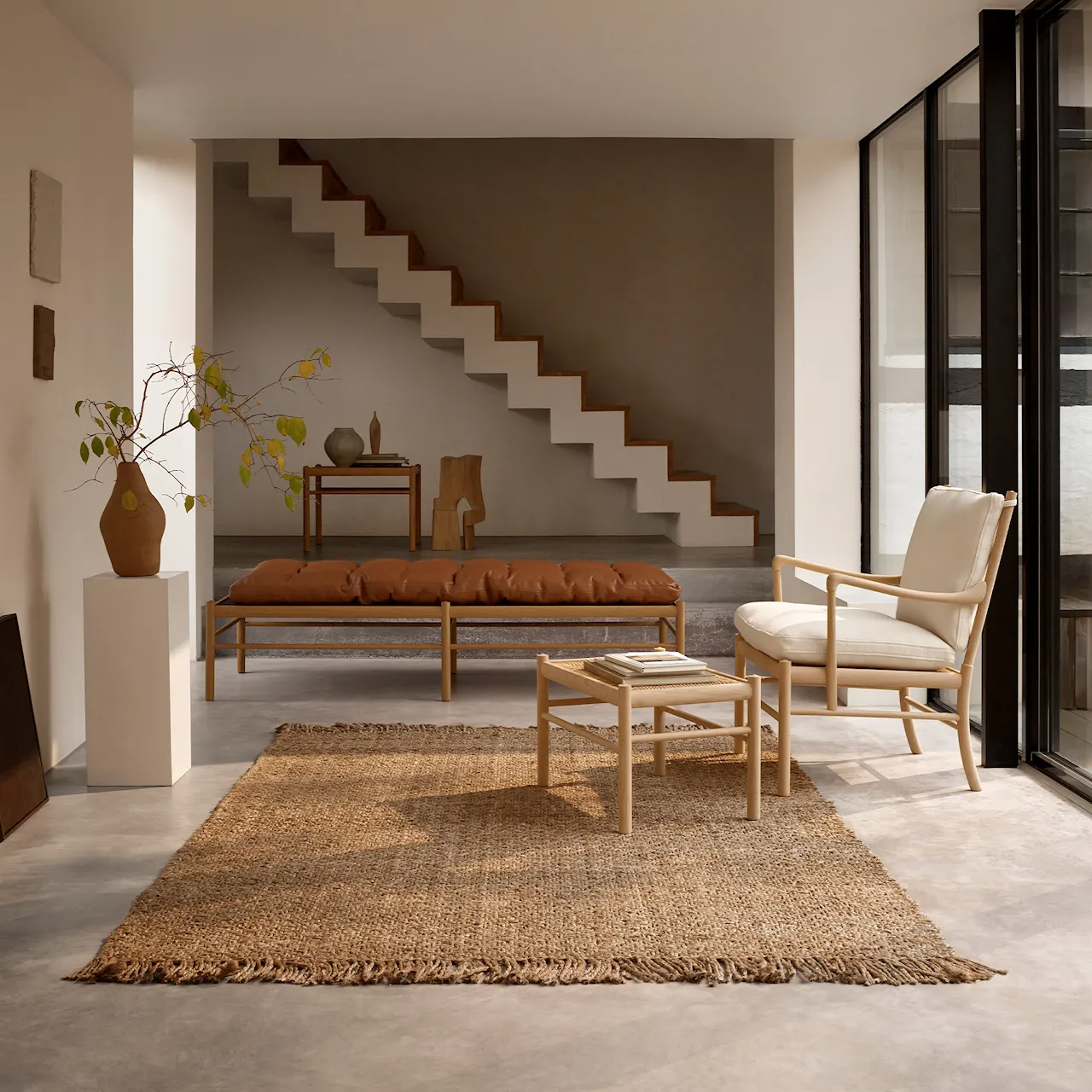
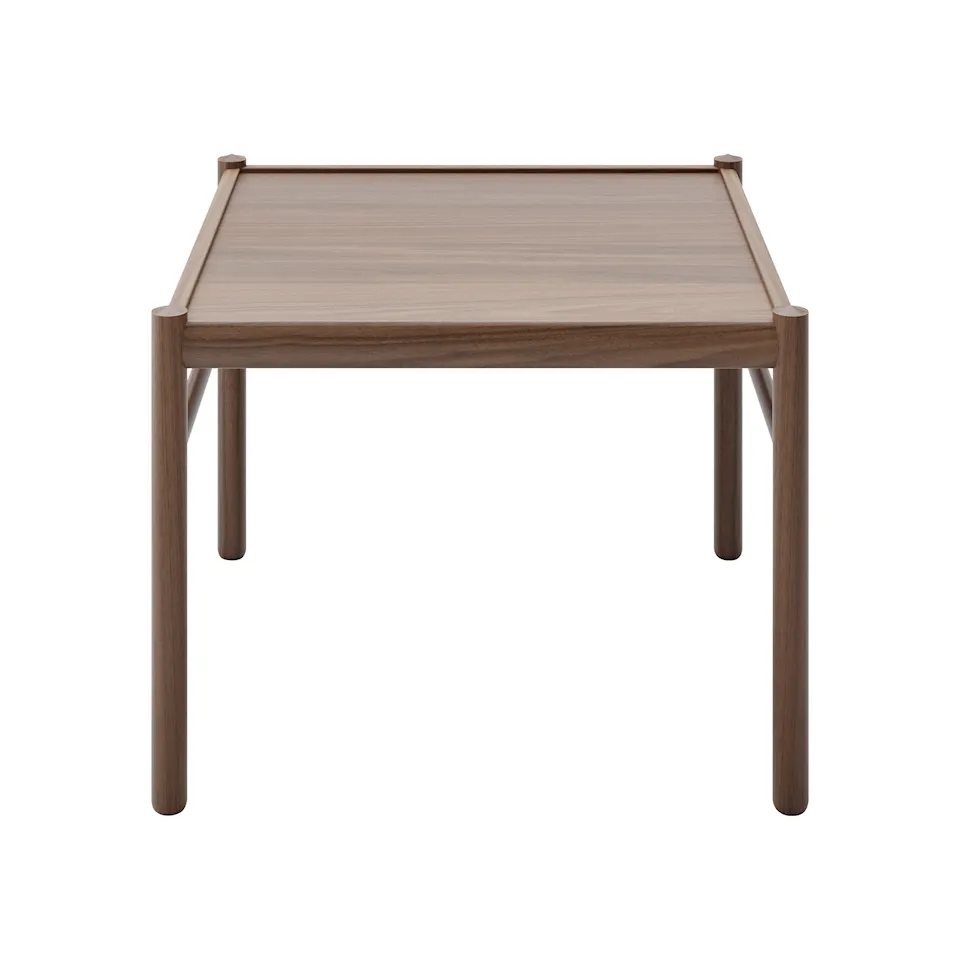
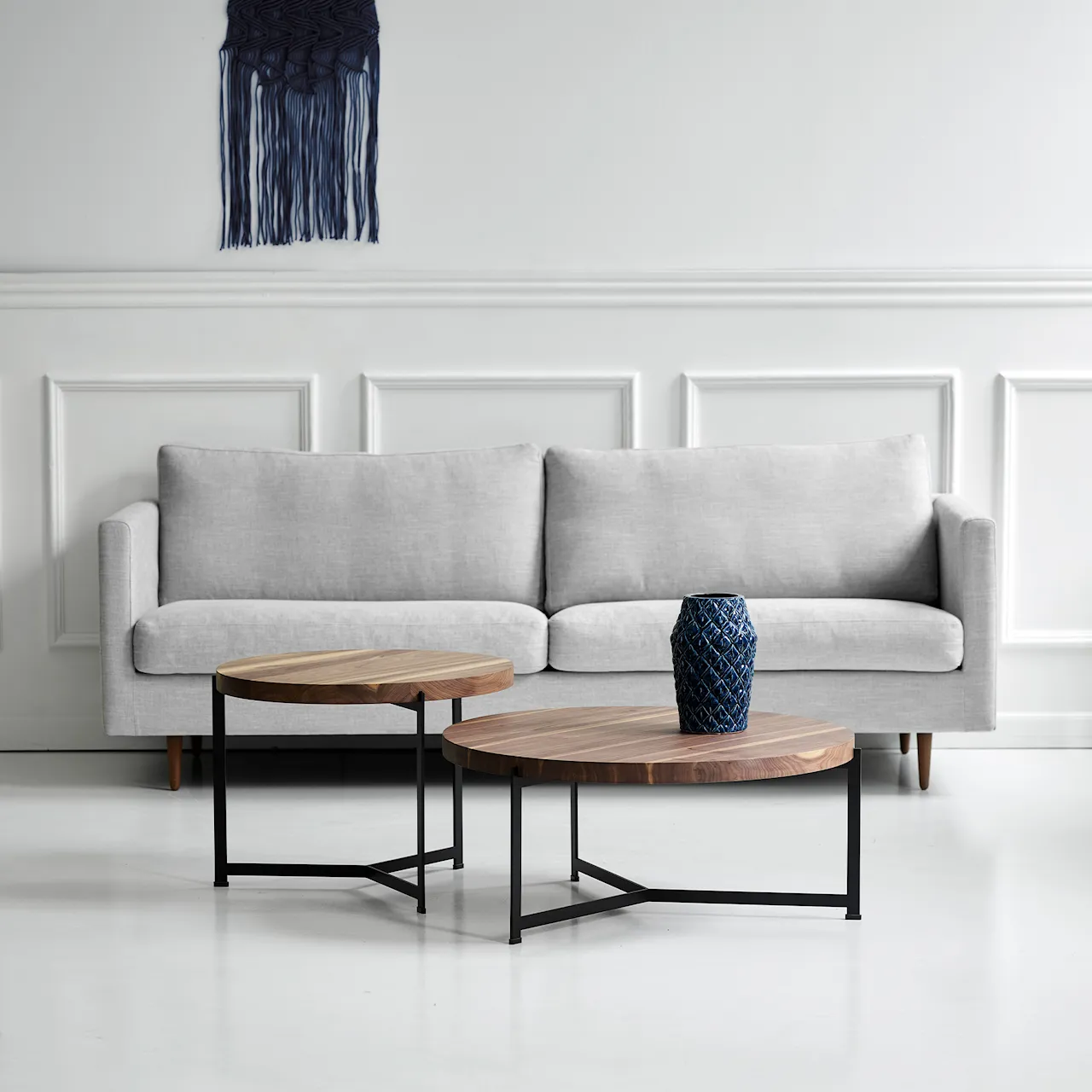
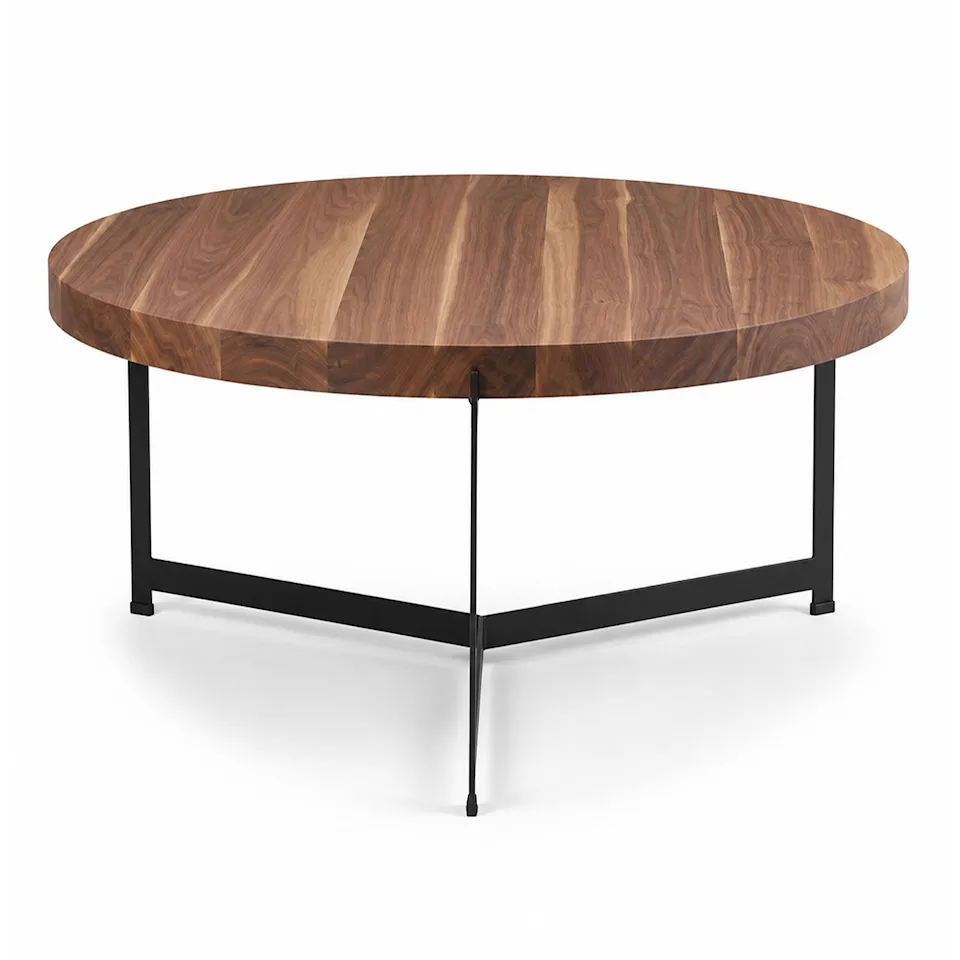
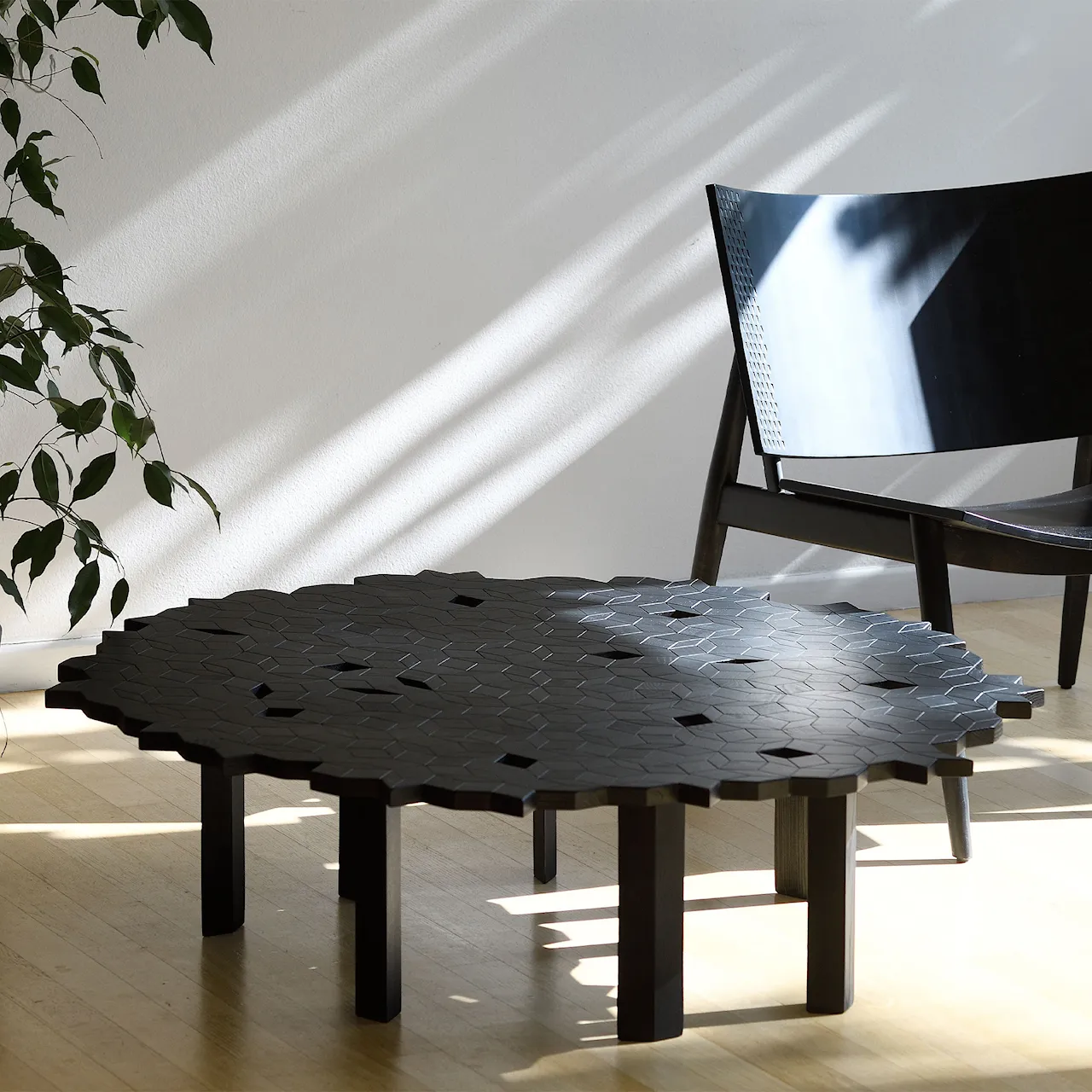
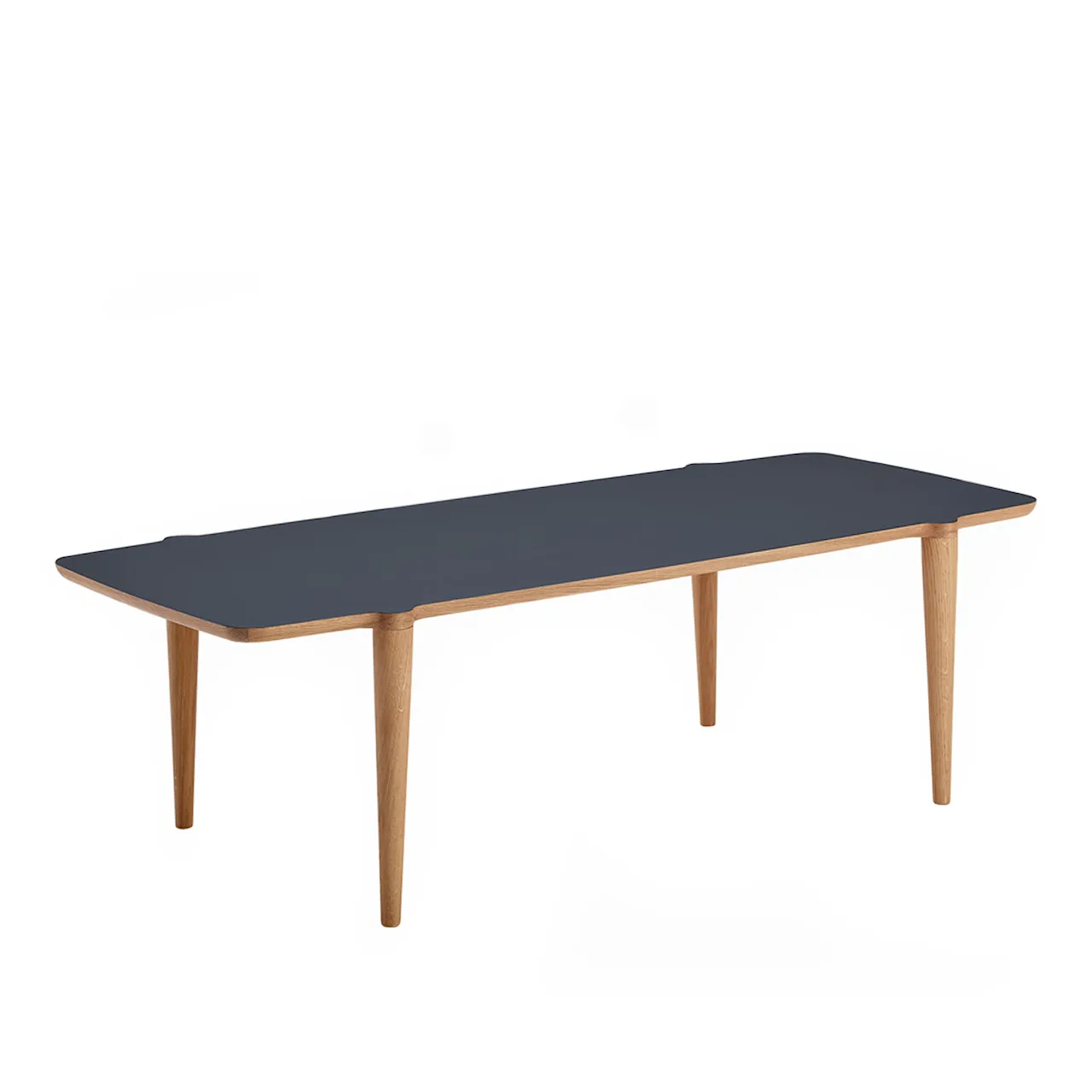
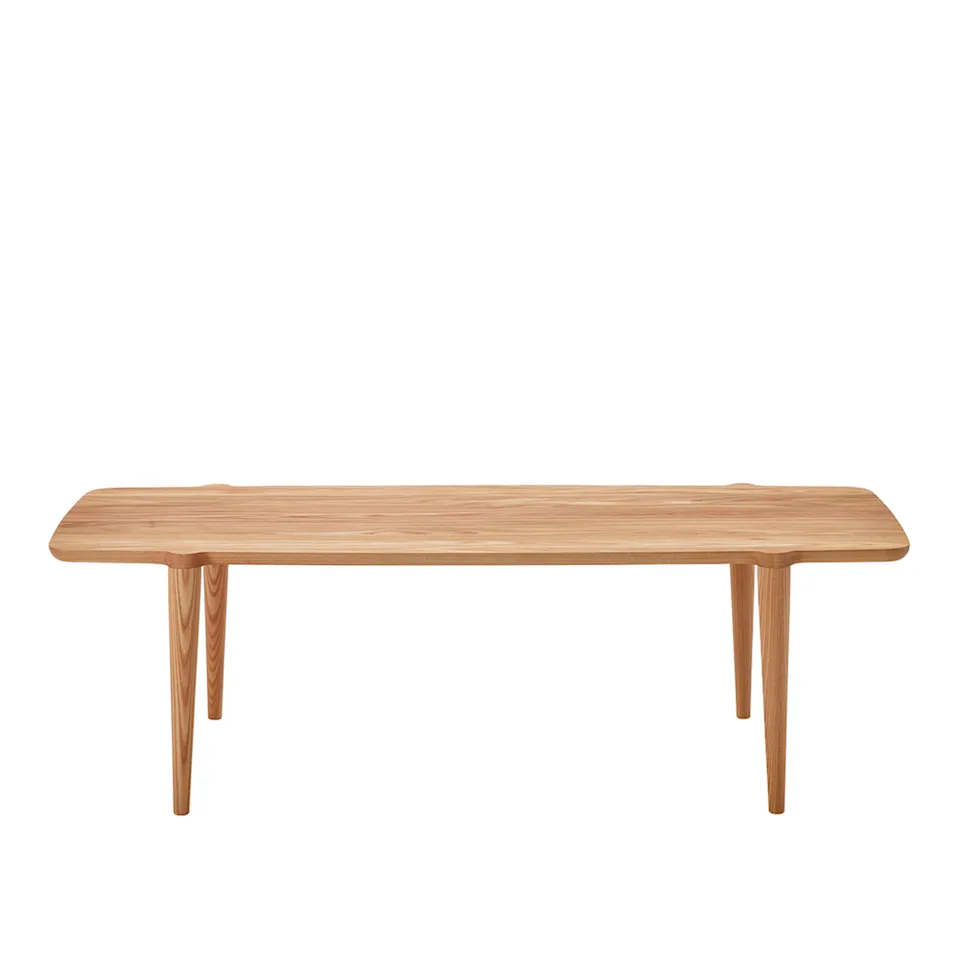
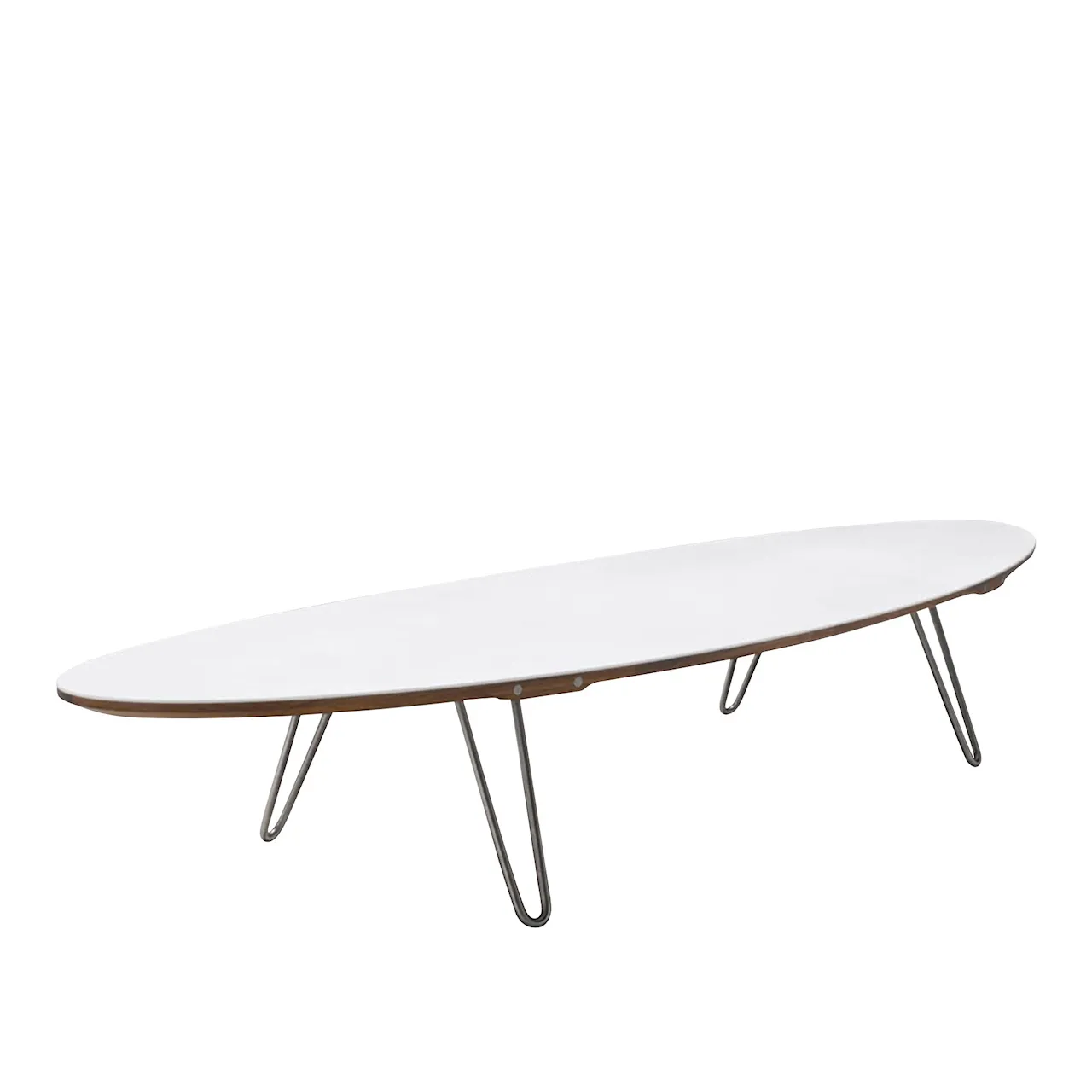
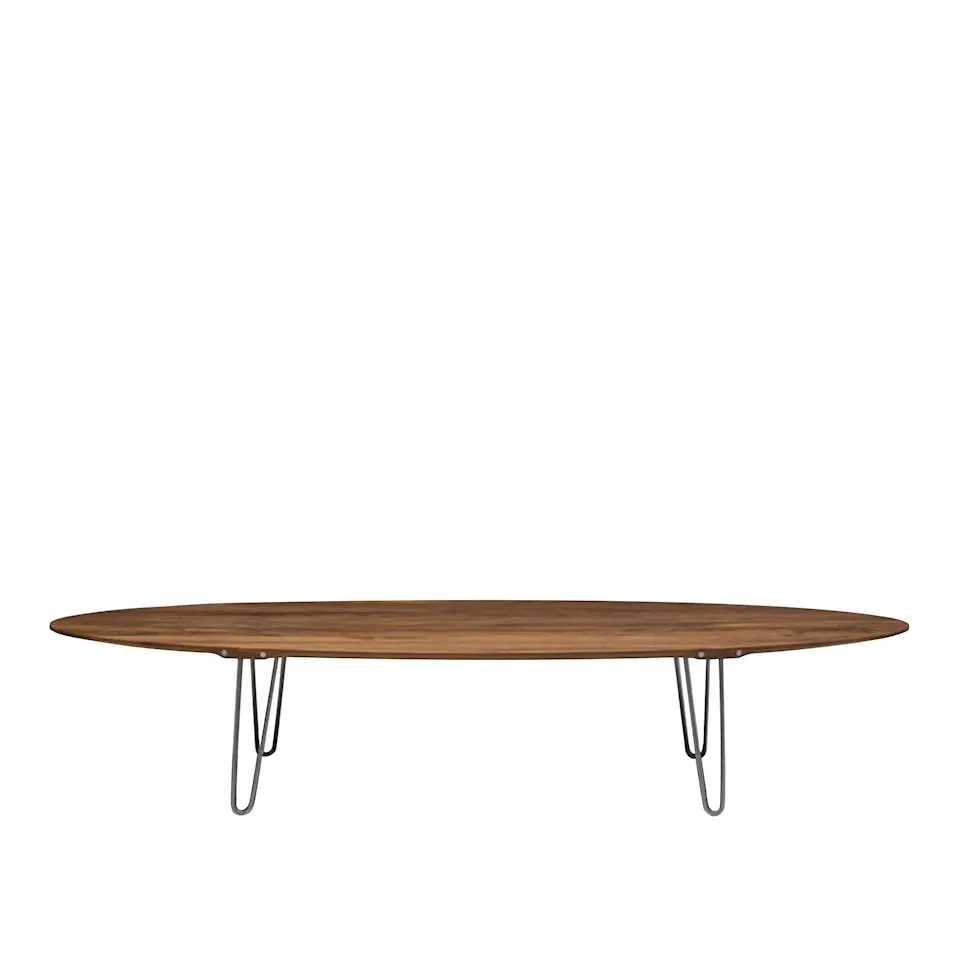
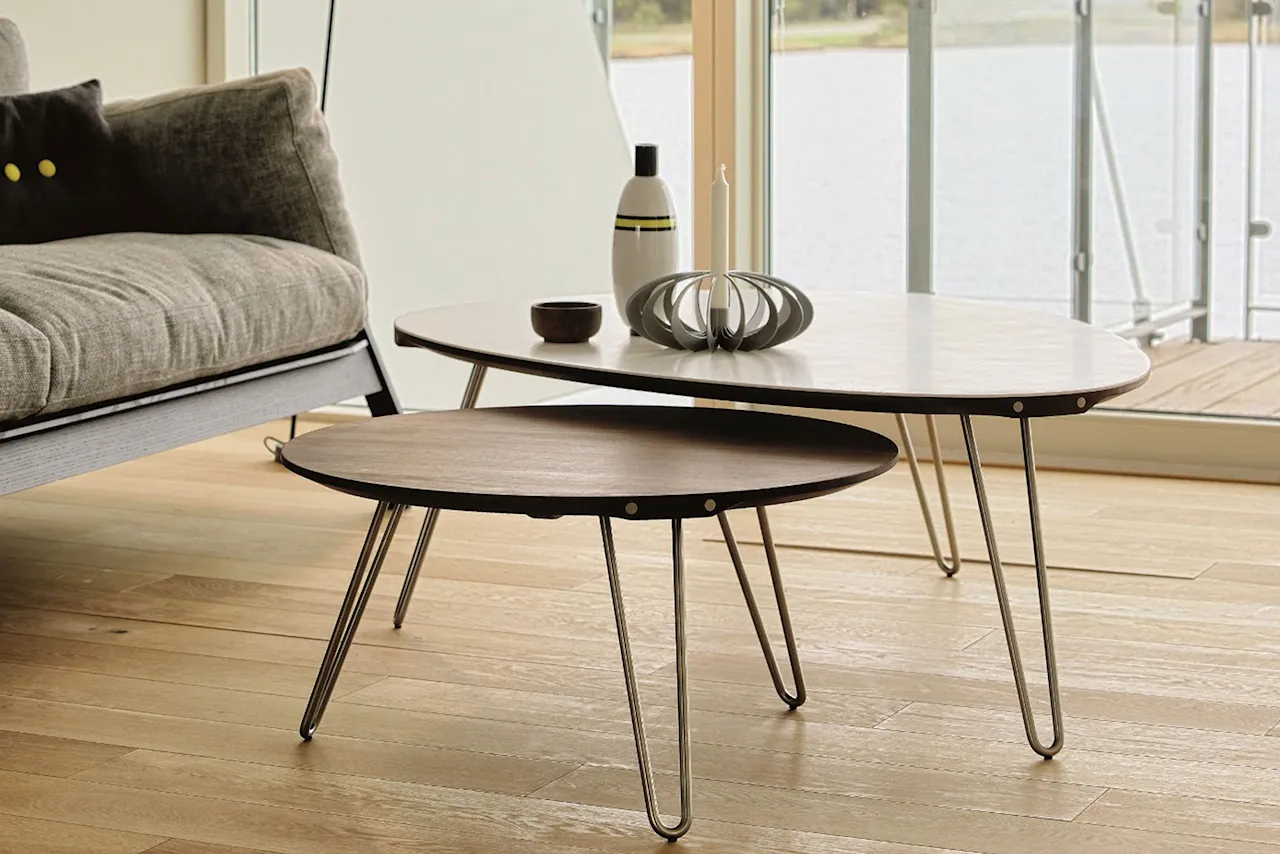
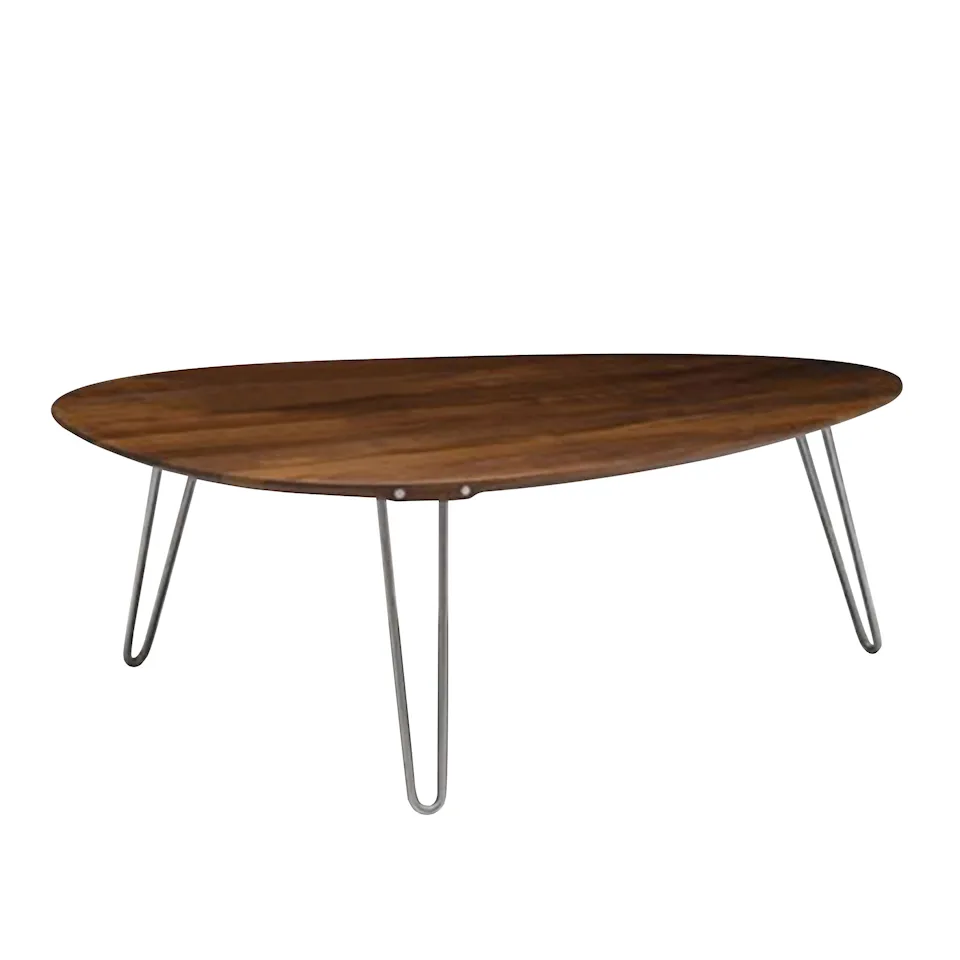
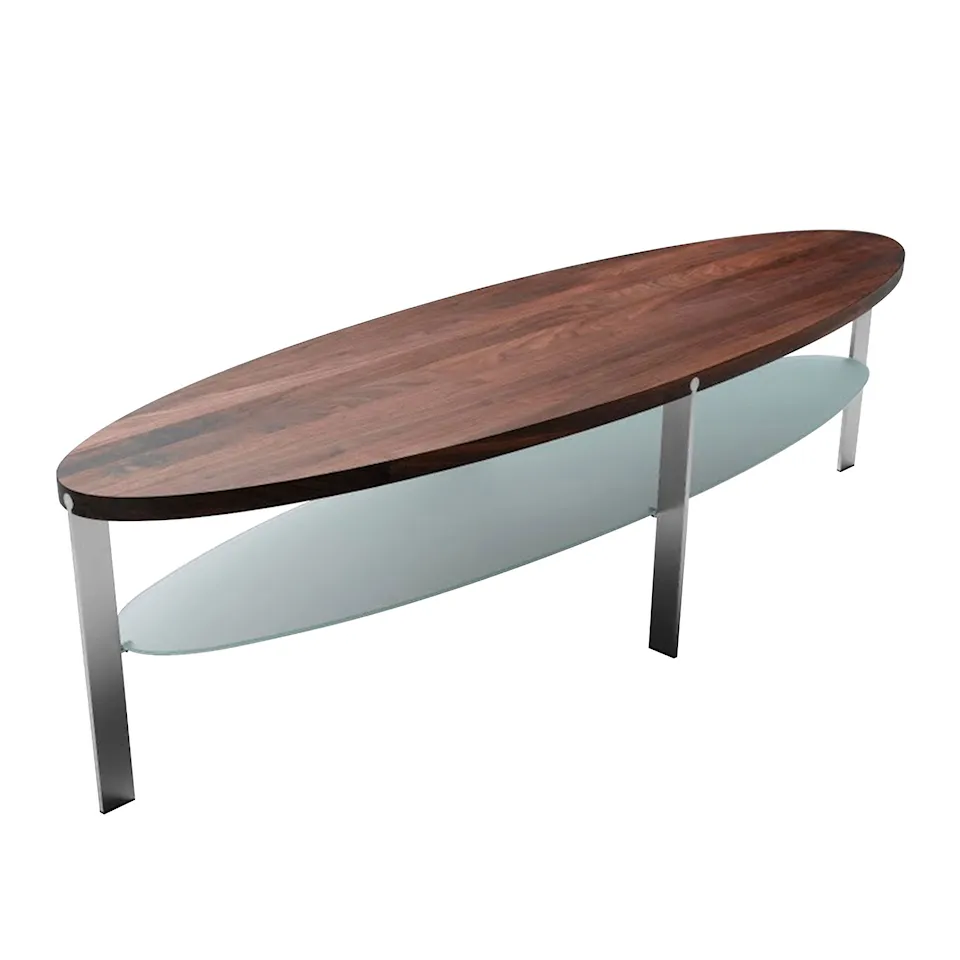
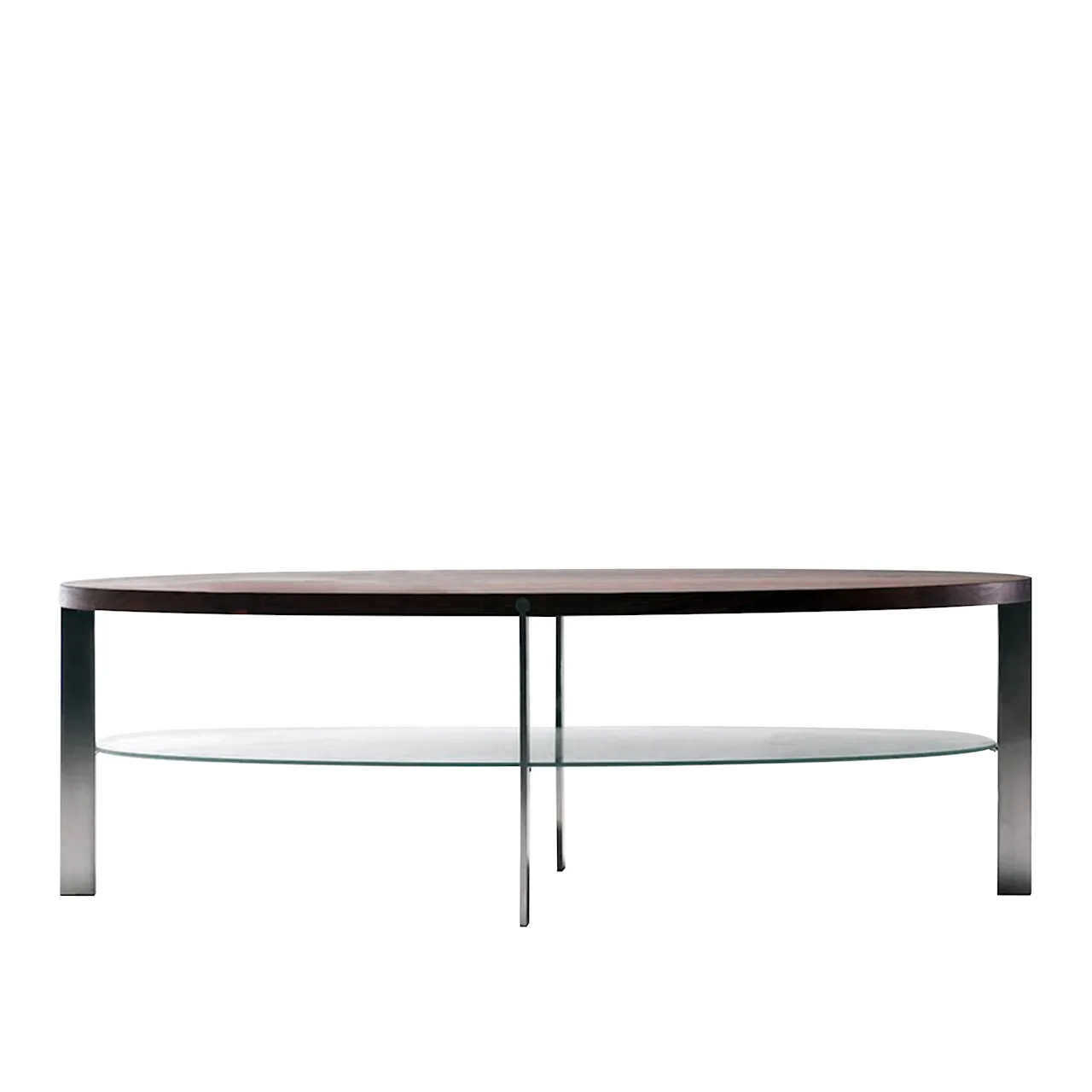
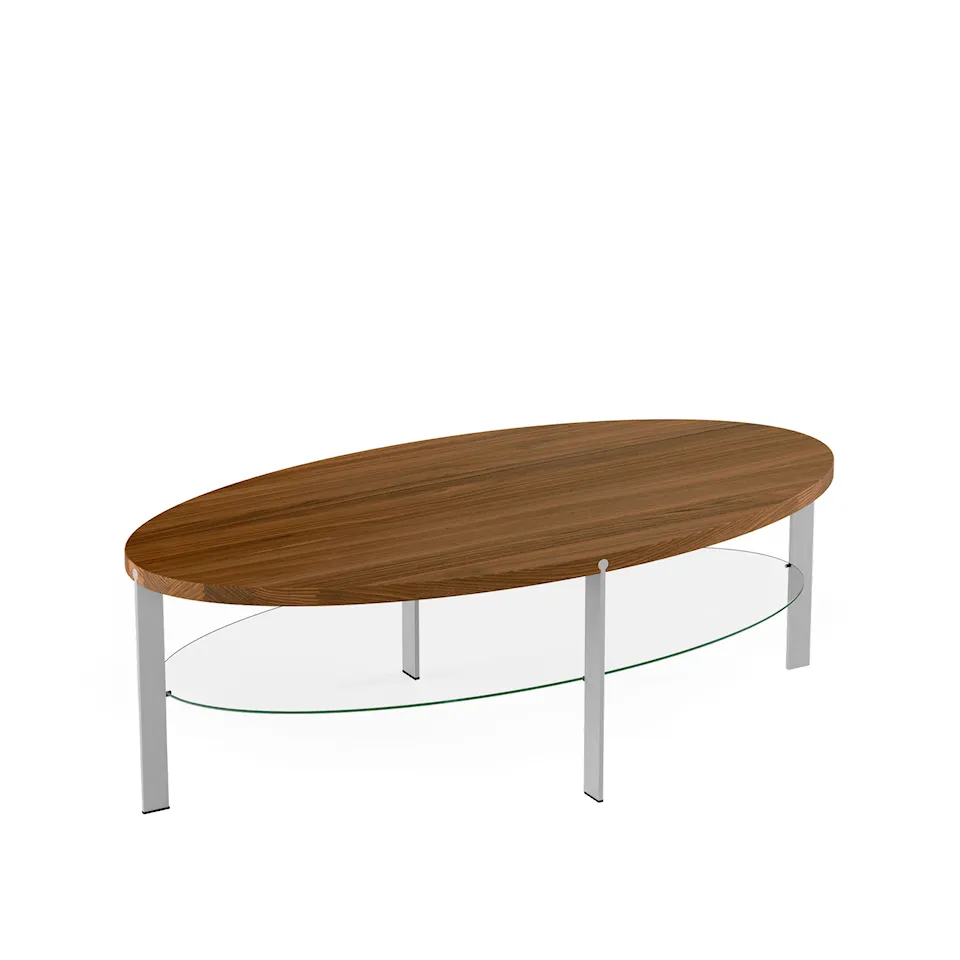
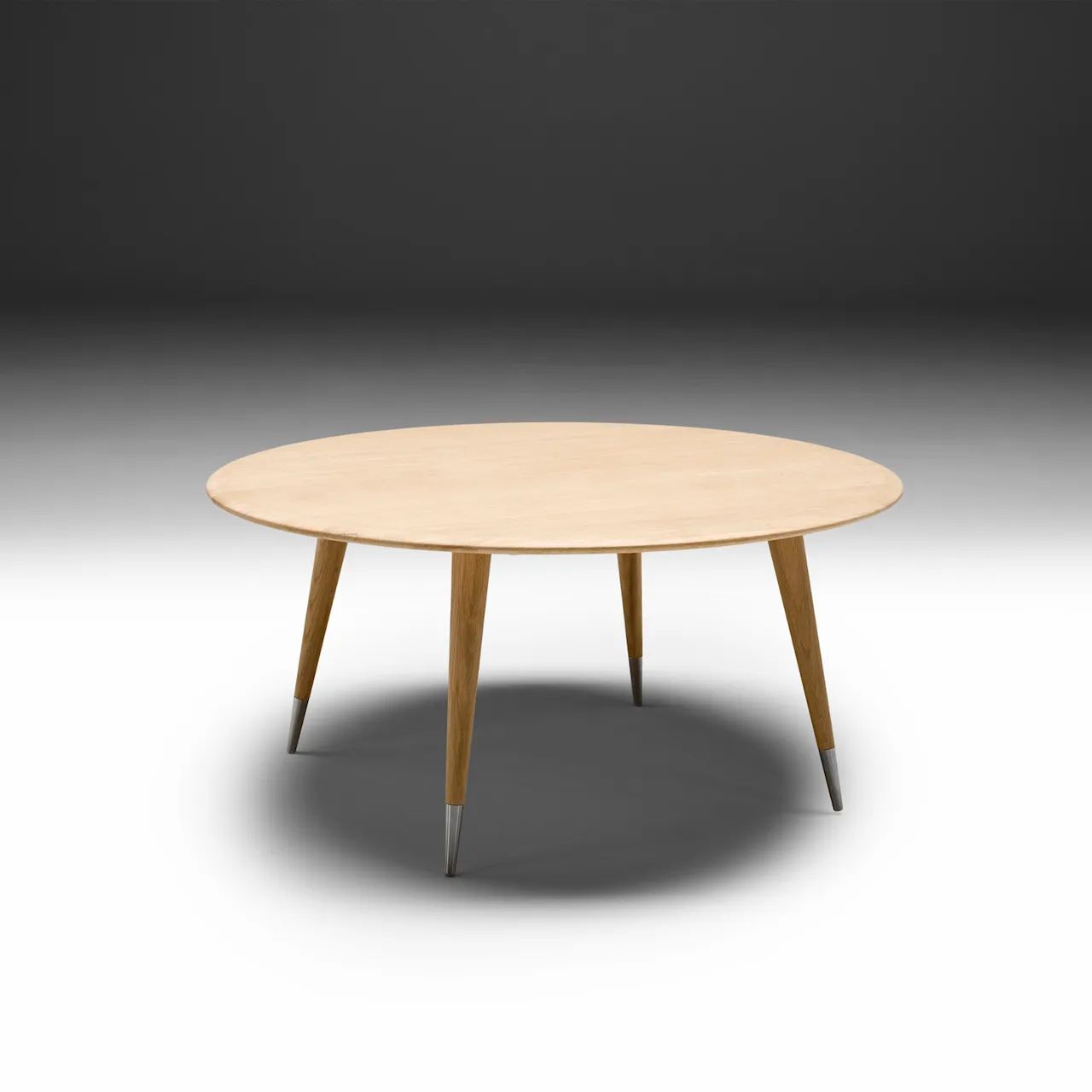
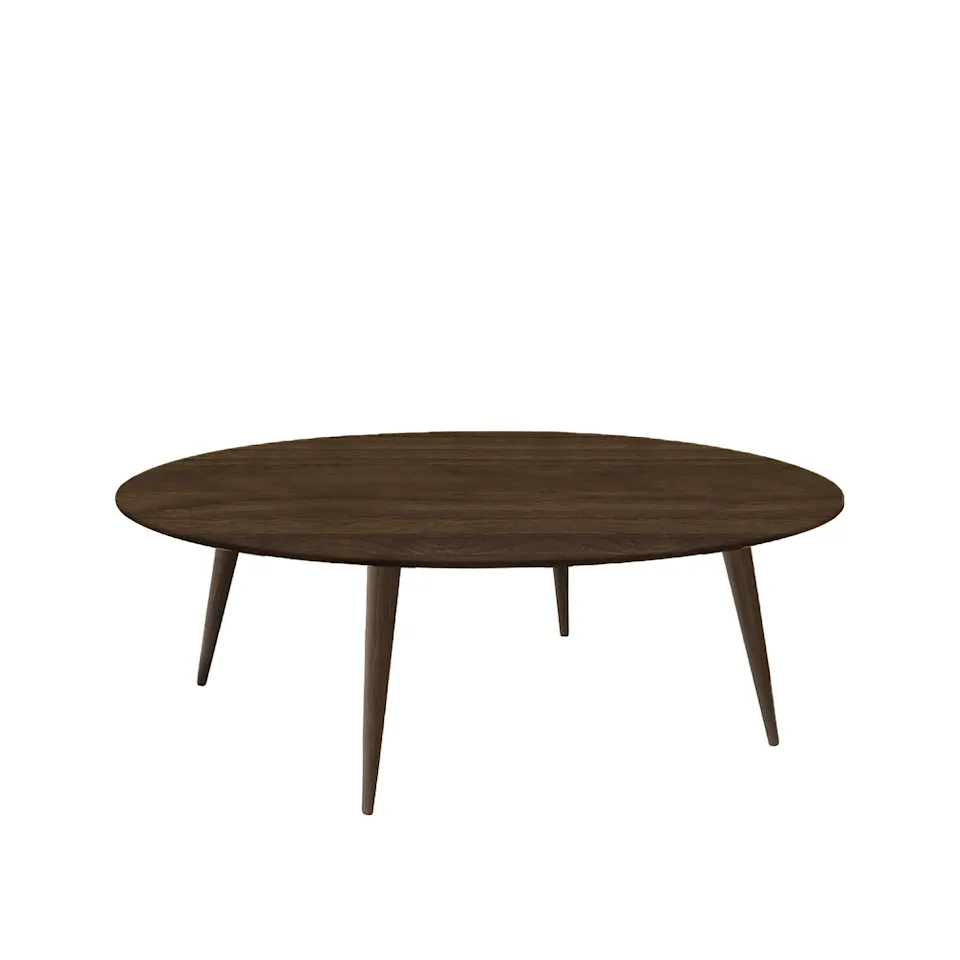
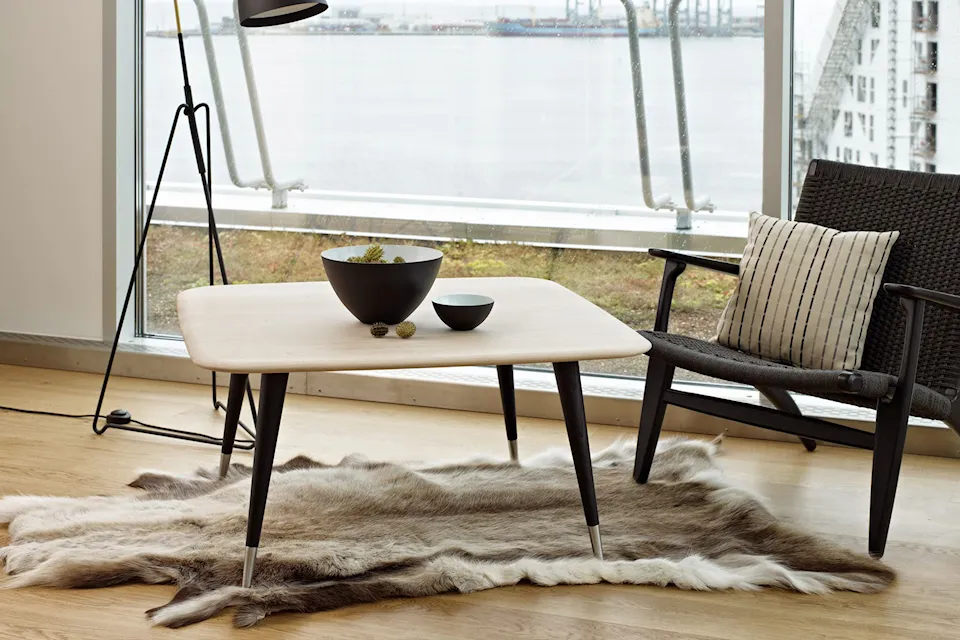
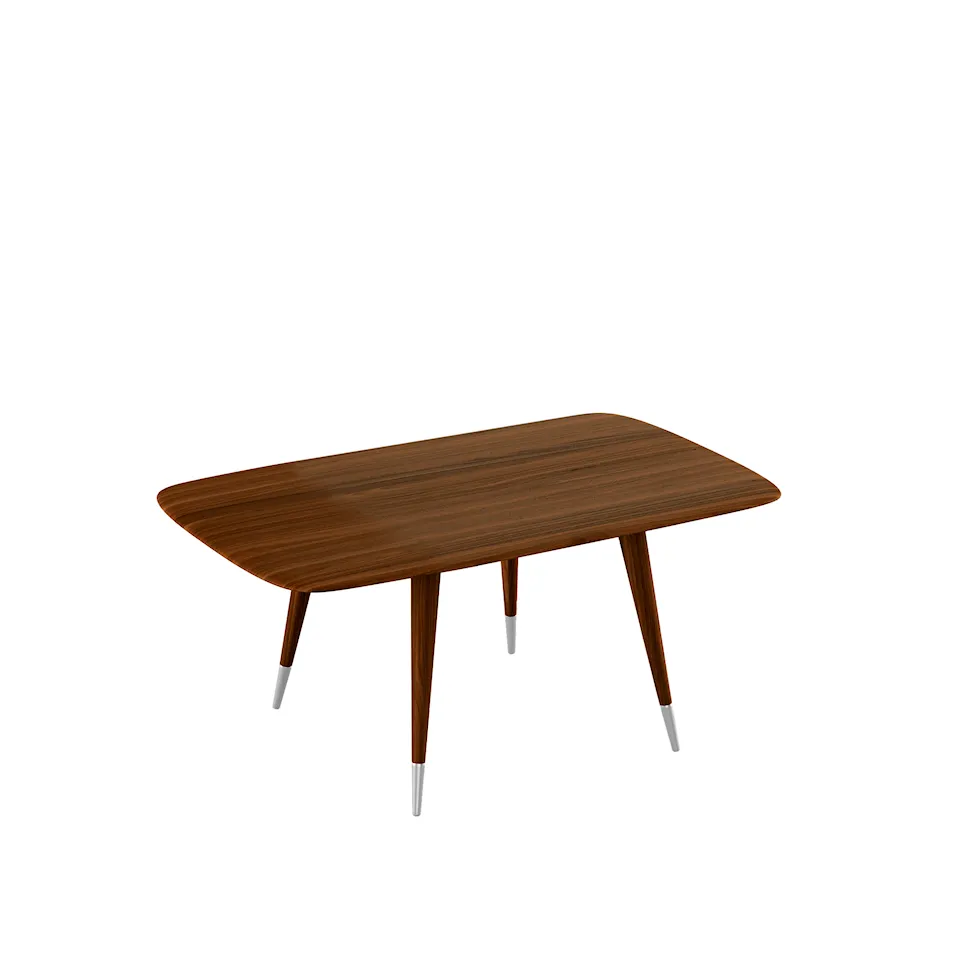
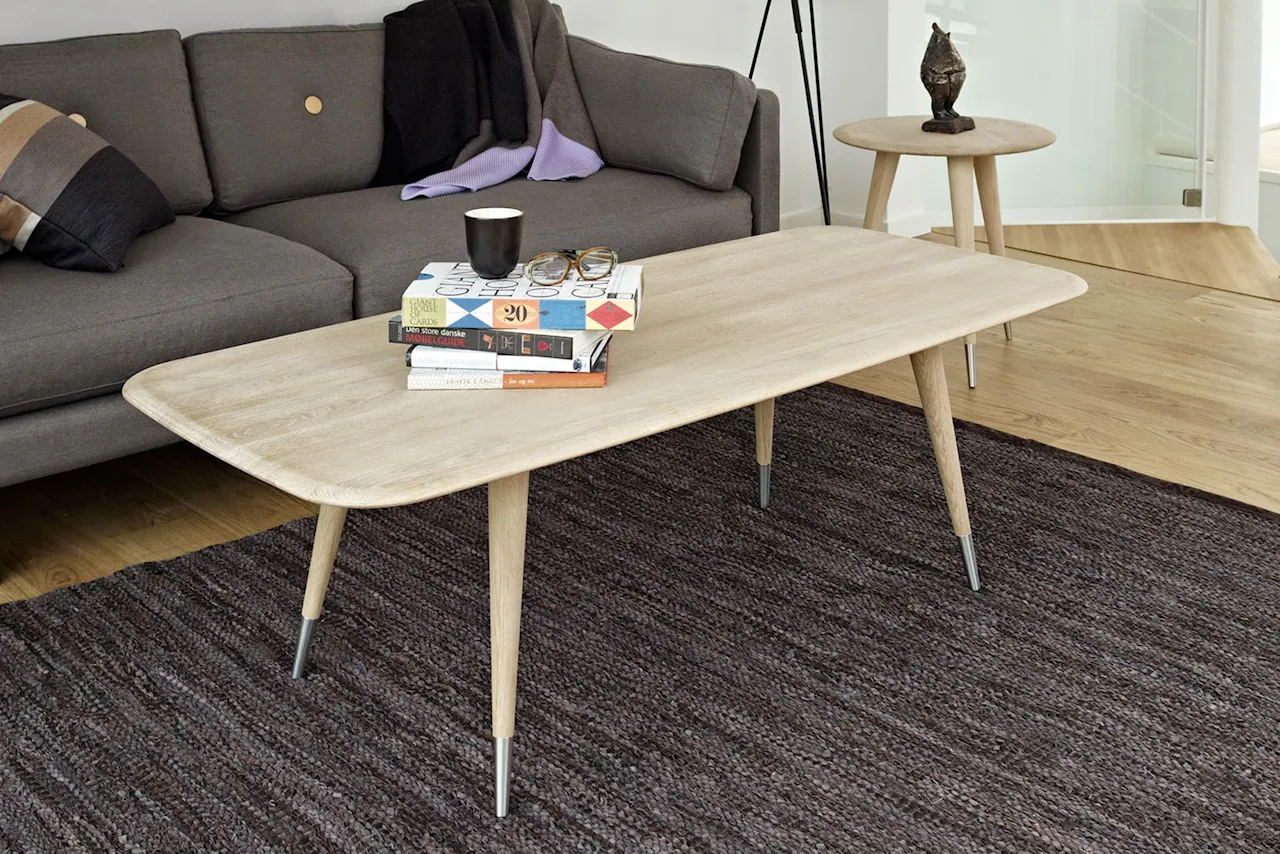
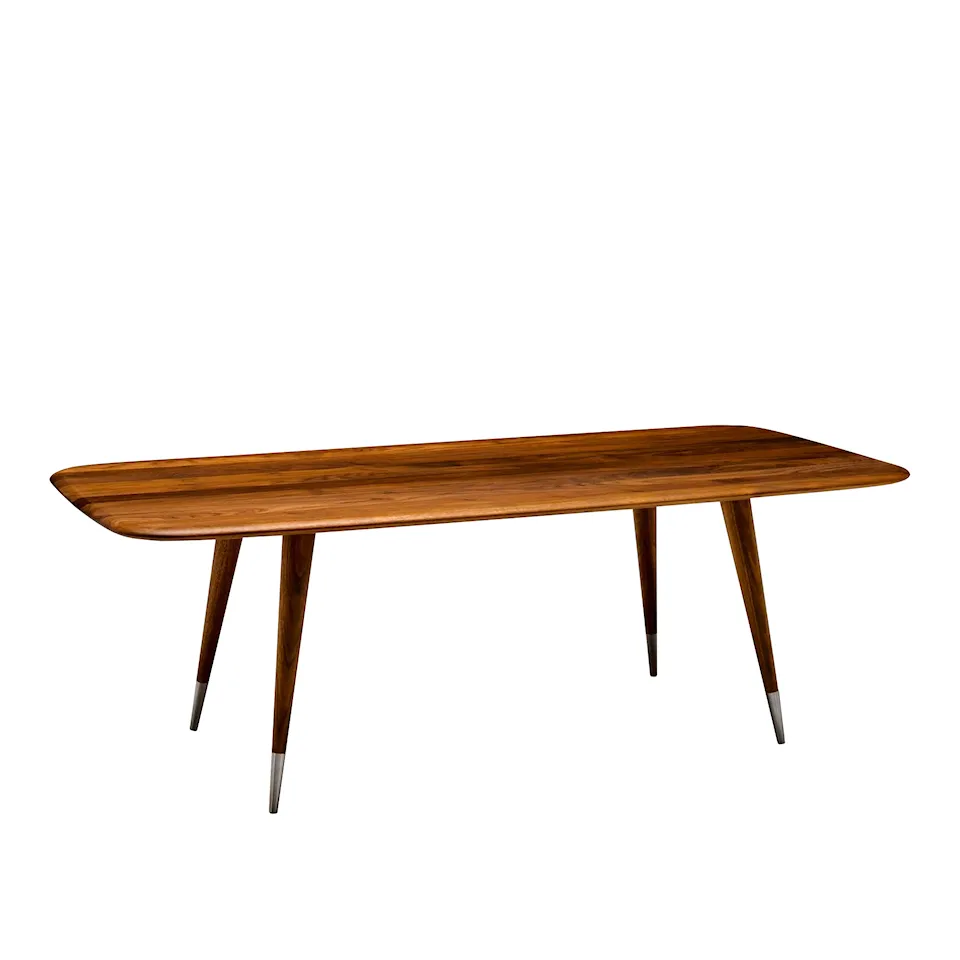
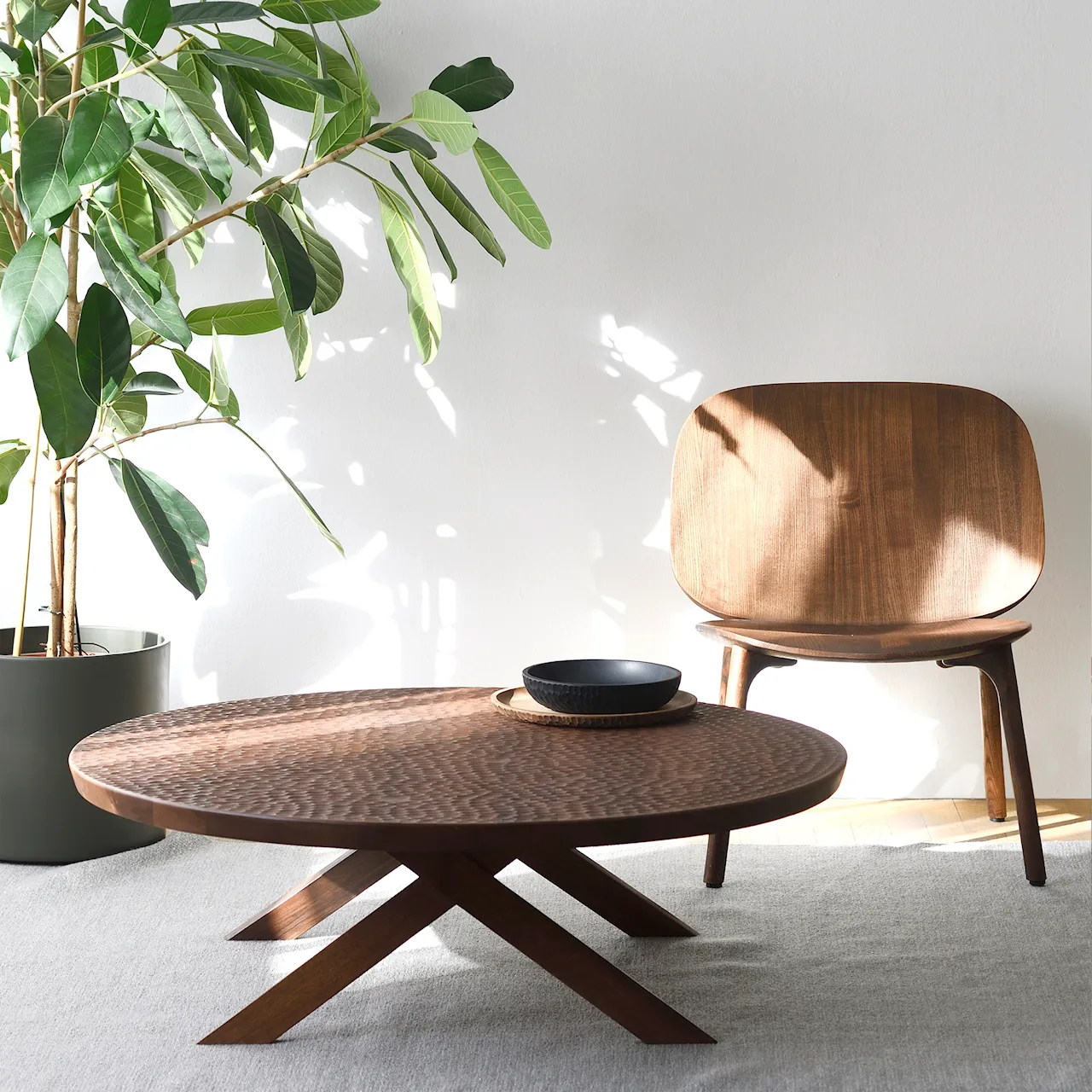
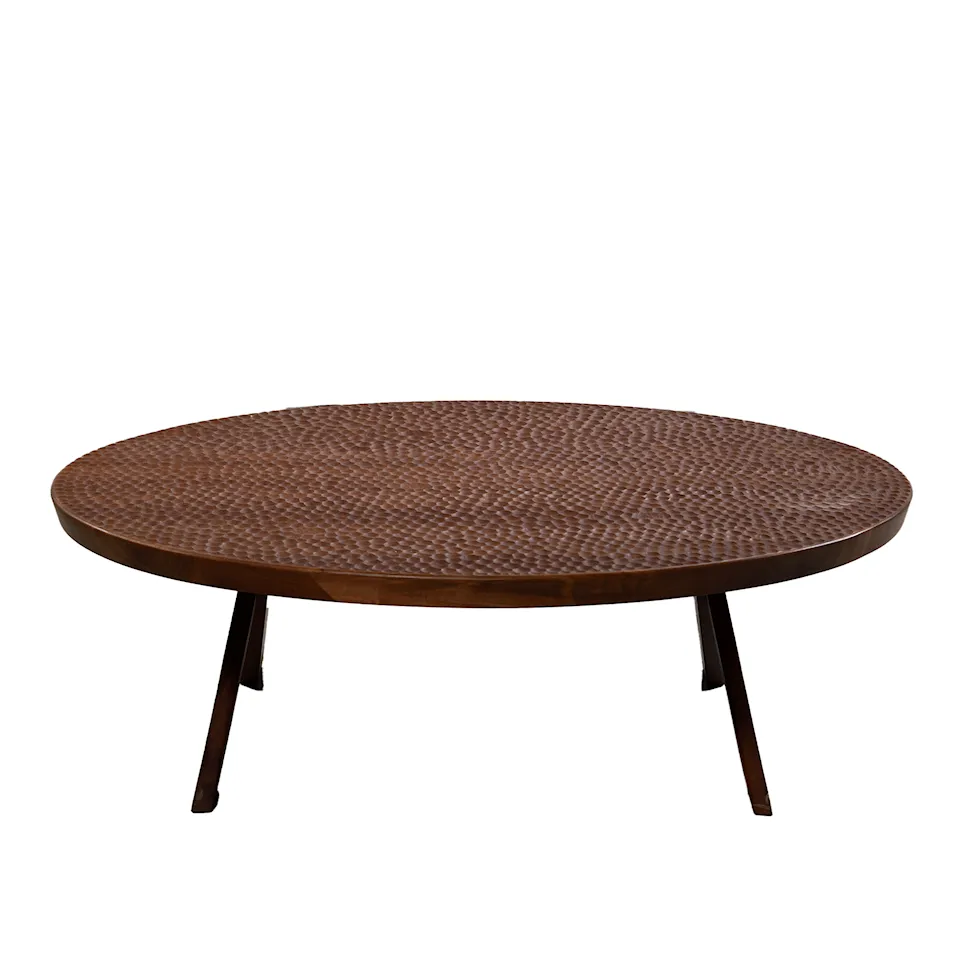

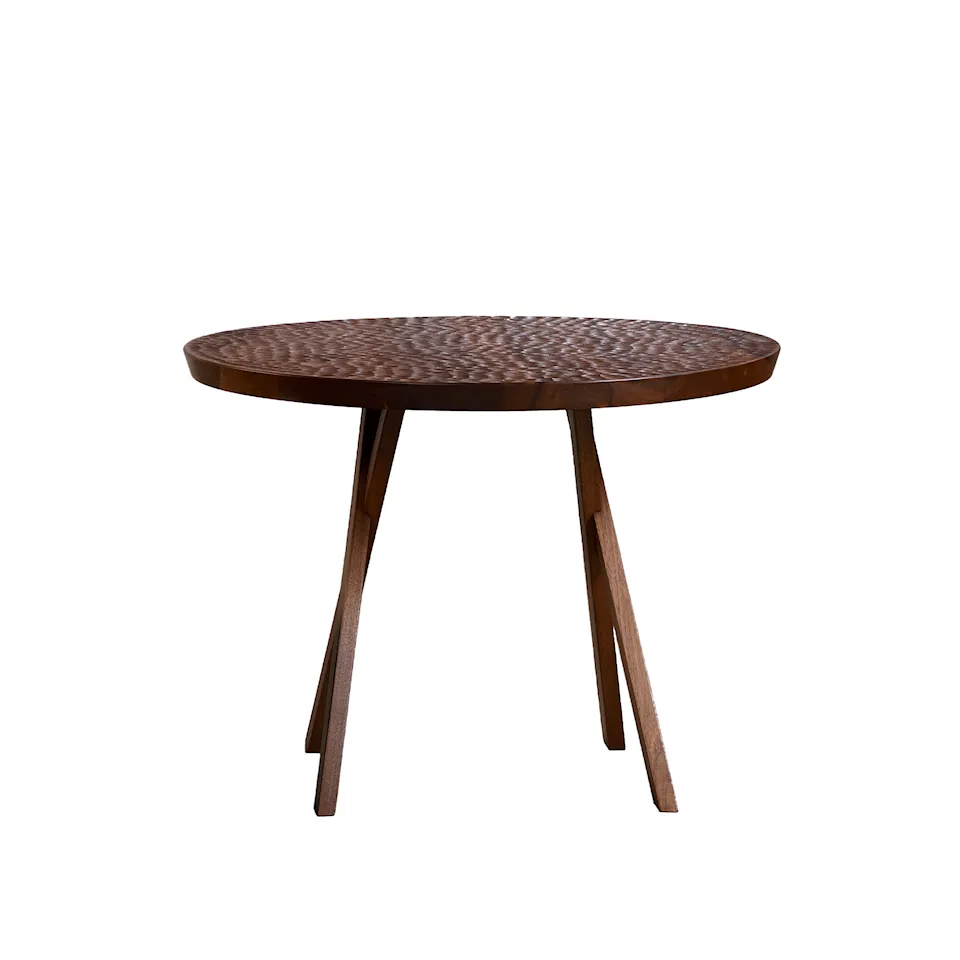
Coffee table in walnut
Walnut has a long history in European and North American furniture manufacturing. The material is suitable for furniture where precision and long durability are central requirements. The wood species has been used in everything from finer carpentry to advanced structural components because it combines high density with a stable grain direction. This means the material is suitable for furniture where precision and long durability are central requirements. The colour is naturally brown with variations in light and dark streaks, which is created by the tree's slow growth and the minerals stored in the wood. This variation makes walnut more tactile than several other wood species and provides a clear visual structure even when the surface is treated in a matte tone.
In furniture production, walnut is used for its dimensional stability. The wood species responds predictably to milling and sanding, which is a key reason why many international designers use it in table tops, bases, and details where exact radii and proportions are required. In furniture like coffee tables, this means that both thin and thicker slabs can be manufactured without the construction being negatively affected over time. Walnut is also less sensitive to small movements in the climate than, for example, pine and certain types of oak, making it suitable for tables that stand in rooms with varying temperatures and light. The material is therefore often used in brown coffee tables, where the wood’s natural color and structure become part of the table’s surface.
Walnut in Interior Design
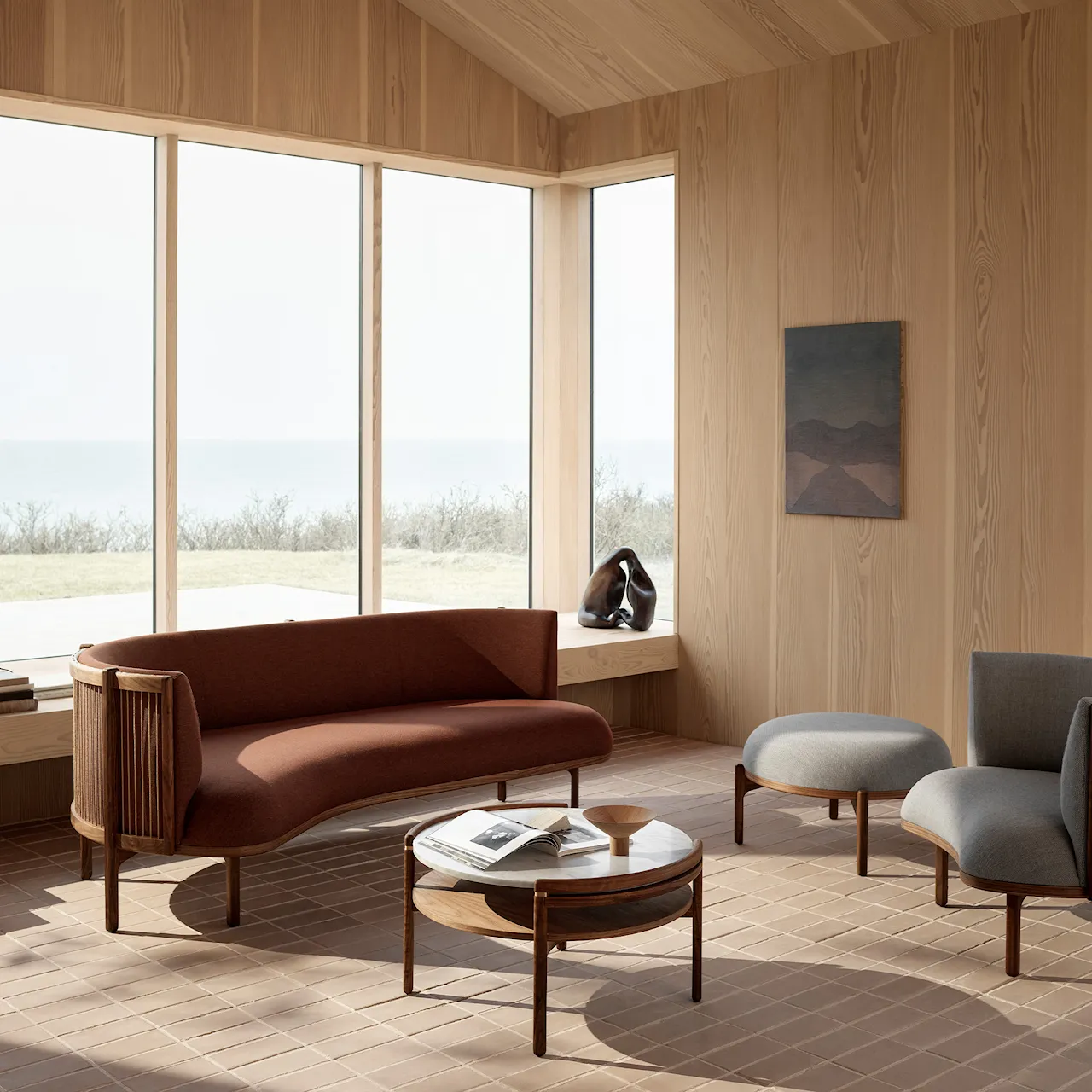
In contemporary interiors, walnut is used to create a distinct materiality. The darker tone of the wood contrasts with light walls, mineral surfaces, and textiles, allowing it to function as a cohesive point in rooms with multiple material juxtapositions. In environments with more subdued colours, walnut is used to give the room a warm focal point without visually dominating. The variations in the grain mean that each slab gains its own expression, which is appreciated in interiors where the material's development over time is part of the whole.
When walnut is placed in furniture near floor surfaces, such as coffee tables, it affects how the room is perceived as a whole. The deeper tone of the wood gives the room a vertical anchoring. In larger rooms, this can create clearer zoning, while in smaller rooms it provides a more defined meeting between the seating area and the floor surface.
Design and Proportions in Walnut
Walnut coffee tables are manufactured in both solid wood and veneer, depending on the construction requirements. Solid walnut is used in tables where the grain should continue around the entire form or where edges and corners require a cohesive structure. Veneer is used when a lighter slab is needed or when larger surfaces require stability that is not affected by the wood's natural movements. Bases in walnut are usually manufactured from solid wood because the legs need to withstand load and provide stability to the table top.
The proportions of coffee tables affect how walnut is perceived. A thin slab gives a lighter visual expression where the grain is more distinct, while a thicker slab provides a more marked construction. Several international brands use walnut along with materials such as glass, stone, or metal to highlight the contrast between different surfaces. This is common in models where the table consists of multiple levels or where the base works with asymmetrical lines.
Practical Function in the Room
In the living room, walnut coffee tables are used both as a work surface and as a central point in the seating group. The hardness of the material makes it suitable for surfaces exposed to daily use. The tables vary in height depending on the furniture environment. Low models are used when the table should be integrated with a low sofa, while higher models provide better access in larger rooms.
Walnut develops a patina over time. This is seen as small changes in lustre and tone, especially in surfaces exposed to daylight. This development is considered within furniture production as a part of the material's natural property rather than as wear and tear. An evenly oiled surface can be easily maintained, while lacquered surfaces provide more protection but less changeability.
Coffee Tables at Nordiska Galleriet
At Nordiska Galleriet, walnut coffee tables are part of a broader context where material and manufacturing are central parts of the selection. Walnut is used by manufacturers who work with clear proportions and precise constructions, and the wood species is recurrent in collections where international design meets a high degree of material knowledge. Walnut tables function in both architectural interiors and in environments where spatiality is built up through natural materials and carefully balanced juxtapositions.