

Gregg – Foscarini
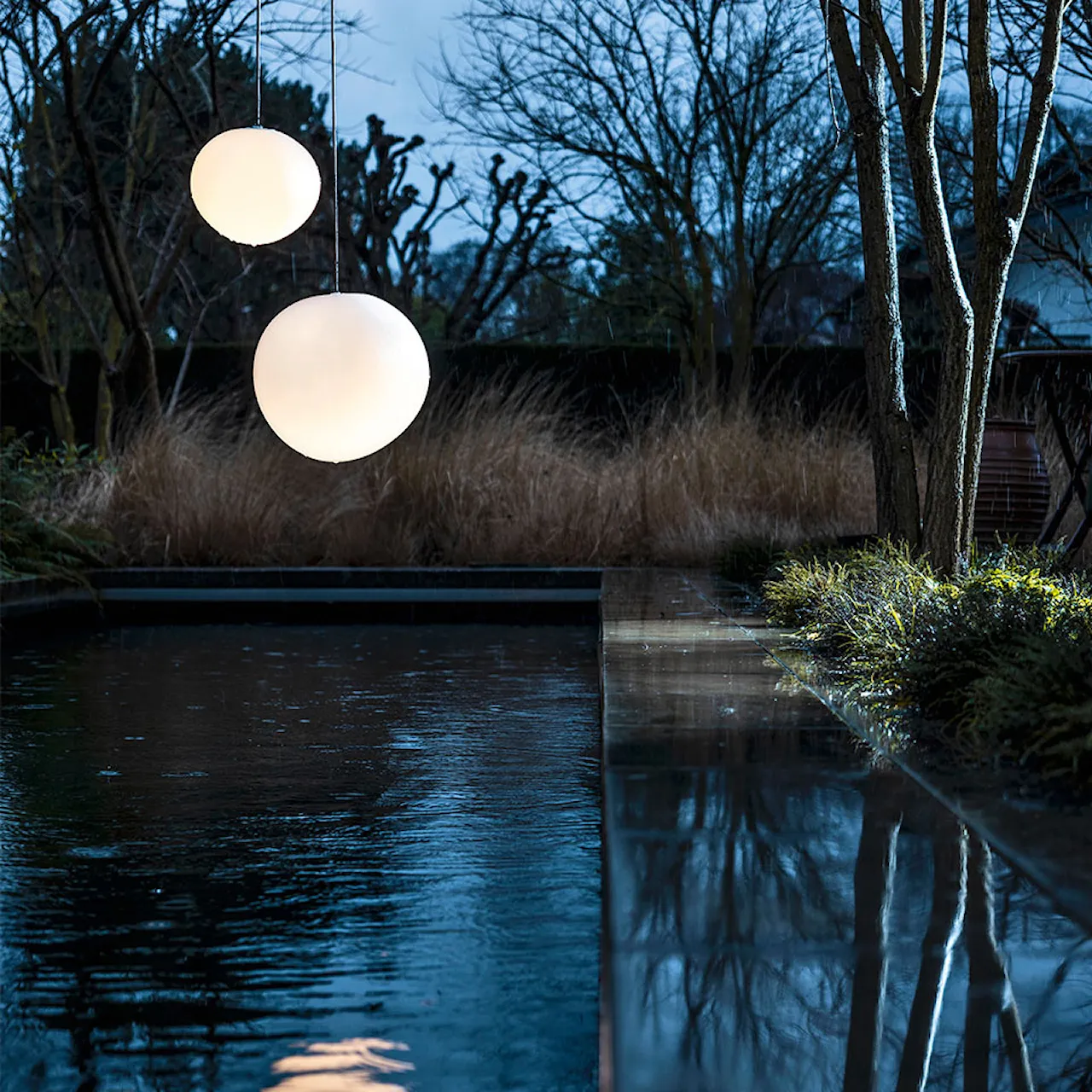
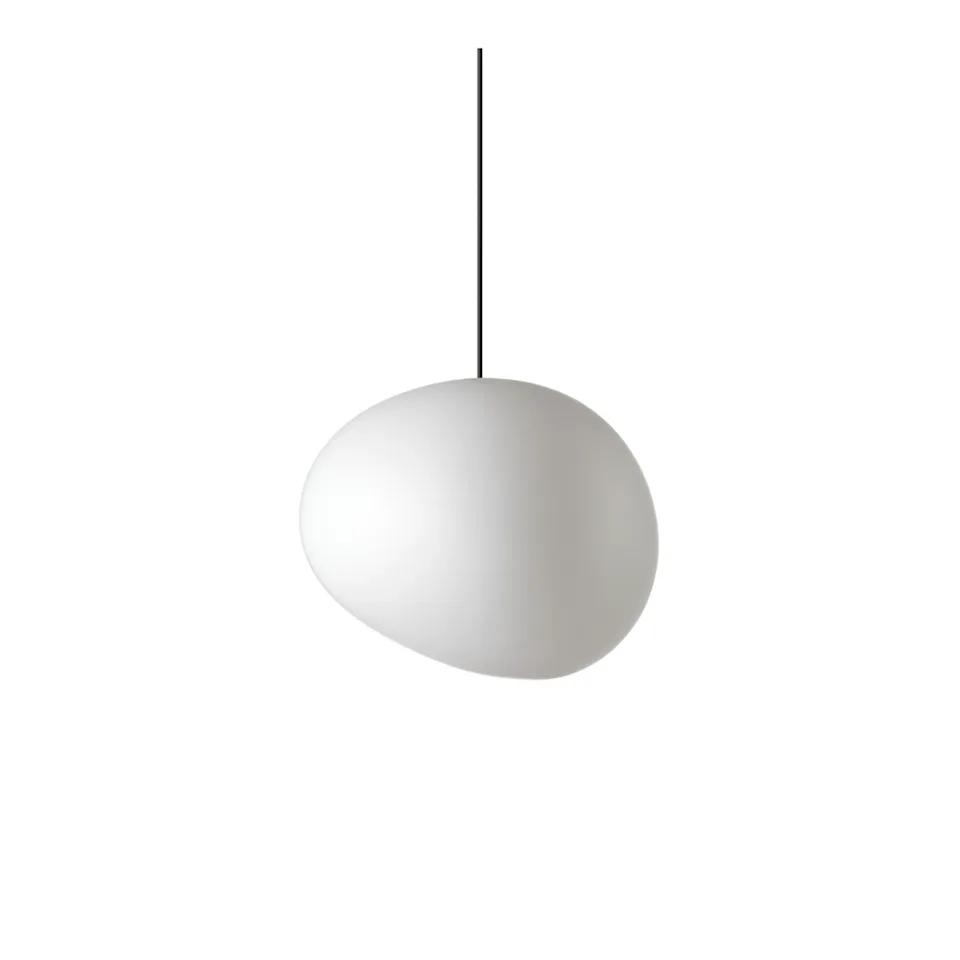
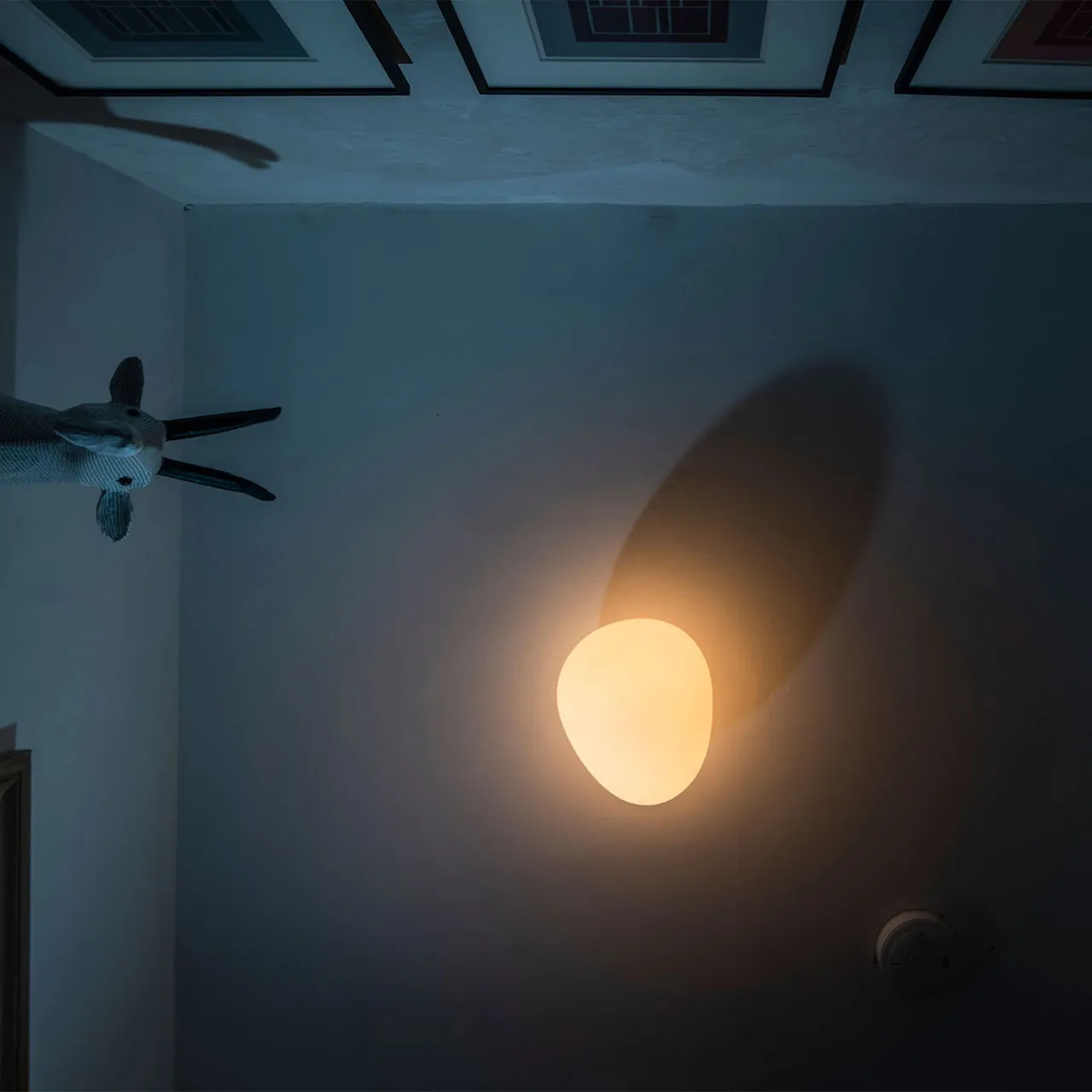
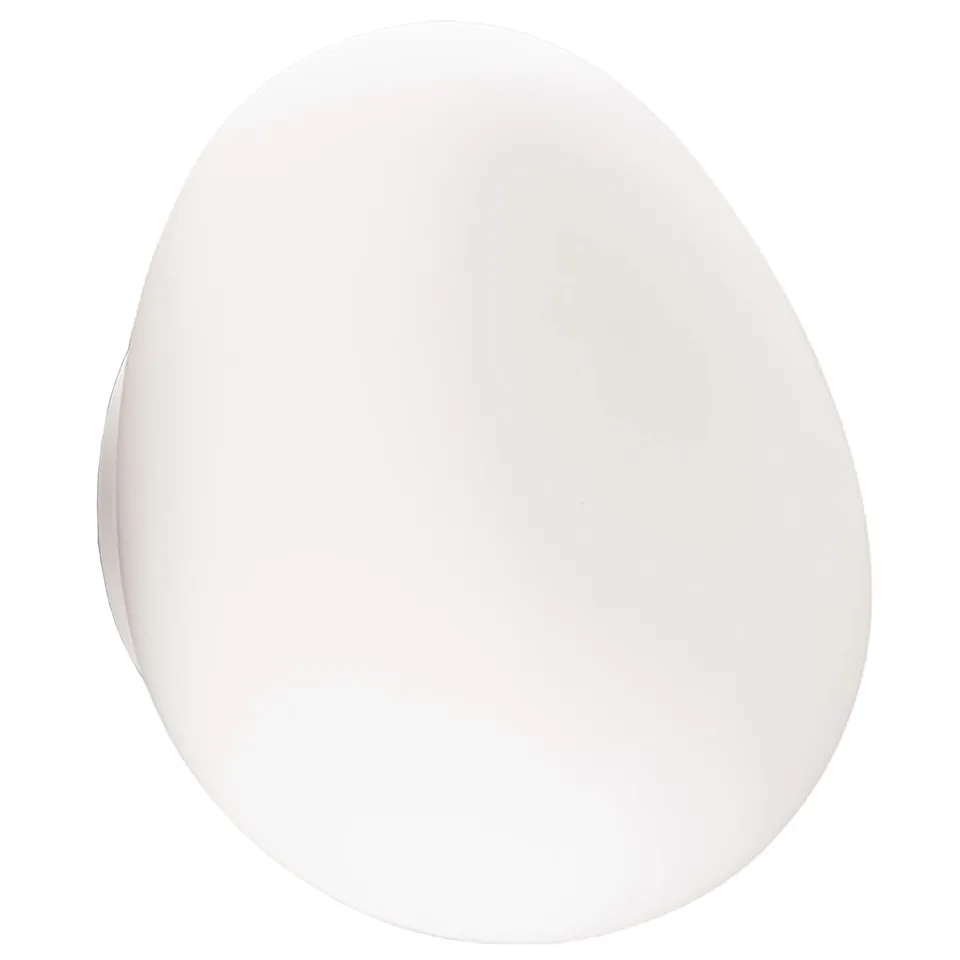
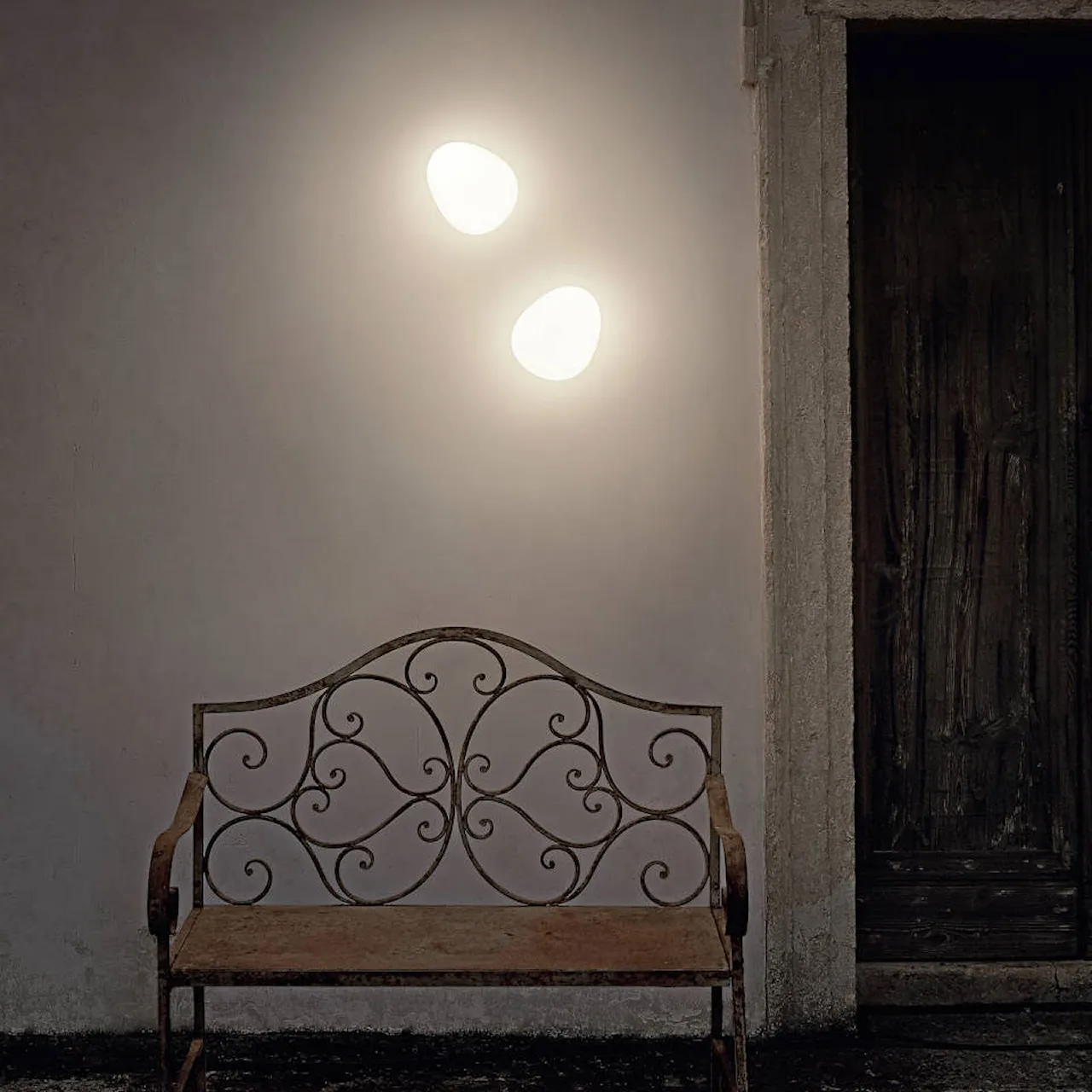
Gregg is a lamp series from the Italian Foscarini, designed by Ludovica and Roberto Palomba in 2011. It is based on an asymmetrical glass volume that changes with perspective and is used in interiors where light and form need to interact in a more architectural way. The surface is etched to filter the light and create a soft distribution without sharp demarcation.
19 products
- October Offer 15%+ More options
Foscarini
Gregg Media pendant lamp
From €404€475
In stock - October Offer 15%+ More options
Foscarini
Gregg Media Table Lamp
From €389€458
In stock - October Offer 15%+ More options
Foscarini
Gregg Outdoor pendant lamp
From €240€282
In stock - October Offer 15%+ More options
Foscarini
Gregg Outdoor floor lamp
From €251€295
In stock - October Offer 15%
Foscarini
Gregg Piccola pendant lamp
€194€228
In stock - October Offer 15%
Foscarini
Gregg Piccola Mirror wall and ceiling lamp
€152€179
In stock - October Offer 15%+ More options
Foscarini
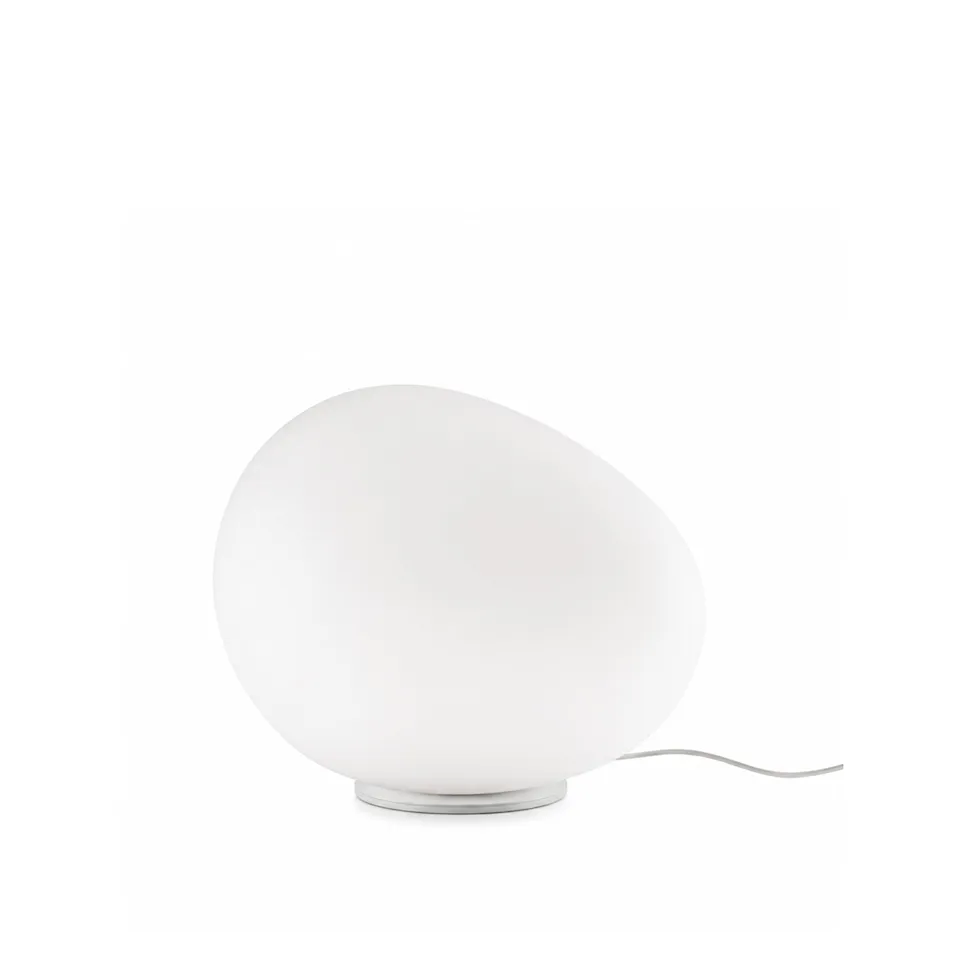
Poly Gregg table lamp
From €253€298
In stock - October Offer 15%
Foscarini
Gregg Semi 1 - Wall Lamp
€315€370
In stock - October Offer 15%
Foscarini
Gregg Piccola wall and ceiling lamp IP44 white
€139€164
In stock soon - October Offer 15%+ More options
Foscarini
Gregg Grande pendant lamp
From €667€785
In stock soon - October Offer 15%
Foscarini
Gregg Piccola wall and ceiling lamp
€127€149
In stock soon - October Offer 15%+ More options
Foscarini
Gregg Piccola Table Lamp
From €160€188
In stock soon - October Offer 15%+ More options
Foscarini
Gregg Grande table lamp
From €672€791
- October Offer 15%
Foscarini
Gregg Media wall and ceiling lamp
€378€445
In stock soon - October Offer 15%
Foscarini
Gregg Midi pendant lamp
€341€401
- October Offer 15%
Foscarini
Gregg Midi Wall
€305€359
In stock soon - October Offer 15%+ More options
Foscarini
Gregg Grande floor lamp
From €1,006€1,184
- October Offer 15%+ More options
Foscarini
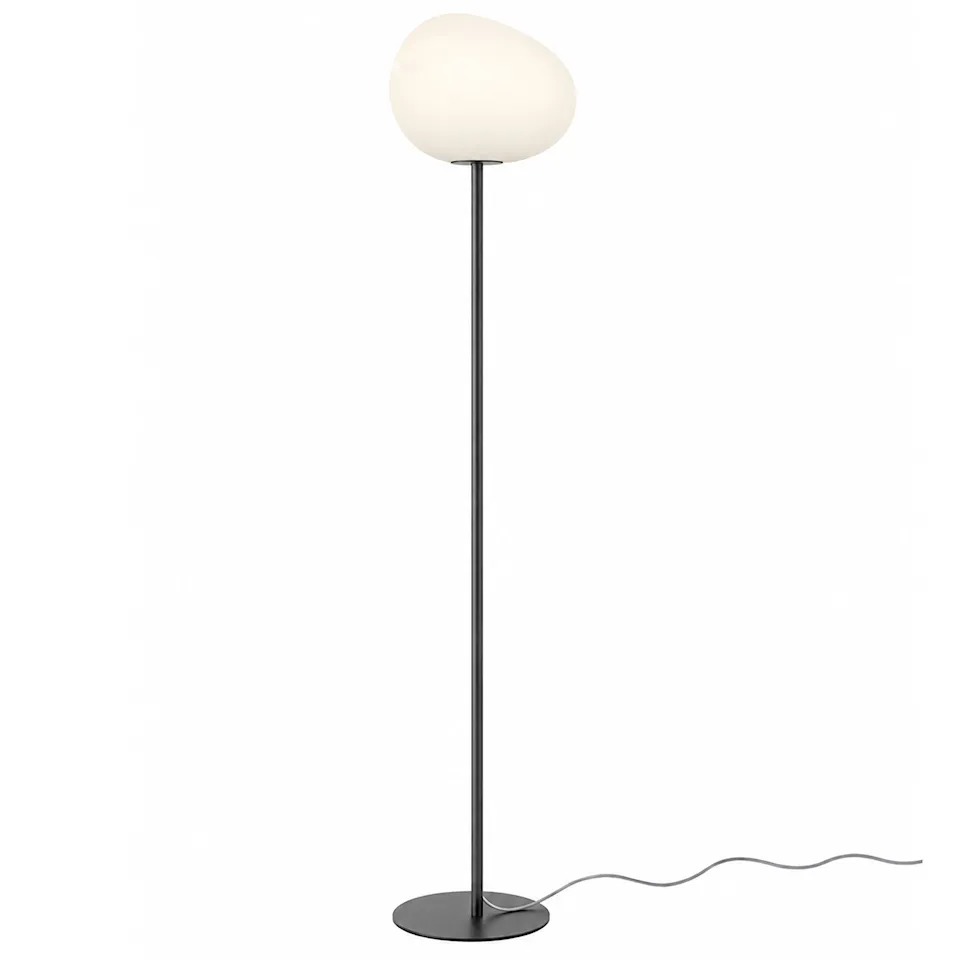
Gregg Floor
From €707€832
- October Offer 15%
Foscarini
Gregg Midi Table
€329€387
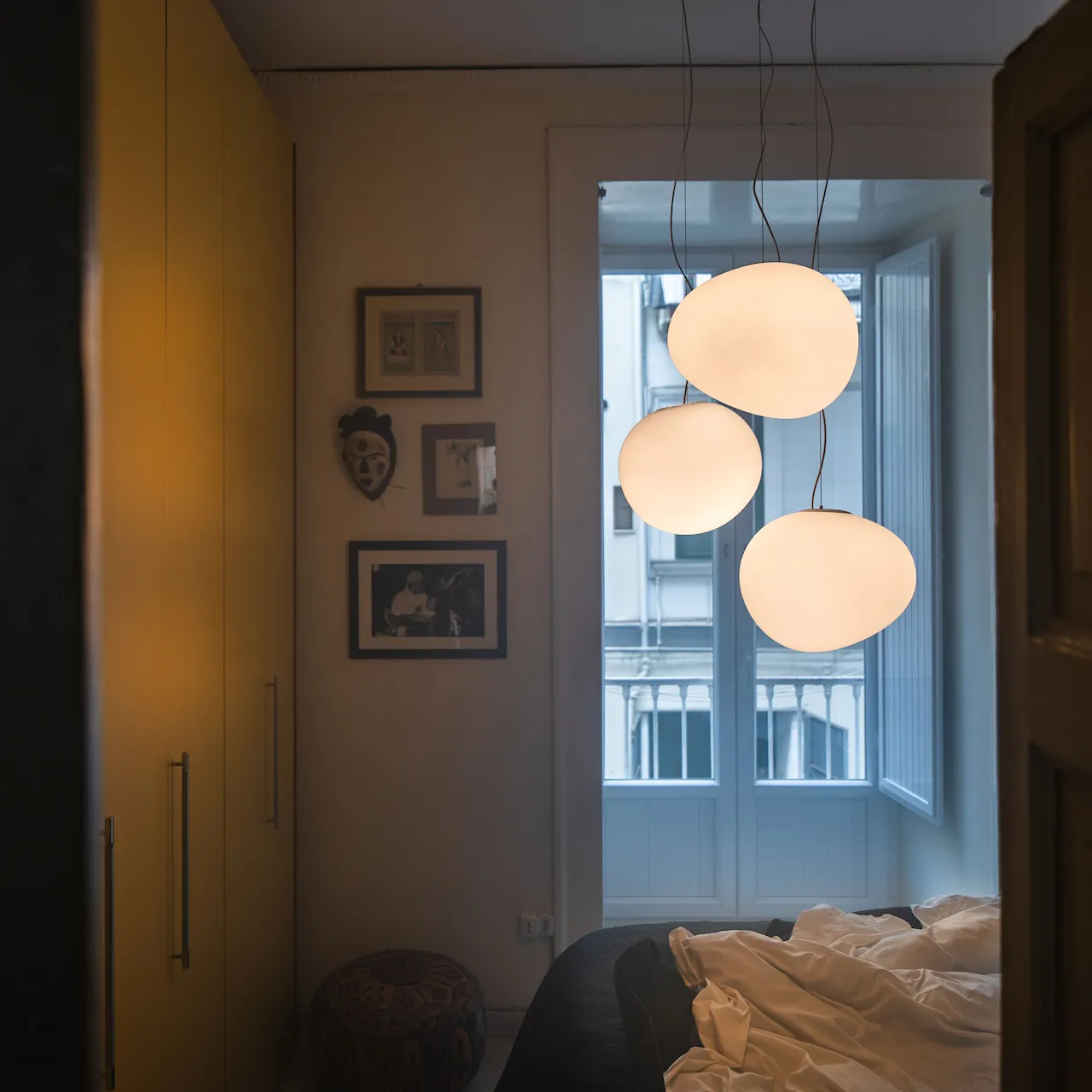
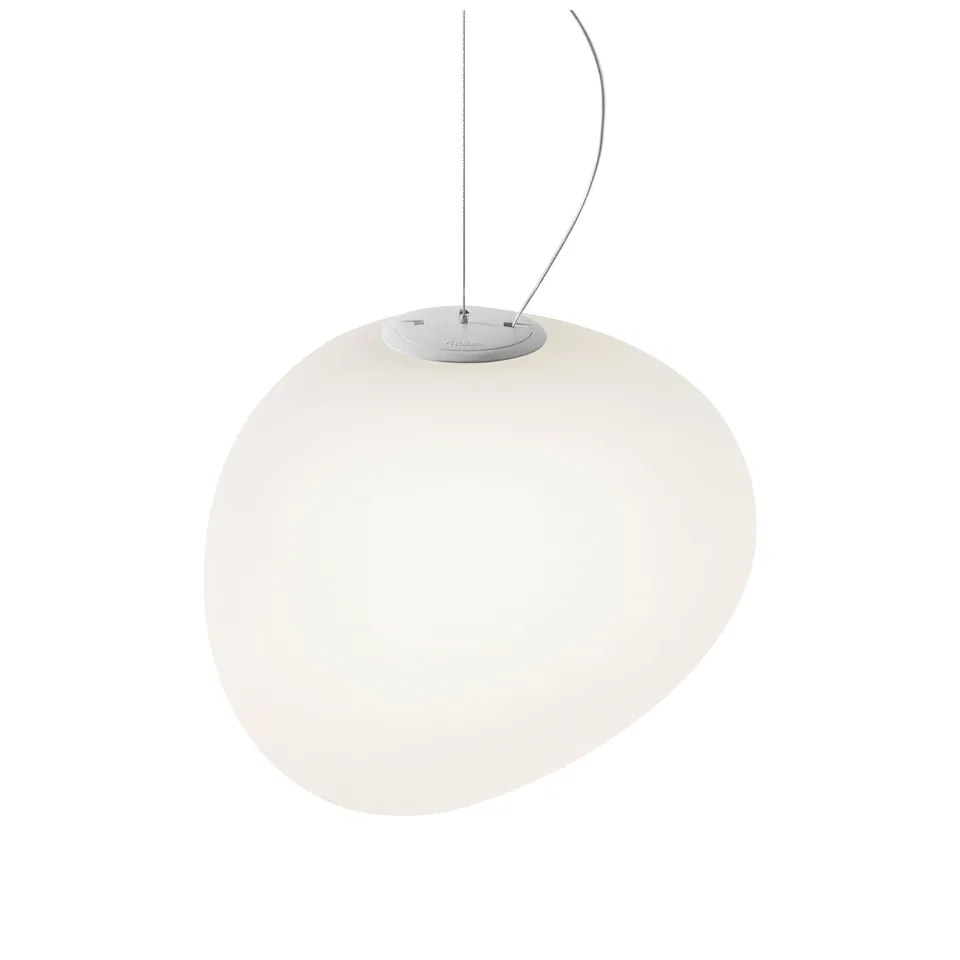
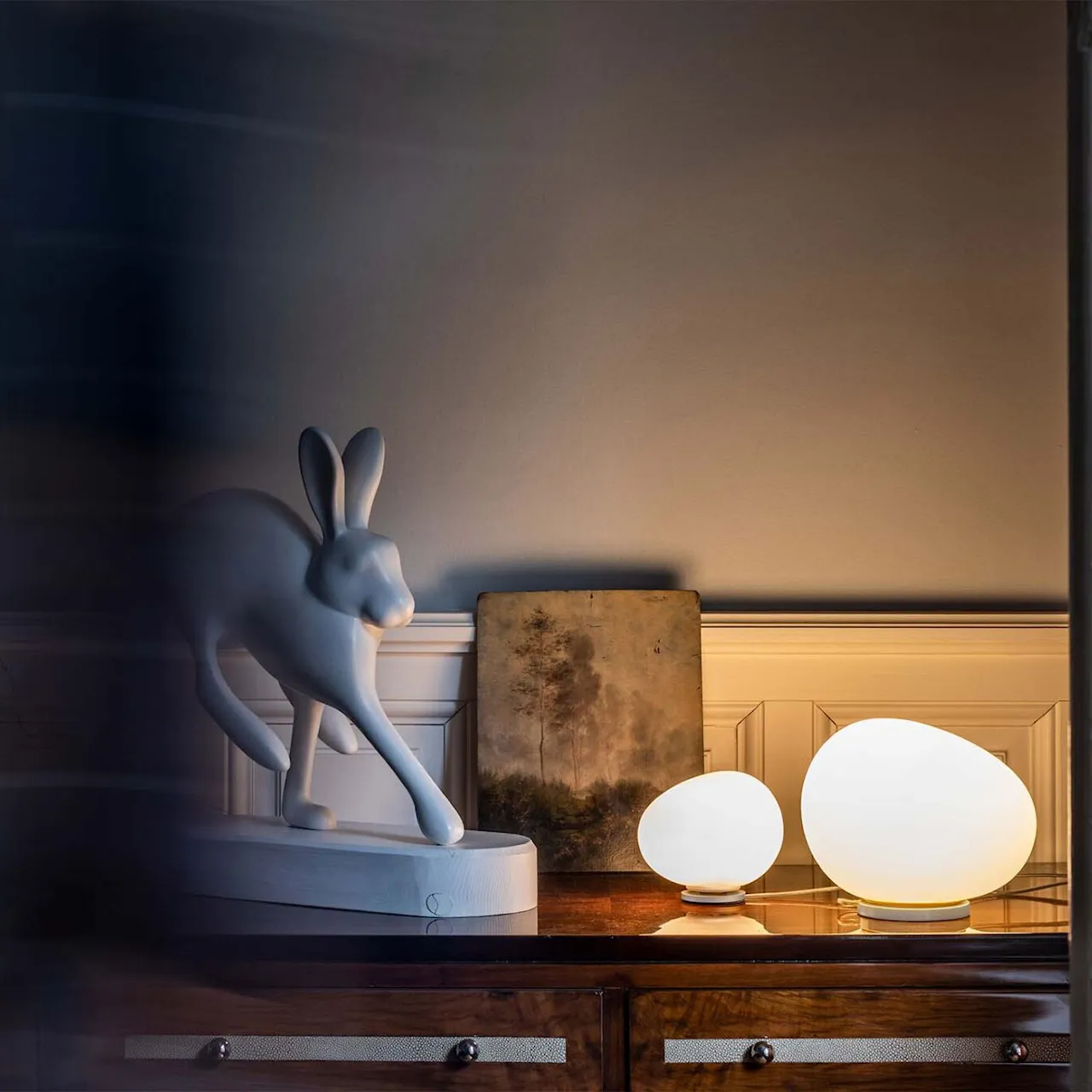
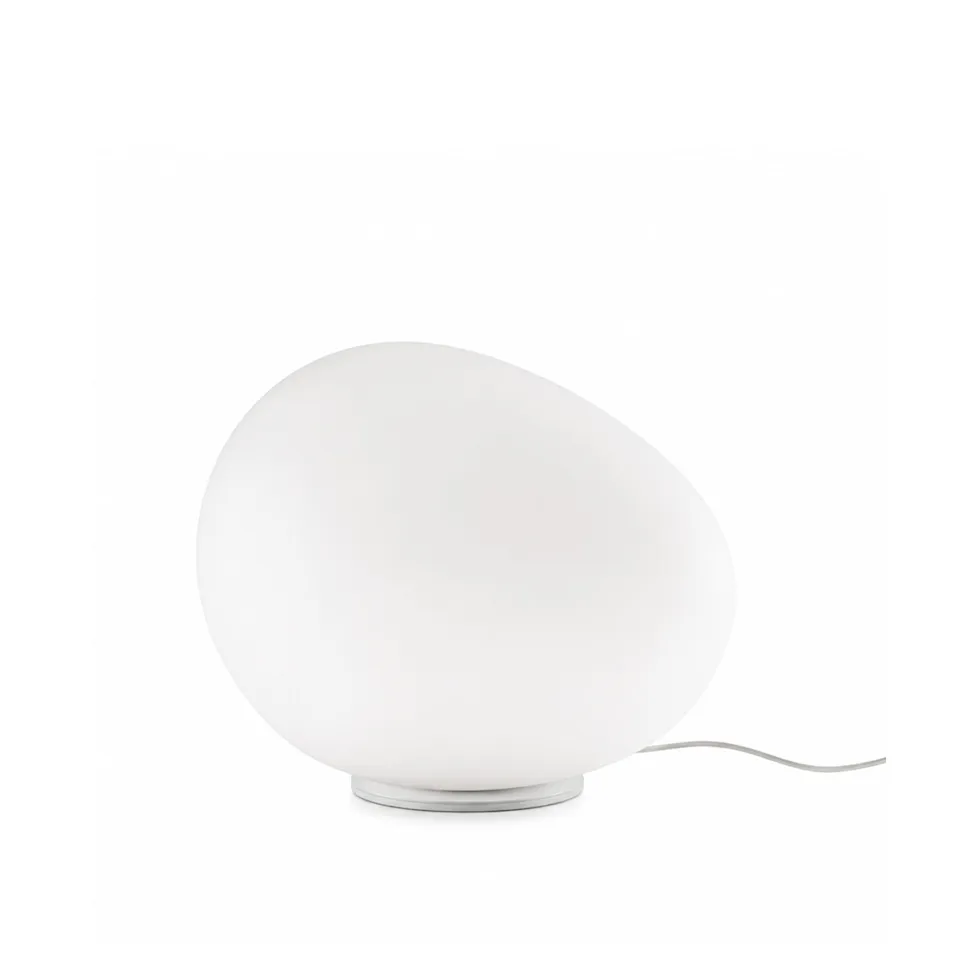
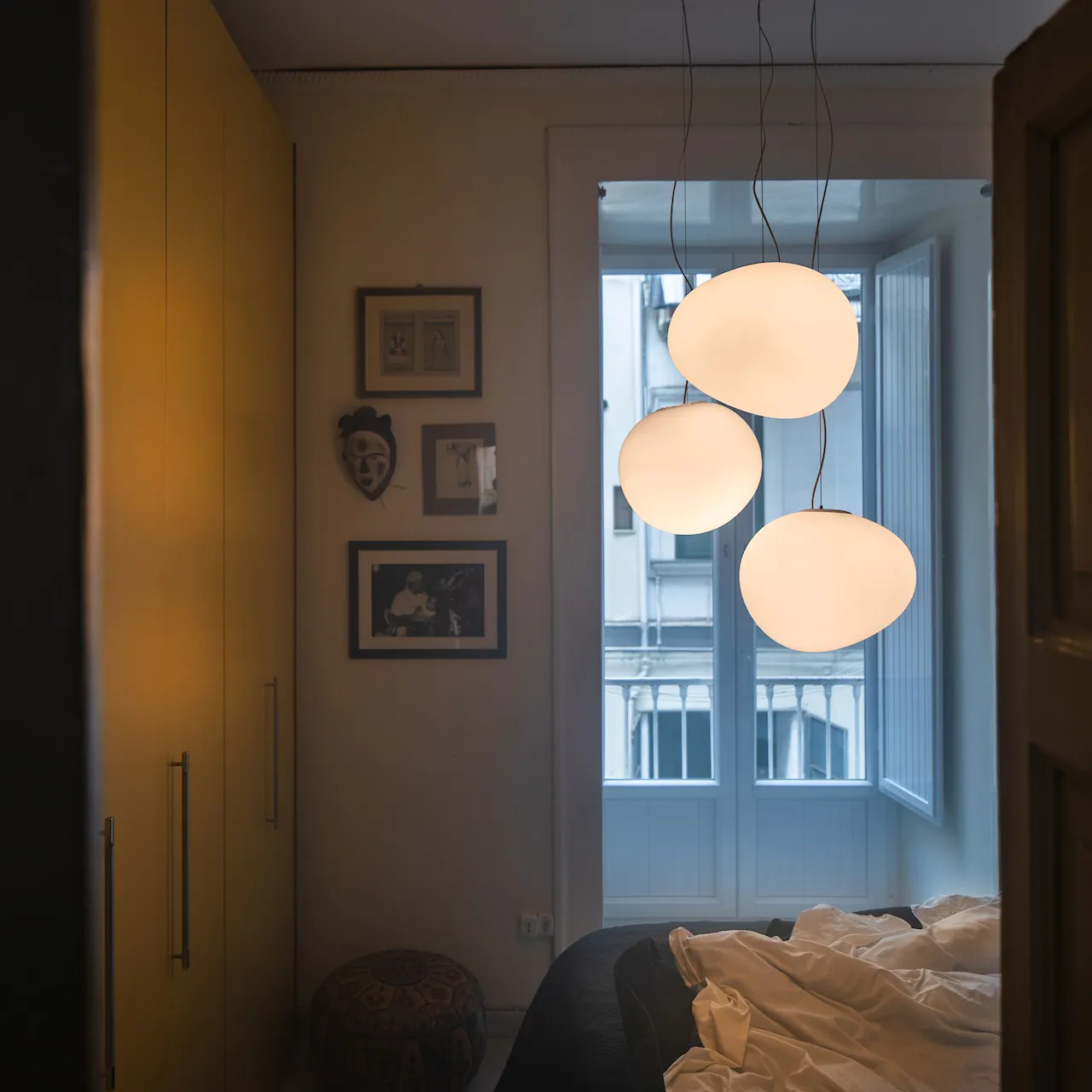
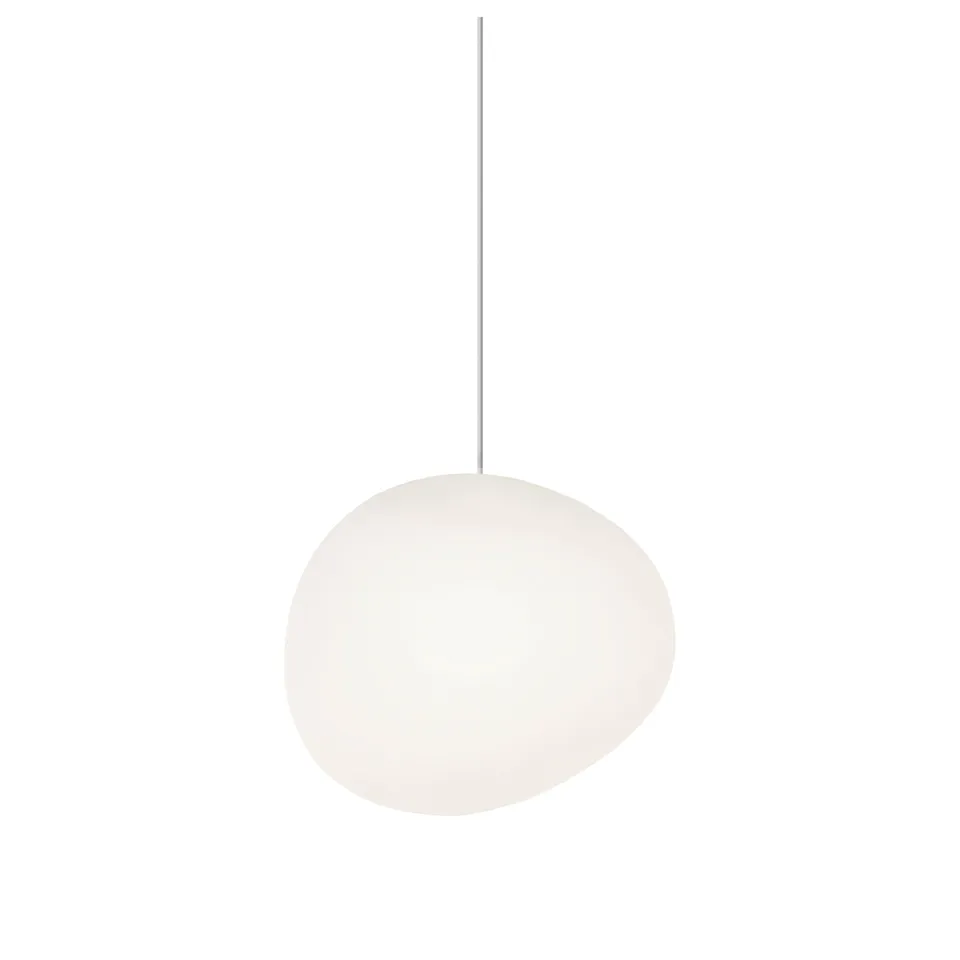
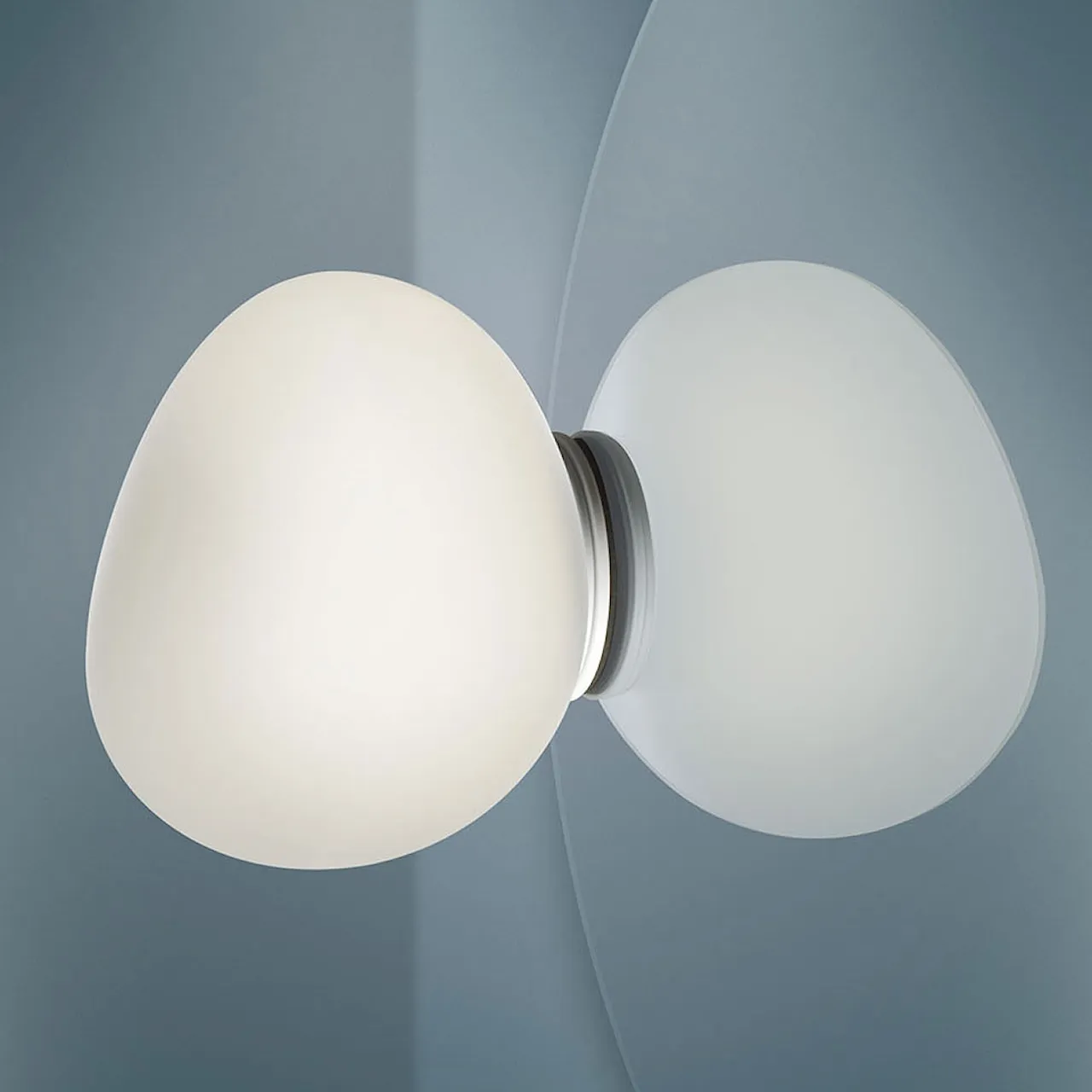
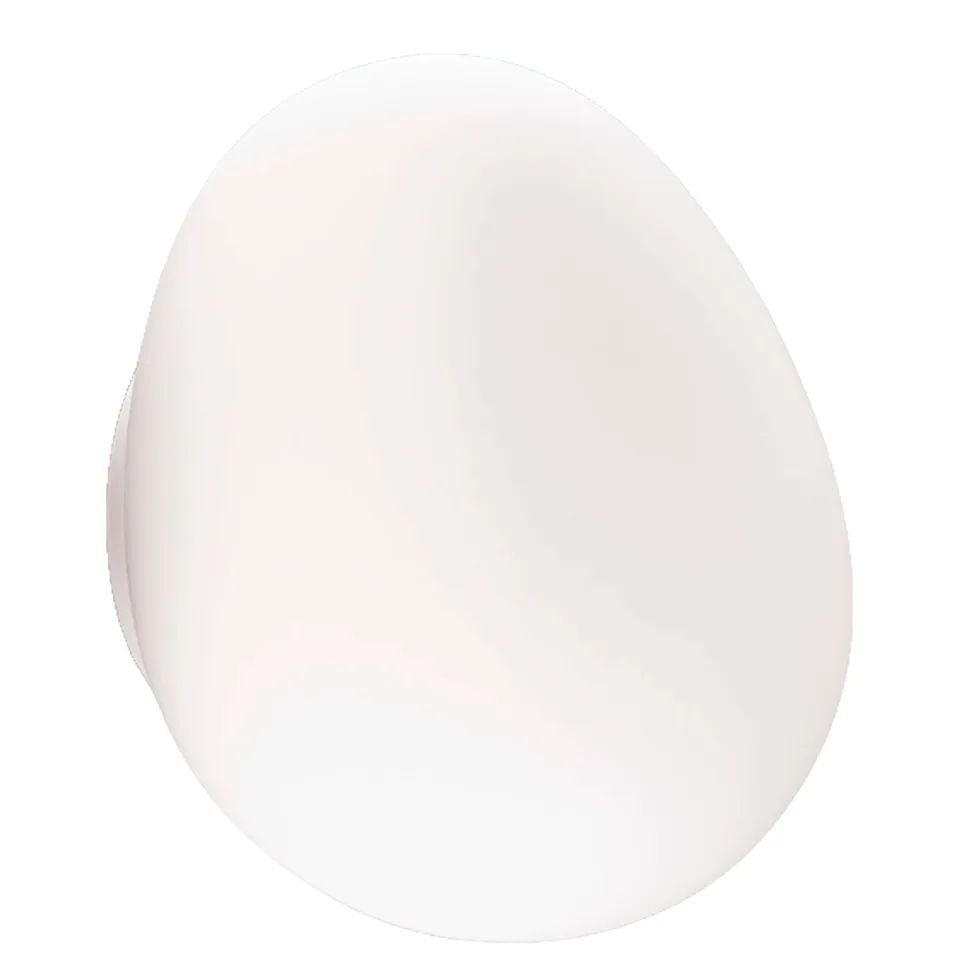
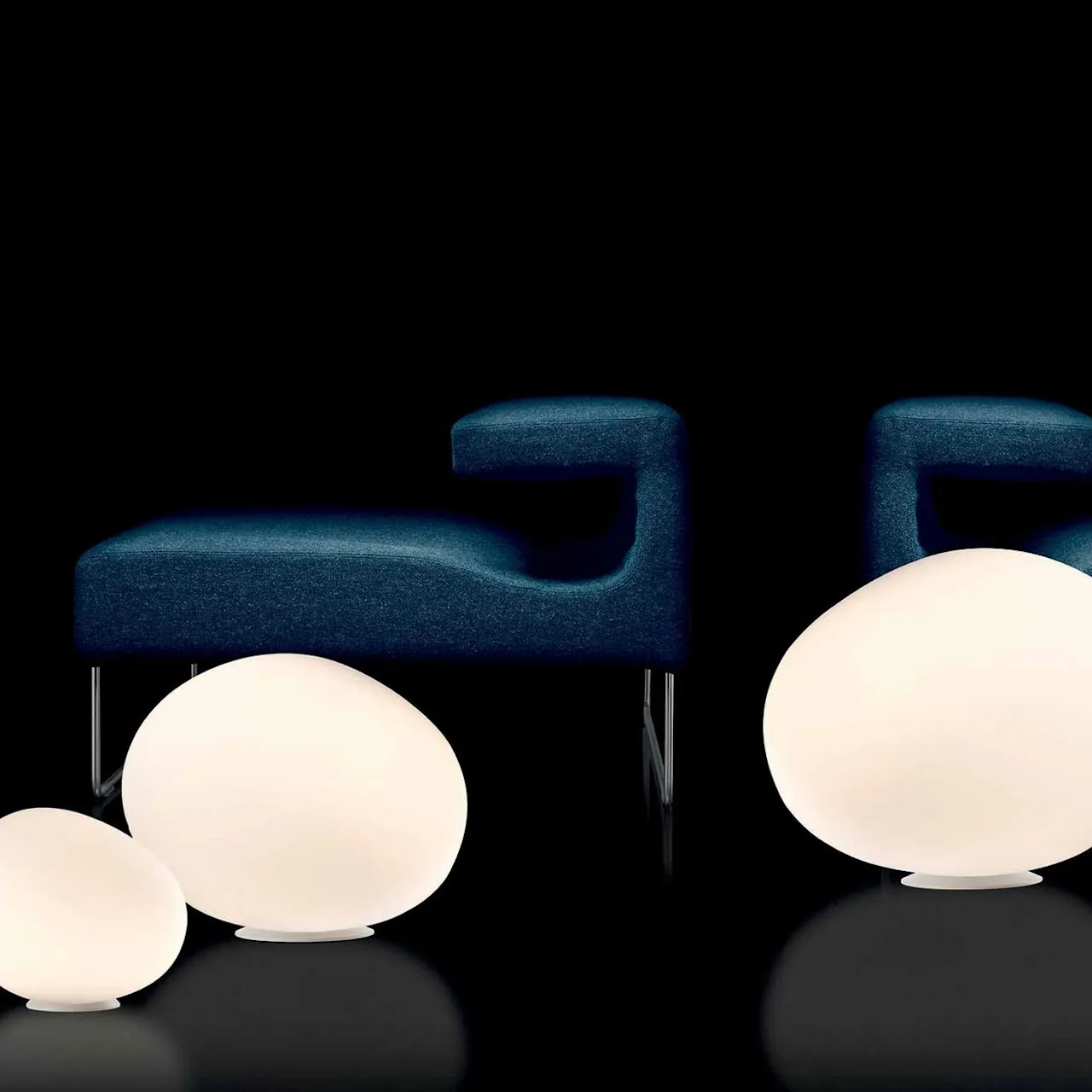
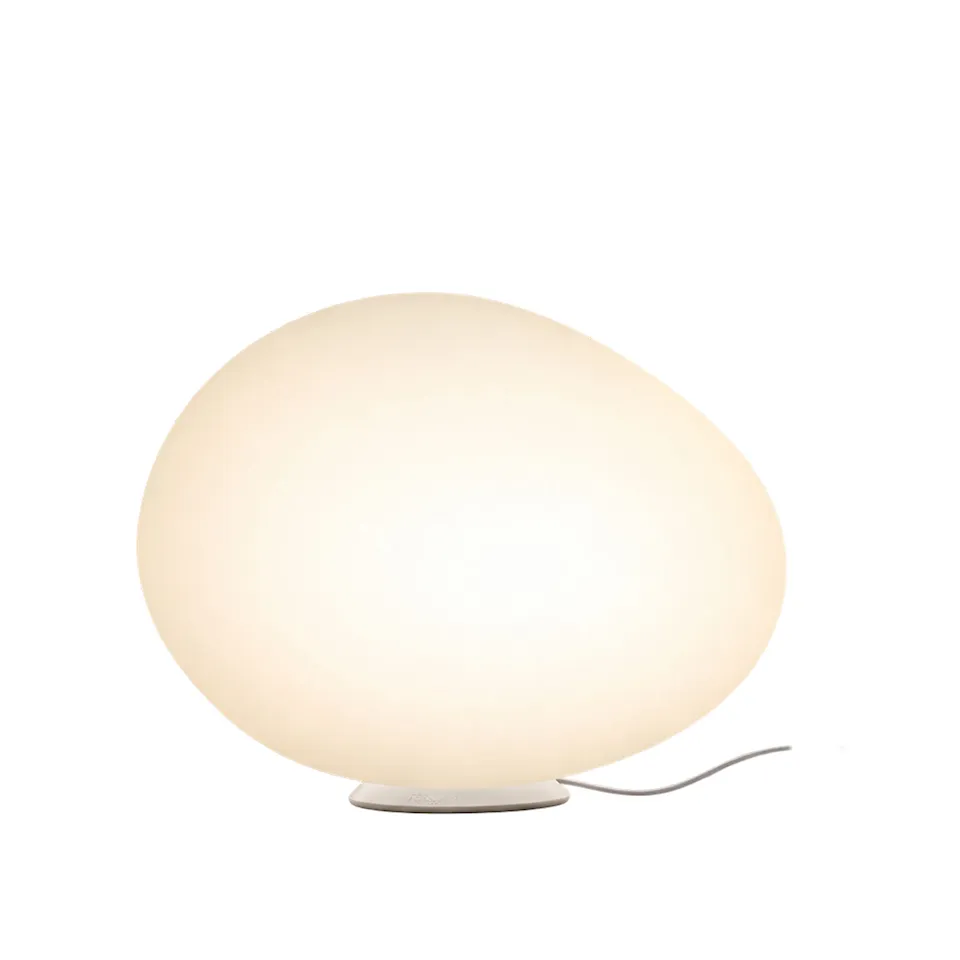
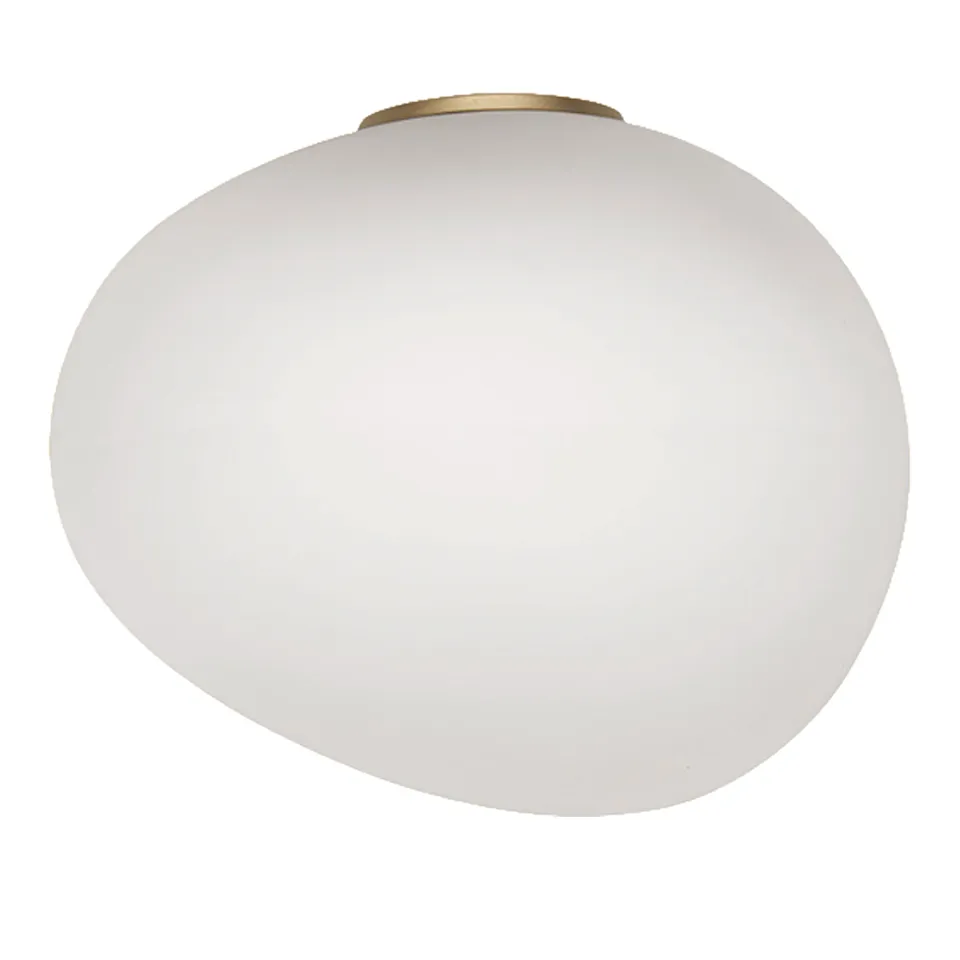
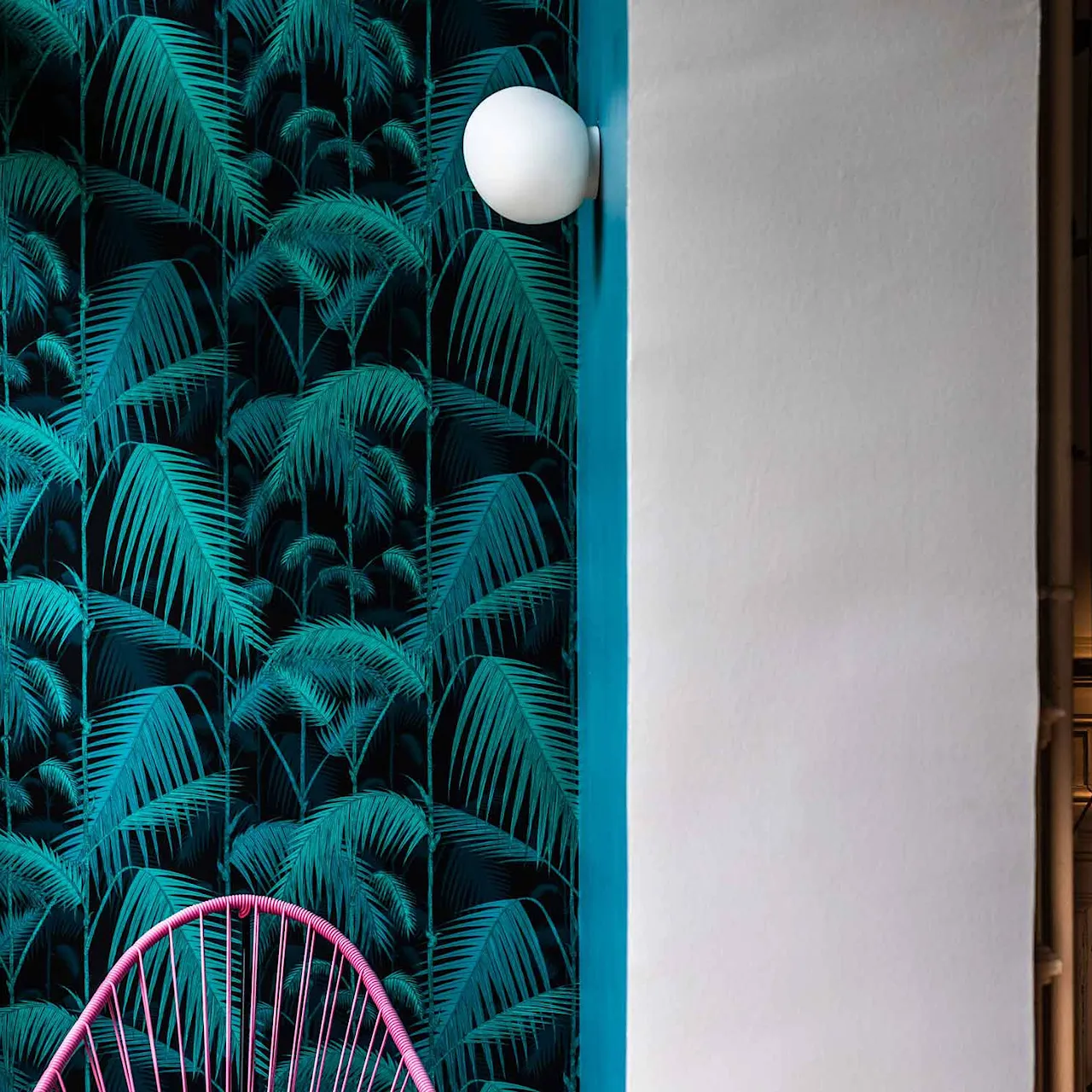
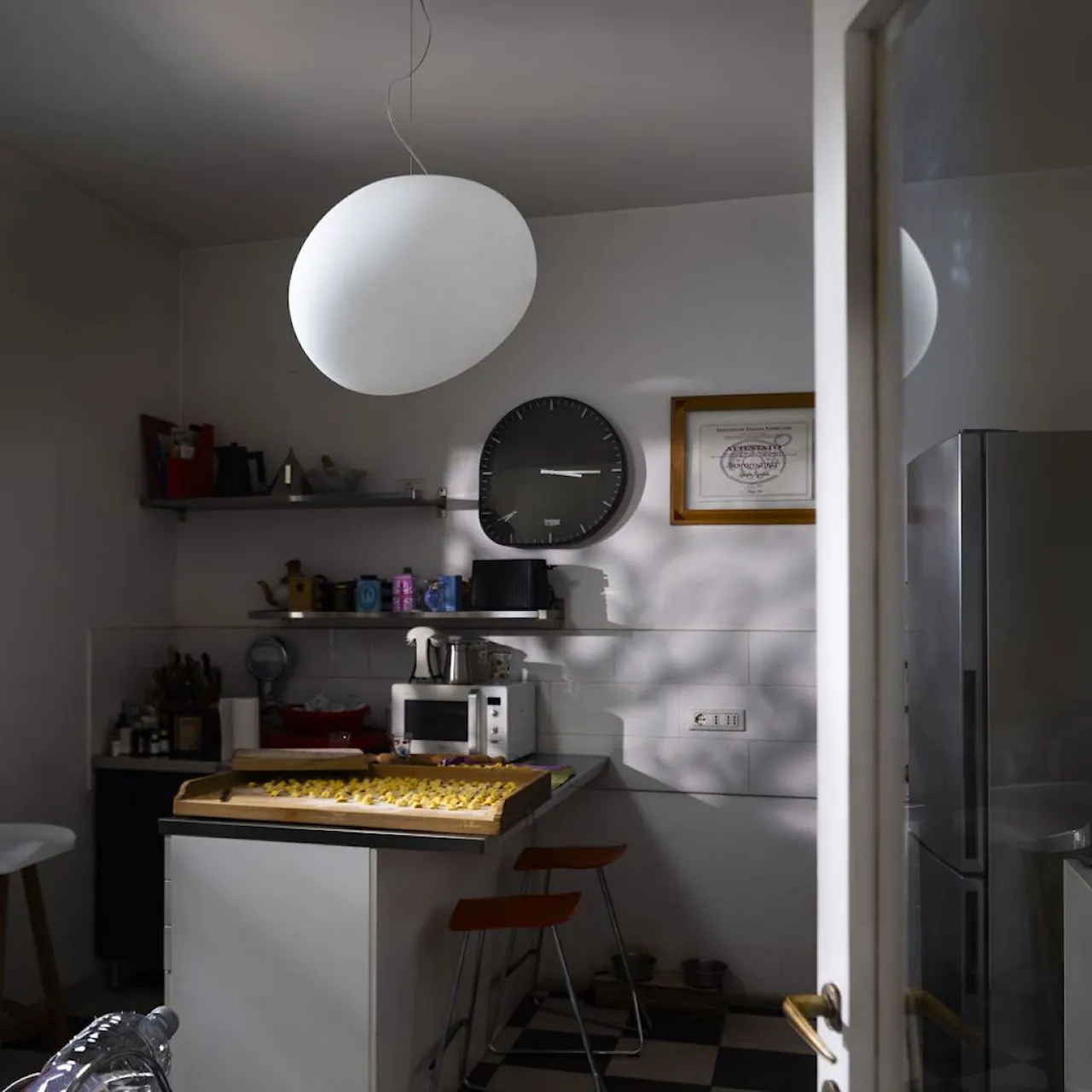
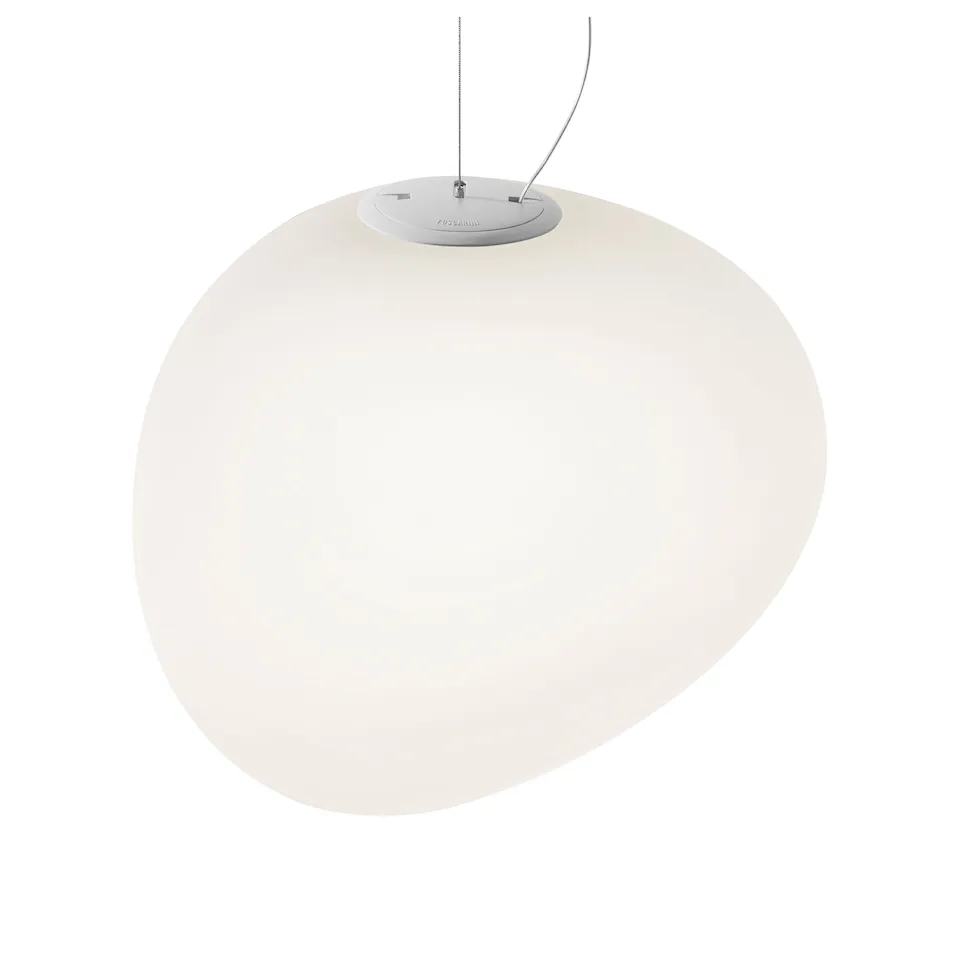
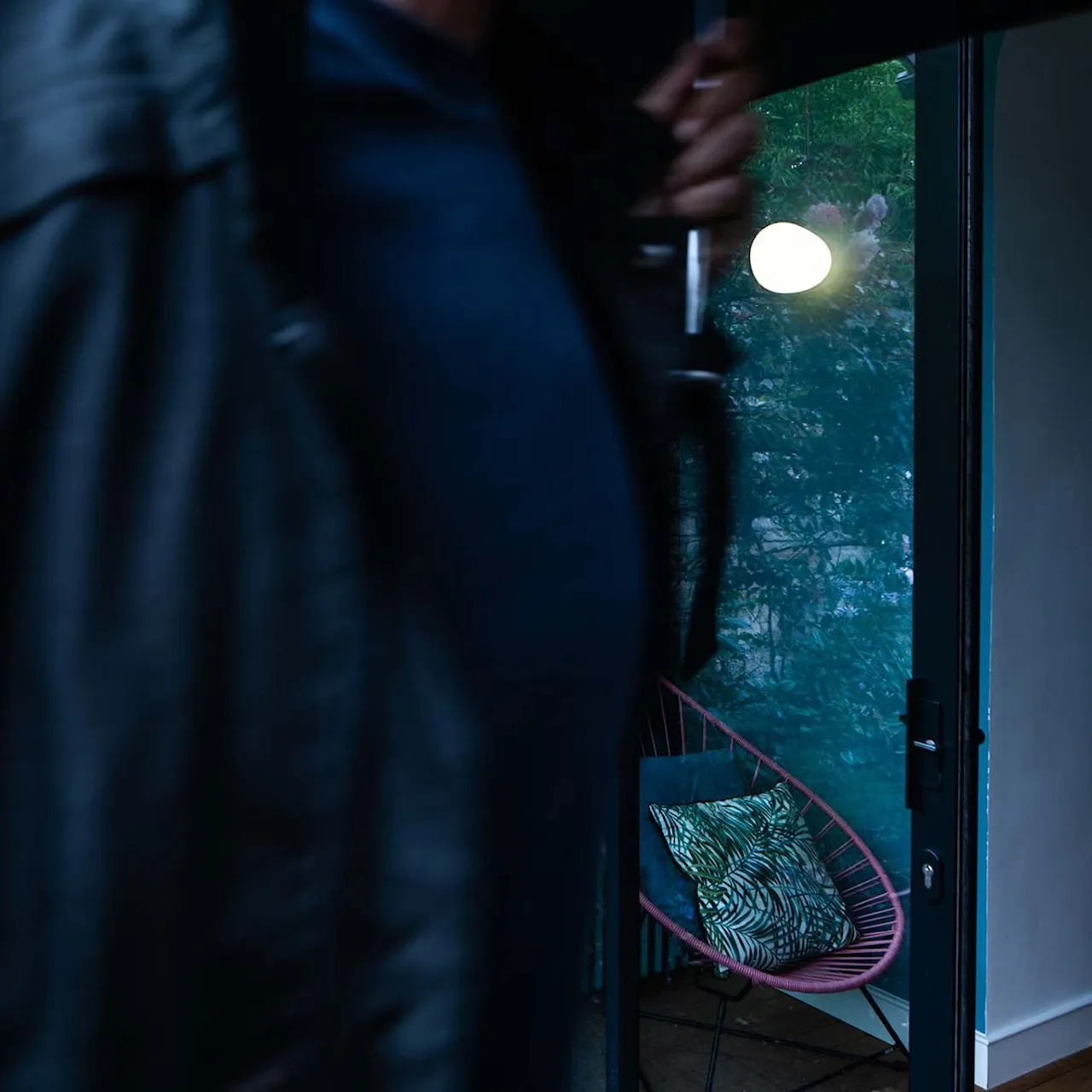
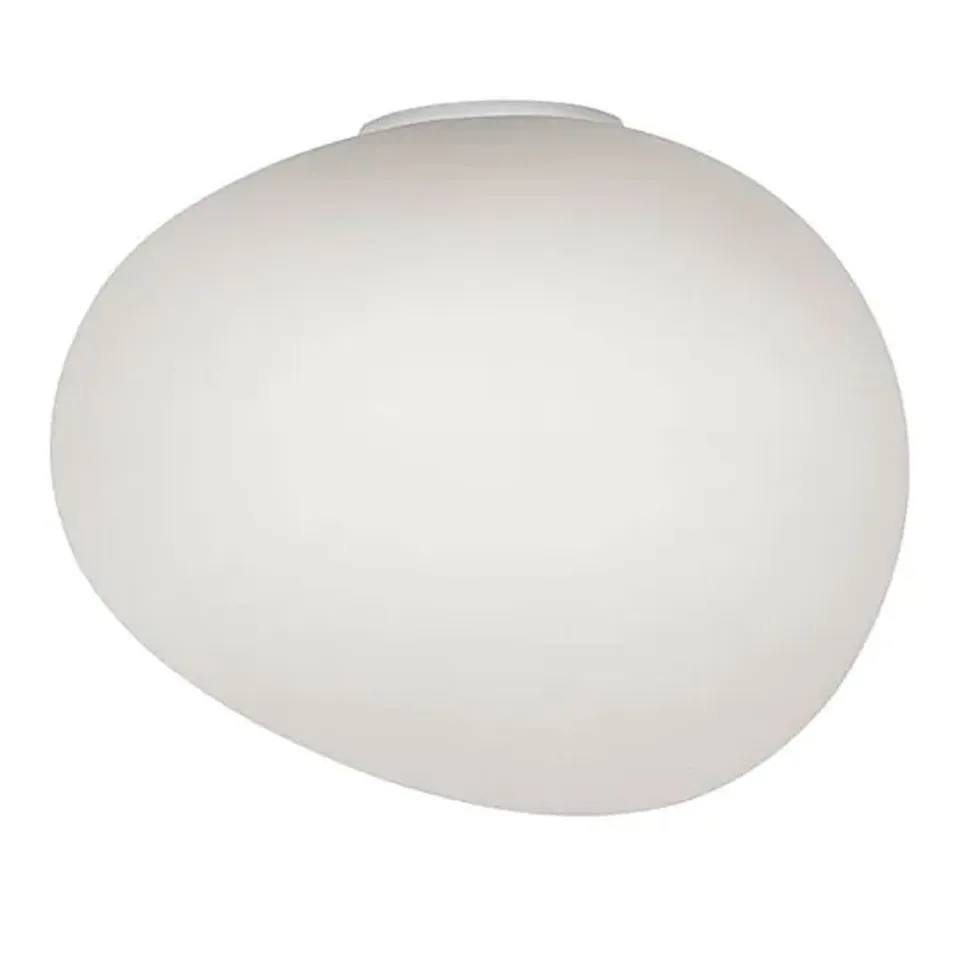
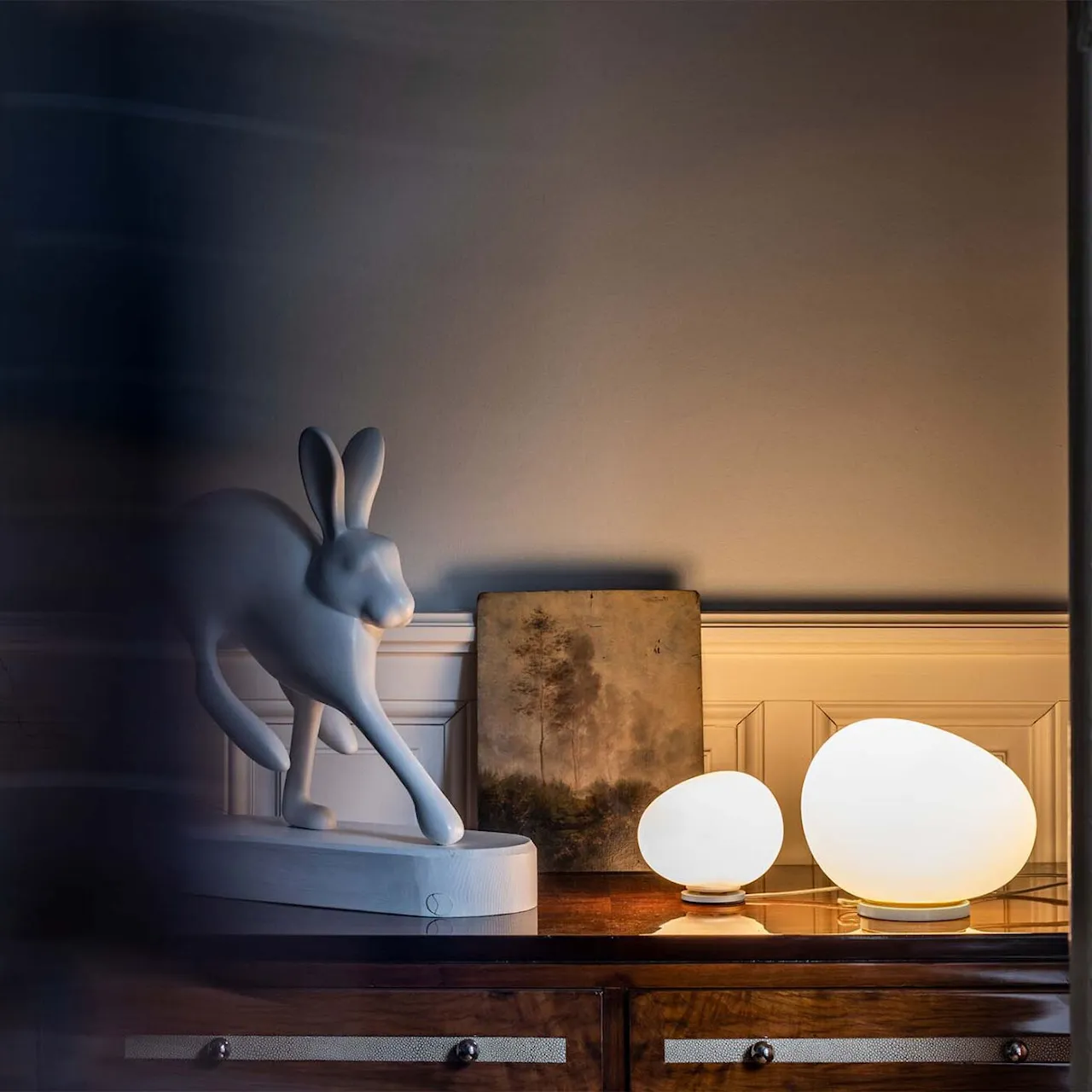
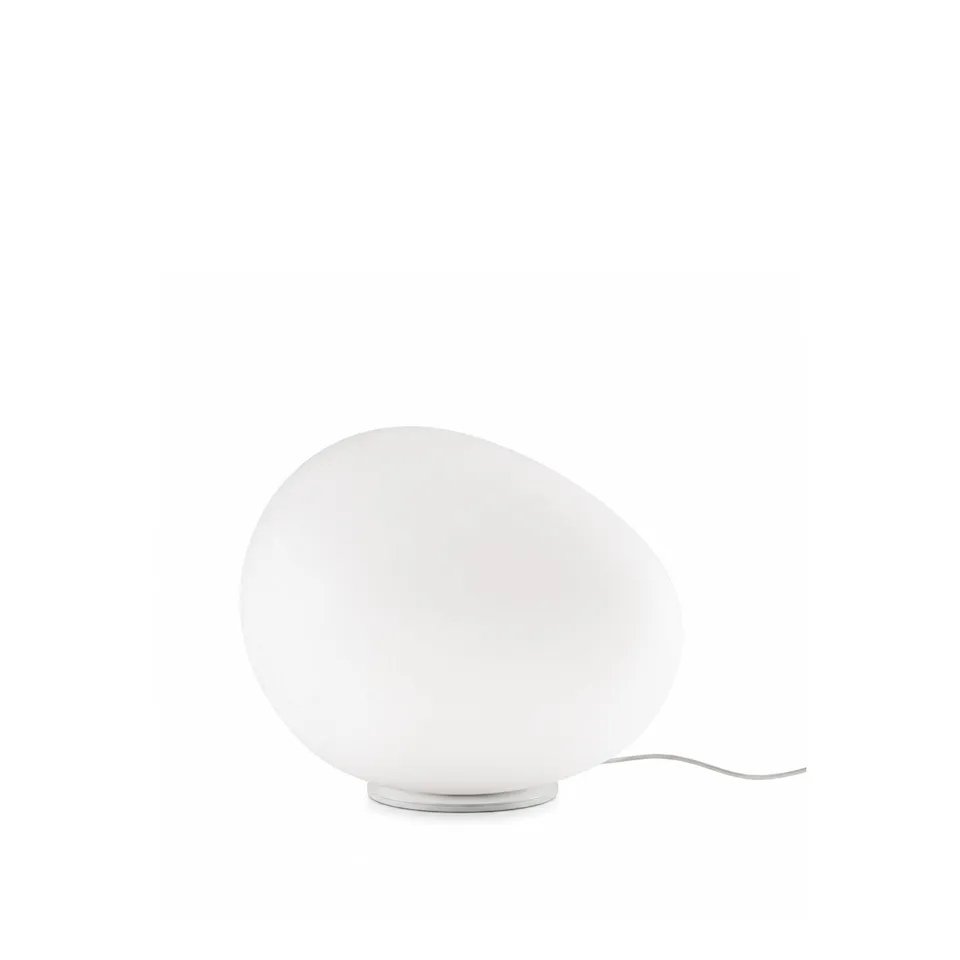
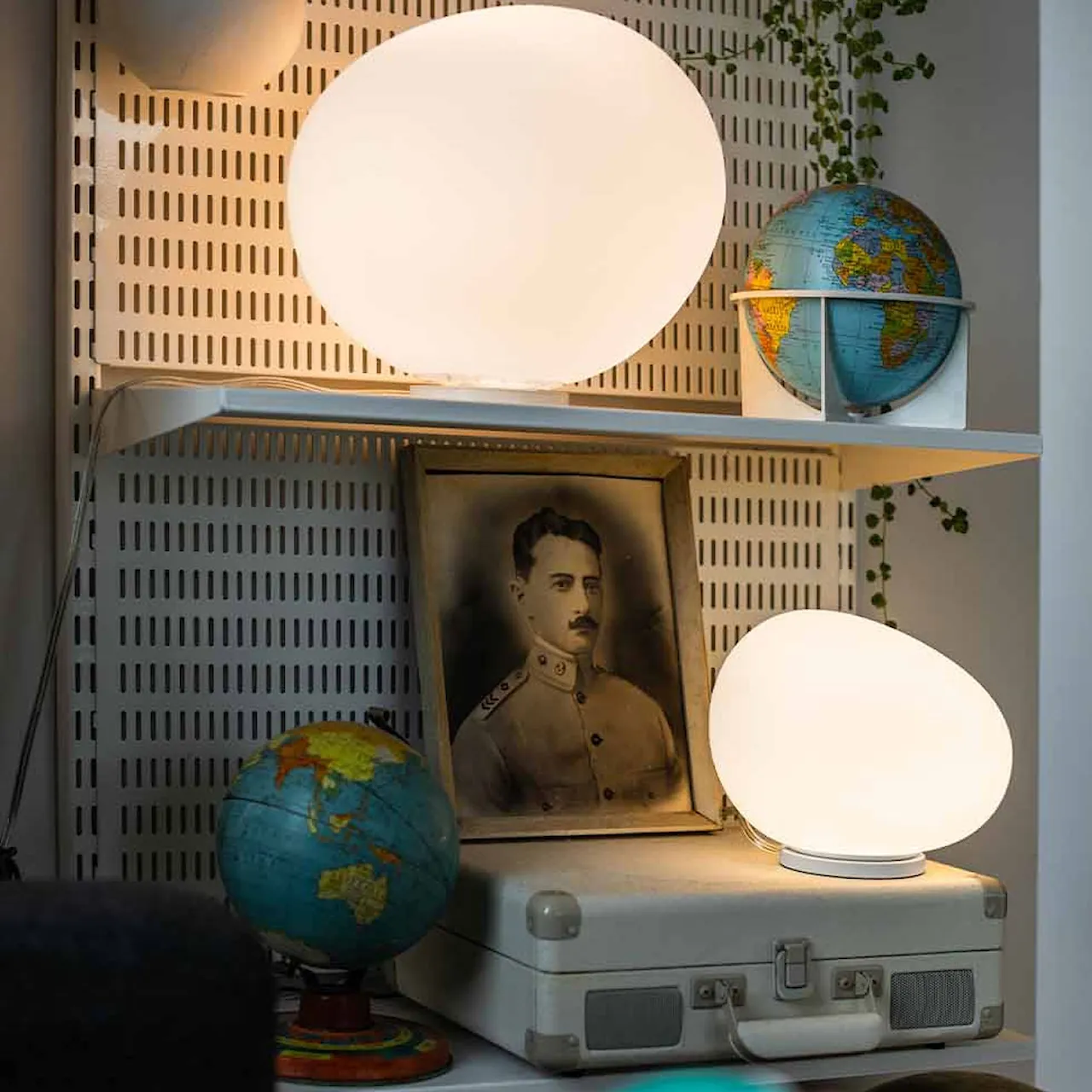
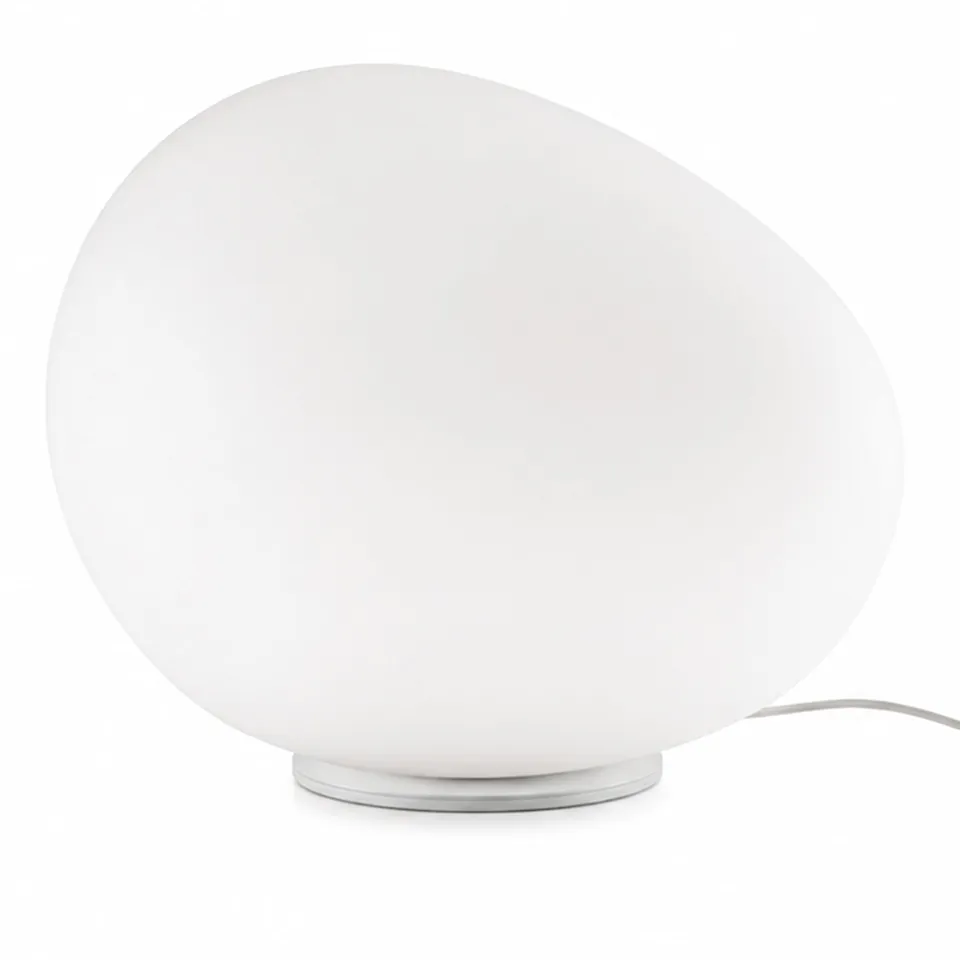
Gregg lamps by Foscarini
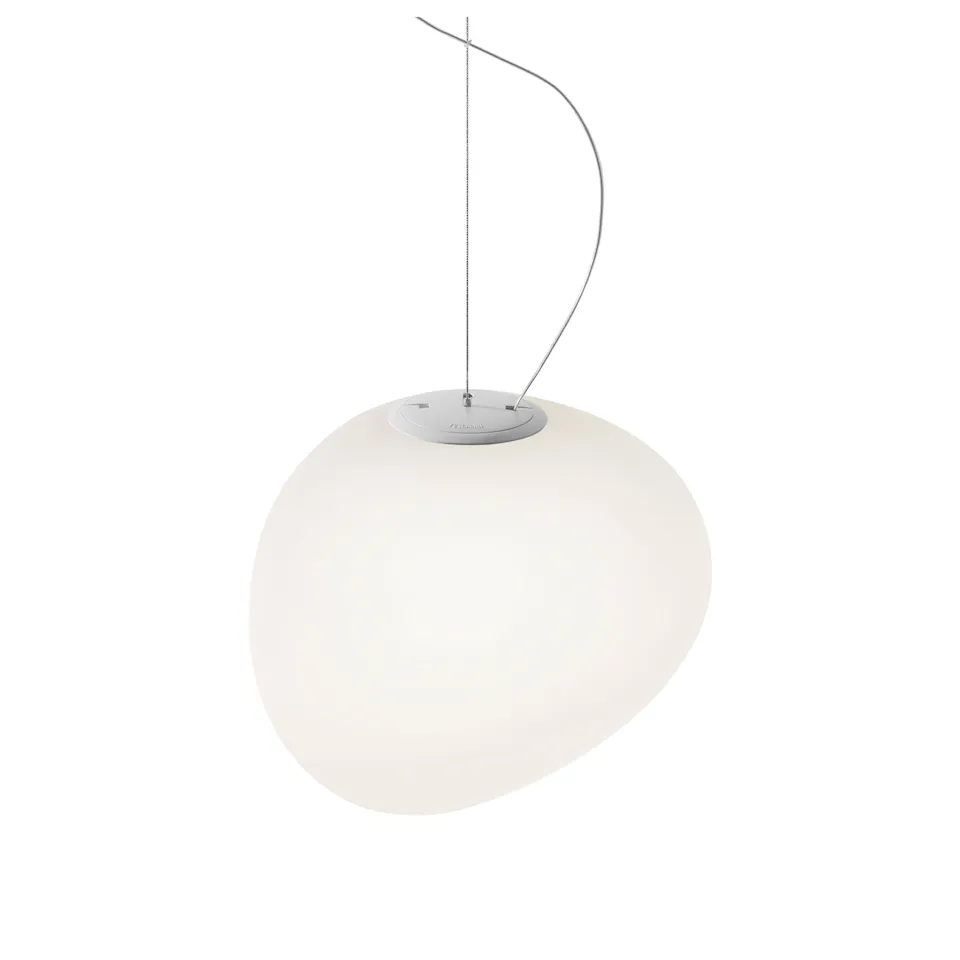
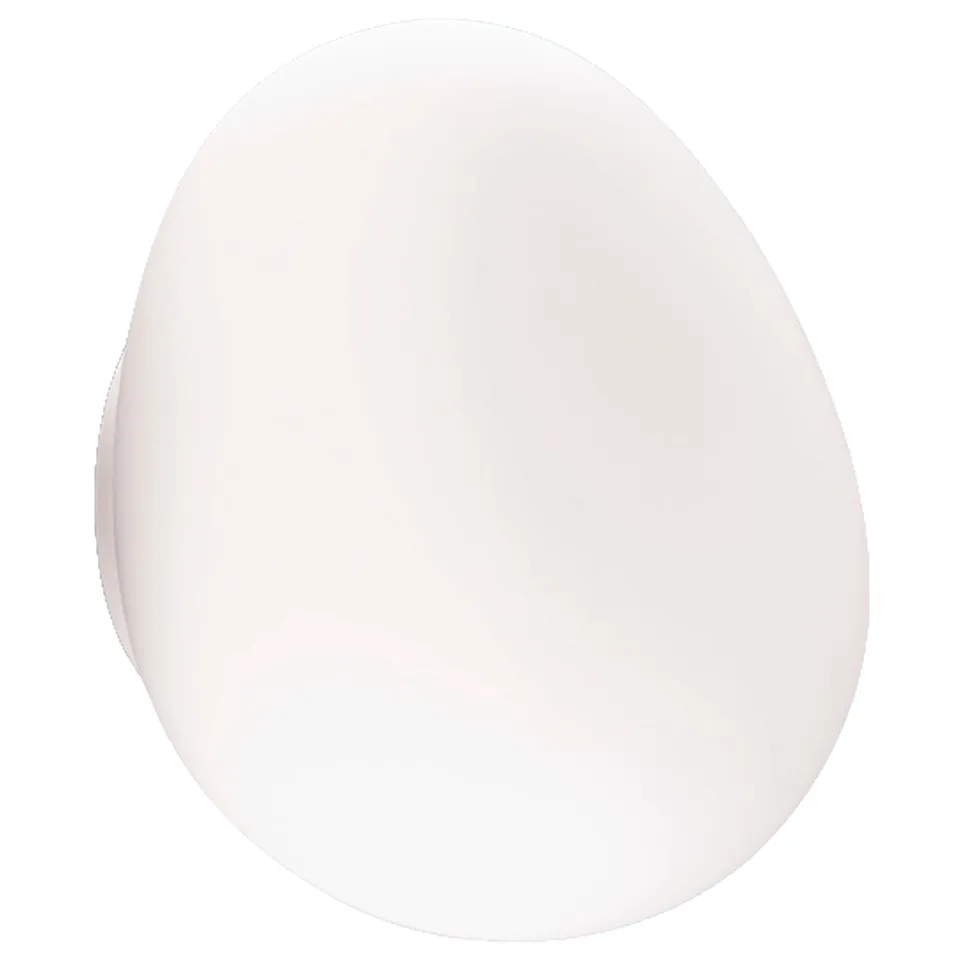
The base of Gregg is the shade in mouth-blown glass. The surface is etched to filter the light and create a soft distribution without sharp demarcation. This means that the lamp functions not as a point but as an entire volume of light. The wall thickness of the glass and the matte finish contribute to an even light, whether the lamp is hung individually or in a group.
The light source is placed at the centre and utilizes the shape of the glass to create a diffuse spherical spread. This makes Gregg usable in rooms where a soft and broad light image is important, for example, in living rooms, entrances, or bedrooms. Since the glass volume is not symmetrical, variations in light are created depending on the shade's direction, which is one of the series' most recognizable features.
Variants and formats of the lamp
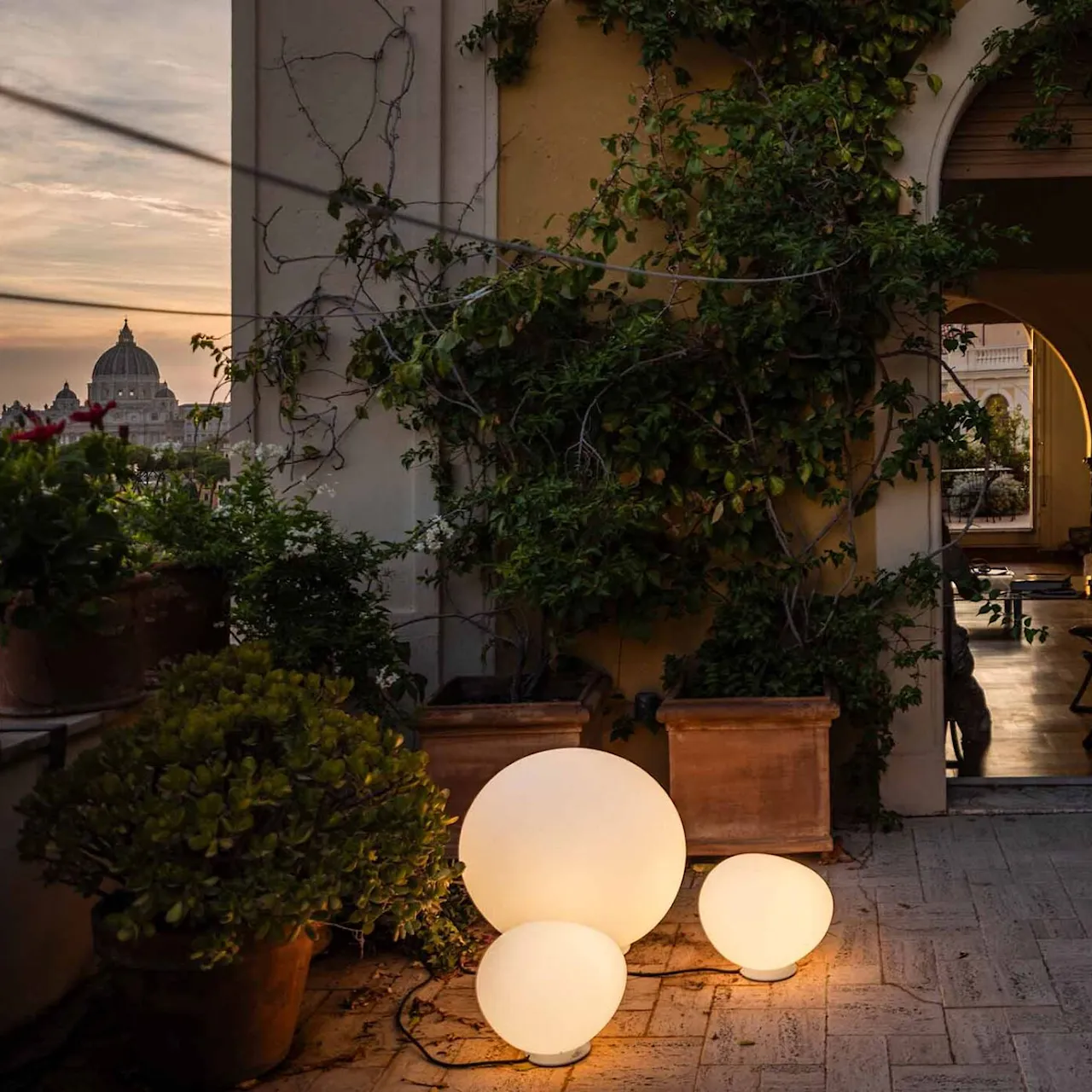
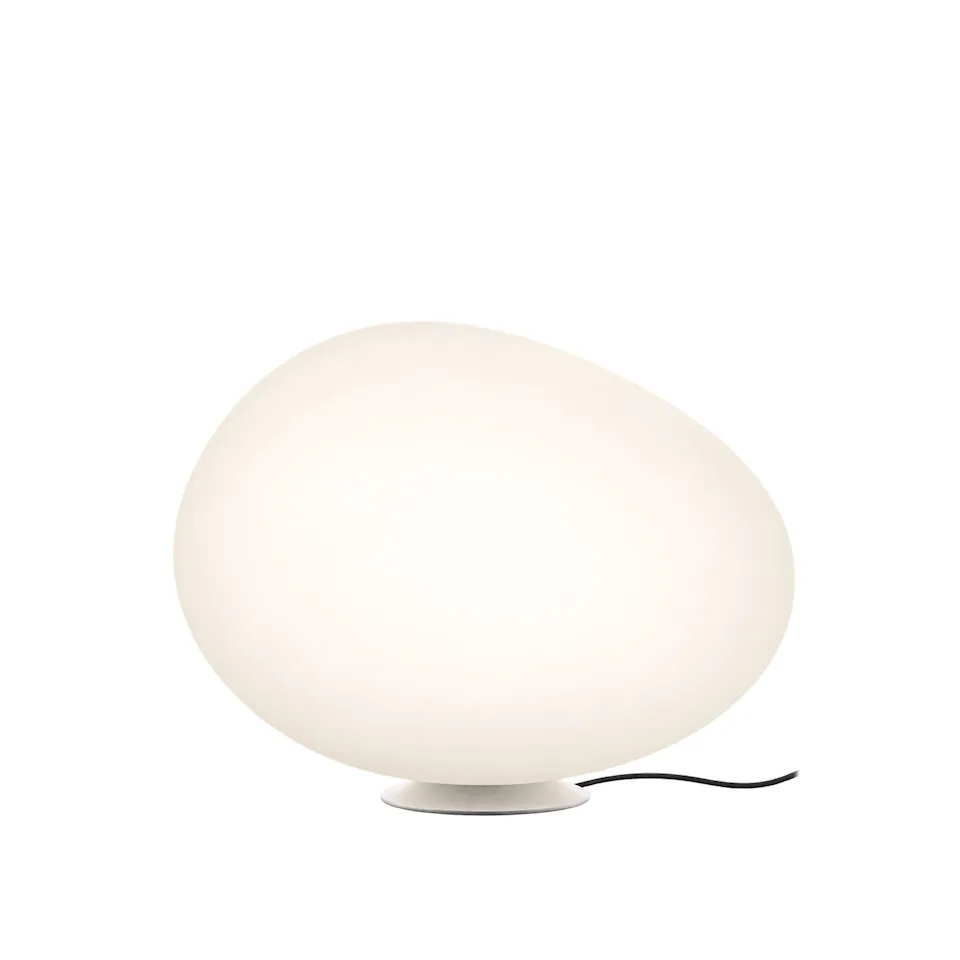
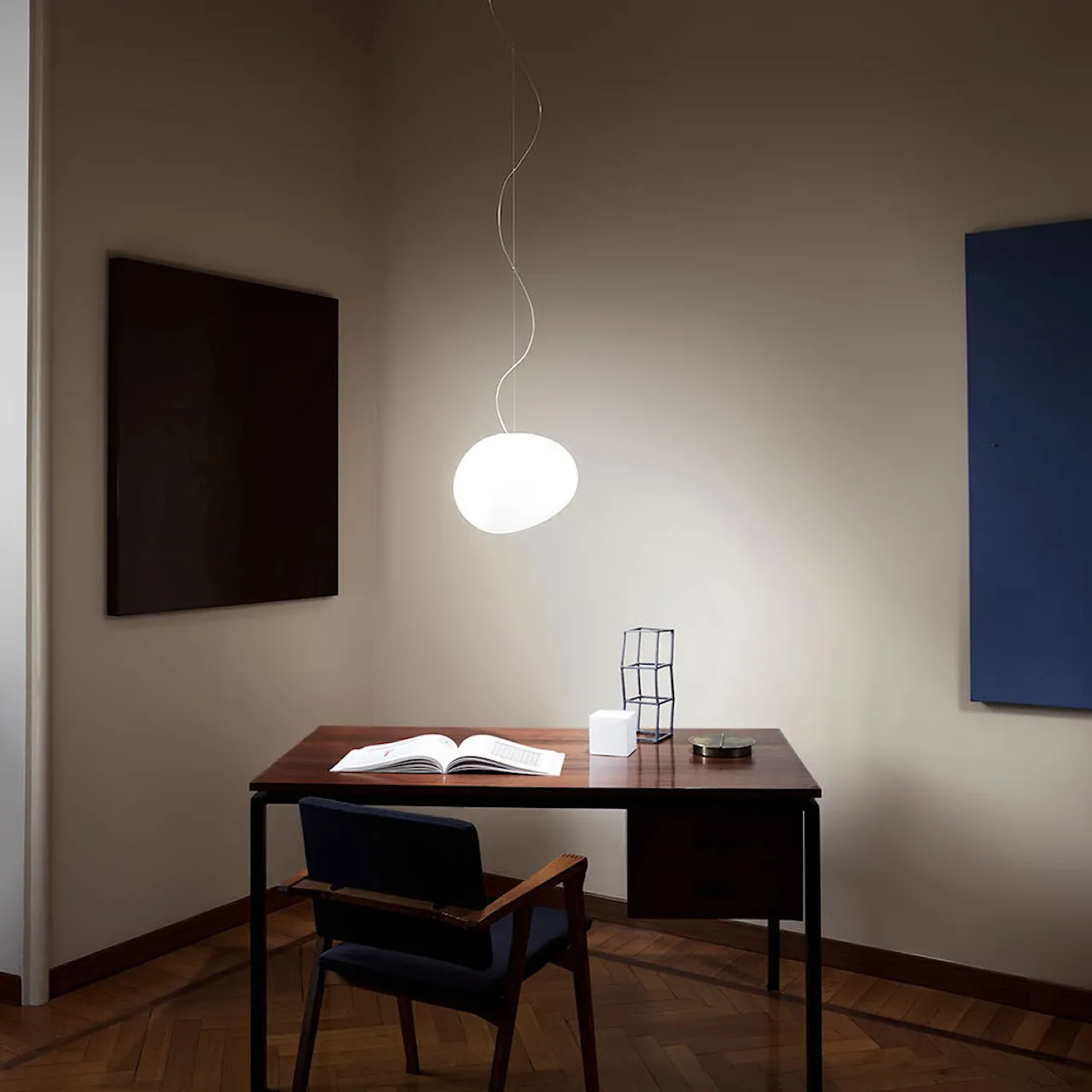
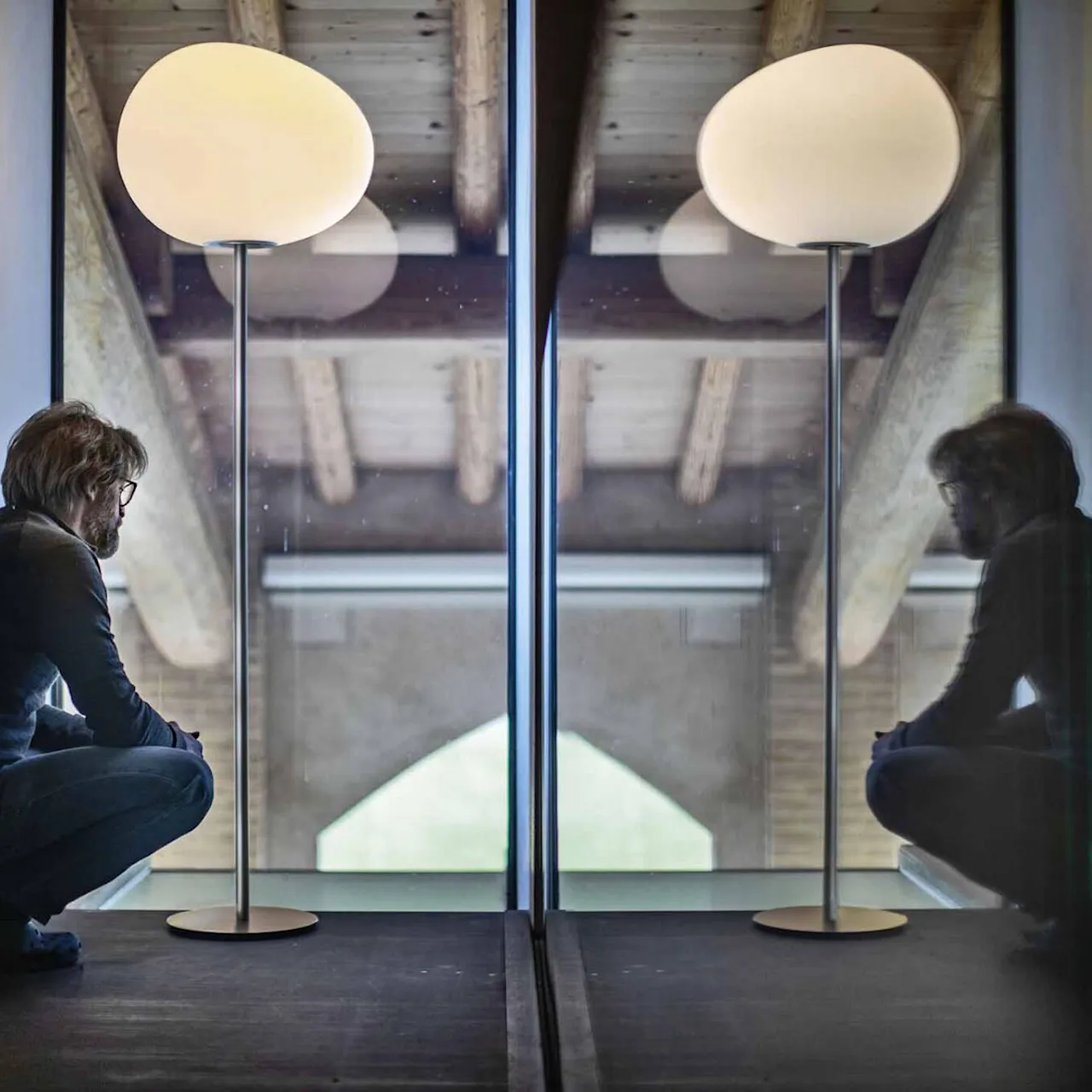
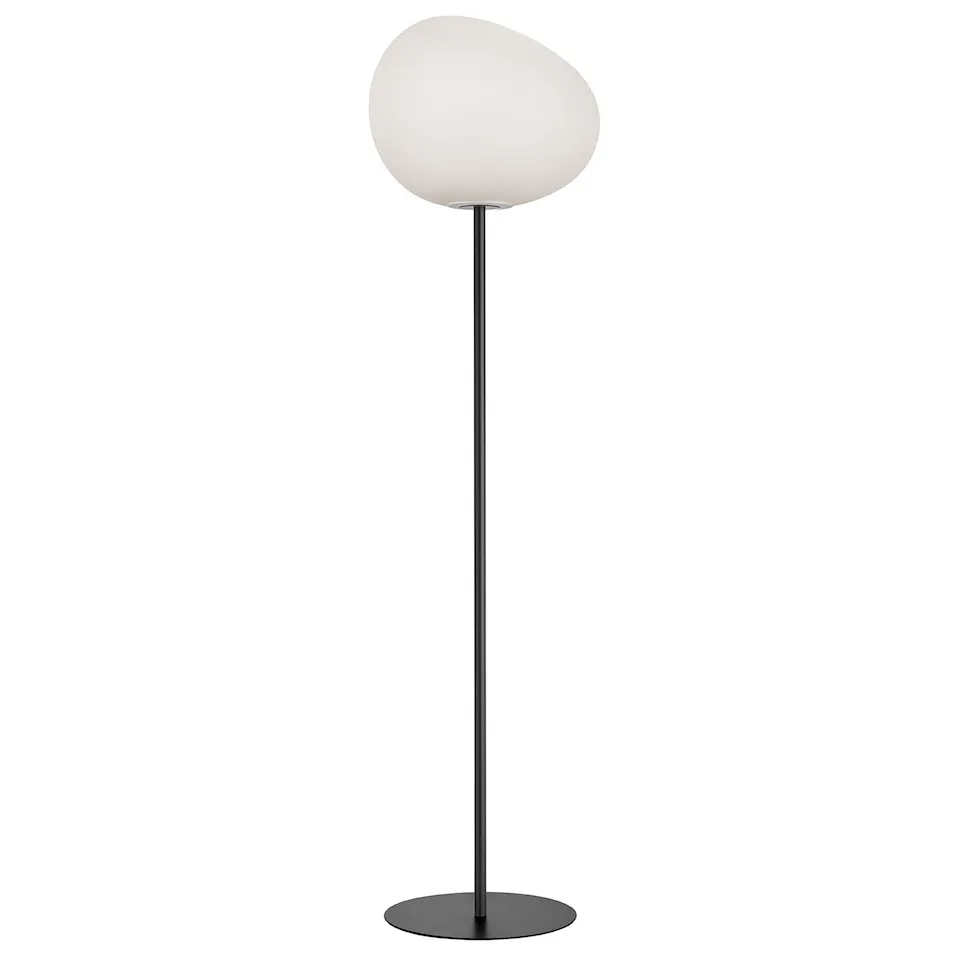
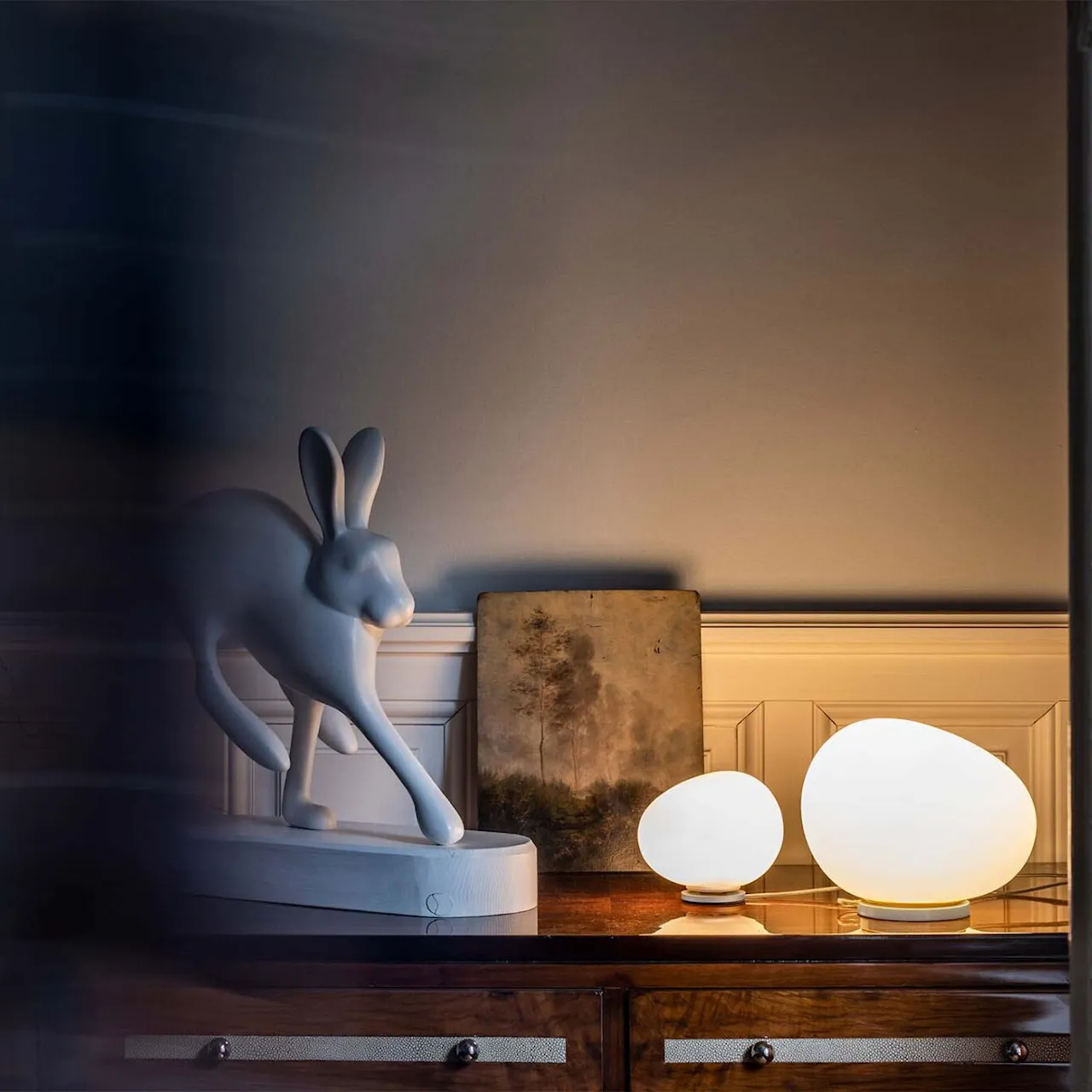
Gregg is available in several sizes to be placed in different types of rooms. Ludovica and Roberto Palomba have developed pendants, table lamps, wall lamps, and floor lamps, making it possible to work with a unified design language throughout the home. Pendants are often used over tables, and table lamps are placed in windows or on side tables, where the diffuse light volume creates a more prominent atmosphere. The wall and floor lamps work in corridors, along walls, or next to seating groups, where the soft light volume integrates into the room.
The scale variation is well thought out. Smaller models function as accent lighting, while the larger ones can replace a traditional ceiling lamp. The series also has a consistent formal principle that allows several Gregg lamps to be combined without visual conflict.
Gregg in architecture
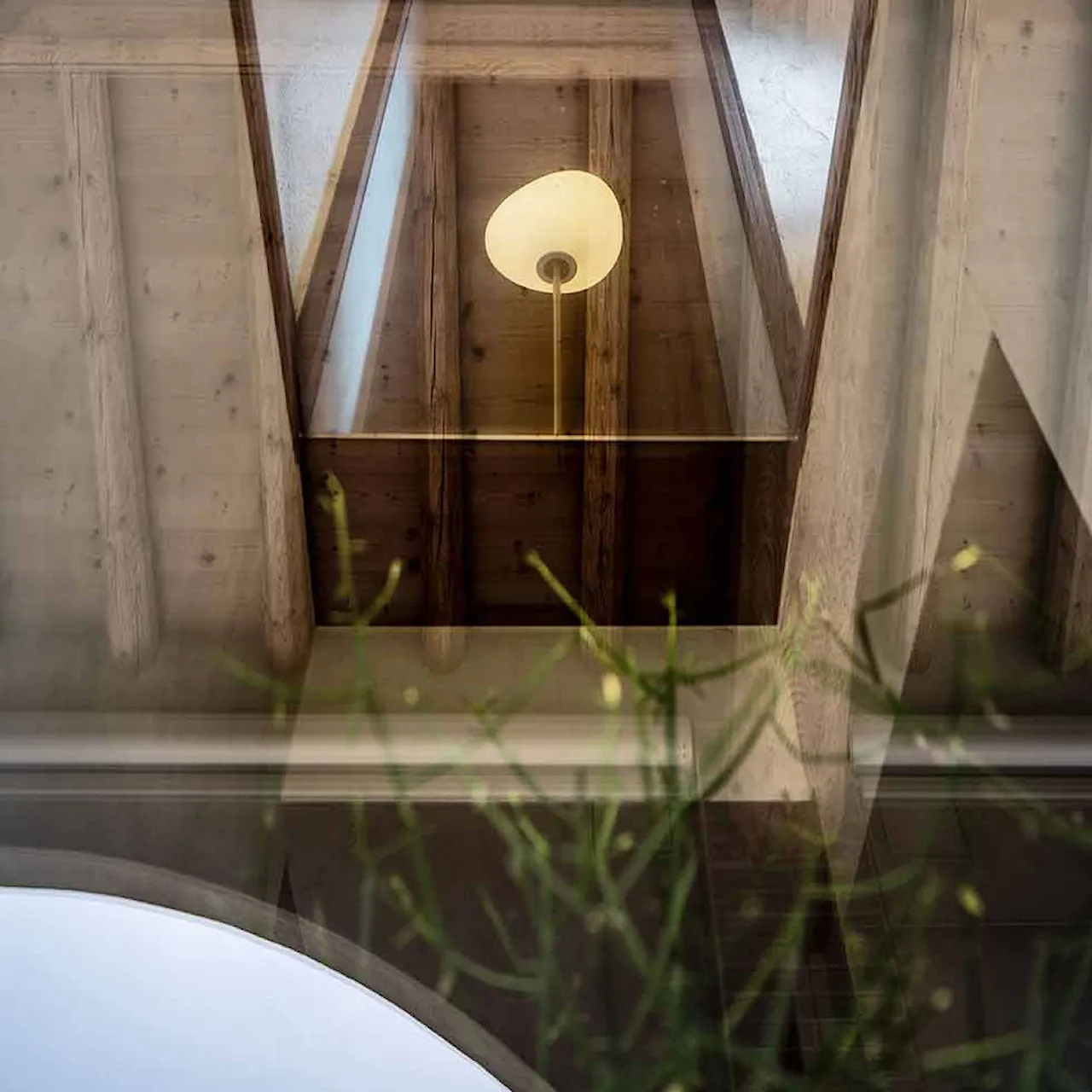
The collection is used in many interiors where the light needs to be part of the room rather than a directional function. The neutral shape without a clear front or back makes it possible to place the lamp from multiple angles and adapt it to the room. This makes it often useful in areas where the light source should be visible without taking over.
Since the glass volume is organic and lacks exact lines, Gregg also works in rooms with harder architectural structures. The soft shape creates a contrasting element that complements materials such as stone, wood, and metal. The series is therefore often used by architects who want to add volume without disturbing the room's proportions.
A series in constant use
Gregg is one of Foscarini's most representative series, as it shows the company's view of glass as an active tool in lighting. The lamp is developed to provide a soft light image, but also to function as a form in the room. The asymmetrical silhouette, combined with the subdued light distribution, means that each model can be used both solitarily and in groupings.
In Nordiska Galleriet's assortment, Gregg is included as a series where glass, material precision, and light distribution meet. It is used by both private individuals and professional designers to create environments where the light needs to have a clear but understated presence.
Foscarini as a producer
Foscarini works with glass as a structural and visual element, and this is clearly evident in the Gregg series. The product is manufactured in Italy and follows the company's tradition of combining craftsmanship with industrial precision. Mouth-blown glass is a central part of Foscarini's design language, and in Gregg, it is the glass that defines both the light and the form.
The collaboration between form and technology is typical of Foscarini. The series represents their focus on the role of light in the interior, where each model is developed to change the room rather than to function as a separate decorative detail.