

Series 7 - Fritz Hansen
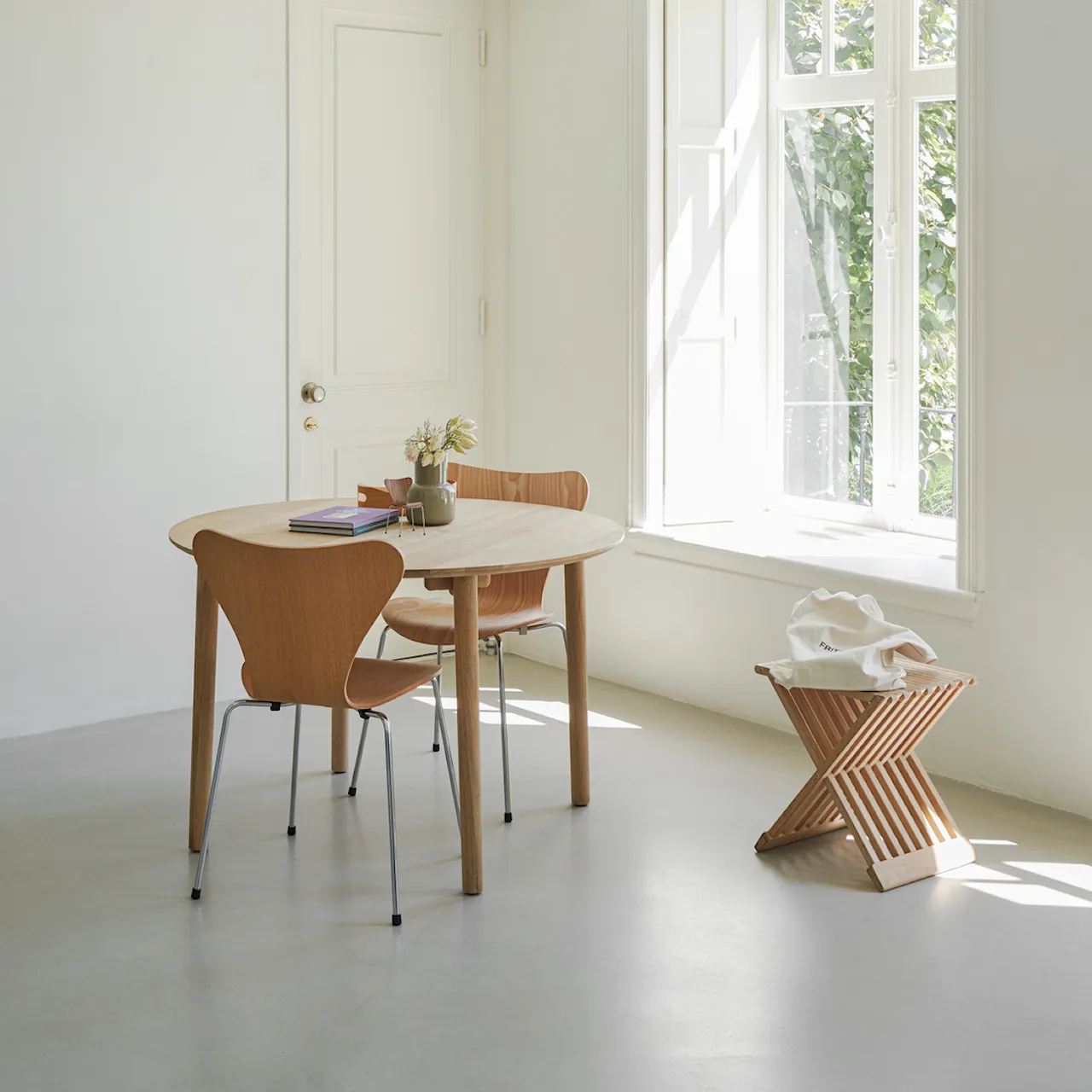
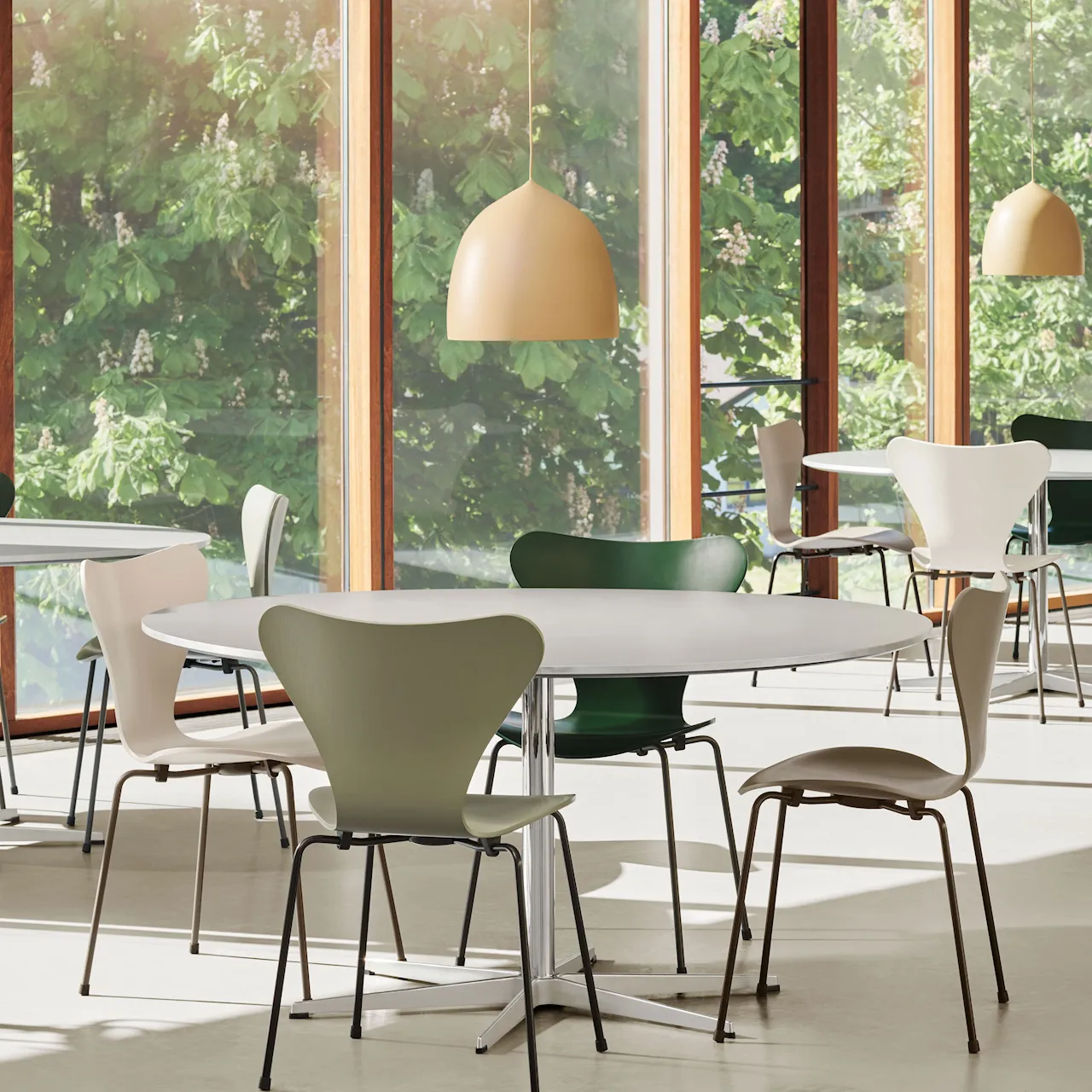
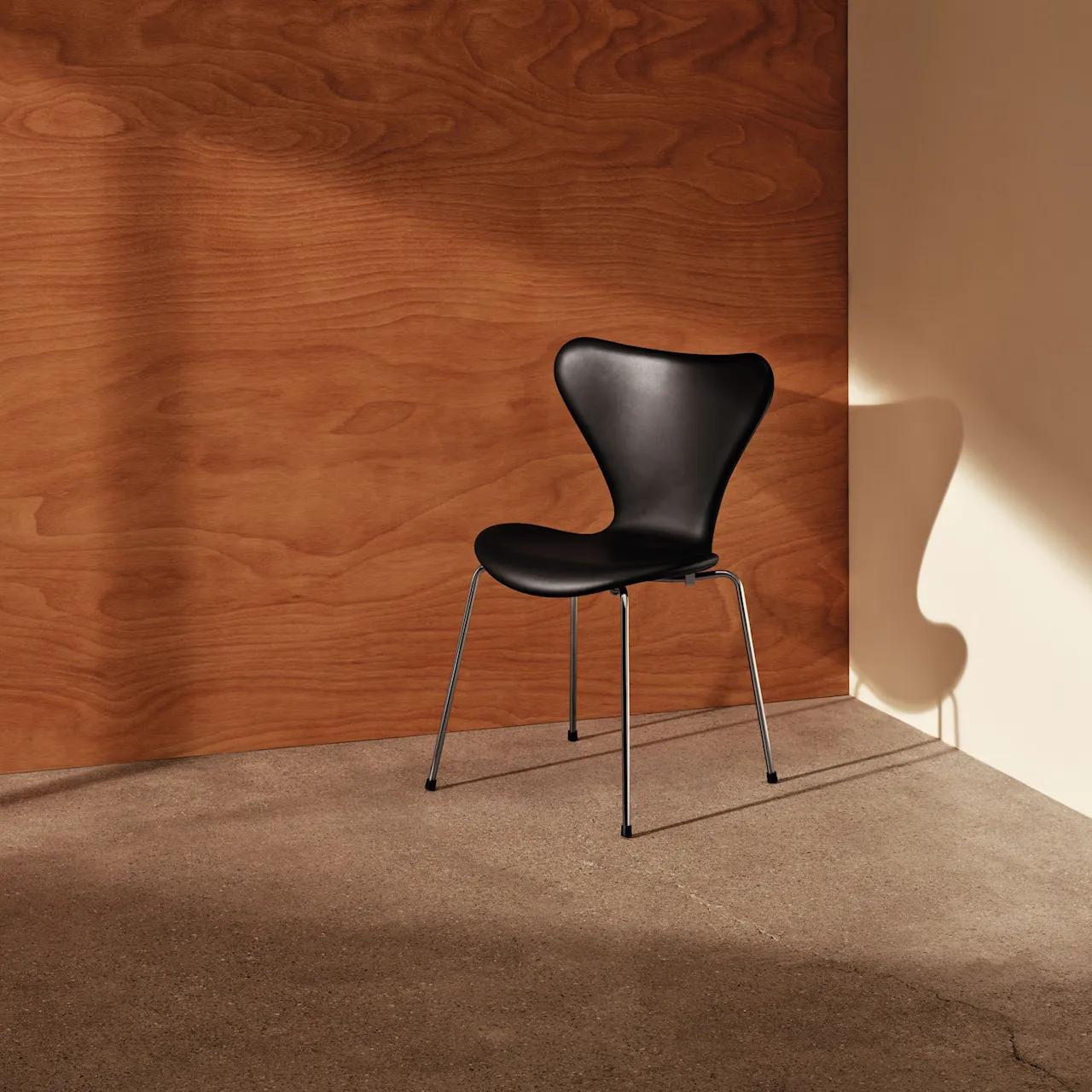
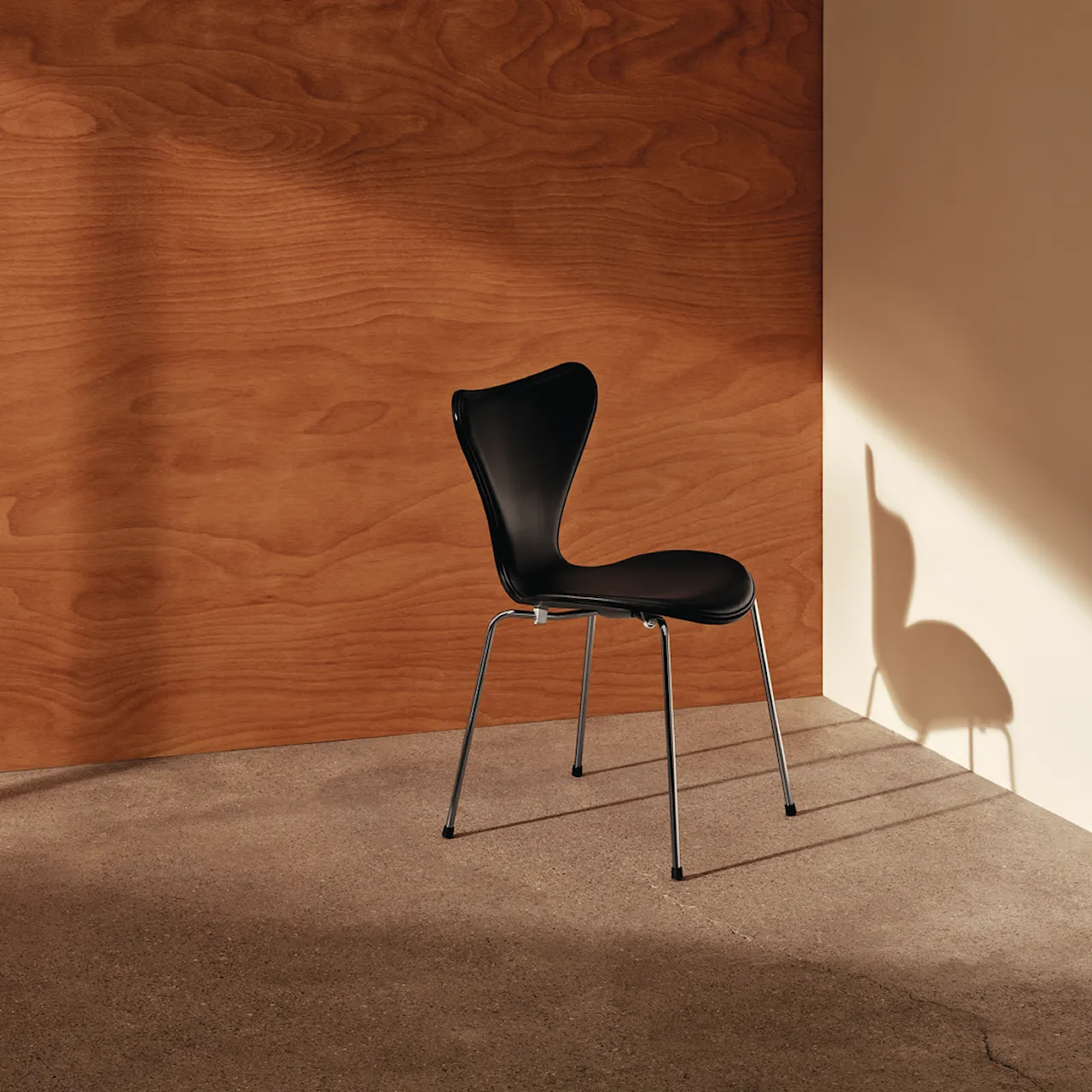
The Series 7 chair, designed by Arne Jacobsen for Fritz Hansen, represents a central part of Danish design. A pressure-moulded chair focusing on function and material quality, adapted for various environments and uses. Since its launch in 1955, the model has been developed in several versions and has become a recurring feature in both private and public settings.
24 products
- Code: SAVENew+ More options
Fritz Hansen
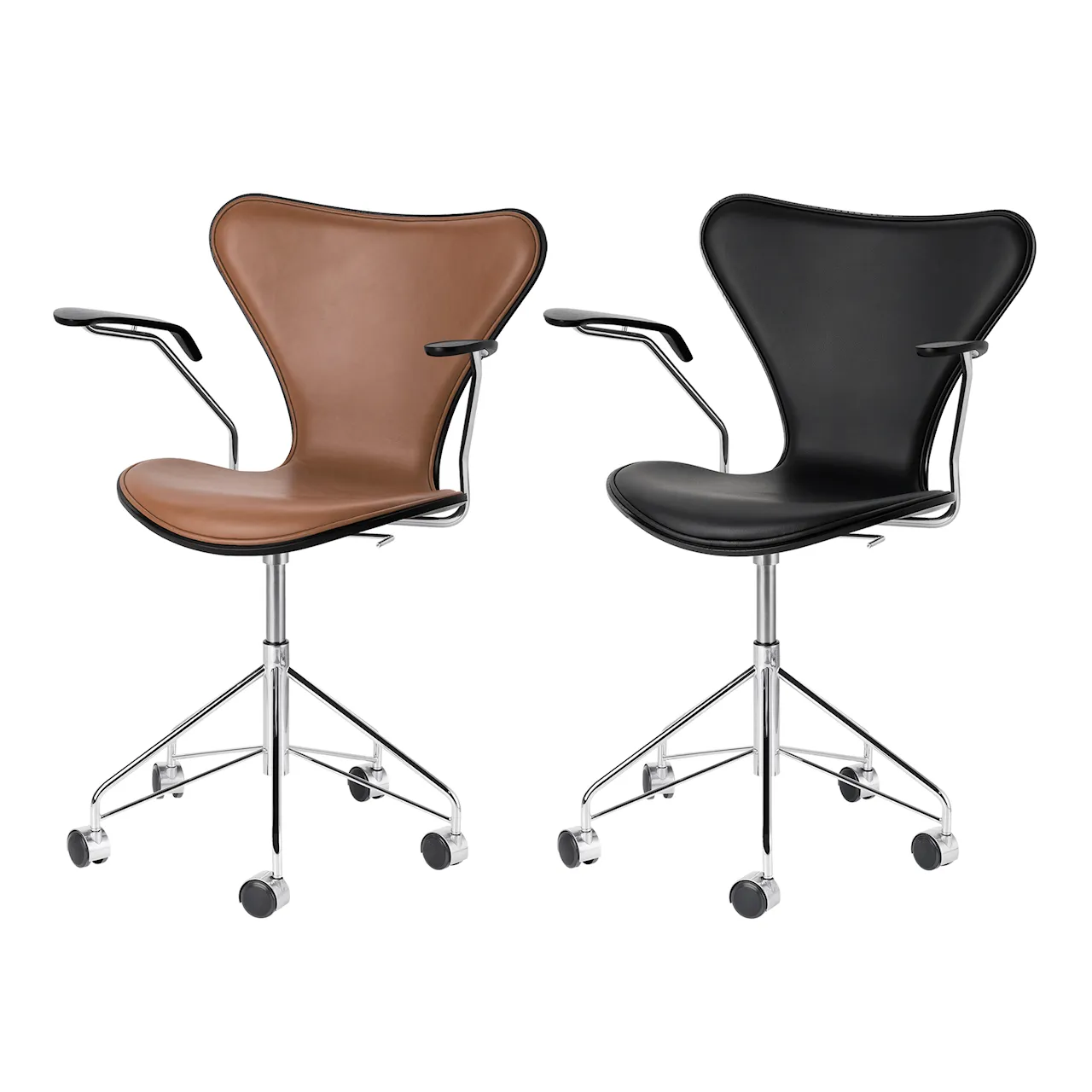
3217 Series 7 Office Chair Full Upholstered
From €1,834
In stock - Code: SAVE+ More options
Fritz Hansen
Series 7 chair 3107 coloured ash veneer
From €469
In stock - Code: SAVE+ More options
Fritz Hansen
Series 7 chair 3107 clear lacquered veneer
From €545
In stock - Code: SAVE+ More options
Fritz Hansen
Series 7 chair 3107 lacquered beech veneer
€488
In stock - Code: SAVE+ More options
Fritz Hansen
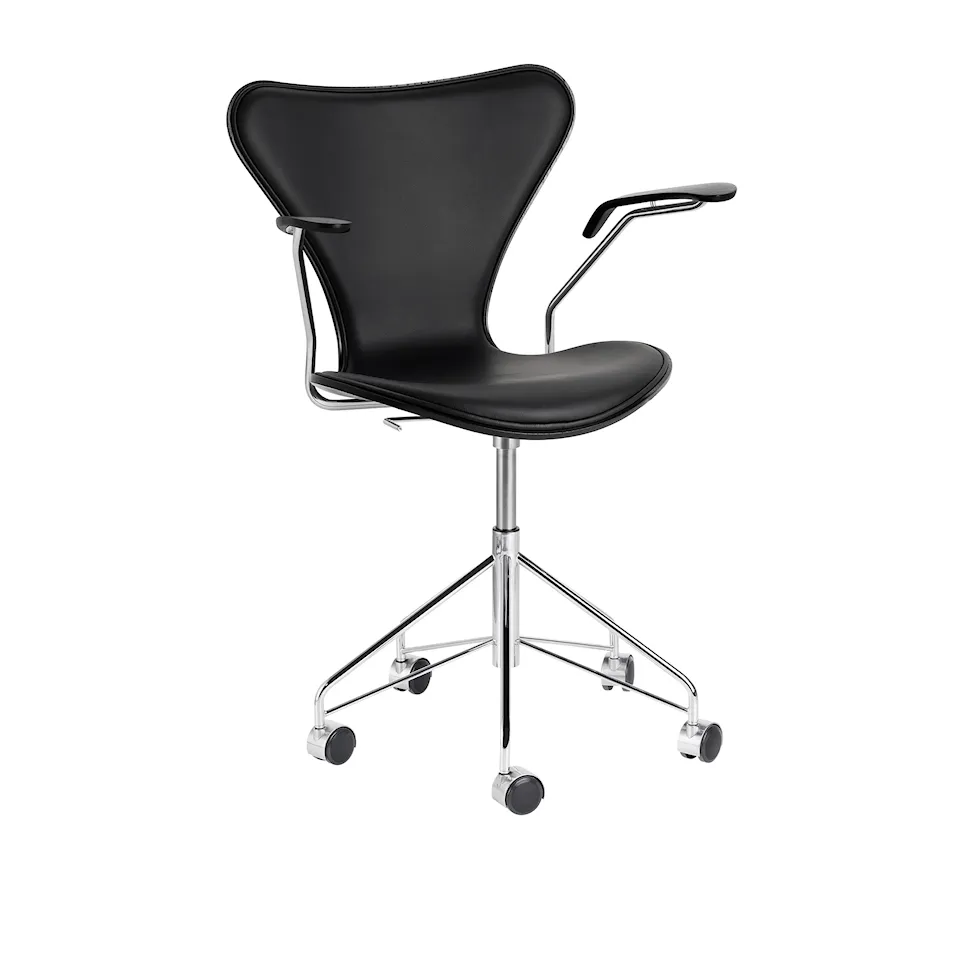
3117 Series 7 Office Chair Fully Upholstered
From €1,598
In stock - Code: SAVE+ More options
Fritz Hansen
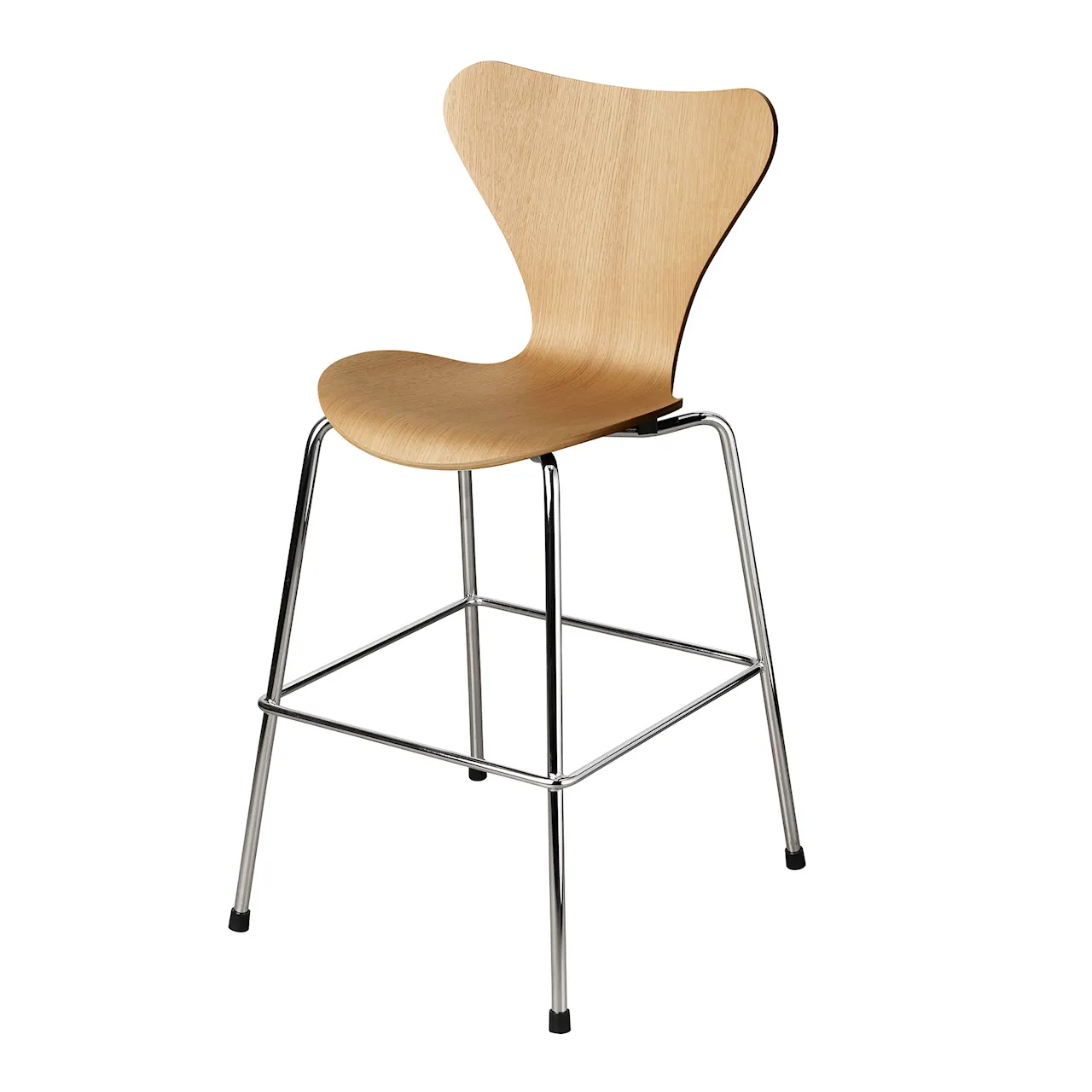
3187 Serie 7 Bar Stool Wood Veneer
From €678
In stock - Code: SAVE+ More options
Fritz Hansen
3197 Serie 7 Bar Stool Full Upholstered
From €1,398
In stock - Code: SAVE+ More options
Fritz Hansen
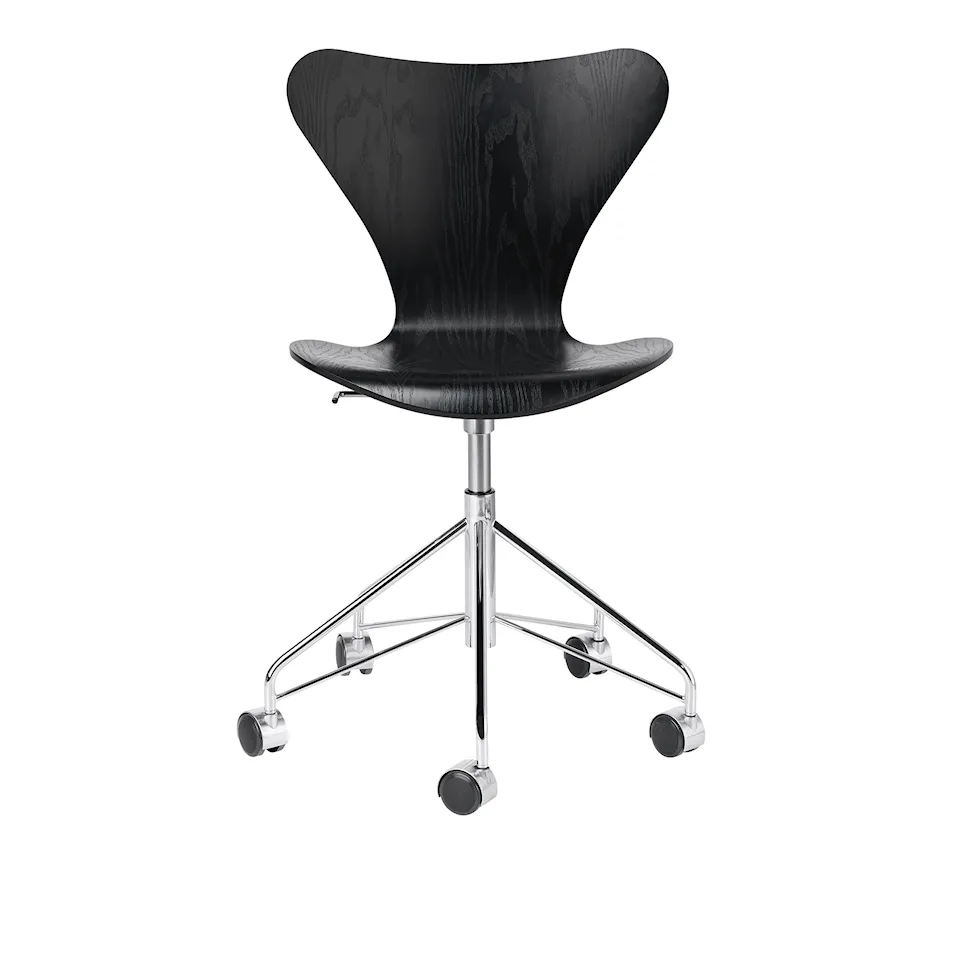
3217 Series 7 Office Chair
From €1,348
In stock - Code: SAVE+ More options
Fritz Hansen
Series 7 chair 3107 fully upholstered
From €1,098
In stock - Code: SAVE+ More options
Fritz Hansen
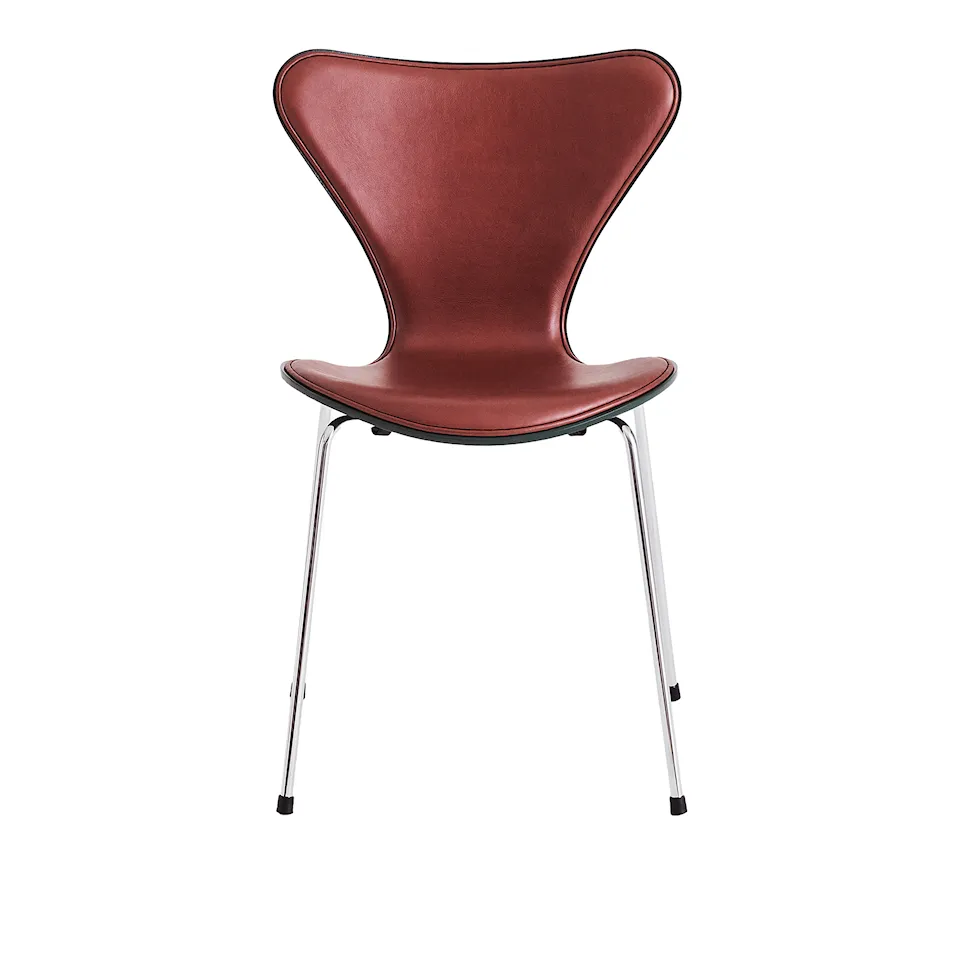
Series 7 chair 3107 front upholstered
From €919
In stock - Code: SAVE
Fritz Hansen
3217 Series 7 Office Chair Front Upholstery
€1,748
In stock - Code: SAVE+ More options
Fritz Hansen
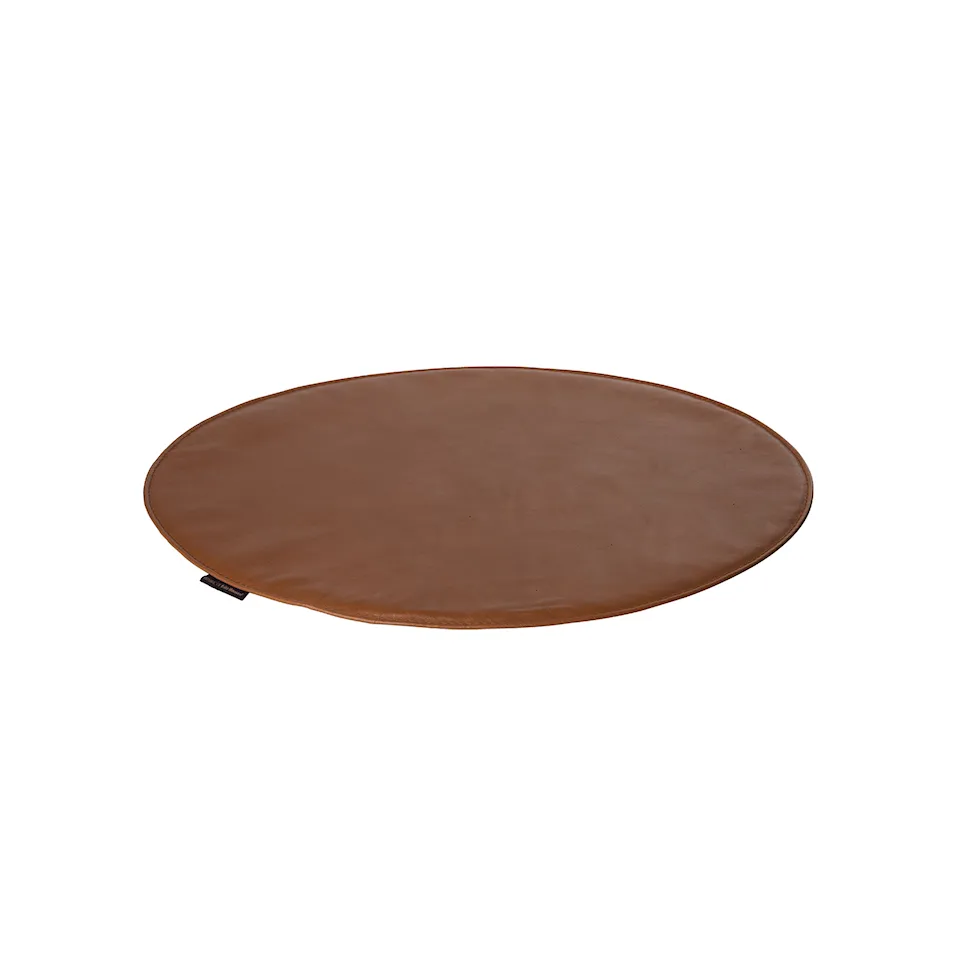
Serie 7 Seat Cushion
From €79
In stock - Code: SAVE+ More options
Fritz Hansen
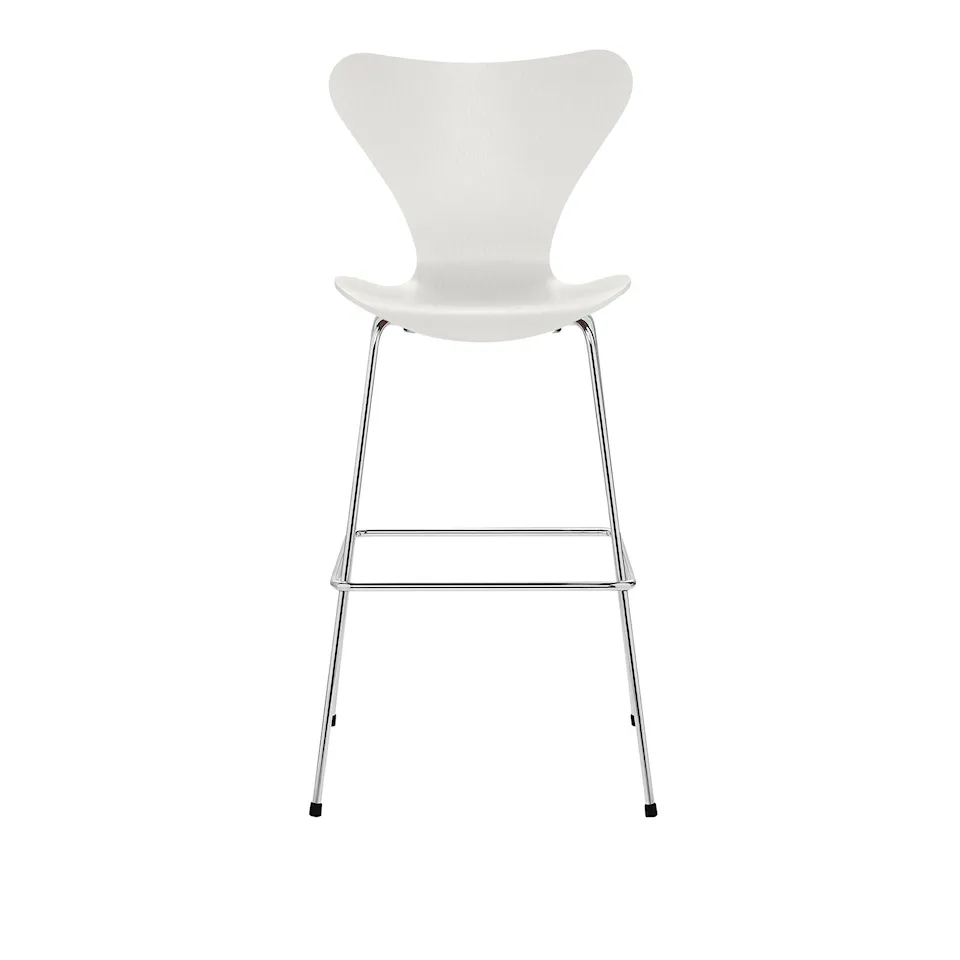
Series 7 High Kid Chair
€369
In stock - NO GA Exclusive
Fritz Hansen
Series 7 Exclusive Edition Evergreen
€749€1,200
In stock - Code: SAVE+ More options
Fritz Hansen
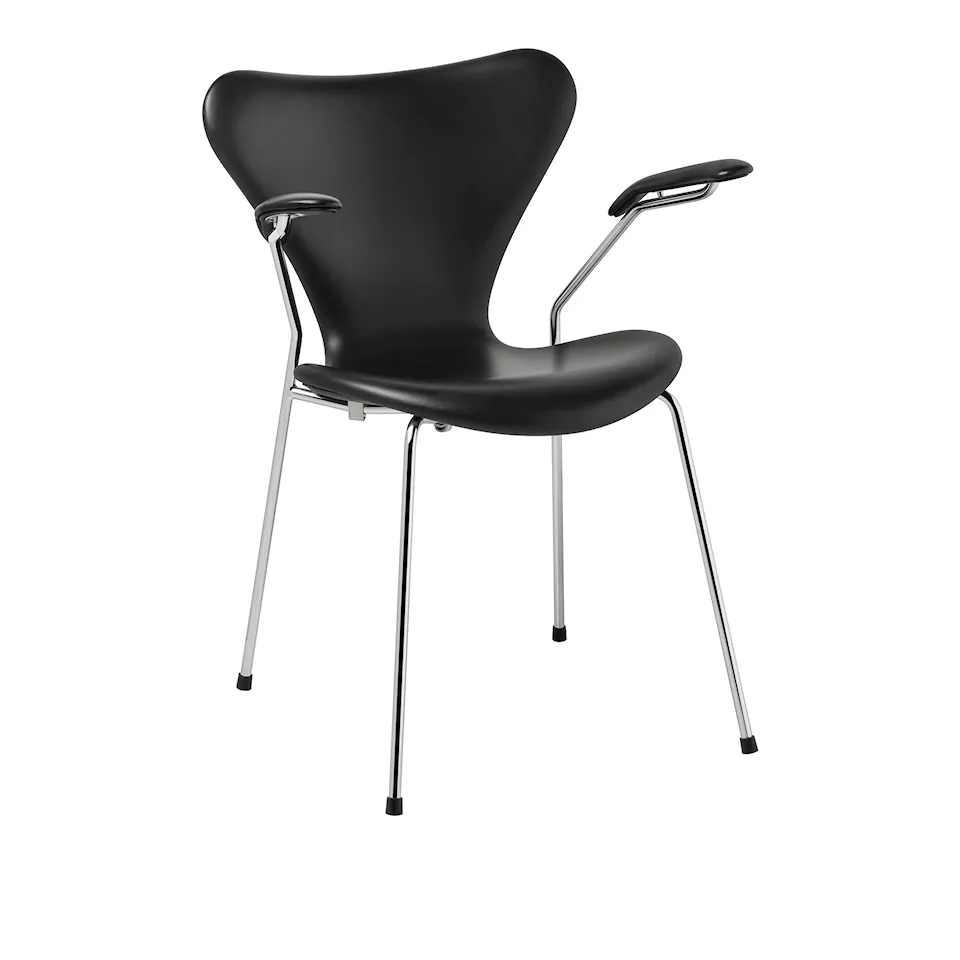
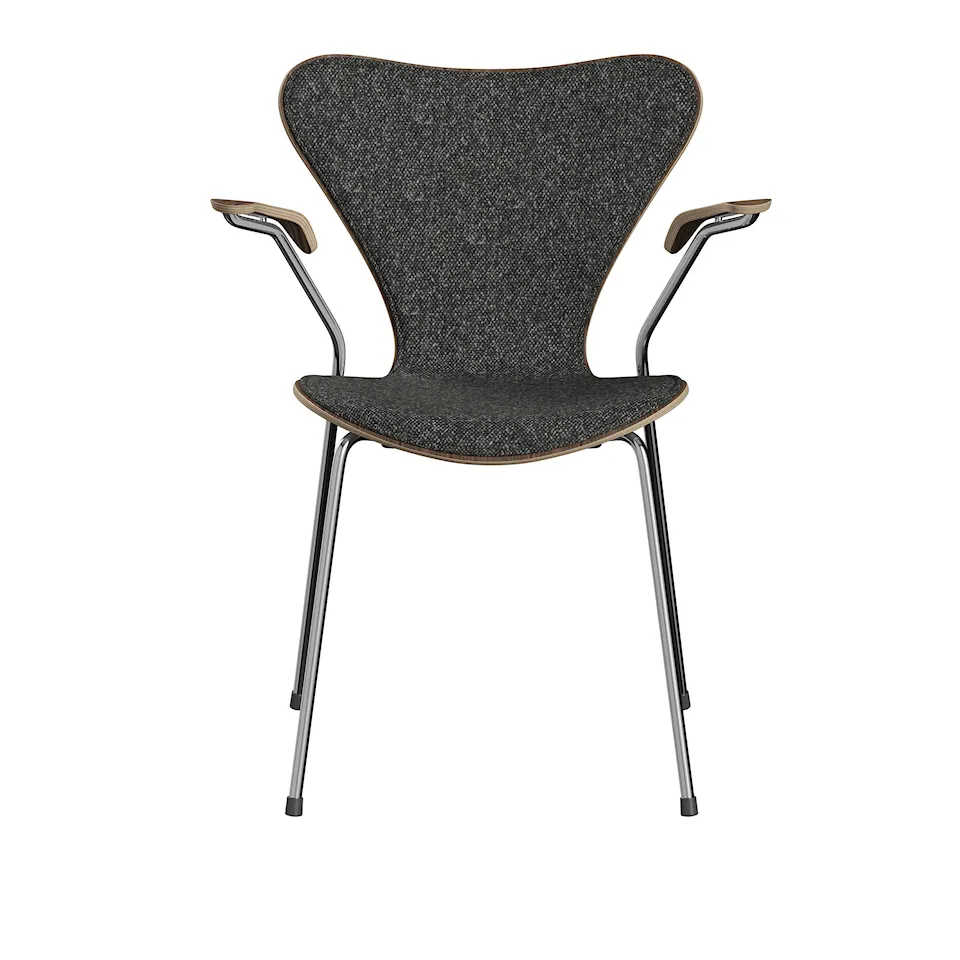
3207 Series 7 Armchair
From €798
- Code: SAVE+ More options
Fritz Hansen
3187 Series 7 Bar Stool Full Upholstered
From €1,398
- Code: SAVE+ More options
Fritz Hansen
3117 Series 7 Office Chair
From €1,048
- Code: SAVE+ More options
Fritz Hansen
3207 Series 7 Armchair Full Upholstered
From €1,298
- Code: SAVE
Fritz Hansen
3217 Series 7 Office Chair Full Upholstered Black Special Edition
€1,948
- Code: SAVE
Fritz Hansen
3117 Series 7 Office Chair Front Upholstered
€1,548
- Code: SAVE+ More options
Fritz Hansen
3207 Series 7 Armchair Anniversary Collection
From €1,298
- Code: SAVE+ More options
Fritz Hansen
Series 7 chair 3107 Panton 100
€488
- Code: SAVE+ More options
Fritz Hansen
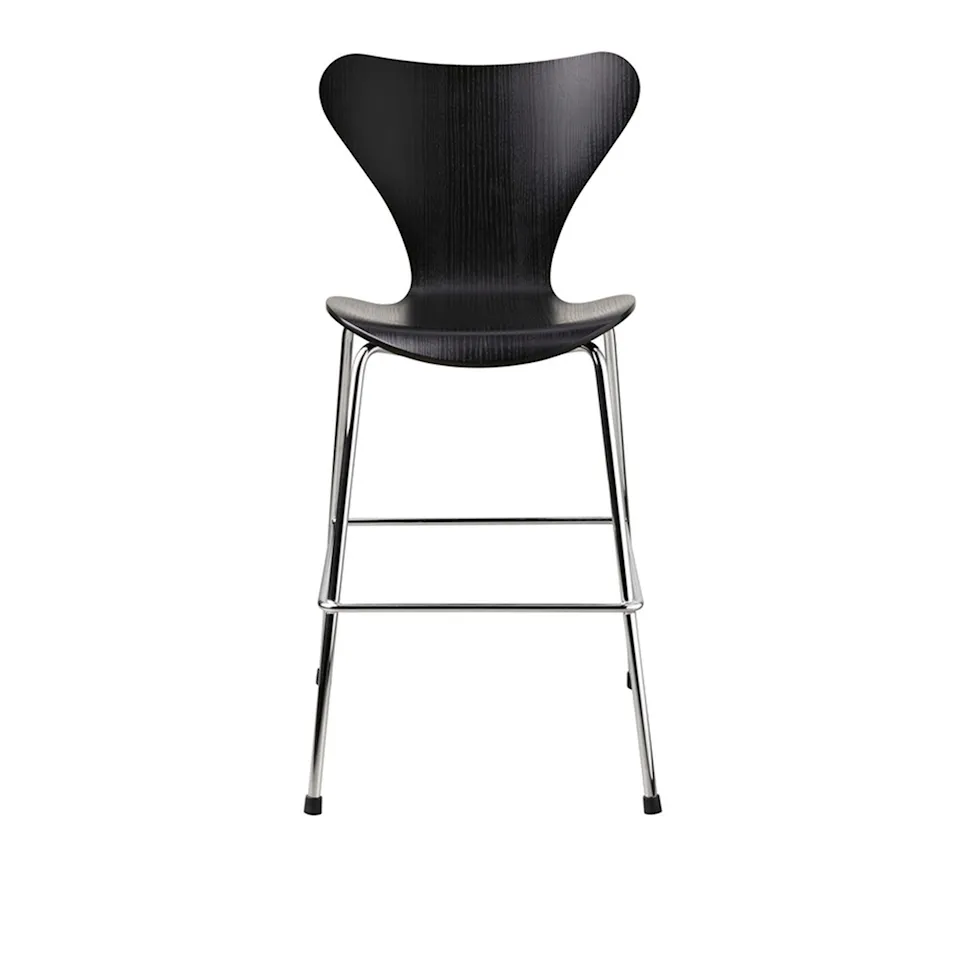
3197 Serie 7 Bar Stool
From €678
- Code: SAVE
Fritz Hansen
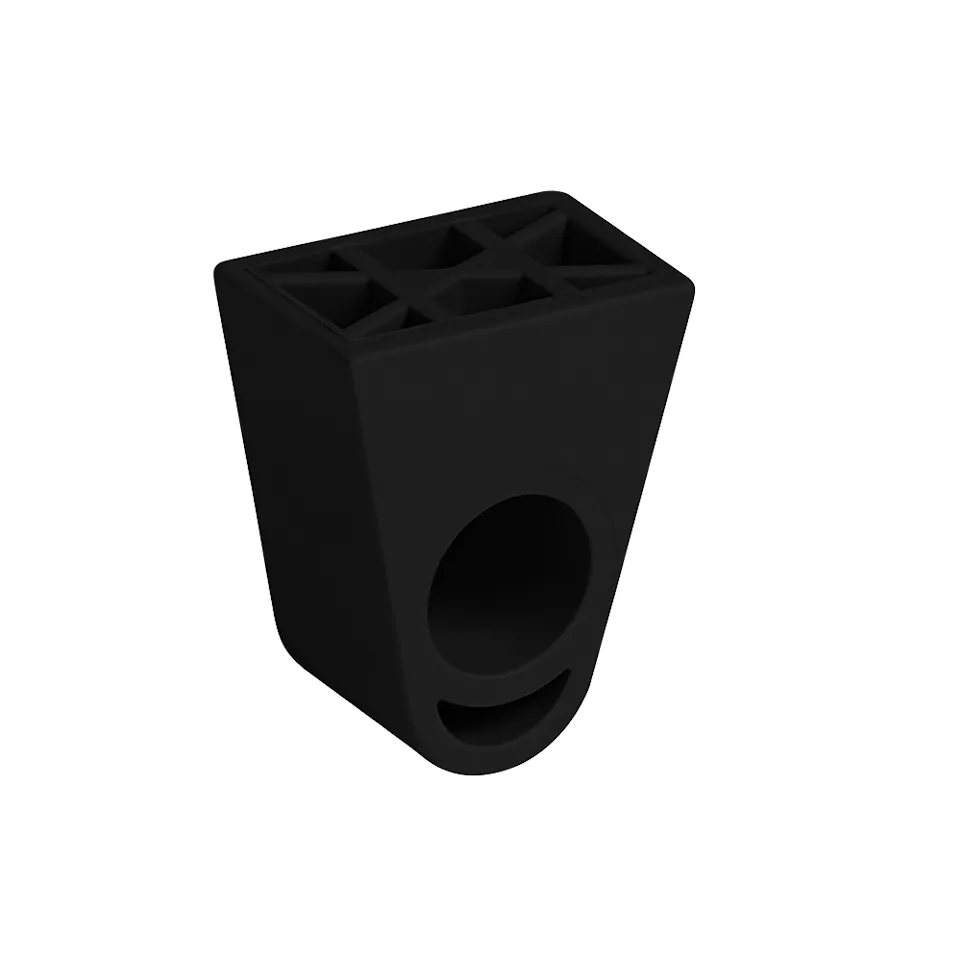
Spacer for Series 7 and Ant
€4
Series 7 – origin and background
The brand was founded in 1855 by master cabinetmaker Fritz Hansen in Denmark, and has established itself as a leading manufacturer of design furniture. The company is known for its commitment to craftsmanship and design, which through their collaboration with prominent architects has resulted in several significant works. The Series 7 was introduced in 1955 and is a further development of Jacobsen's the Ant.
Construction and variants
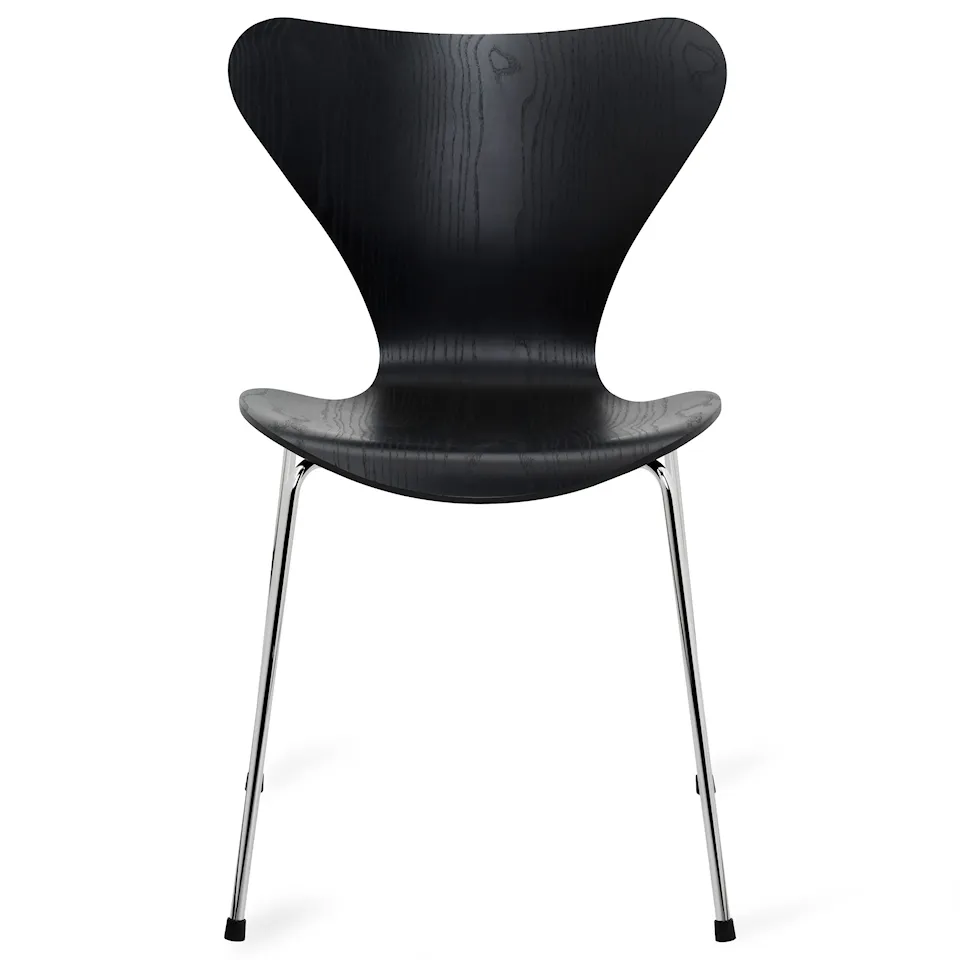
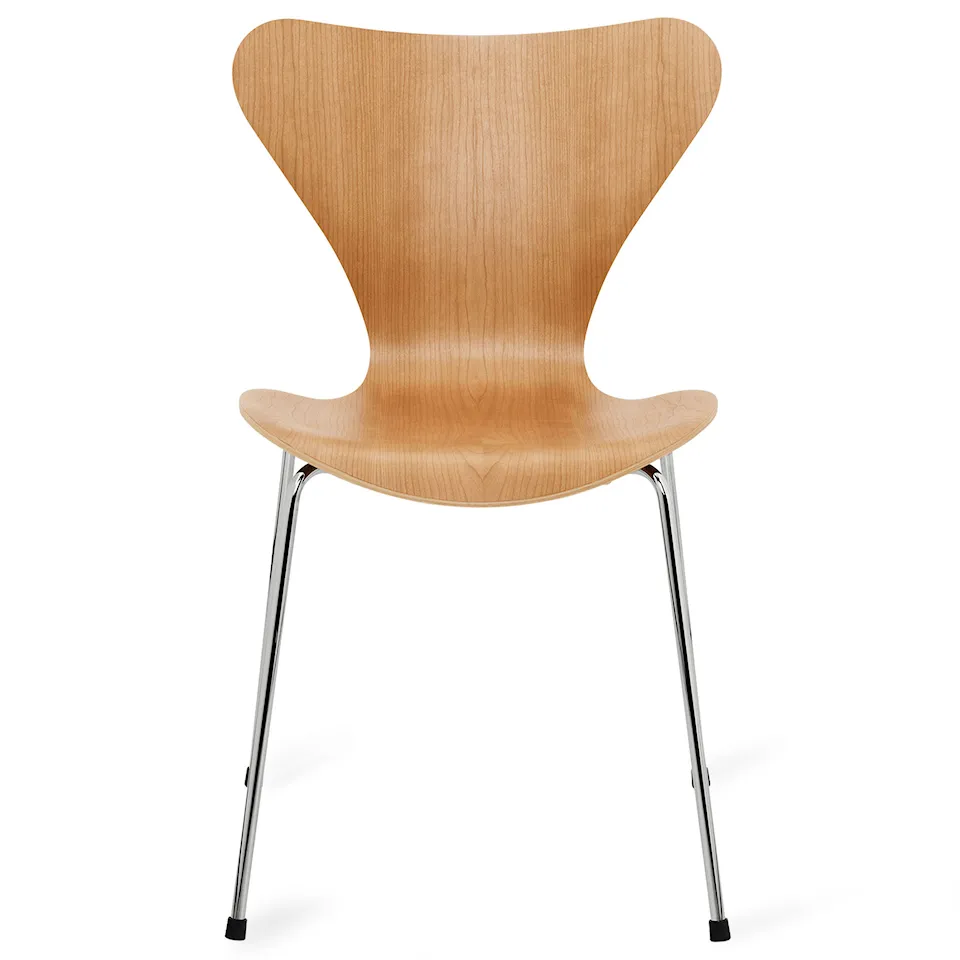
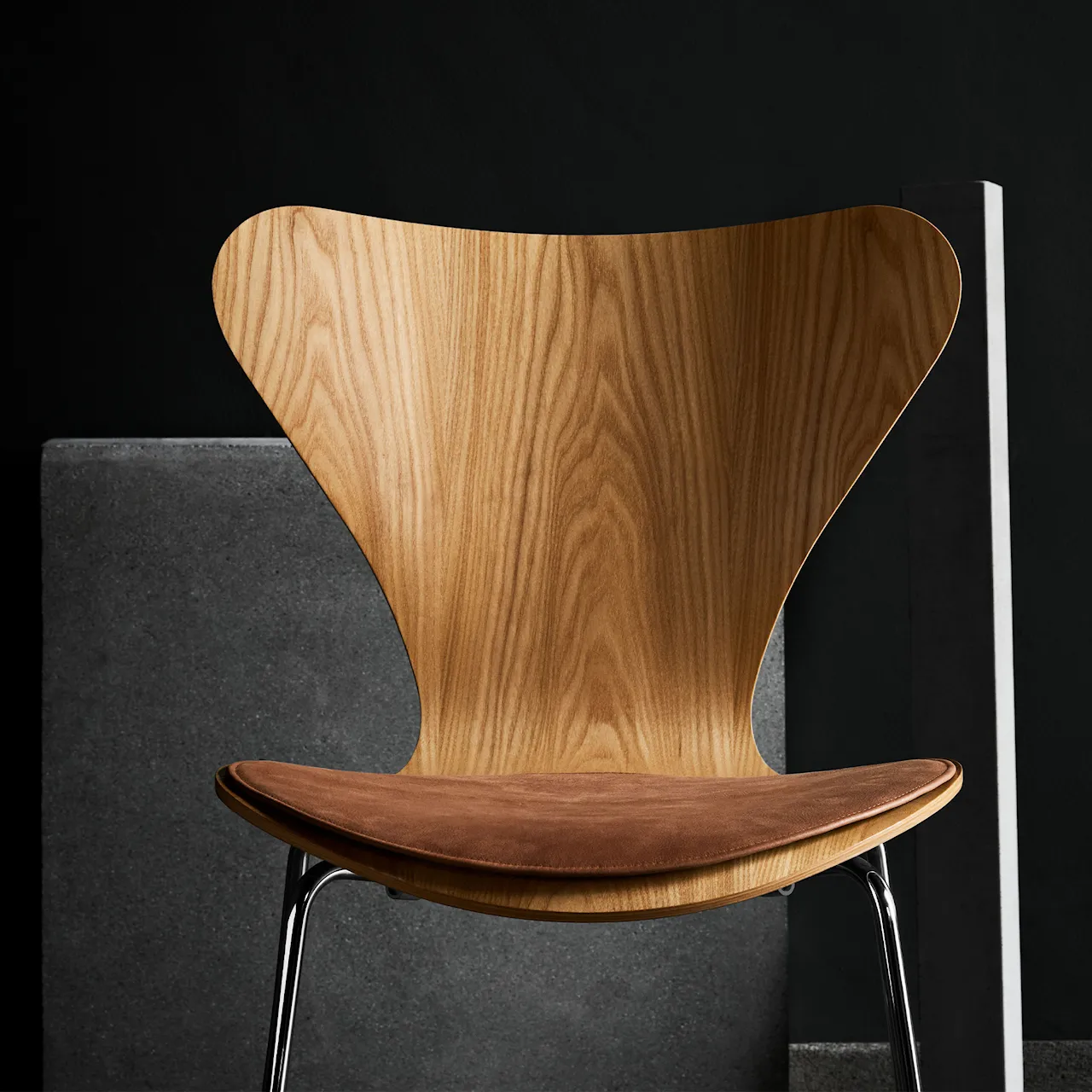
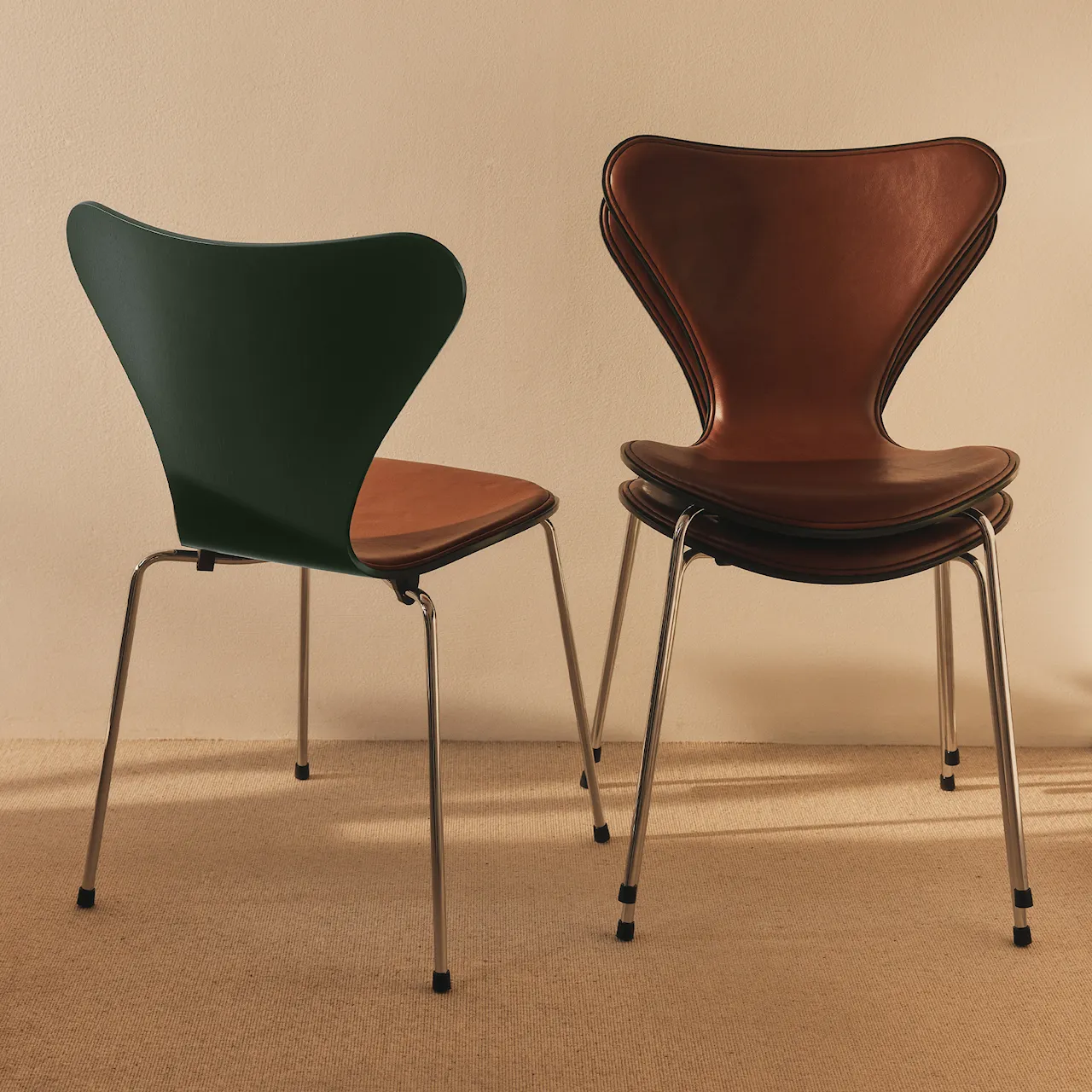
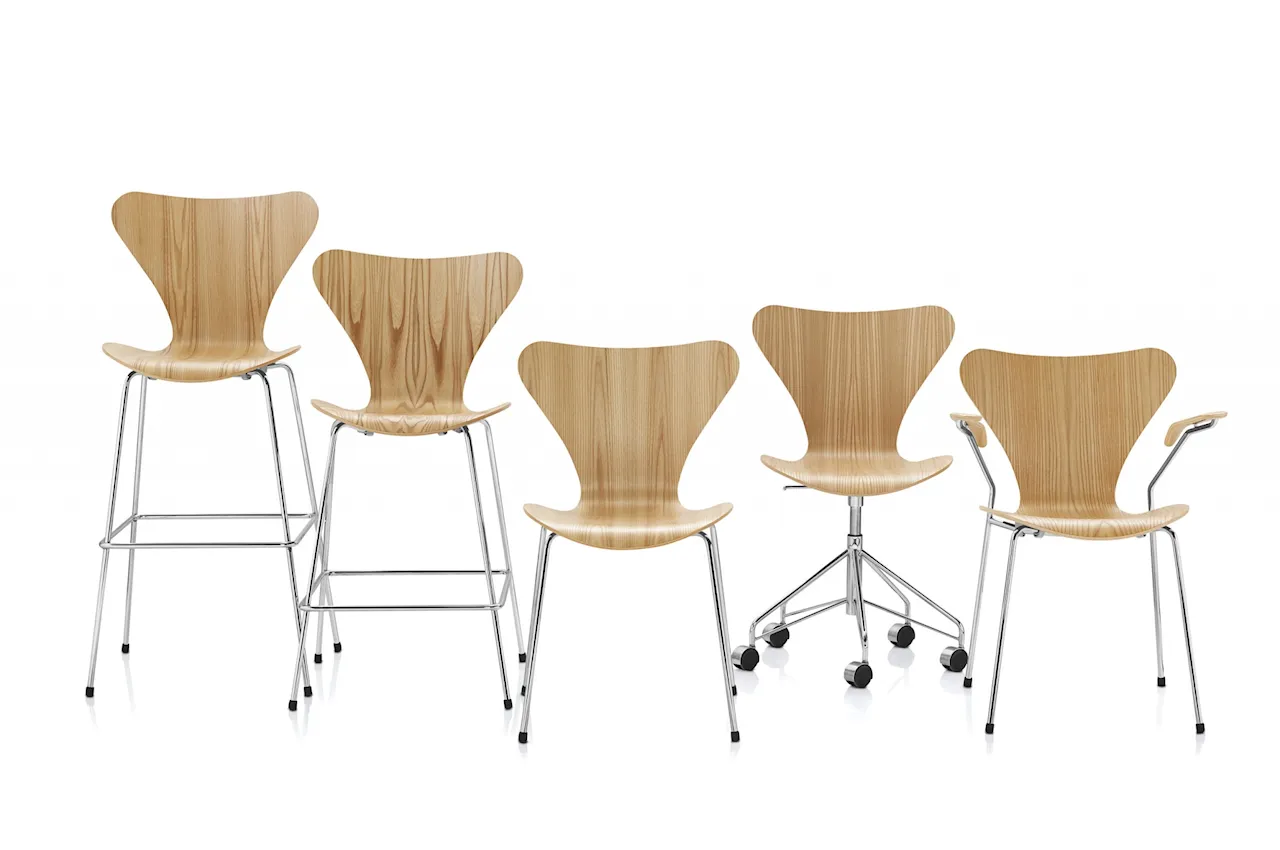
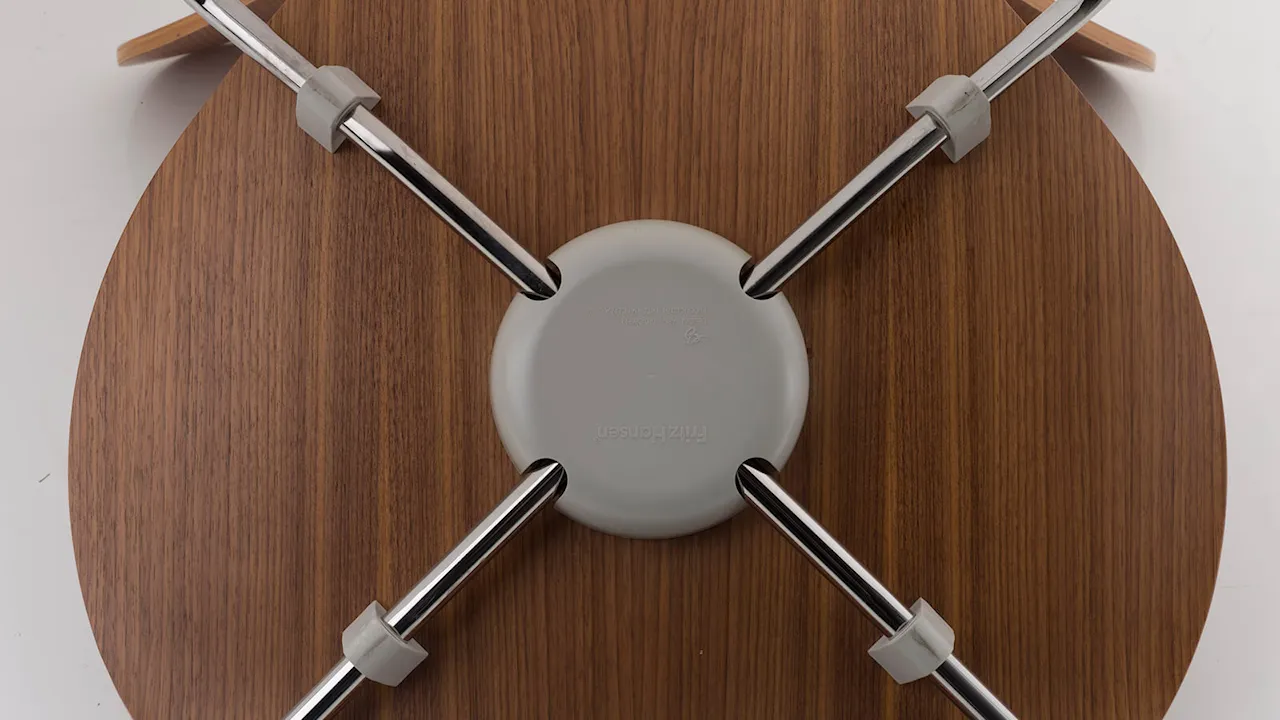
The seat and back are created in a continuous, pressure-moulded piece. The shell consists of nine layers of veneer layered with two layers of Indian cotton and pressed into shape over steam. This construction gives the chair its characteristic flexibility, contributing to comfort during prolonged sitting. The chair's construction allows for stacking, which facilitates storage and handling.
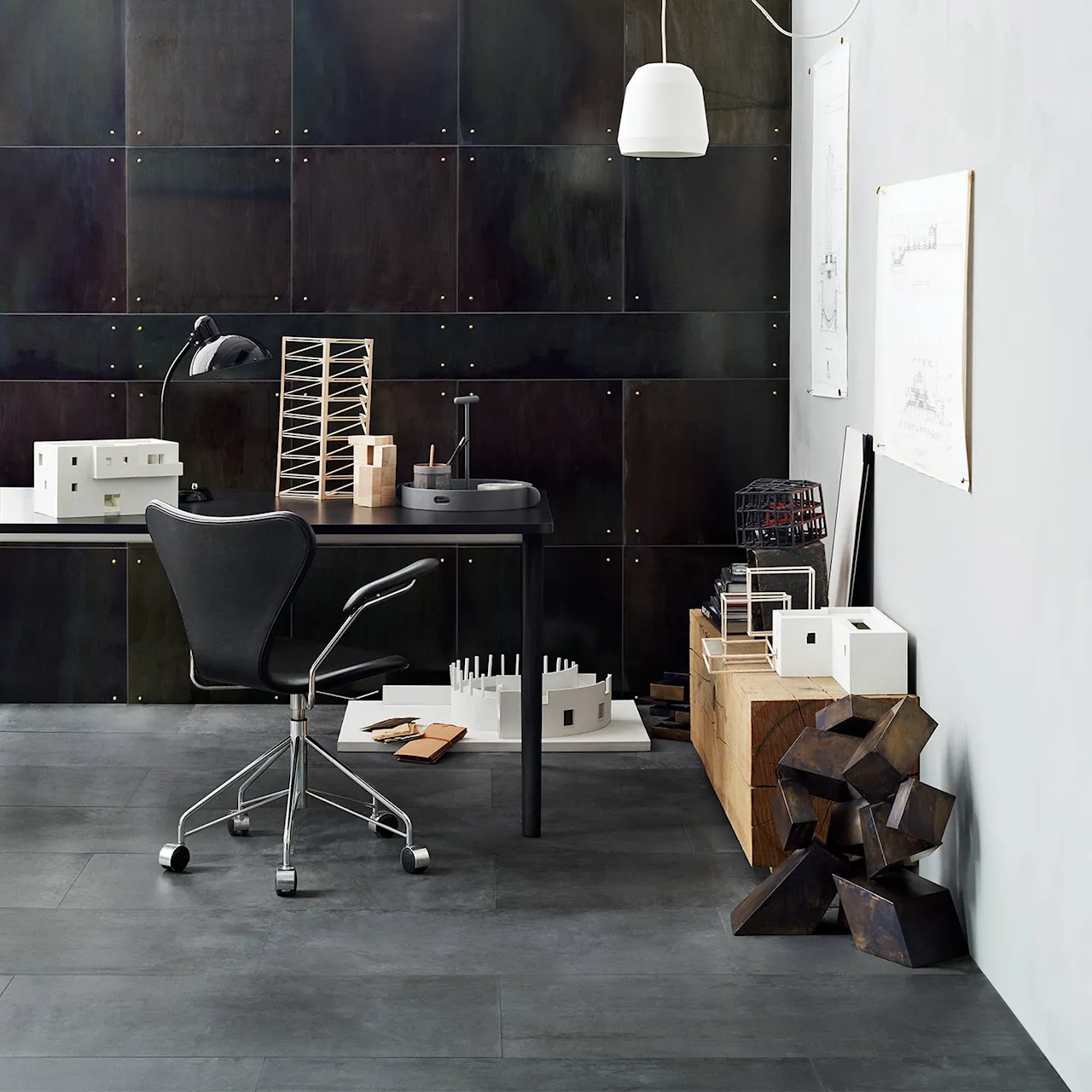
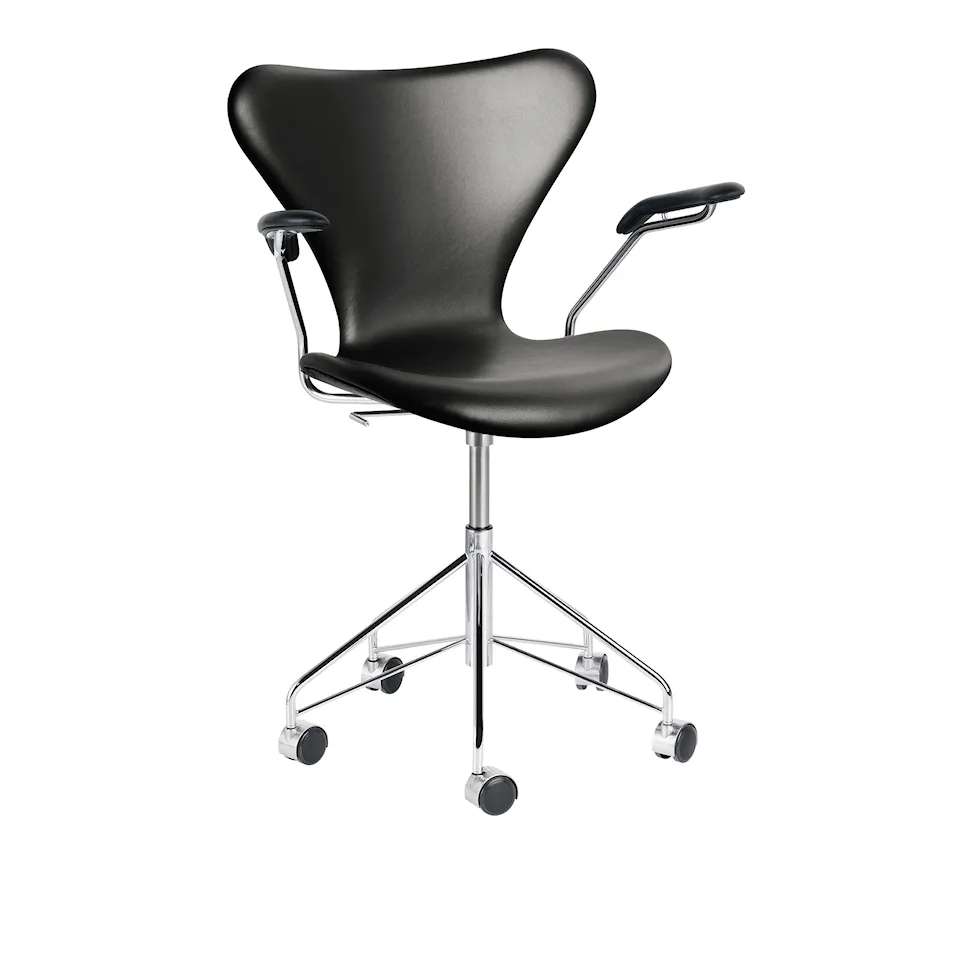
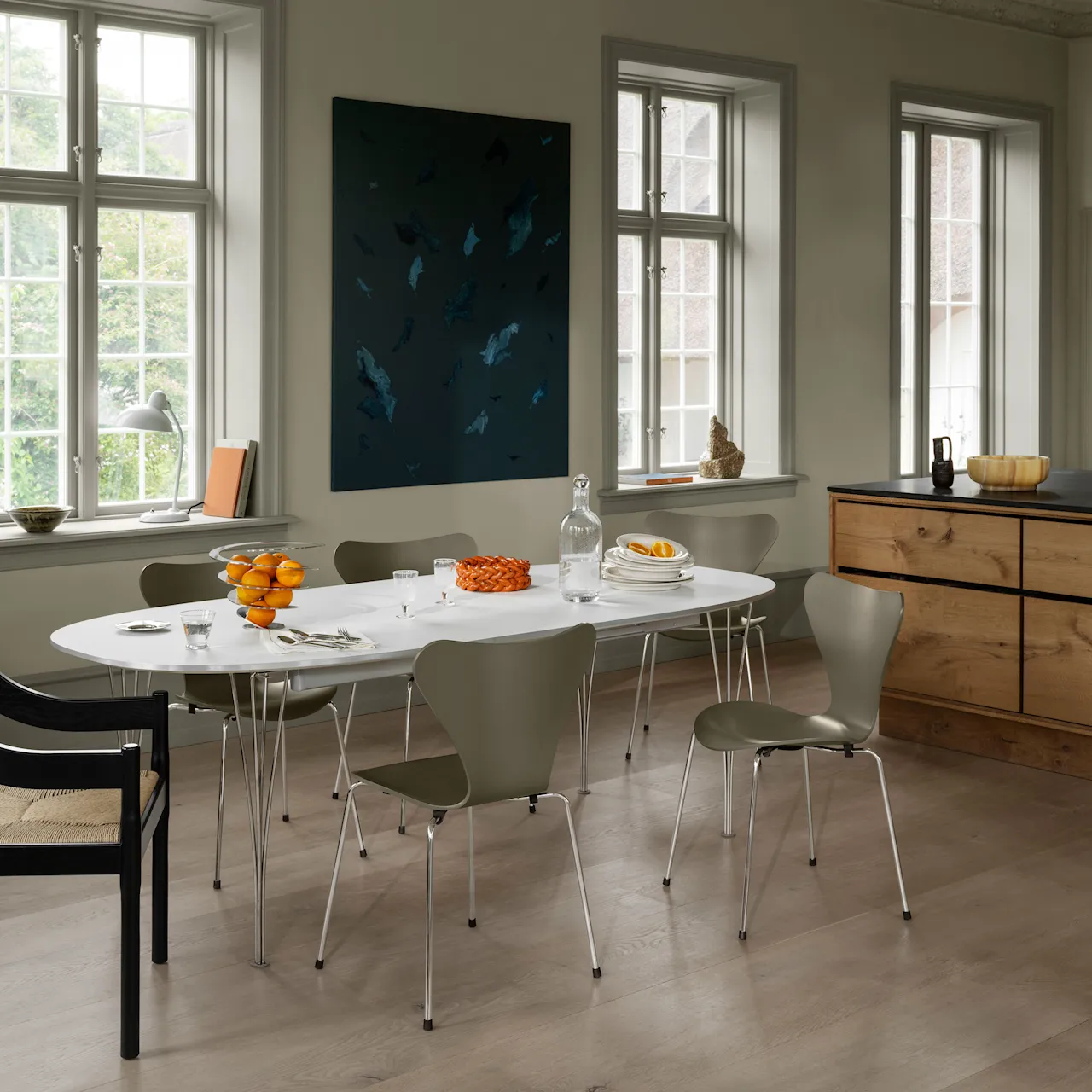
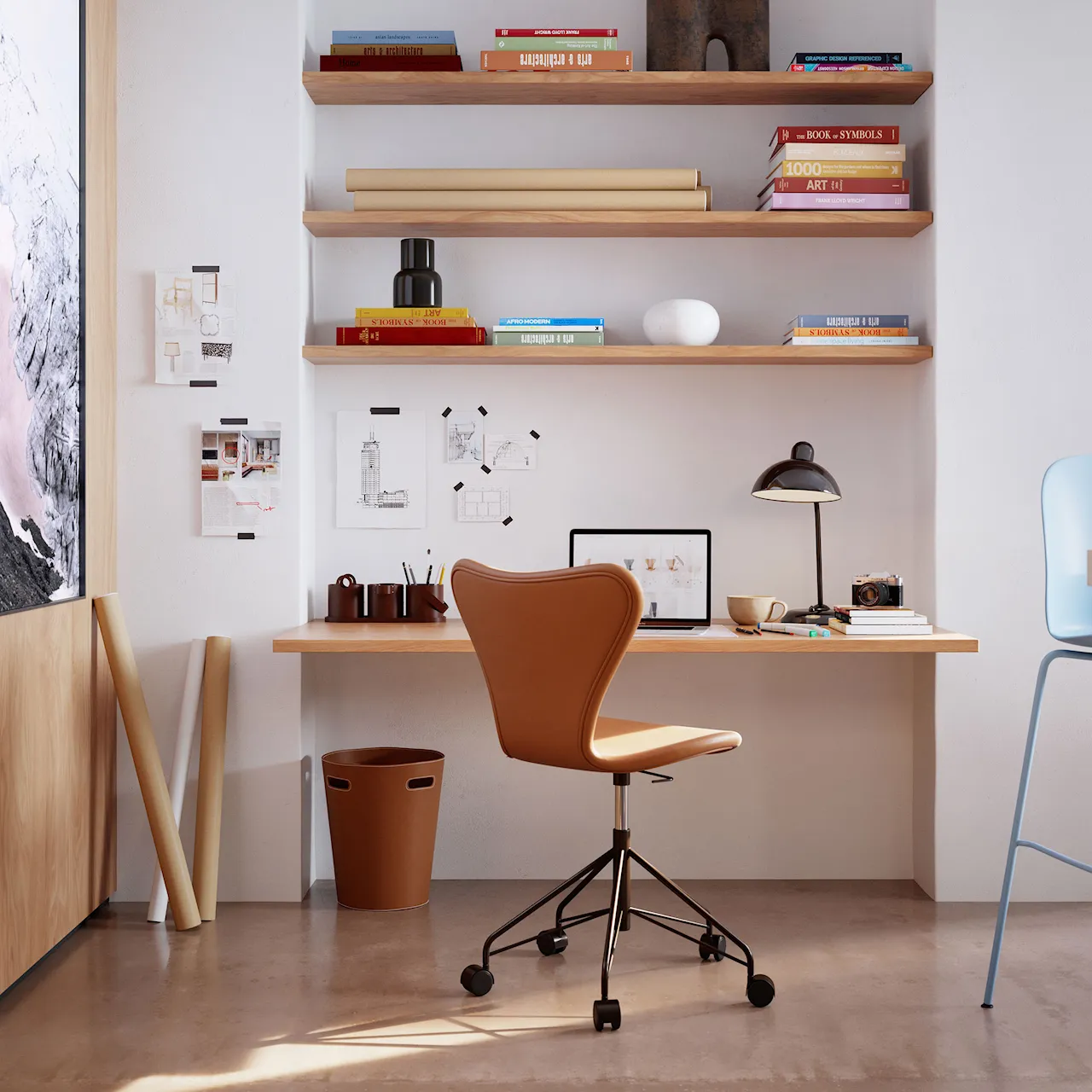
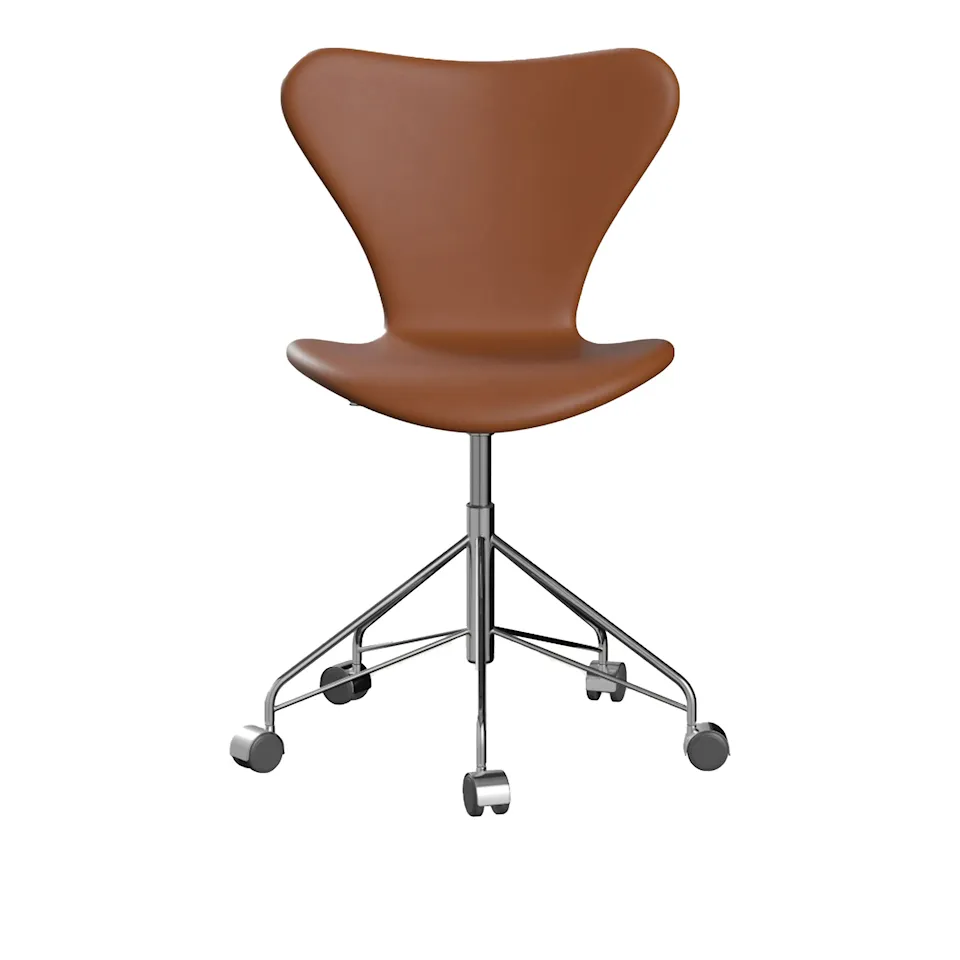
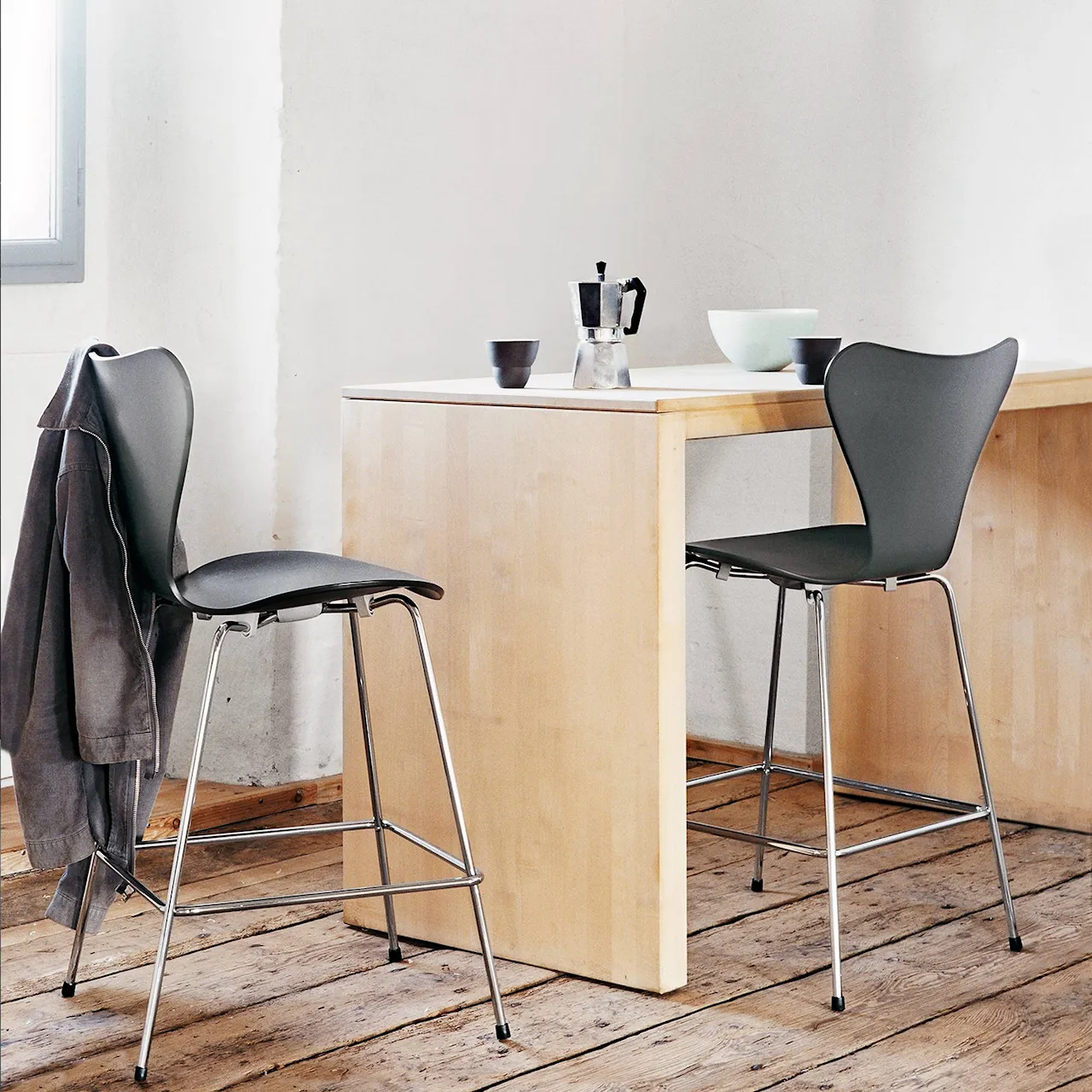
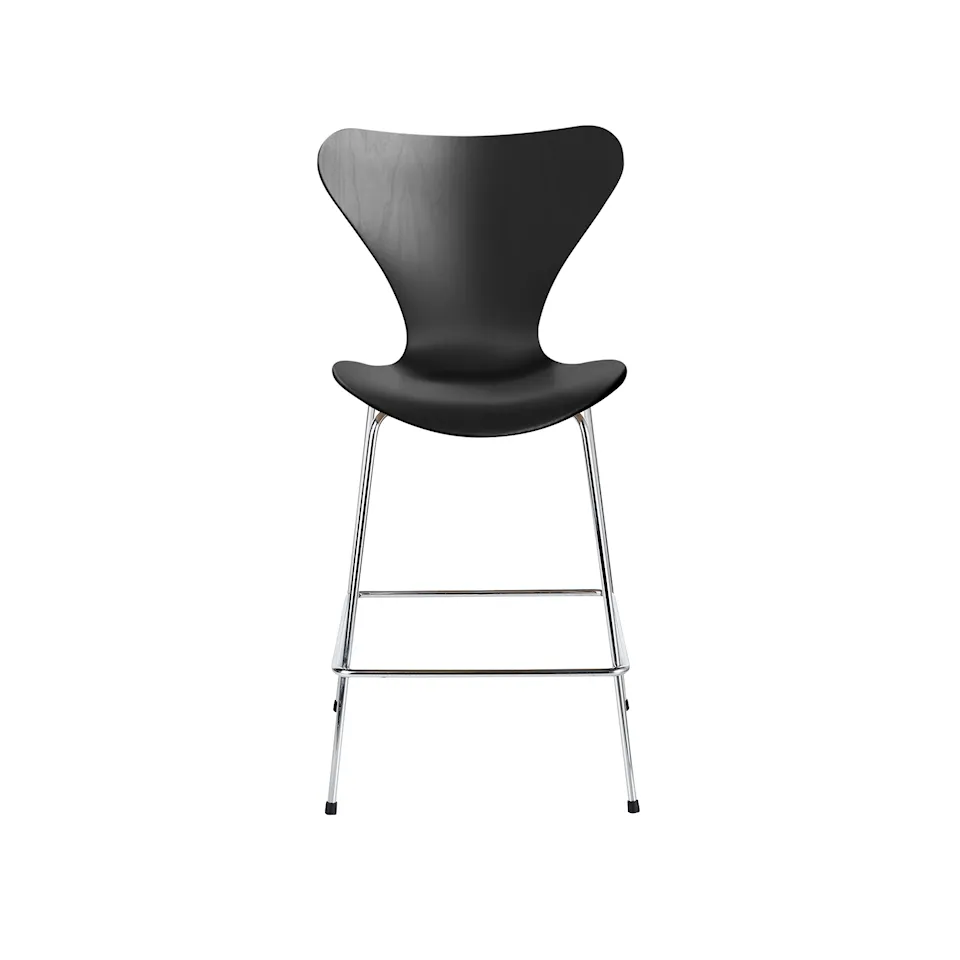
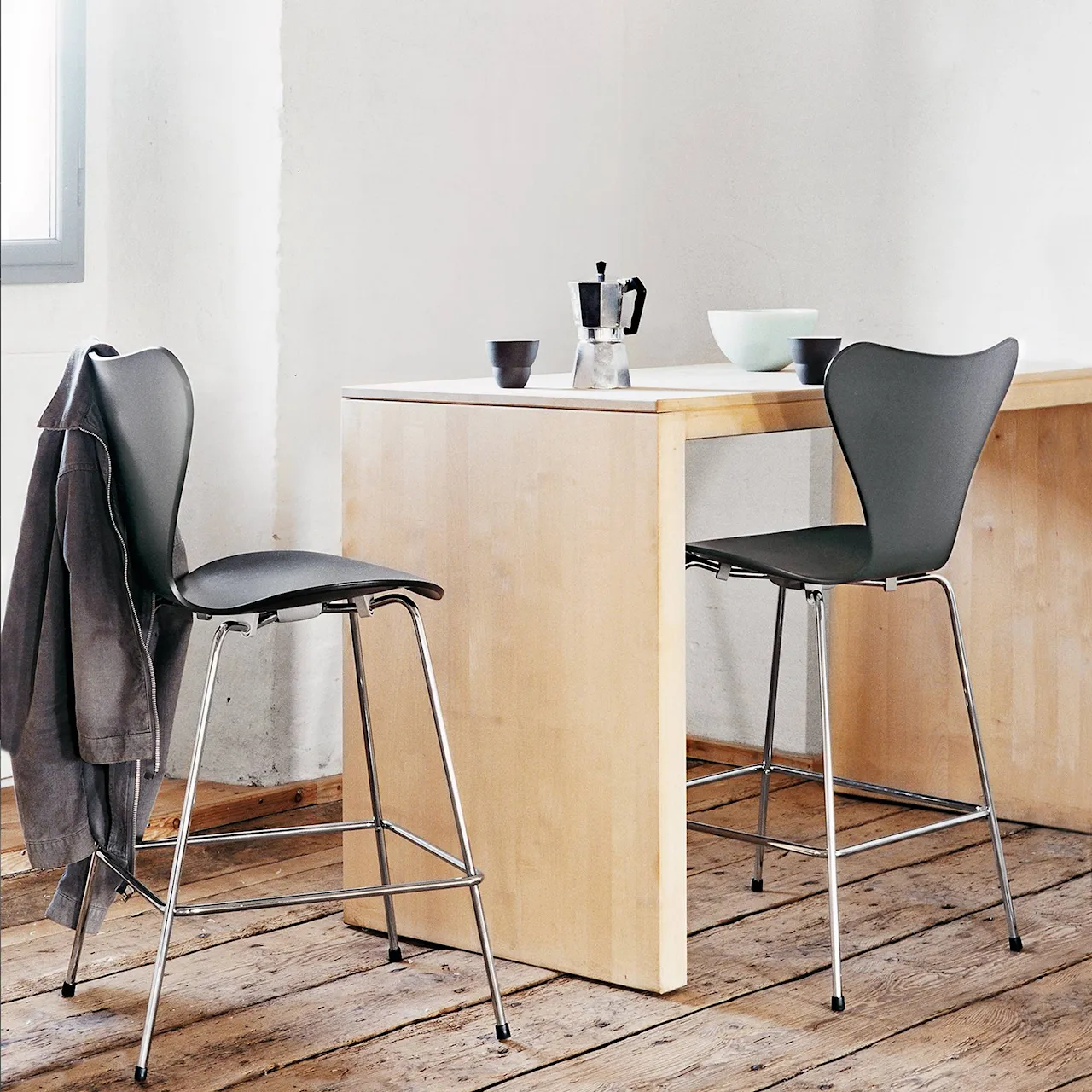
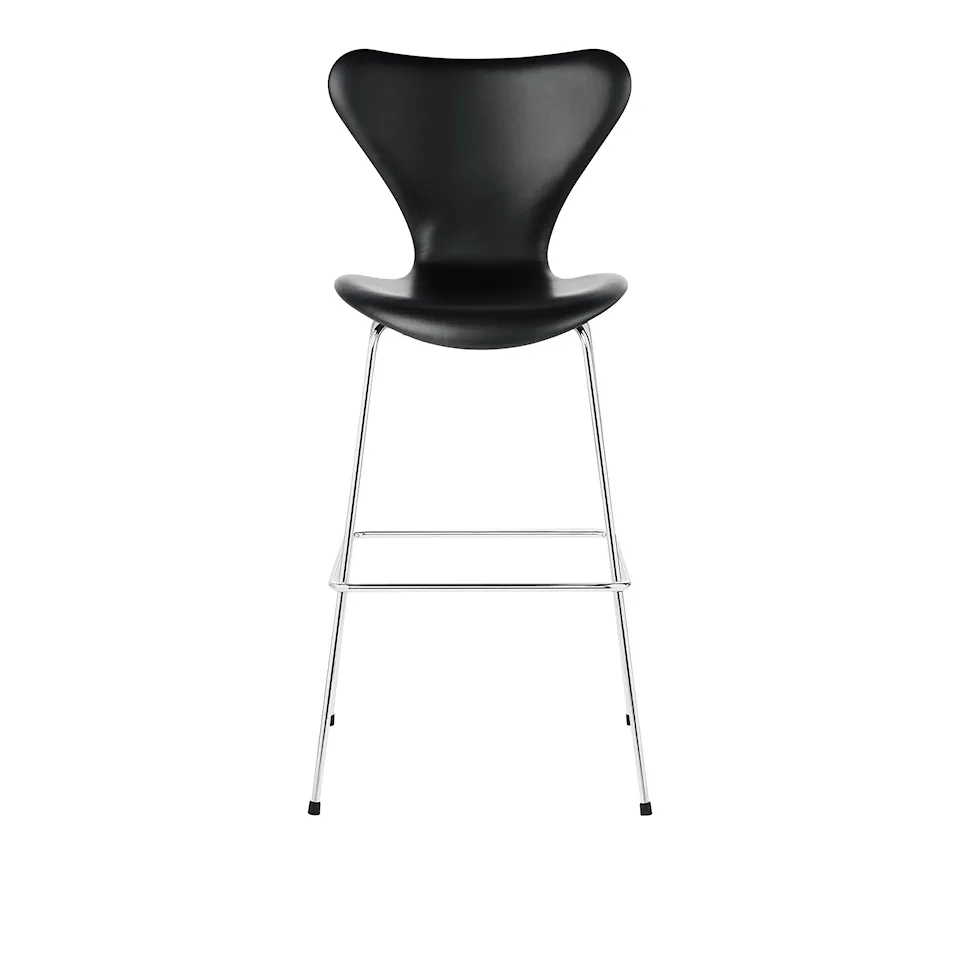
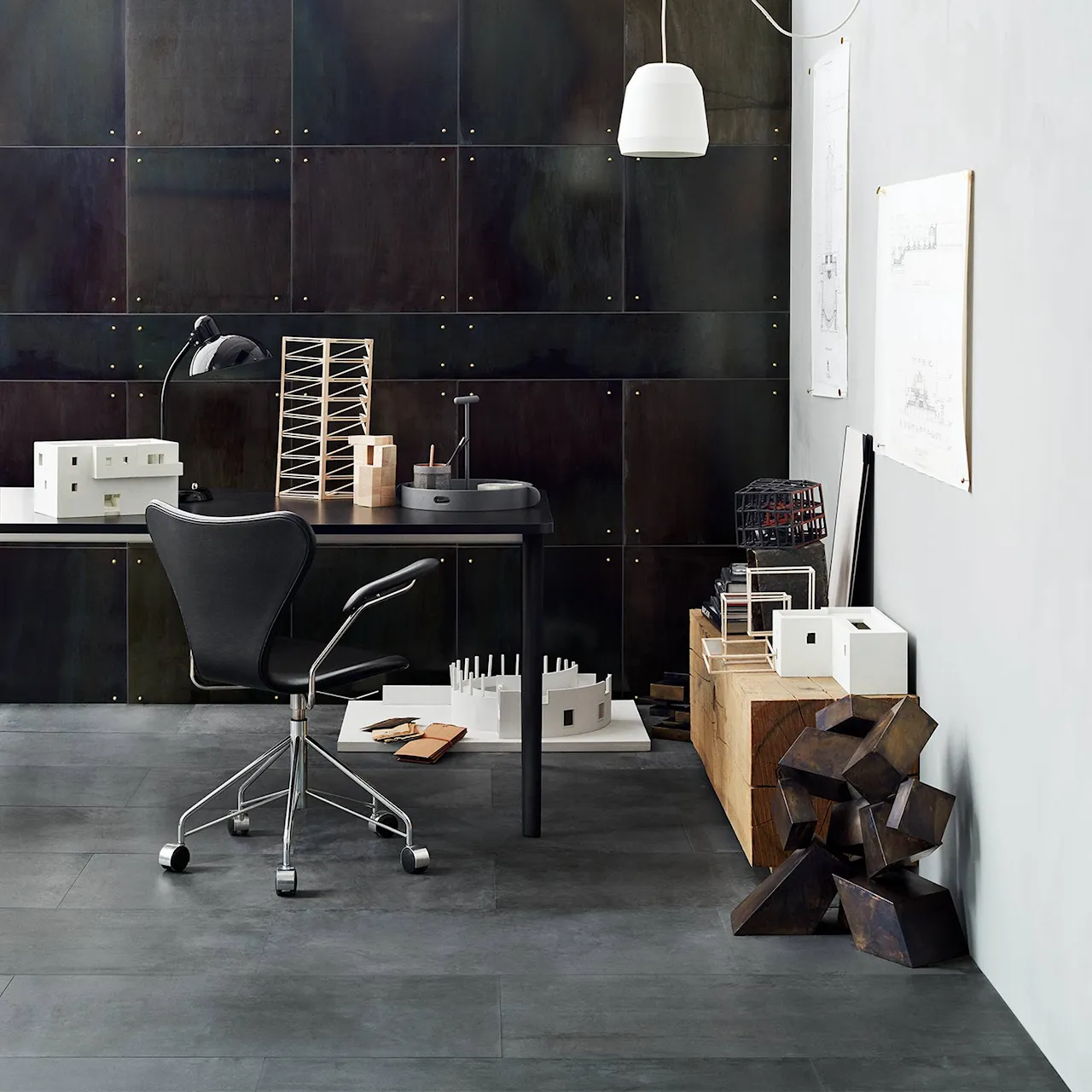
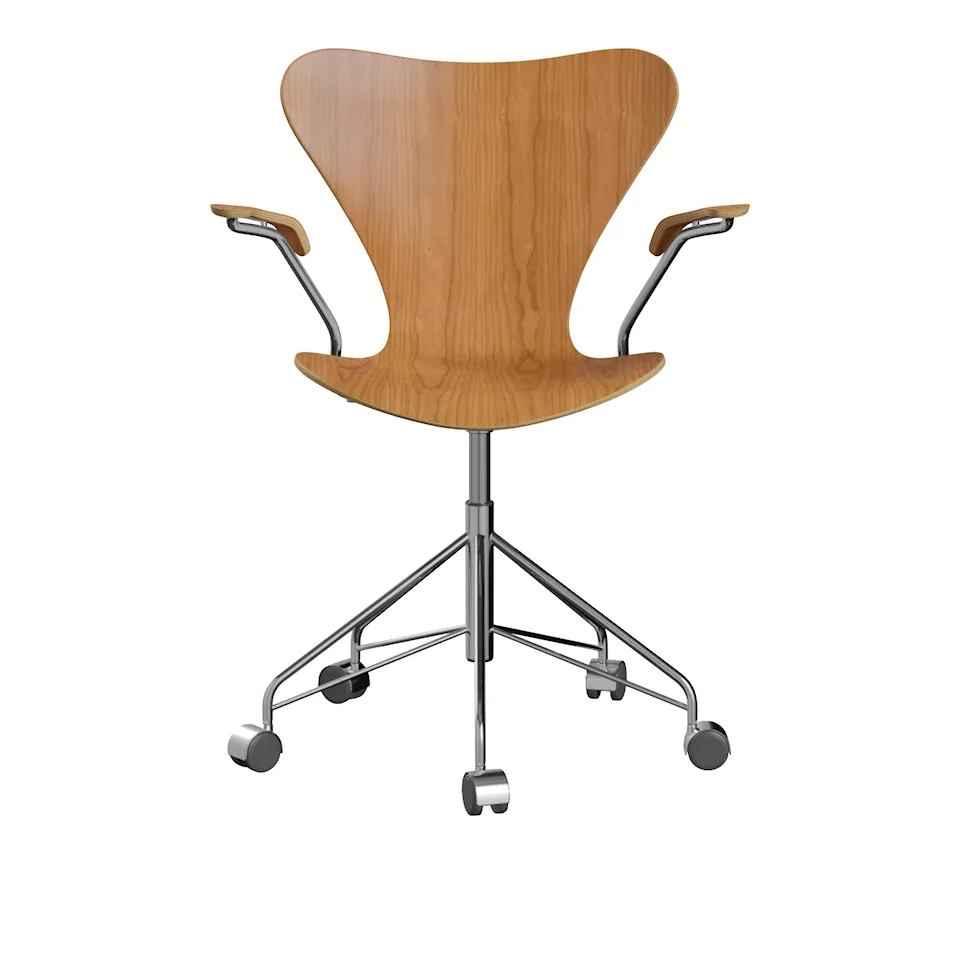
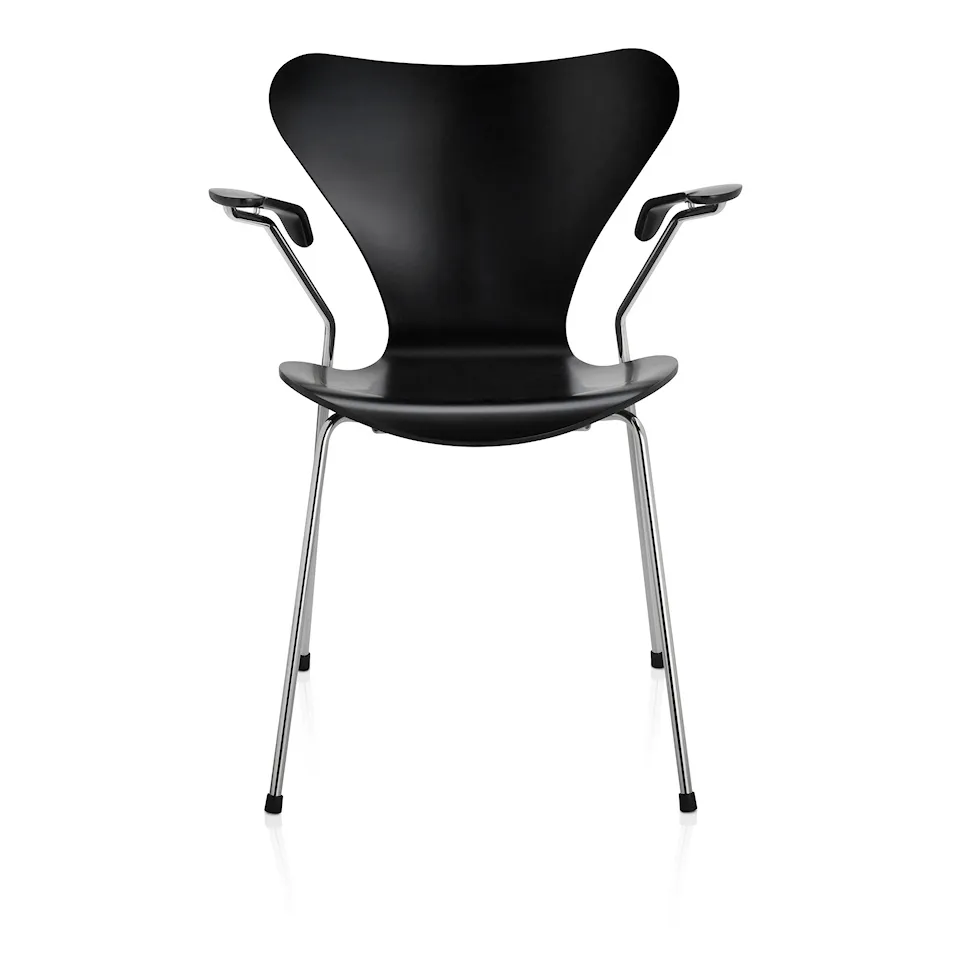
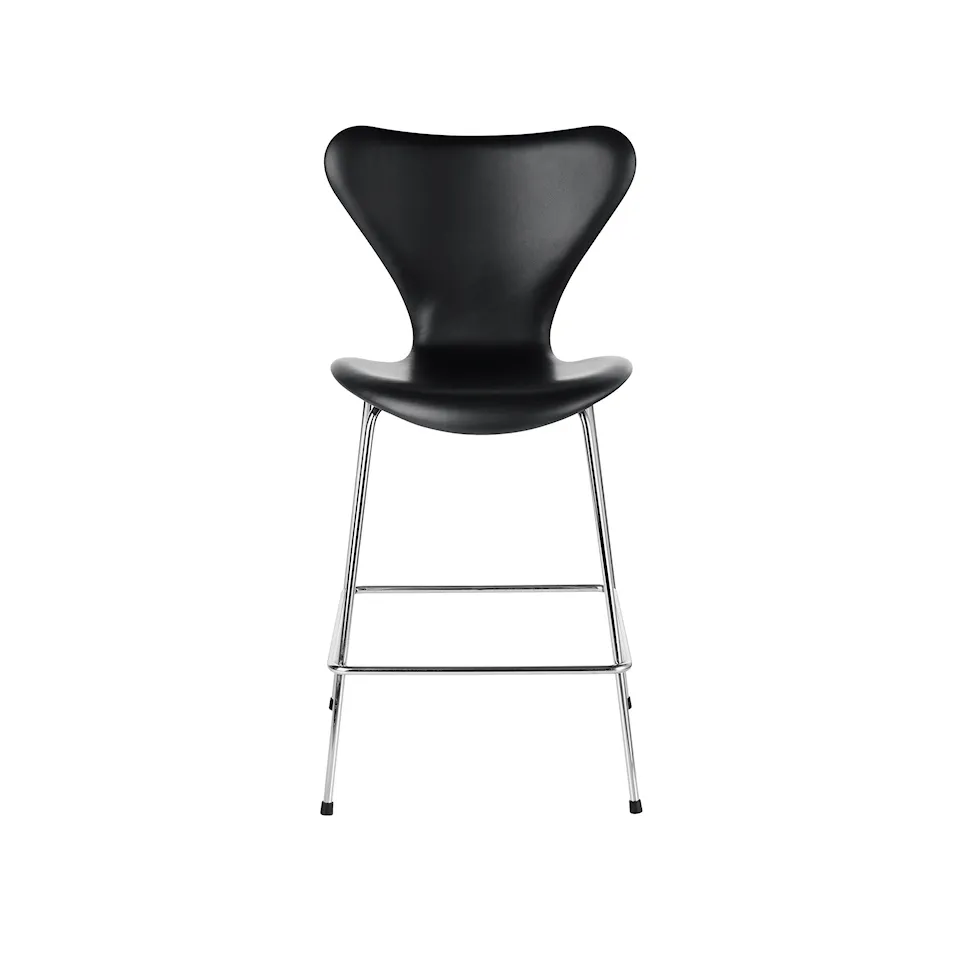
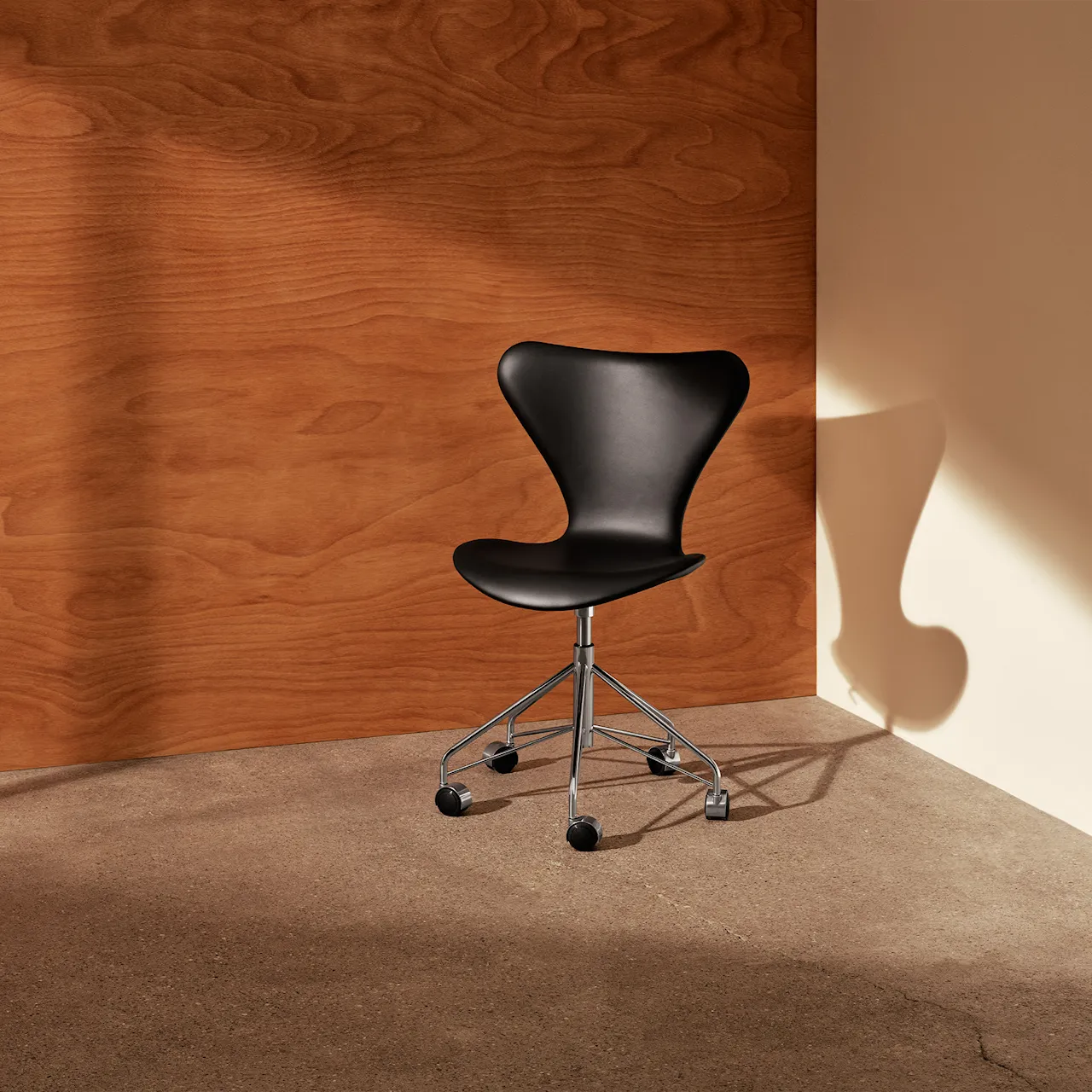
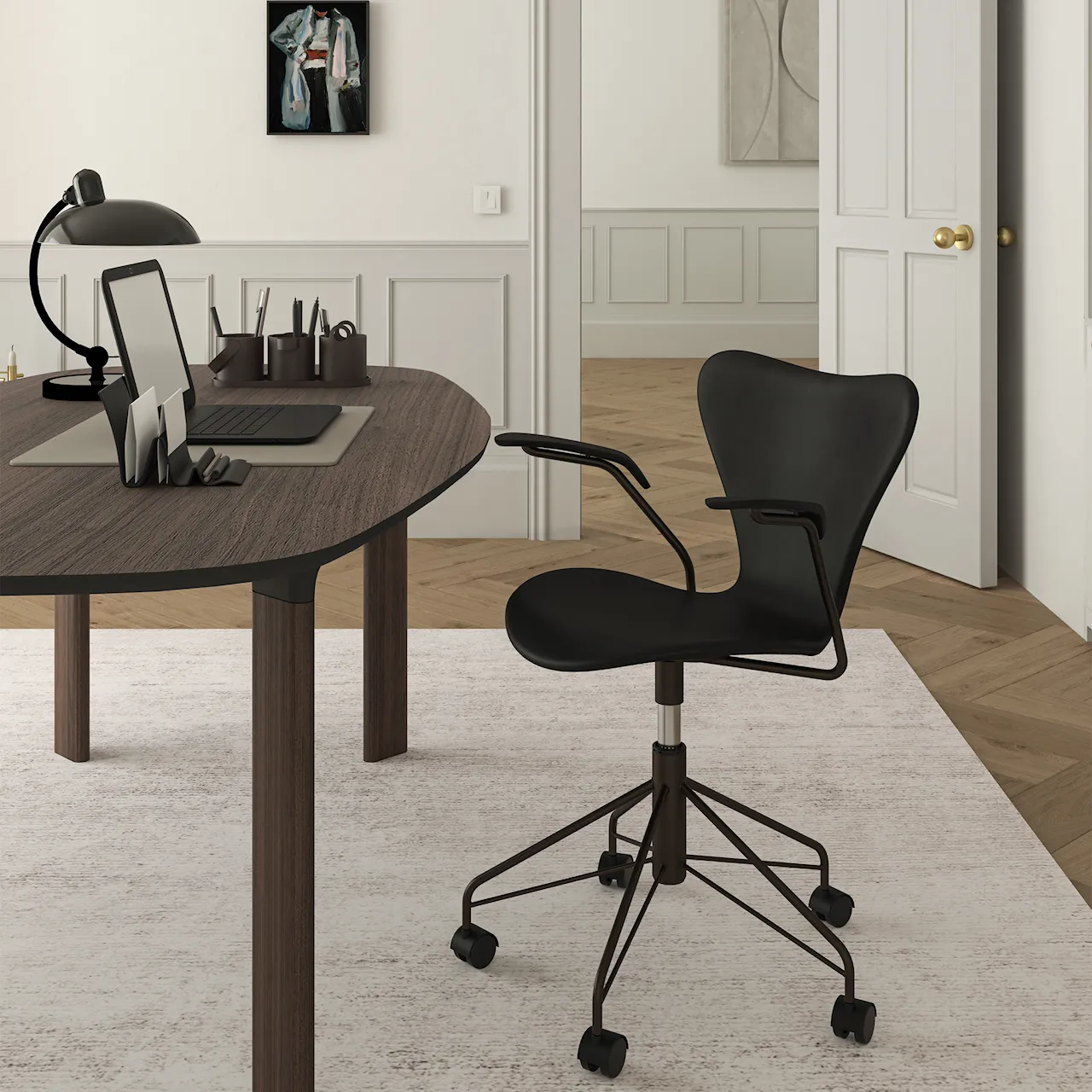
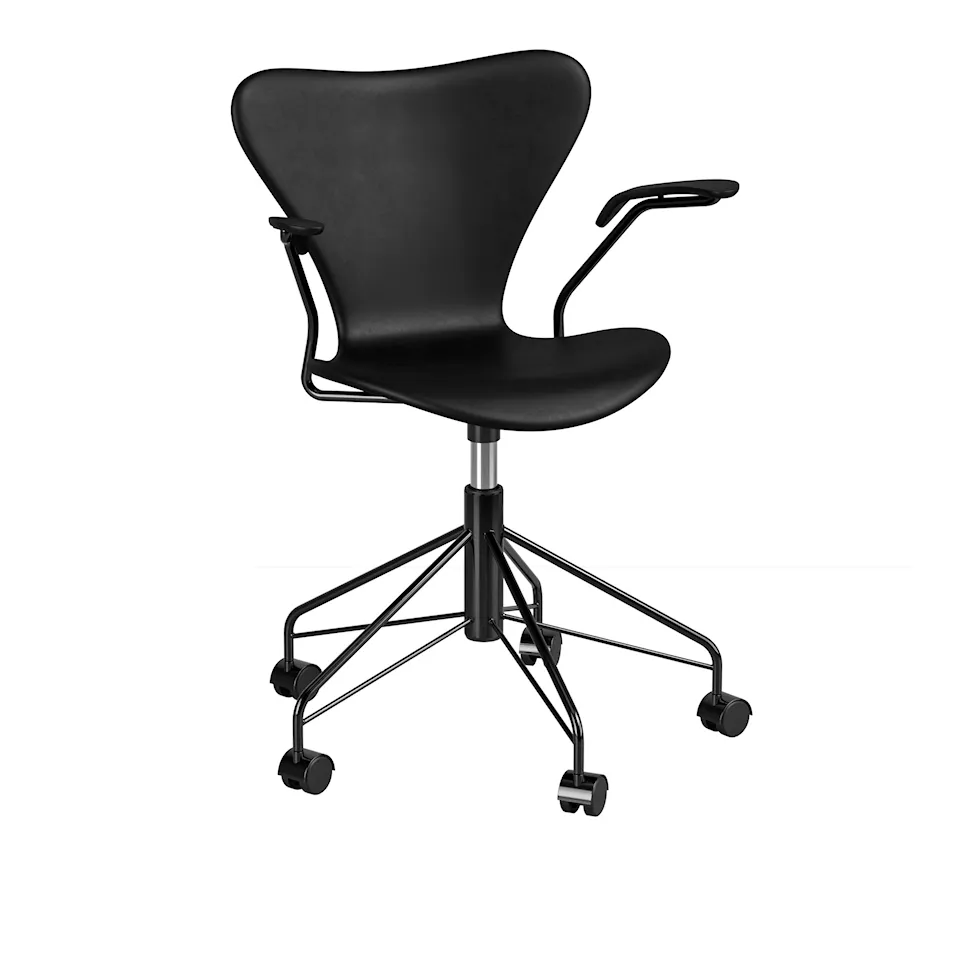
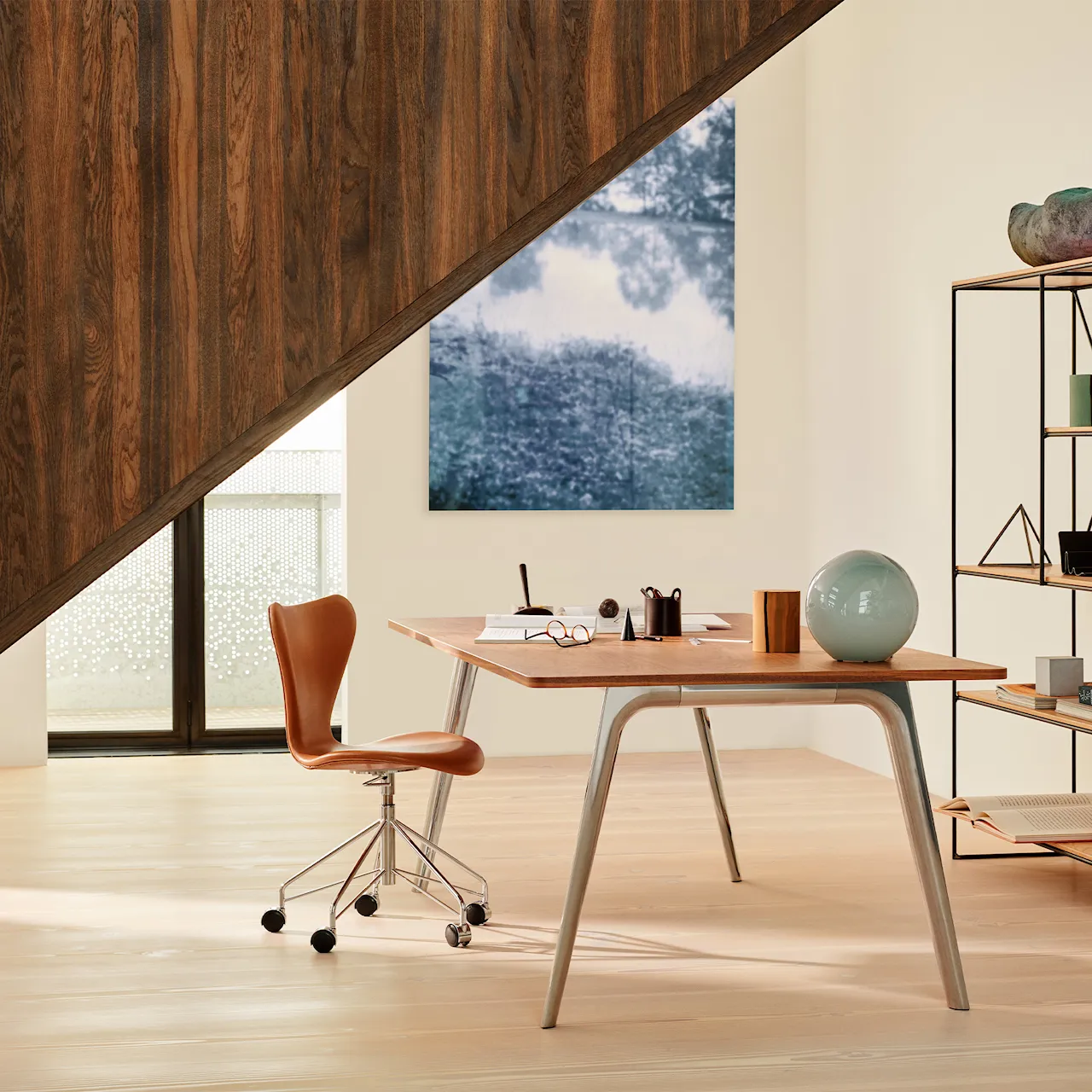
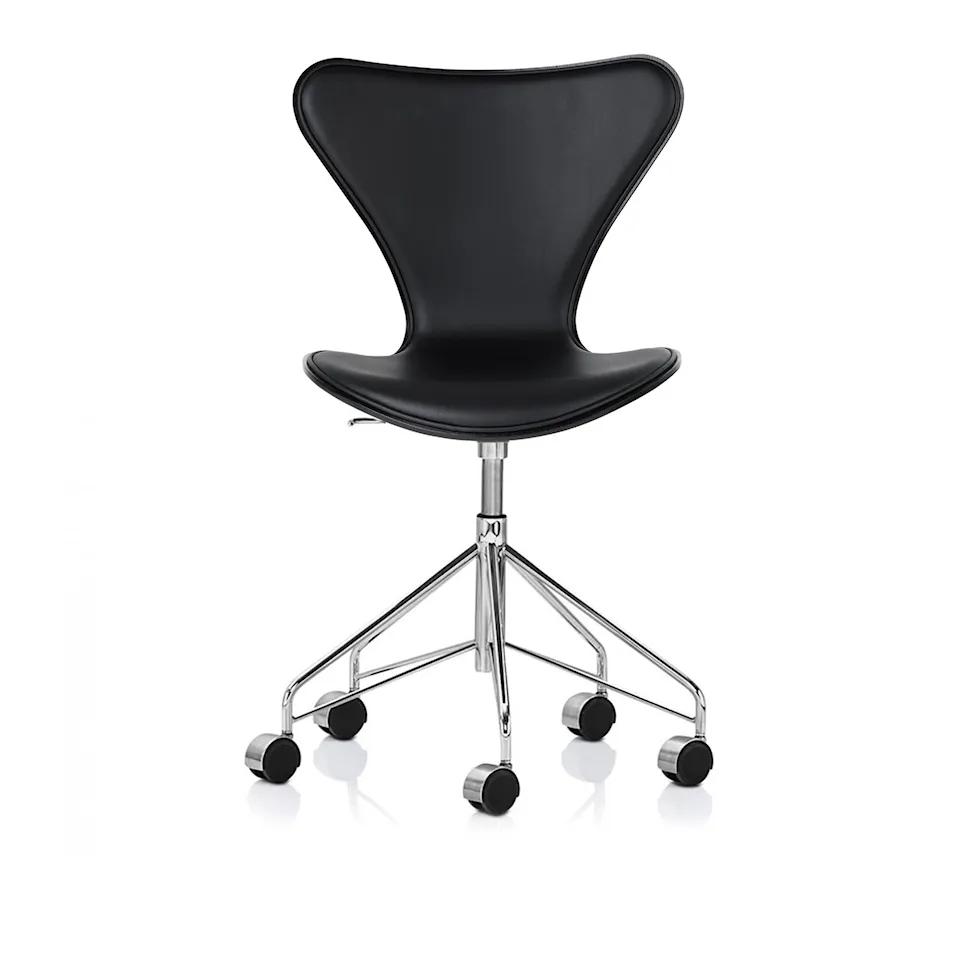
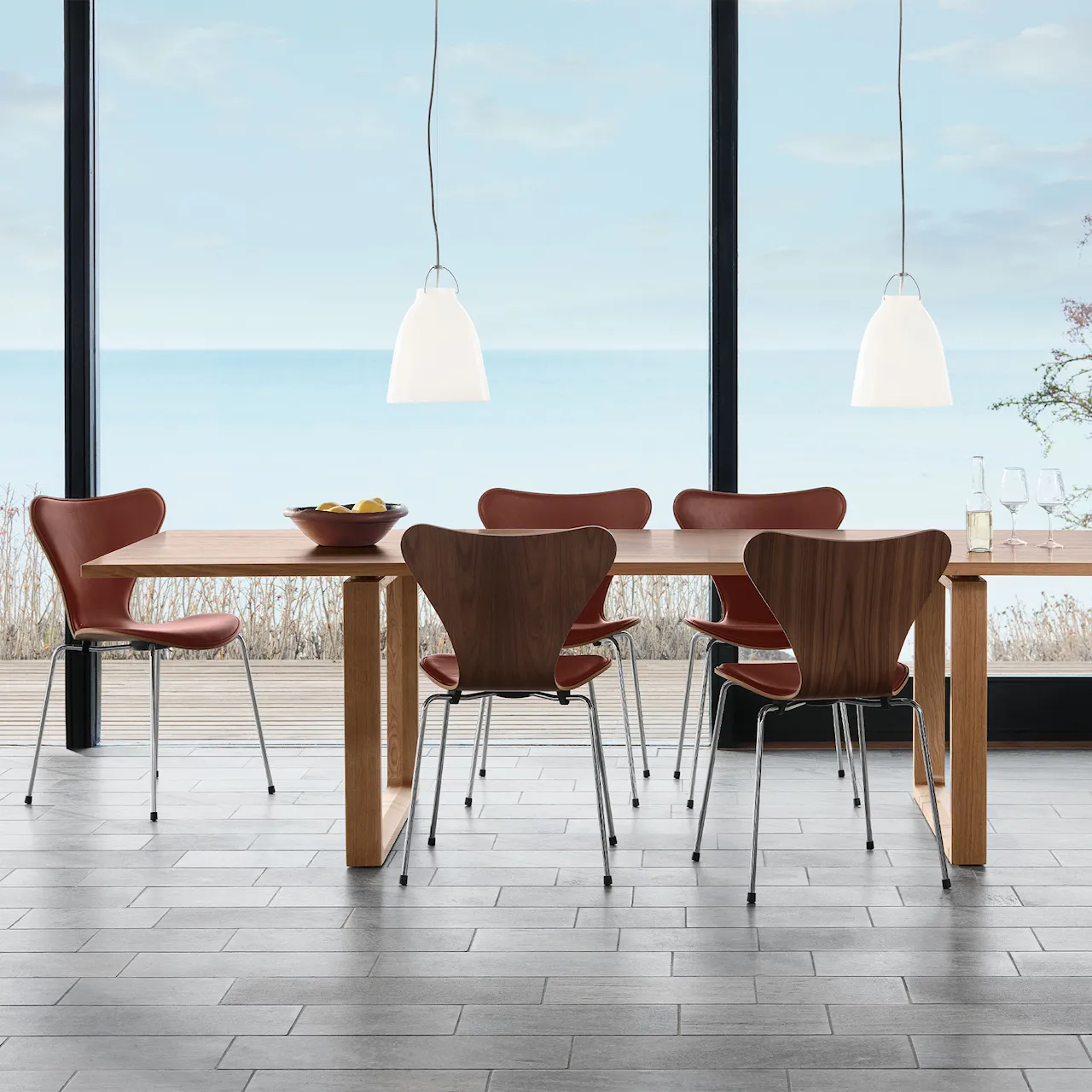
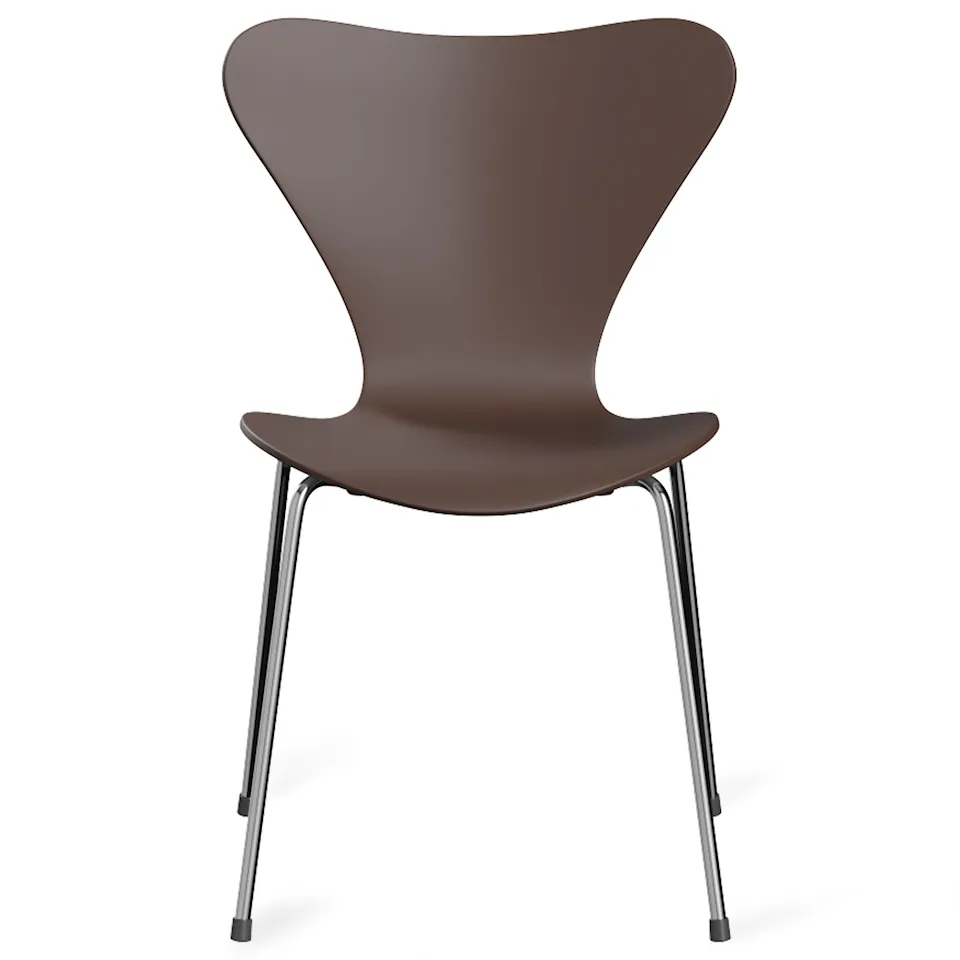
The Series 7 3107 functions as a dining chair or extra seating. The Series 7 3207 armchair serves the same purpose, but with armrests and possesses a more embracing expression. The series is also offered as office chairs in models Series 7 3117 and 3217, with a height-adjustable base on castors in a chrome-plated finish with a fully upholstered shell. The series also includes bar stools 3187 and 3197, with extra high legs and footrests.
Materials and finishes
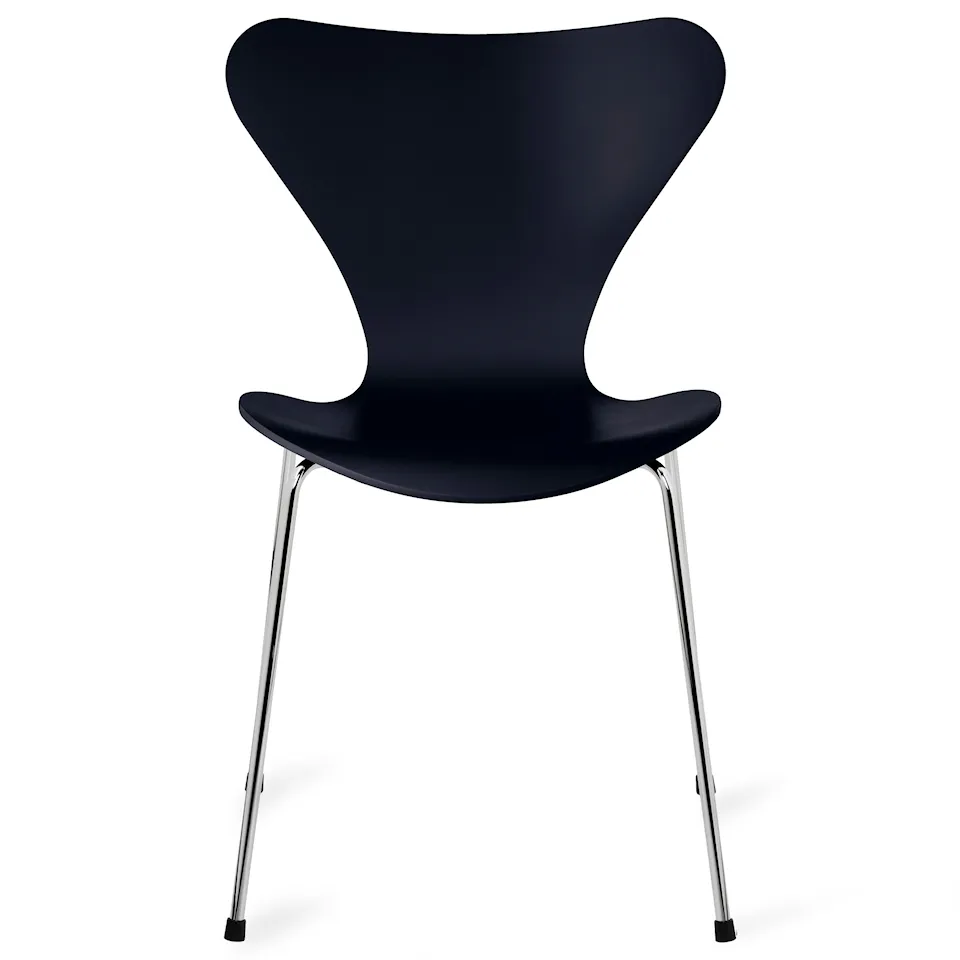
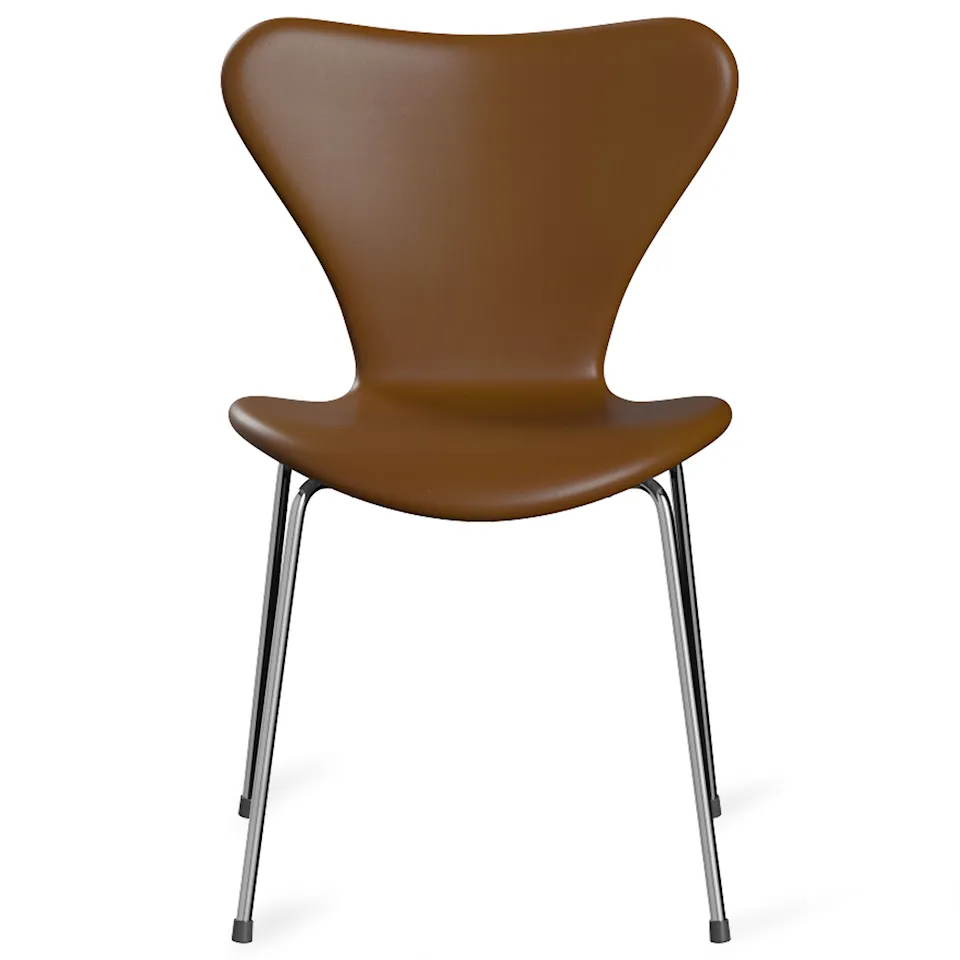
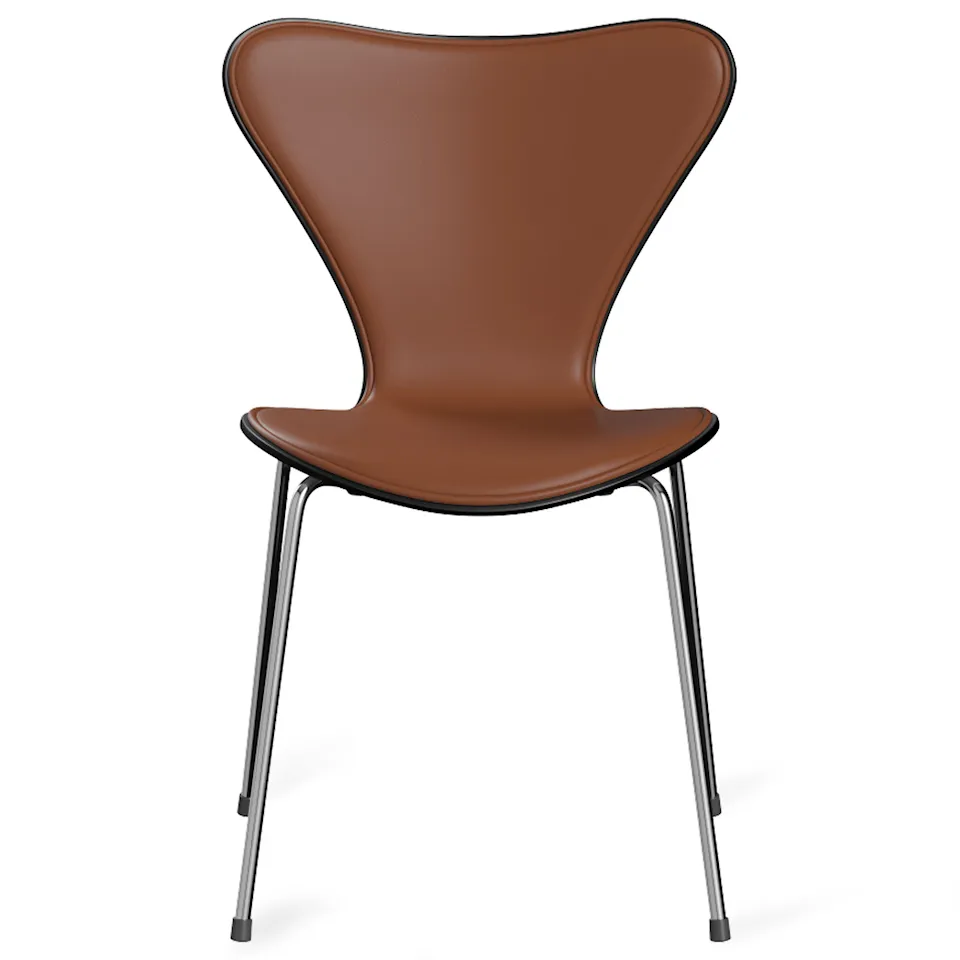
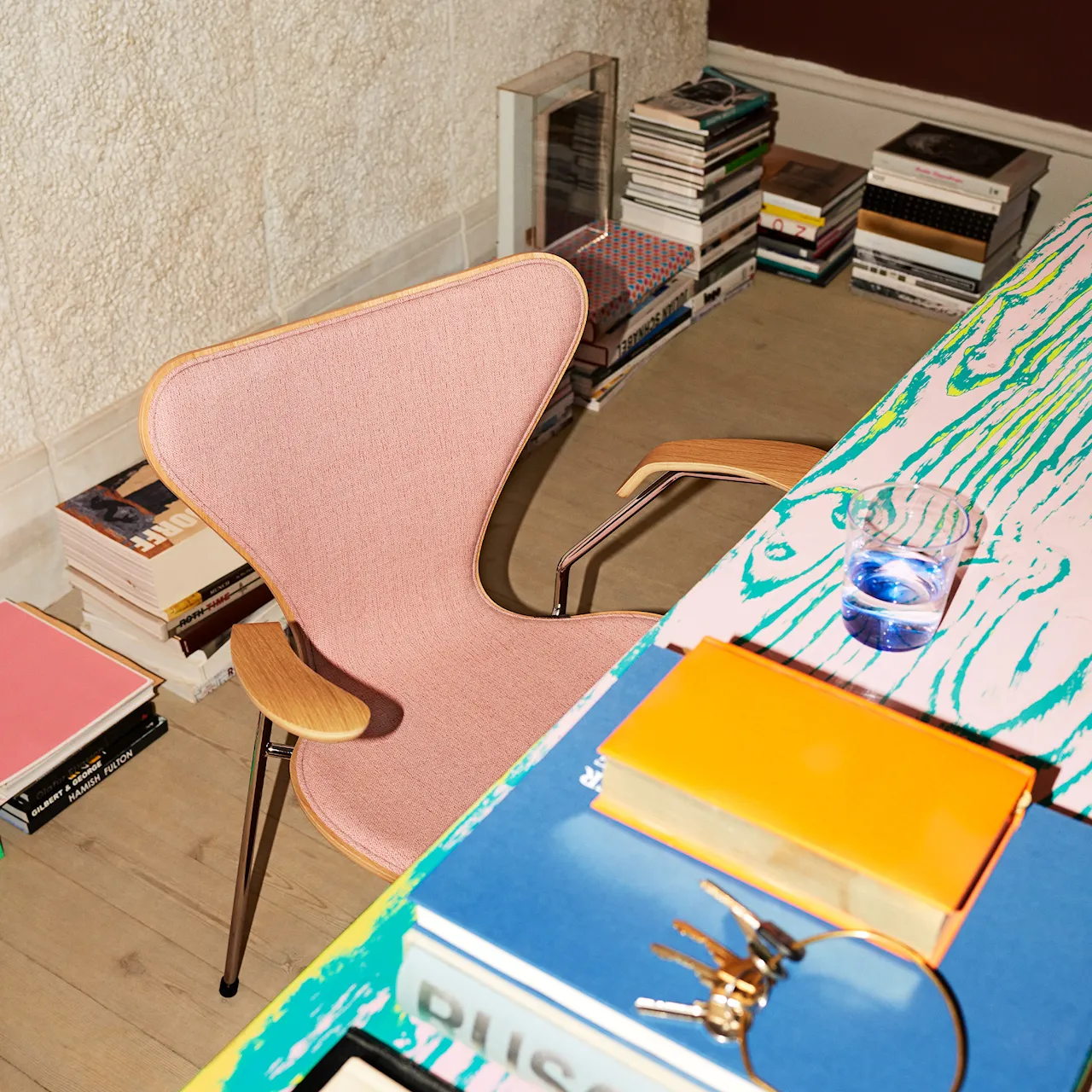
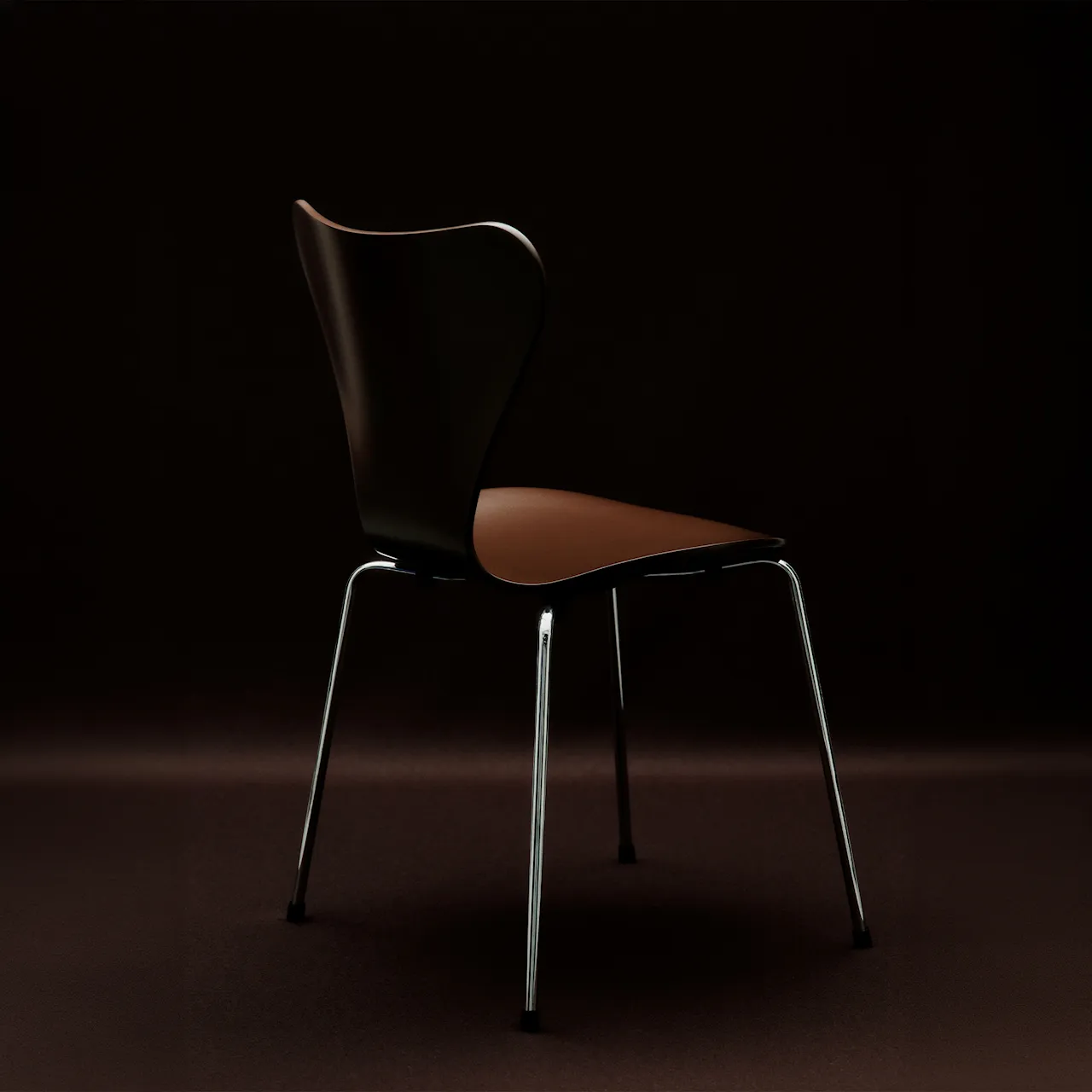
Fritz Hansen manufactures the Series 7 in a range of different materials and surface treatments. The pressure-moulded veneer includes materials such as ash, walnut, and maple, which affects the chair's colour expression. Maple and ash are lighter in tone, while walnut has a darker brown colour. The surface is often lacquered or stained, where lacquer provides a more protective layer, while stain penetrates the wood and highlights its grain and natural structure. The seat is also available with front upholstery or fully upholstered in textile or leather, for a softer seating experience. The base is usually in chrome-plated steel, but is also available in a powder-coated version in various colours to adapt to different interiors.
Arne Jacobsen's design philosophy
Arne Jacobsen worked as an architect and designer, consistently focusing on function, construction, and precision in detail. He is characterized as a proponent of functionalism and is today one of Denmark's most influential designers. Arne Jacobsen is the creator of the Series 7, but in addition to it, he designed other significant furniture for Fritz Hansen, including the Ant from 1952 and the Egg from 1958. These chairs share a common thread of organic design and functional aesthetics. Jacobsen's contribution to the design world has shaped the perception of modern Scandinavian design, and his furniture is appreciated for its quality and craftsmanship.
Quality and sustainability at Fritz Hansen
The manufacturing of the Series 7 is based on controlled processes where pressure moulding, surface treatment, and assembly are central elements. Each chair undergoes quality controls that cover both construction and surface. Material choices affect aging and wear, especially in veneer and lacquered finishes, and contribute to the chair's long-term function. Fritz Hansen's production of the Series 7 has been continuous since its launch and is available in several variants, making it possible to choose a finish based on requirements for seat height, base, upholstery, and colour.