
Hooks
10 products
- Code: SAVE+ More options
Muuto
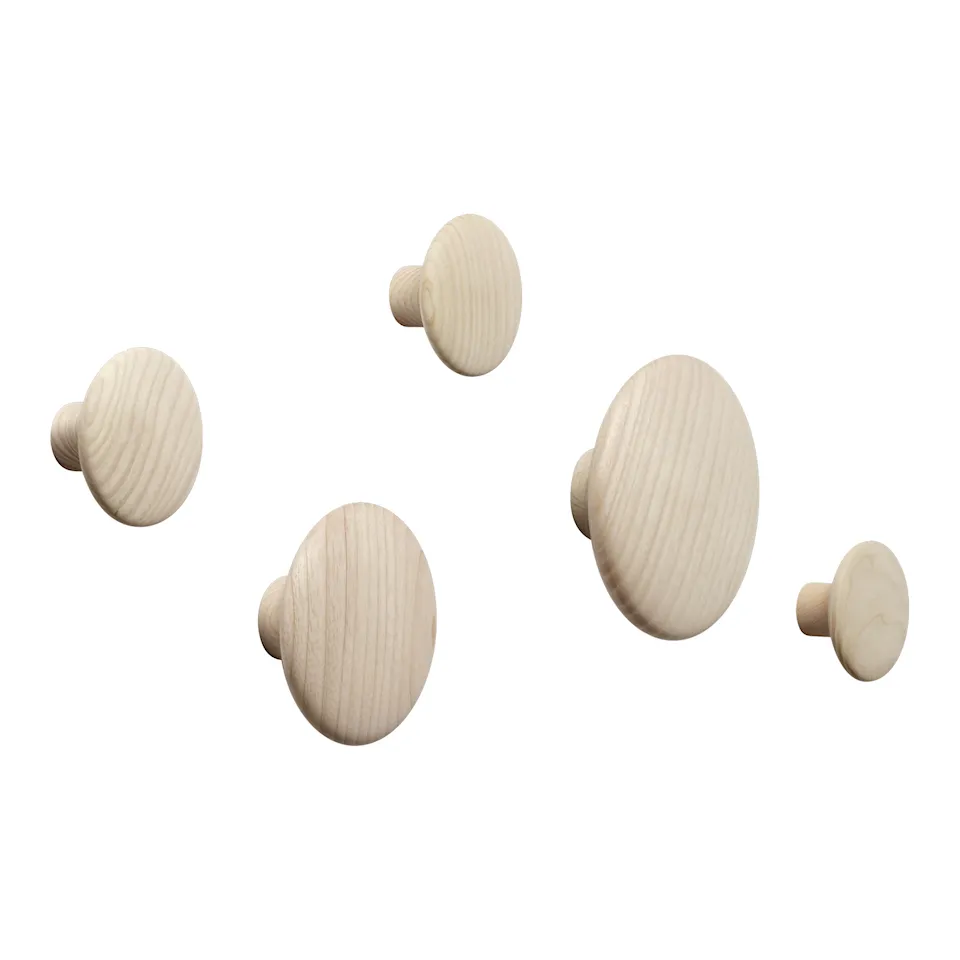
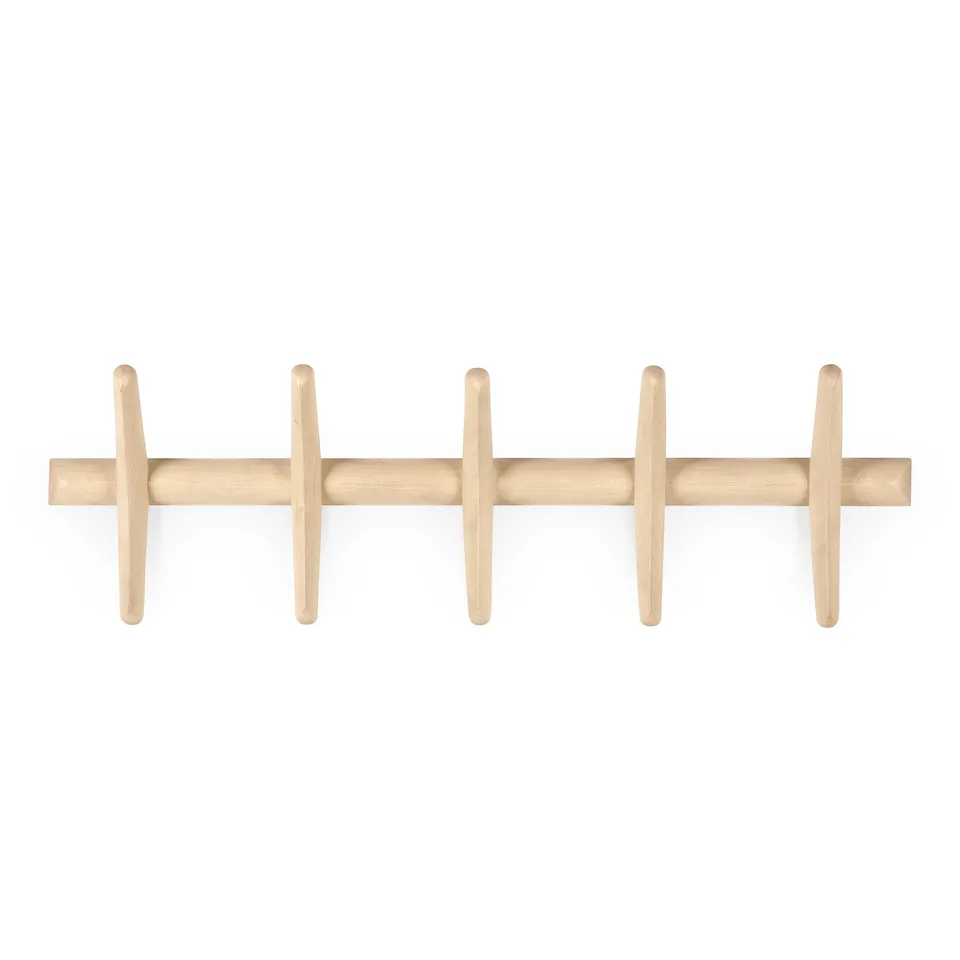
Dots Wood Coat Hanger Set of 5
€115
In stock - Code: SAVE+ More options
Vitra
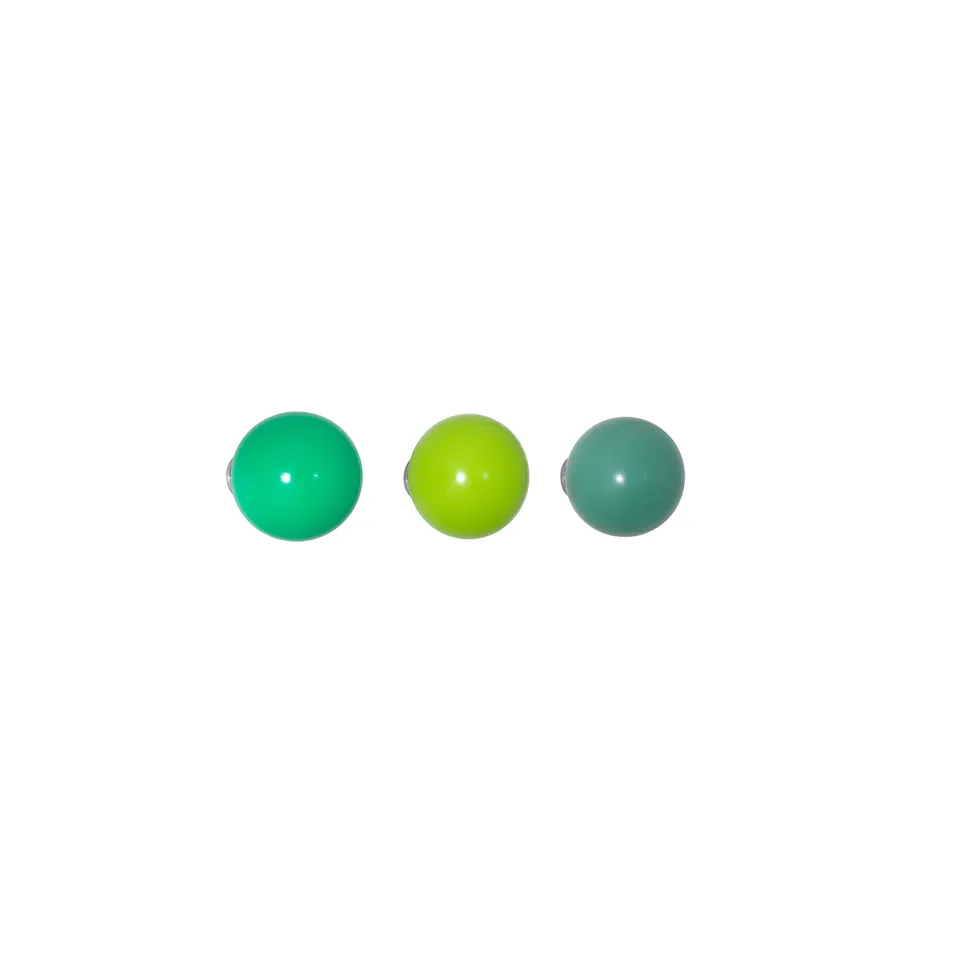
Coat Dots 3-pack
€95
In stock - Code: SAVE+ More options
Buster + Punch
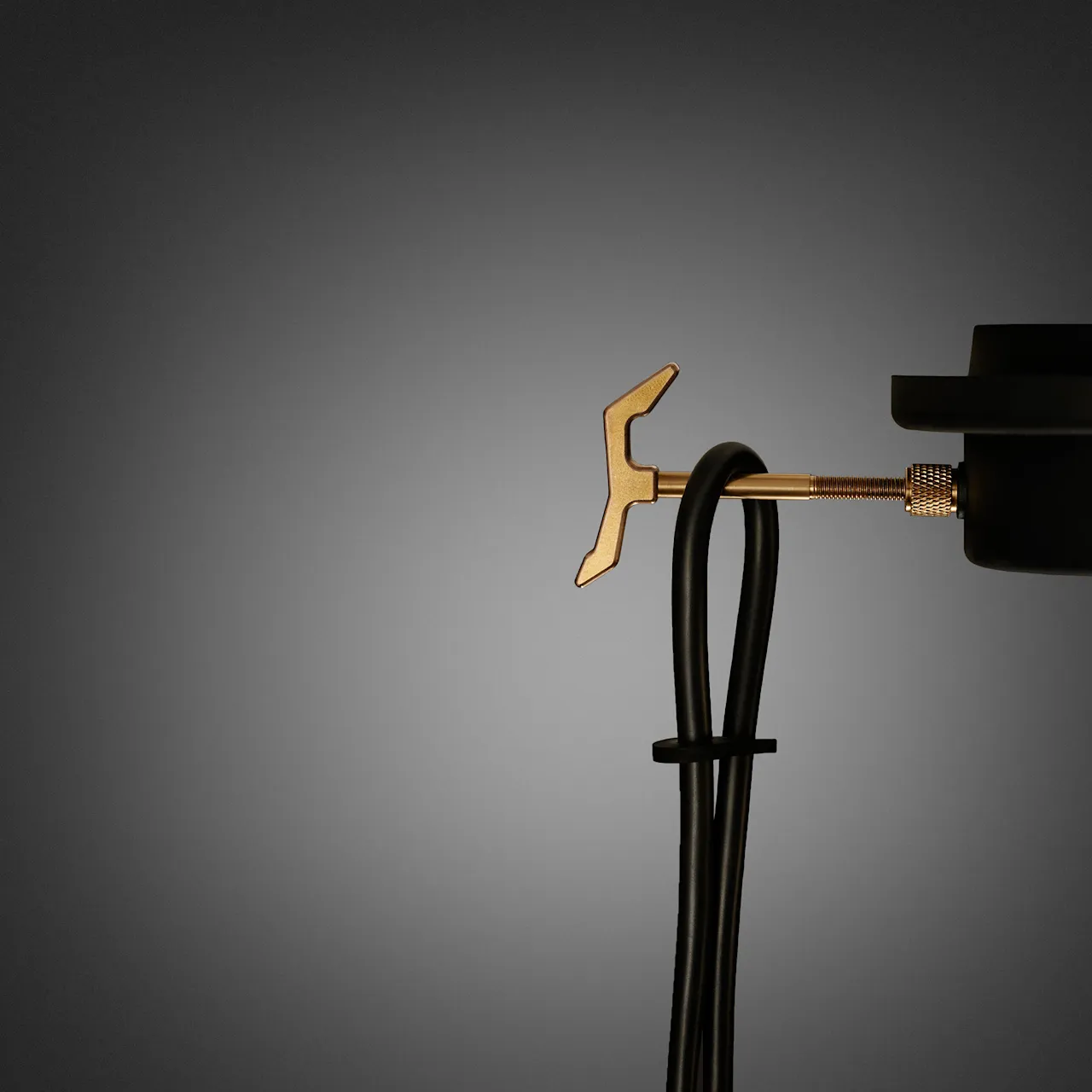
The Hook
€29
In stock - Code: SAVE+ More options
Massproductions
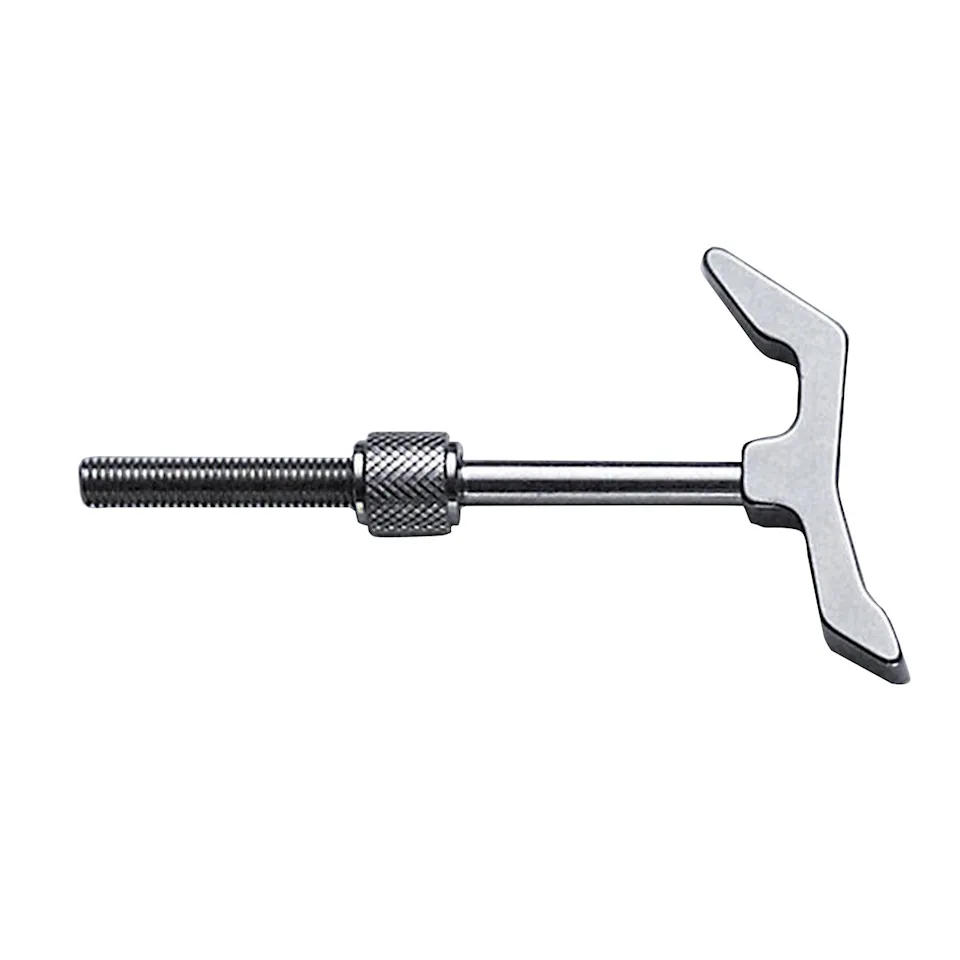
Hercule Wall Hook
From €101
In stock - Code: SAVE+ More options
Ethnicraft
PI Wall Coat Rack
€159
In stock - + More options
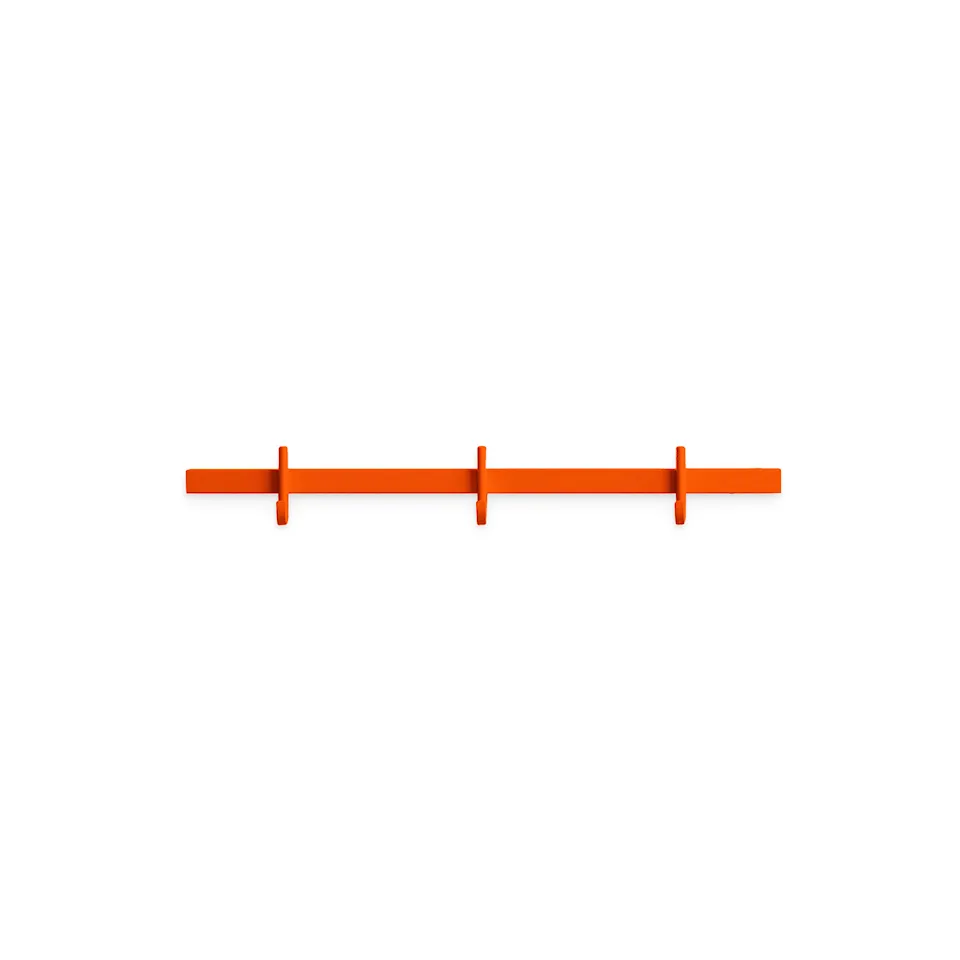
Relief
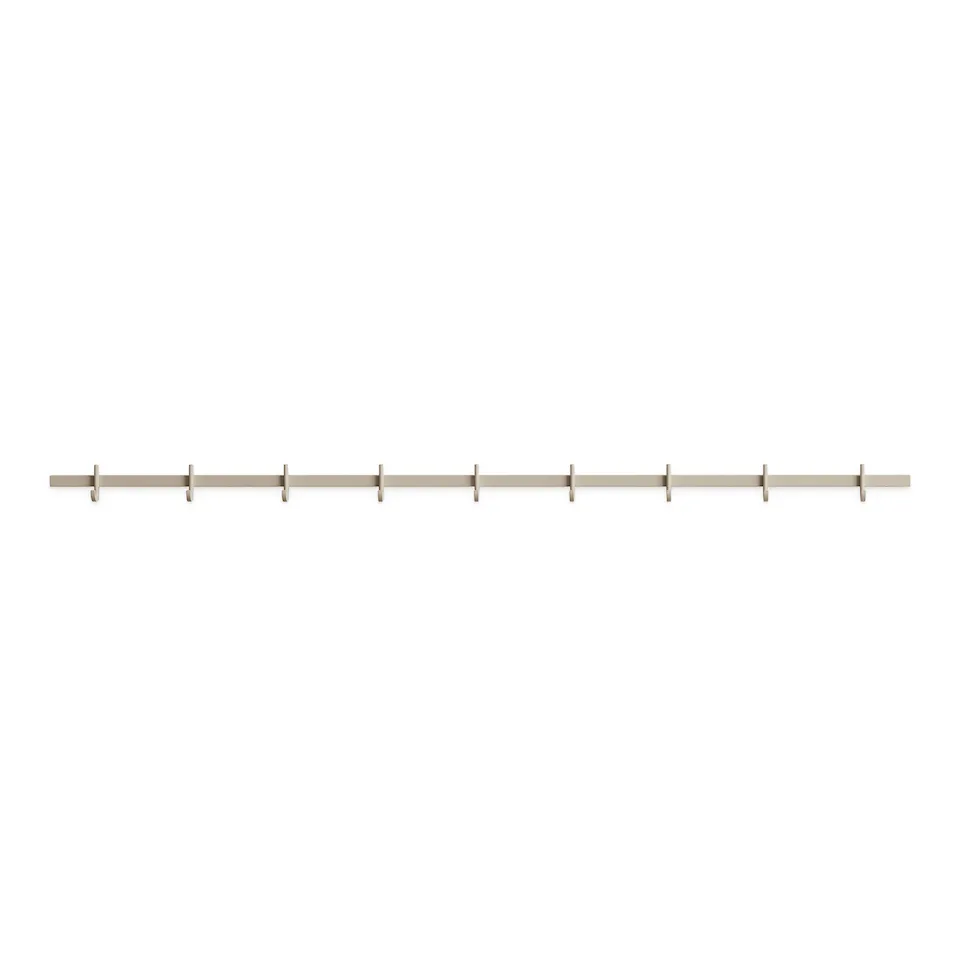
Relief Hook Rail Large
€260
In stock - + More options
Relief
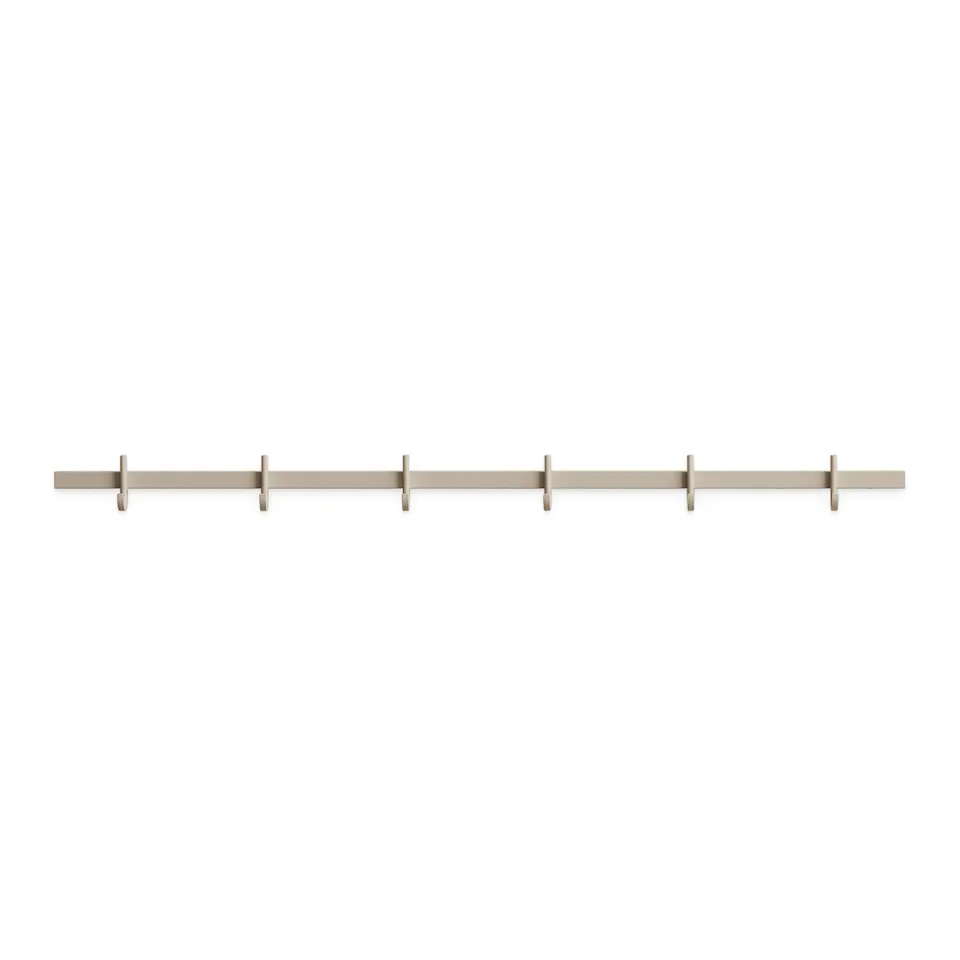
Relief Hook Rail Medium
€180
In stock - + More options
Relief
Relief Hook Rail Small
€111
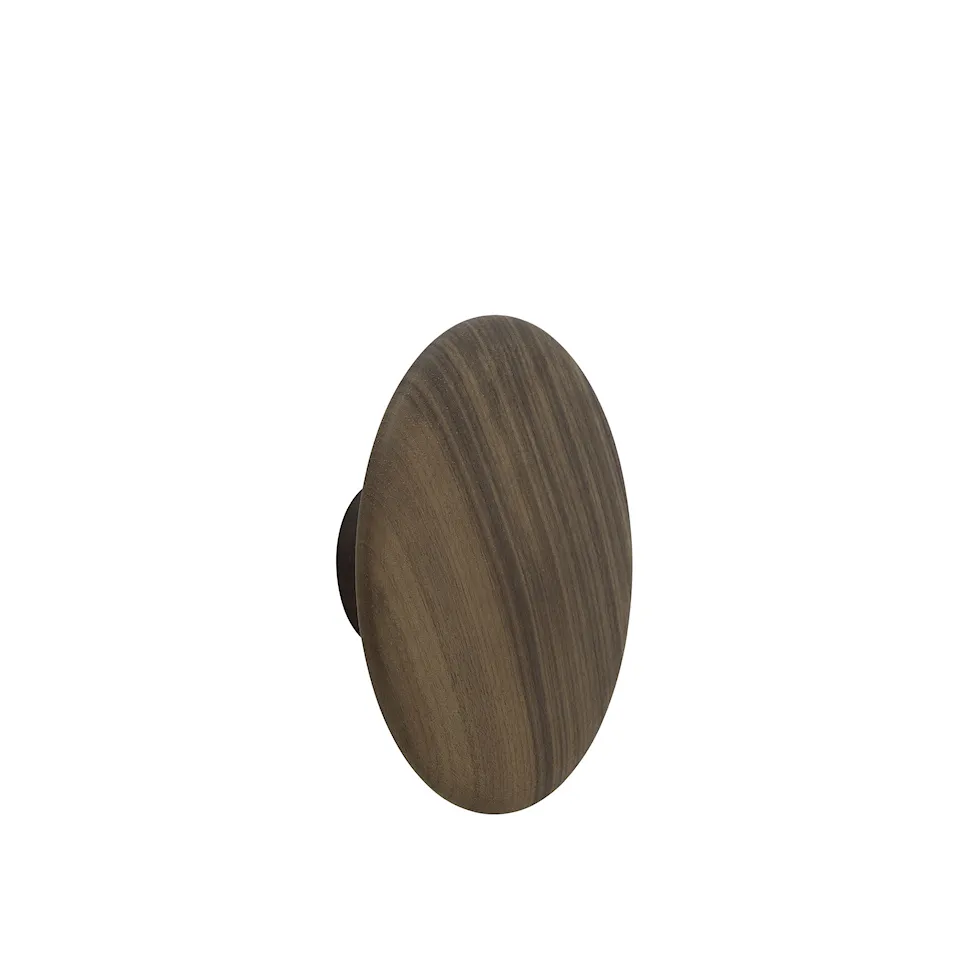
In stock Muuto
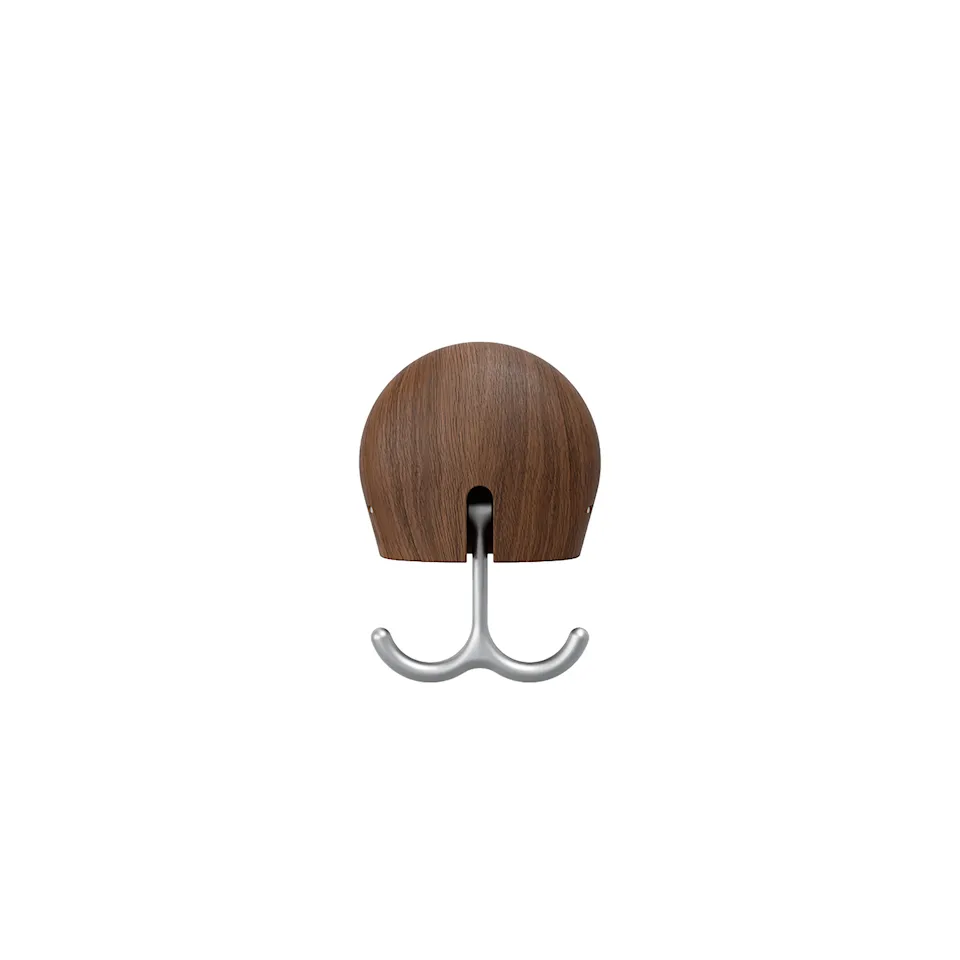
The Dots Coat Hooks Large, Walnut
€59
In stock- Code: SAVE
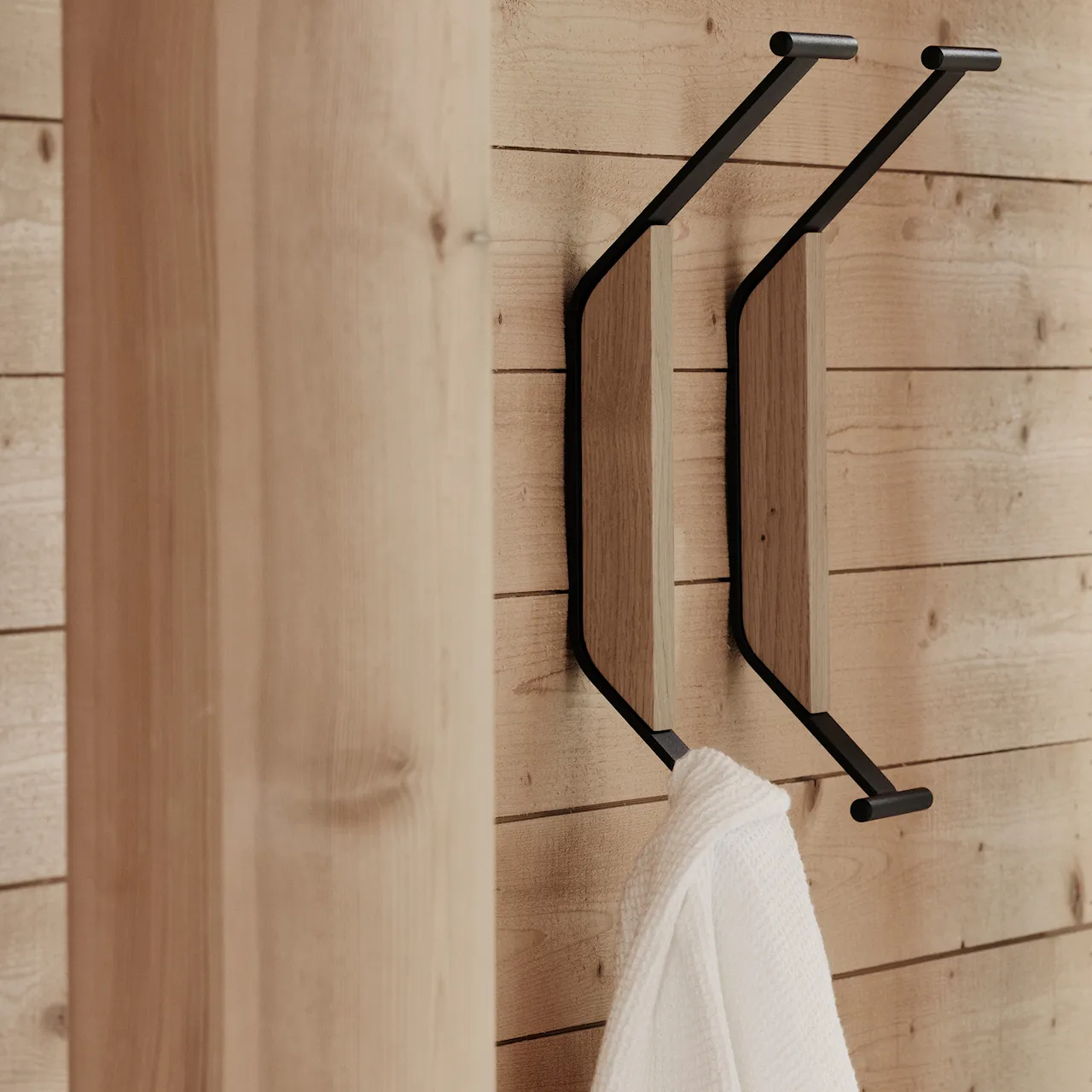
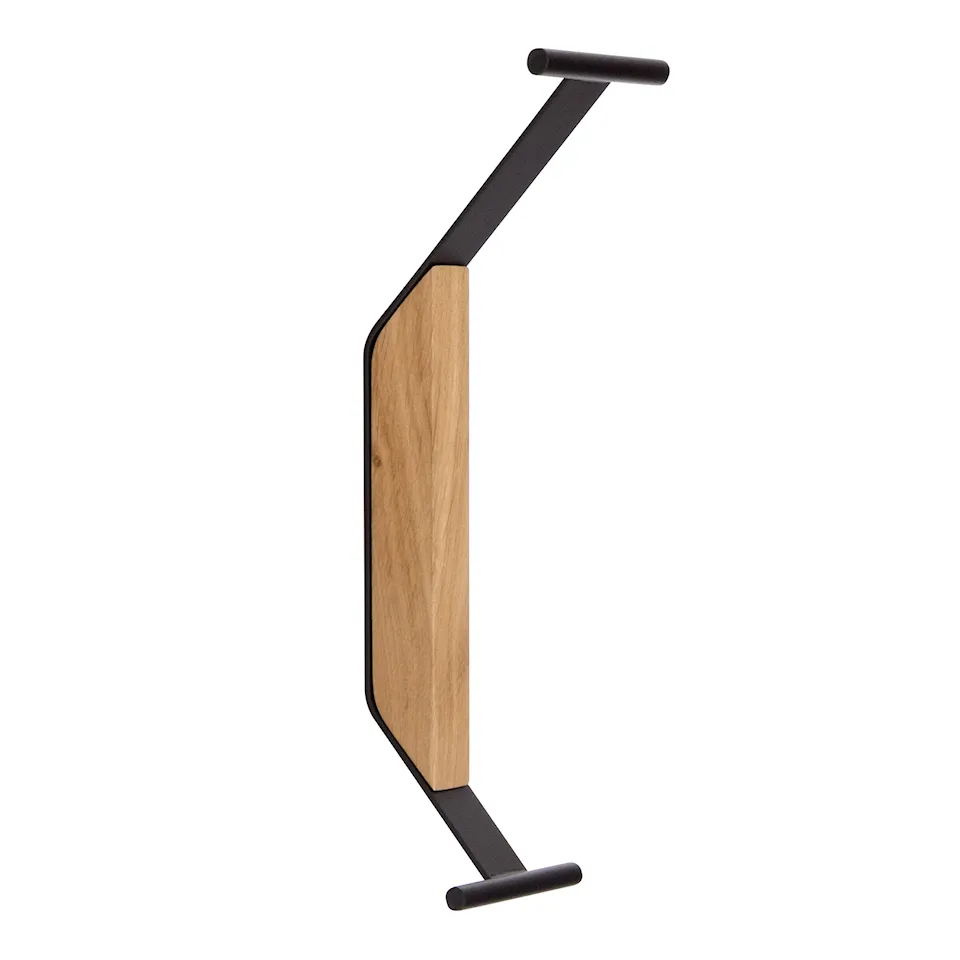
Artek
Kaari REB014 Wall Hook
€92
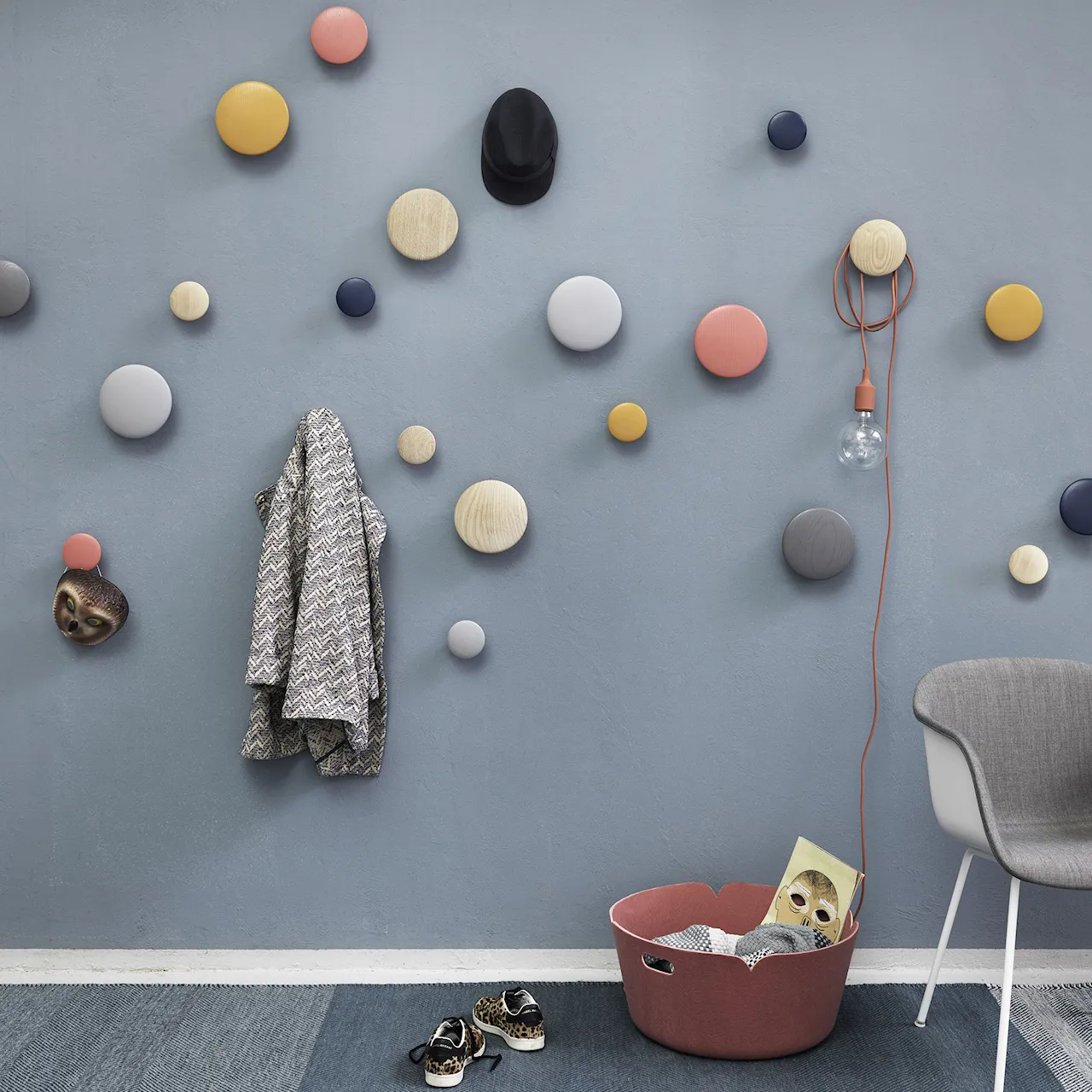
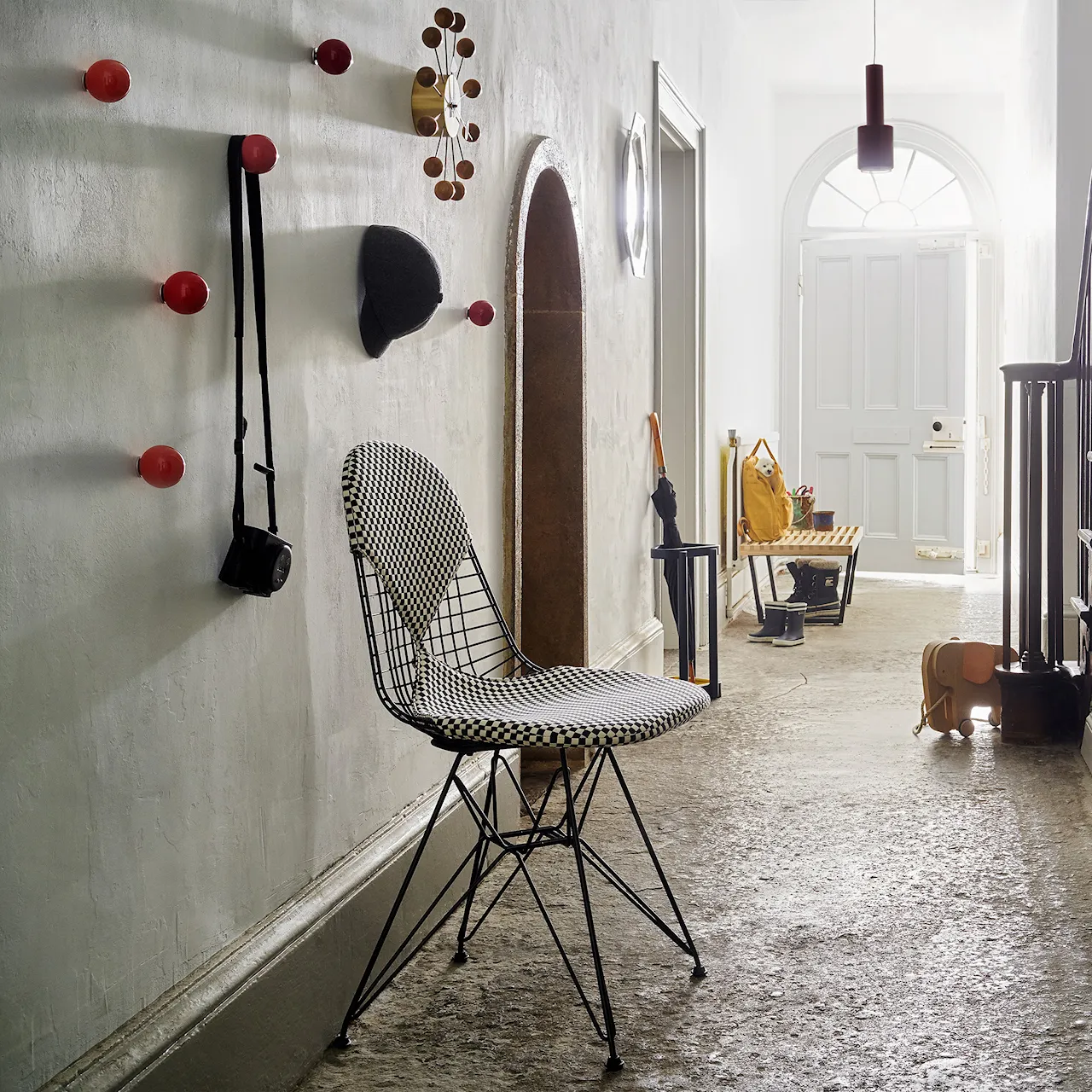
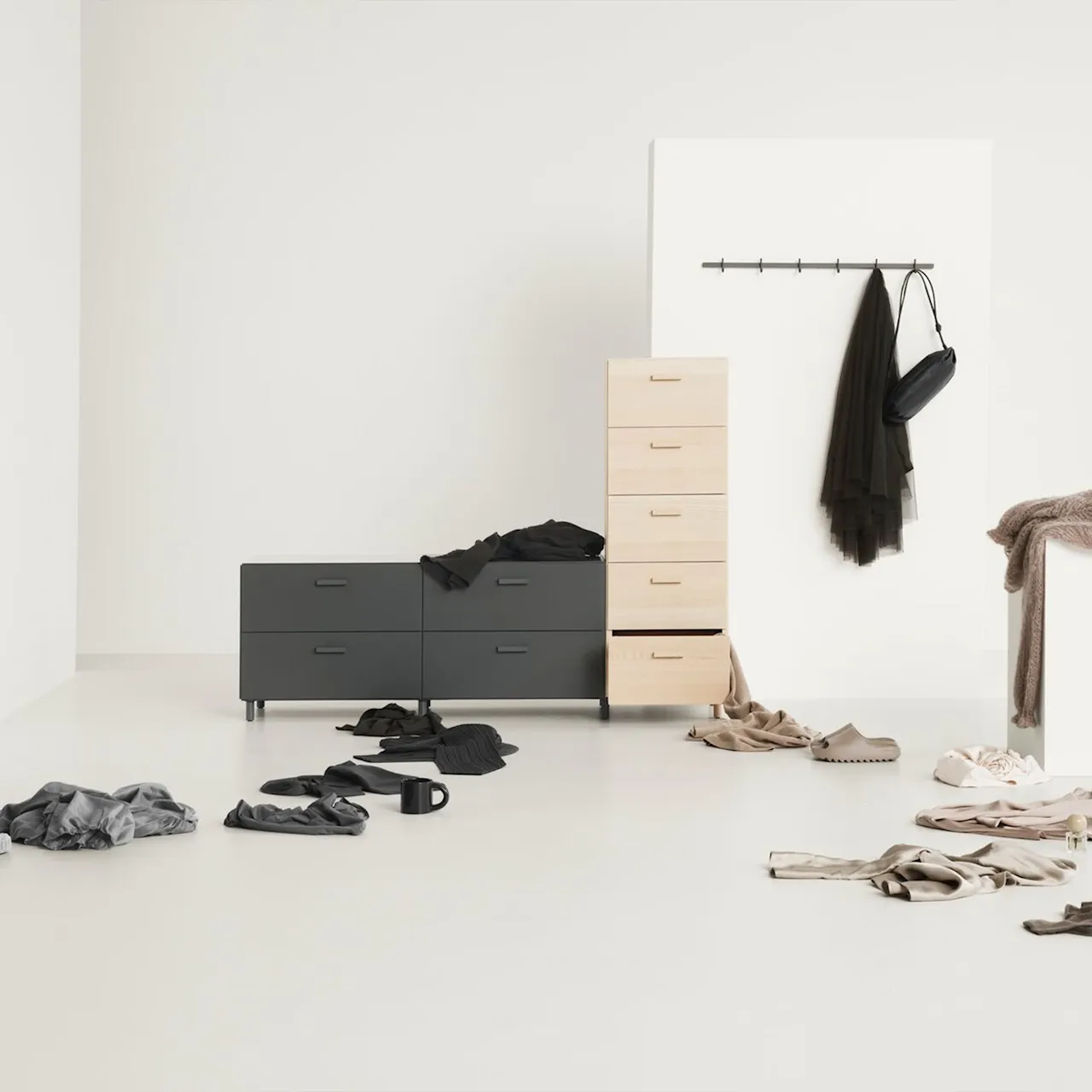
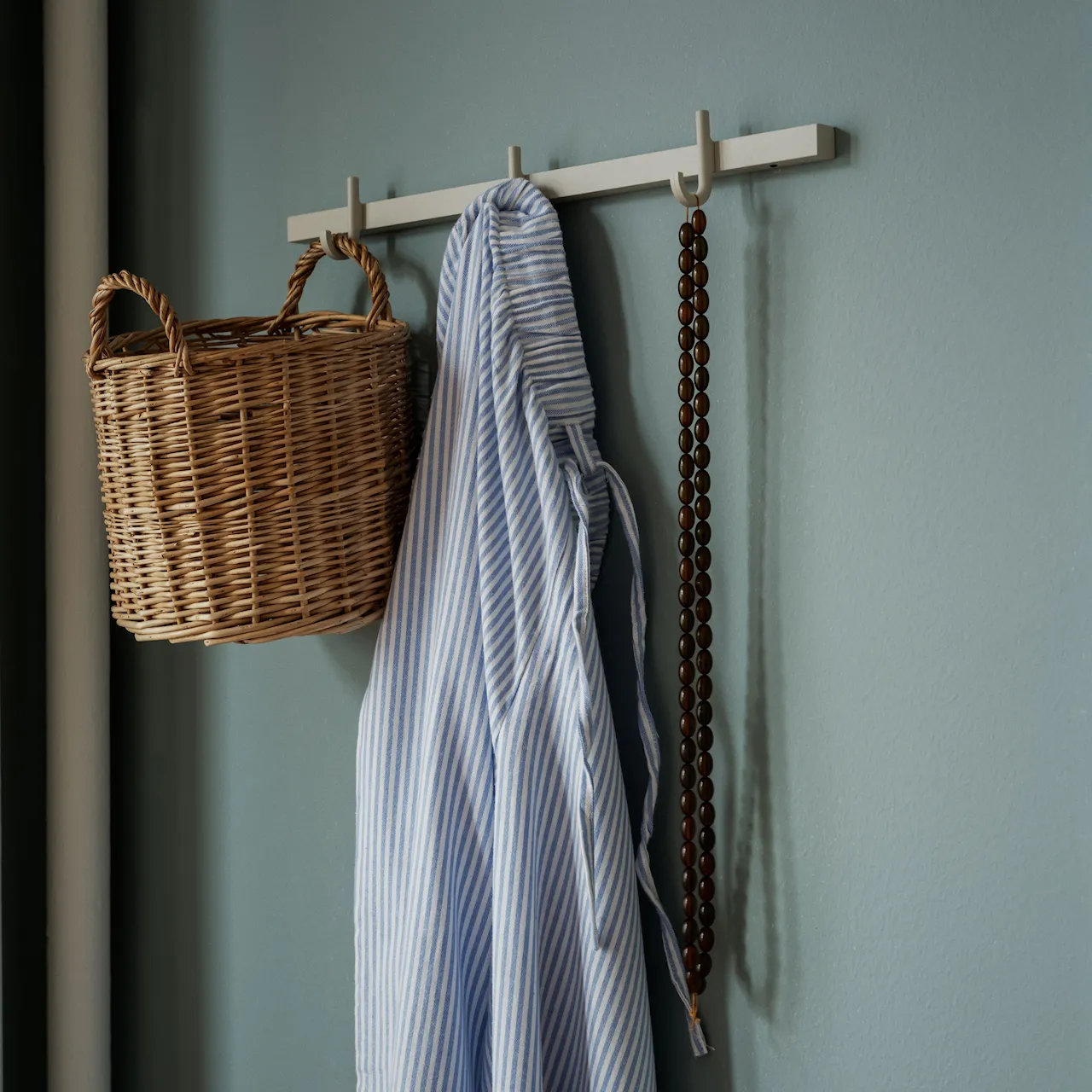
Hooks are found in all homes but are often only a practical detail. In many elaborate interiors, however, they are used as a clear part of the room's structure. A hook marks a point where something should hang. It creates a concrete transition between what is used and what is stored. When placement, material, and form are consciously chosen, hooks can contribute to the room being perceived as more organised and well-thought-out.
In environments where furniture, lighting, and storage are already carefully coordinated, the choice of hooks becomes part of the same whole. They must work together with wall surfaces, floor materials, and other details, not just solve a practical need.
Giving objects a clear place
A hook solves a simple problem: where something should hang. At the same time, it means that the object gets a recurring place in the room. Outerwear, bags, towels, and accessories do not end up on chairs or on the floor but get a defined position. This can make everyday life more predictable and reduce the impression of disorder.
In a home where every recurring object has its place, it becomes easier to keep order with small means. A row of hooks in the hall can gather the family's outerwear. Some well-placed hooks in the bathroom or bedroom can take care of what would otherwise end up on a piece of furniture. The effect is concrete. The room is perceived as cleaner without the storage needing to be hidden.
Giving something a place is also about respect for the object. A well-chosen hook for a suit, a bag, or a dressing gown signals that it is a part of everyday life that deserves to be handled with care.
Material and expression
The choice of material is of great importance for how a hook is perceived. A model in solid metal gives a different weight than a solution in thin sheet metal. Brass can add warmth and a more tactile surface. Stainless or brushed steel provides a more analytical expression and is suitable where a clear, graphic line is desired. Wood is often used when one wants to connect to other wooden furniture or floors and create a milder transition against the wall.
The surface treatment also affects the overall impression. Glossy metal reflects light and mirrors the surroundings. A duller finish gives a more subdued impression. In some interiors, the hook is intended to almost blend in with the wall. In other cases, it is welcome to stand out as a clear object.
In a range that focuses on well-thought-out design, hooks are prioritised where construction, load-bearing capacity, and finish are consistently executed. This means stable fastening, a well-balanced shape, and surfaces that can withstand daily use without quickly losing their quality.
Hooks in different rooms
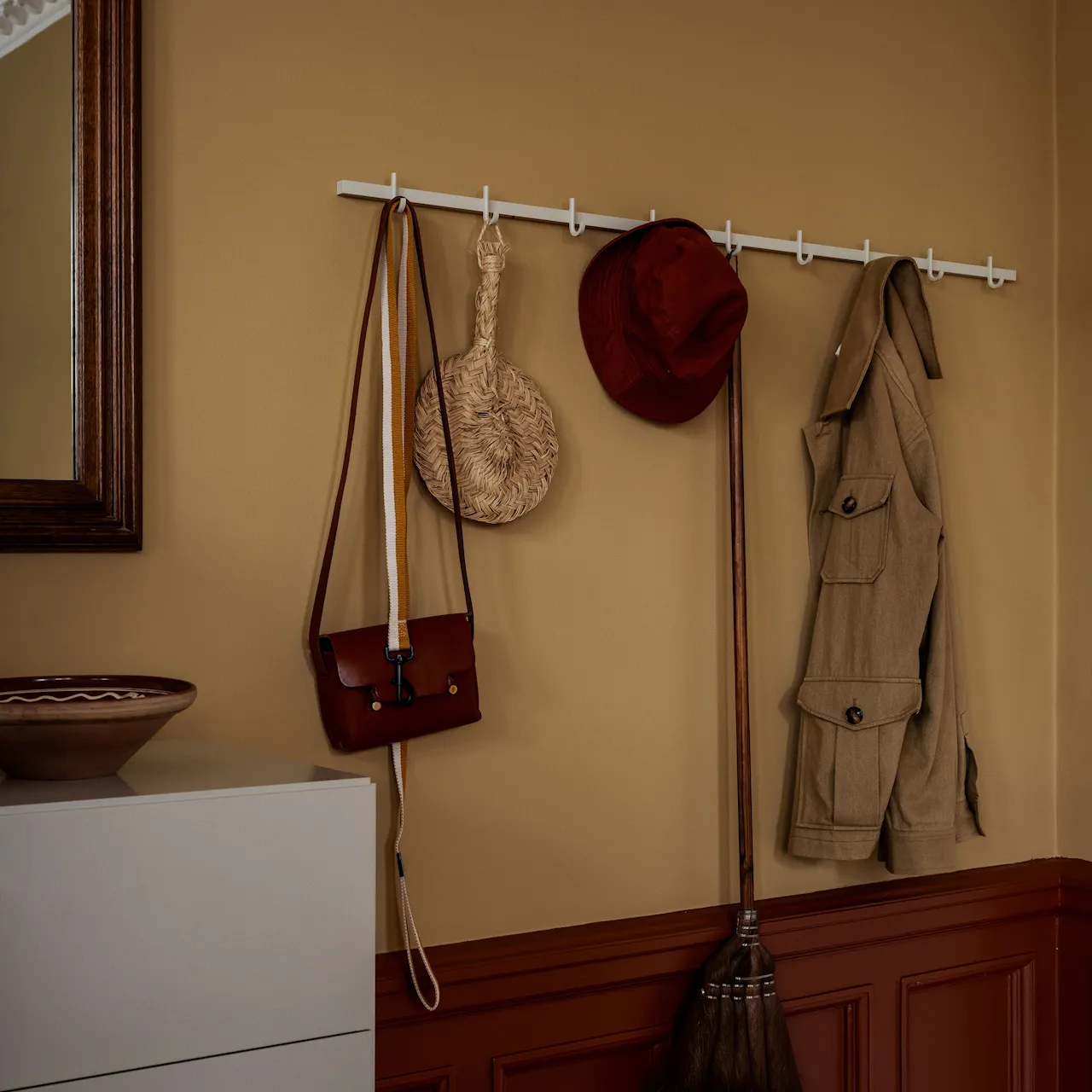
The need for hooks differs between different rooms. In the hall, it is often about capacity and clarity. Here, several garments should be able to hang at the same time, and it should be easy to see what is available. A combination of single hooks and a hook rail can provide both structure and flexibility.
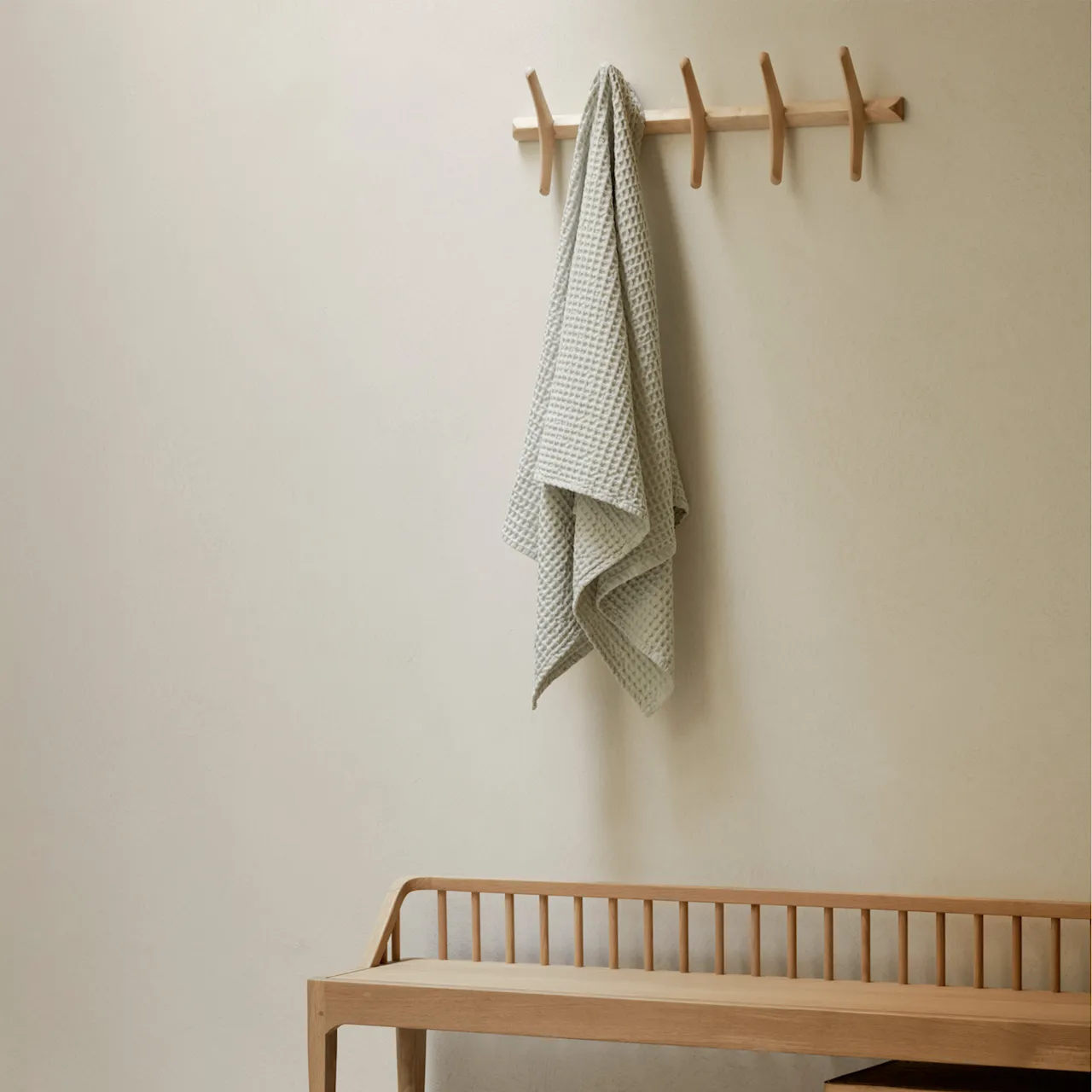
In the bathroom, it is more about distance, drying time, and materials that can handle moisture. The hooks need to be placed so that textiles hang freely and can dry. In the kitchen, hooks are used for things that should be easily accessible. Kitchen towels, utensils, or smaller accessories can get a dedicated place instead of lying on work surfaces.
In bedrooms and studies/offices, hooks are often used more selectively. one or two well-placed hooks can provide a natural place for garments that are used often without furniture needing to be overloaded. In more representative rooms, such as living rooms or libraries, hooks are sometimes used to hang up smaller objects or bags in a controlled way, without taking focus away from the furnishings.
Hooks and the experience of order
A room where things lack a clear place easily feels cluttered, even when the surfaces are fundamentally well-furnished. Hooks can help create a legible structure. They explain by their presence where something is intended to hang. In this way, they support the habits that arise in the home.
In a hall, a well-thought-out row of hooks can give a natural direction. Outerwear ends up near the door. Bags get an allocated area. It becomes easier to both come home and leave home. In other rooms, single hooks can break up an otherwise empty wall in a controlled manner.
This type of solution affects not only how the room looks but also how it is used. When things can be quickly hung up and just as easily taken down, it becomes easier to maintain a certain order over time without major efforts.
Hooks as part of a conscious interior
In a well-executed interior, it is rarely any component that is completely random. This also applies to hooks. They are chosen with consideration for the material in floors, walls, fittings, and furniture. They are placed at a height and distance that works for the people who use the room.
On a more general level, this is about creating an environment where there is a balance between function and visual quality. A home or public environment that is well-thought-out in all respects is often perceived as more harmonious. Hooks are part of that structure. They are small, but their contribution to the overall impression becomes clear when they function well and almost imperceptible when they are poorly chosen.
A well-chosen hook is there when it is needed, holds up to its task, and interacts with the room. It contributes to the movements of everyday life getting a logical direction and that the objects we use daily are handled in a way that feels ordered and conscious. It is in these types of details that a higher level of quality of life in the home environment is often noticed.
Is there something you are missing in terms of hooks?
Please contact us via our contact form to discuss your specific product request.