

Alessi other kitchen utensils
Alessi was founded in 1921 in Omegna and evolved during the 1950s through collaborations with designers such as Michael Graves and later Philippe Starck. The company combines industrial production with experimental form, and objects such as the 9093 kettle and Juicy Salif have become references in modern Italian design and contemporary culture with international reach.

8 products
- Code: SAVE+ More options
Alessi
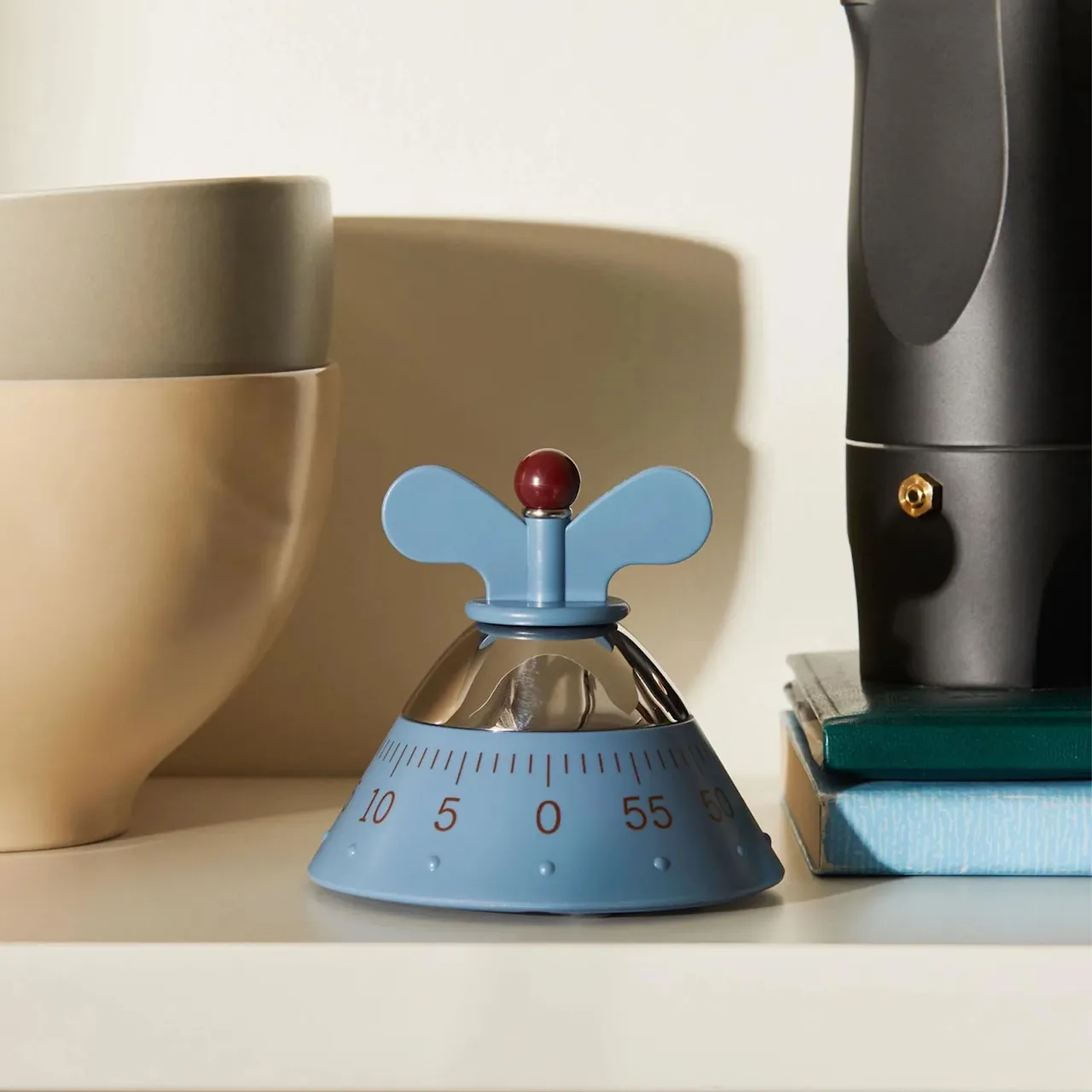
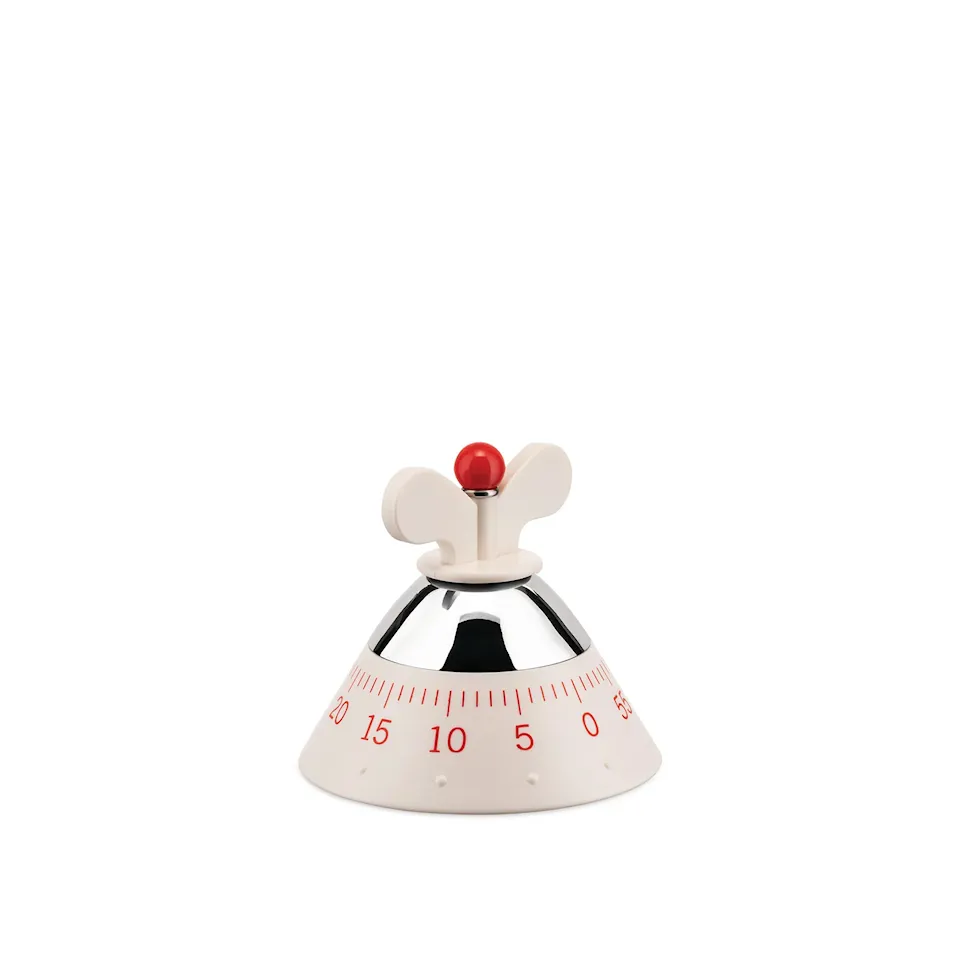
09 Kitchen Clock
€39
In stock - Code: SAVE
Alessi
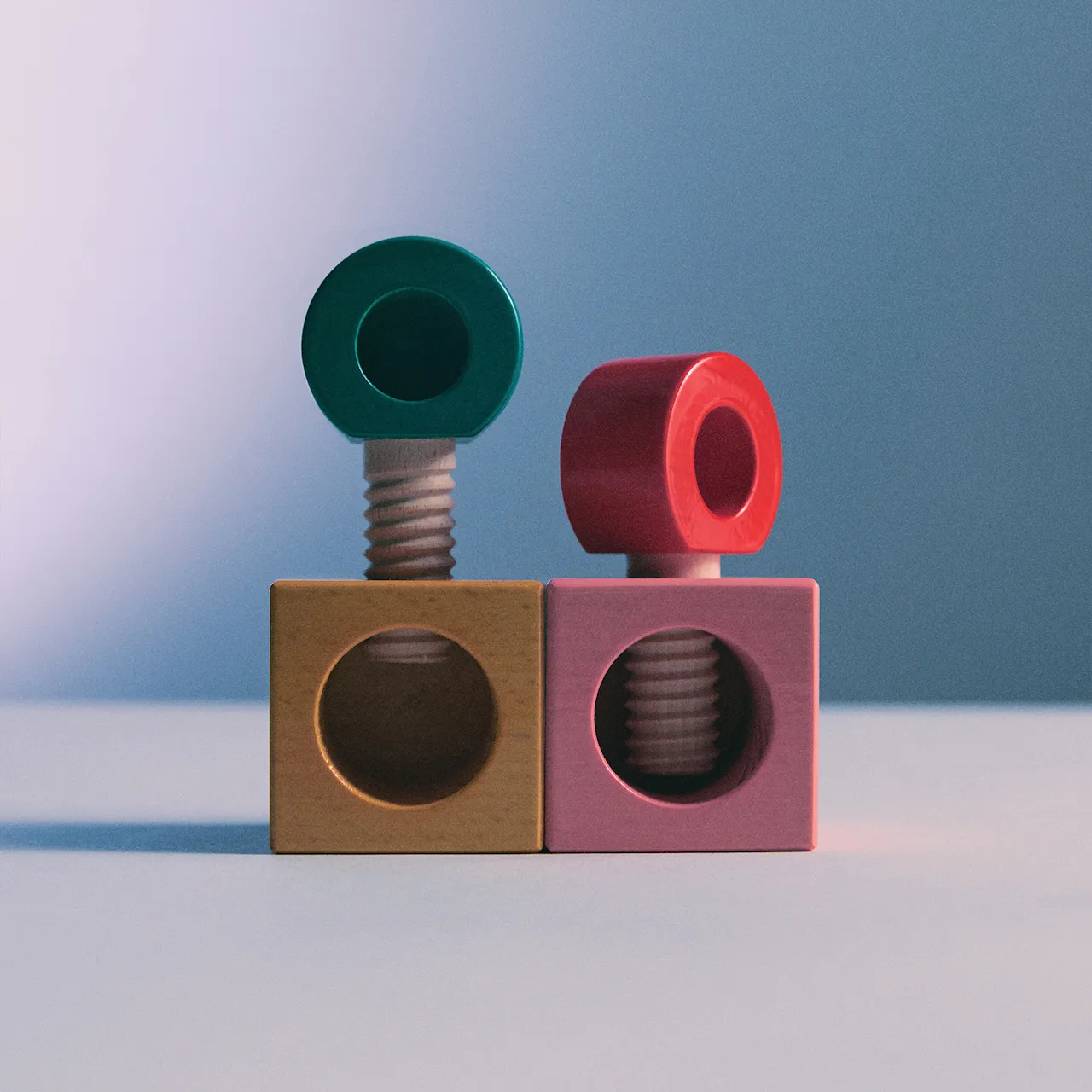
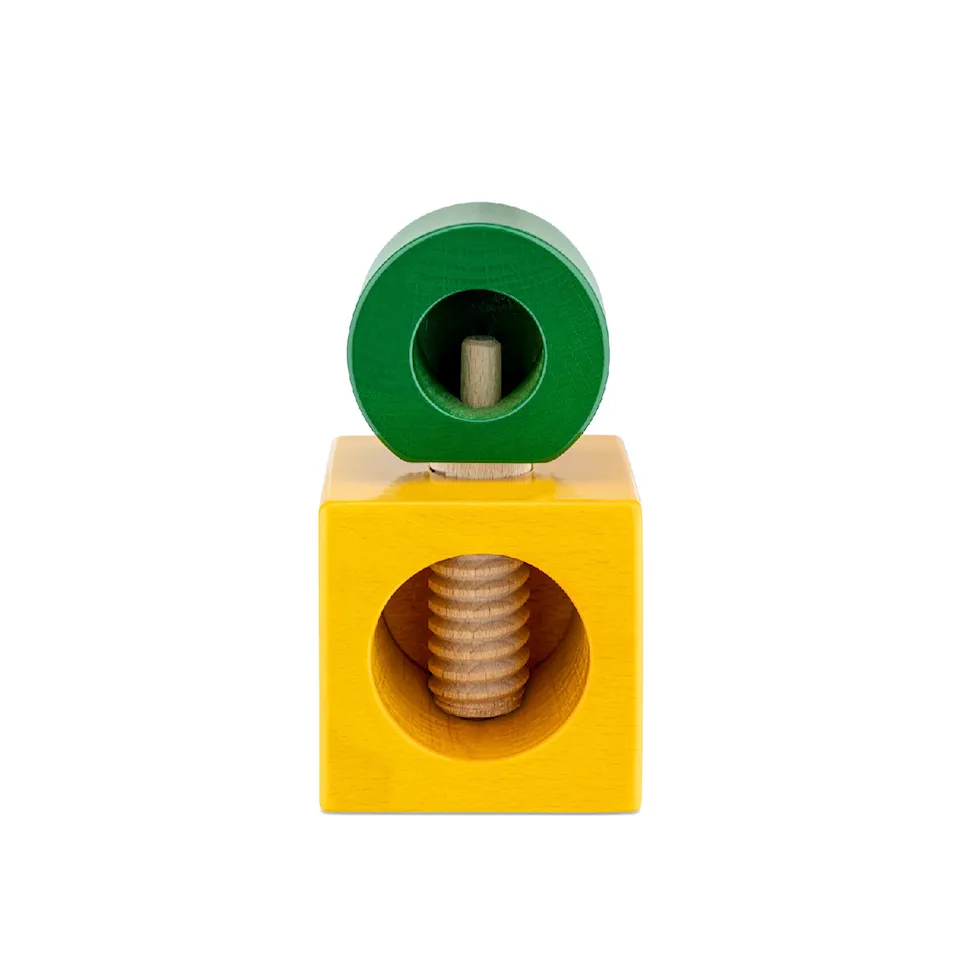
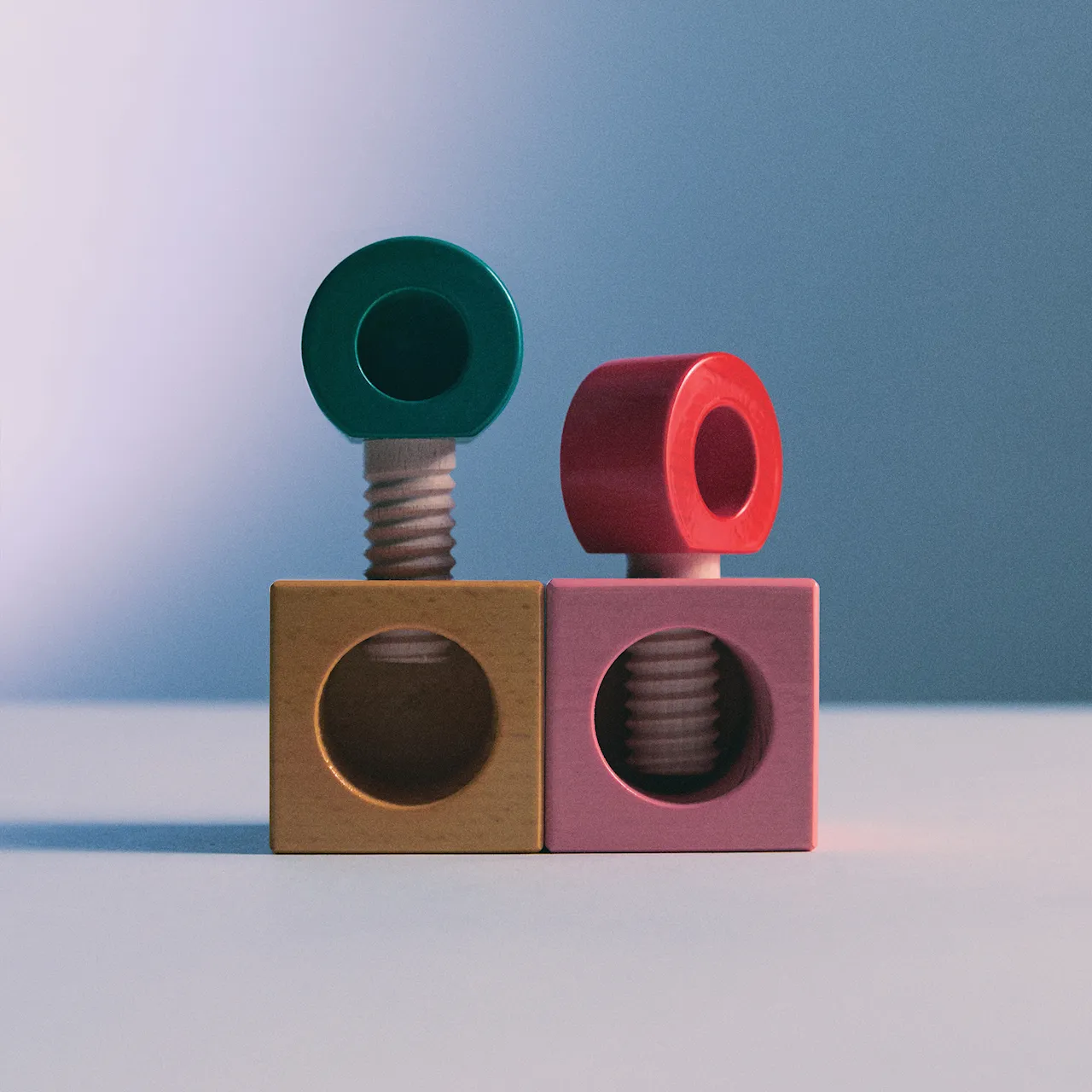
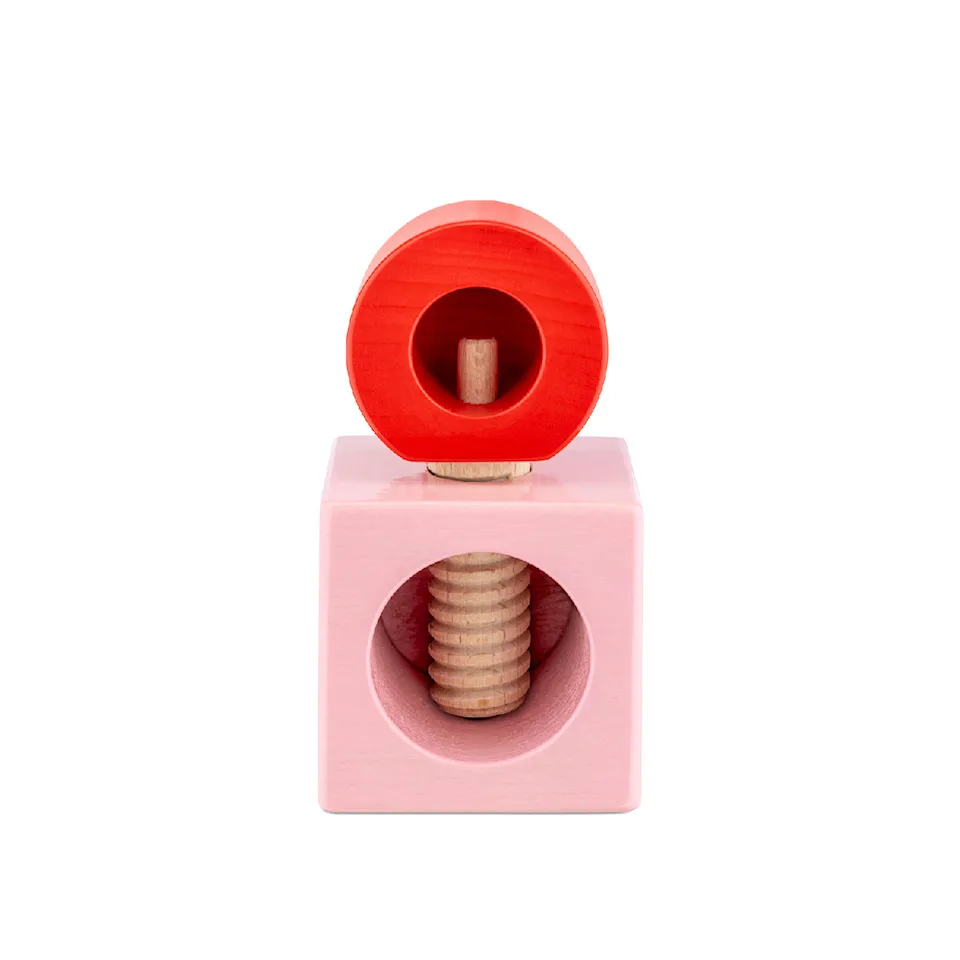
ES20 1 Nutcracker
€65
In stock - Code: SAVE
Alessi
ES20 2 Nutcrackers
€65
In stock - Code: SAVE
Alessi
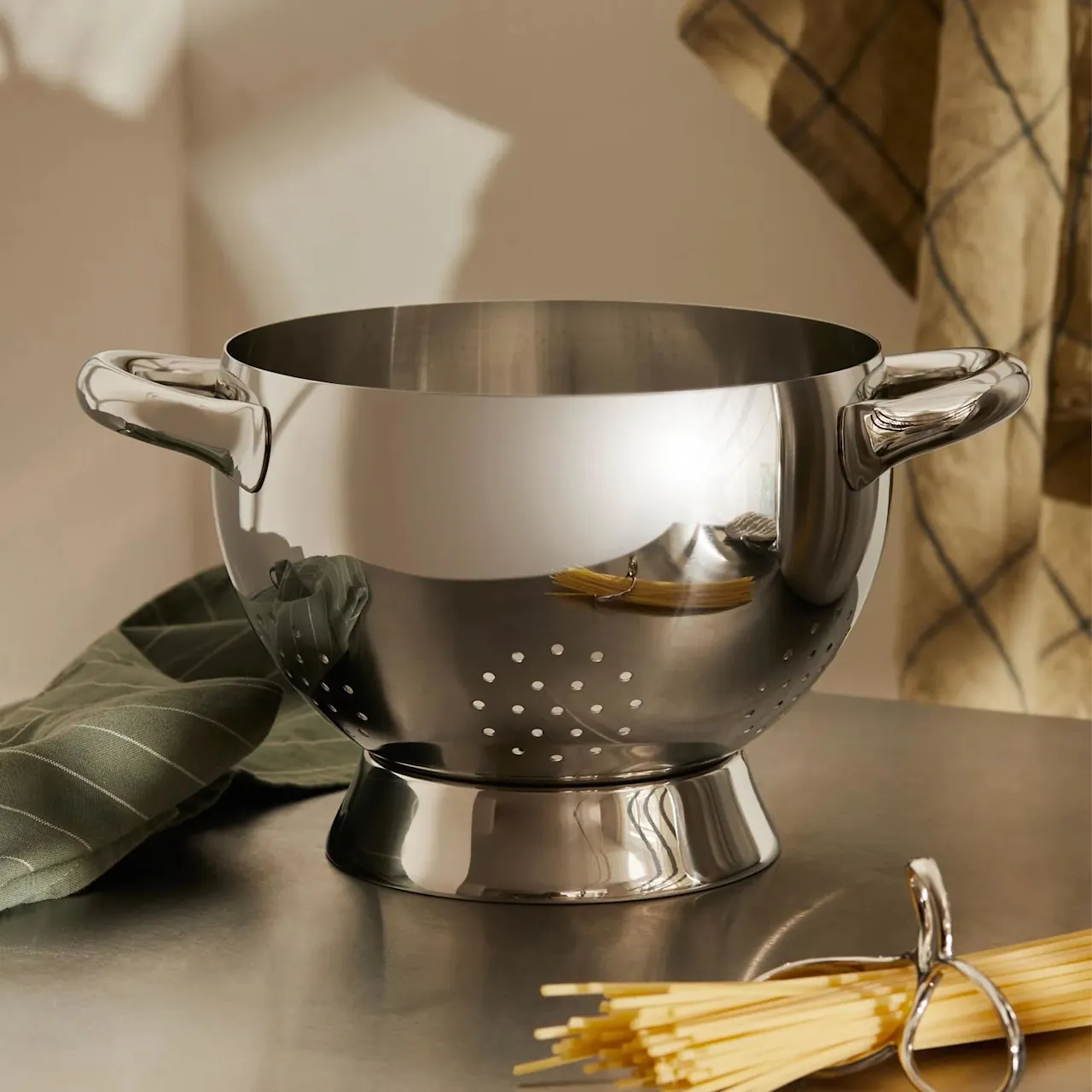
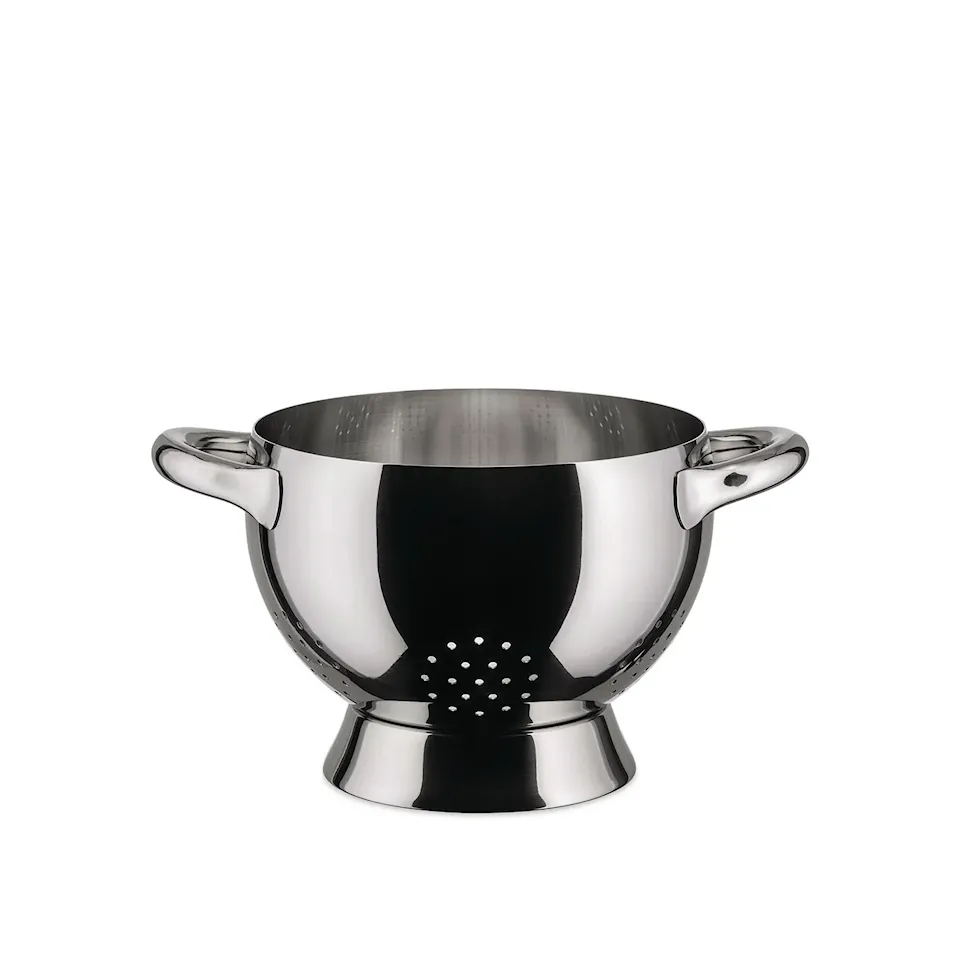
Mami Colander
€150
In stock - Code: SAVE
Alessi
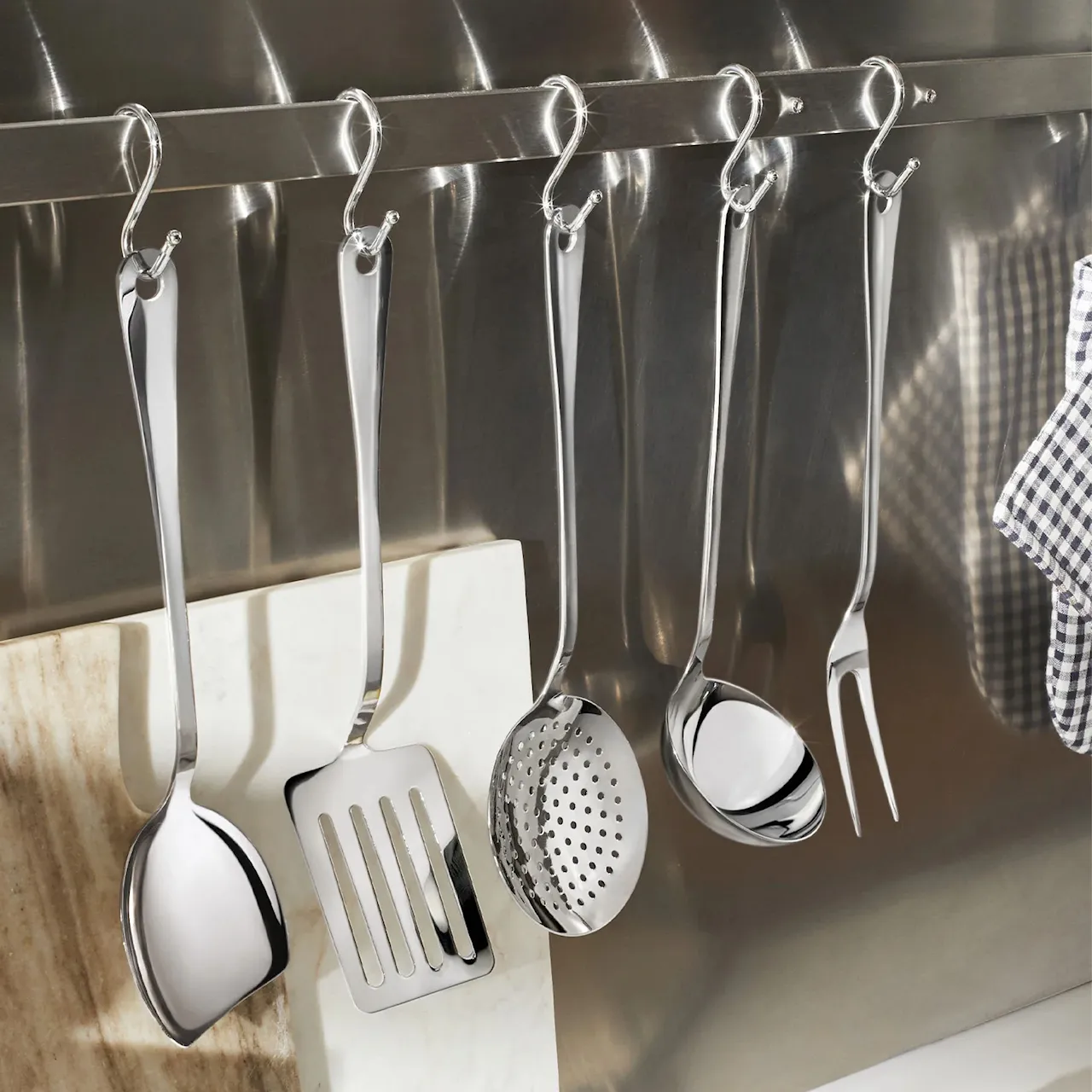
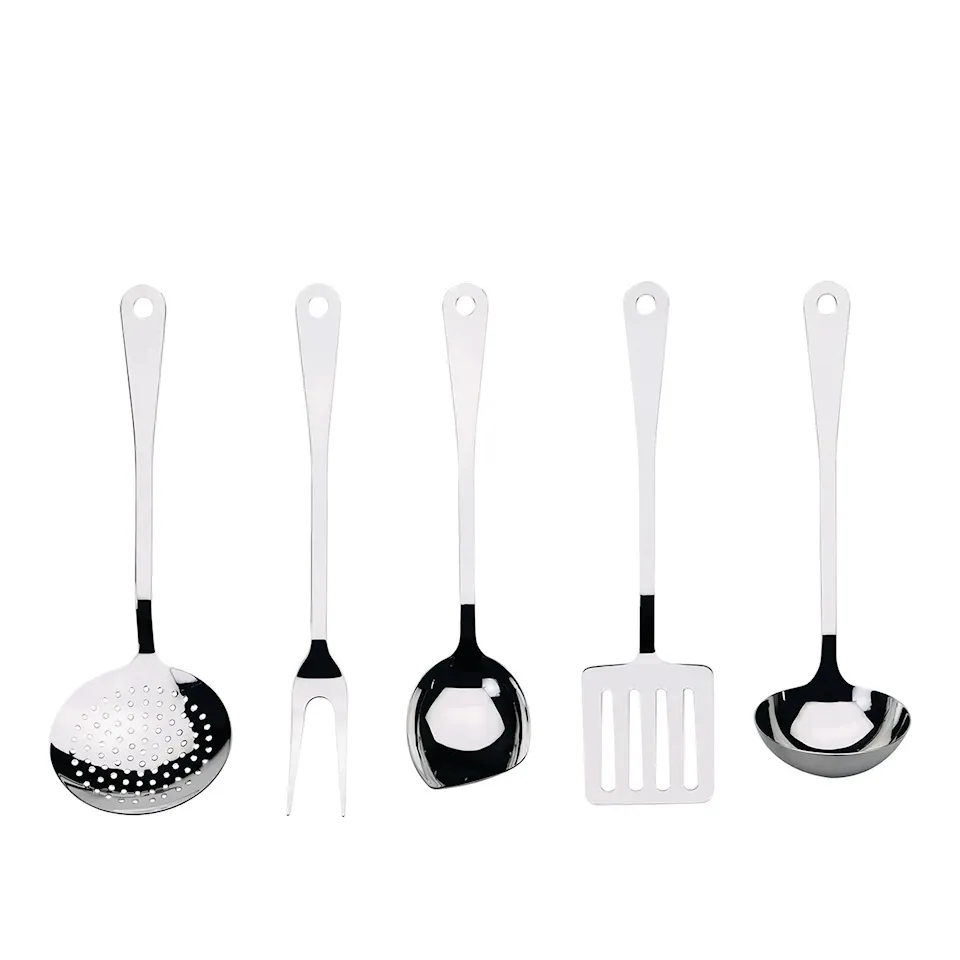
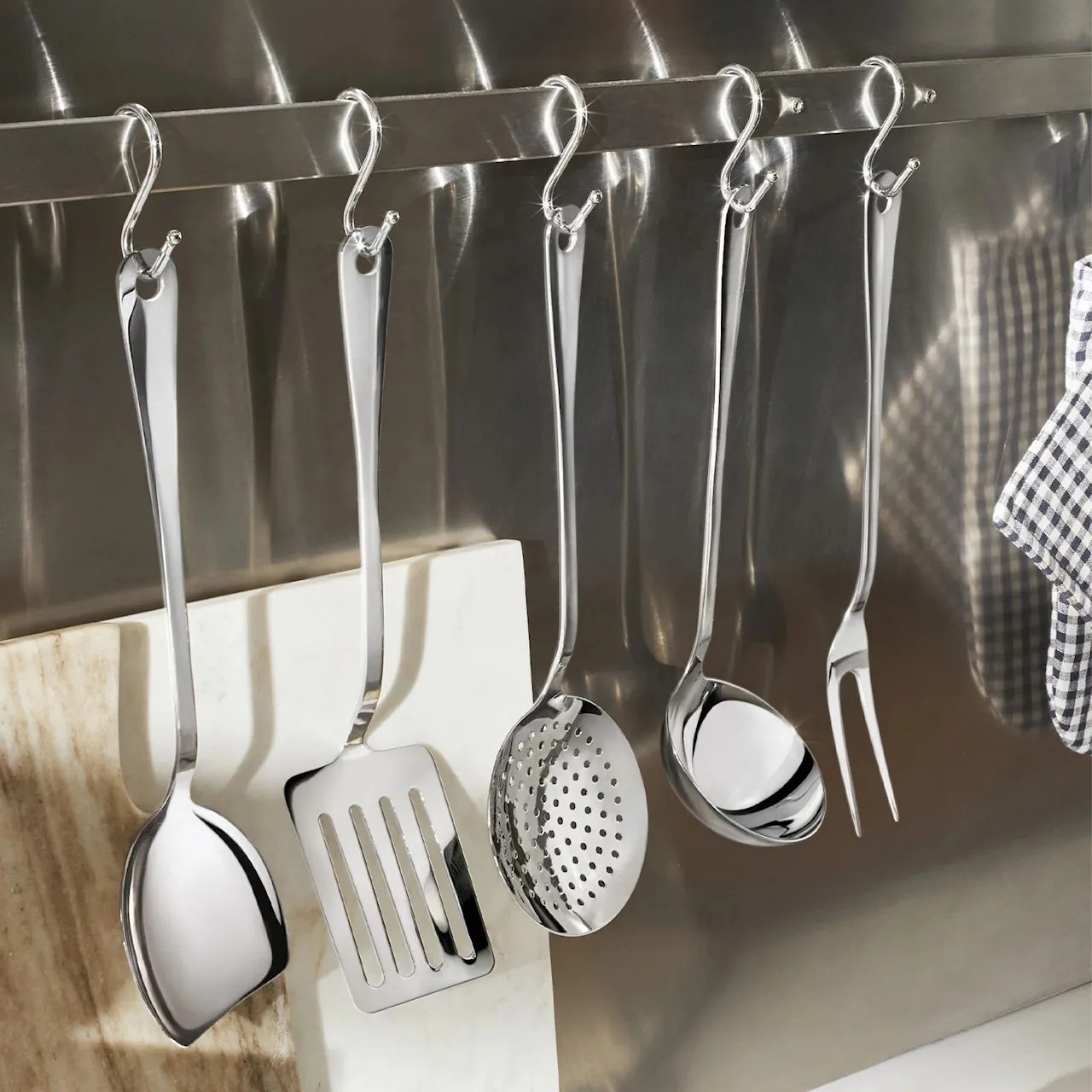
Five-pieces set
€135
In stock - Code: SAVE
Alessi
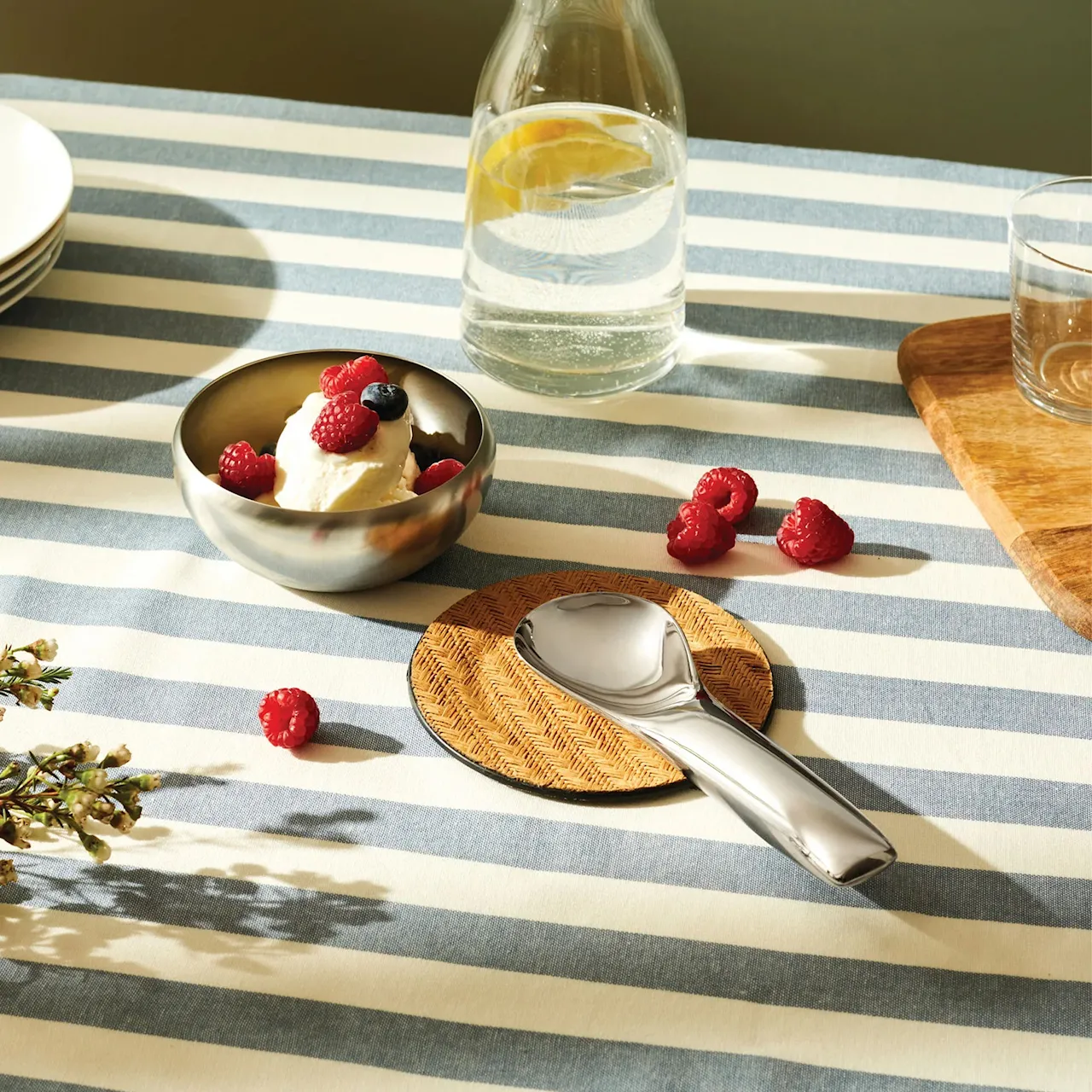
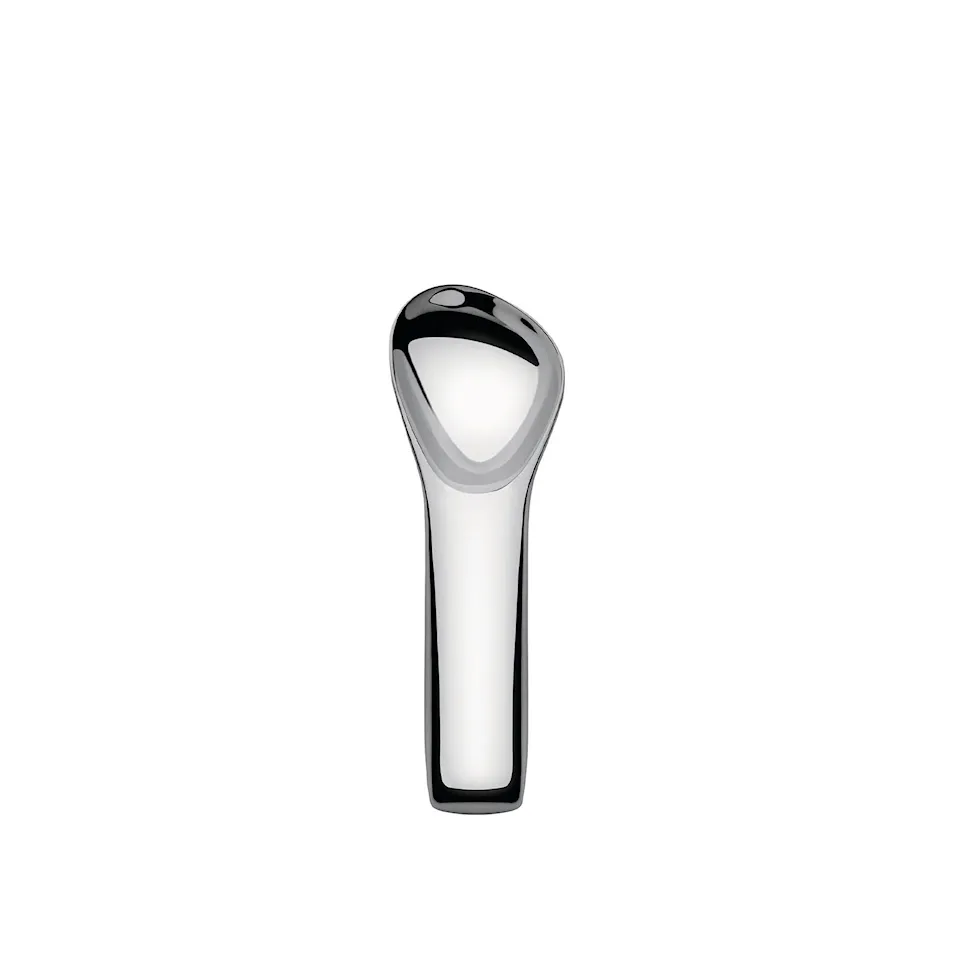
Koki Ice cream spoon
€50
In stock - Code: SAVE
Alessi
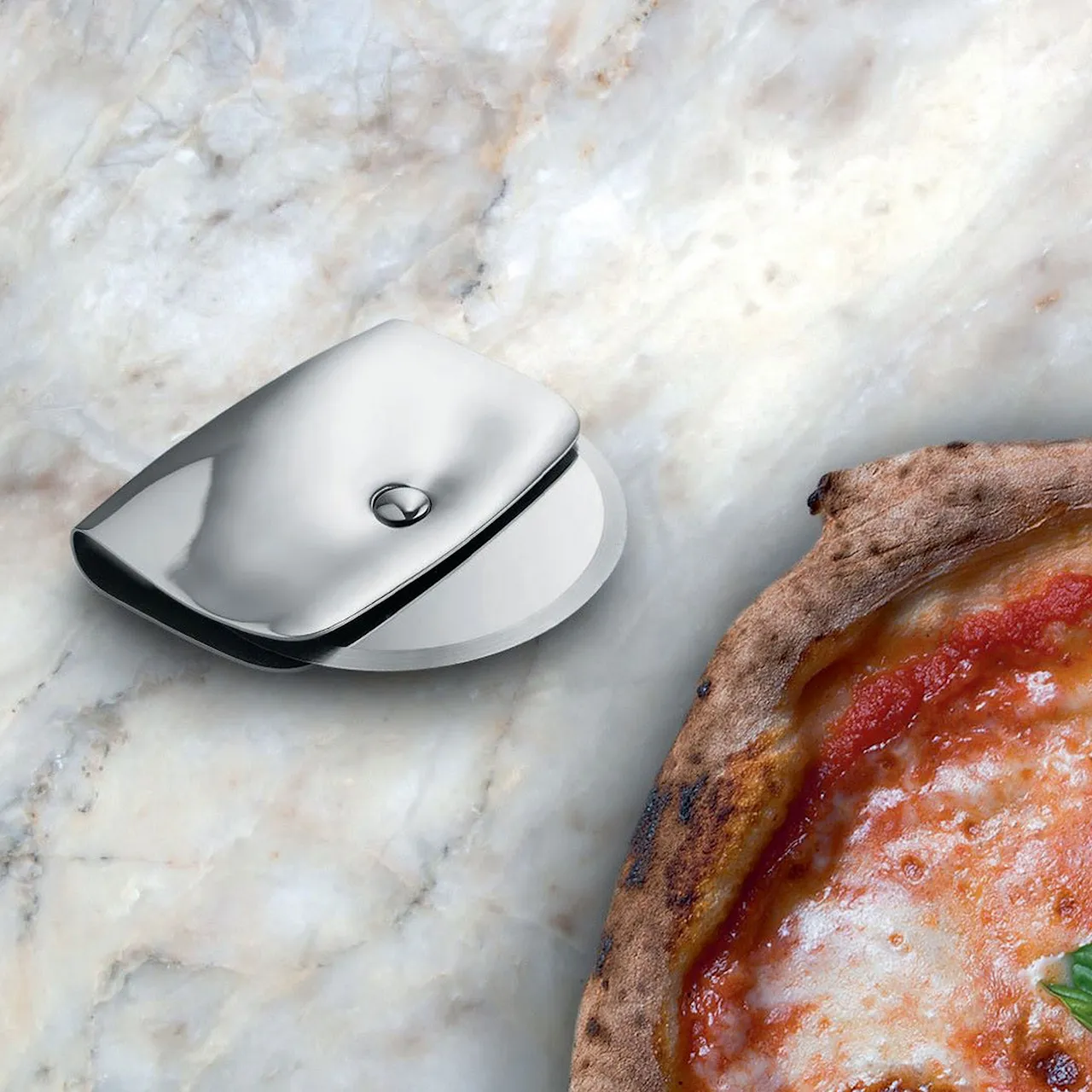
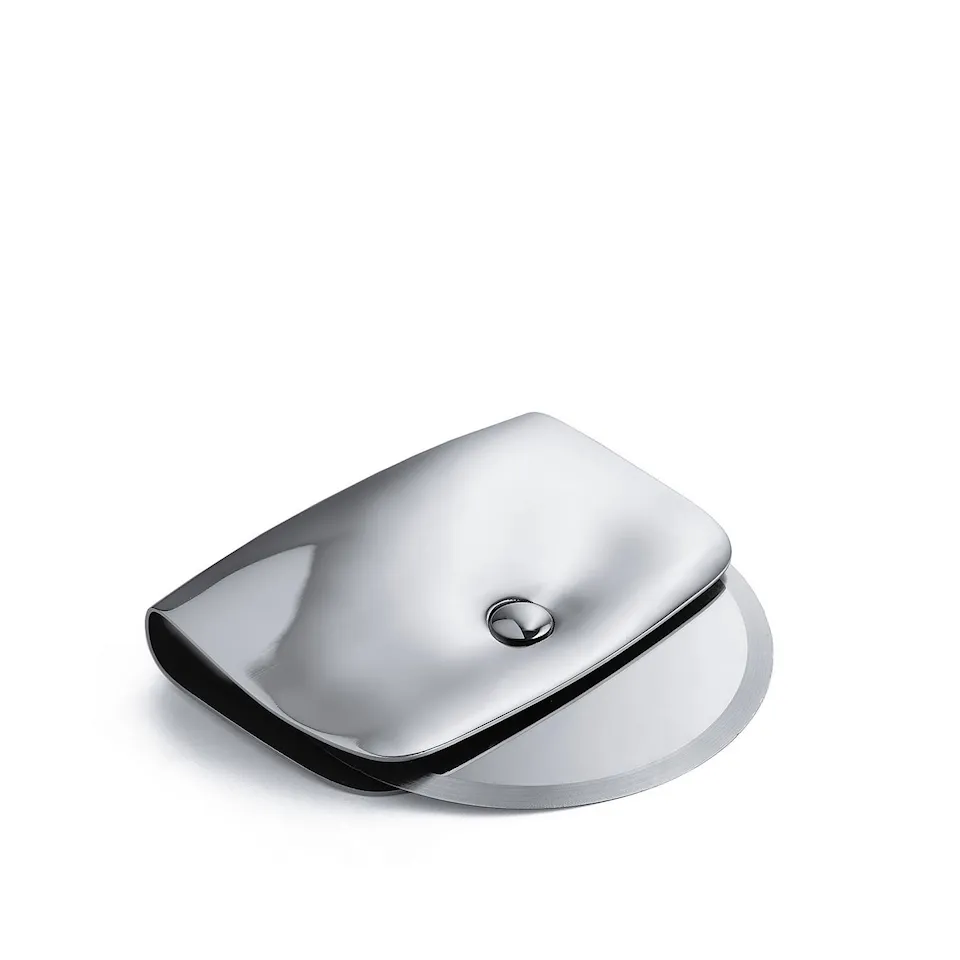
Taio Pizza Cutter
€60
Out of stock - Code: SAVE
Alessi
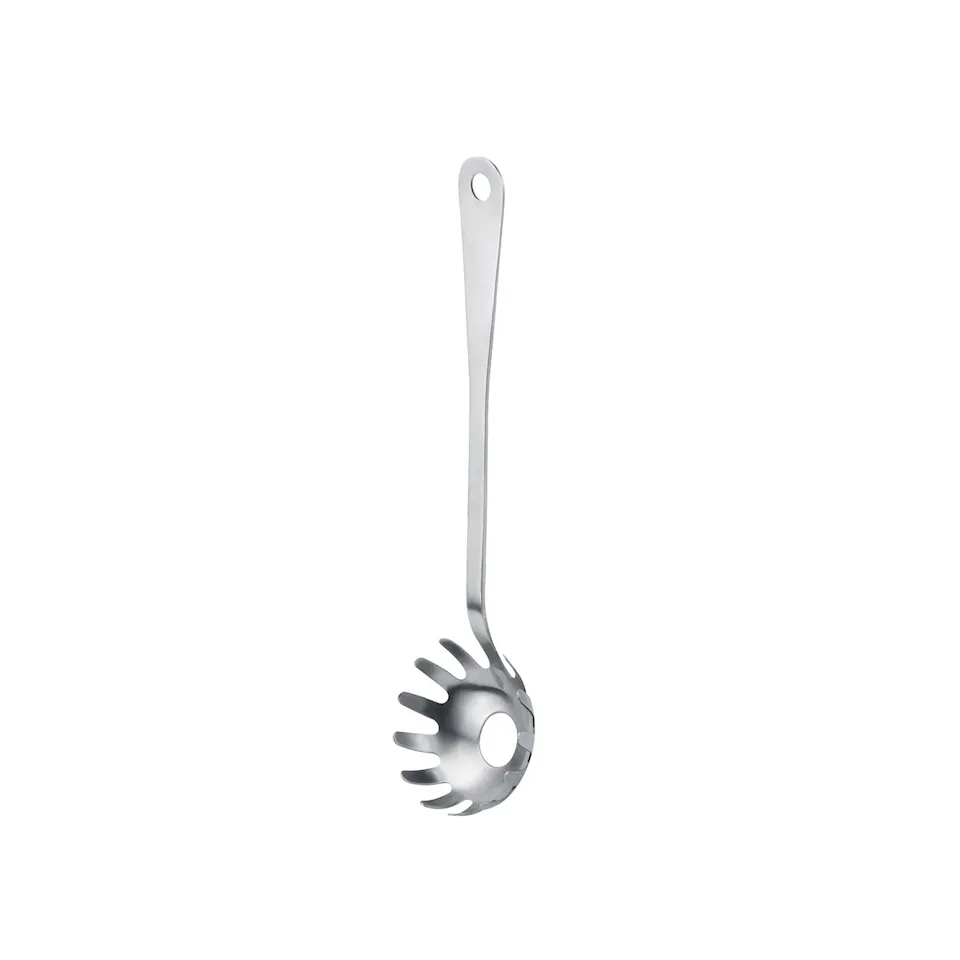
Spaghetti serving fork
€24
Out of stock
Alessi
Around the 1950s, collaboration with a number of emerging designers began, creating a range of unique interior pieces that combined traditional manufacturing with playful design. Alessi became a design hub, combining art and industry in its production. During this period, Alessi collaborated particularly successfully with Frank Gehry and Michael Graves. Gehry designed Pito, a teapot inspired by the shape of a fish. In 1984, Graves designed the 9093 teapot, which was also inspired by the animal kingdom with a nozzle representing a fish. The teapot quickly becomes a success and was to be one of Alessi’s most popular products ever.
Modern Italian design with a twist
The Juicy Salif citrus press was designed by Philippe Starck in 1990, another modern design classic. Starck got the idea for a citrus press during a restaurant visit to the Italian Riviera, and sketched it on a napkin. For the tenth anniversary of Juicy Salif, 10,000 models of the citrus press were produced and numbered in gold plate—today you can find one of them at The Museum of Modern Art in New York.
During the 1990s, Alessi began collaborating with some younger designers and started producing interior items made of plastic instead of metal, following a request from several designers who considered plastic to be the material of the future. Plastic gave designers greater creative freedom and the opportunity for design innovation. As a result, Alessi’s 1990s range initially consisted of playful and innovative design objects made of plastic.
One of the creators who made the transition to plastic was Alessandro Medini, who designed a number of products for Alessi in the 1990s. Among the objects, we find the Anna G corkscrew, a female face made of metal, dressed in a plastic robe, which became one of Alessi’s most popular products. Today, with its solid history of successful design collaborations and constant striving for innovation in Italian design, Alessi is an obvious choice if you’re looking for top-quality kitchen utensils or interior design items.
Is there something you are missing in terms of alessi?
Please contact us via our contact form to discuss your specific product request.