

Knoll sofas
Knoll was founded in 1865 in Stuttgart by Wilhelm Knoll and later developed in the United States by Hans and Florence Knoll. Collaborations with designers such as Mies van der Rohe, Eero Saarinen and Harry Bertoia shaped a collection where furniture and architecture are conceived together. The portfolio combines technical precision, selected materials and modernist form.

4 products
Knoll
The story of Knoll begins in 1865 in Stuttgart, where Wilhelm Knoll founded a family-owned business focusing on solid craftsmanship. Several decades later, during the 1930s, Wilhelm's grandson Hans Knoll moved to New York to establish an American operation. It was there that the meeting with architect Florence Schust, later Florence Knoll, came to shape the brand's future. Together, they modernized production and introduced a new approach to interior design, where furniture and architecture developed as a coherent whole.
The couple's view on spatial planning was based on the idea that furniture should not stand alone, but interact with proportions, materials, and architectural lines. This methodology became a central part of the company's identity and laid the foundation for the collection that is today regarded as one of modernism's most important design legacies.
Collaborations with significant designers and architects enabled Knoll to build a portfolio of over 40 works that are now found in museums worldwide, including the Museum of Modern Art. The character of the collection is distinguished by a clear and functionally driven design where construction and aesthetics are integrated into the same expression.
Groundbreaking collaborations and seating
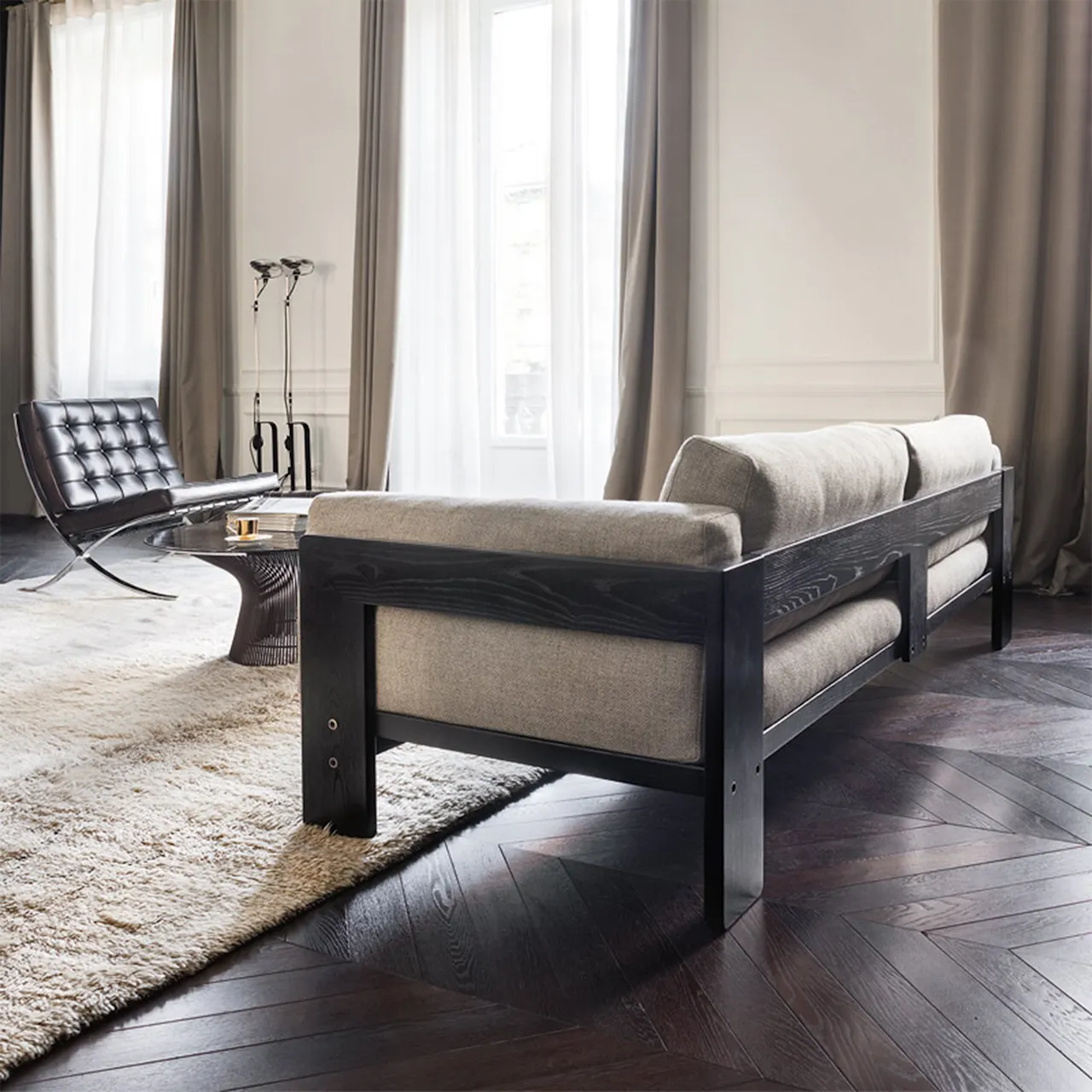
A central part of the identity is the long-standing collaborations established during the middle of the last century. The relationship with Ludwig Mies van der Rohe resulted in the Barcelona Collection, originally designed for the 1929 International Exposition. The collection includes armchairs and daybeds that, with their cross-shaped bases in chromed steel and hand-worked leather cushions, exemplify the modern era. These design pieces have become reference works for how modernism can be expressed.
Eero Saarinen, another of the architects who shaped Knoll's expression, challenged conventions regarding the structure of furniture. His striving to eliminate the "slum of legs" under tables and chairs led to the Saarinen series. Here we find the Tulip Chair and accompanying dining tables, whose soft forms in cast aluminium and fibreglass create a visual calm. For those seeking a place for relaxation, Saarinen also offers enveloping lounge chairs like the Womb Chair, constructed to support all the body's sitting positions.
Warren Platner added a more sculptural expression to Knoll's modernism. In the Platner Collection from 1966, tightly fused steel rods are used to create furniture where construction and form are inseparable.
Florence Knoll's rational systems
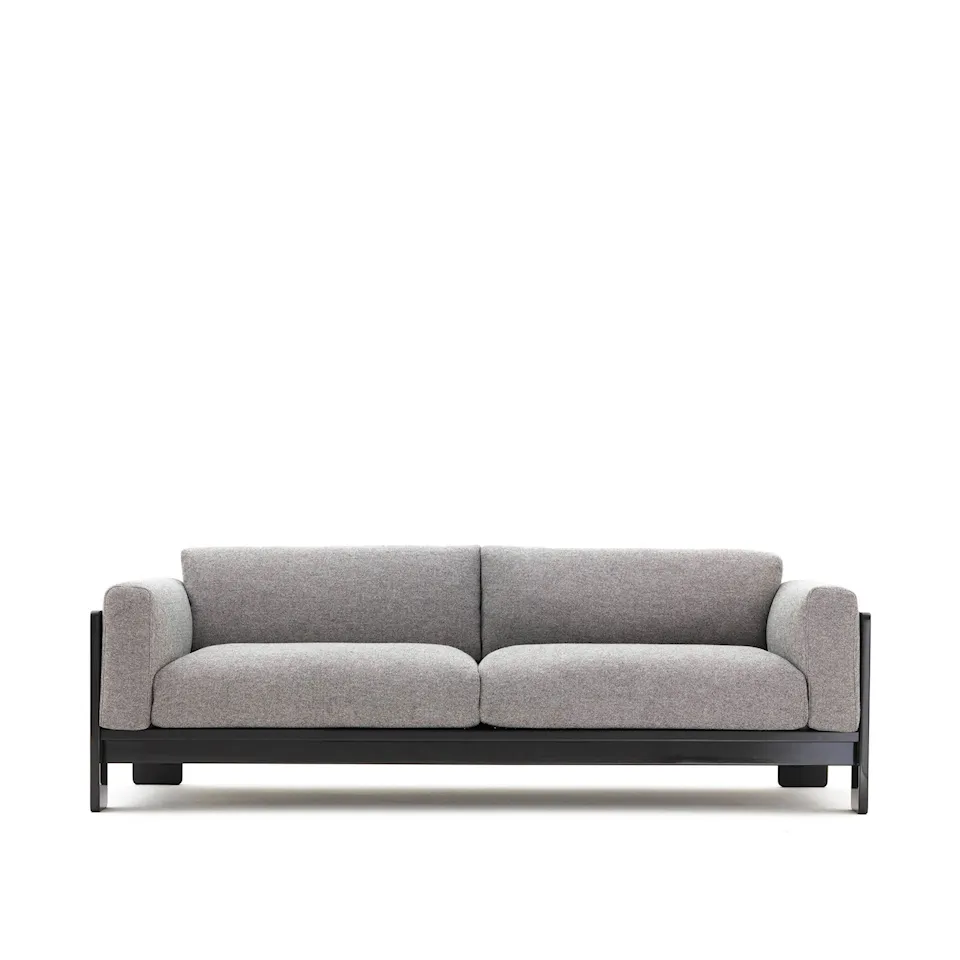
Florence Knoll contributed not only as a leader of the company but also as one of its foremost designers. Her philosophy was based on rationality. She designed furniture that would function as architectural building blocks. Her series of sofas and benches are characterized by strict lines and a clear geometric structure, often combined with bases in chromed steel.
These objects function in a range of different contexts and can be advantageously combined with low coffee tables or sideboards that highlight the horizontal line and balance the proportions of the furniture.
Materiality and durability over time
Knoll's range today includes everything from desks for office environments to dining chairs for the dining room. Common to all products is an uncompromising approach to material selection. Whether it involves Italian marble, American walnut, or high-quality leather, materials are chosen to age with dignity. Wilhelm Knoll's legacy lives on in the standard where craftsmanship is at the centre.
For outdoor environments, Knoll has developed collections that transfer the elaborate design language of indoor furniture to the terrace. Richard Schultz's collection from 1966 is an example of how sun loungers and outdoor dining tables can be designed to withstand wind and weather without losing their formal sharpness. Harry Bertoia's wire furniture, such as the Diamond Chair, also works excellently as armchairs in an outdoor context thanks to their airy construction.
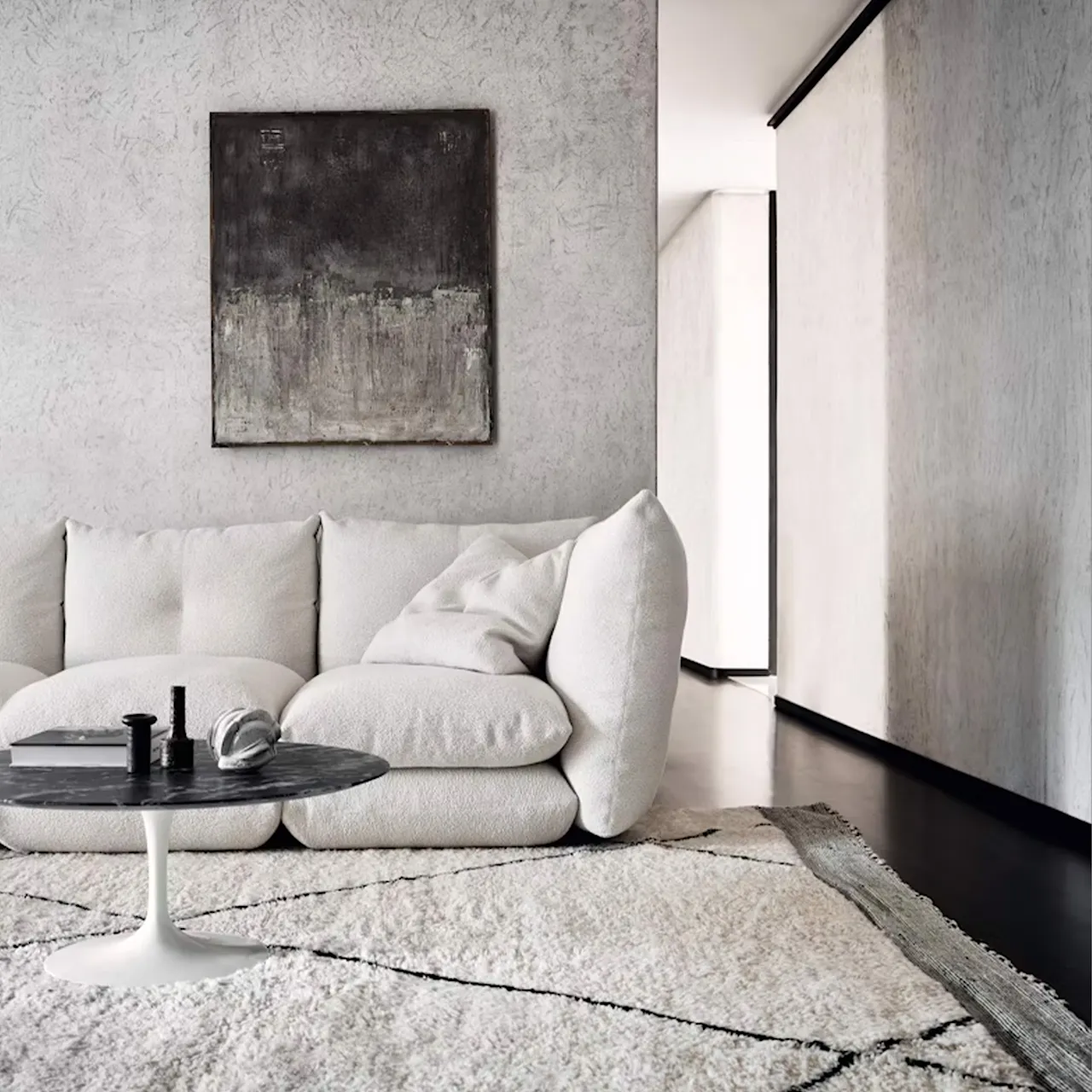
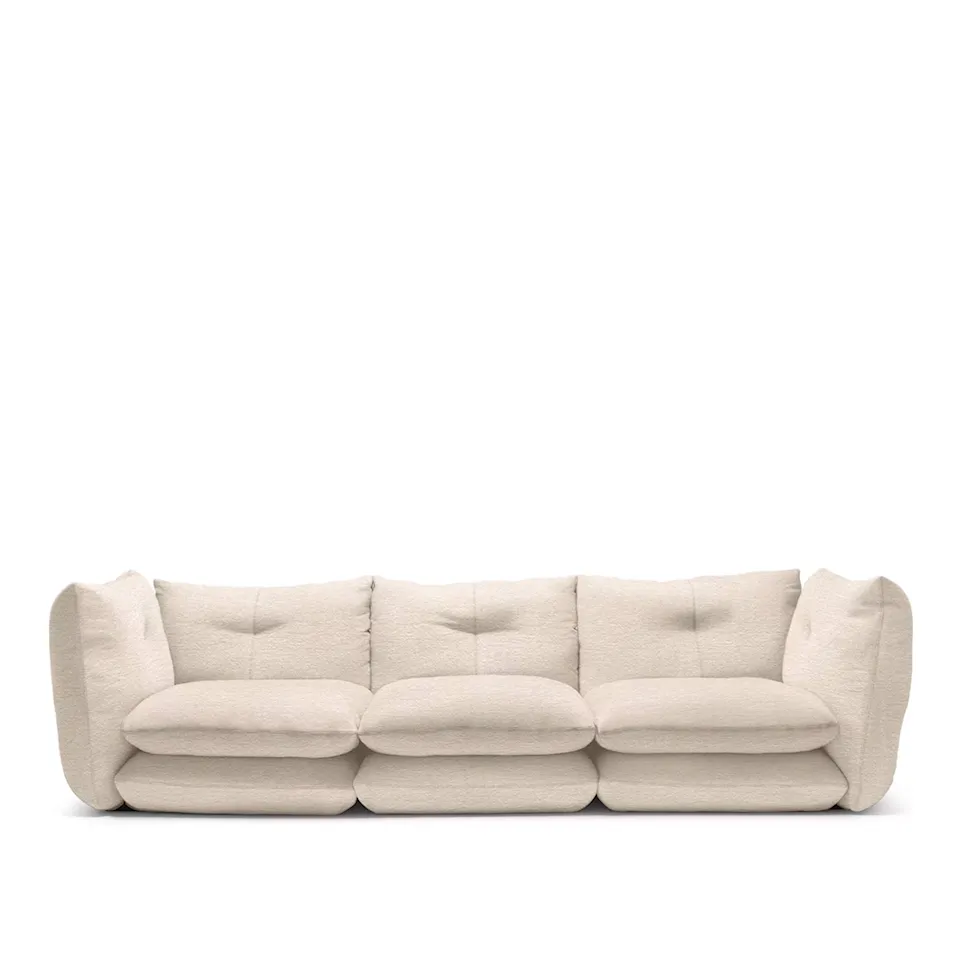
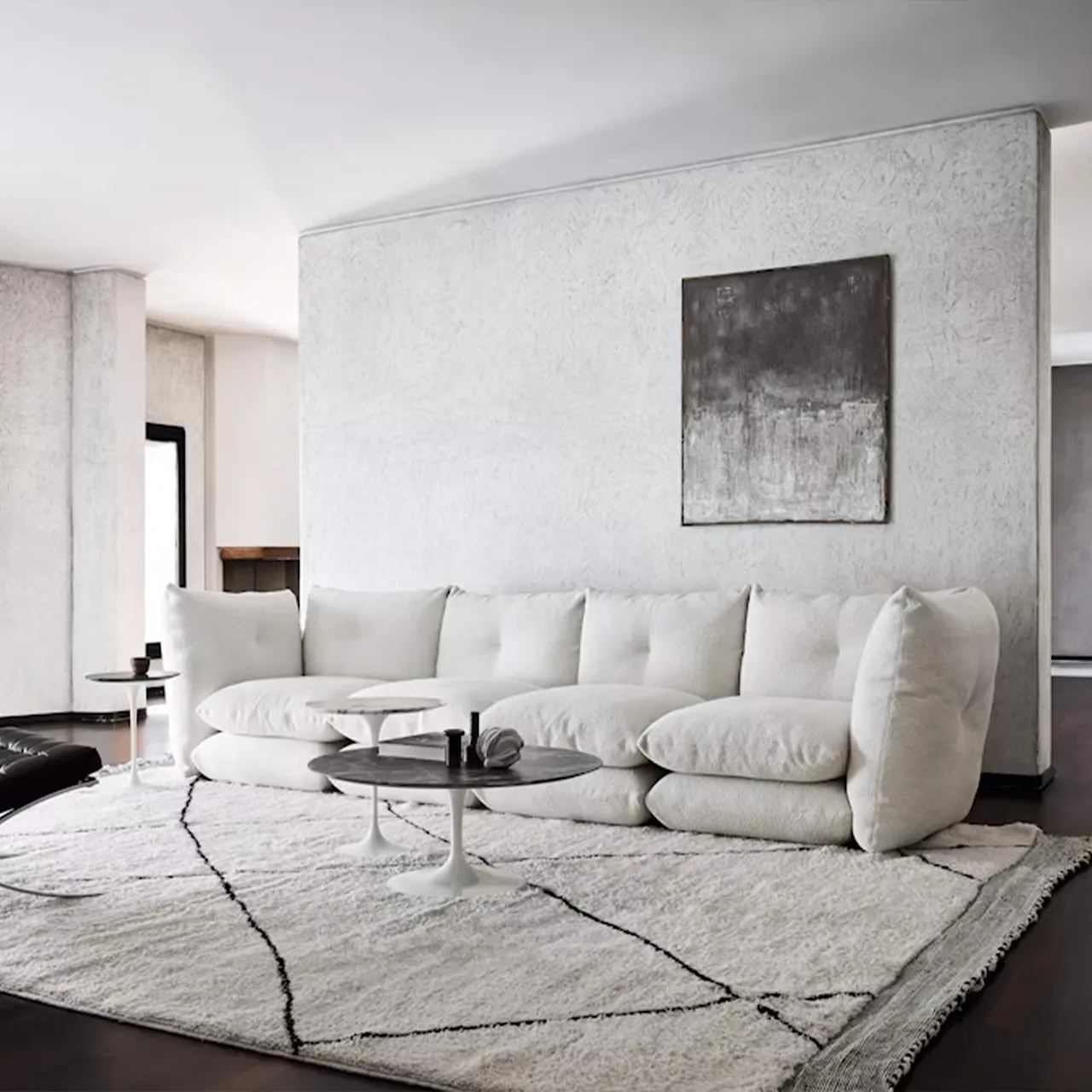
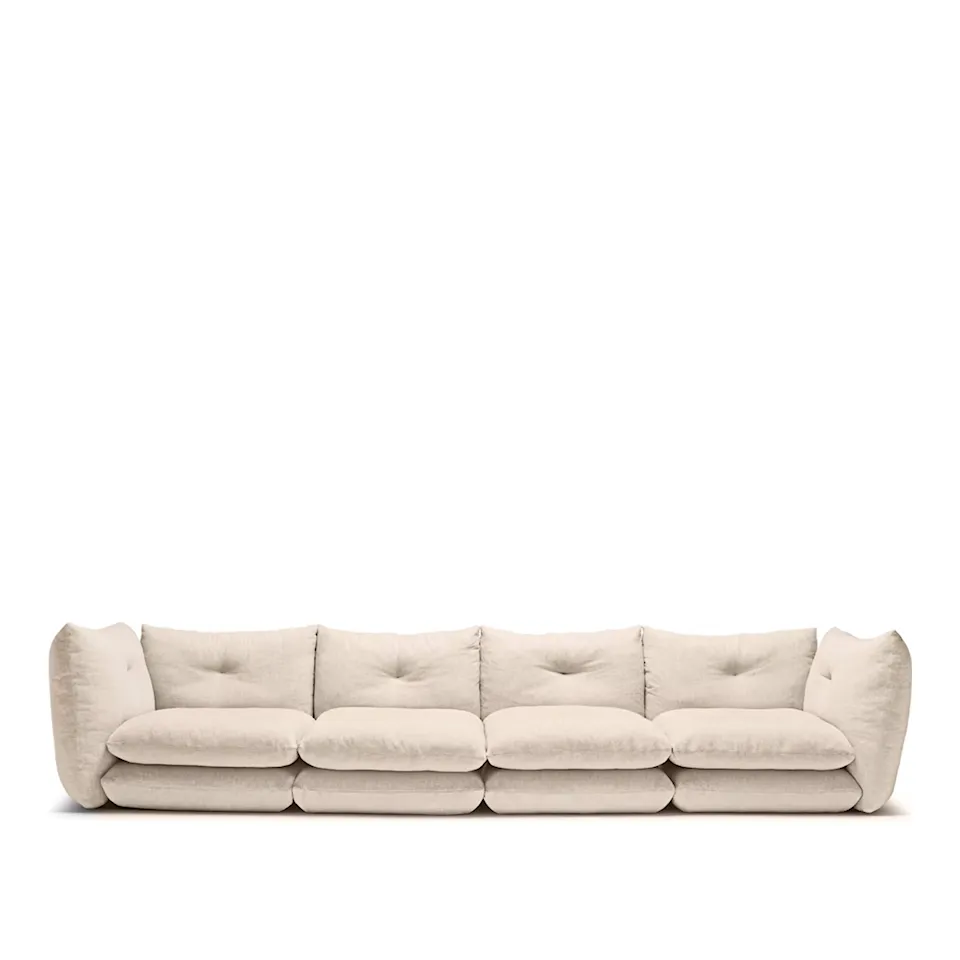
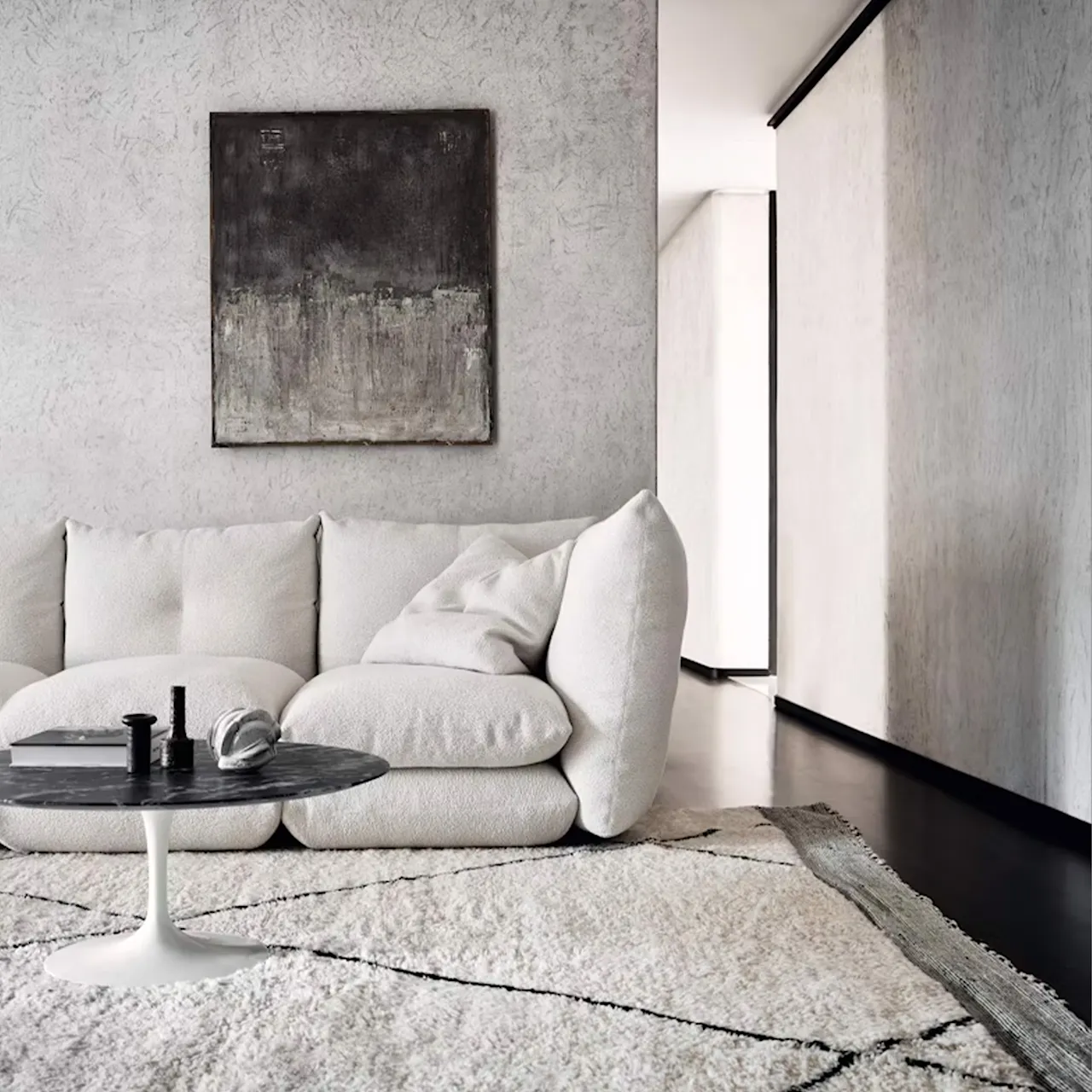
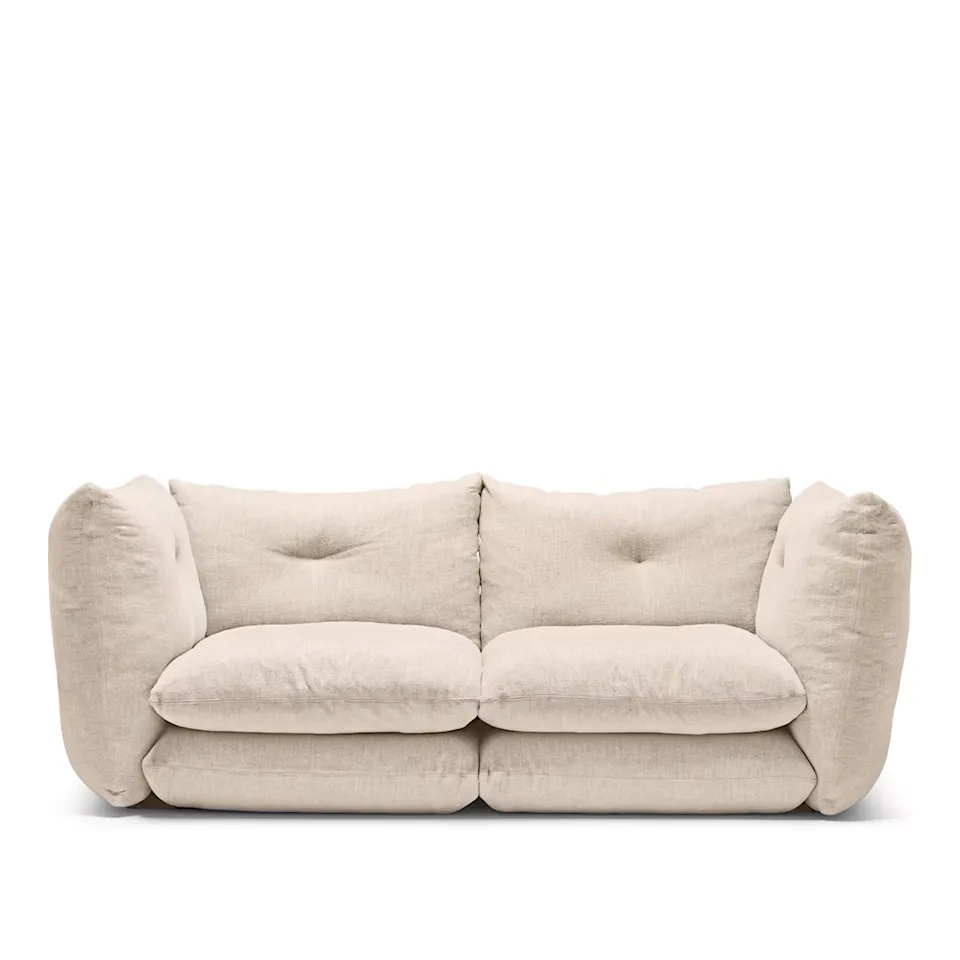
Knoll continues to manage its legacy by balancing the production of historical design classics with new collaborations. The Planning Unit and the visionary ideas of the past are still relevant. This development also includes contemporary designers such as Willo Perron, who, in collaboration with Knoll, has created sofas in two-, three-, and four-seater versions. His contribution reflects a modern interpretation of the brand’s design language, where comfort, scale, and architectural clarity are in focus. Decorating with design furniture from Knoll is about understanding the balance between space, form, and function.
Is there something you are missing in terms of knoll?
Please contact us via our contact form to discuss your specific product request.