

Flos rechargeable lamps
Flos werd in 1962 in Italië opgericht door Dino Gavina en Cesare Cassina. Het merk ontwikkelt armaturen waarbij constructie en lichtfunctie het ontwerp bepalen. In samenwerking met Achille en Pier Giacomo Castiglioni ontstond een methode waarin materialen, techniek en lichtverdeling systematisch worden getest om precieze en doordachte verlichting te realiseren.

4 products
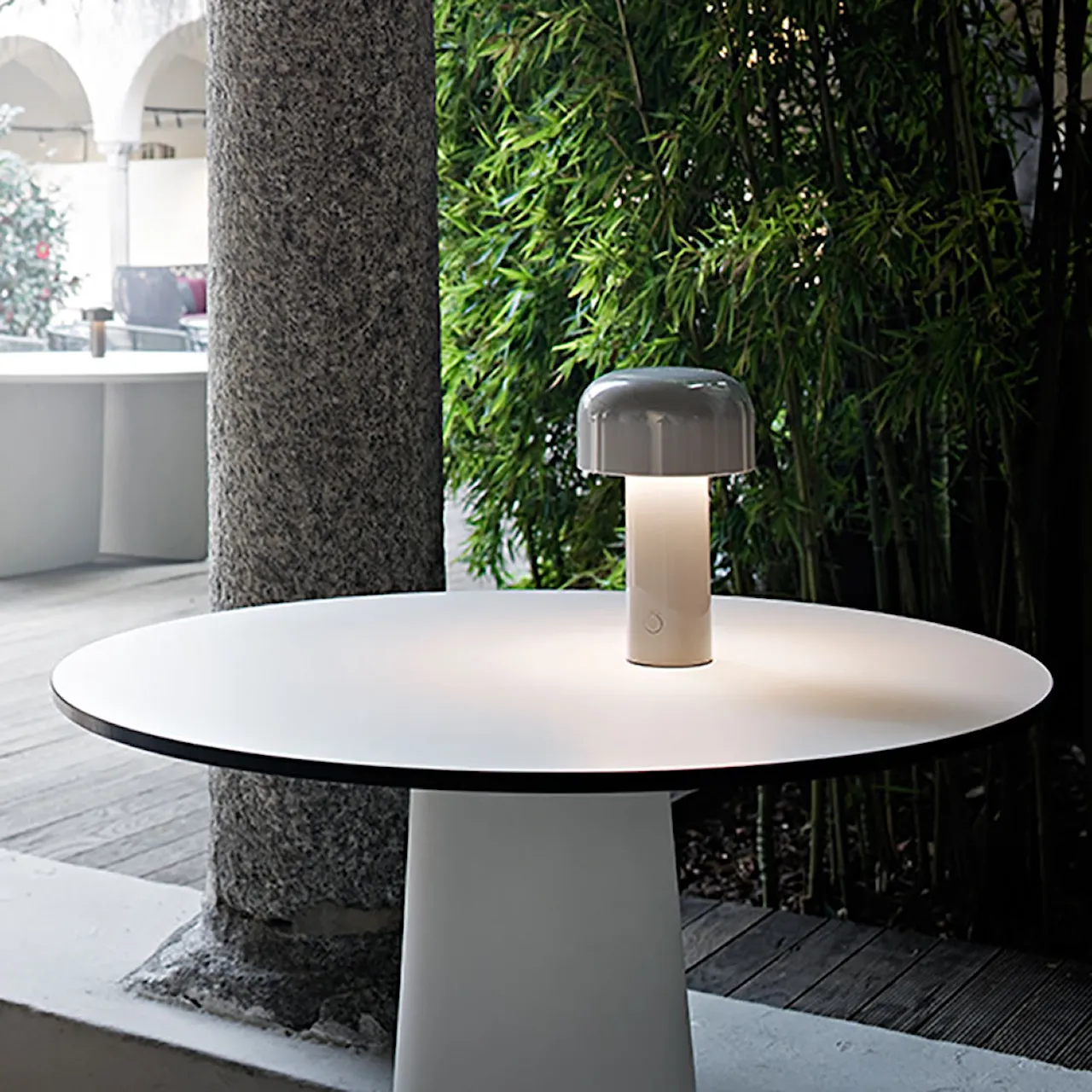
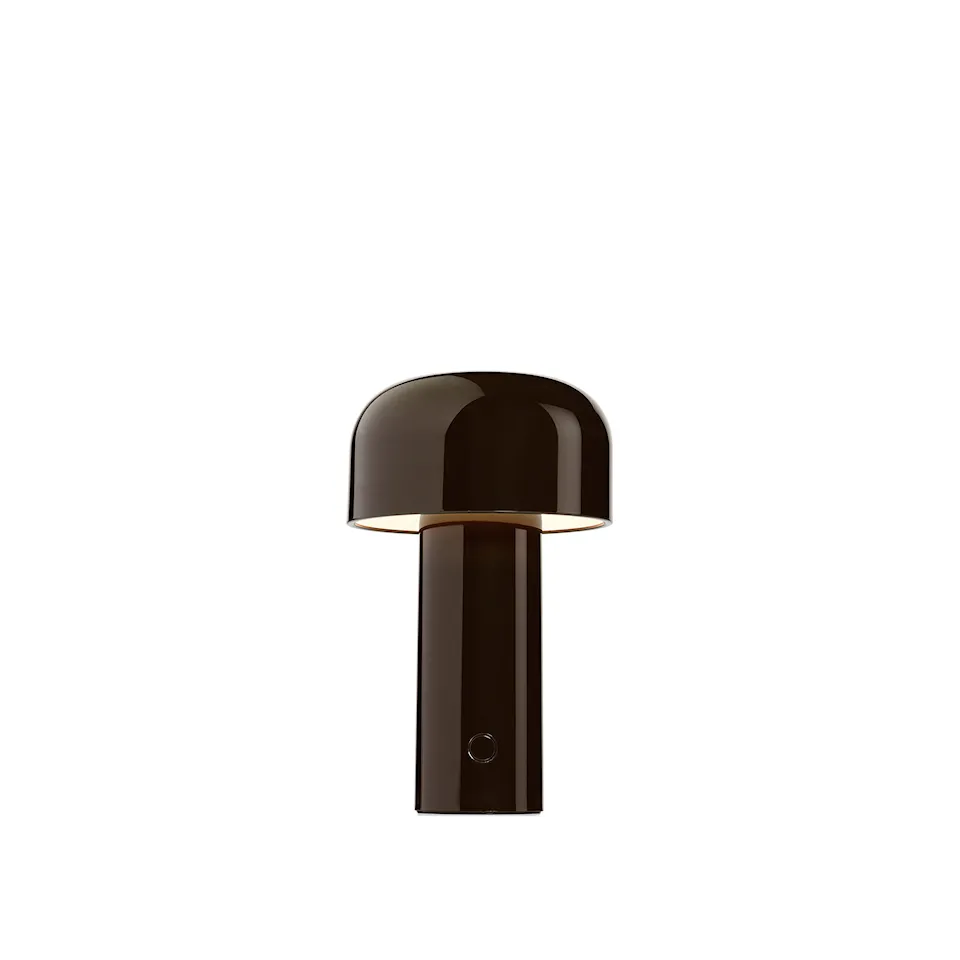
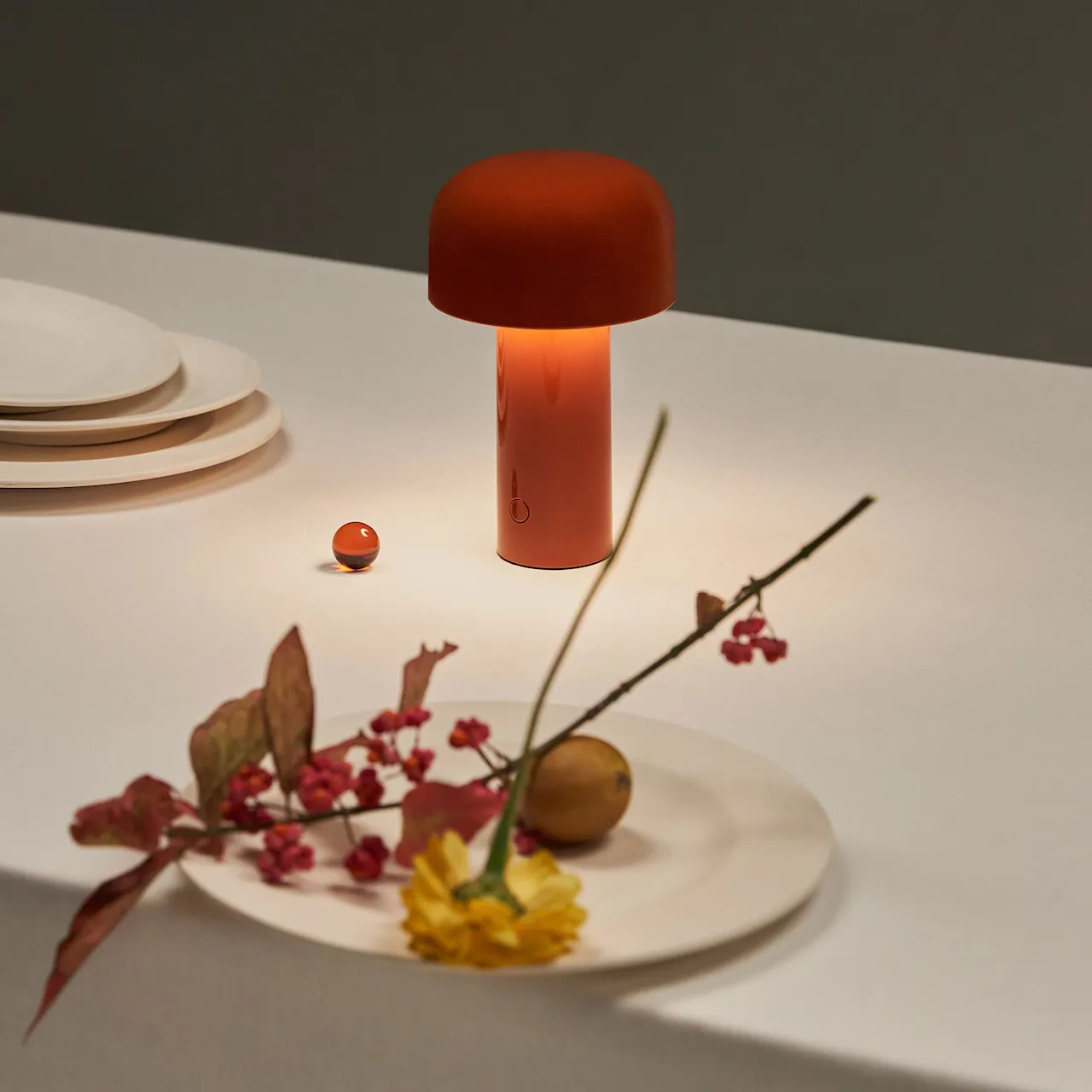
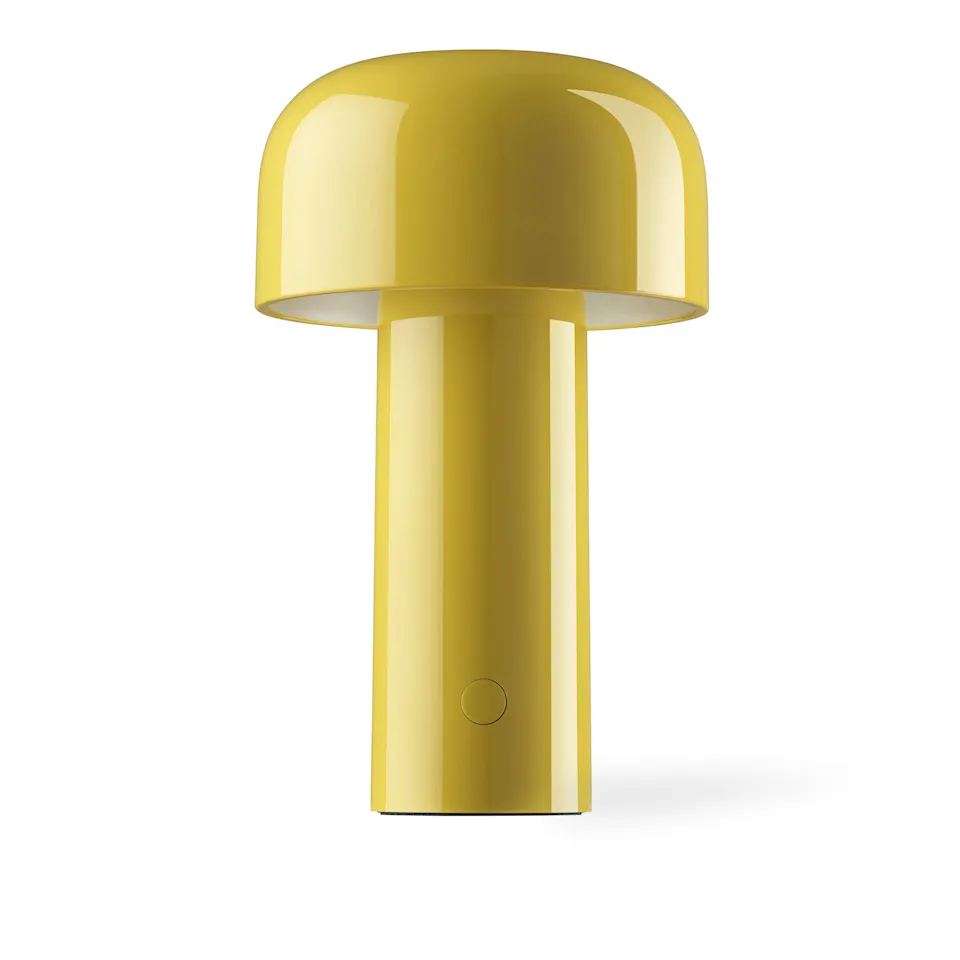
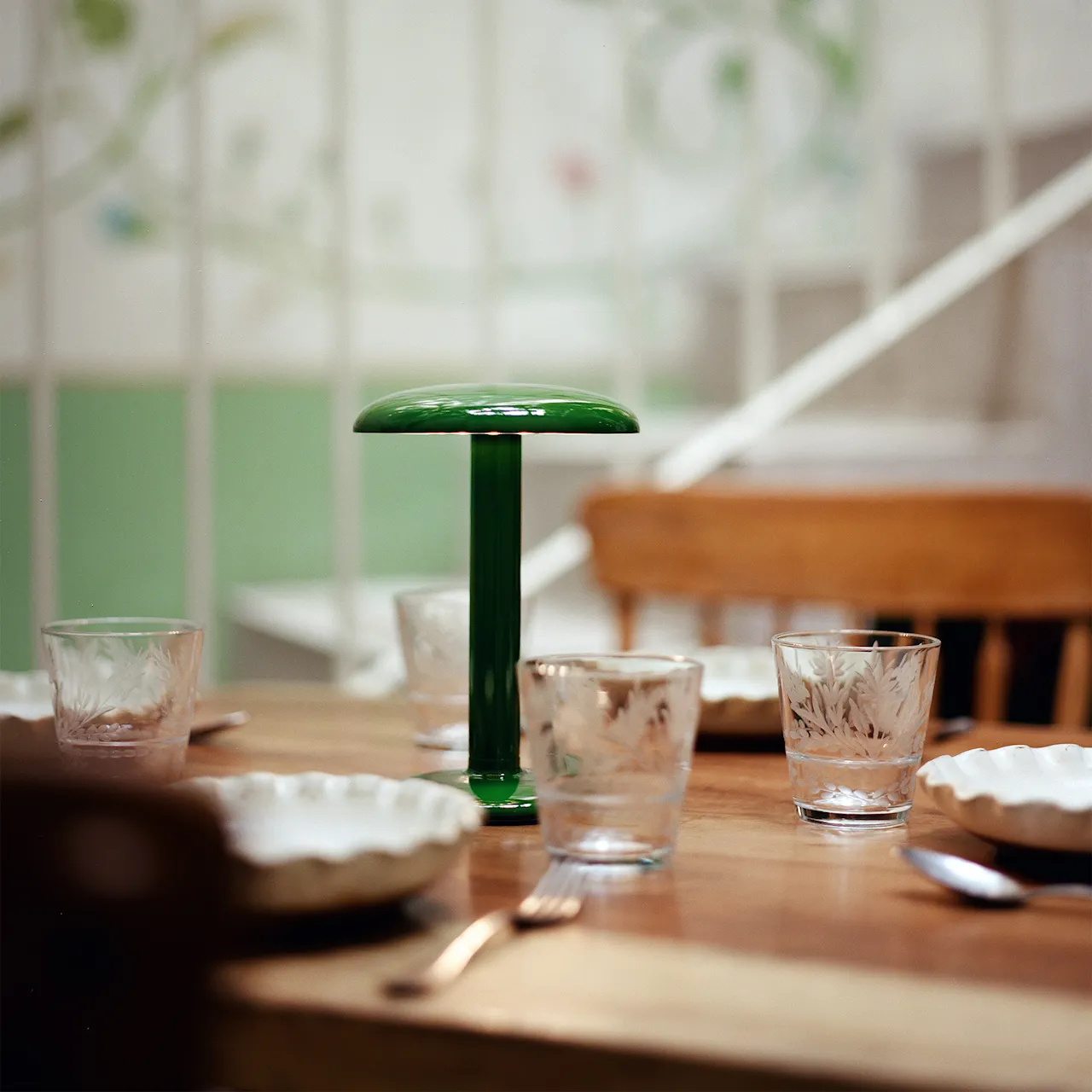
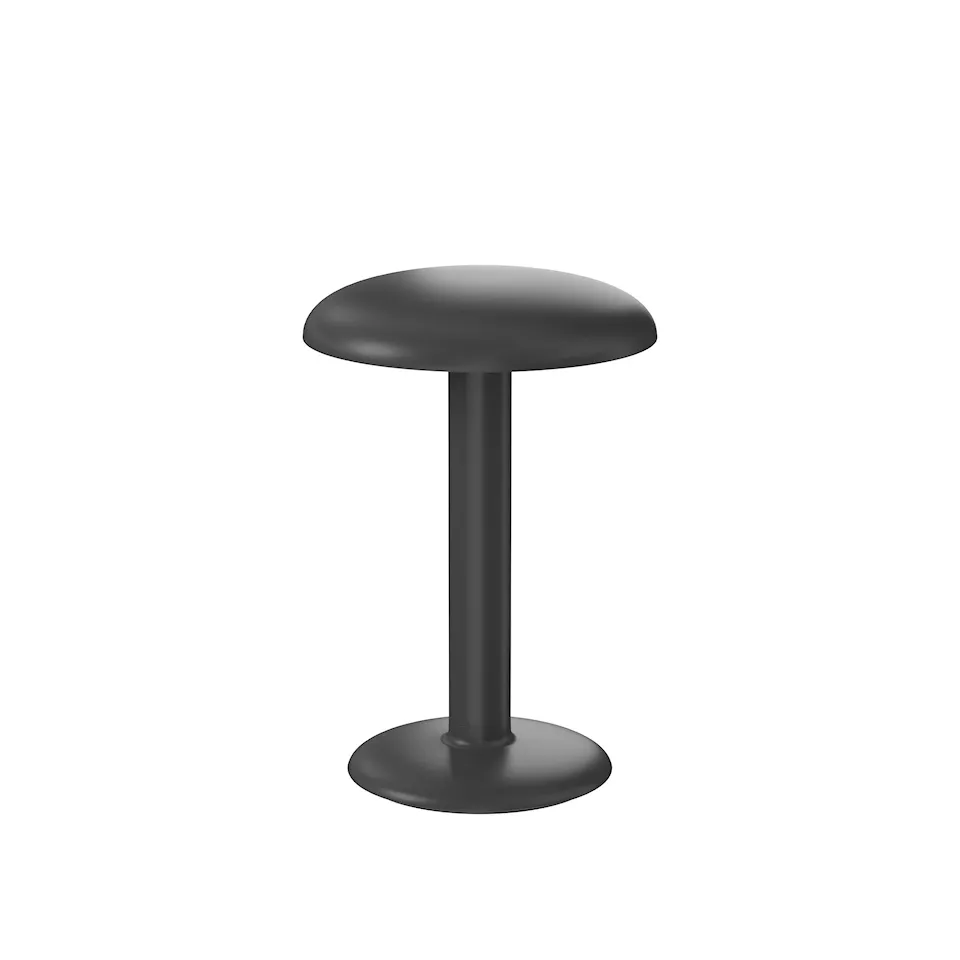
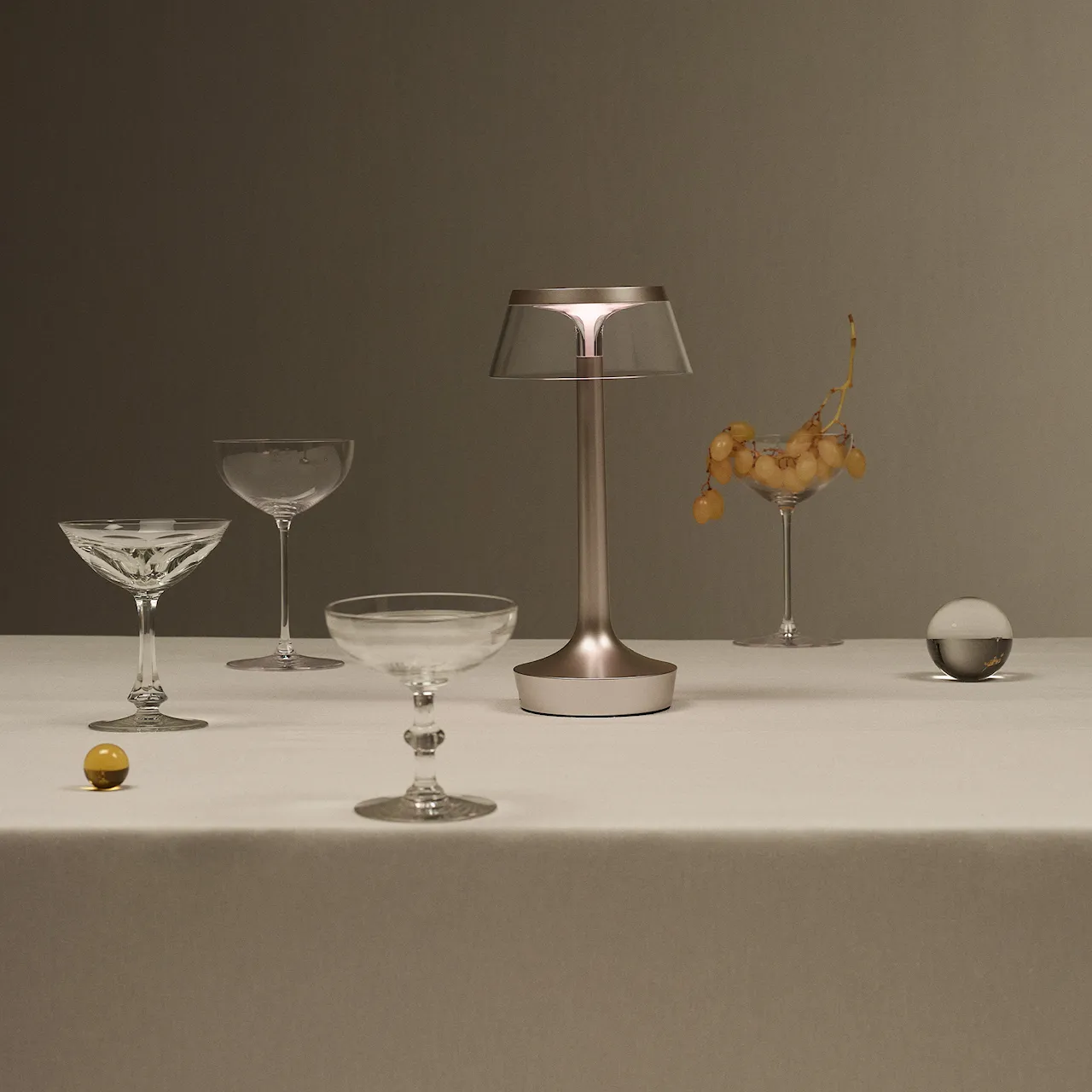
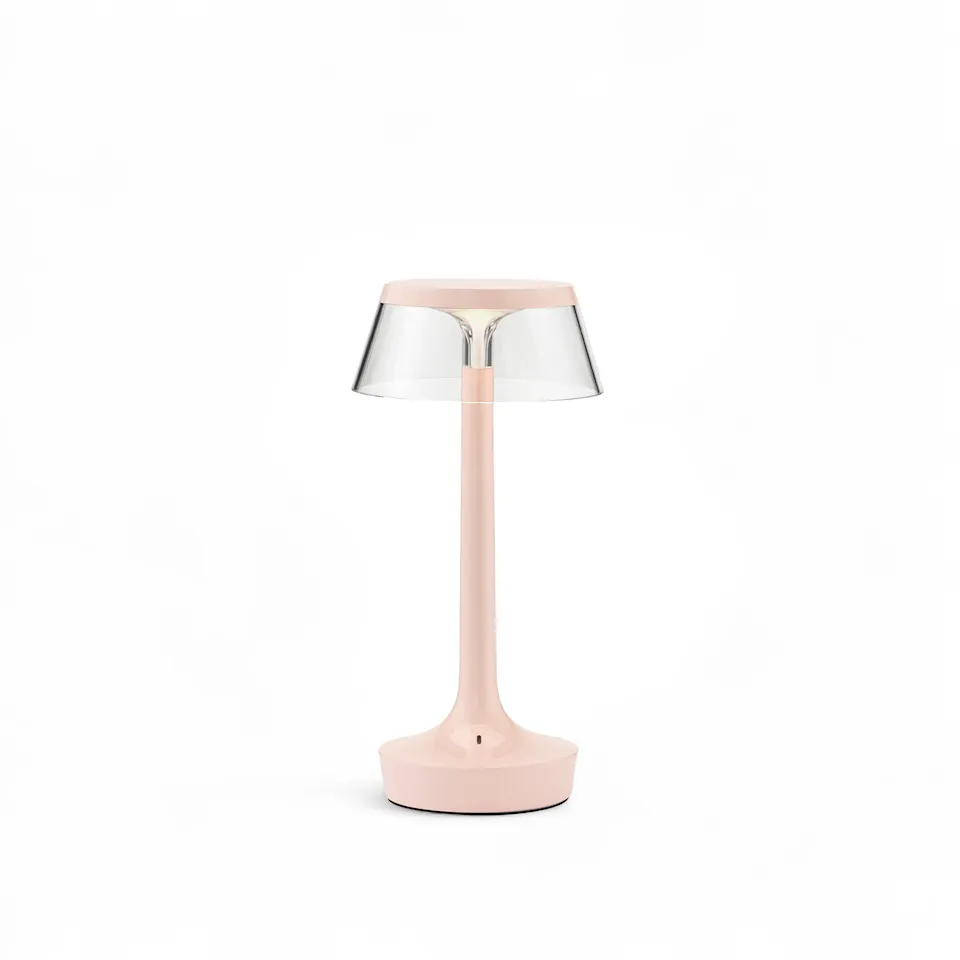
Flos
The core of Flos’ design is a technical understanding of light distribution and material properties. This focus has led to innovations where the function of lighting is integrated into the design. The luminaires are designed to meet high demands for light quality and glare control, making them relevant in environments where function and aesthetics need to interact.
This pursuit of precision has, in addition to the Castiglioni brothers, led to collaborations with some of the world's most influential designers, including Gino Sarfatti, Philippe Starck, Michael Anastassiades, Jasper Morrison, Patricia Urquiola and Marcel Wanders.
Engineering and material exploration
The work of the Castiglioni brothers is central to the development of Flos. They challenged conventional lamp design by redefining the structure of the luminaire and allowing the construction to become part of the expression. They worked early with tension and counterweight as design elements, something that becomes clear in the Arco floor lamp. It combines a heavy marble base with a protruding metal arm that positions the light source far from the foot, solving the need for central ceiling lighting without a ceiling fixture. Arco demonstrates how Flos integrates engineering into the visual design and how the designer's vision can control both function and form.
Castiglioni's exploration of polymer fiber, where a cocoon-like fiber structure is sprayed over a metal frame, resulted in models like Viscontea and Taraxacum. This technique gave the lamps a soft and organic volume that filters the light in a particular way. The early experiments with polymer fiber, aluminium, and glass came to define how Flos works with light diffusion and how each luminaire is adapted to the function of the room. Choosing the right lamp is about understanding how the light should be distributed in a room, and Castiglioni's material studies have been of great importance in how Flos provides clear solutions for this.
Another example is the Snoopy lamp from 1967, where an enamelled metal shade is combined with a marble base to create a directed light downwards. The model shows how a playful form can be united with a precise light flow. From Castiglioni's visionary constructions to later material studies, Flos continues to define the table lamp's role in interior design.
Icons and architectural scale
Flos’ range spans products of both modest and challenging scale. Gino Sarfatti, who joined Flos in the 1970s with his profound knowledge of lighting design, contributed several influential works, collected in the coveted Sarfatti series. Sarfatti's chandelier 2097 is a deconstruction of a traditional chandelier. Sarfatti's design uses a strict central stem in brass or chrome, from which a multitude of lamps are scattered. The result is a lamp that, despite its large volume, has an almost graphic lightness and an extensive, yet ordered, light diffusion. The 2097 is a typical example of how Flos creates lighting with architectural gravitas that defines the space.
In the contemporary assortment, we also find the Flos Glo-Ball, designed by Jasper Morrison. With its matte, spherical glass globe, it provides a soft and even light suitable for both private and public environments. Glo-Ball is an example of how simple geometry and high light quality are combined in a timeless form.
In a similar way, Barber & Osgerby work to unite technical precision with visual restraint. Their lamps for Flos, such as the Tab table lamp and the Bellhop series, are characterized by a clear functionality where the direction and use of light take center stage. By reducing the form to its most essential elements, they create fixtures that are intuitive to use while carrying a subtle design character.
Other designers, such as Philippe Starck, have contributed products that challenge the viewer by showing the mechanical or conceptual core of the design. Starck’s design for Flos is often conceptually driven, where the luminaire's aesthetics reflect its place in the contemporary world. His contributions demonstrate Flos' willingness to collaborate with designers who are prepared to take risks in their design. The Italian design classics that Flos has designed are best known for being functional and formally more challenging than many other products on the market.
New designers and materials in the Flos catalogue
Flos continues to actively seek designers who bring new perspectives. Jasper Morrison has designed lamps for Flos characterized by an honest and functional clarity. His products focus on the lighting being immediately comprehensible and adapted for use. This focus on user-friendliness and logical design is a strong point of Morrison's contribution to Flos’ design, not least in his Smithfield series. This series shows how large volume can be combined with a soft and direct light flow, adapted for modern dining areas and workspaces.
In contrast to this are designers like Patricia Urquiola and Marcel Wanders, who have expanded Flos’ material palette. They have contributed products that explore textures and and forms less bound to industrial aesthetics. Urquiola's design has introduced complex surfaces and new ways of using glass and ceramics, creating a more tactile expression for lighting. Wanders' design is also distinguished by a volume and aesthetic that differs from the austere metal luminaires.
A clear example of Flos’ willingness to push boundaries is the Flos Aim, a pendant lamp designed by the Bouroullec brothers. Aim is based on a flexible cable suspension that allows for adjustment in height and direction, perfect for modern homes or work environments where mobility is central. The stripped-down form gives the lamp an organic expression and allows it to blend in despite its distinctive presence. This streak of minimalism is also evident in Michael Anastassiades' IC-series, where simple spherical shapes balance on slender arms in brass or chrome, a clear study in form and gravity.
These newer collaborations emphasize that Flos is not merely managing a legacy of design classics but is an active part of the development within lighting. Every lamp in the collection is the result of a thorough process where materials, technology, and design interact. Our wide range of Flos lamps ensures you find the right lamp for every room.
Flos lamps for different applications
By choosing Flos products, one acquires Italian design classics characterized by formal clarity and technical durability. Our curation demonstrates Flos' central position in international design. Their lighting contributes to a thoughtful and well-structured interior, whether it is a table lamp, arc lamp, or a wall lamp. Here we show the most current assortment.
Is there something you are missing in terms of flos?
Please contact us via our contact form to discuss your specific product request.