

Light Bulbs
75 products
- Code: SAVE
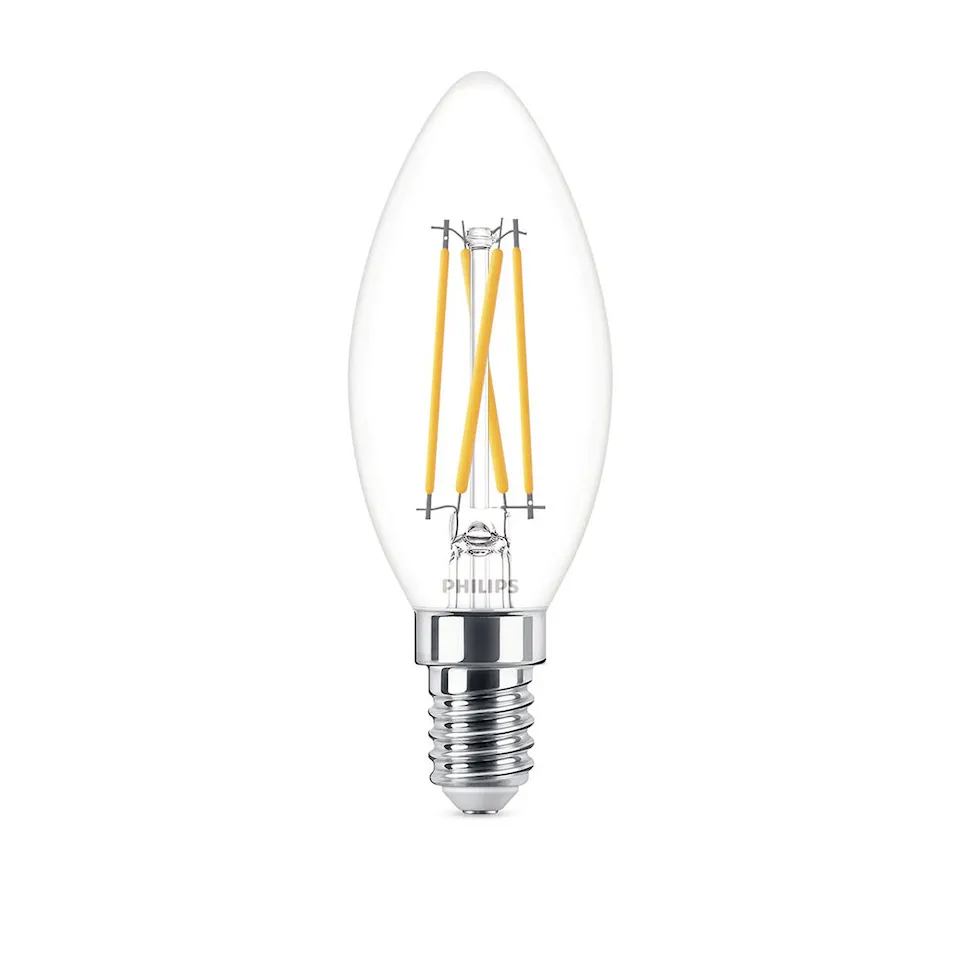
Philips
LED Light Source E14 3.4W 470lm 2700K Dimmable clear
€6
In stock - Code: SAVE
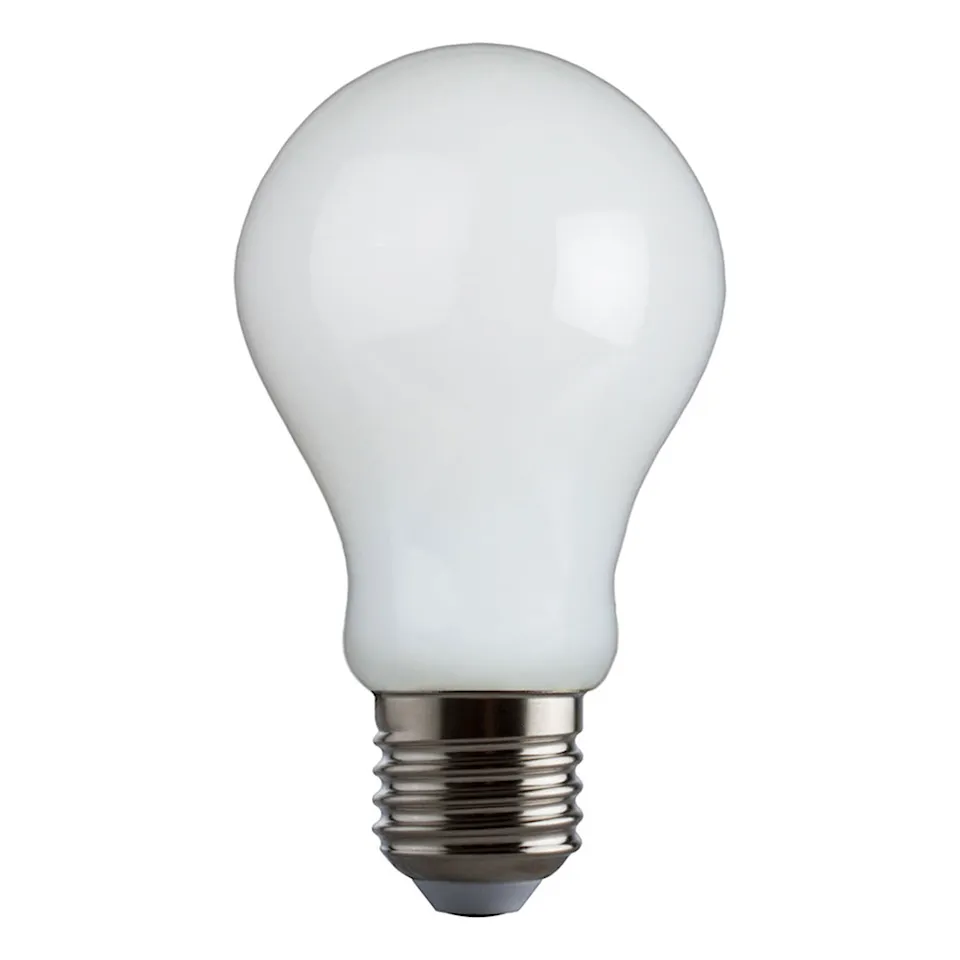
e3light
LED Light Source E27 9W 900lm 2700K Dimmable white
€32
In stock - Code: SAVE
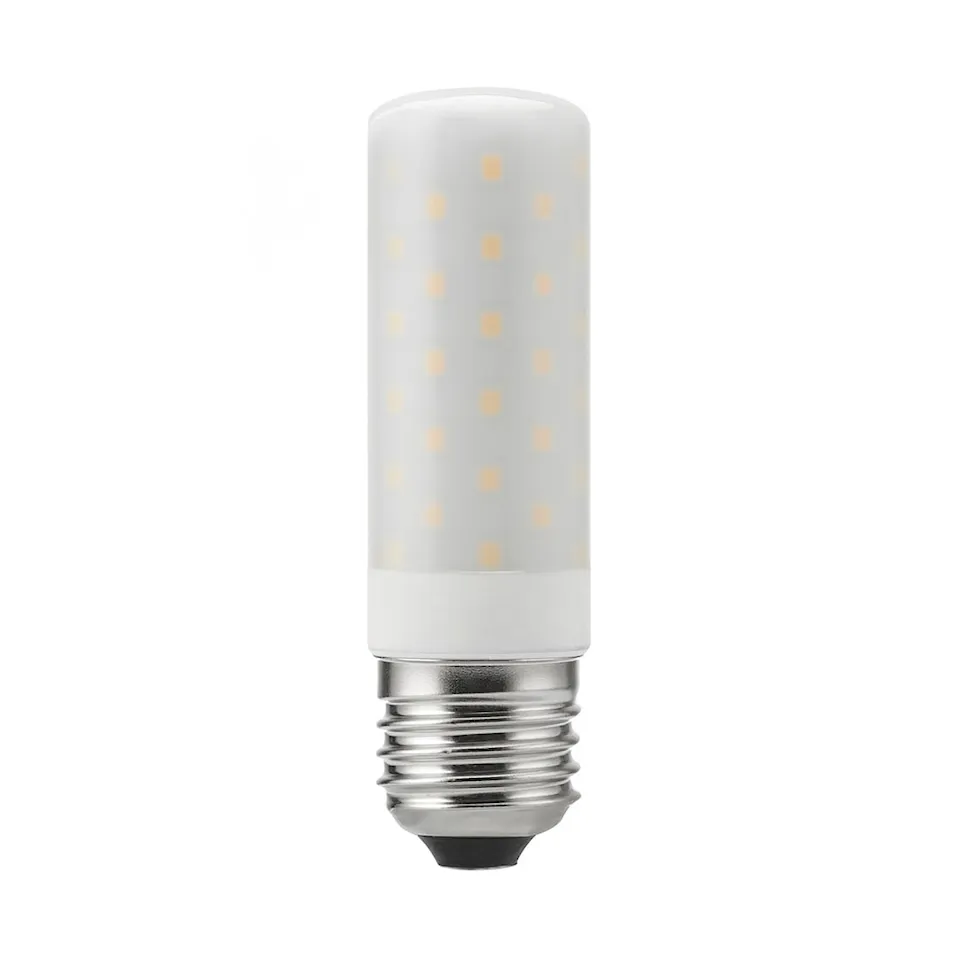
e3light
LED Light Source E27 12W 1521lm 2700K Dimmable white
€18
In stock - Code: SAVE
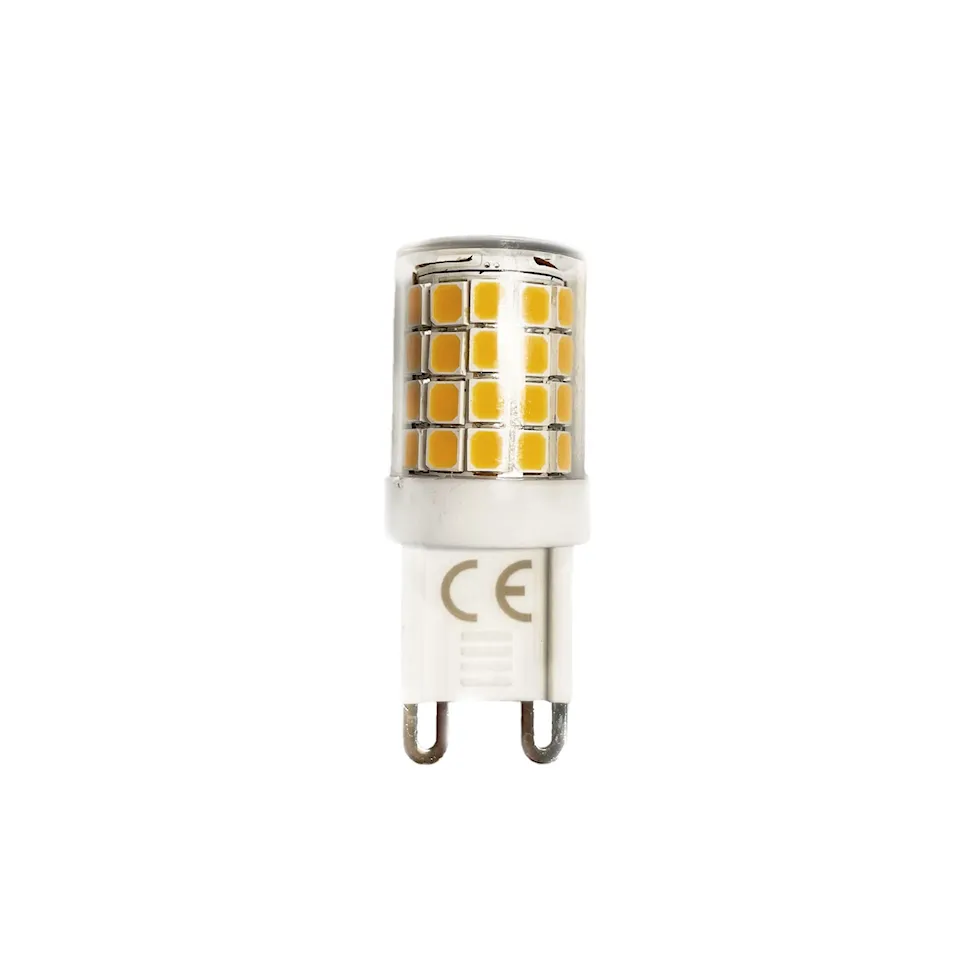
Flos
RAKE3L1003253313 Light source G9 3.5W 350lm 3000K Dimmable
€37
In stock soon - Code: SAVE
Flos
RF32563 Light source E27 11.5W 2700K Dimmable white
€62
In stock soon - Code: SAVE
e3light
LED Light Source E27 5.6W 806lm 2700K Dimmable white
€14
Out of stock - Code: SAVE
e3light
LED Light Source 5W 400lm 2700K Dimmable white
€13
Out of stock - Code: SAVE
Flos
RF29388 Light source E27 20W 2300lm 2700K Dimmable
€118
Out of stock - Code: SAVE
Philips
LED Light Source E27 7.2W 1055lm 2700K Dimmable white
€10
Out of stock - Code: SAVE
Philips
LED Light Source GU10 4.6W 355lm 2700K clear
€5
Out of stock - Code: SAVE
Airam
LED Light Source E14 5.5W 470lm 2700K 2-pack white
€6
Out of stock - Code: SAVE
Airam
LED Light Source GU10 2.4W 230lm 2800K Dimmable 2-pack clear
€11
Out of stock - Code: SAVE
Philips
LED Light Source GU10 2.6W 230 lm 2700K Dimmable clear
€5
Out of stock - Code: SAVE
Flos
LED Light Source E14 1.5-1.7W 90lm 2500K Clear 20-pack
€405
Out of stock - Code: SAVE
Flos
LED Light Source E14 1.5-1.7W 90lm 2500K Clear
€20
Out of stock
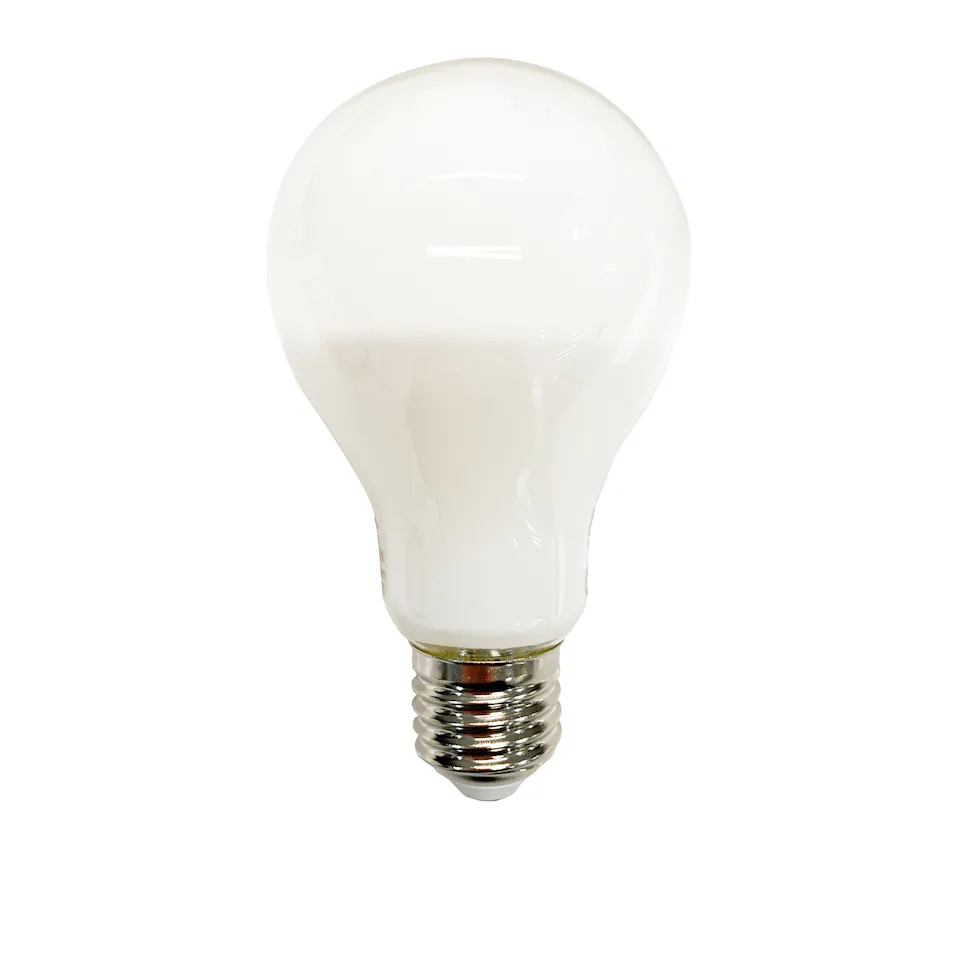
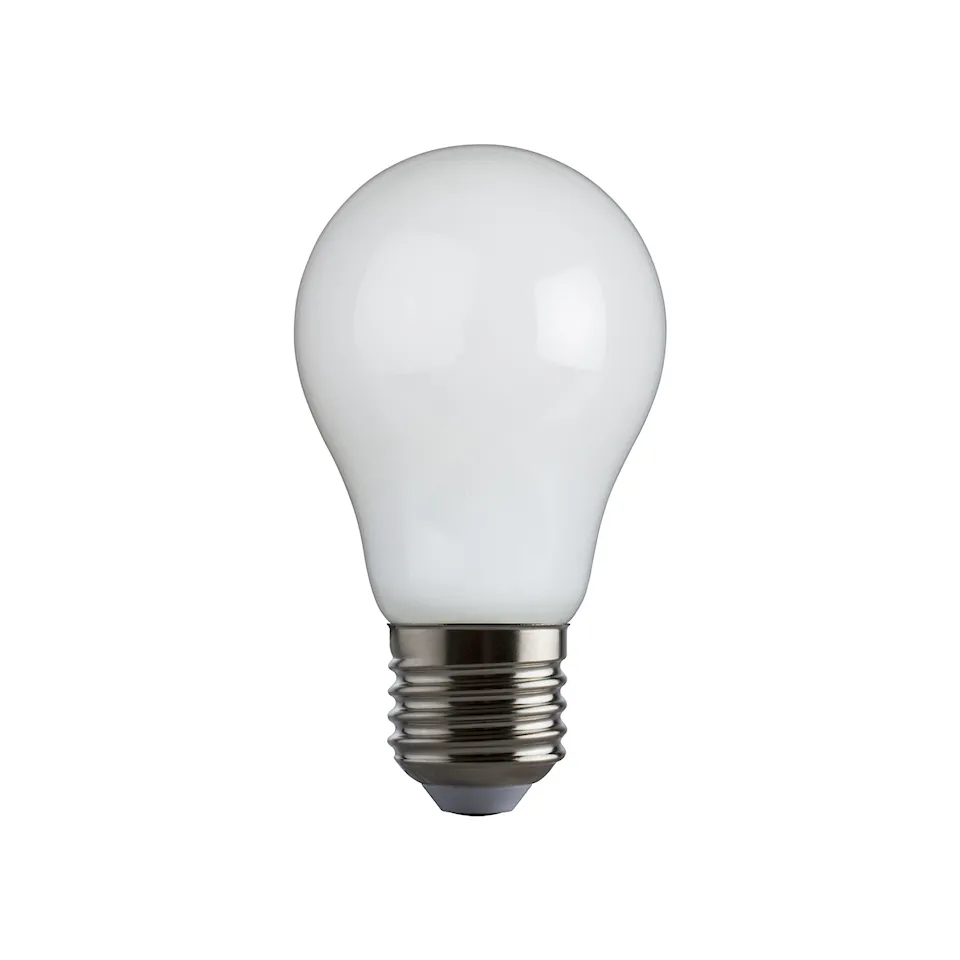
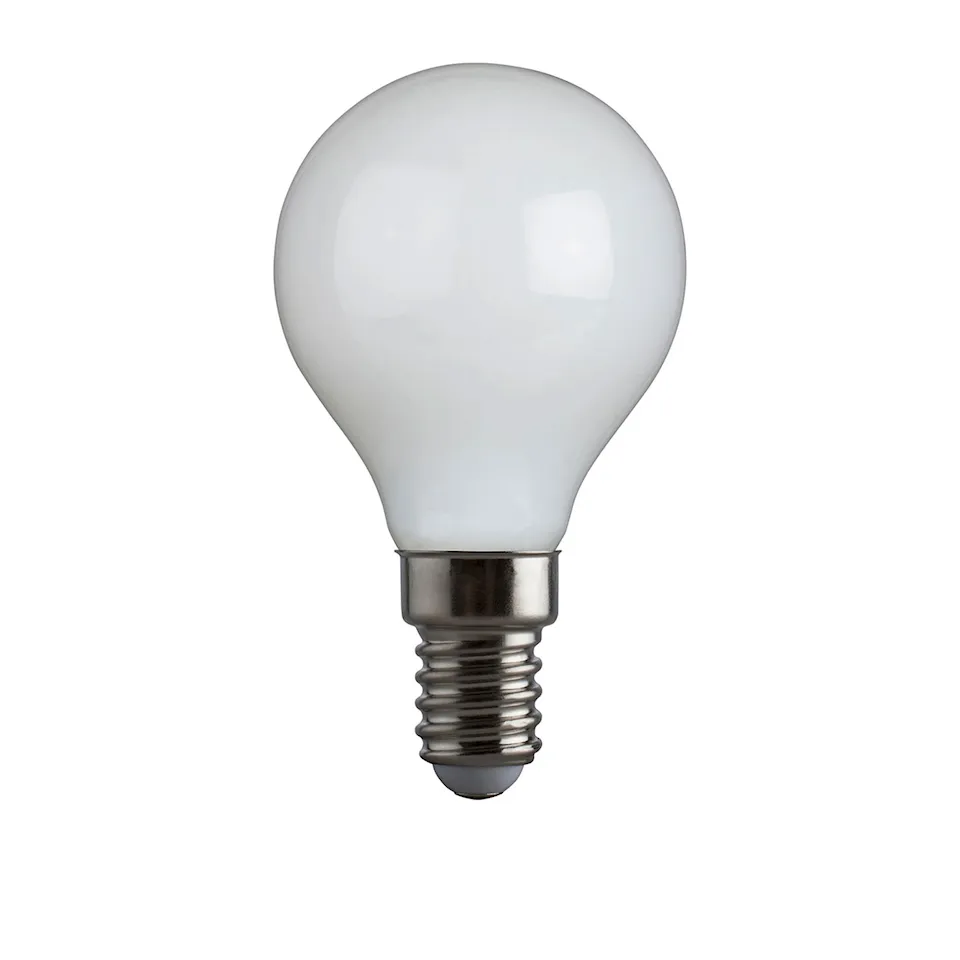
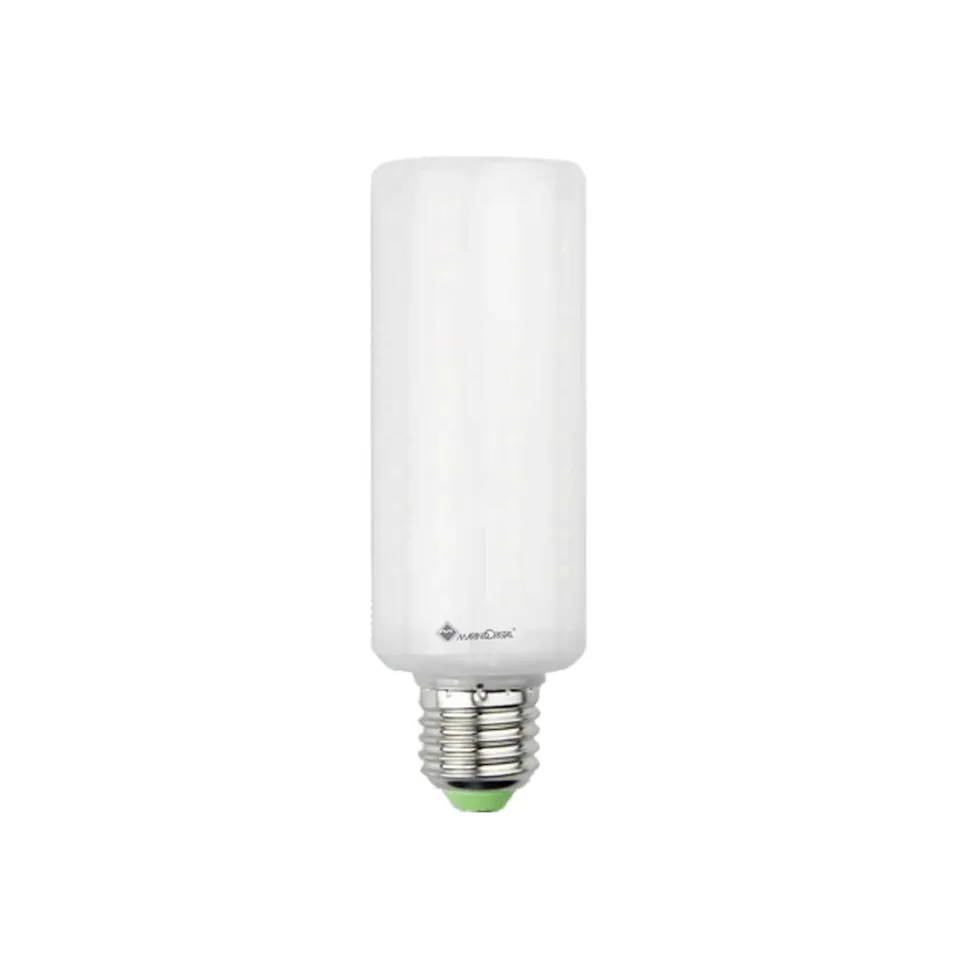
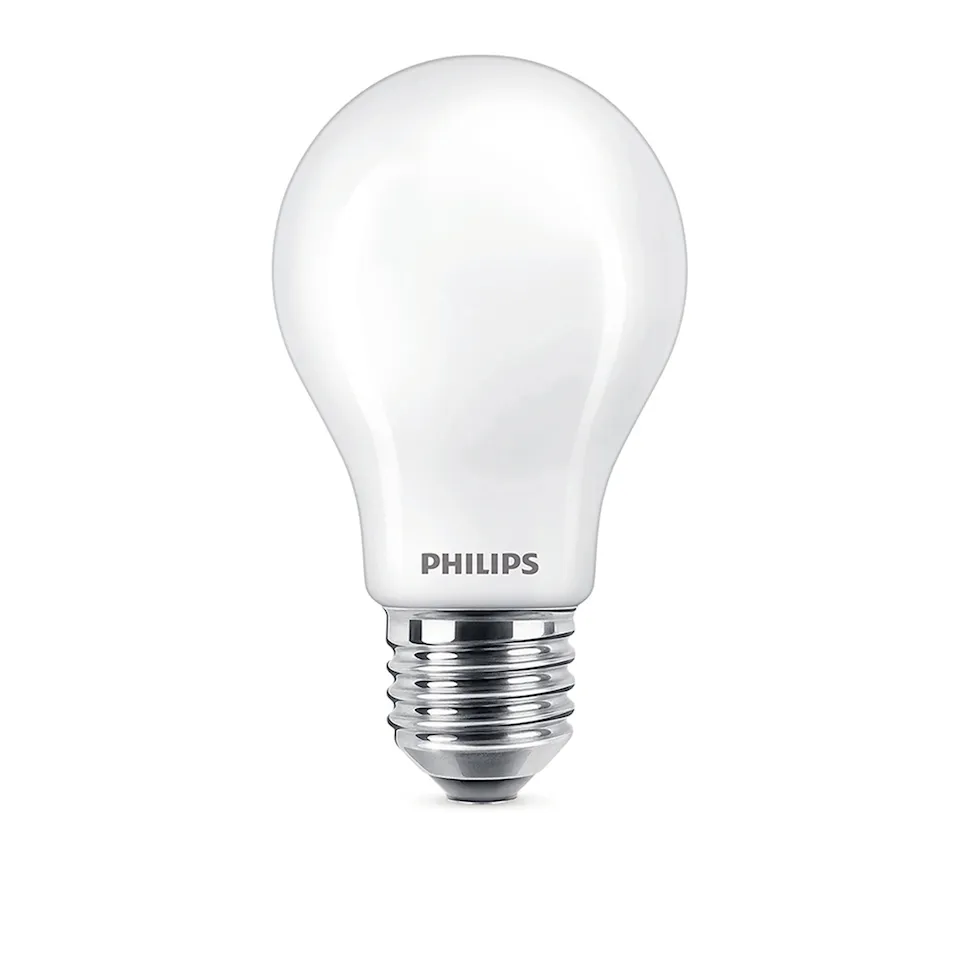
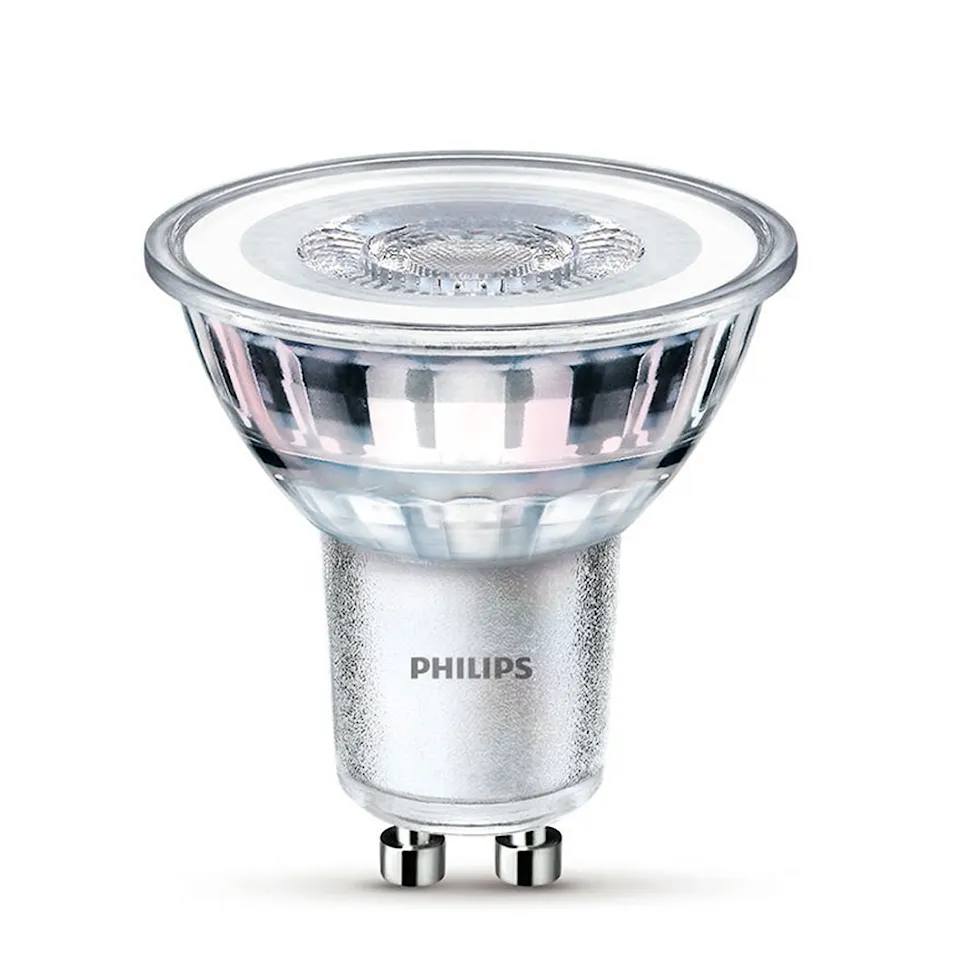
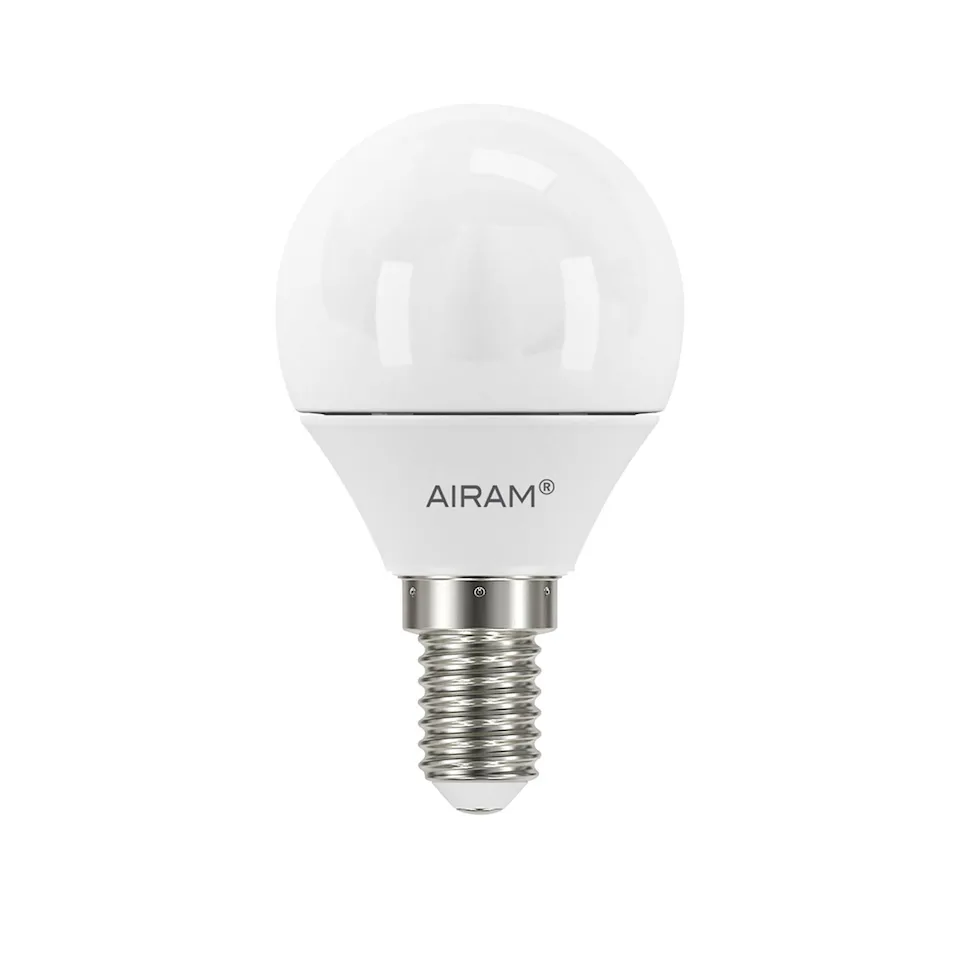
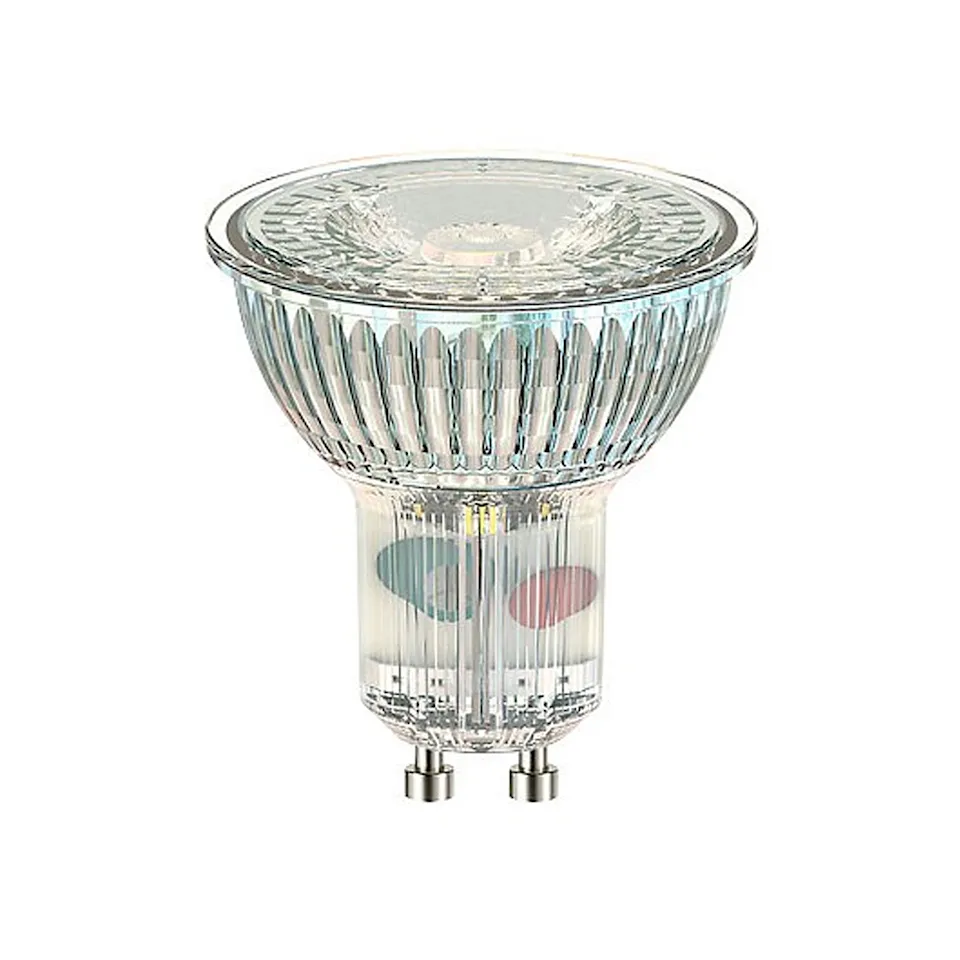
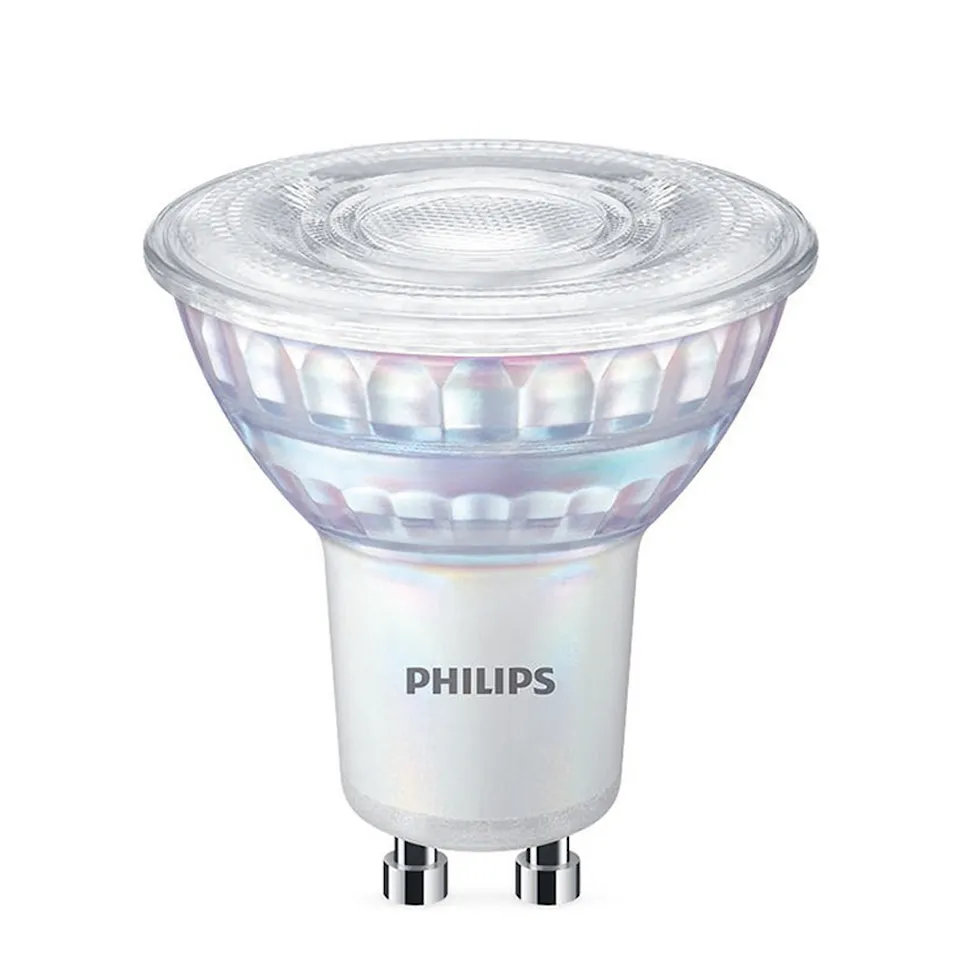
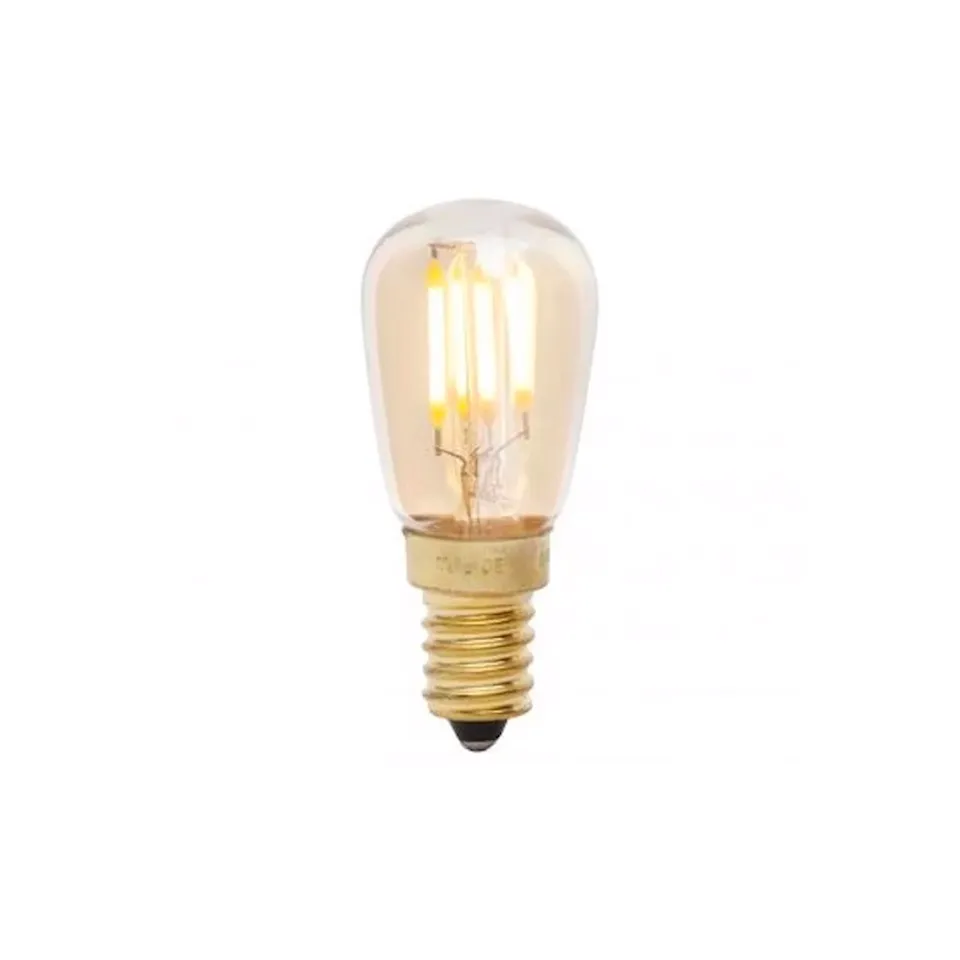
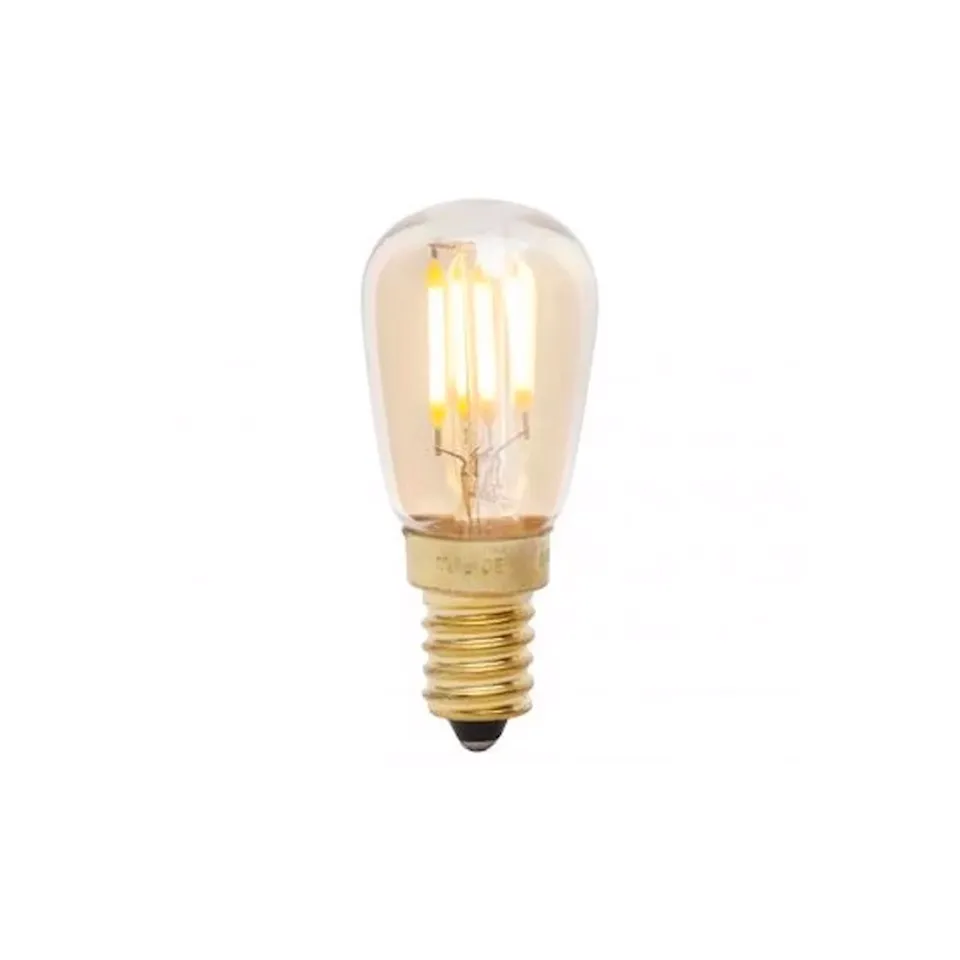
The choice of light bulb is decisive for how a fixture is perceived and how the character of the room emerges. Sometimes it is the bulb itself that carries the visual expression, especially in fixtures where the light bulb is exposed.
In our range from brands like Flos and Buster + Punch, you will find light bulbs where the shape of the glass, the design of the filament, and the technical performance are central parts of the design. Finding the right light bulb is about balancing functional requirements with the aesthetic intention of the fixture.
Technical metrics: Kelvin, lumens, and watts
To understand what type of light a lamp gives, it is useful to know the metrics lumens, Kelvin, and watts. Watts are used today to indicate a lamp's energy consumption and cannot be directly compared with brightness. Instead, it is the metric lumens that indicates how much light is actually emitted from the source. A higher number gives a stronger light, something that is often needed in kitchens and workspaces. In rooms where you want a softer atmosphere, such as in a living room, a lower lumen number works better.
Colour temperature is measured in Kelvin. Lower Kelvin gives a warmer and softer light, for example around 2700K, which is often used in the home to create an inviting expression. Higher Kelvin numbers give a whiter and clearer light that is suitable for work or environments where colour rendering is important. Choosing the right Kelvin in relation to the room's colours and materials helps the lighting to accentuate the interior design in a balanced way.
Socket and compatibility
The socket type determines which bulbs or LED lamps are compatible with your fixture. E27 and E14 are some of the most common sockets for light bulbs in design lamps, where E27 corresponds to the large screw socket and E14 to the small one.
For more directed lighting, such as in recessed spots or certain reading lamps, GU10 is a commonly occurring standard. It is important to know which socket type your lamp has in order to choose the right light bulb. There is always a maximum rating on the lamp to know what wattage or lumens are permitted, which ensures that the fixture does not overheat or get damaged.
Dimmable technology and LED
The transition to LED technology has meant a significantly increased lifespan and energy efficiency. A high-quality LED lamp has a lifespan of between 15,000 and 50,000 hours. Many modern light bulbs are also dimmable, which increases the range of use for one and the same fixture. Dimmable lamps are marked with a symbol on the packaging. To be able to dim an LED lamp, your dimmer needs to be adapted for LED lamps. Older dimmers are adapted for halogen lamps and can therefore cause flickering or limited dimming when used with energy-efficient light bulbs.
Lamp shades and accessories
In addition to the light bulb, the choice of lamp shades affects the spread and character of the light image. A textile shade filters the light and creates a soft general light, while a shade in metal or opaque glass directs the light distinctly downwards or to the side.
Under other accessories for lamps, you will find components that complement the installation, such as ceiling cups and suspension devices. Combining the right shade with a light bulb that has the right form and glass properties is crucial for the final result. A clear light bulb gives sharper shadows and more glitter in chandeliers, while an opal white light bulb eliminates glare and gives an even glow in open fixtures.
Is there something you are missing in terms of light bulbs?
Please contact us via our contact form to discuss your specific product request.