

Philippe Starck dining chairs
Philippe Starck, born in Paris in 1949, is a French designer whose work spans furniture, lighting and industrial design. After studying at École Camondo he established his own studio early on and has since collaborated with international manufacturers across design and architecture. His work is defined by functionality, technical curiosity and a clear focus on use.

9 products
- Code: SAVE+ More options
Kartell
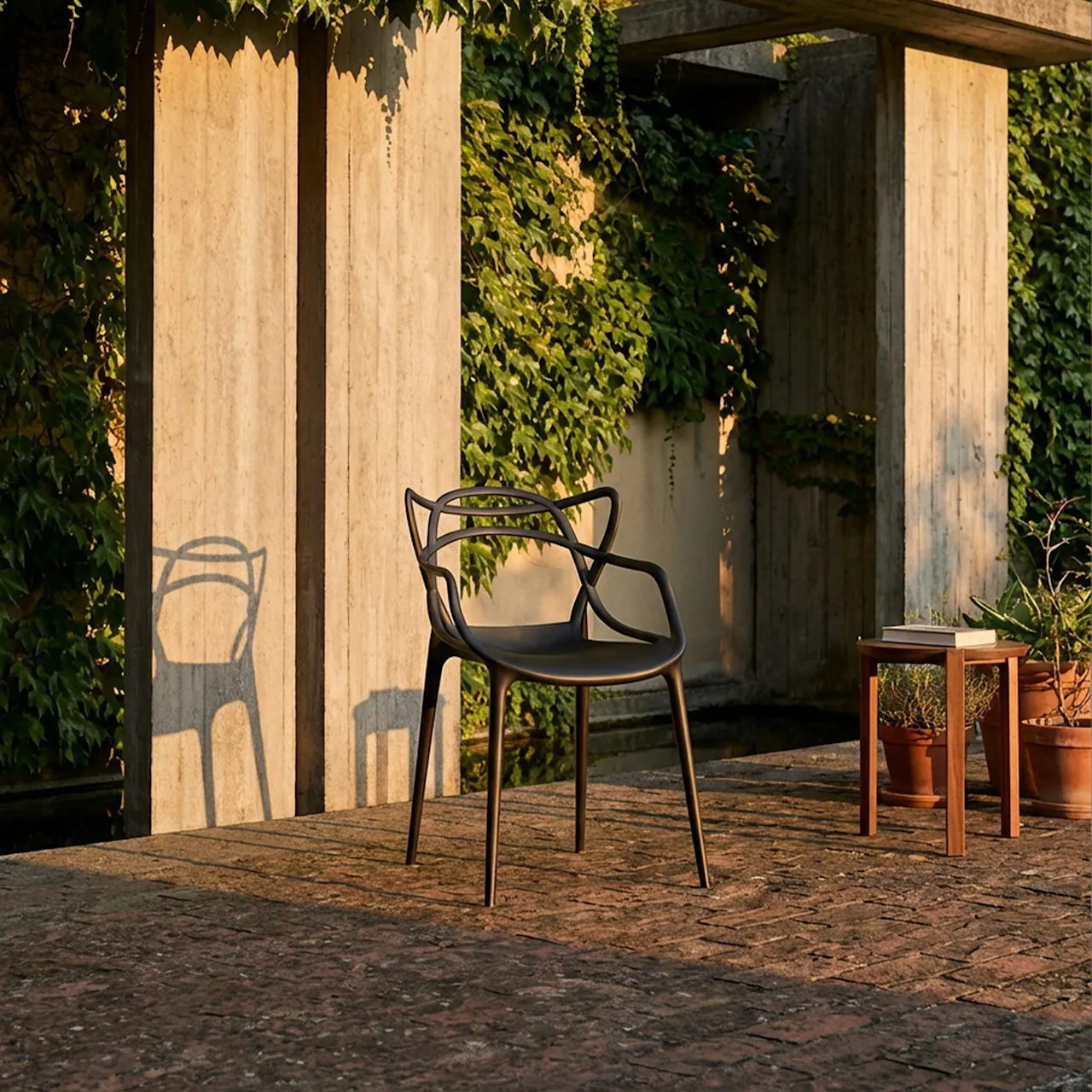
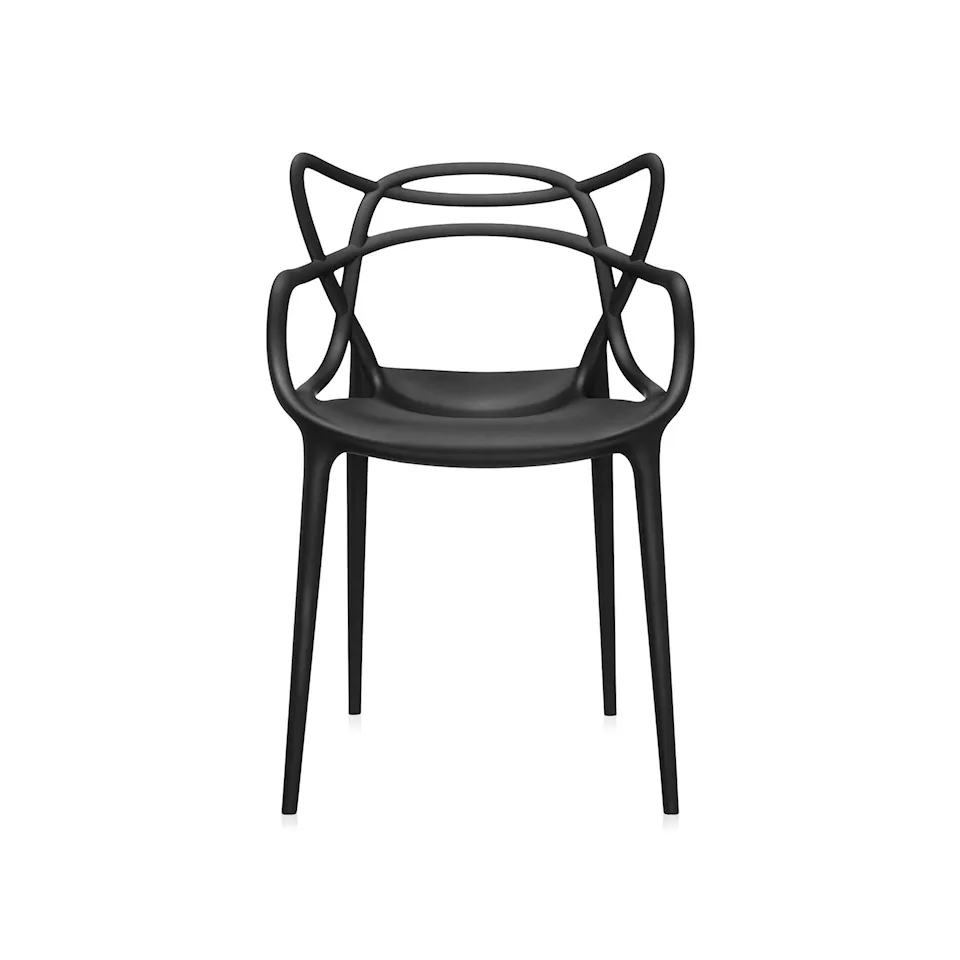
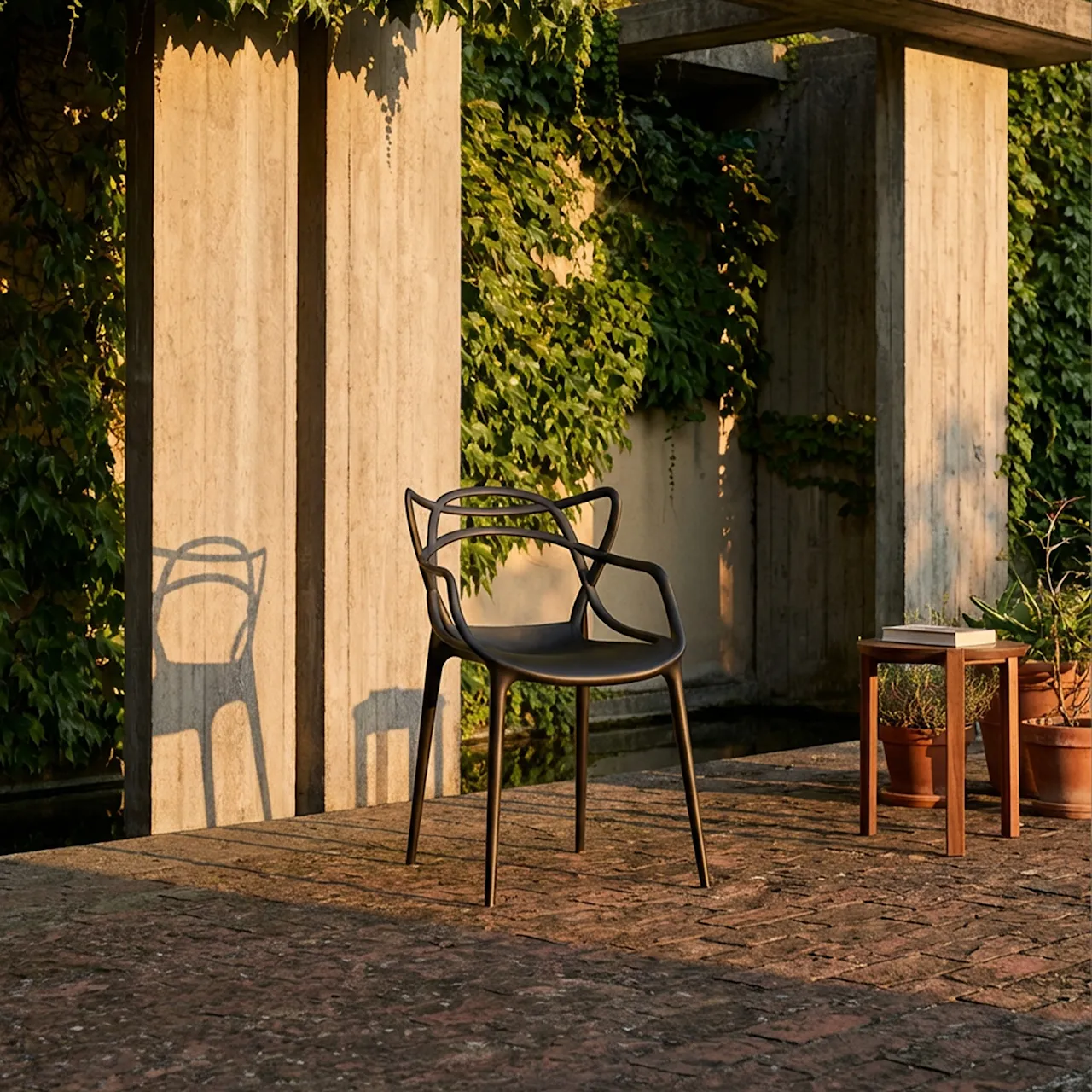
Masters Chair
€265
In stock - Code: SAVE+ More options
Kartell
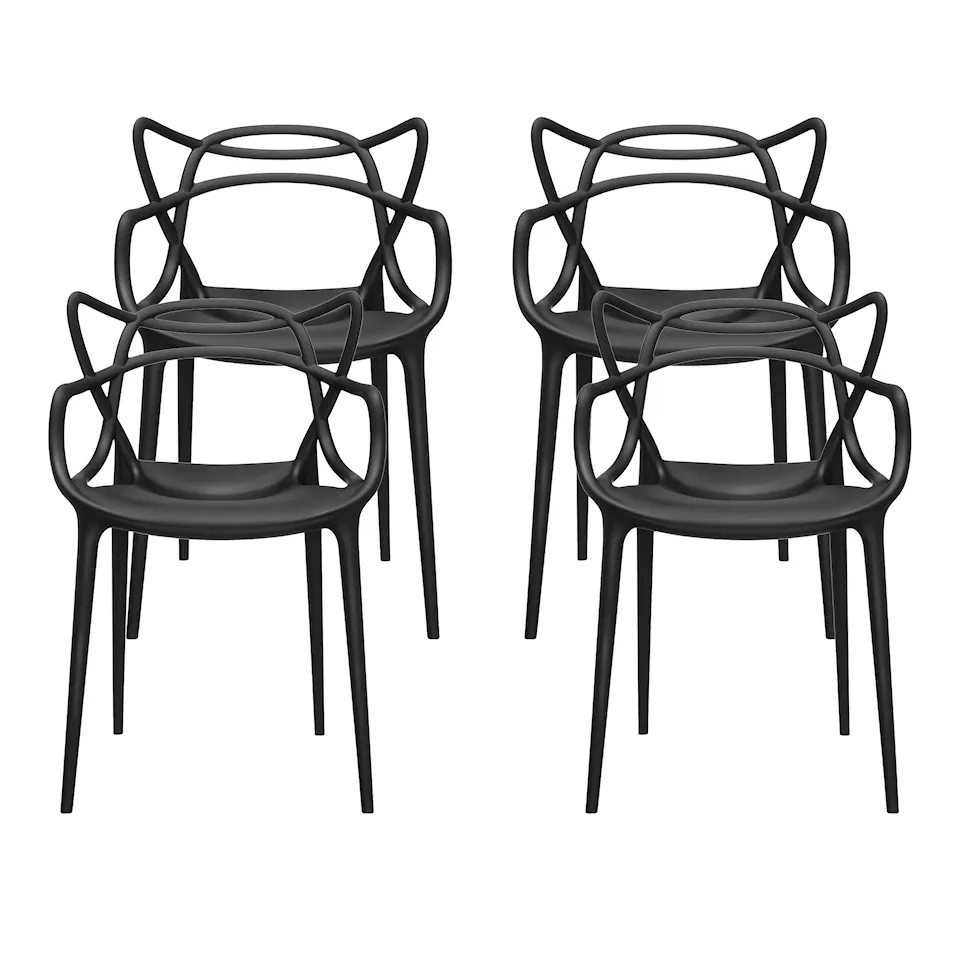
Masters Chair 4-pack
€1,028
In stock - Code: SAVE
Kartell
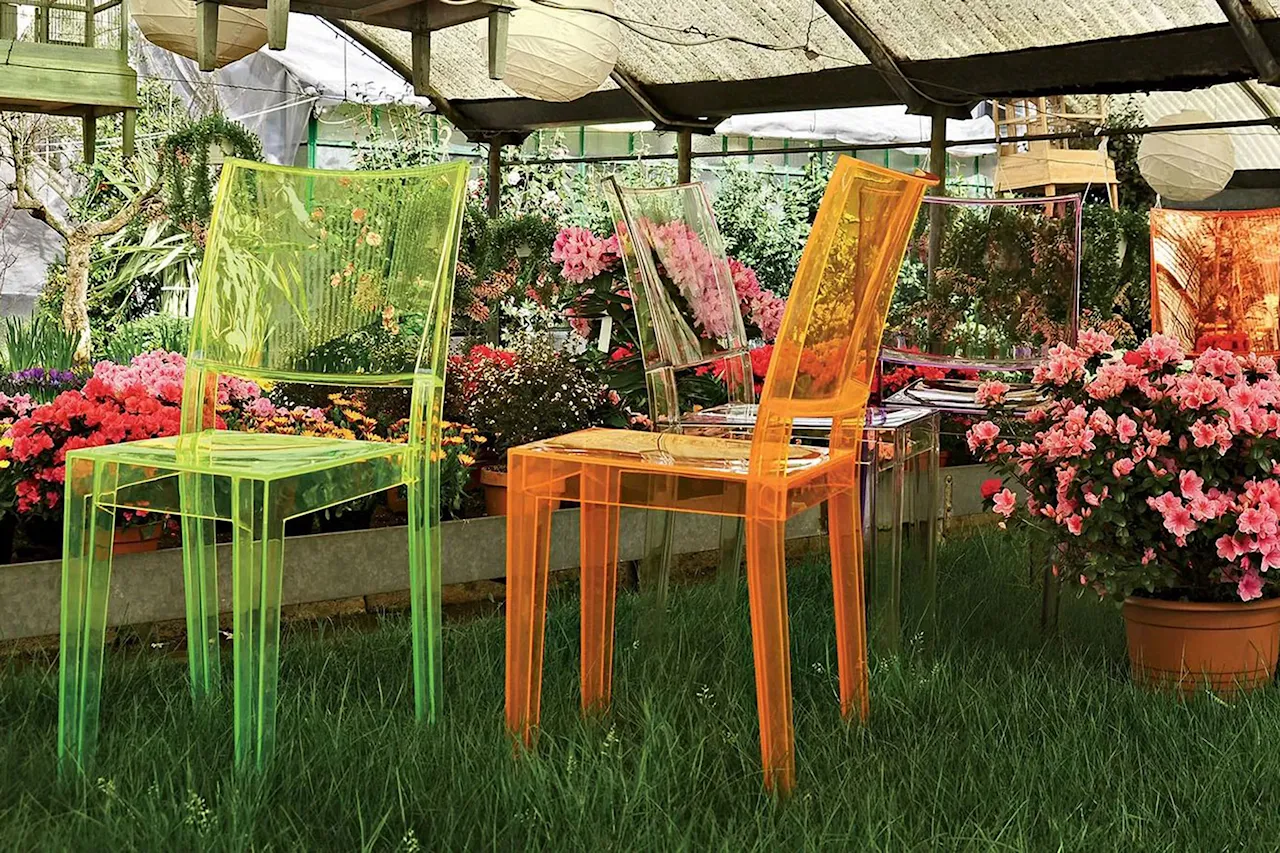
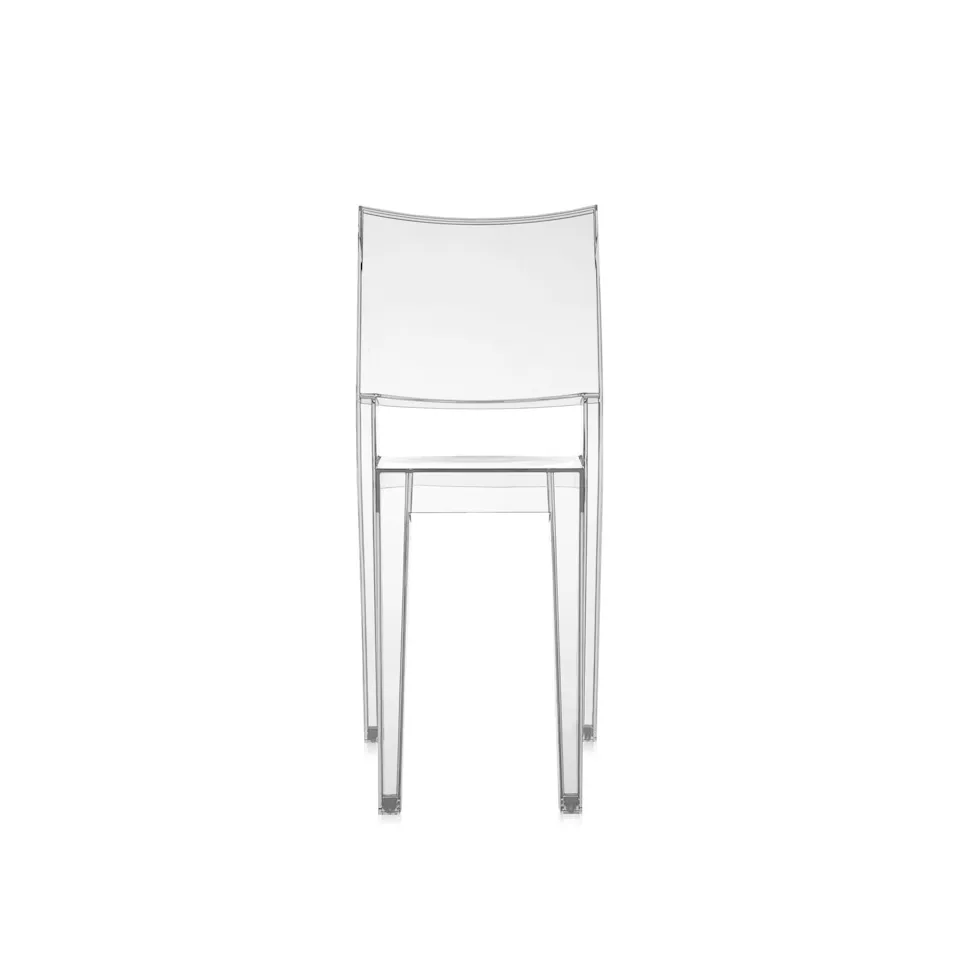
La Marie Chair
€295
In stock - Code: SAVE+ More options
Kartell
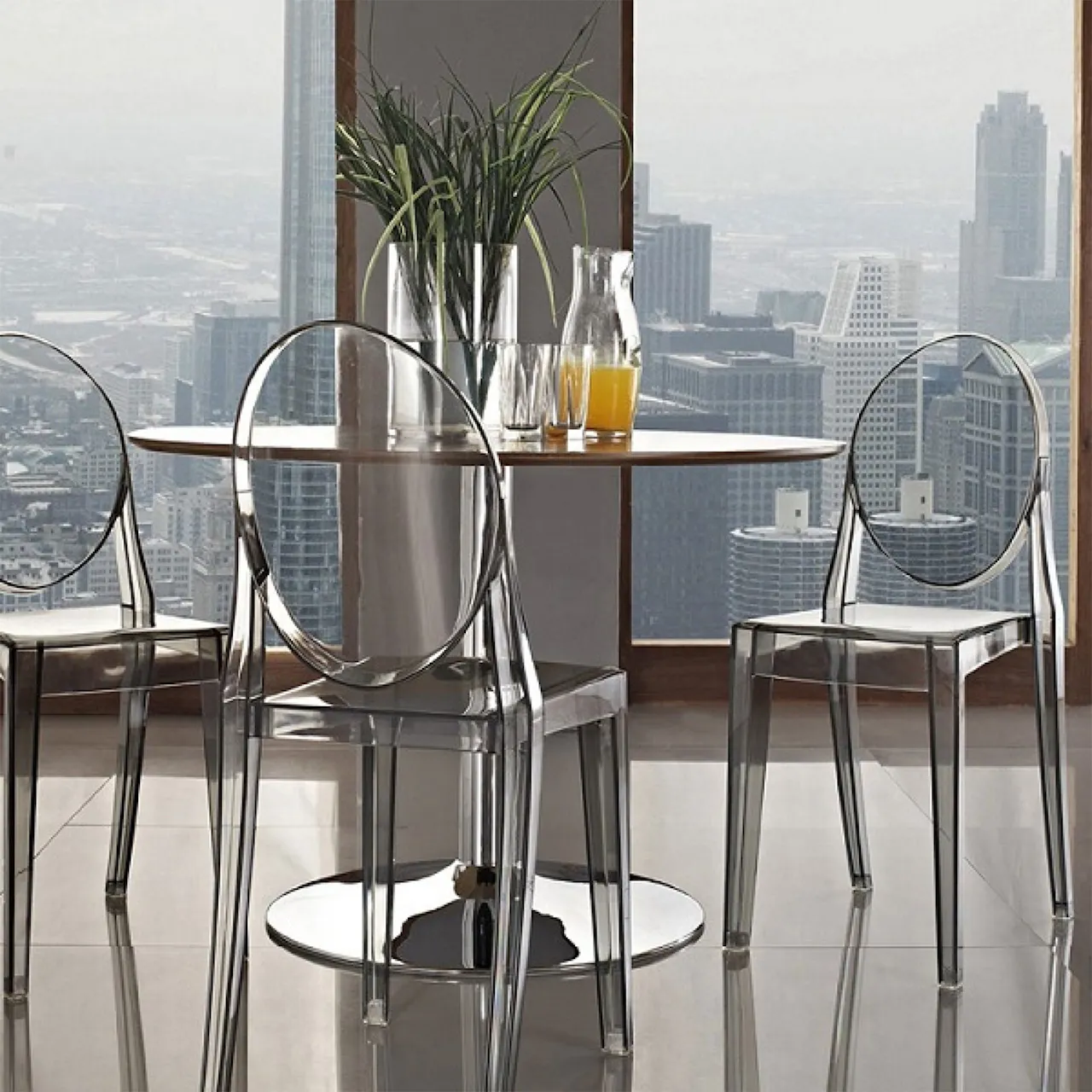
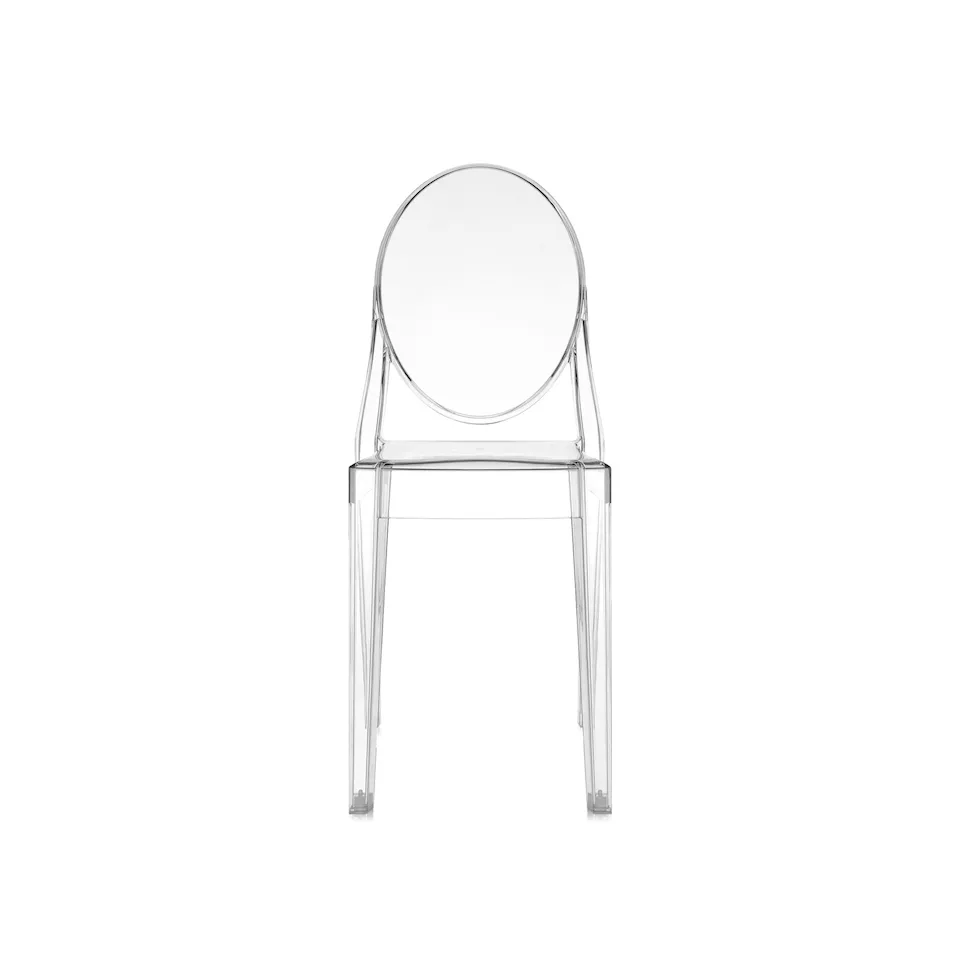
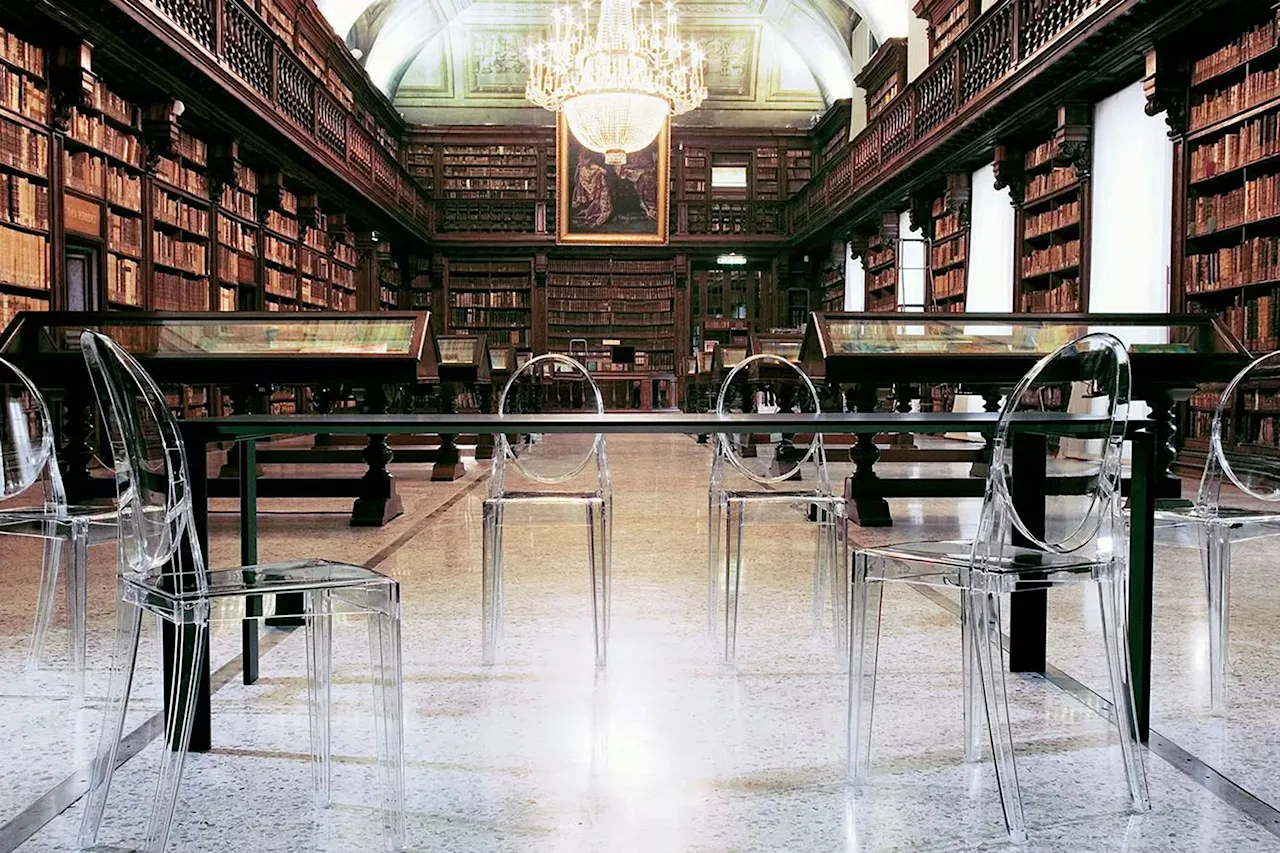
Victoria Ghost Chair
€281
In stock - Code: SAVE
Kartell
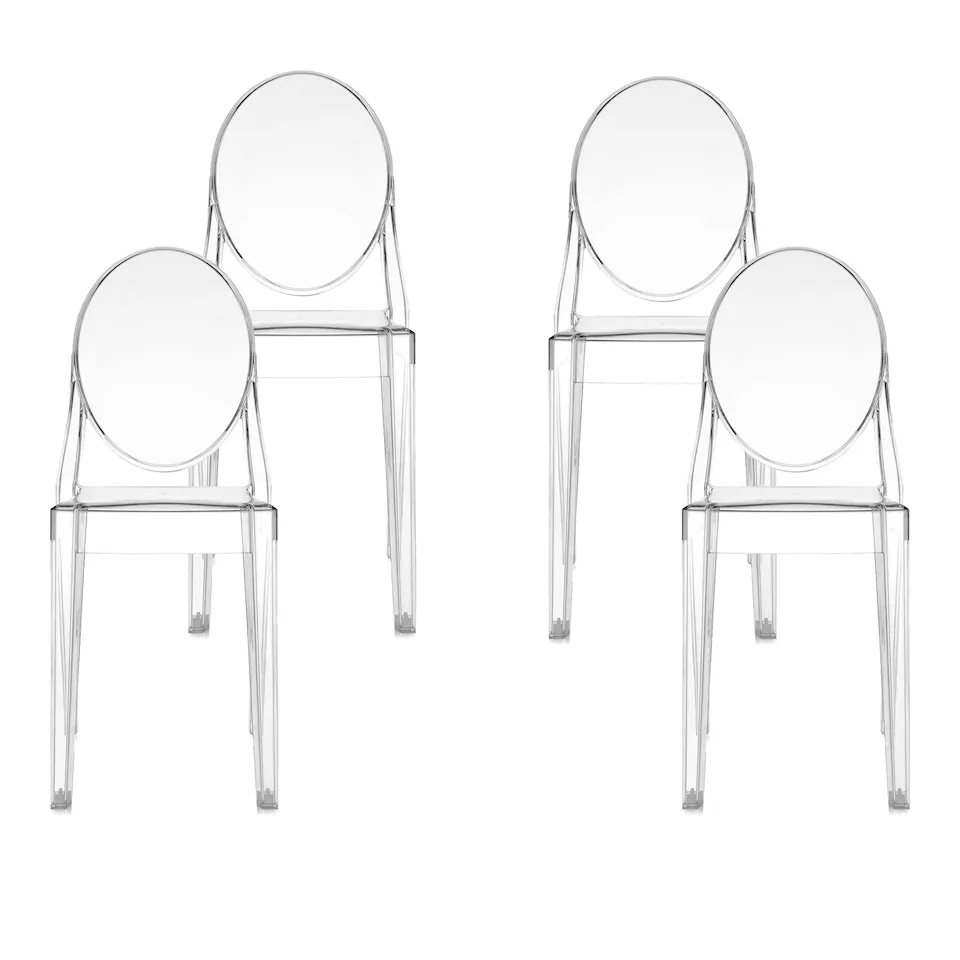
Victoria Ghost Chair 4-pack
€1,068
In stock - Code: SAVE+ More options
Kartell
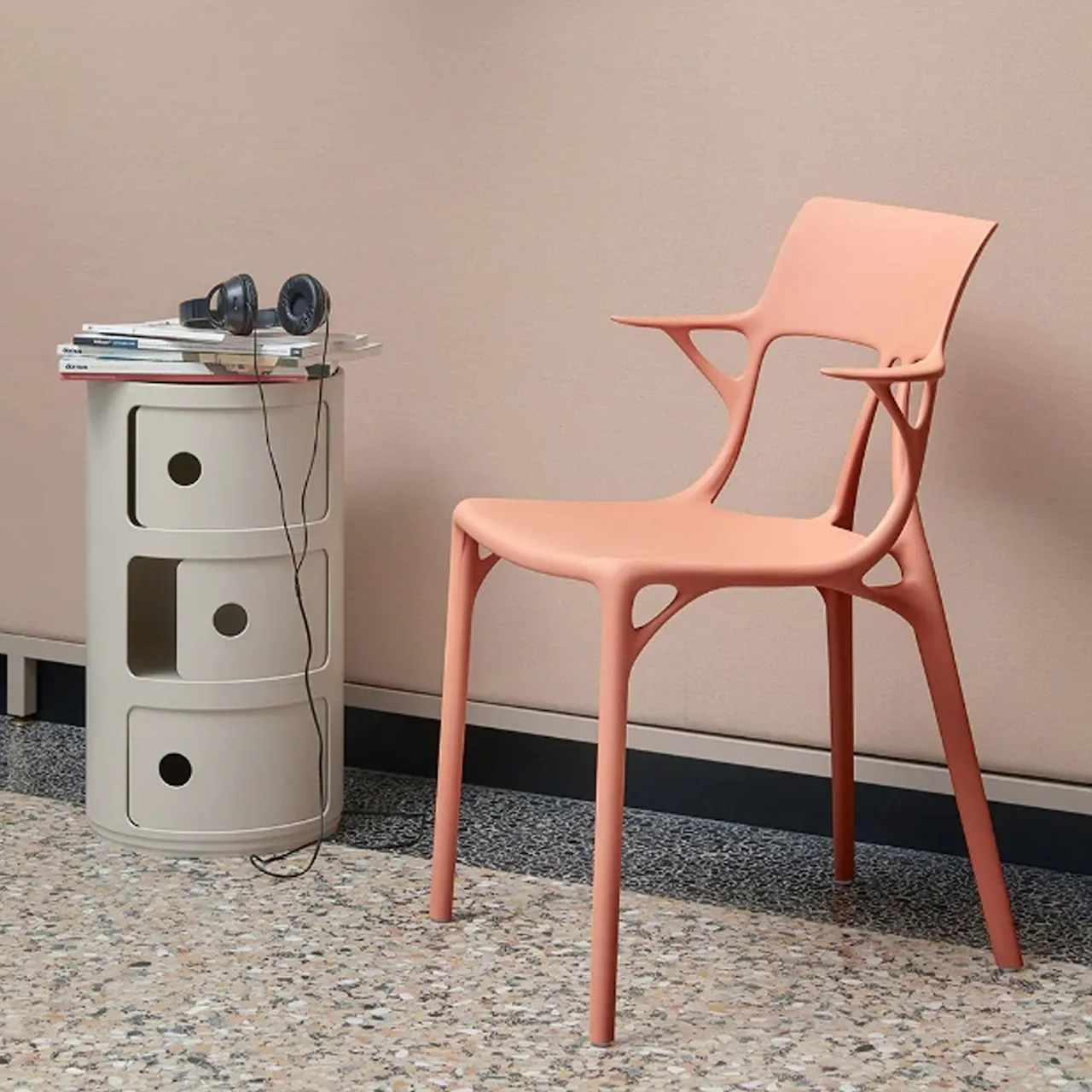
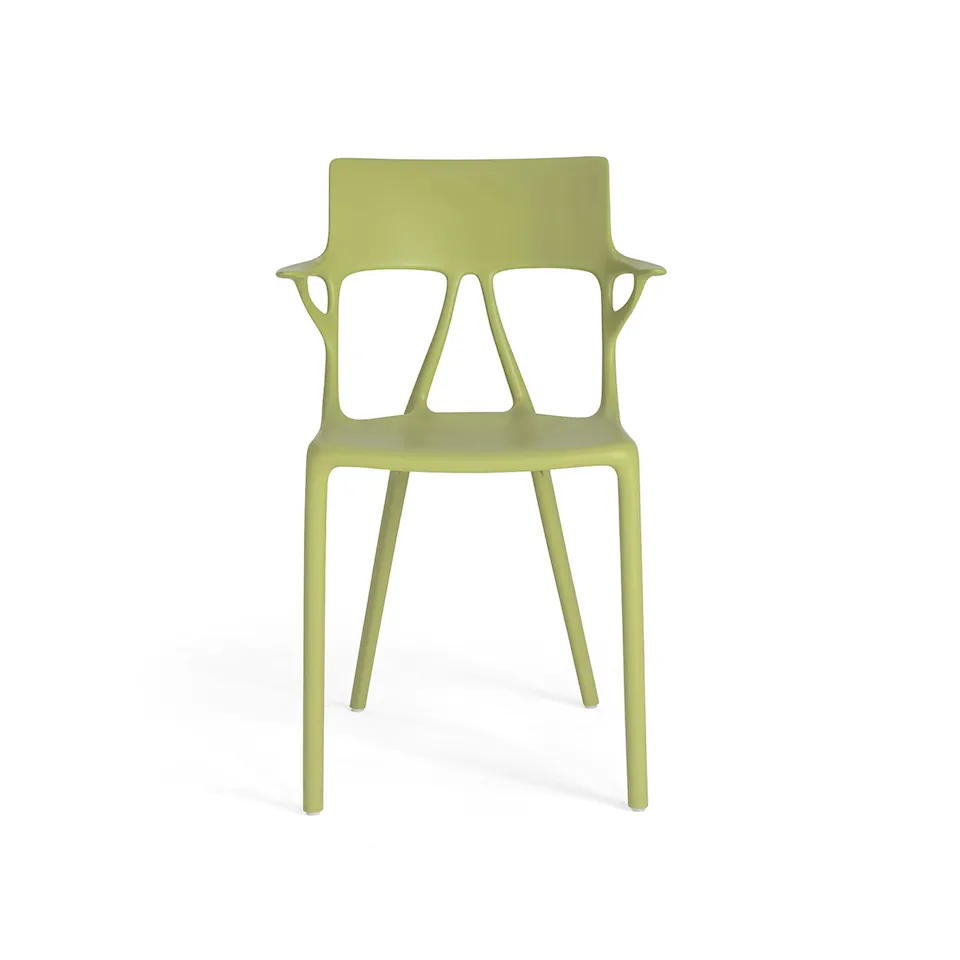
A.I. Chair
€259
In stock - Code: SAVE
Kartell
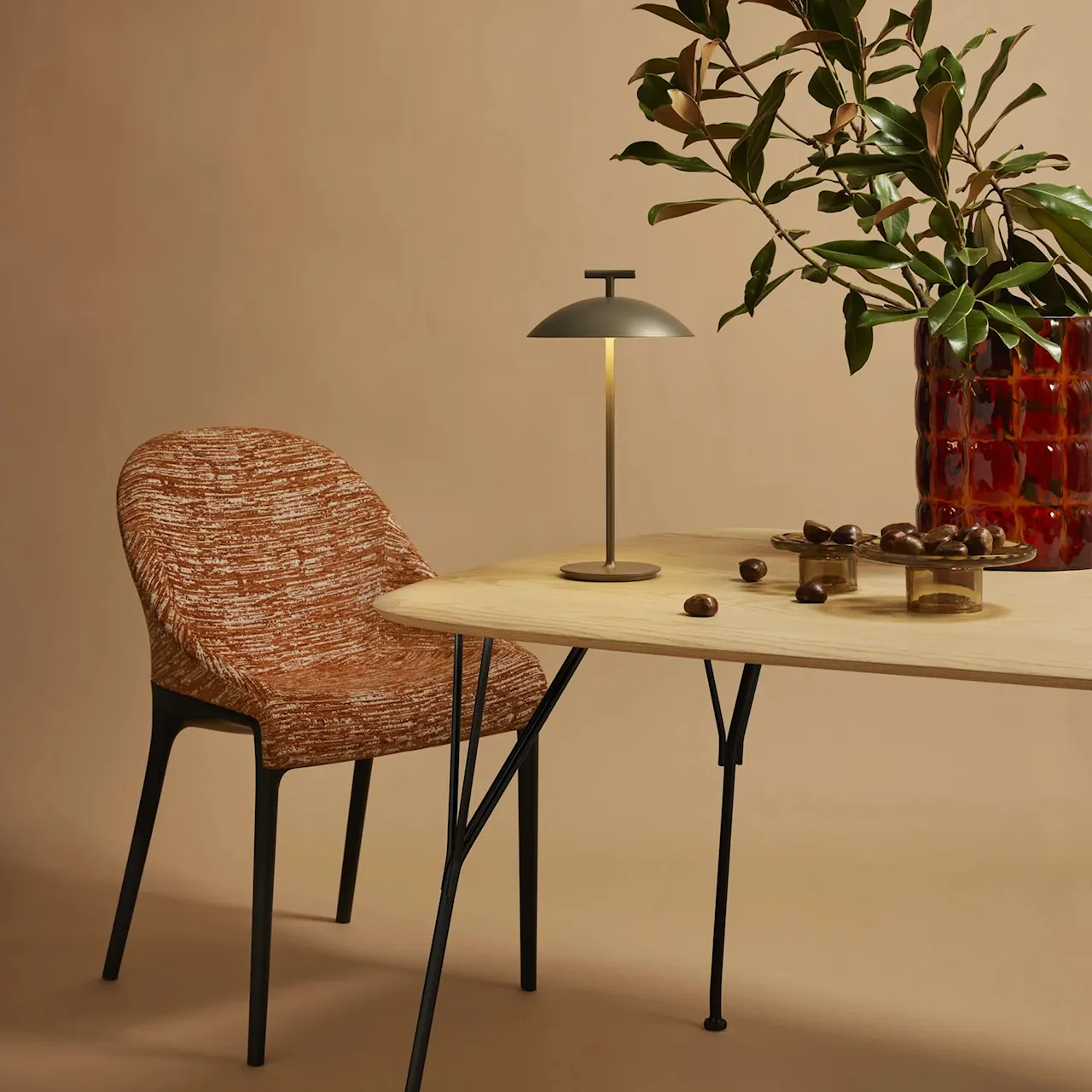
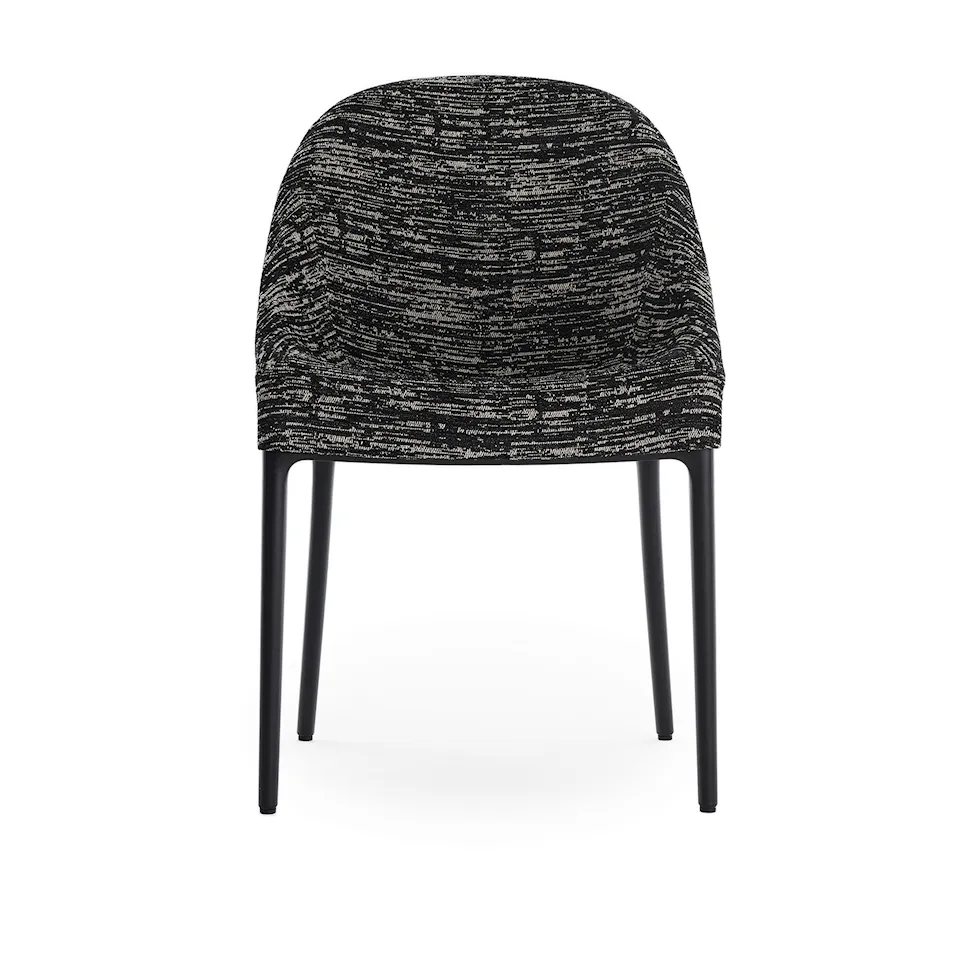
Eleganza Ela Armchair
€809
- Code: SAVE
Kartell
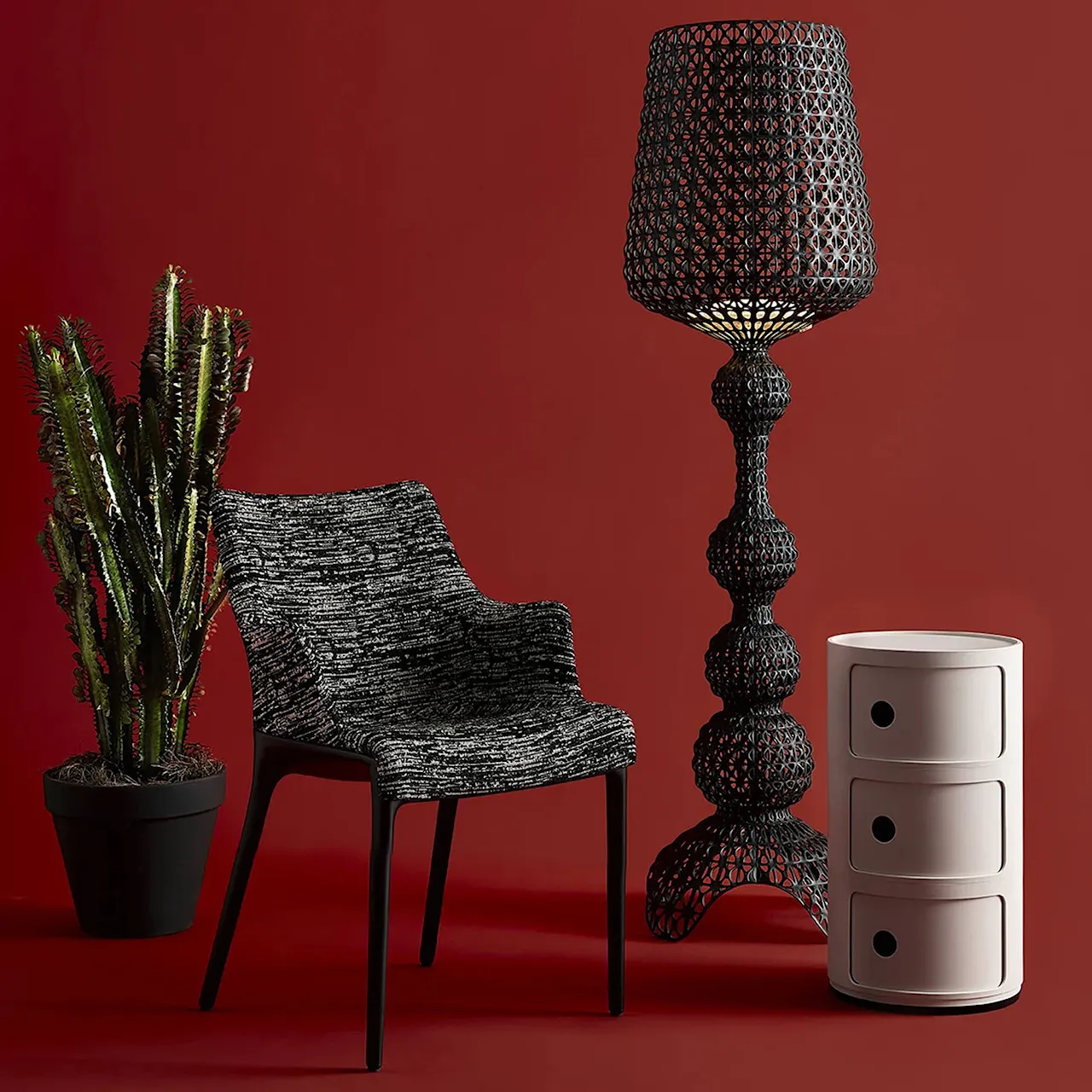
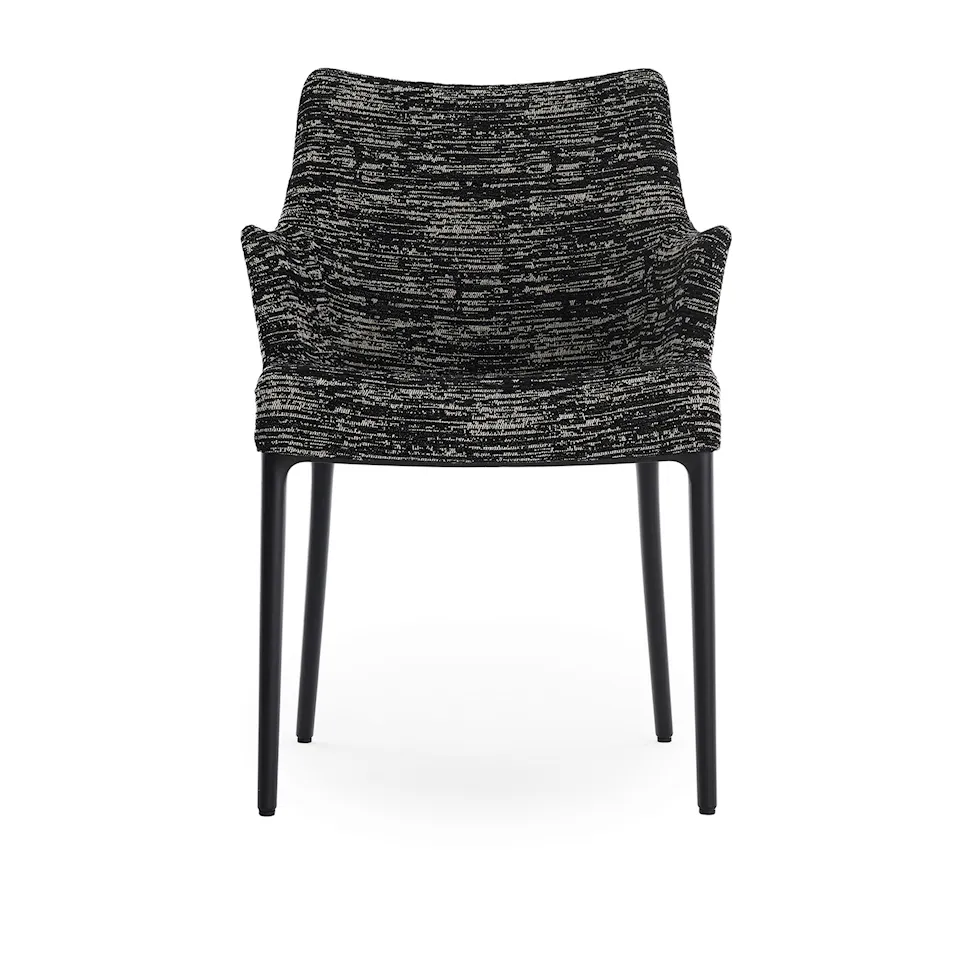
Eleganza Nia Armchair
€809
- Code: SAVE+ More options
Kartell
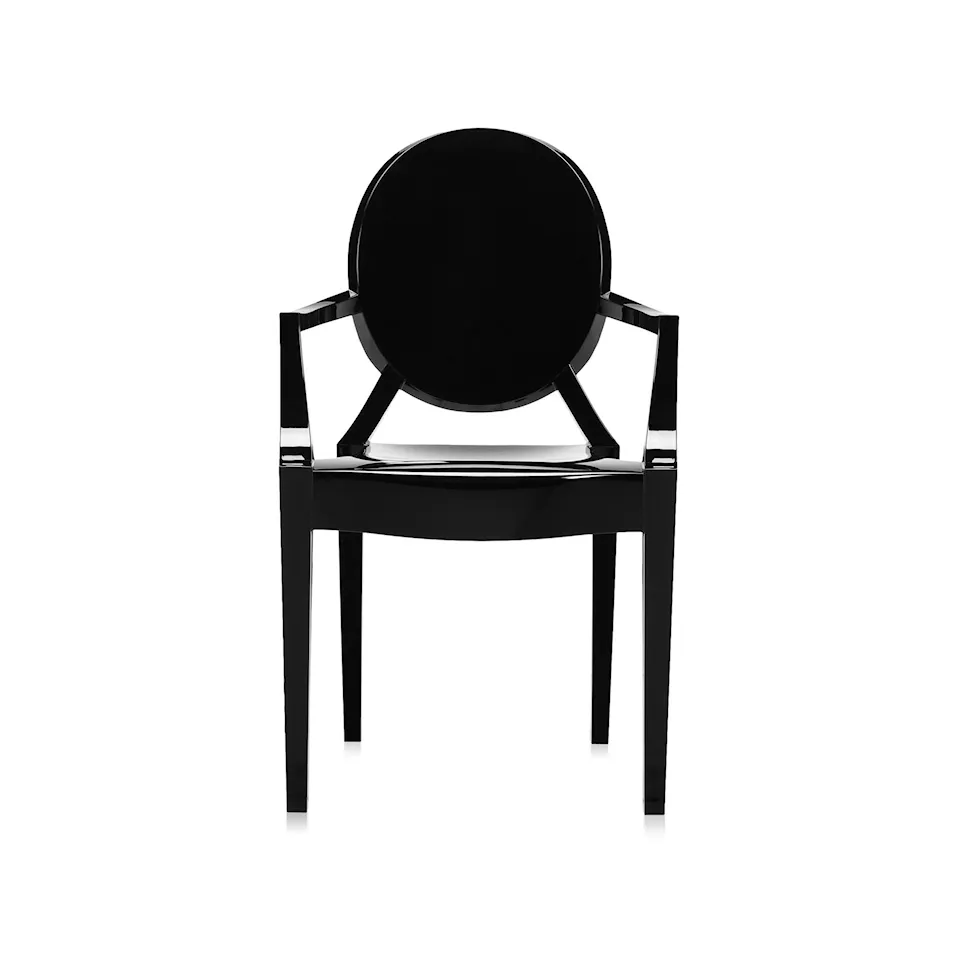
Louis Ghost Chair
€378
Philippe Starck 1949
Philippe Starck is a French designer born in Paris in 1949. He studied at the École Camondo in Paris and founded his own design studio in the late 1960s.
During the 1980s, Starck gained international recognition through several notable projects, including the interior design of Café Costes in Paris. Since then, he has collaborated with a large number of international design companies within furniture and product design.
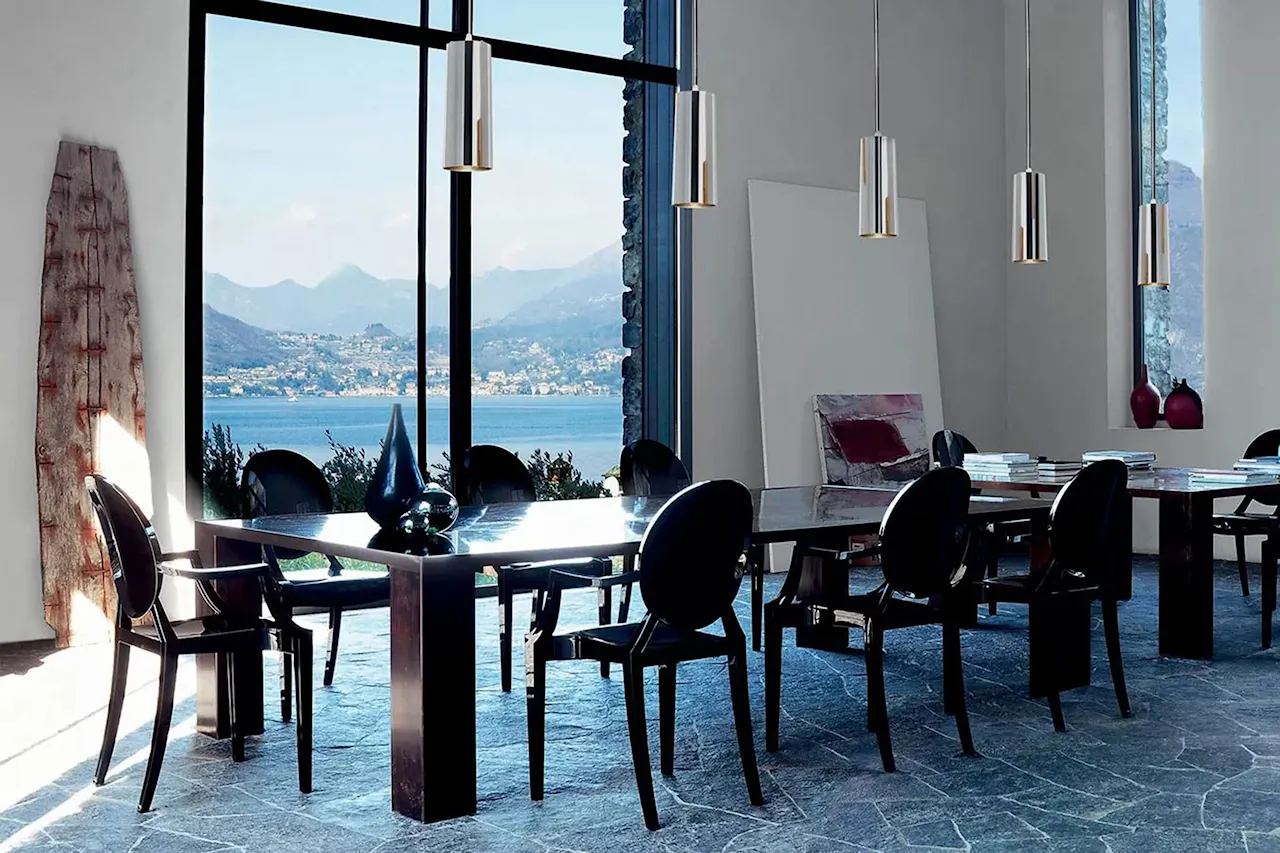
Starck has designed furniture, lighting, and products for several established brands, including Magis, Kartell, Flos , and Cassina. For Kartell, he has designed a number of pieces, including the Masters series, where three classic chair silhouettes are combined into a new design produced in plastic, as well as the Ghost series, where transparent materials are used to interpret historical forms in a contemporary context.
Design philosophy
Philippe Starck’s work is based on the clear idea that design should contribute to improving everyday life. Throughout his career, he has developed a very large number of projects across furniture, product design, architecture, and interiors. A common thread in his work is the ambition to combine function, innovation, and a clear design language.
Starck often emphasises that an object must first and foremost be useful and functional. Aesthetics are seen as part of the whole, but the primary task of design is to create products that work in everyday life and can be used by many people.
In his work, he also explores how design can respond to the needs of contemporary society, for example through material development, technical solutions, and more sustainable production methods. This approach can be seen in projects ranging from furniture and everyday objects to larger architectural and design projects.
For Starck, design is not only about form but also about responsibility. He sees design as a way to develop solutions that are functional, accessible, and adapted to future needs.
Is there something you are missing in terms of philippe starck?
Please contact us via our contact form to discuss your specific product request.