

Room Dividers
5 products
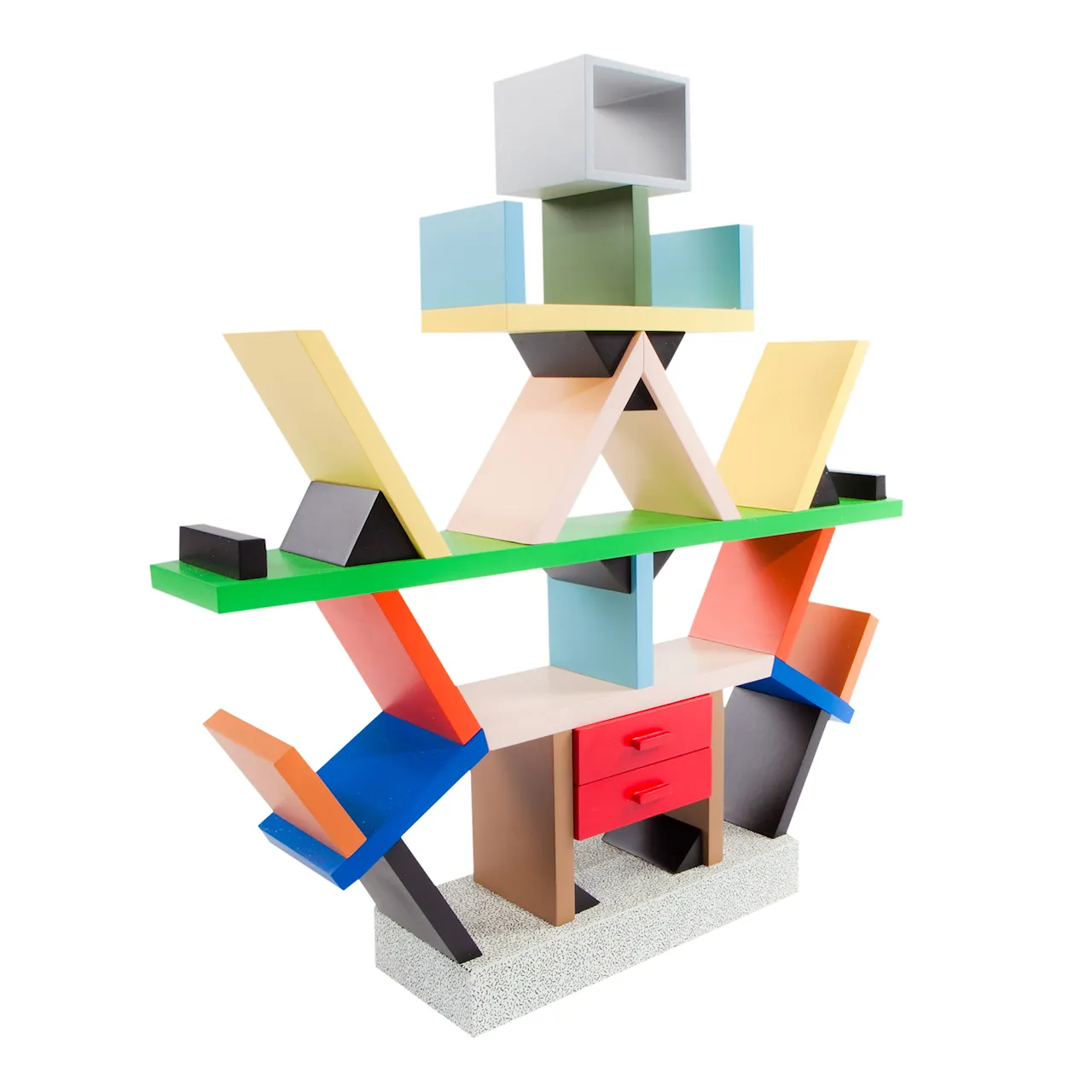

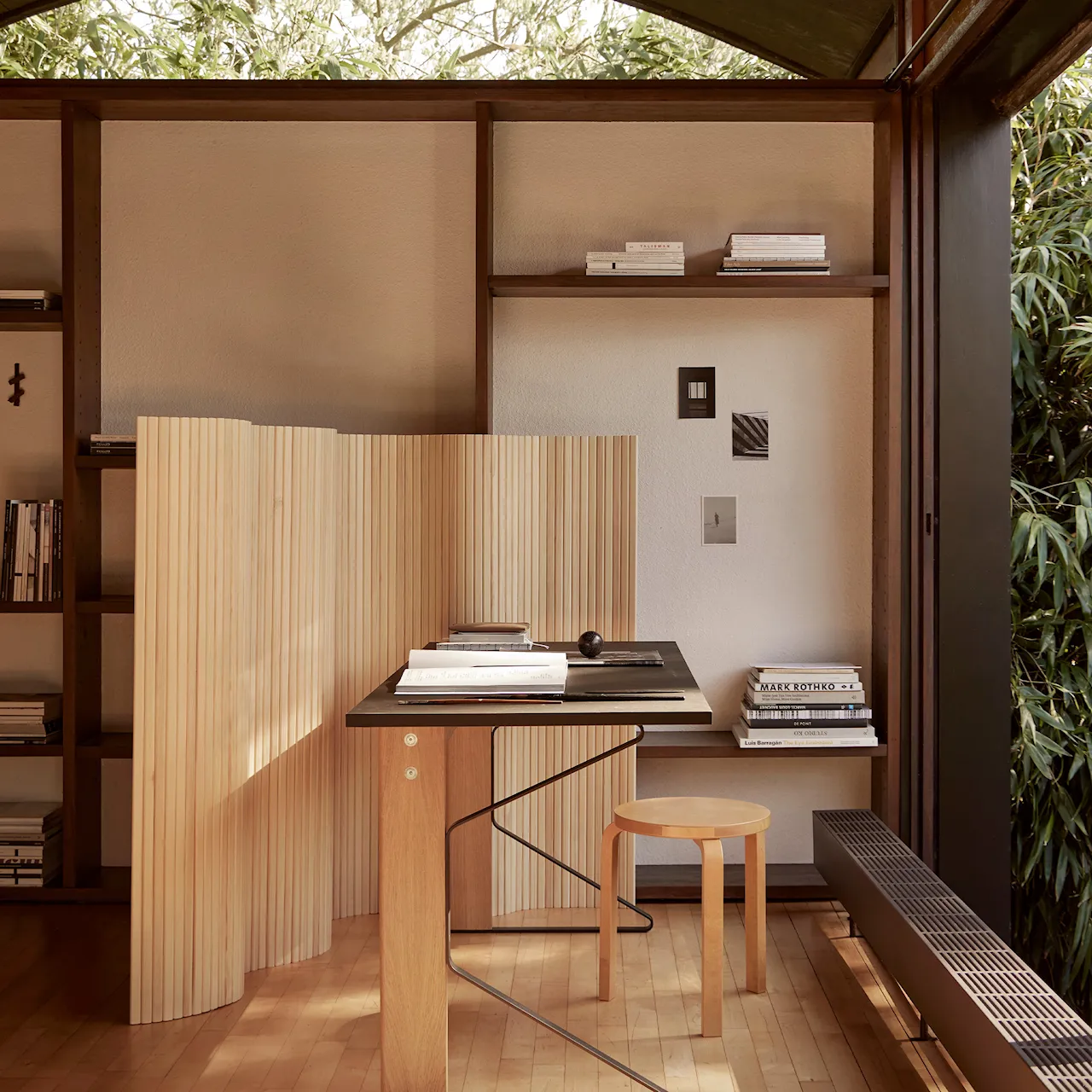
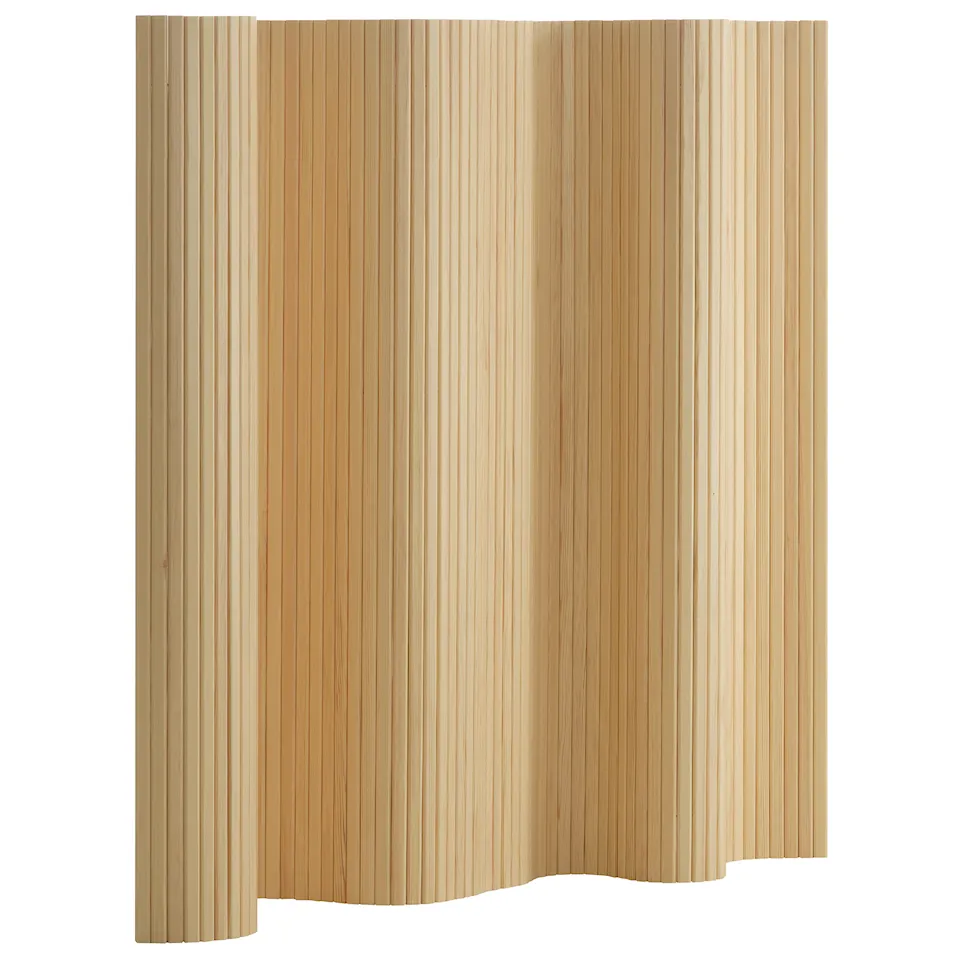

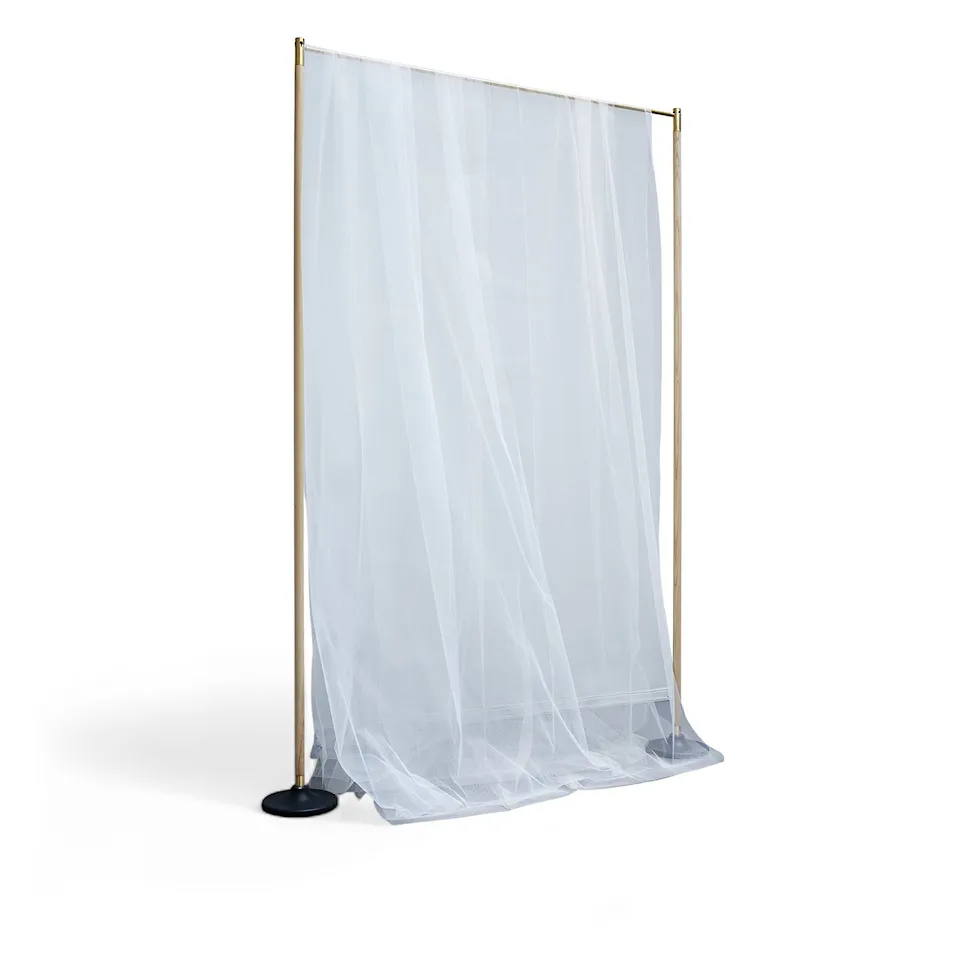
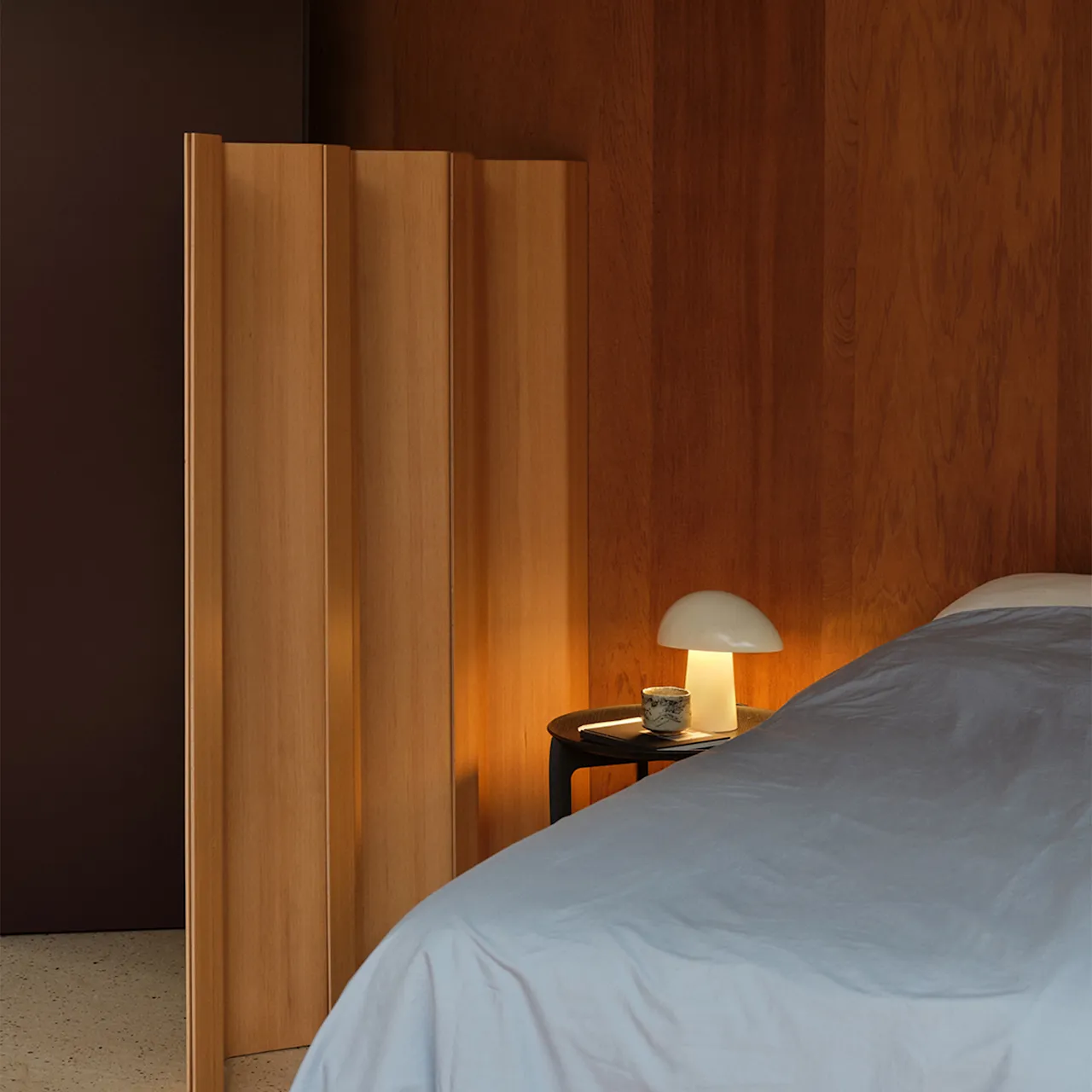
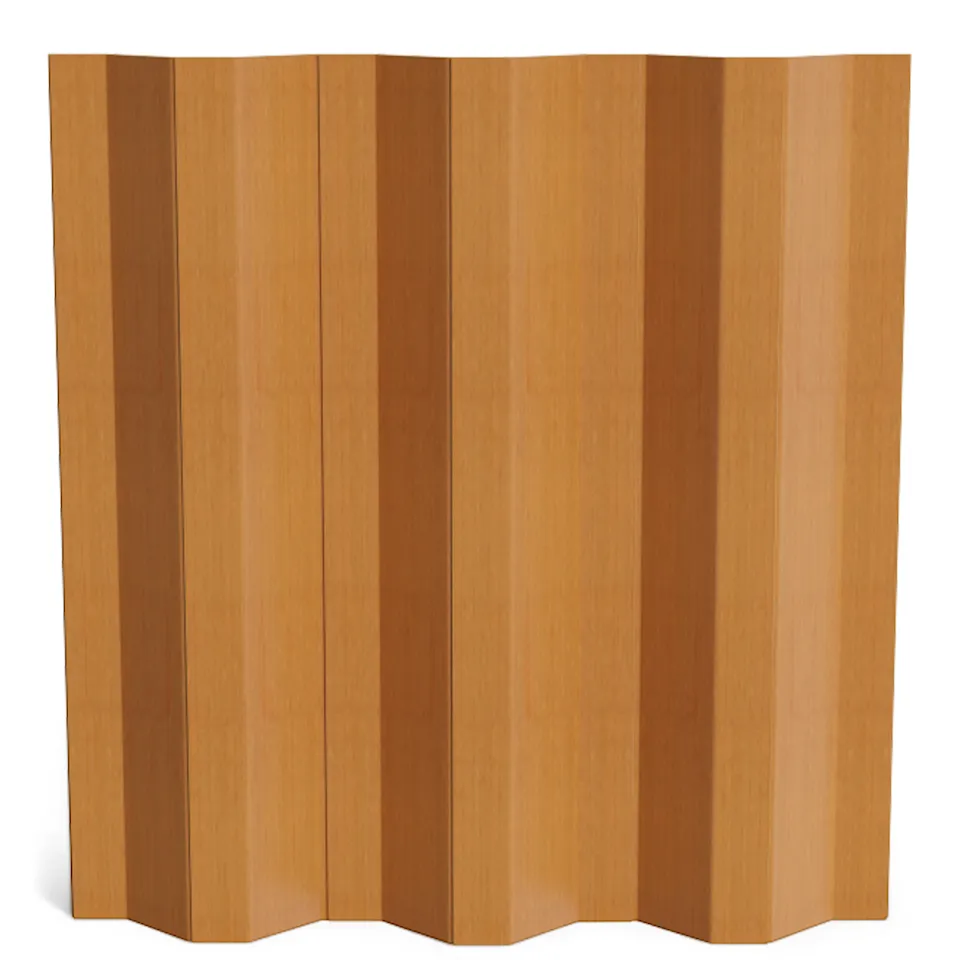
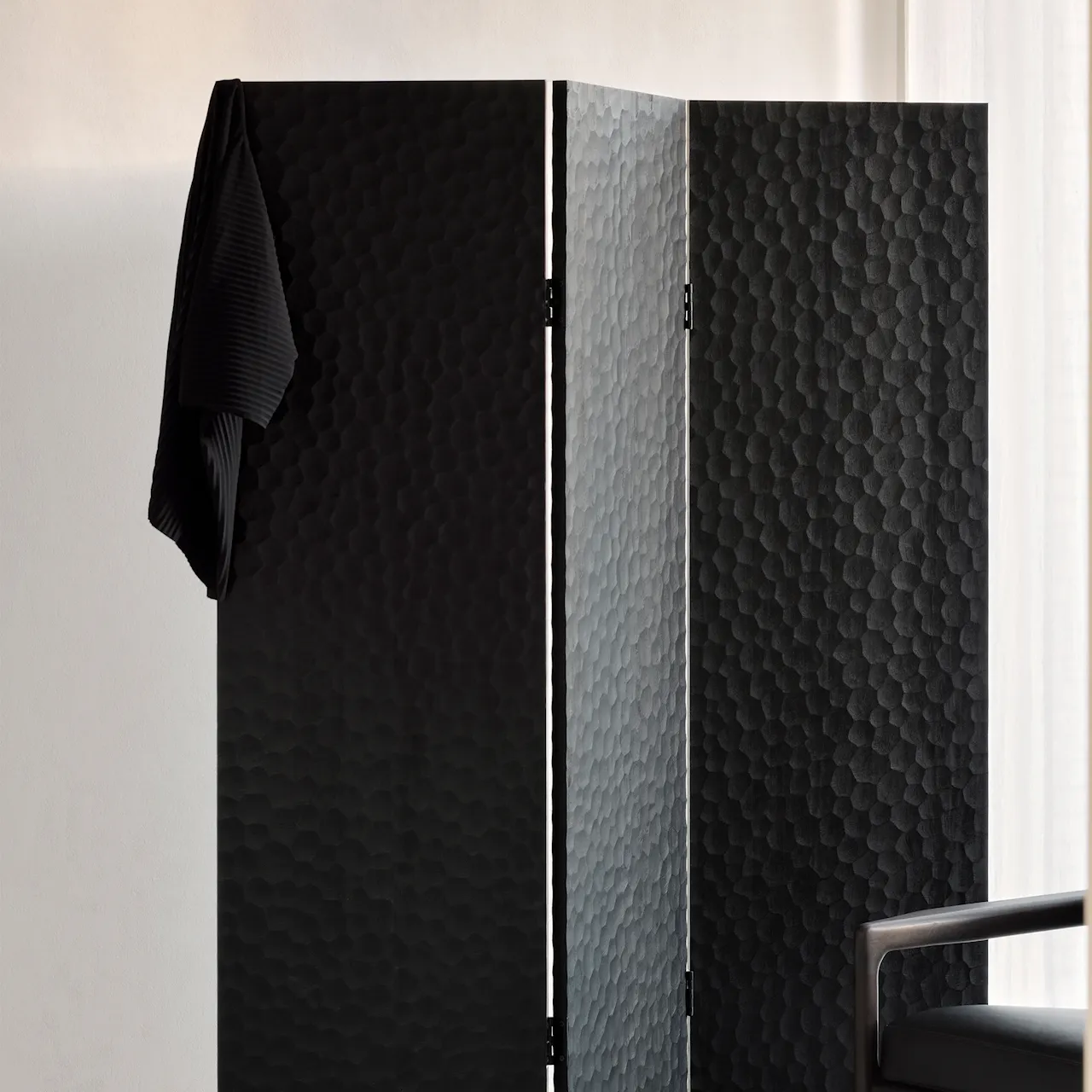
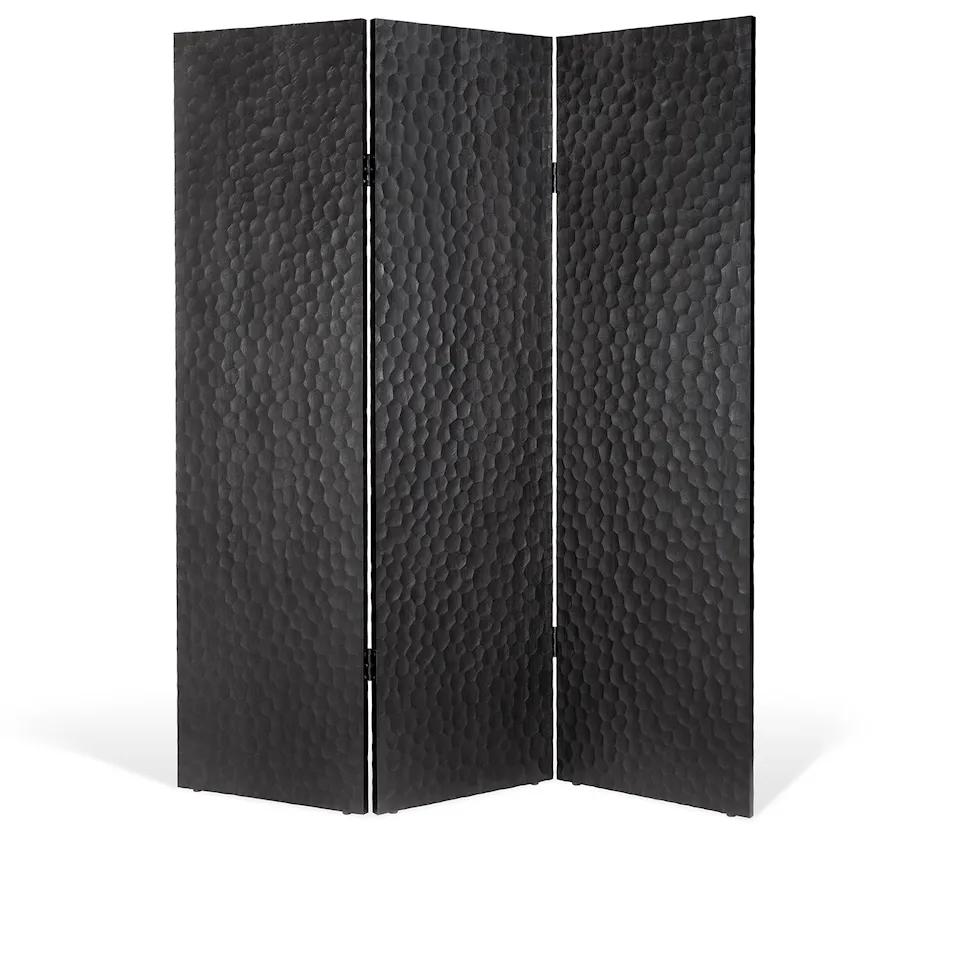
As a way to define different areas without installing permanent walls, room dividers have found a clear role in contemporary interiors. Historically, they have been used in many cultures, from open Greek bathhouses to Roman homes. In the 19th century, they were further developed in Japan under the name “shoji”, where lightweight screens of paper and wood made it possible to divide space while still allowing light to flow through.
The function and form of room dividers
In modern homes, room dividers help organize space in a way that brings clarity and calm to the layout. They contribute a soft rhythm that can be adjusted depending on how the room is used over time. With a carefully balanced form and thoughtfully selected materials, they become a natural part of the interior. They offer privacy where needed, while maintaining a sense of openness and cohesion.
A screen wall can define areas without weighing down the space. It is often used to mark out a workspace in a larger living room or to create a more private atmosphere in a sleeping area within a smaller residence. It can also separate a dressing area in the bedroom.
A well-crafted divider adds structure and creates a flow that connects different parts of the room. Through open or semi-transparent constructions, it can establish boundaries without breaking the visual unity. This makes the divider an integrated part of the interior, not just a standalone element.
Screens in wood, fabric and considered materials
The choice of materials plays a key role in both the look and function of a room divider. Charlotte Perriand developed wooden dividers for Cassina with a sculptural build, where joined components form a dynamic pattern and bring architectural presence to the space.
For a softer feel, Arflex offers fabric-covered panels with a plywood core wrapped in polyurethane and protected by polyester. These are especially effective when combining privacy with a sense of lightness. Ethnicraft brings metal-based dividers with a more industrial tone, while Memphis Milano adds playful energy through expressive, postmodern forms.
Ingridsdotters Vinda provides a tactile and adaptable option with cast steel feet, tubes and brass fittings, and posts made of painted solid wood. It serves as a freestanding frame for textiles, particularly useful where spatial division is desired without building permanent structures.
Flexibility and dynamic interiors
A room divider's strength lies in its mobility and adaptability. Many models are foldable and can be adjusted to suit the room’s proportions, making it easy to create more defined zones as needs change. Placement that follows the natural flow of the space enhances the divider’s function and helps it harmonize with the furnishings rather than disrupt them.
Lighting can be used to highlight material textures and give the construction greater presence, whether made from fabric, wood or metal. A well-designed divider thus functions as both a practical solution and a visually striking feature that supports a cohesive spatial composition.
Is there something you are missing in terms of room dividers?
Please contact us via our contact form to discuss your specific product request.