

Sideboards
56 products
- Code: STOOL60+ More options
Ethnicraft
PI Sideboard
From €1,800€2,249
- Code: STOOL60+ More options
USM
USM Haller E2 Sideboard
€2,355
In stock - Code: STOOL60
Ferm Living
Unda Sideboard
€1,600€1,999
- Code: STOOL60+ More options
Muuto
Enfold Sideboard - Tall
€1,677€2,095
In stock - Code: STOOL60+ More options
Naver Collection
AK 2730-2732 Sideboard
From €3,477€4,090
In stock - Code: STOOL60+ More options
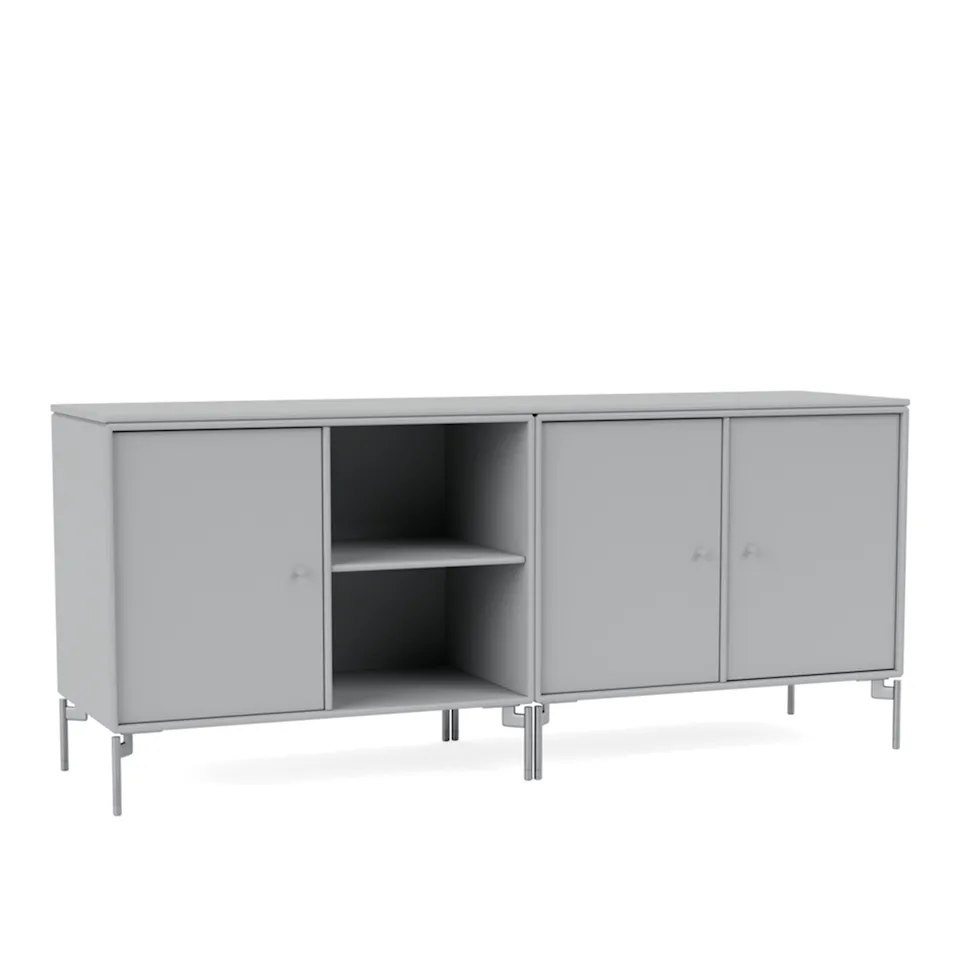
Montana
Montana Selection Pair Classic Sideboard Plinth 7 cm
€1,998
- Code: STOOL60+ More options
USM
USM Haller 40 Sideboard
€1,704
In stock - Code: STOOL60+ More options
Montana
Montana Selection Pair Classic Sideboard Legs
From €1,909€2,234
- Code: STOOL60+ More options
USM
USM Haller C2 Sideboard
€1,914
In stock - Code: STOOL60+ More options
Zanat
Touch Sideboard 172 cm
From €6,504€7,652
- Code: STOOL60+ More options
Montana
Montana Selection Couple Sideboard Legs
From €2,499€2,925
In stock - Super Deals
Stolab
Prio Skänk Hög Ek Glasdörr, 120 x 135 x 39, Ytbehandling Ljus Mattlack 3
€4,559€5,363
In stock - Code: STOOL60
Frama
Rivet Case Sideboard
€1,690
- Code: STOOL60+ More options
Montana
Montana Selection Line Sideboard Suspension Rail
From €812€1,014
- Code: STOOL60
Ethnicraft
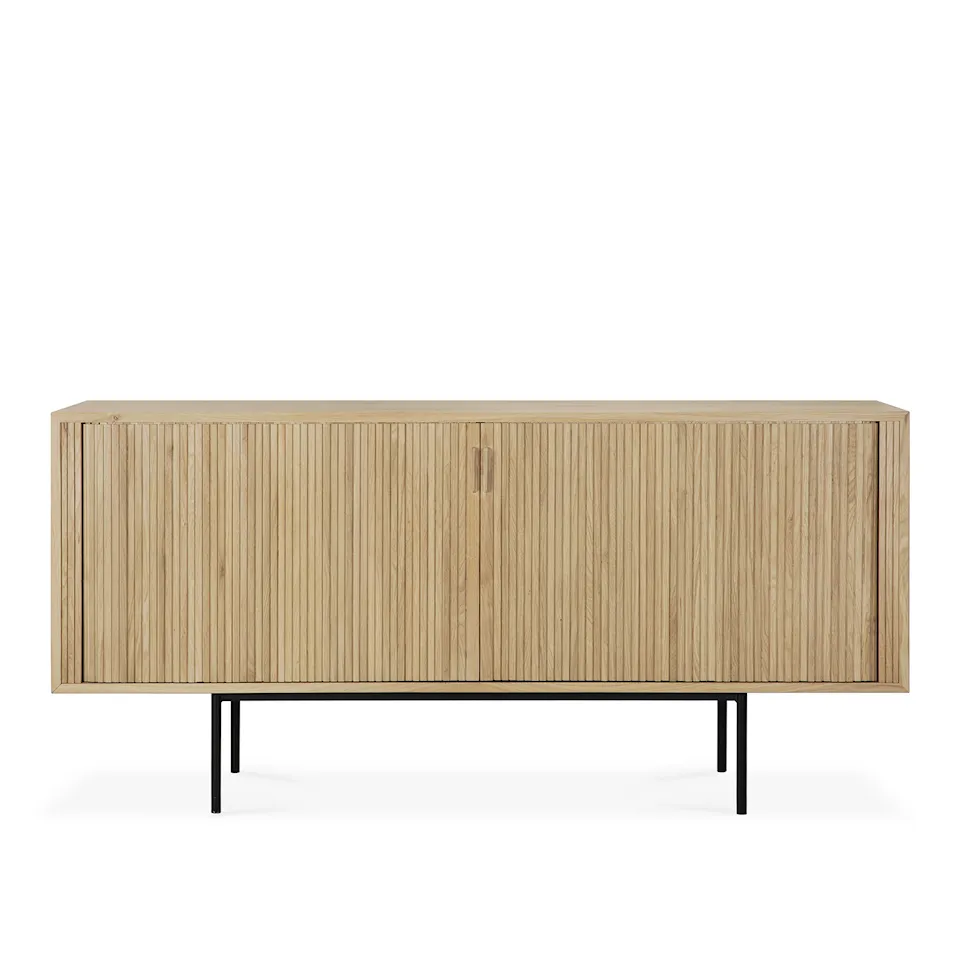
Oak Shadow sideboard
€3,509
- Code: STOOL60+ More options
USM
USM Haller 109 Sideboard
€3,113
In stock - Code: STOOL60+ More options
Ethnicraft
Nordic
From €1,279
- Code: STOOL60+ More options
Ethnicraft
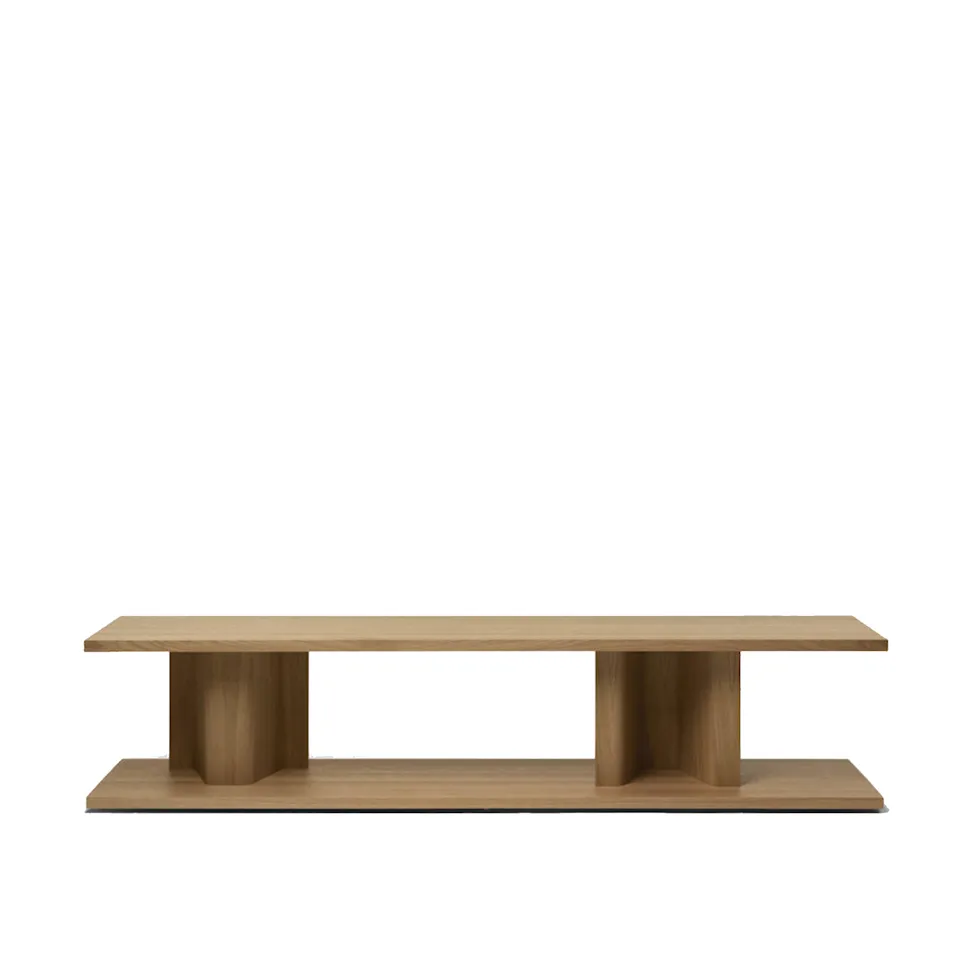
Pillar Sideboard
From €1,530€1,909
- Code: STOOL60+ More options
USM
USM Haller S2 Sideboard
€1,294
- Code: STOOL60+ More options
Carl Hansen
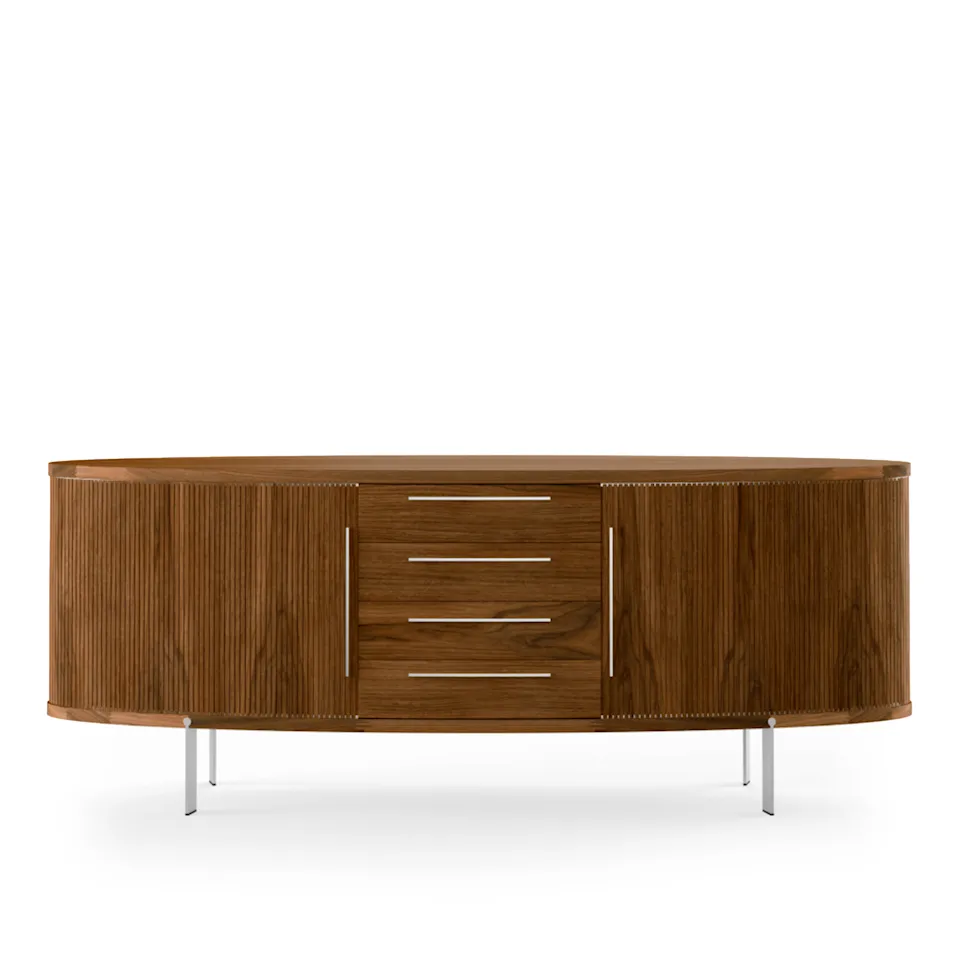
CH825 Credenza Sideboard
From €8,869€10,434
- Code: STOOL60+ More options
USM
USM Haller M51 Sideboard
€1,926
- Code: STOOL60+ More options
Montana
Montana Selection Couple Sideboard Plinth 3 cm
€2,688
- Code: STOOL60+ More options
Montana
Montana Selection Save Lowboard Legs
From €2,138€2,503
- Code: STOOL60+ More options
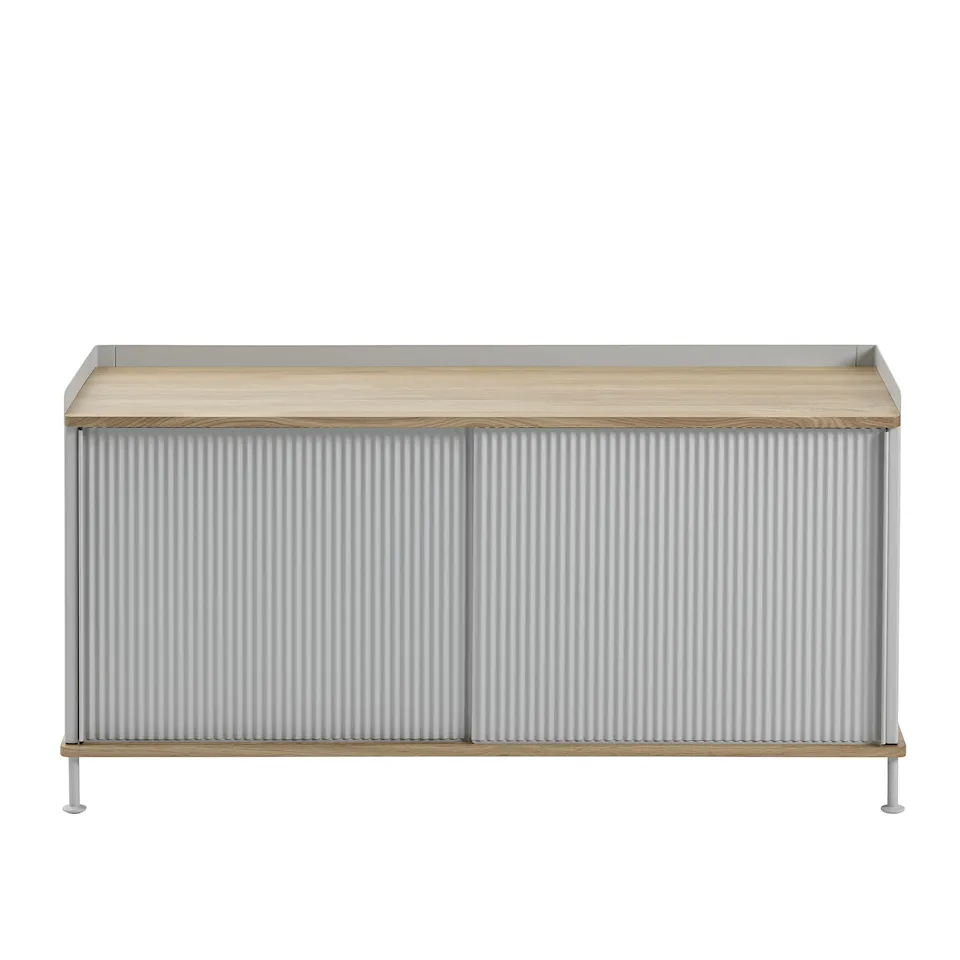
Muuto
Enfold Sideboard - Low
€1,677€2,095
- Code: STOOL60+ More options
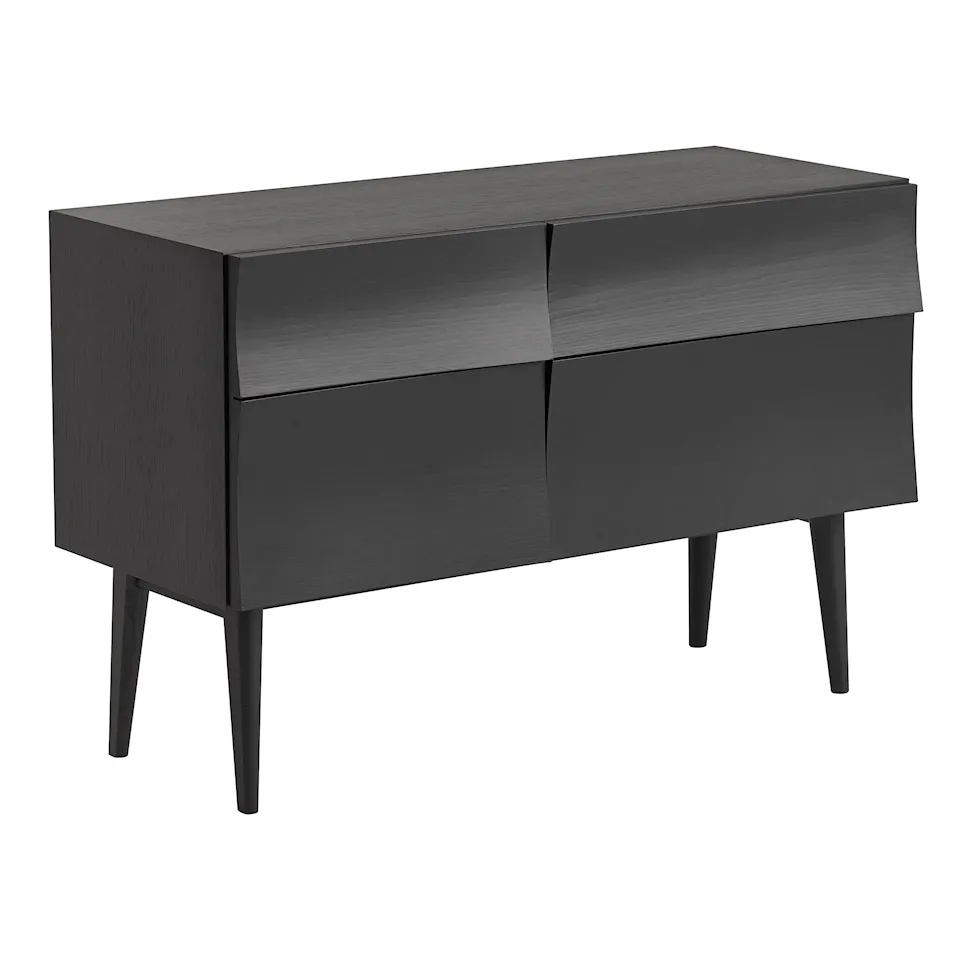
Muuto
Reflect Sideboard Small
From €1,996€2,495
- Code: STOOL60+ More options
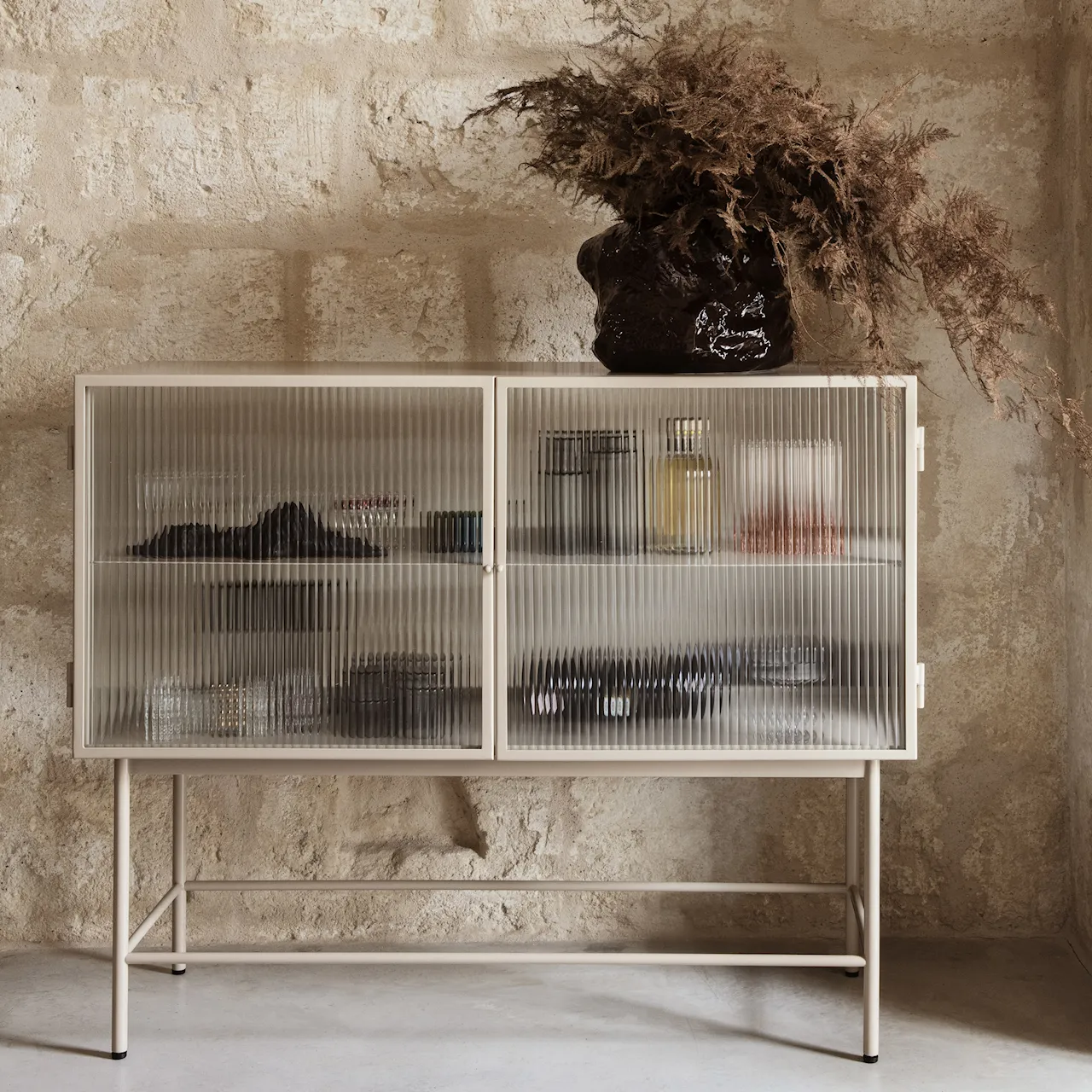
Ferm Living
Haze Sideboard
€1,412€1,765
- Code: STOOL60+ More options
USM
USM Haller M62 Sideboard
€1,073
- Code: STOOL60
Knoll
Florence Knoll Credenza Sideboard
€8,570
- Code: STOOL60
Gubi
Private Sideboard
€3,690€4,499
- Code: STOOL60
Fogia
Boss Low 3 doors Sideboard, Stained Ash, Black, Wood top, Wood frame
€3,040
In stock - Code: STOOL60+ More options
Muuto
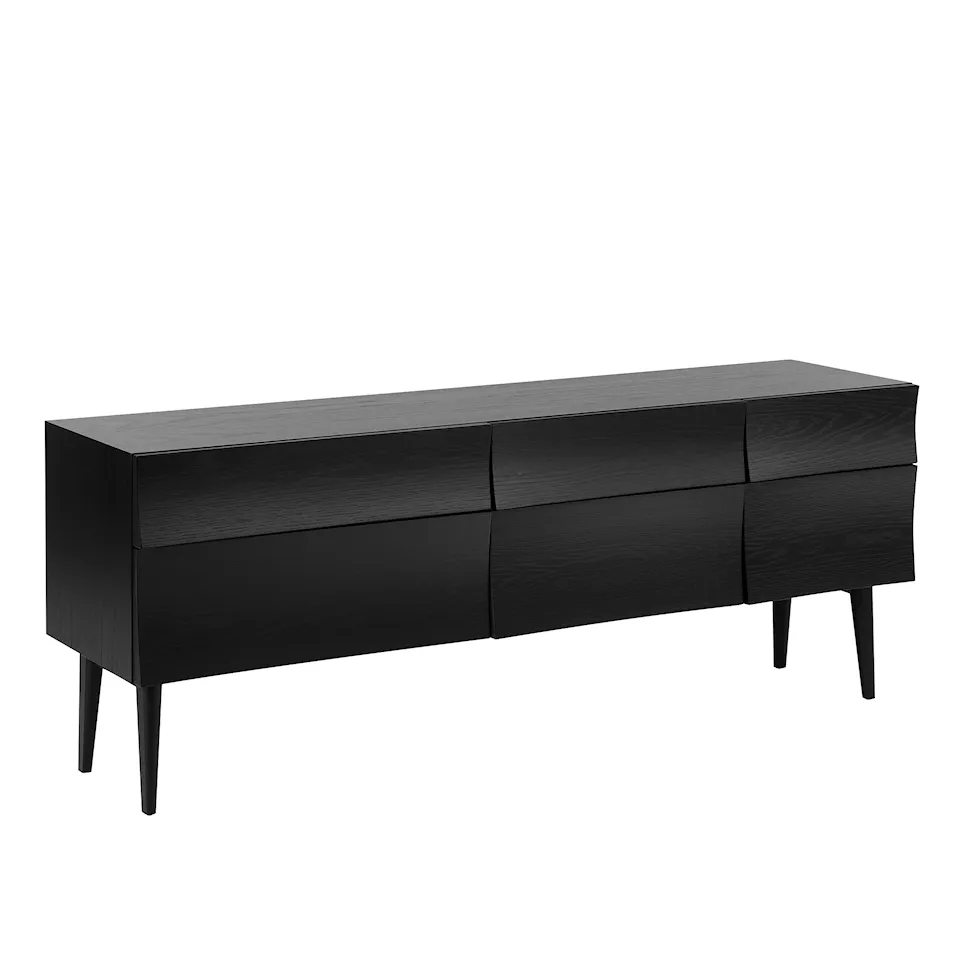
Reflect Sideboard Large
From €2,956€3,695
- Code: STOOL60+ More options
Ethnicraft
Roller Max Sideboard
From €2,322€2,819
- Code: STOOL60+ More options
Naver Collection
AK 1300 Sideboard
From €4,792€5,638
- Code: STOOL60+ More options
Ethnicraft
Flow Sideboard
From €1,576€1,969
- Code: STOOL60+ More options
Glas Italia
Commodore Sideboard
From €3,505€4,123
- Code: STOOL60+ More options
Zanat
Touch Sideboard 129 cm
From €4,713€5,545
- Code: STOOL60+ More options
Ethnicraft
Mosaic Sideboard
From €2,509
- Code: STOOL60+ More options
Naver Collection
AK 2660 Sideboard
From €4,305€5,065
- Code: STOOL60+ More options
Massproductions
BIT Side Table
€1,539€1,810
- Code: STOOL60
Asplund
Luc Deluxe 160 sideboard
€3,634
- Code: STOOL60+ More options
Ligne Roset
Dita Console
From €1,457€1,714
- Code: STOOL60
Fogia
Combiplex 310 Sideboard
€3,171
- Code: STOOL60
Ethnicraft
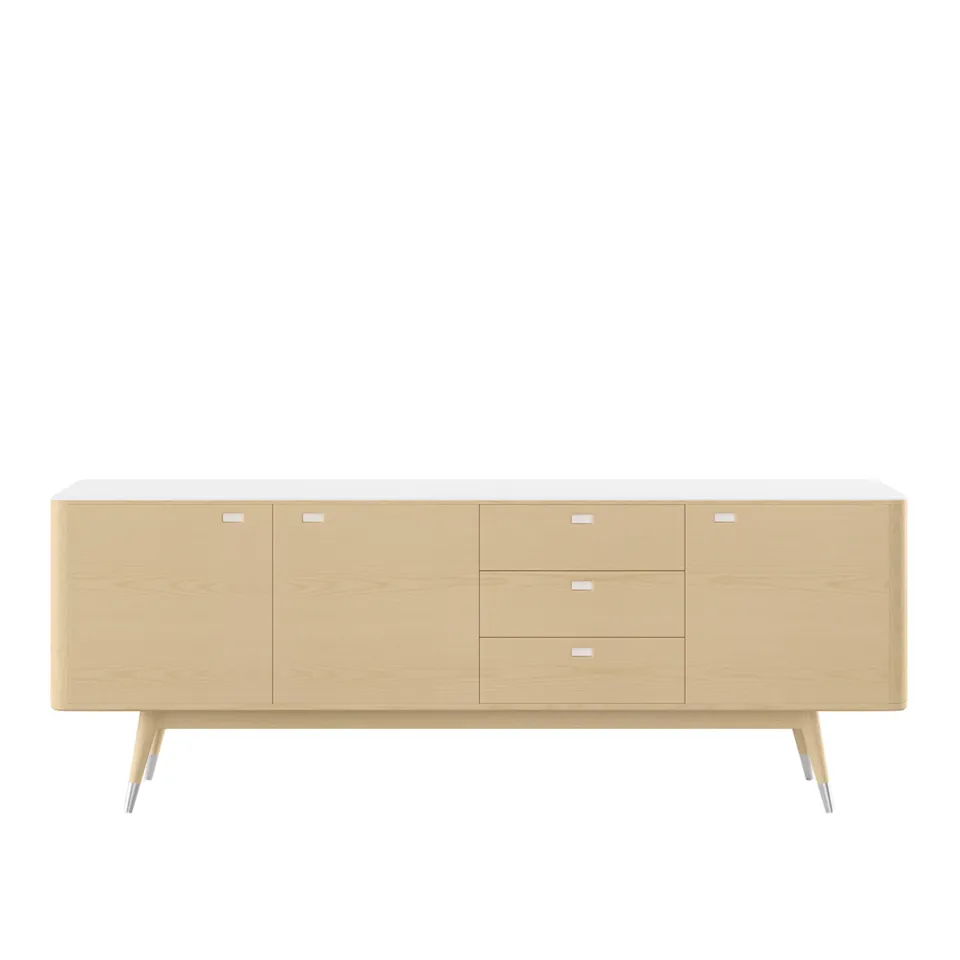
Whitebird - 2 doors/3 drawers
€3,349
- Code: STOOL60+ More options
Naver Collection
AK 2630 Sideboard
From €3,475€4,088
- Code: STOOL60+ More options
Montana
Montana Selection Save Lowboard Plinth 7 cm
€2,266
- Code: STOOL60+ More options
Zanat
Koam Sideboard
€8,790€10,341
- Code: STOOL60+ More options
Ethnicraft
Oak Stairs Sideboard
From €2,367€2,869
- Code: STOOL60
Ethnicraft
Whitebird Sideboard, Oak, 3 doors
€2,090€2,289
- Code: STOOL60+ More options
Ethnicraft
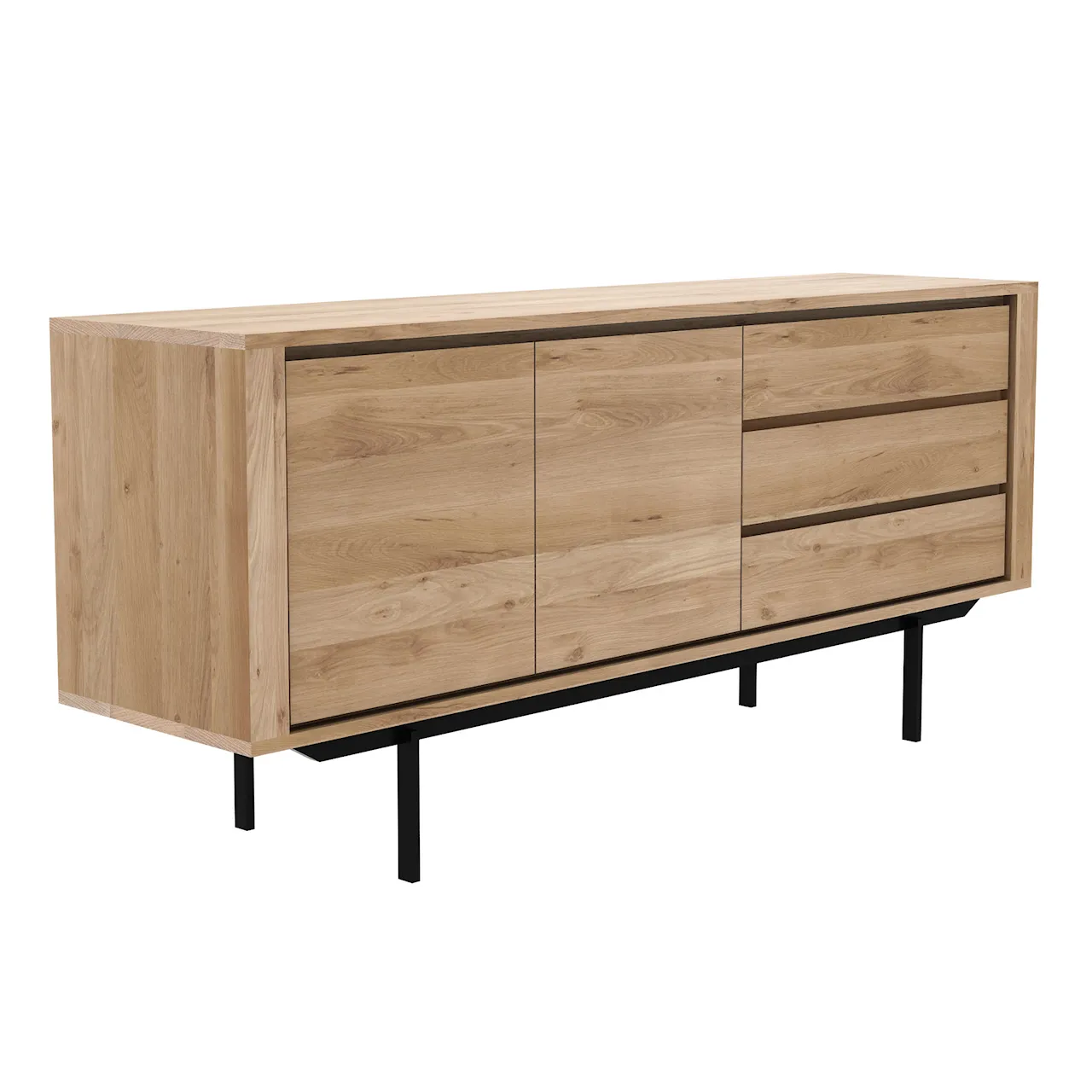
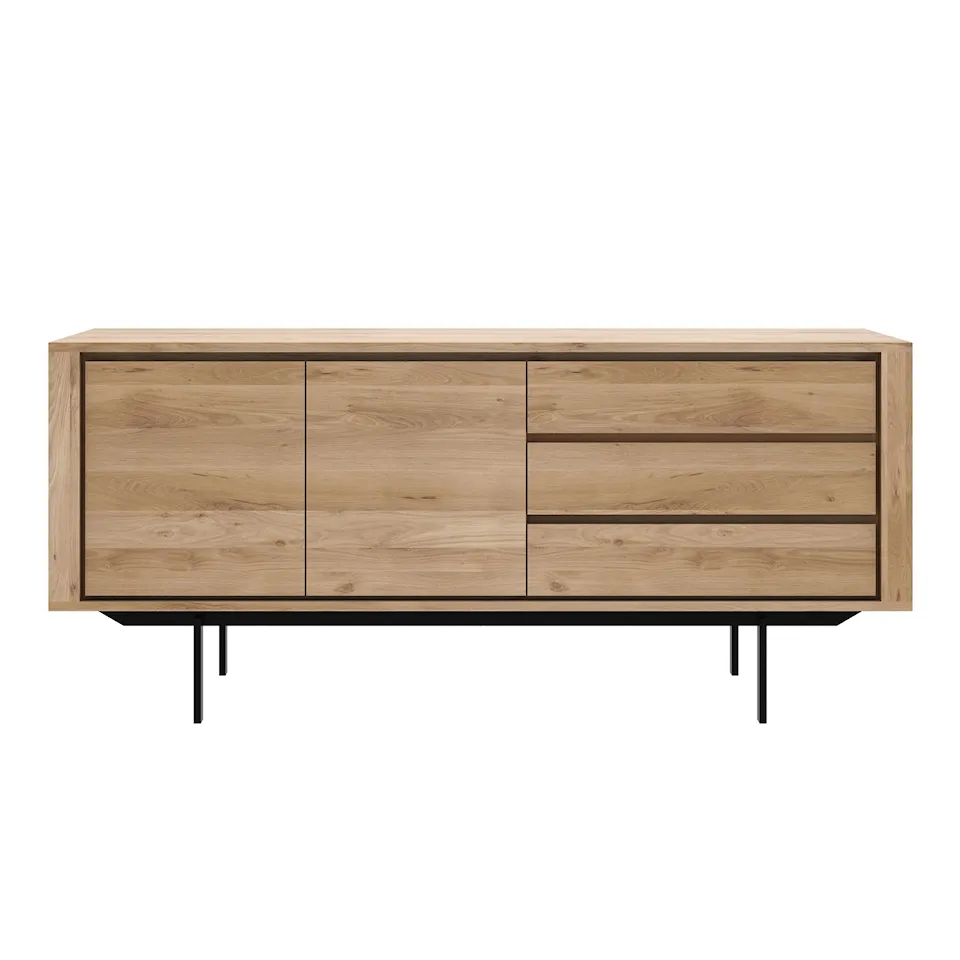
Shadow Sideboard Oak
From €2,289
- Code: STOOL60+ More options
Ethnicraft
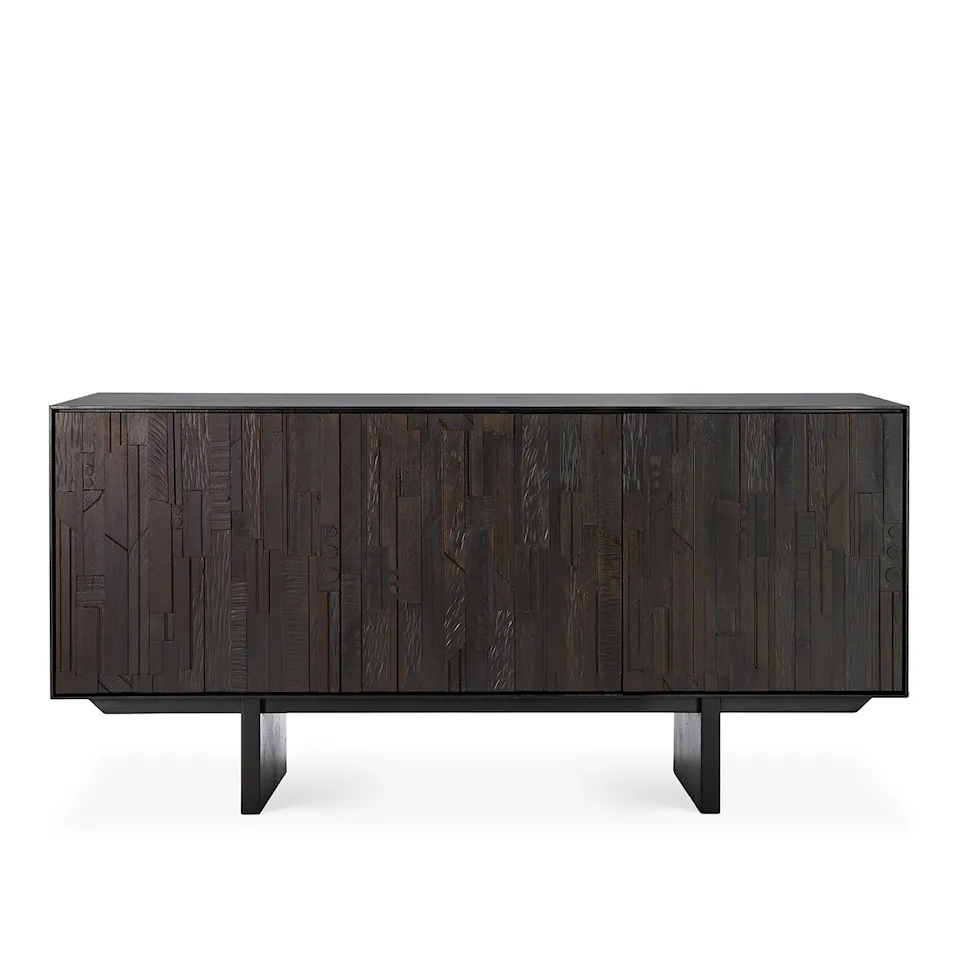
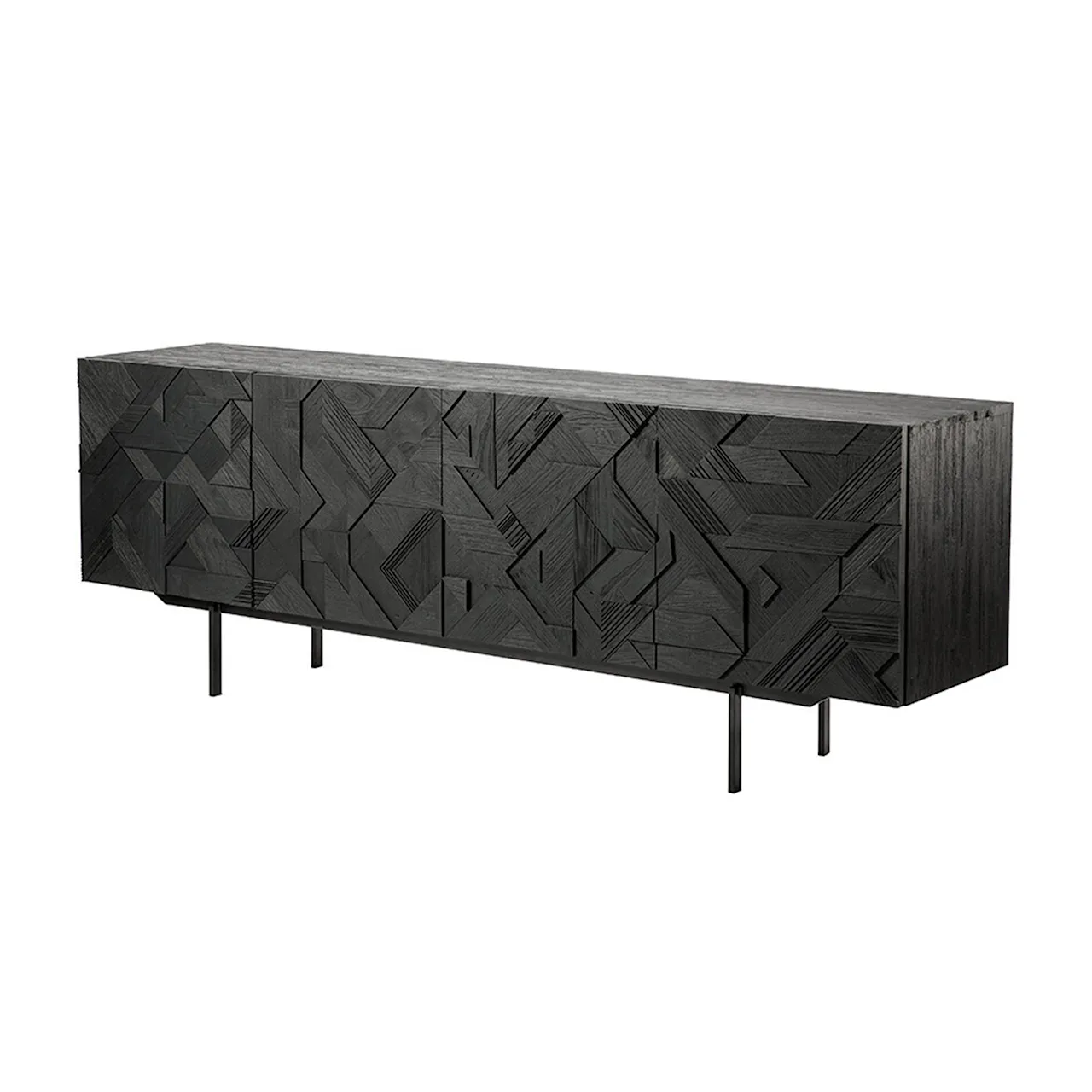
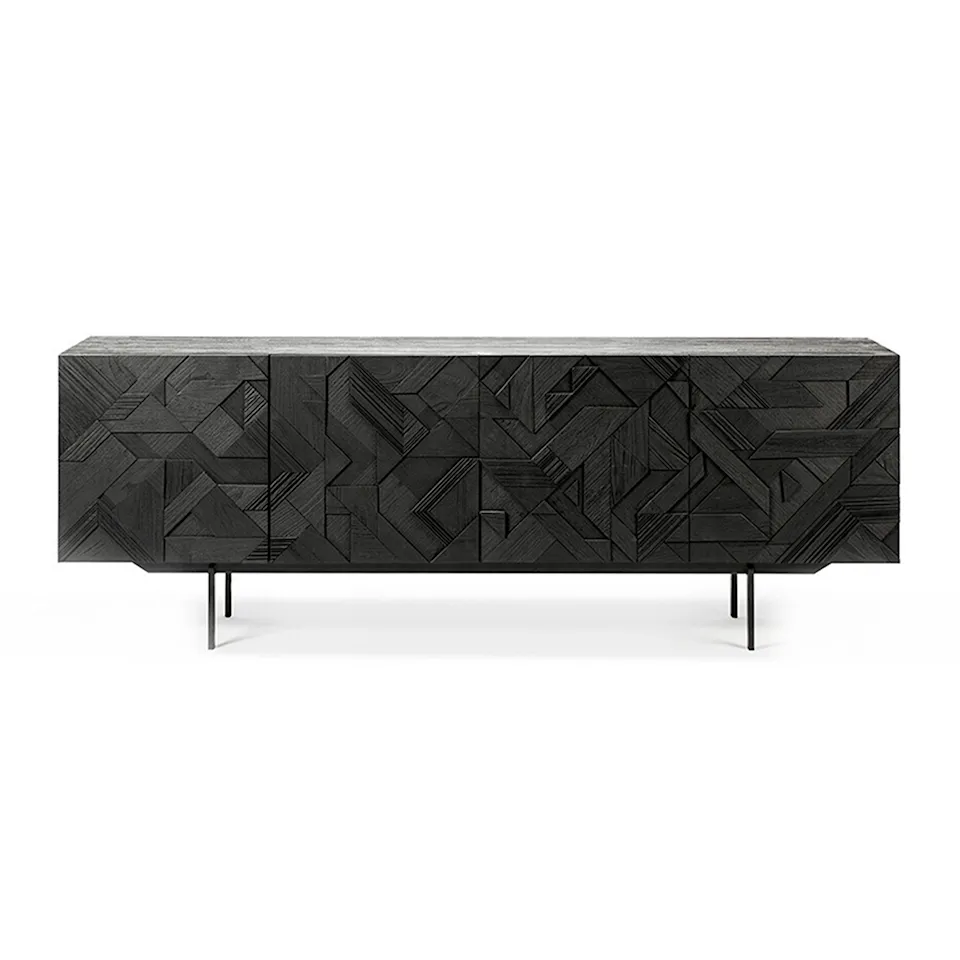
Teak Graphic Black Sideboard
From €2,400€2,619
- Code: STOOL60+ More options
Normann Copenhagen
Rib Sideboard Low
€1,596€1,995
- Code: STOOL60+ More options
Montana
Montana Selection Couple Sideboard Plinth 7 cm
€2,688
- Code: STOOL60+ More options
Montana
Montana Selection Pair Classic Sideboard Plinth 3 cm
€1,998
- Code: STOOL60+ More options
Montana
Montana Selection Save Lowboard Plinth 3 cm
€2,266
- Code: STOOL60+ More options
USM
USM Haller M64 Sideboard
€3,002
- Code: STOOL60
Montana
Pair Classic Sideboard - New White / Matt Chrome Legs
€2,234
Out of stock
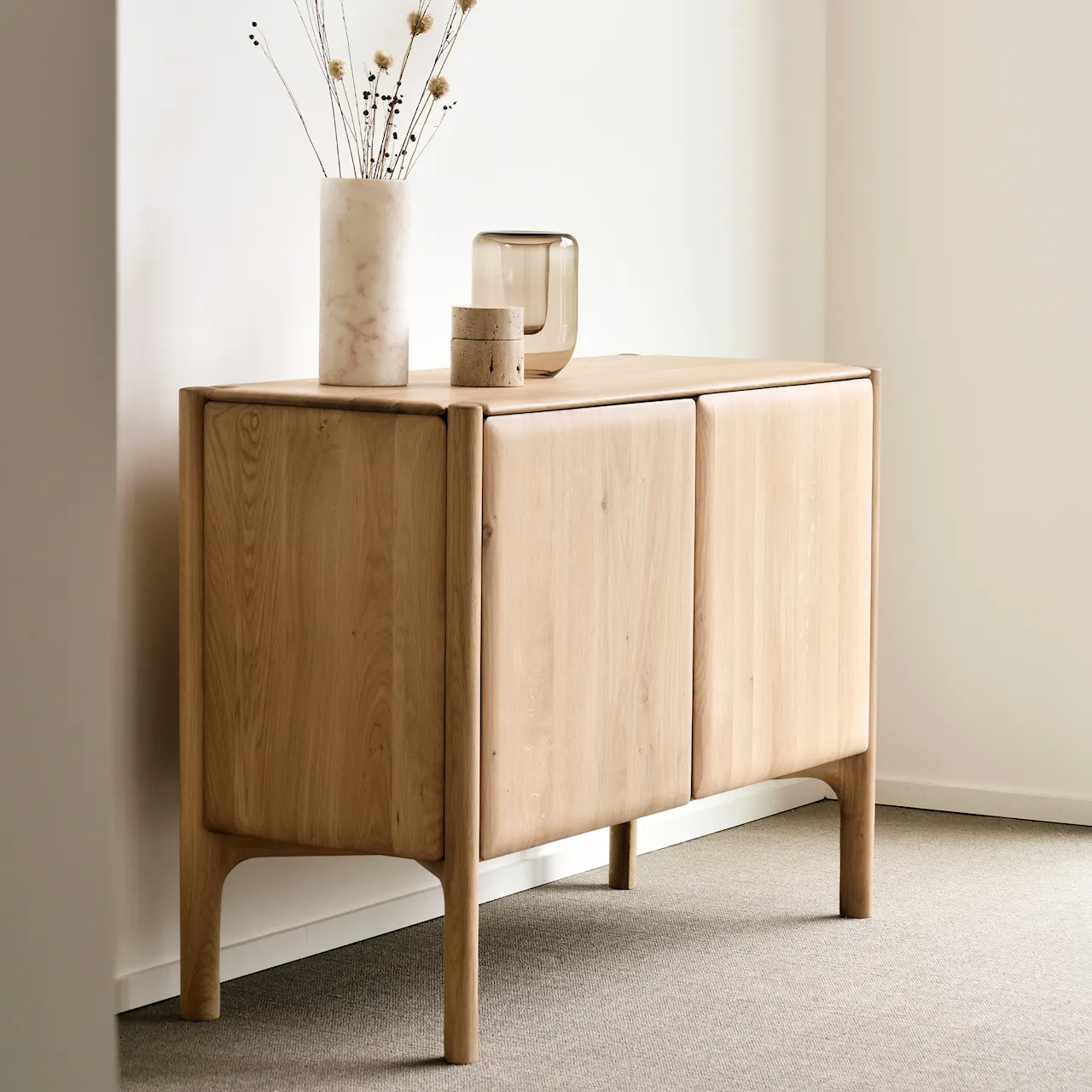
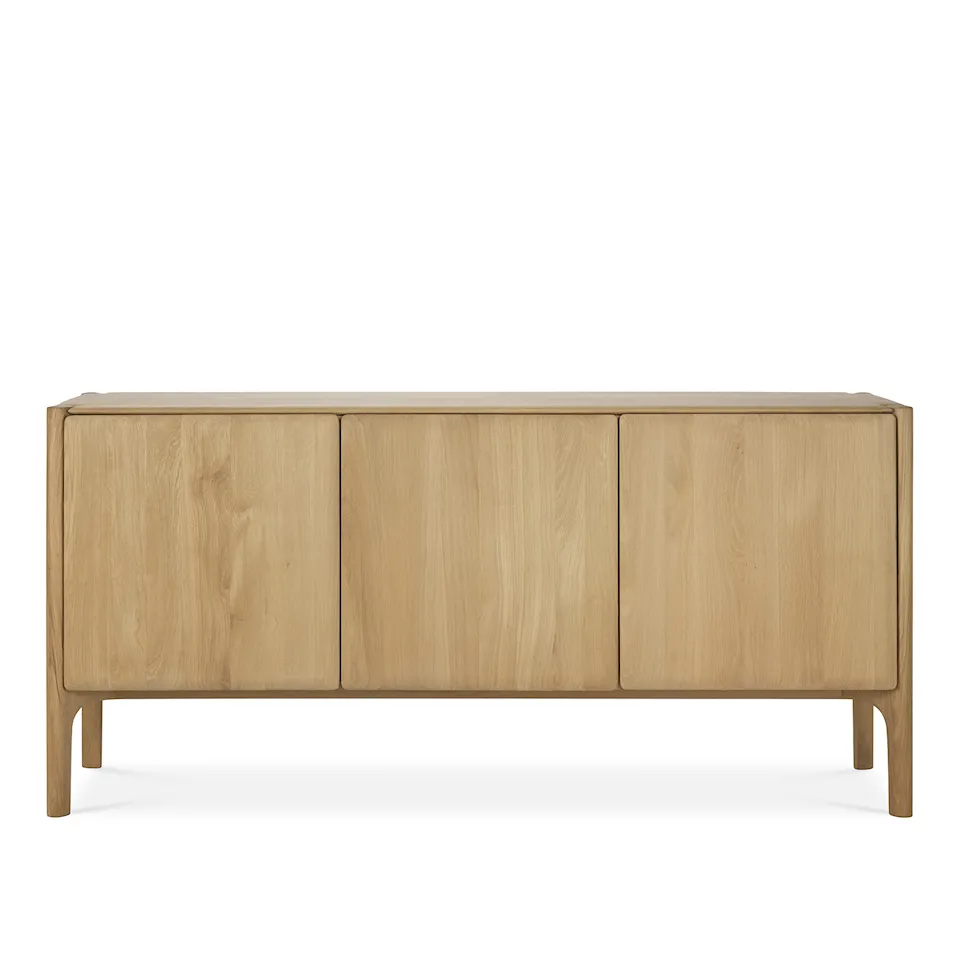
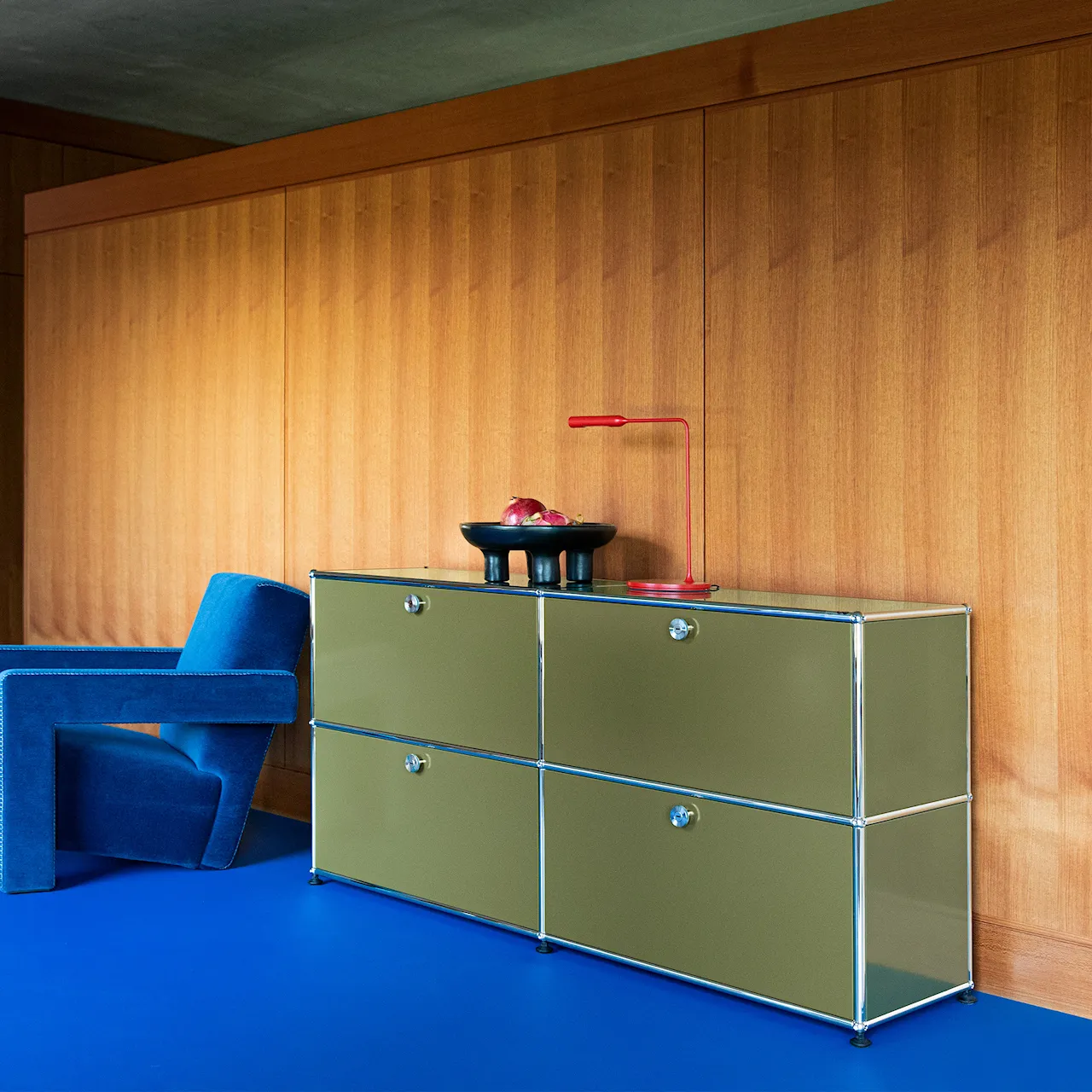
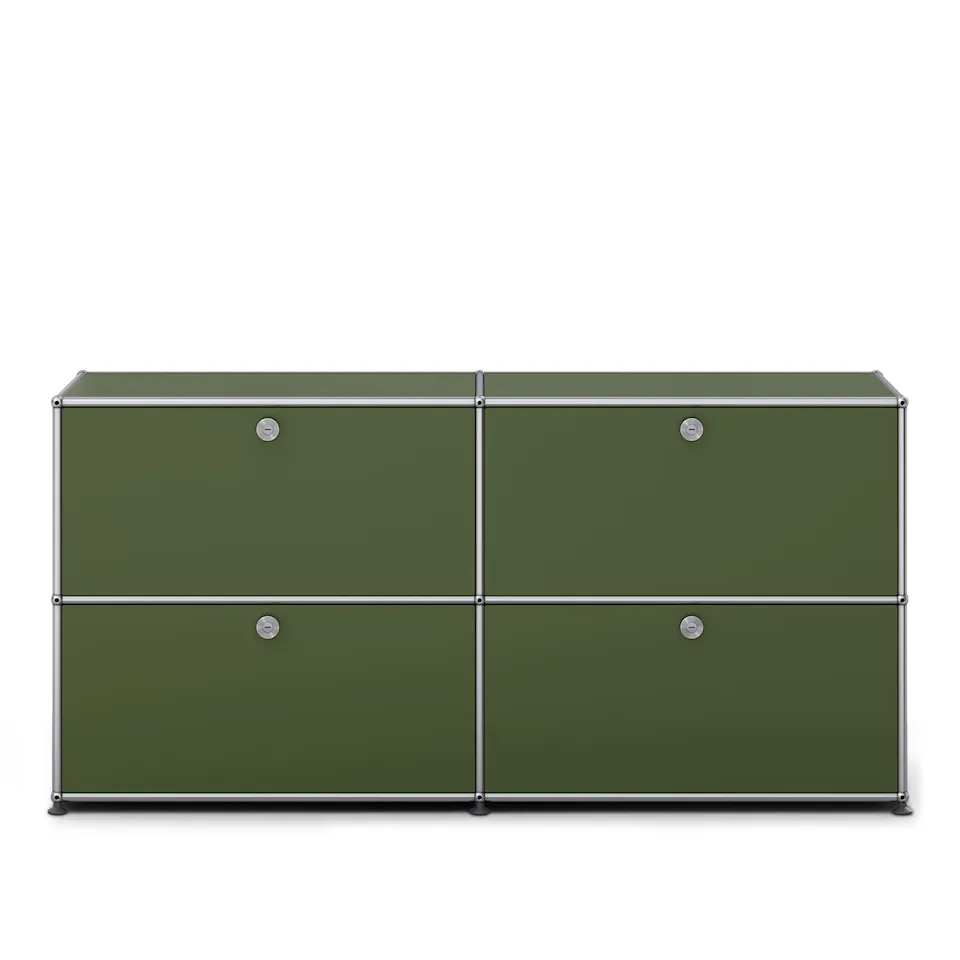
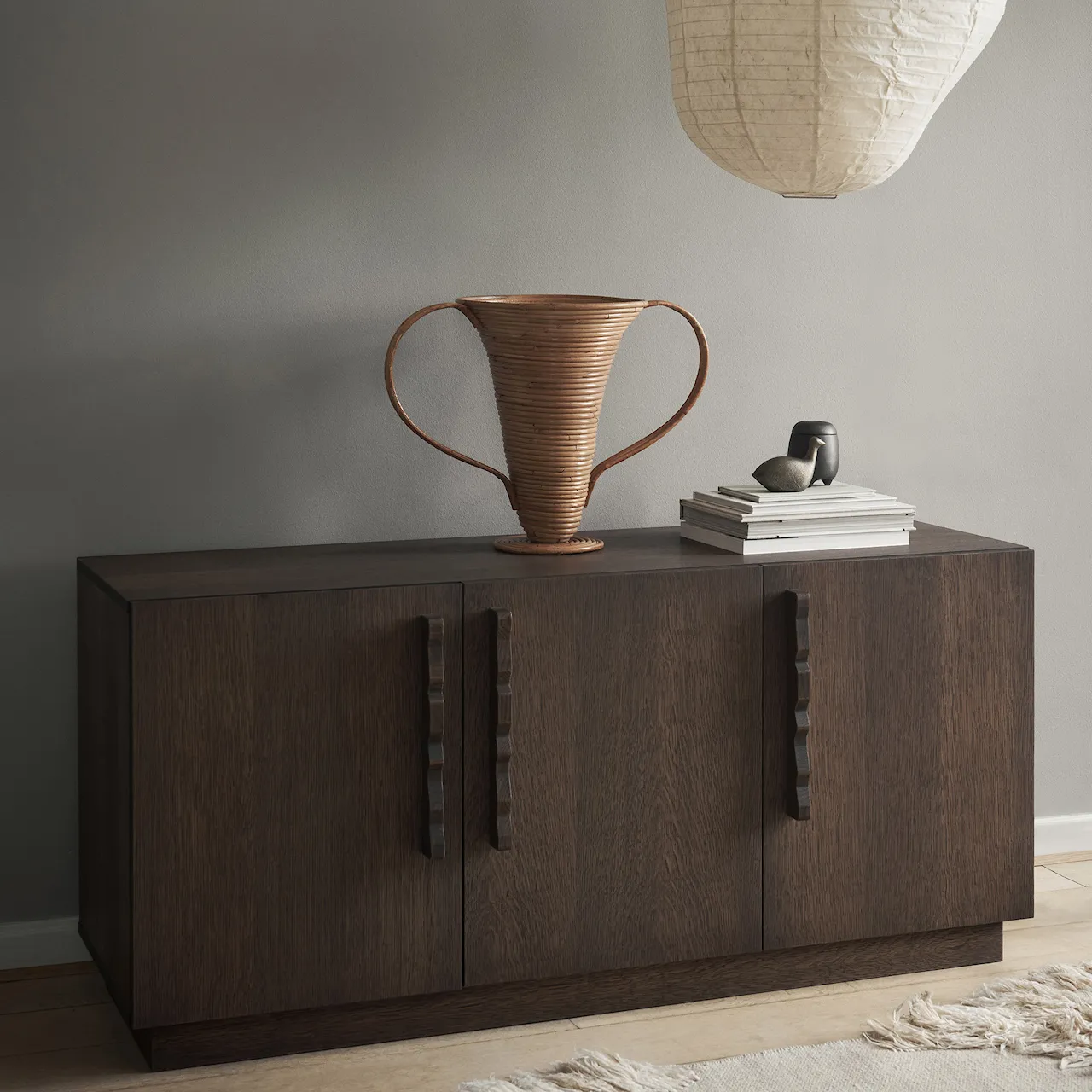
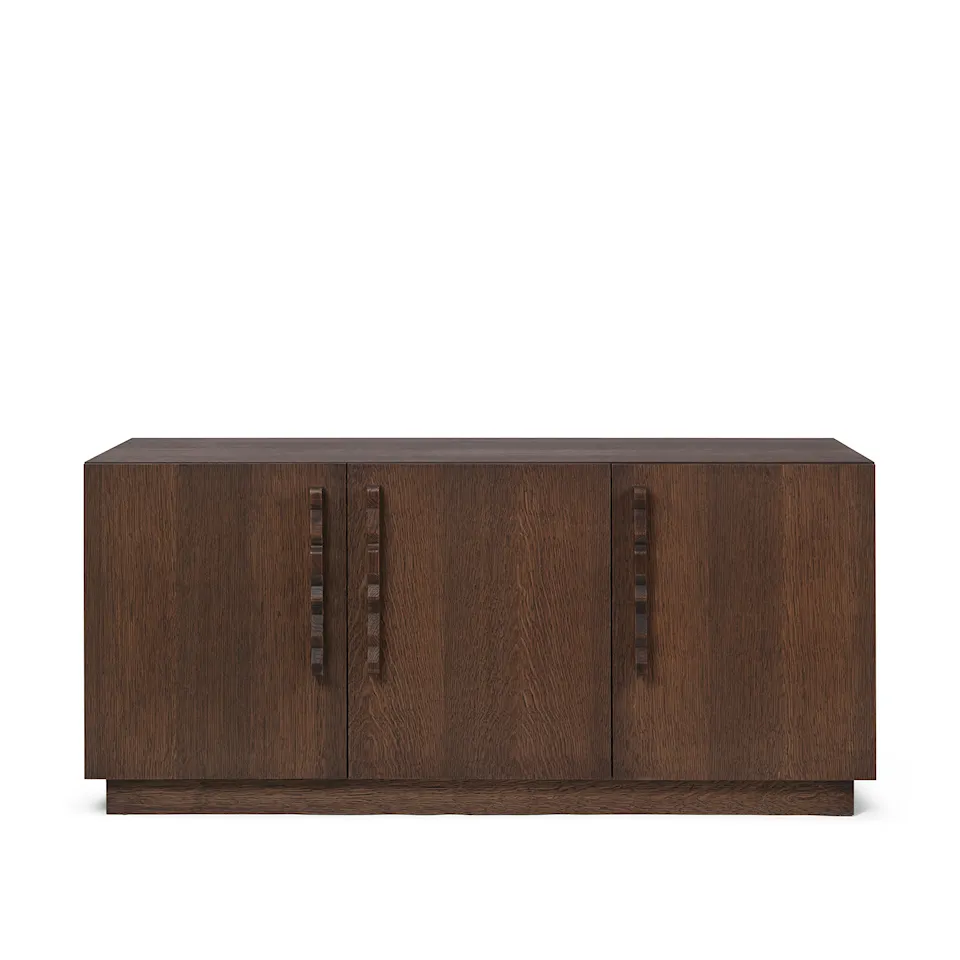

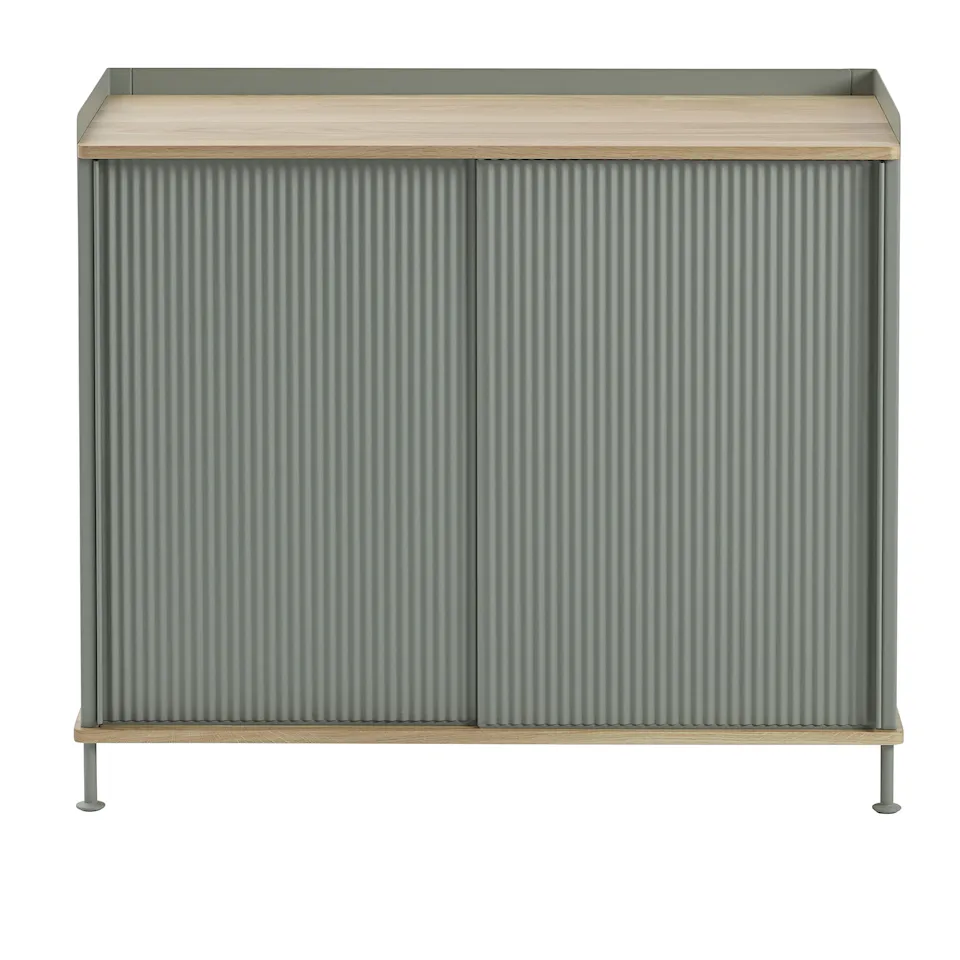

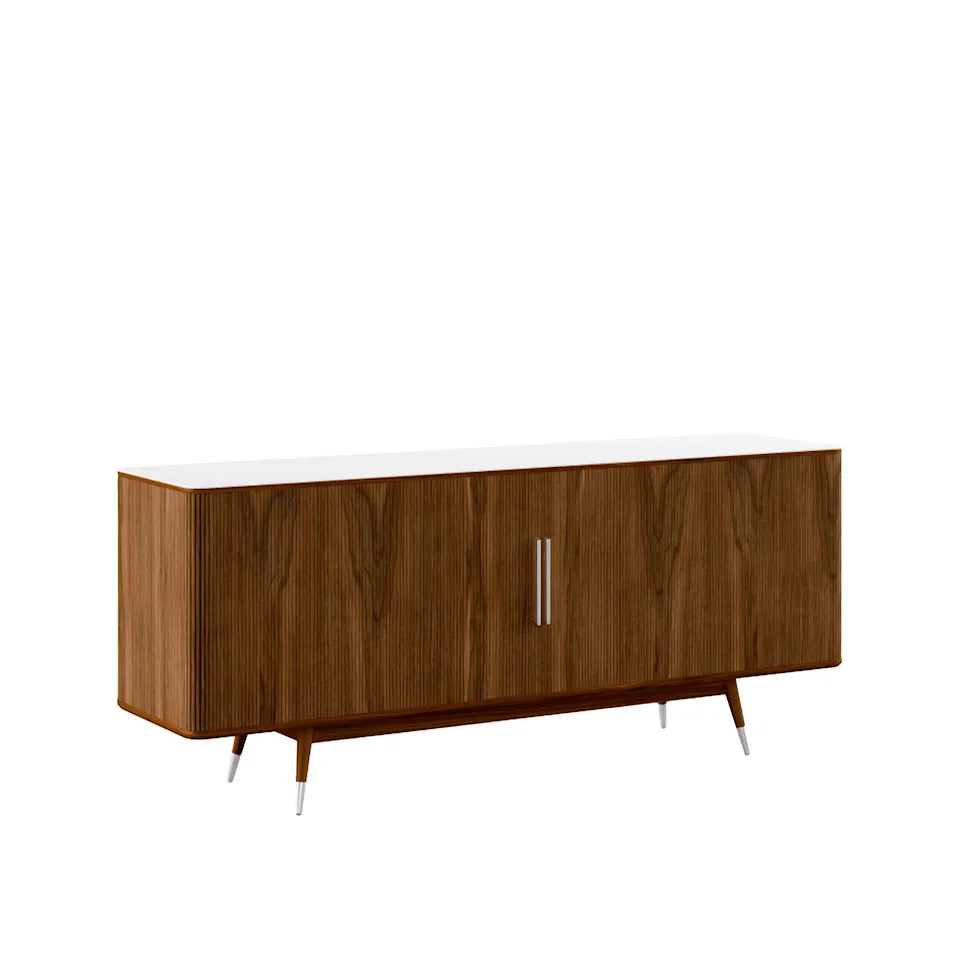
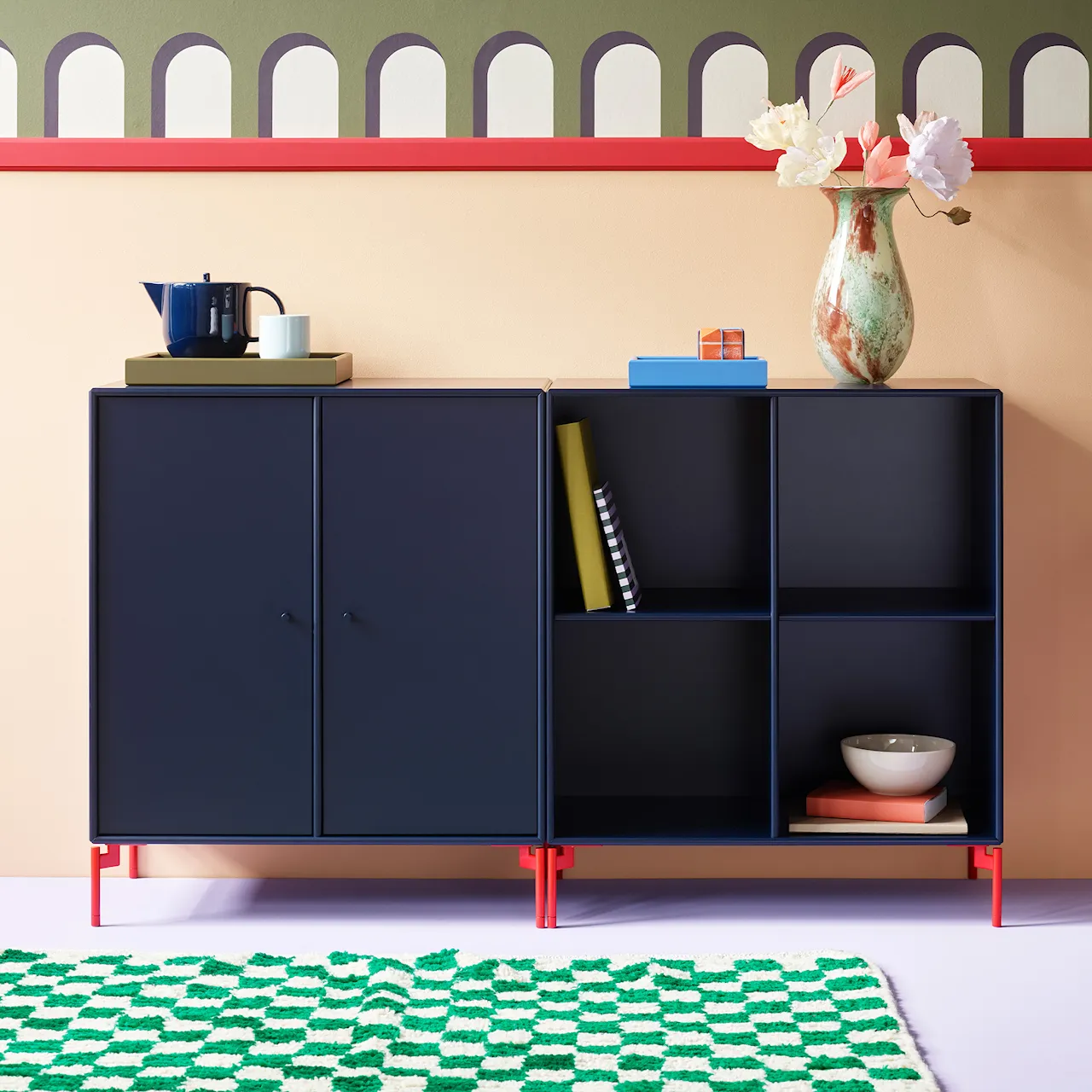
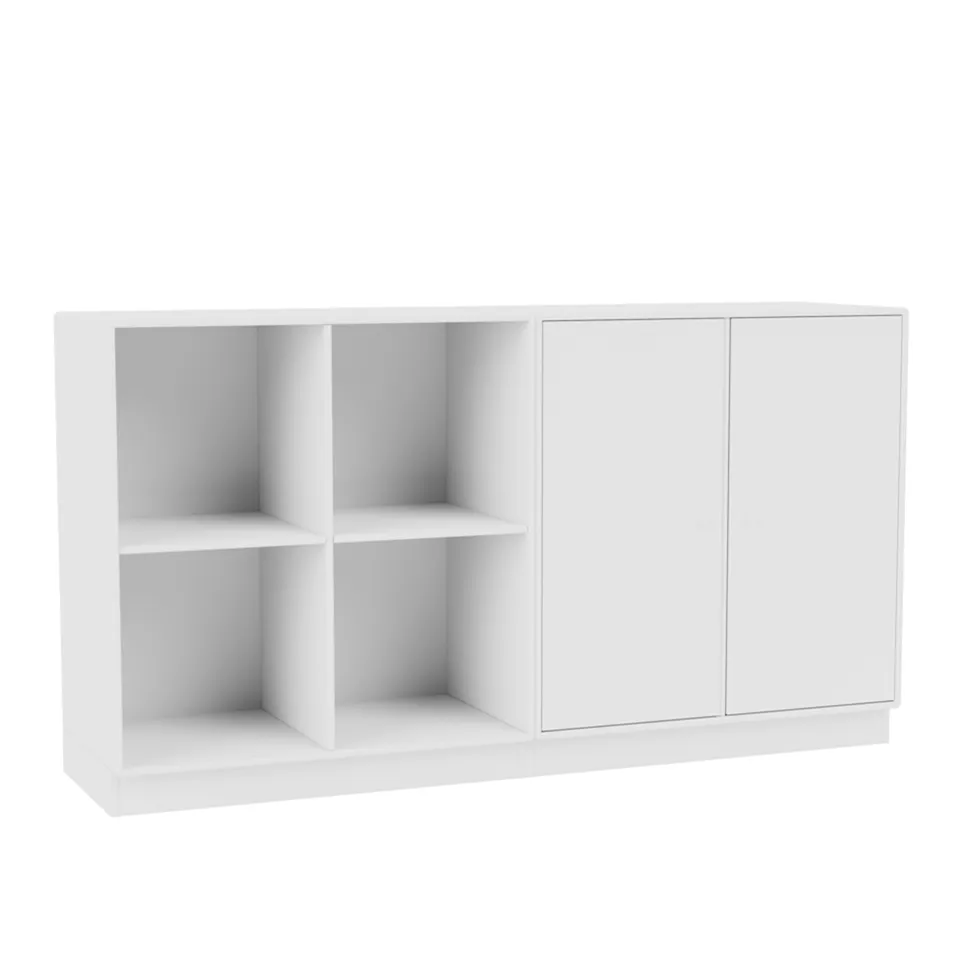
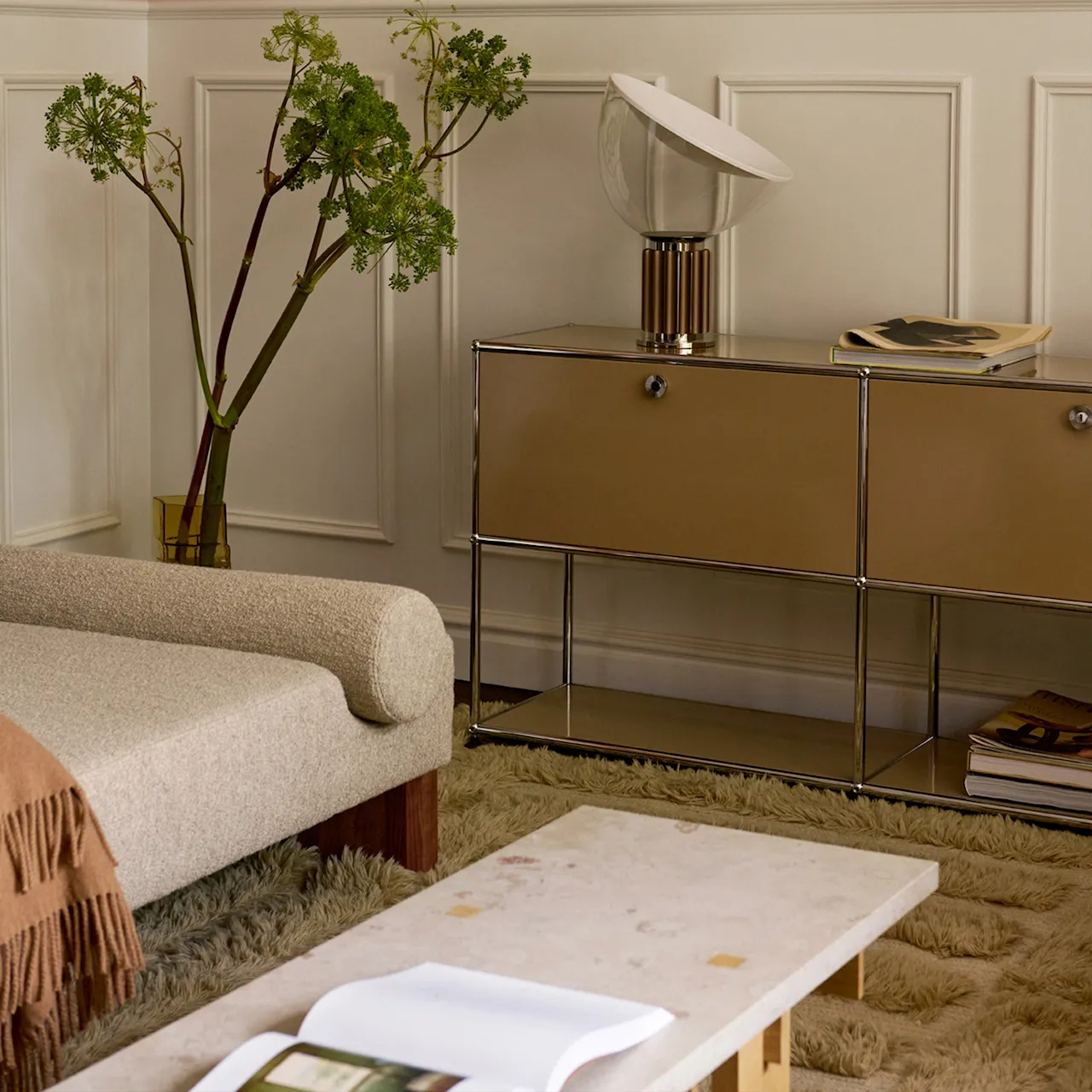
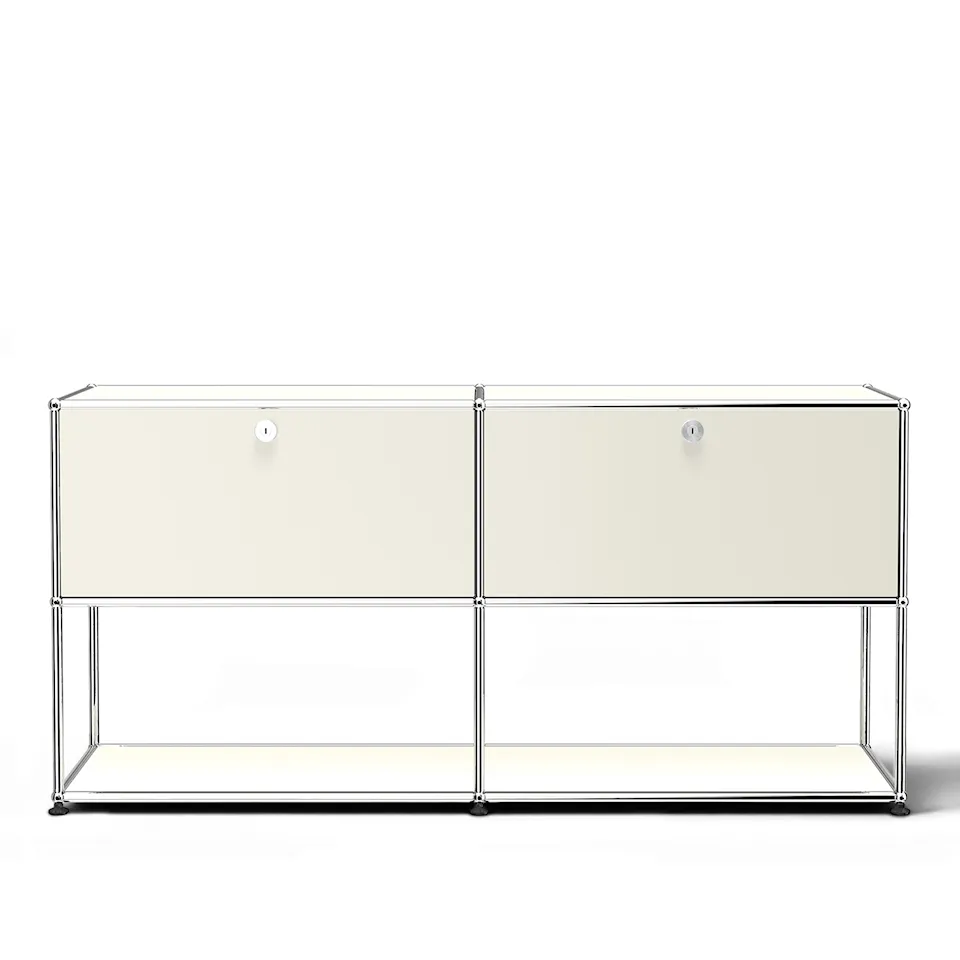
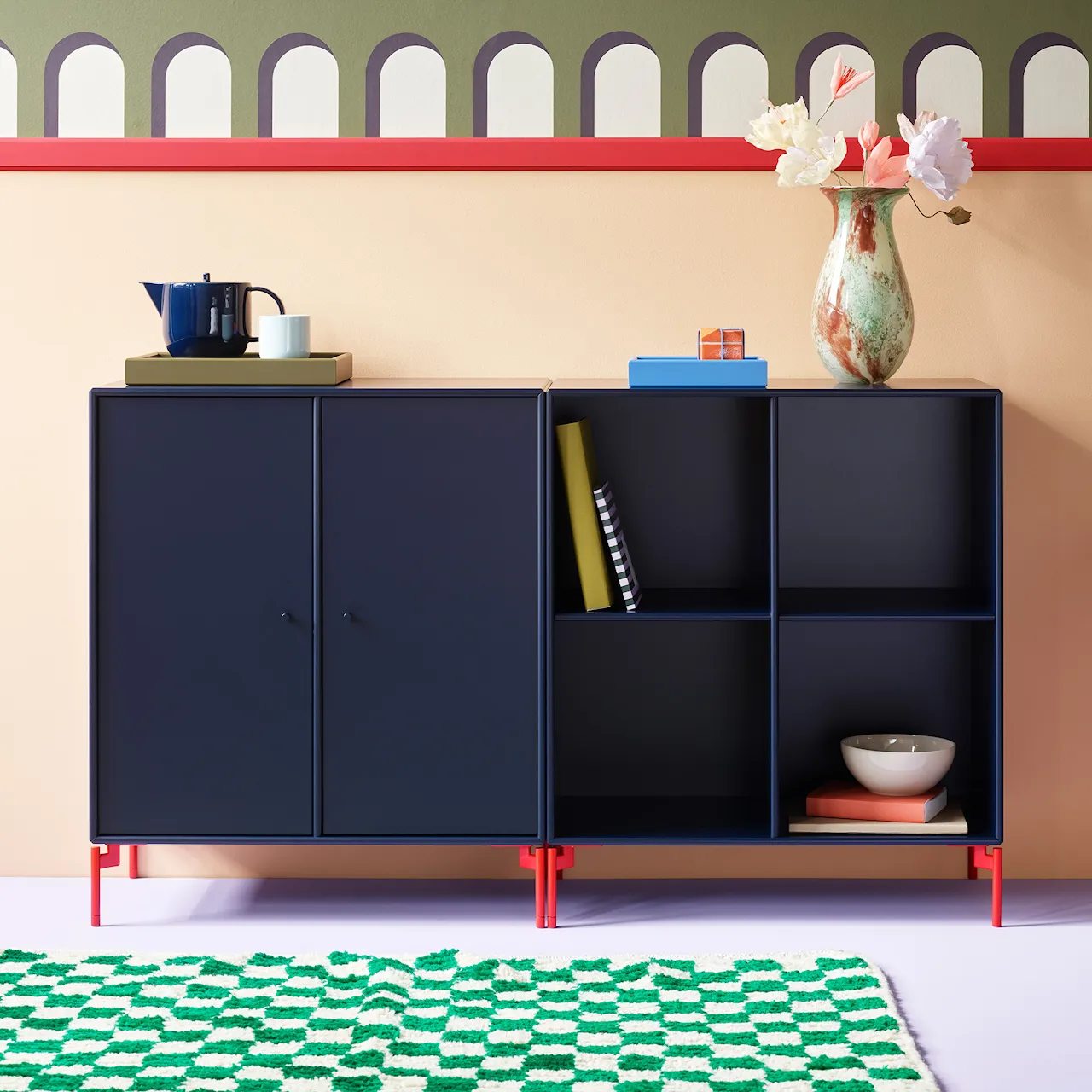
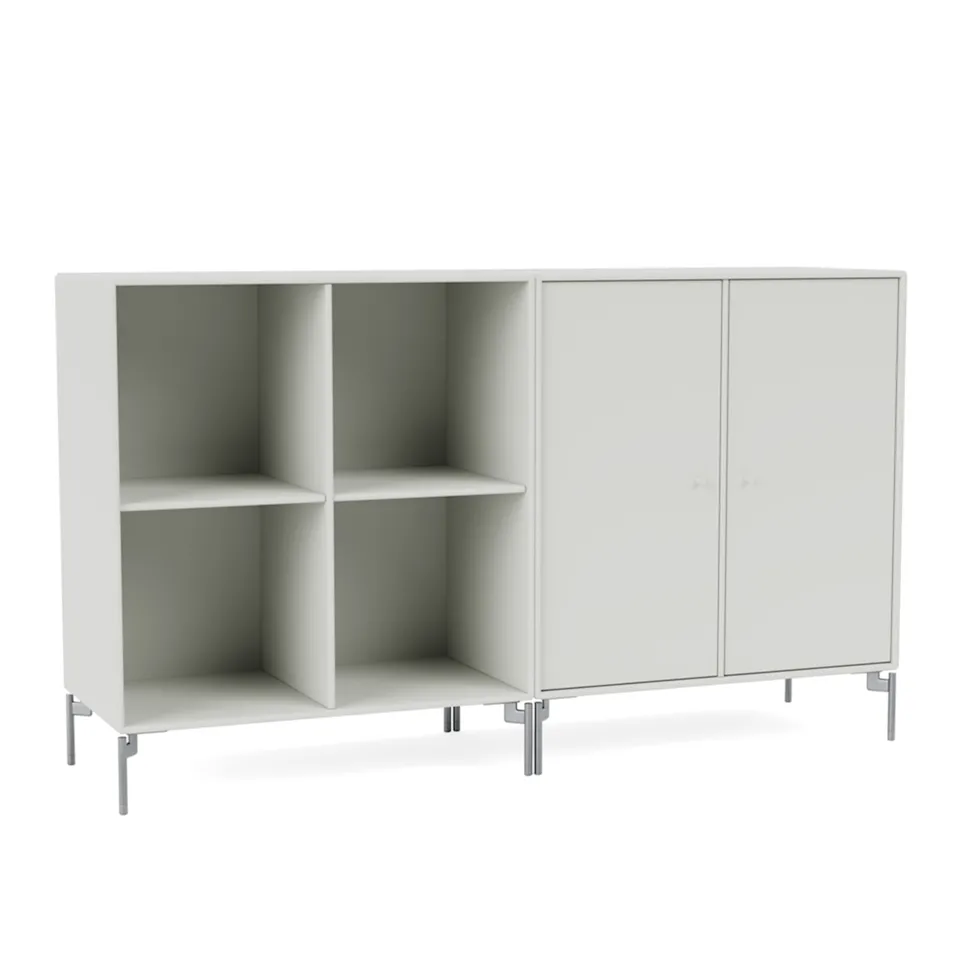
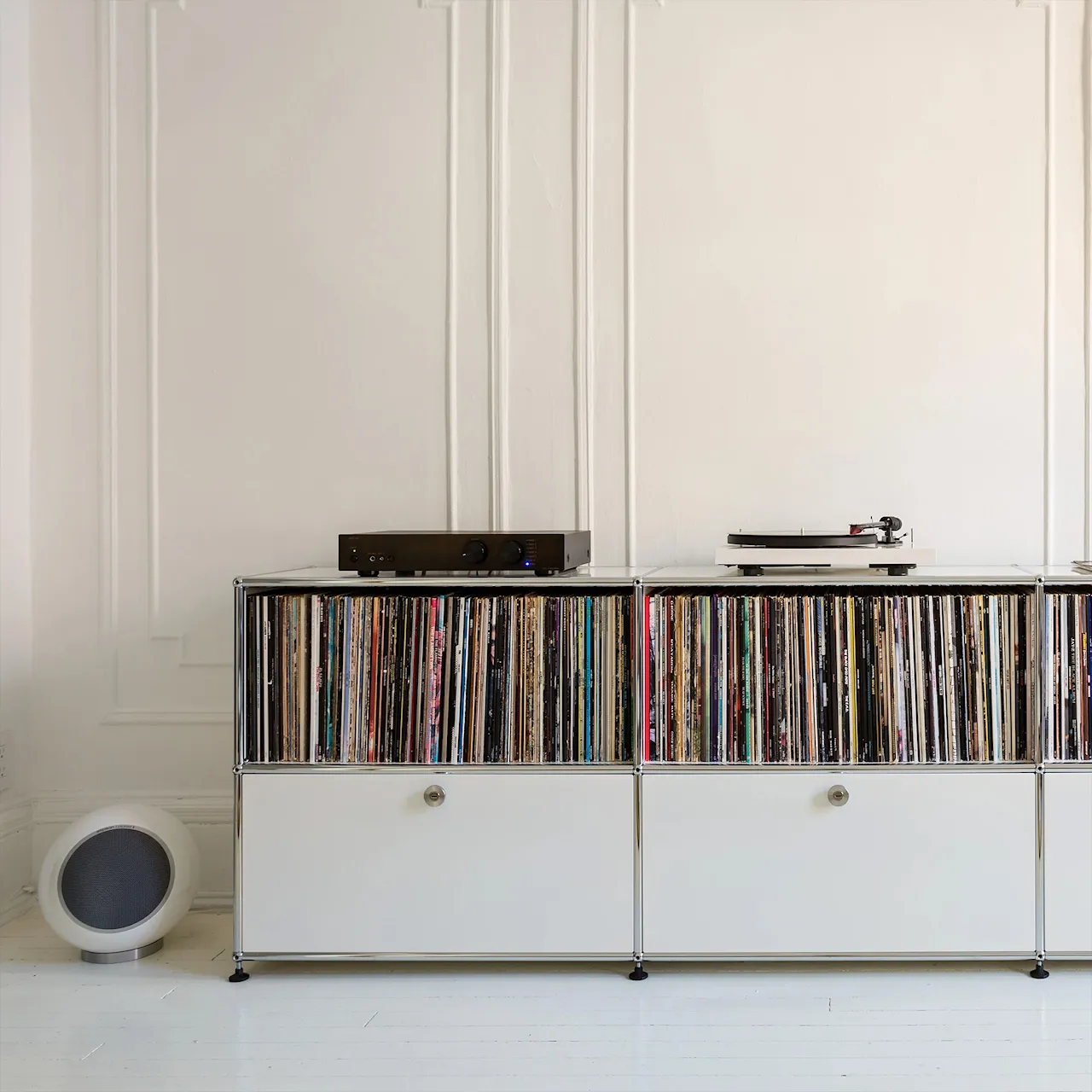
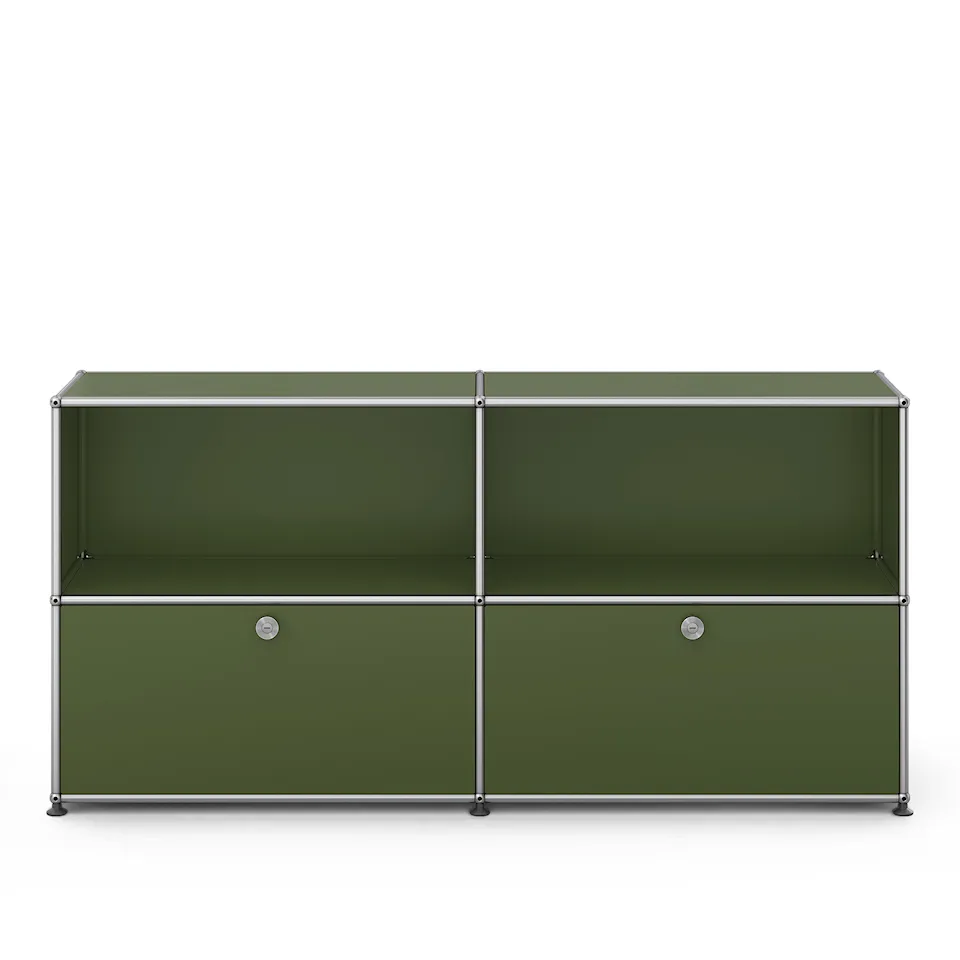

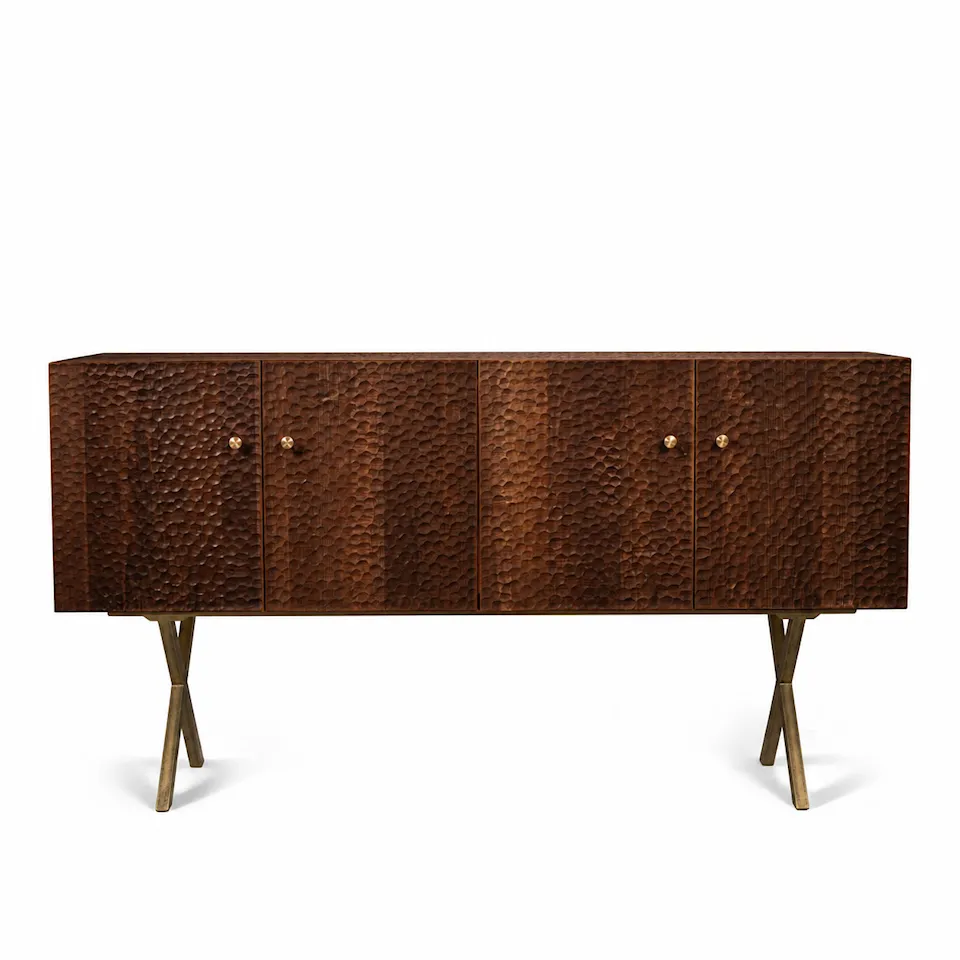
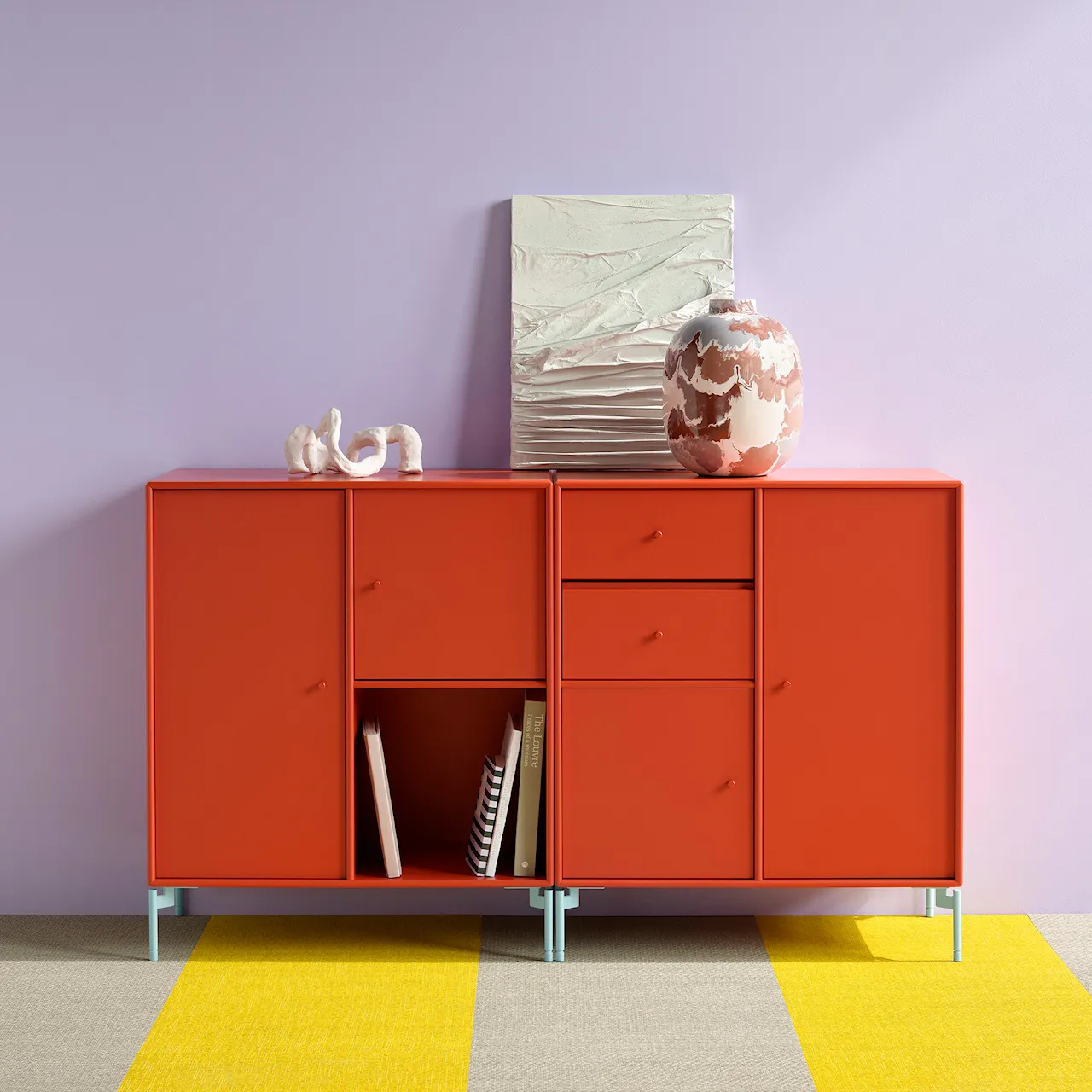
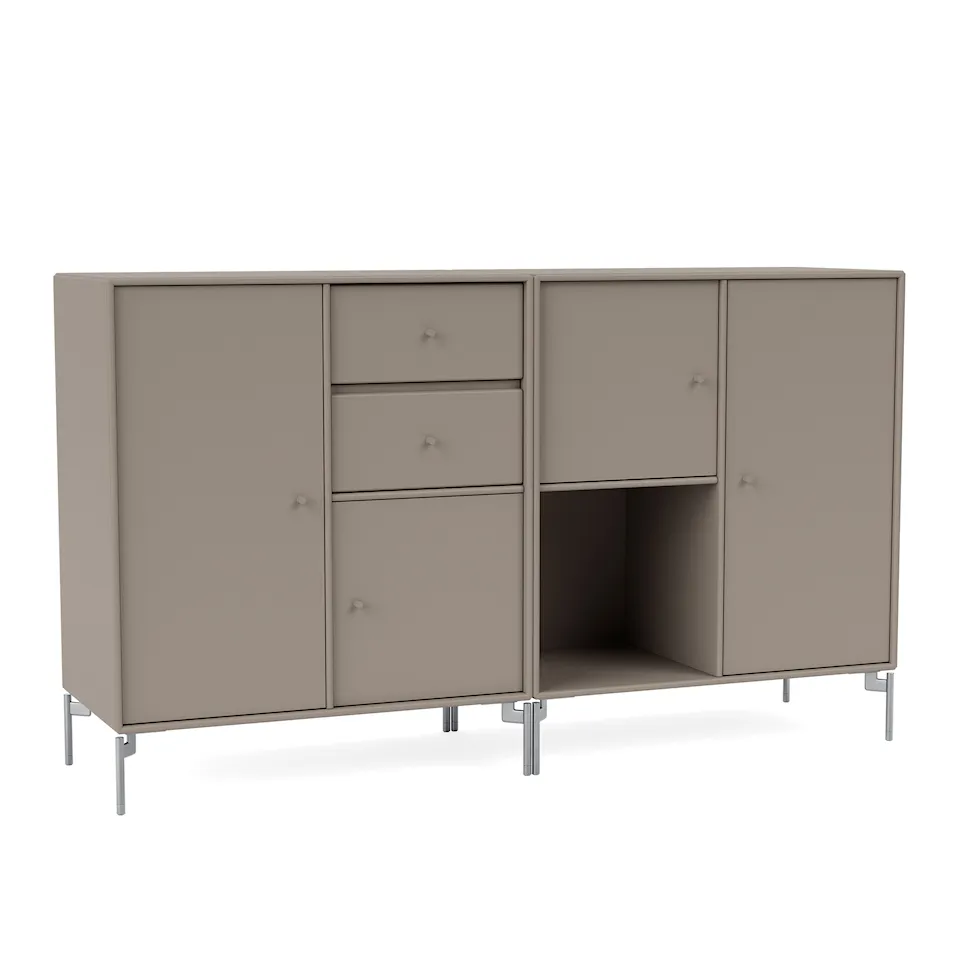

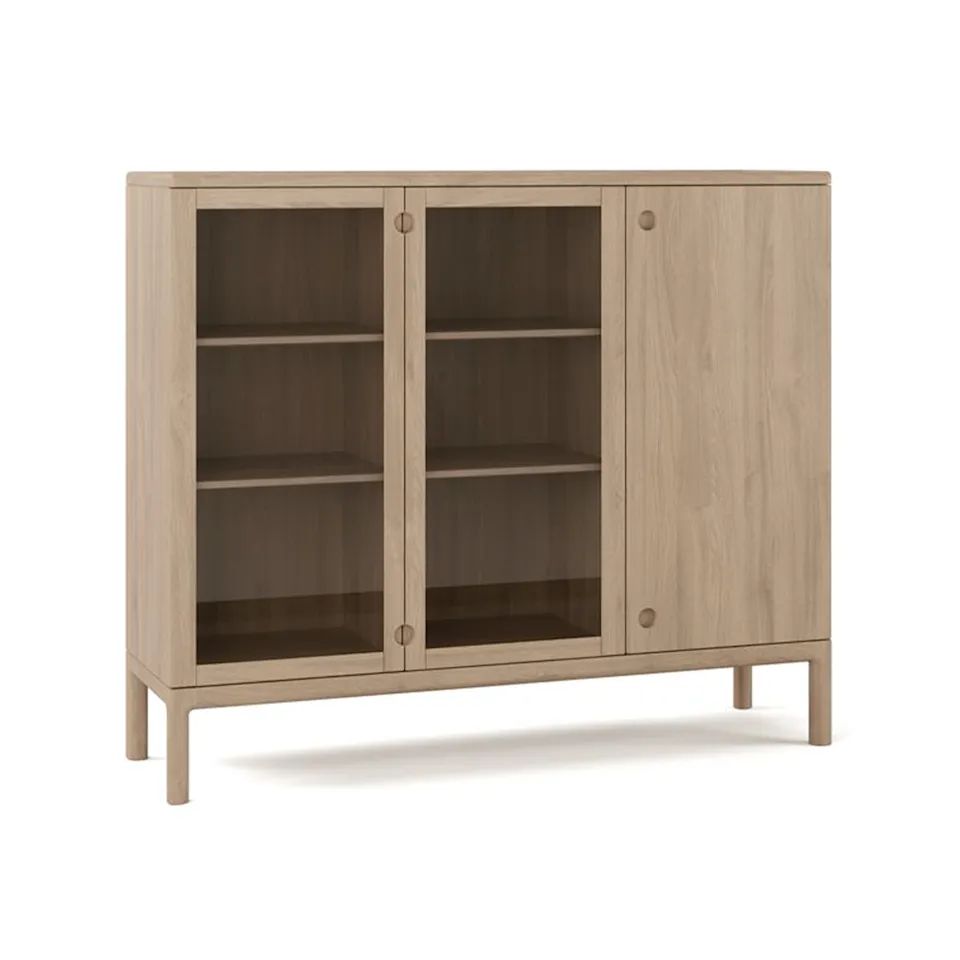
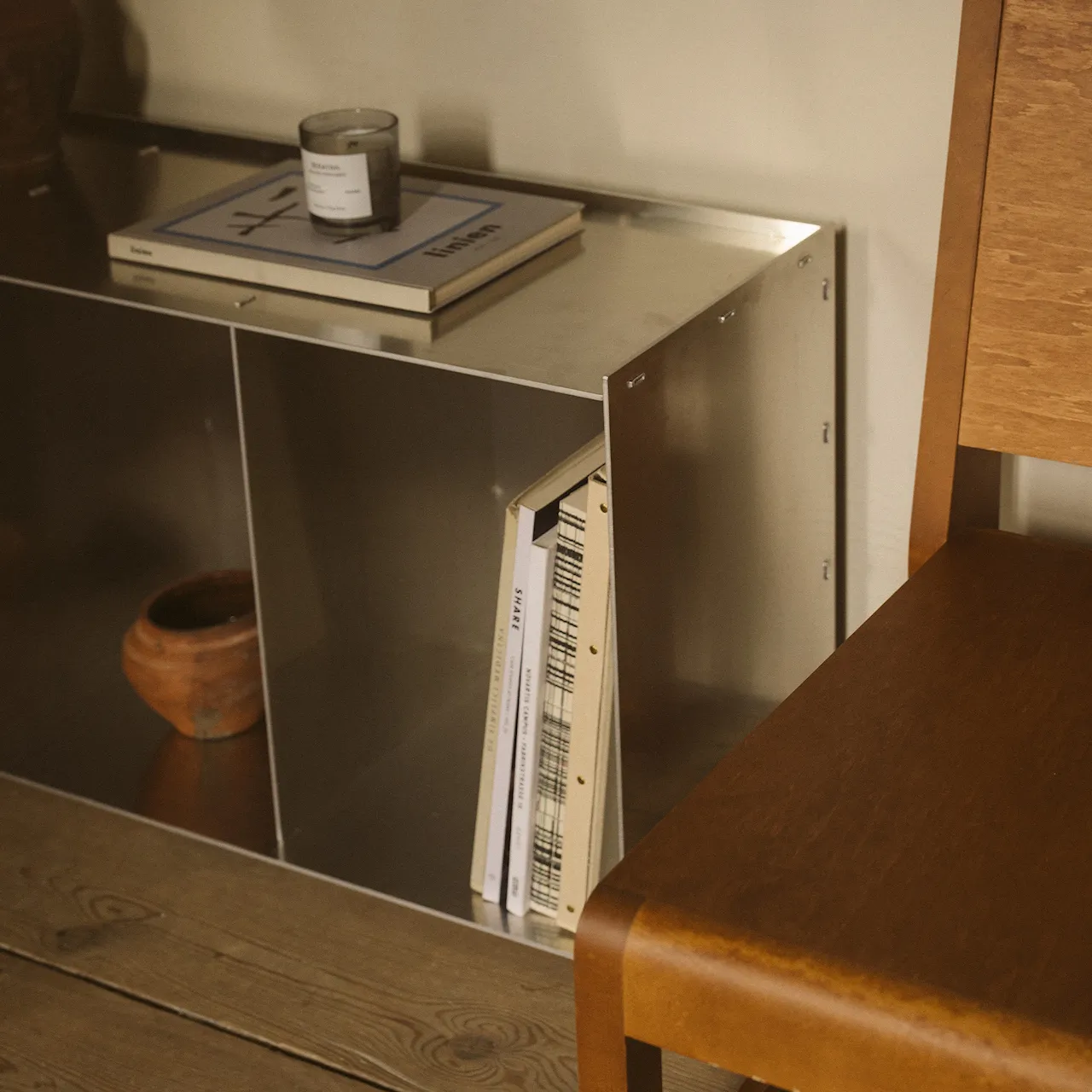
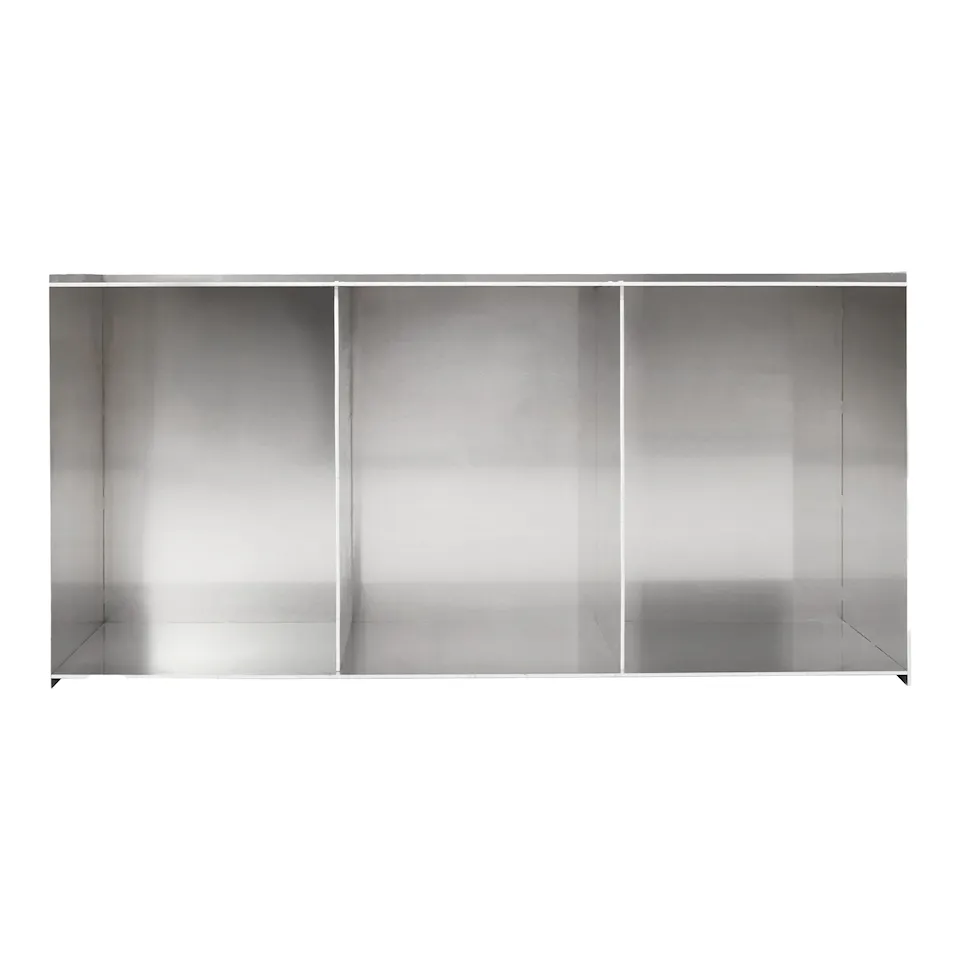
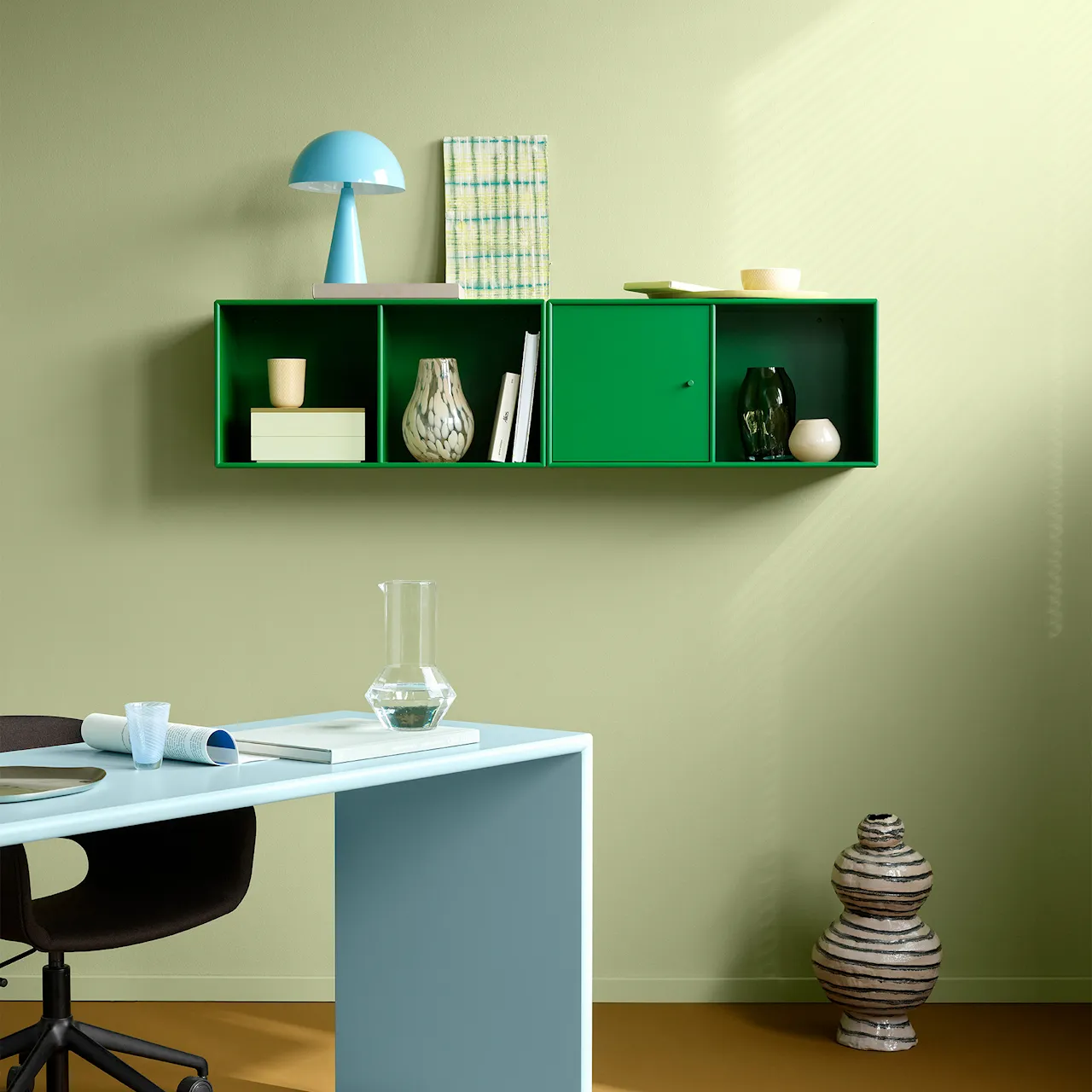
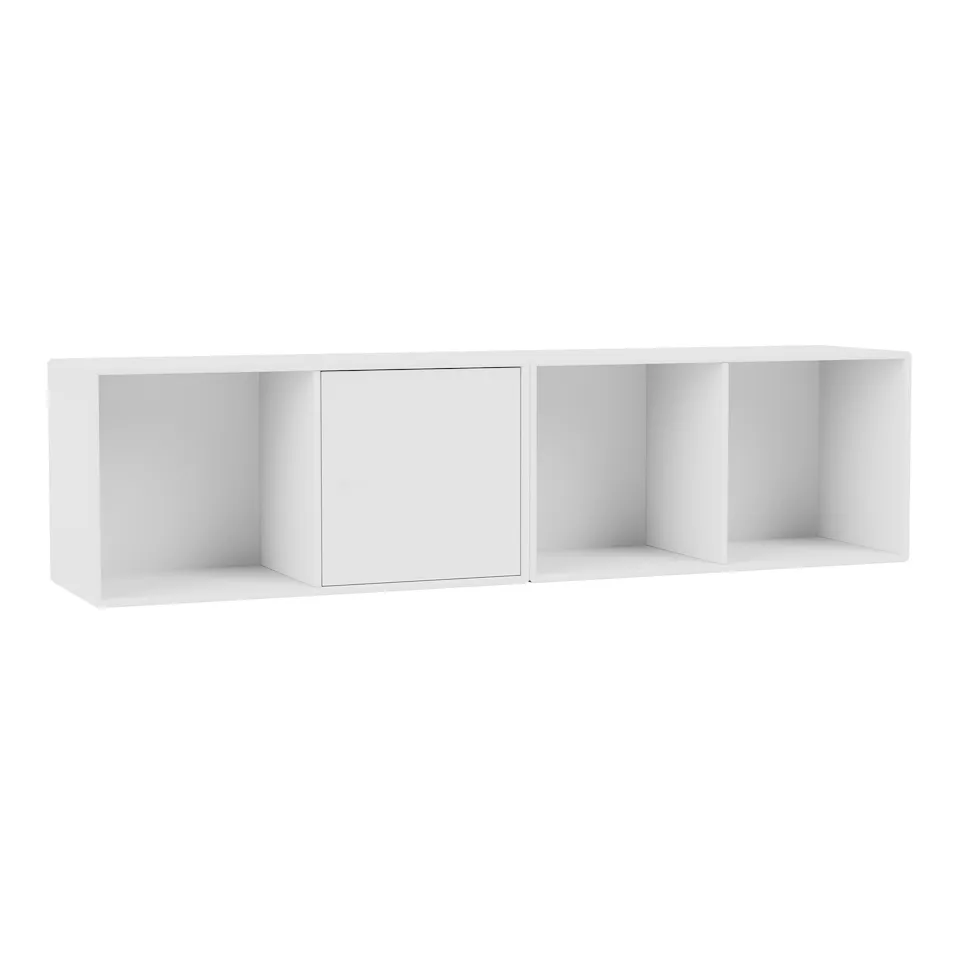
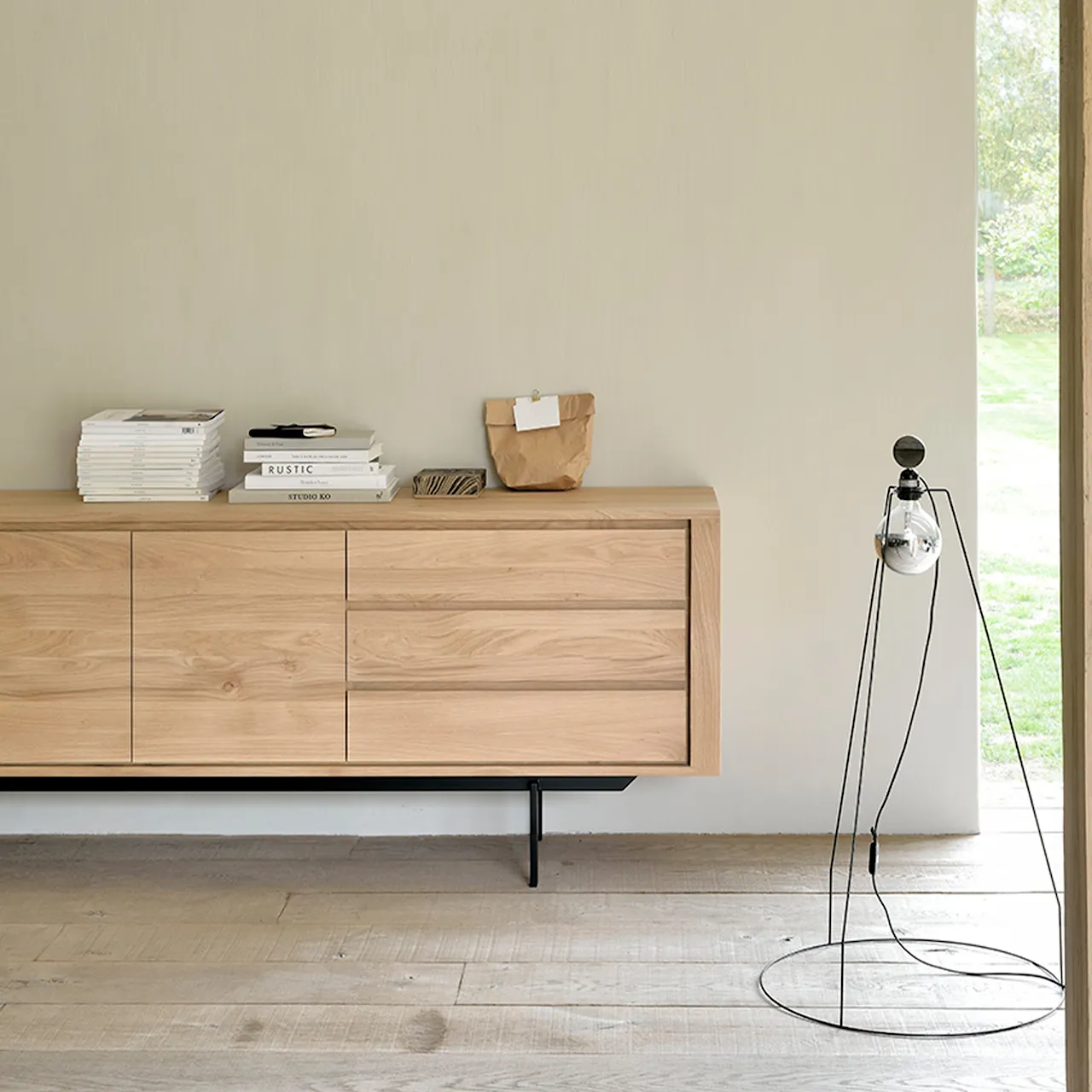
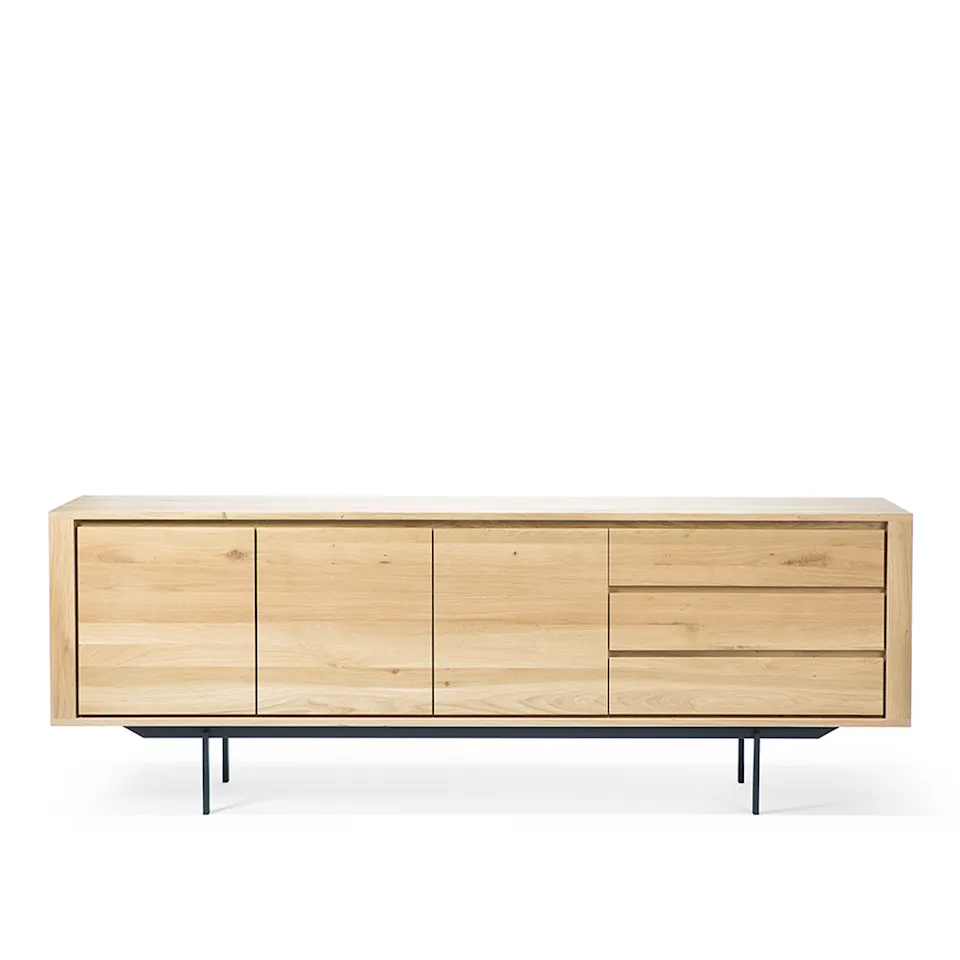
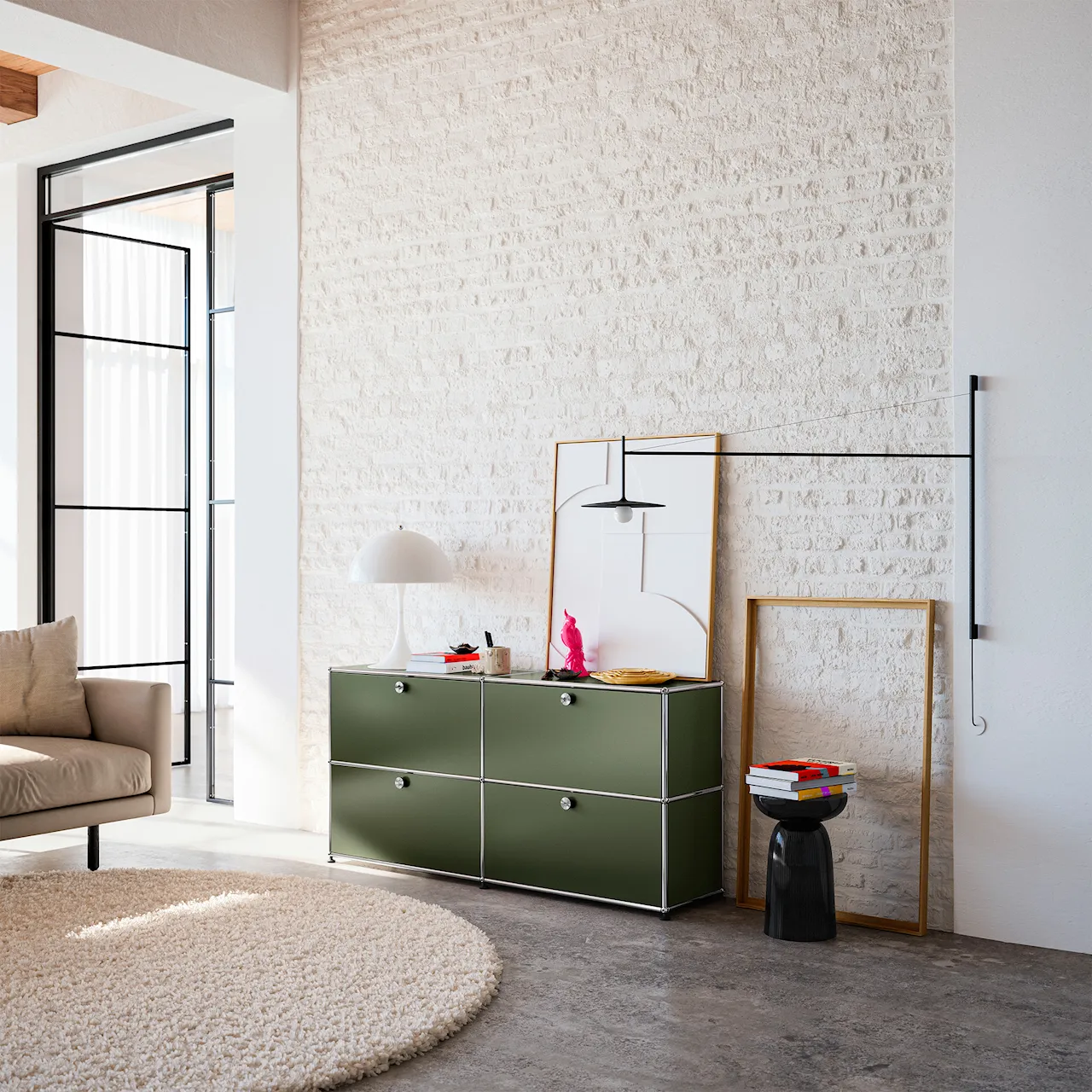
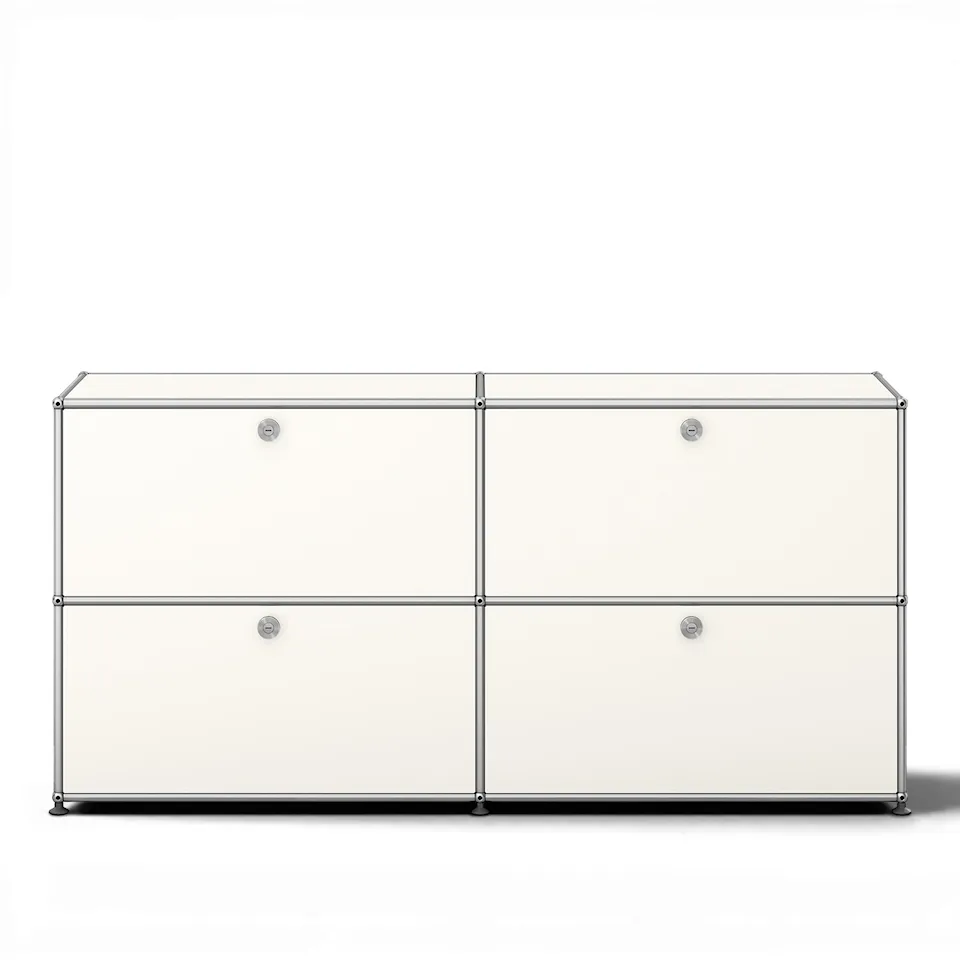
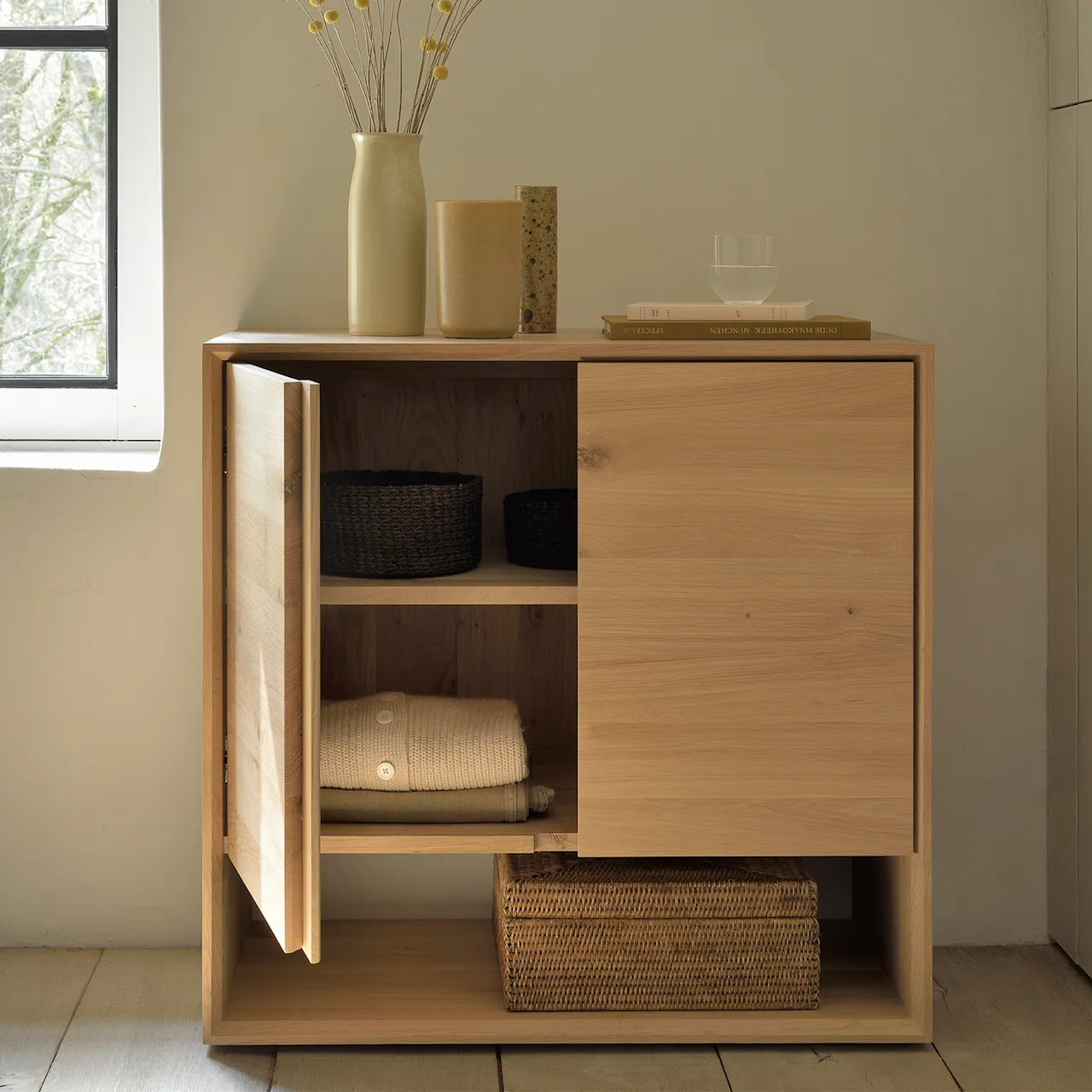
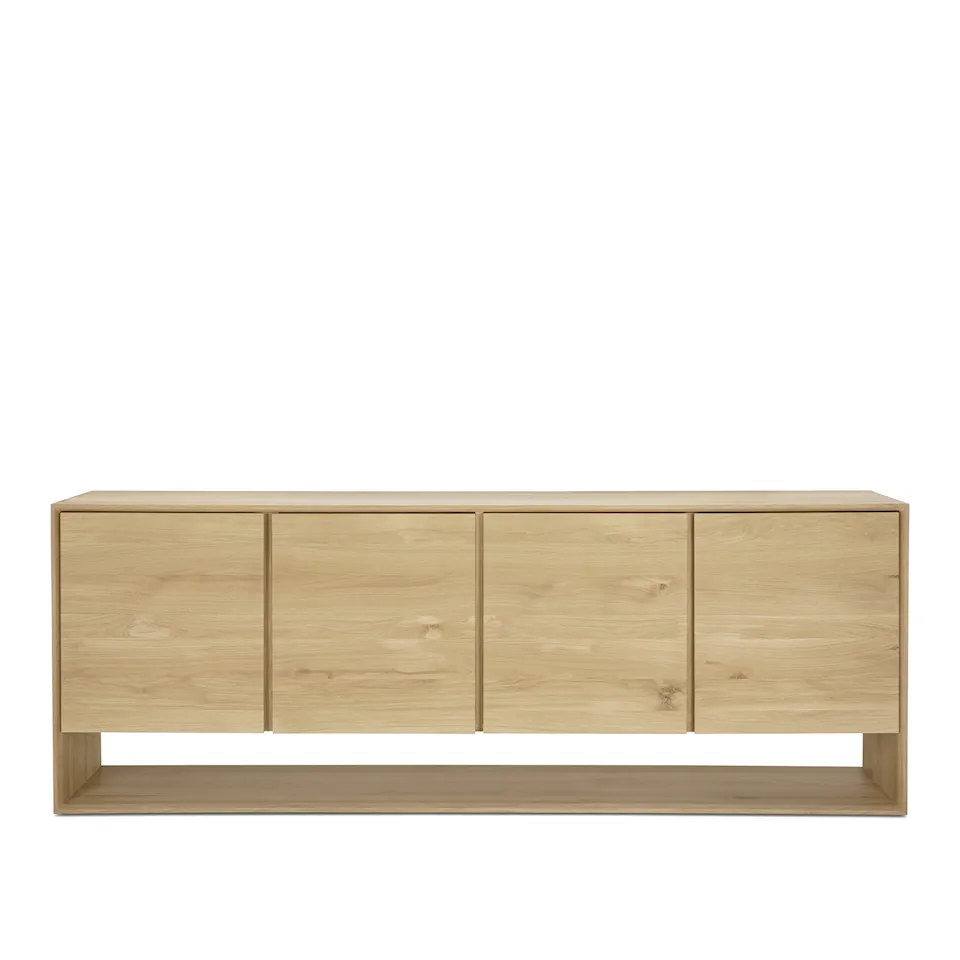
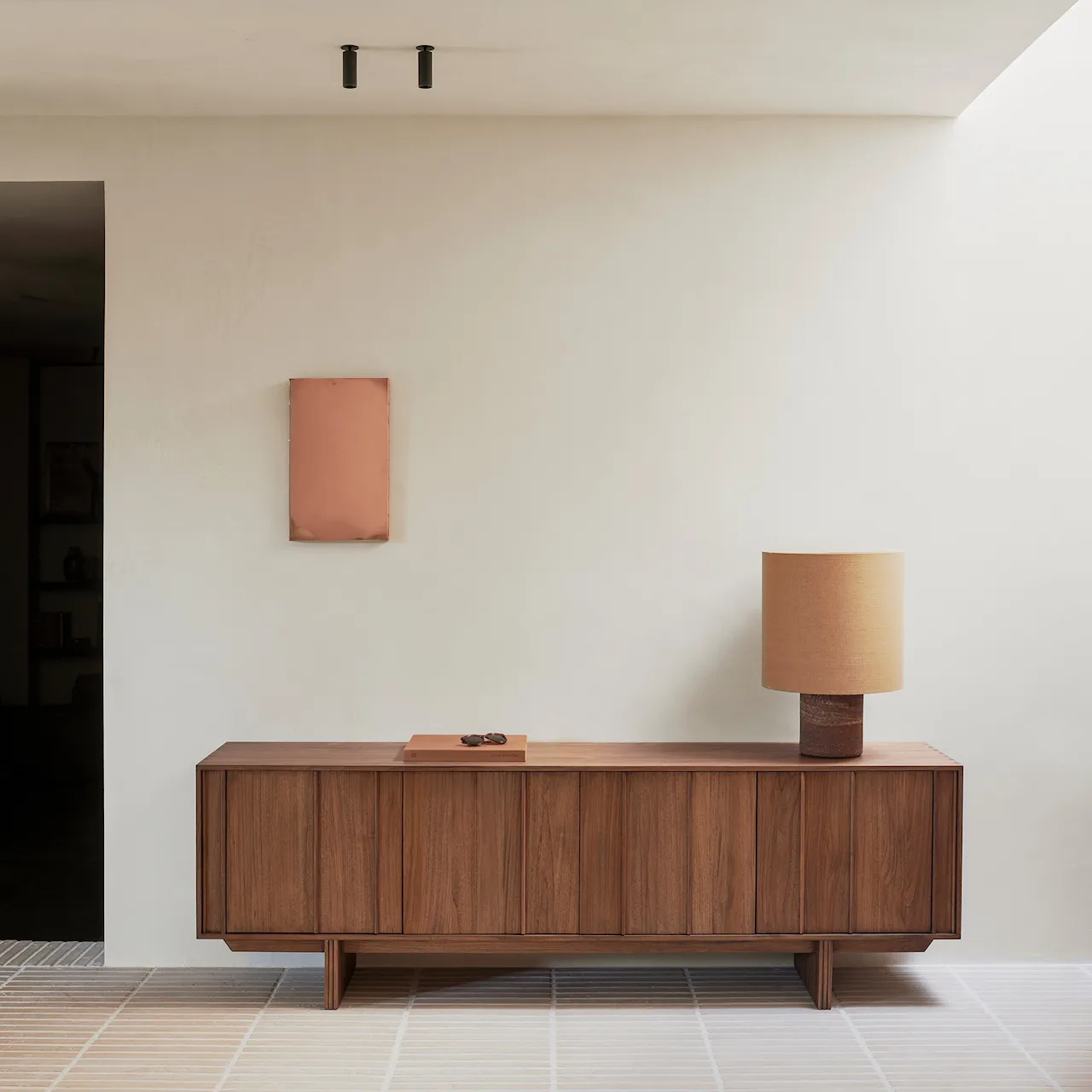
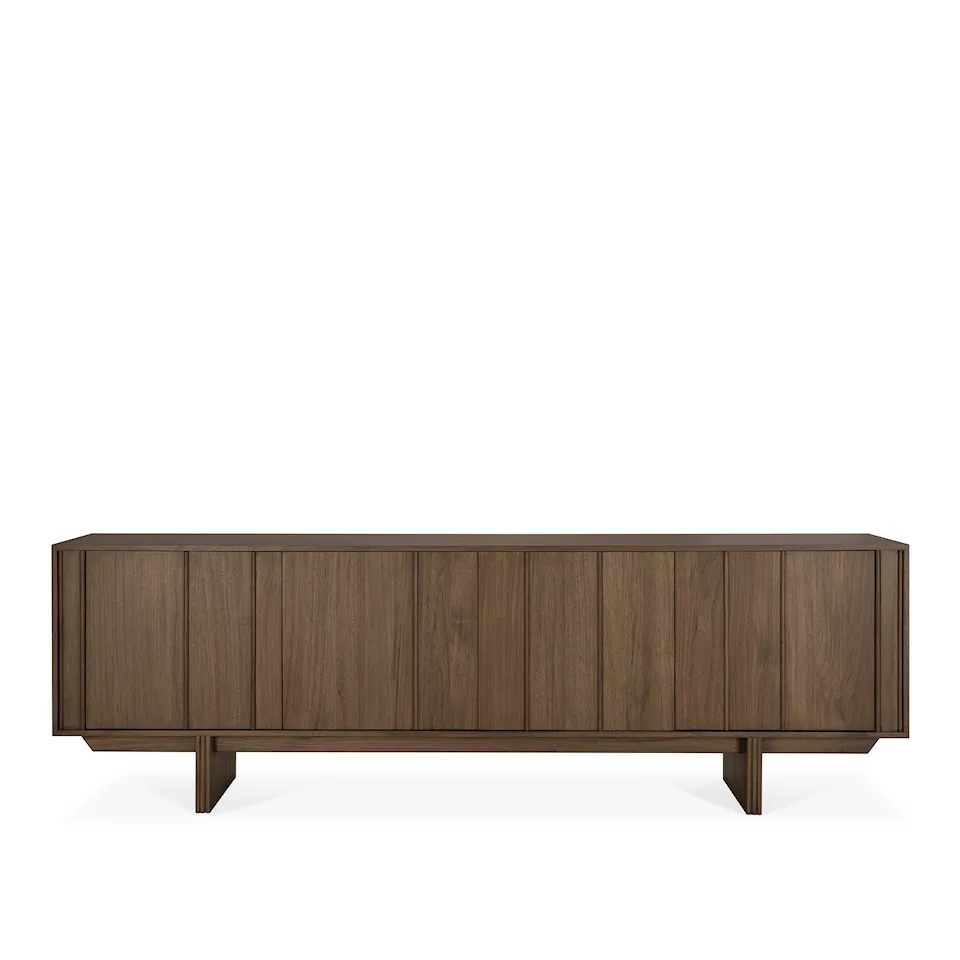
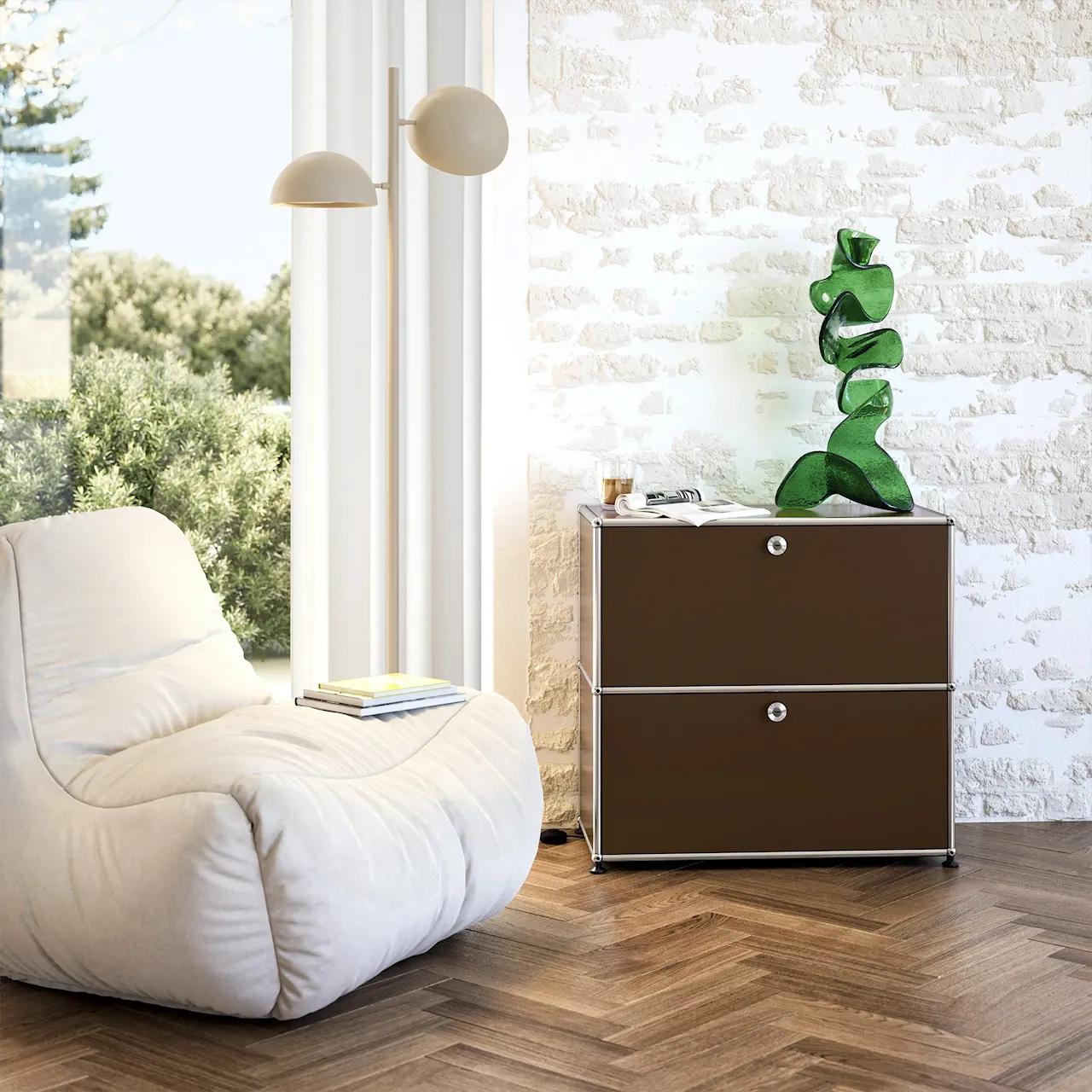
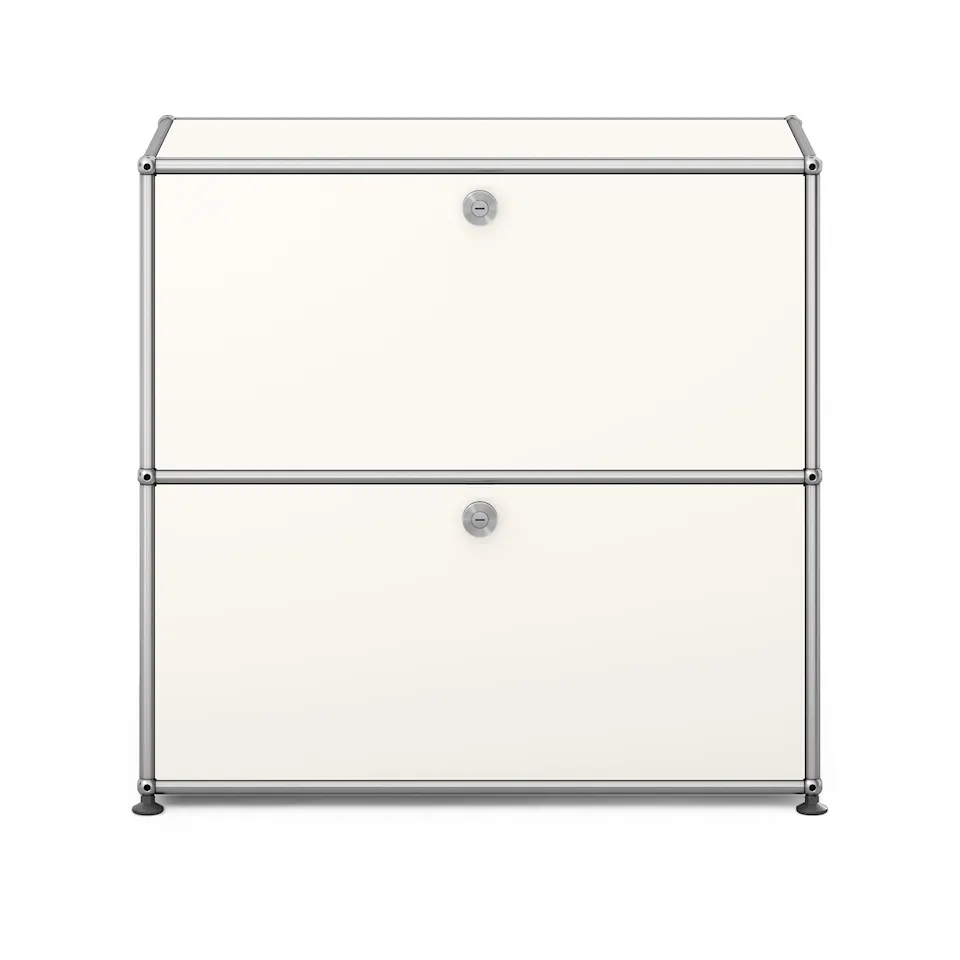

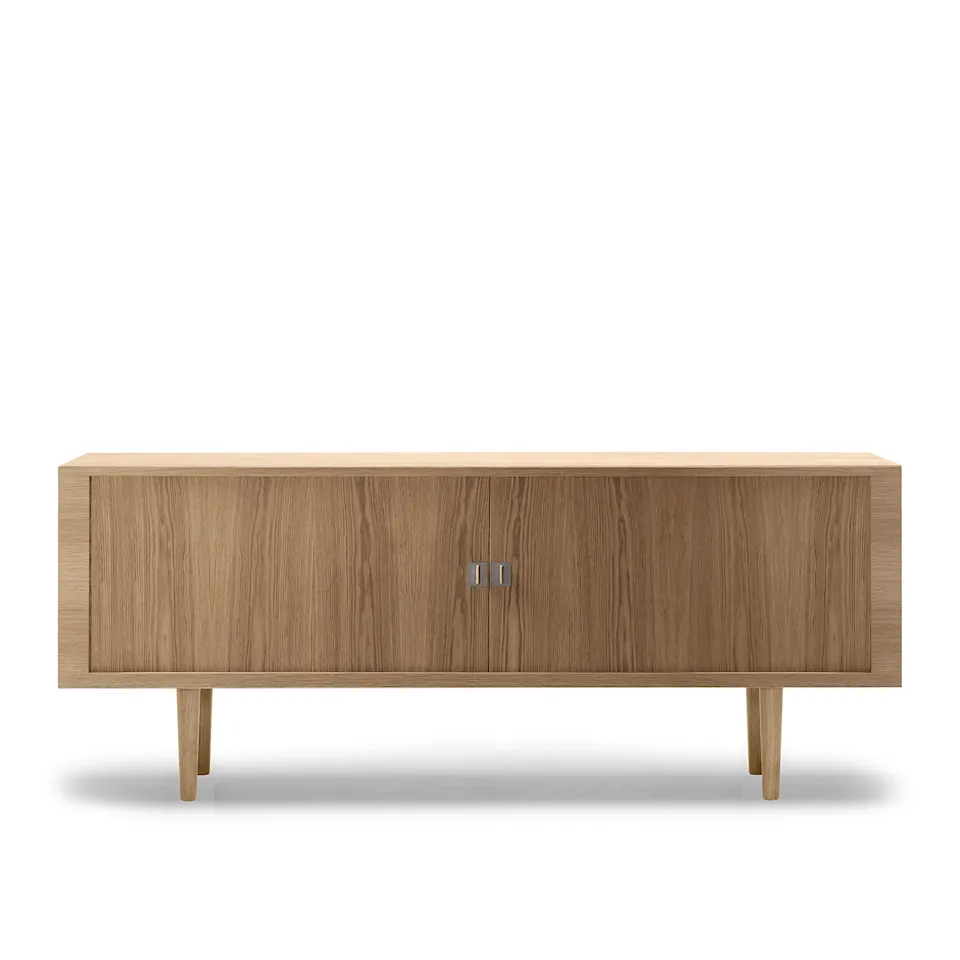
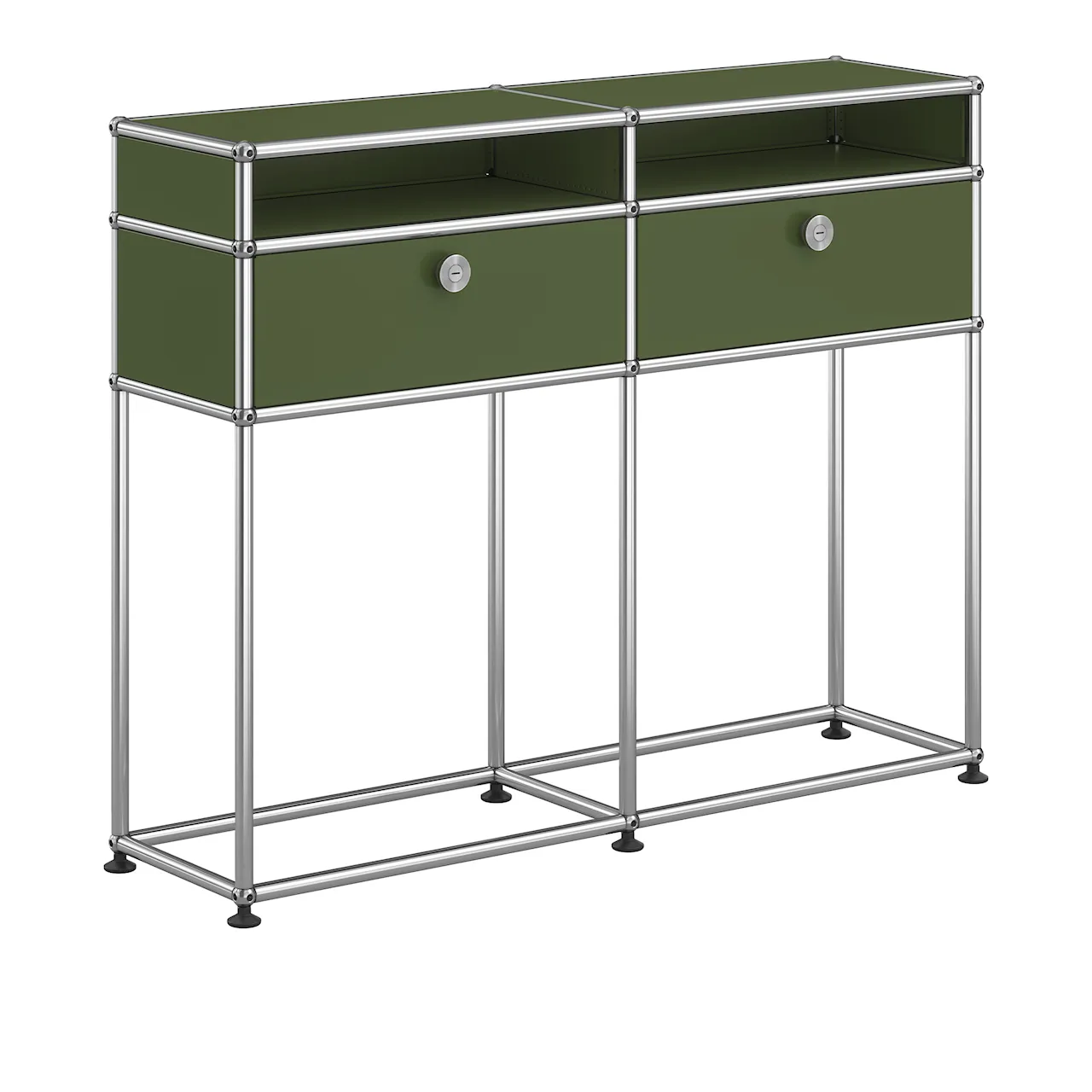
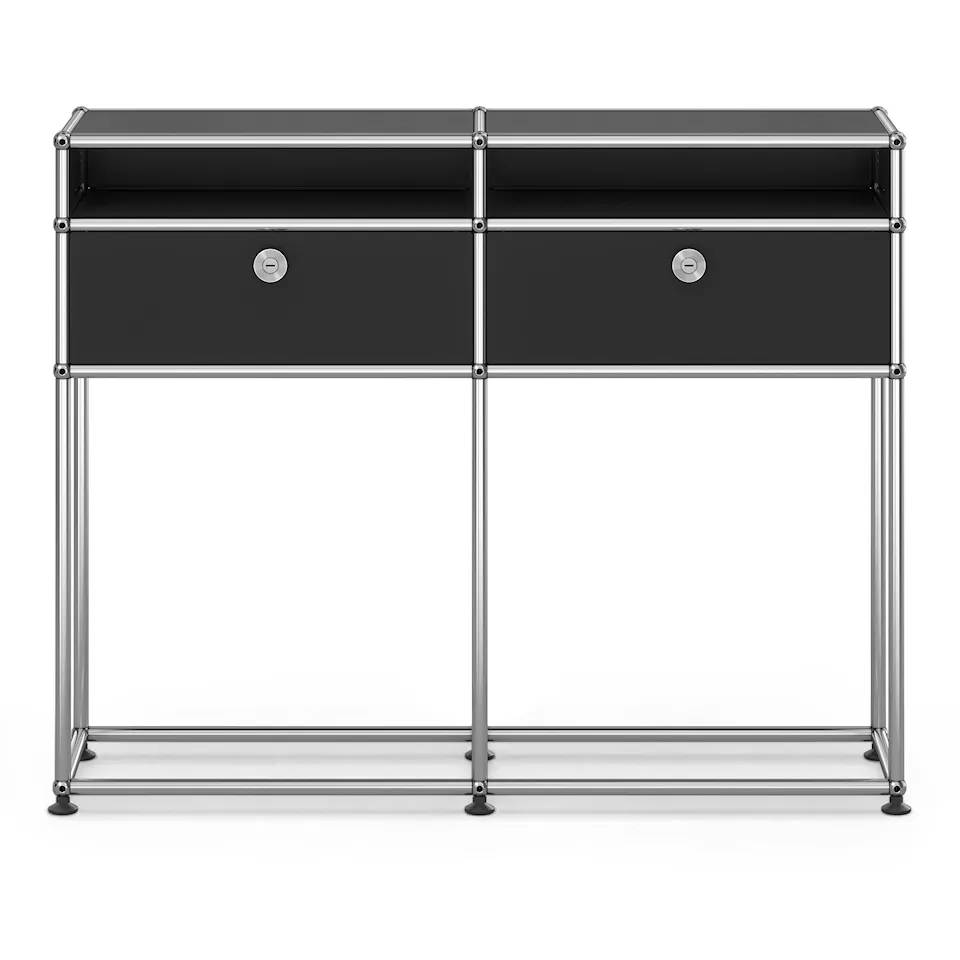
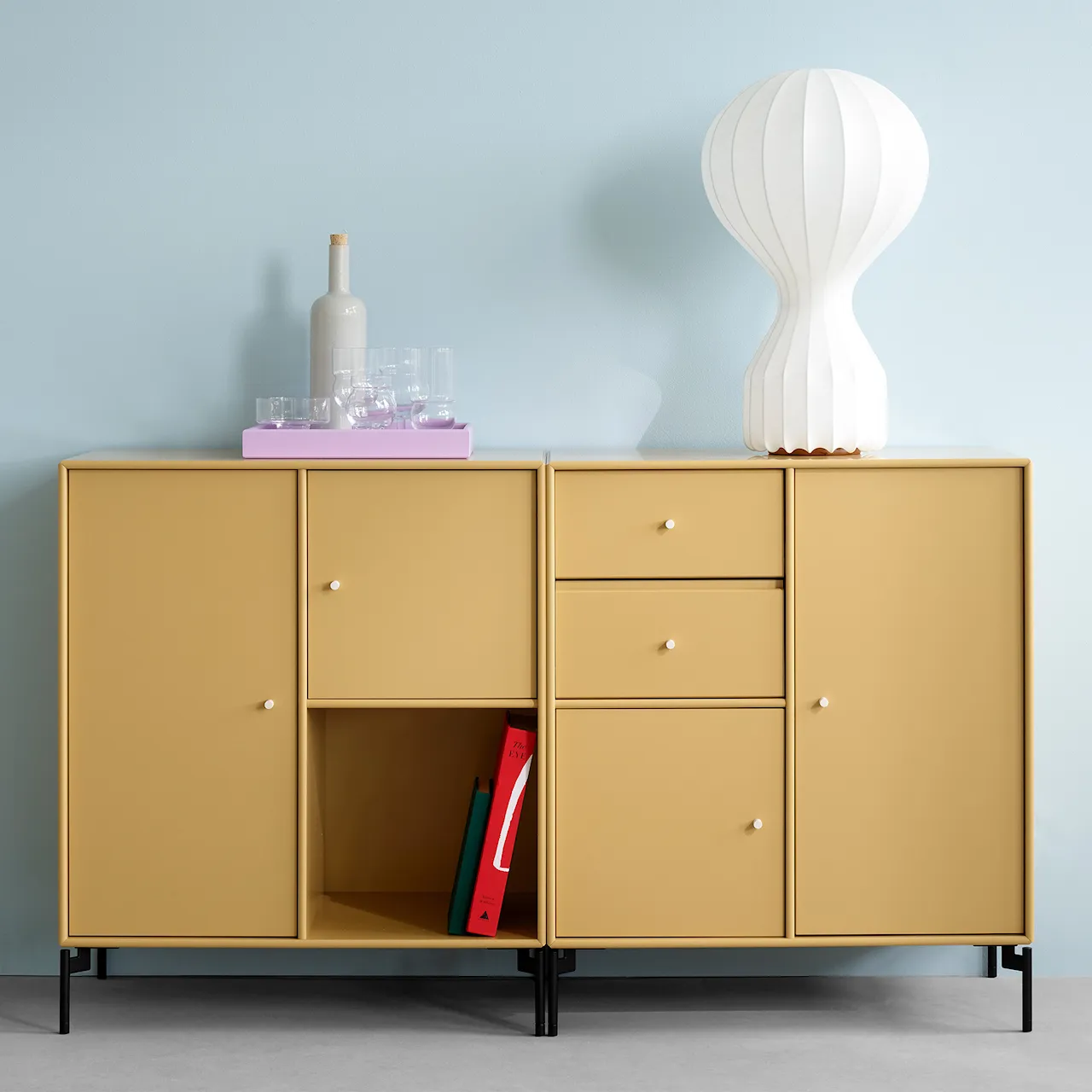
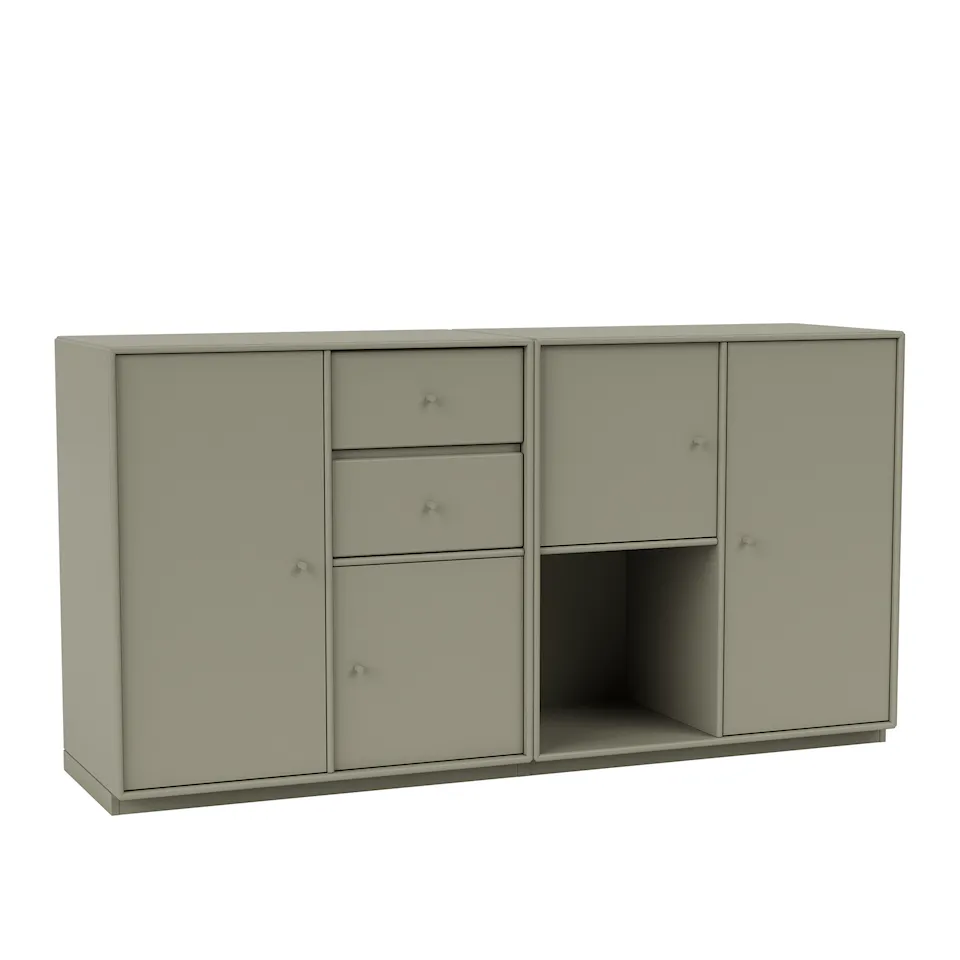
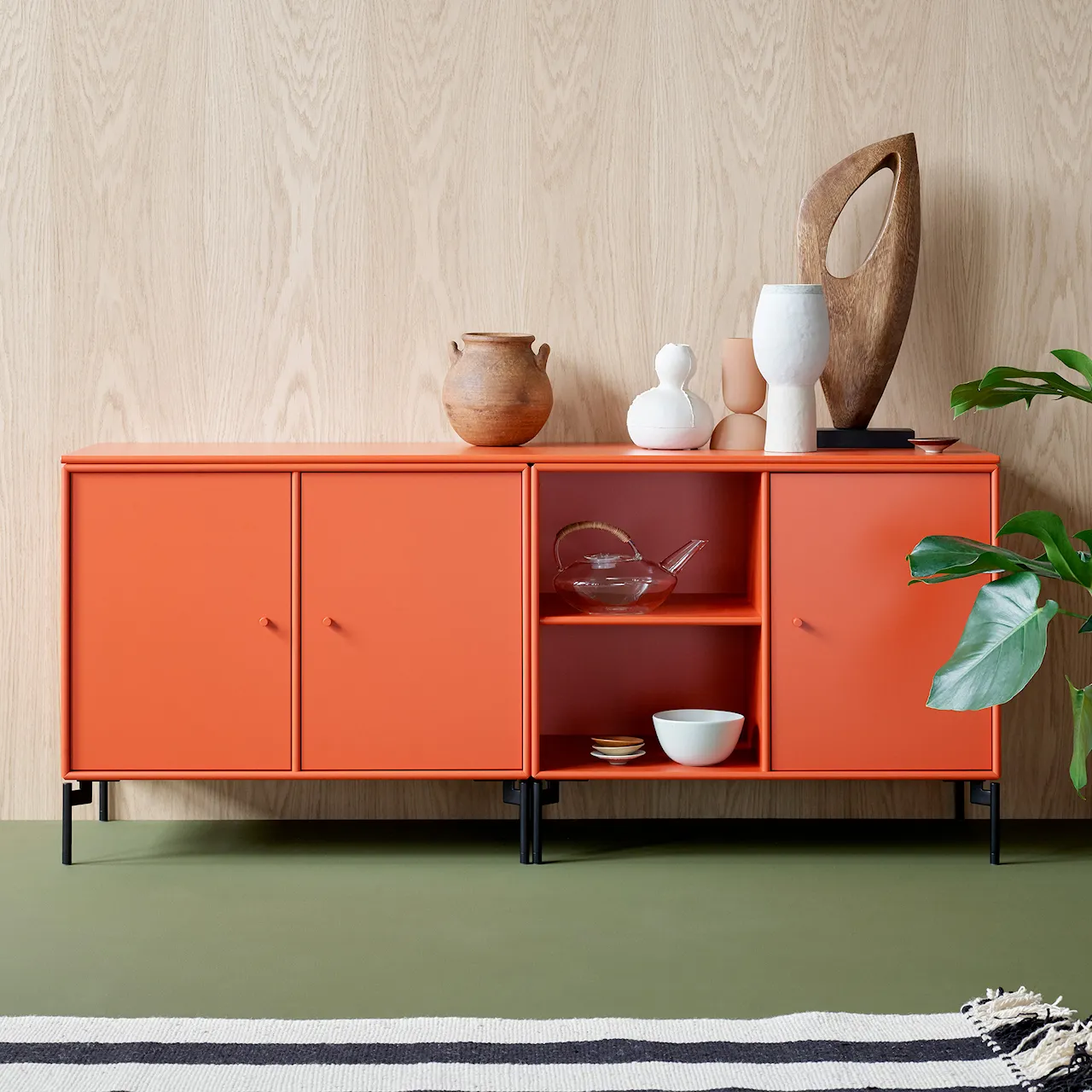


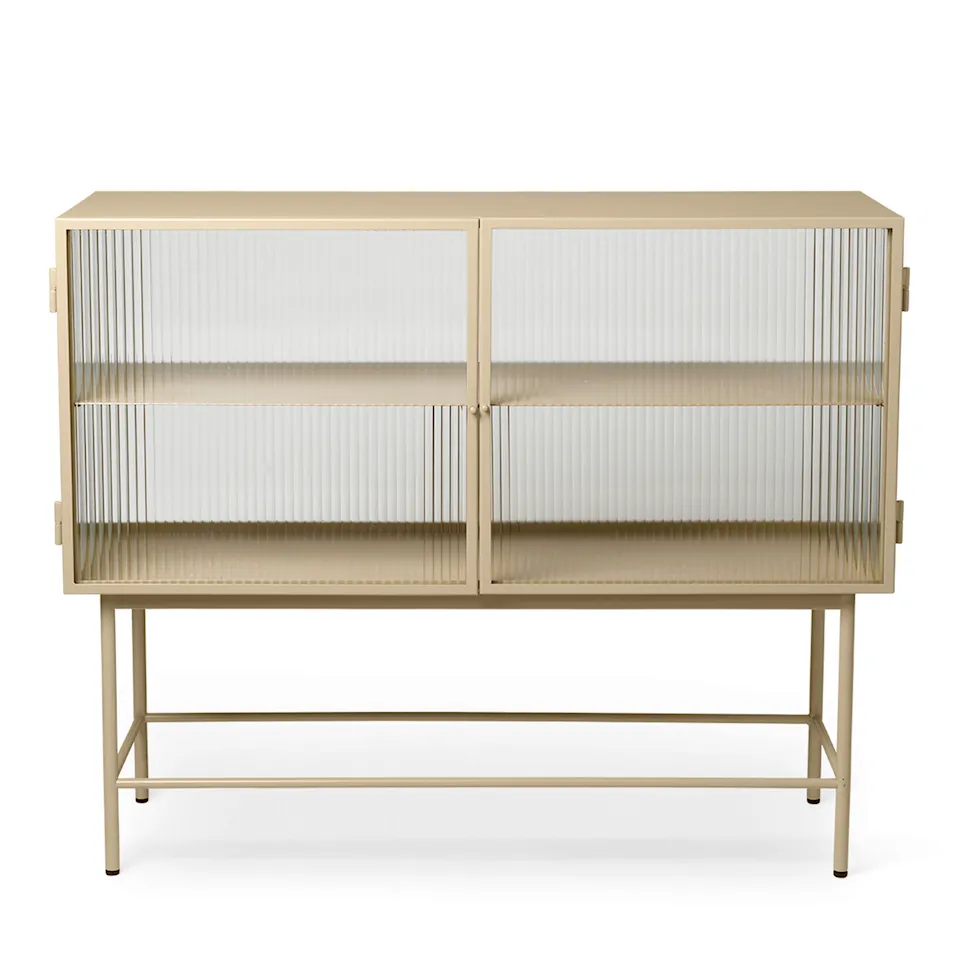
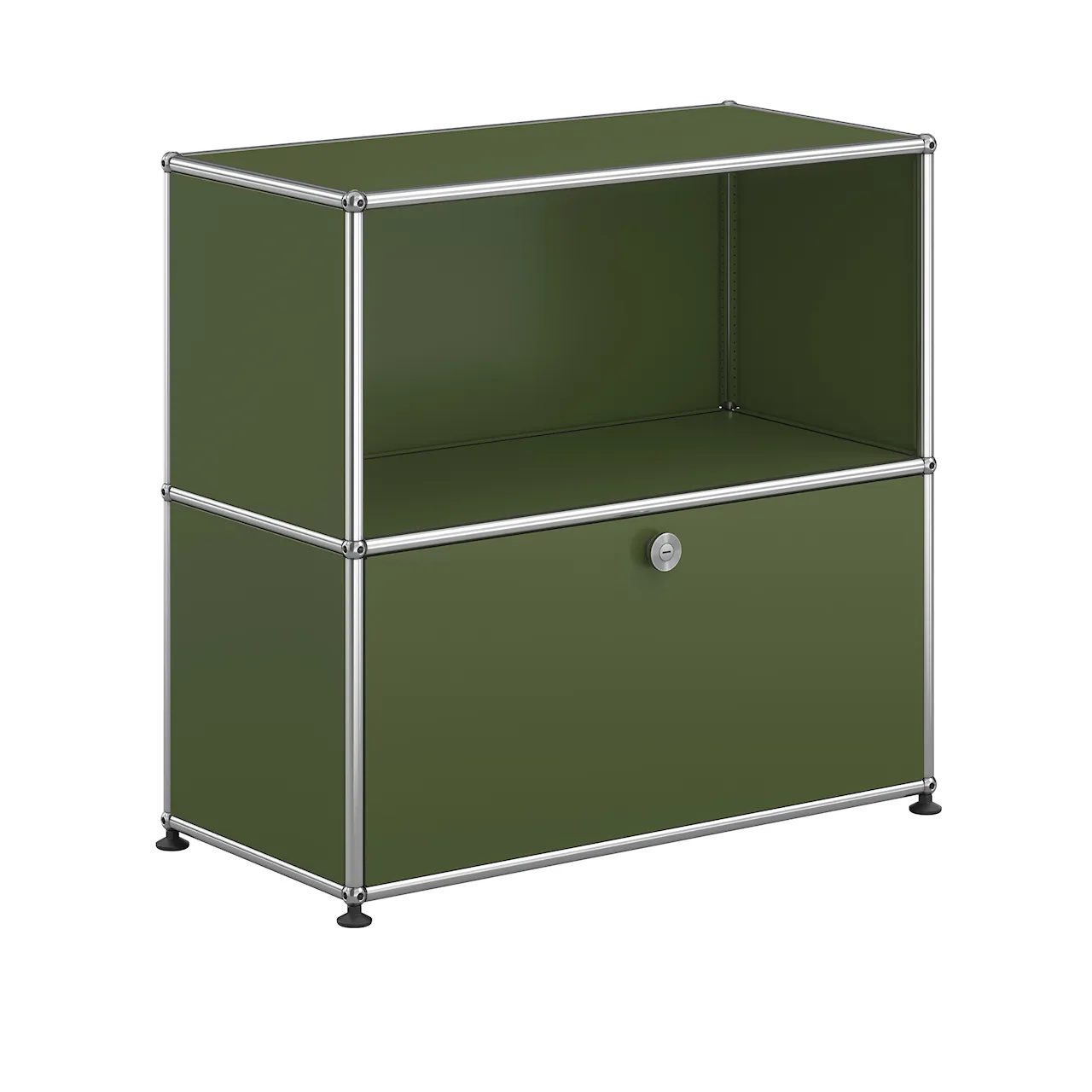
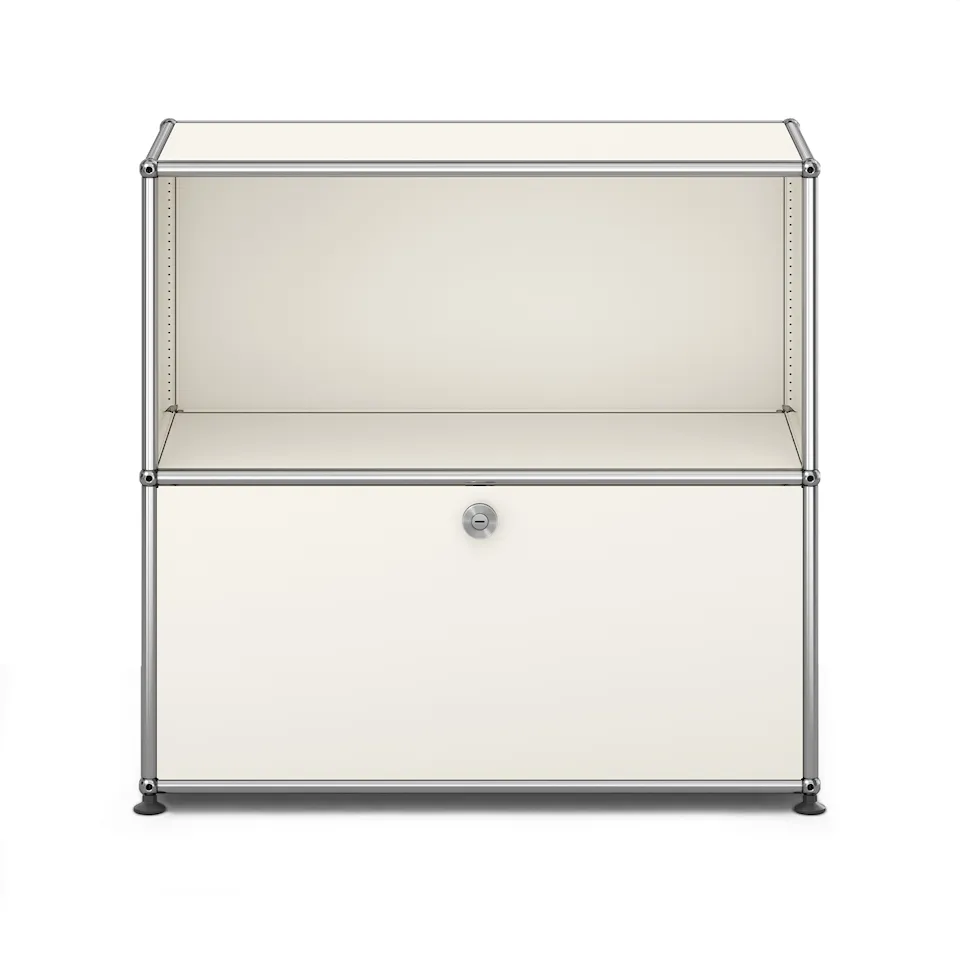
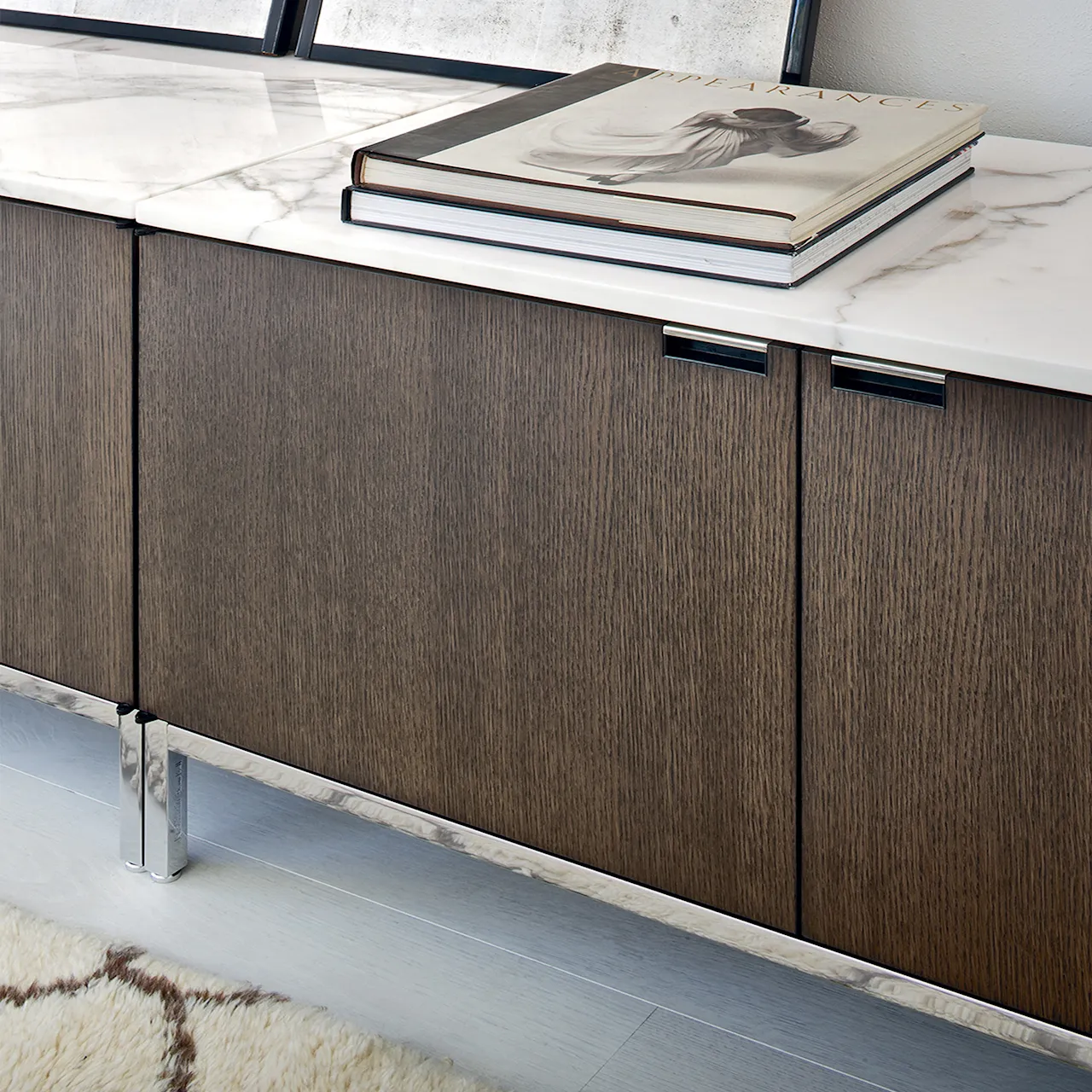
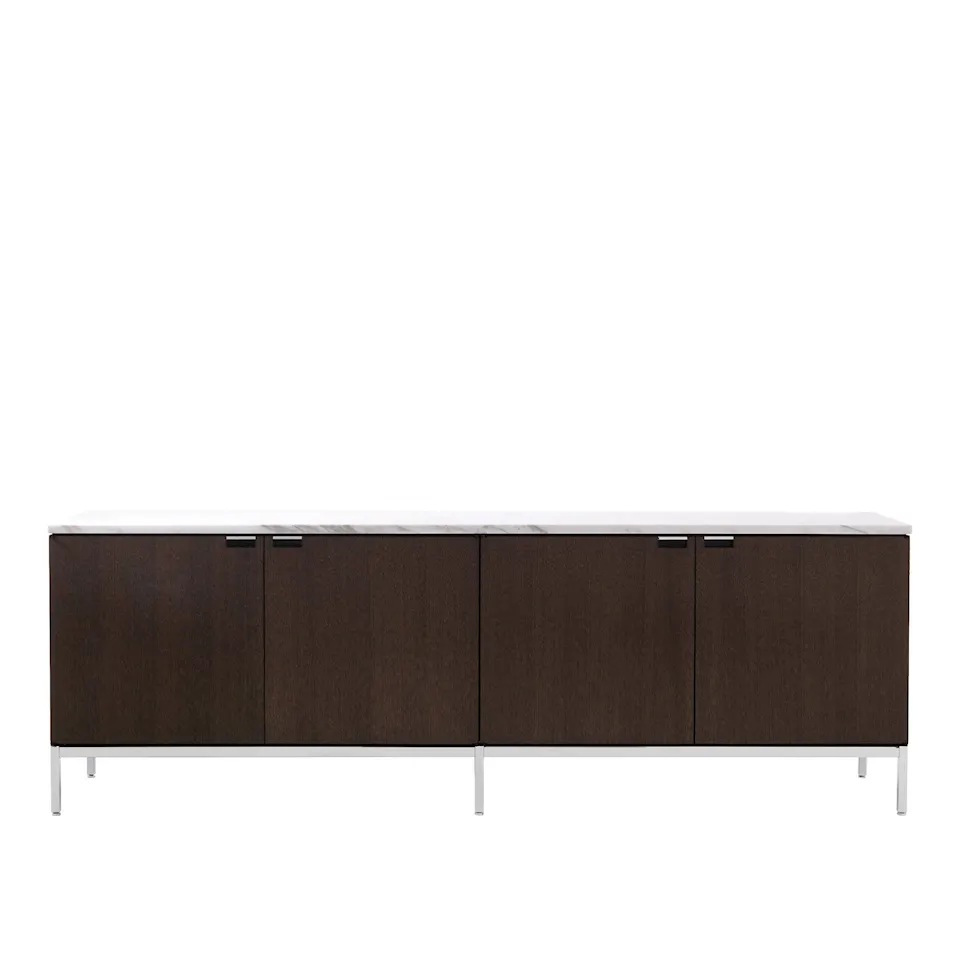

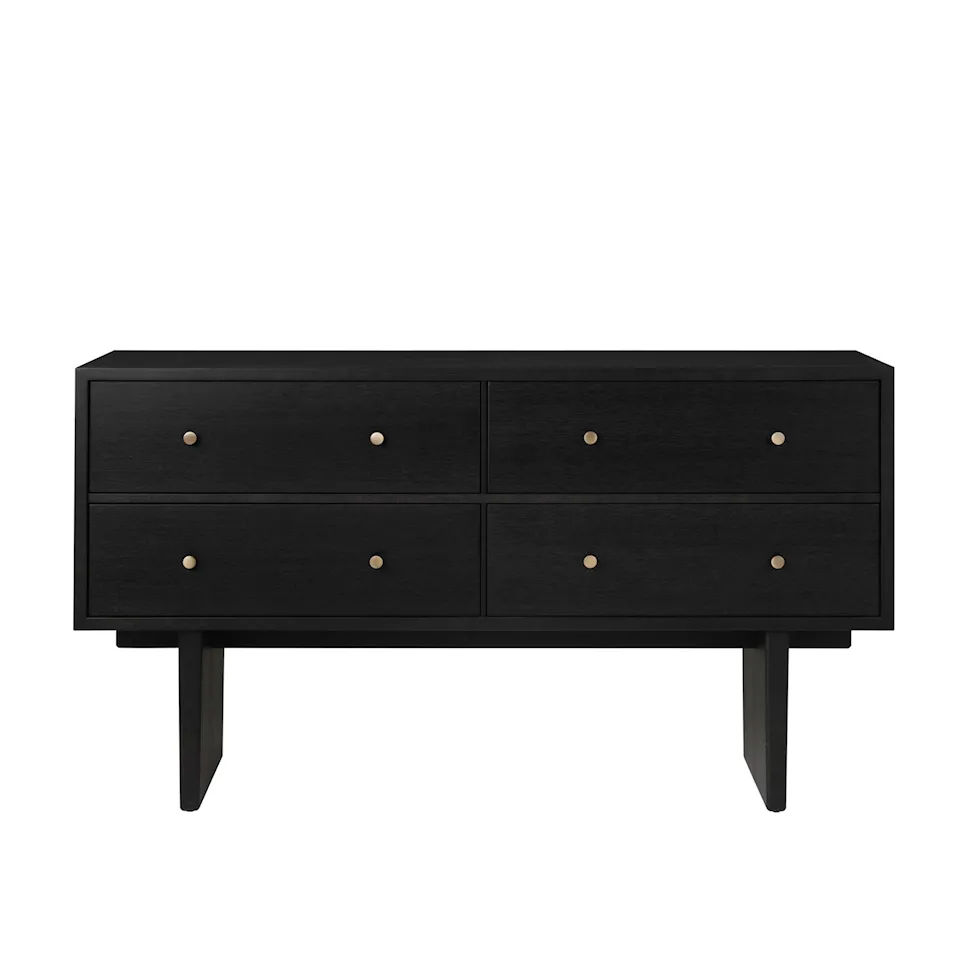
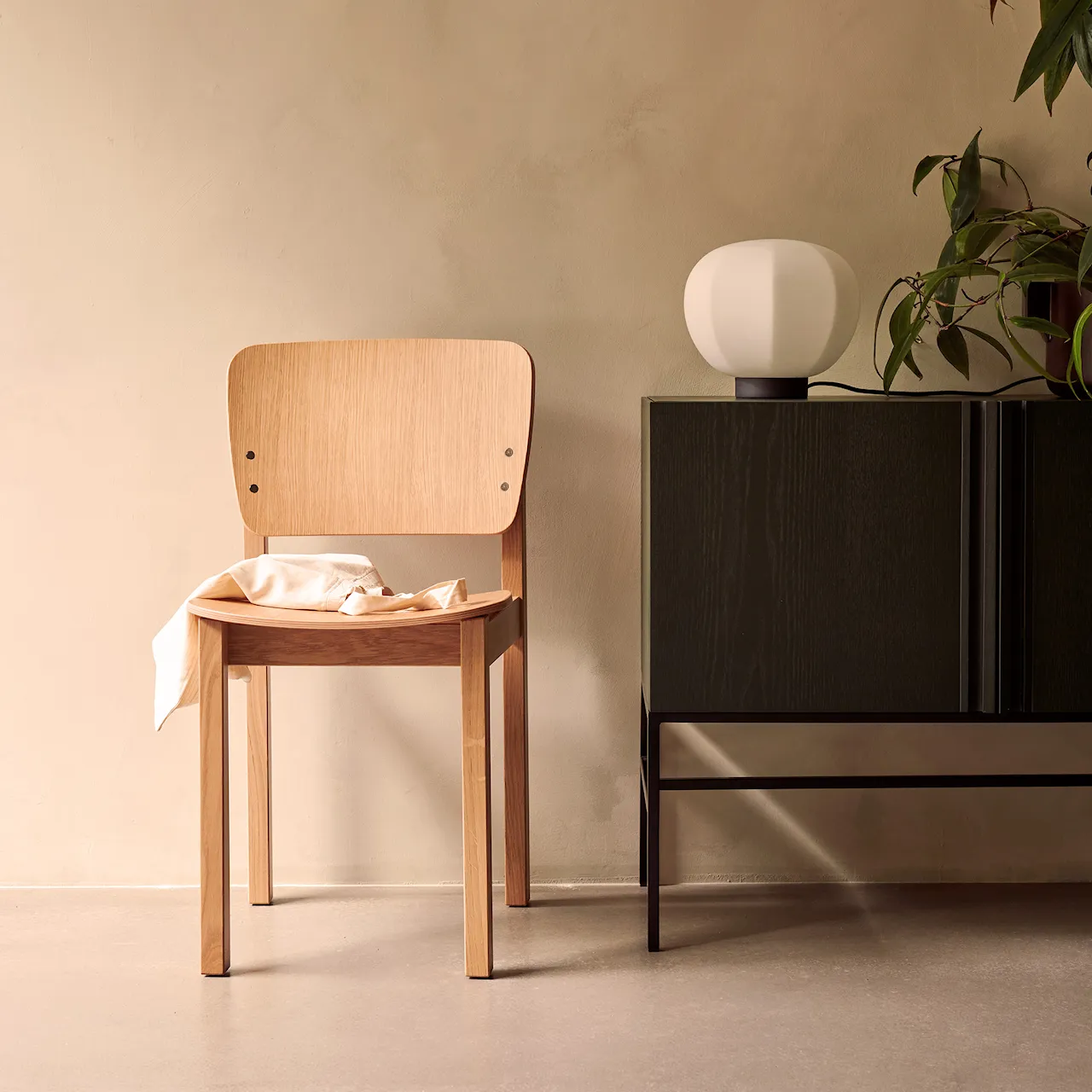
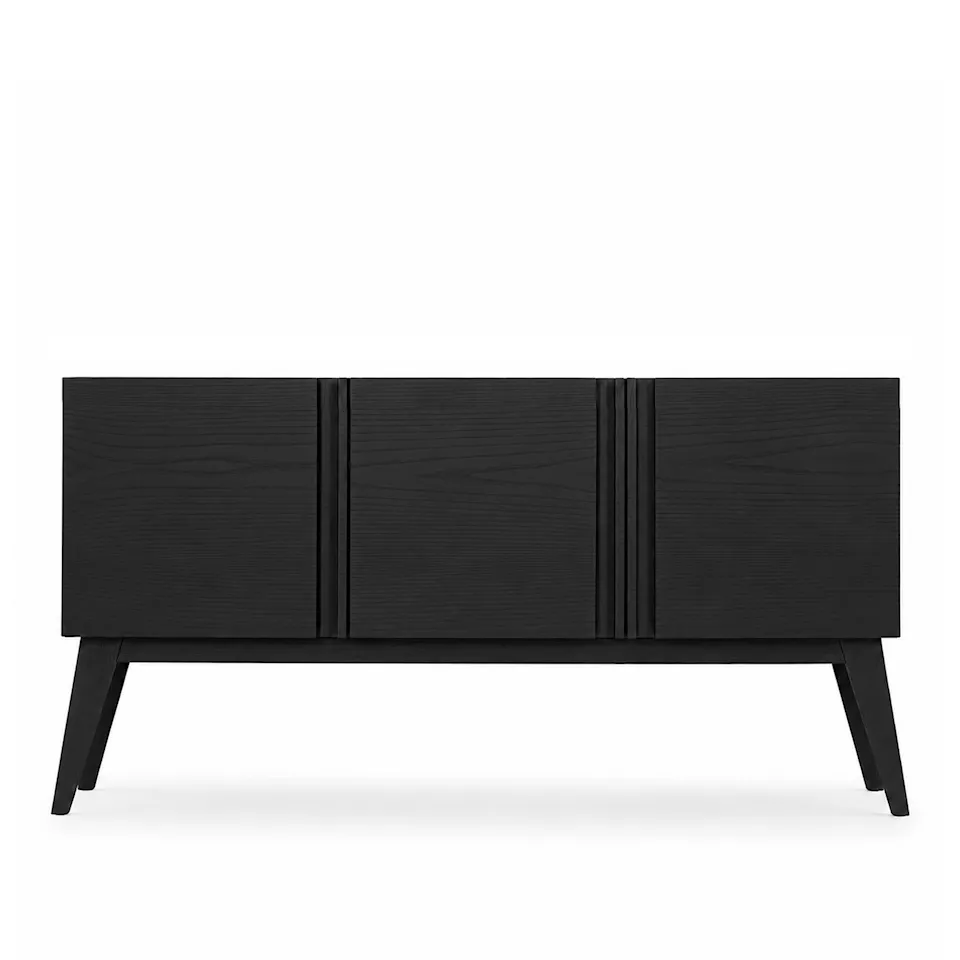



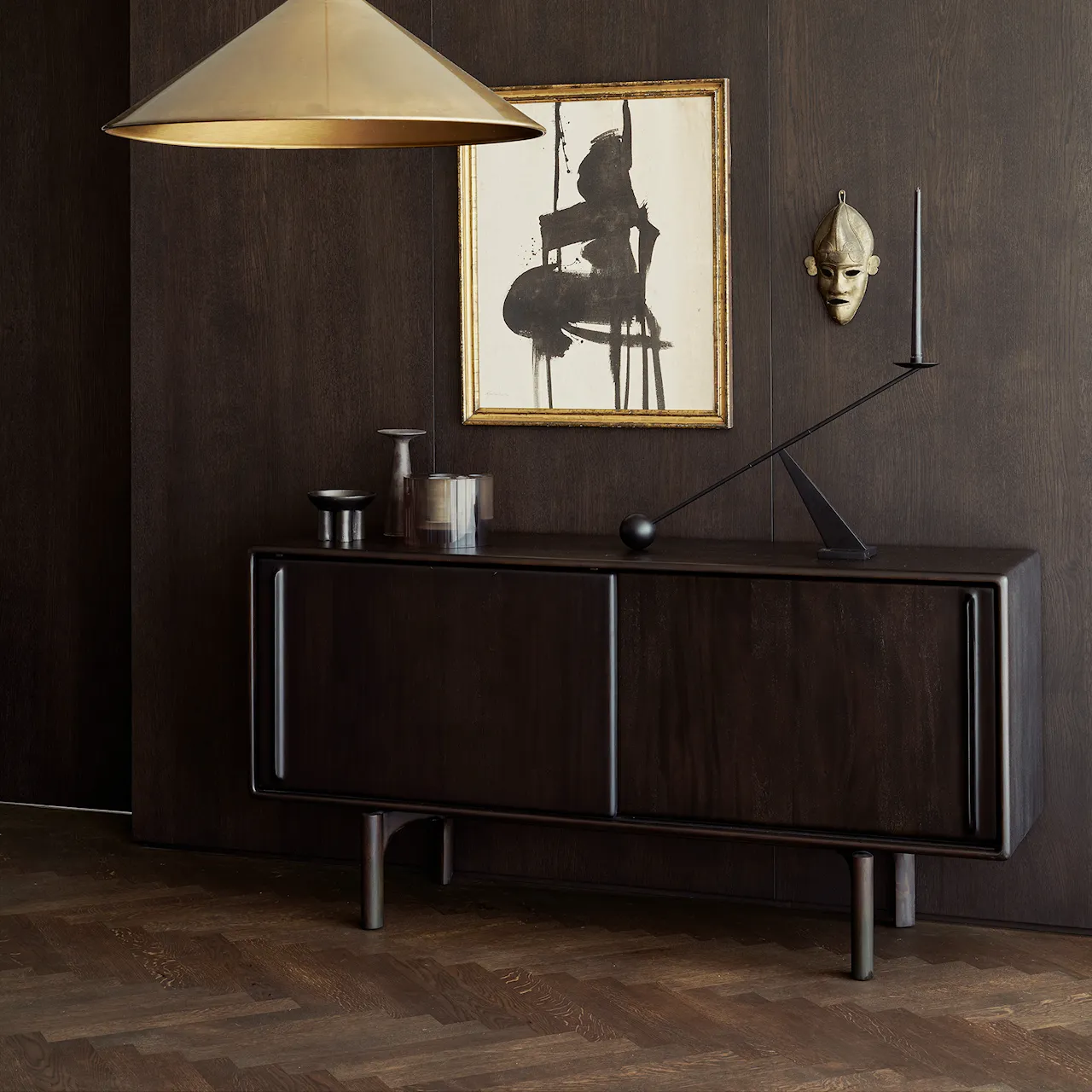
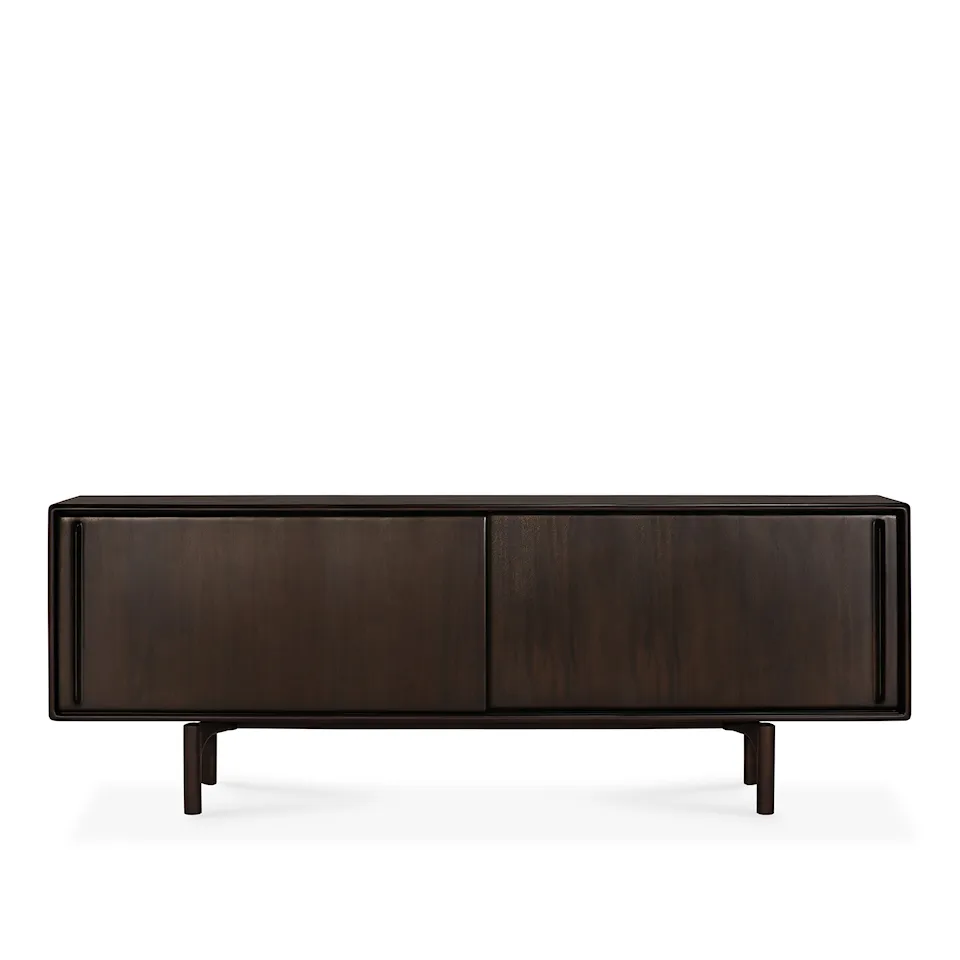

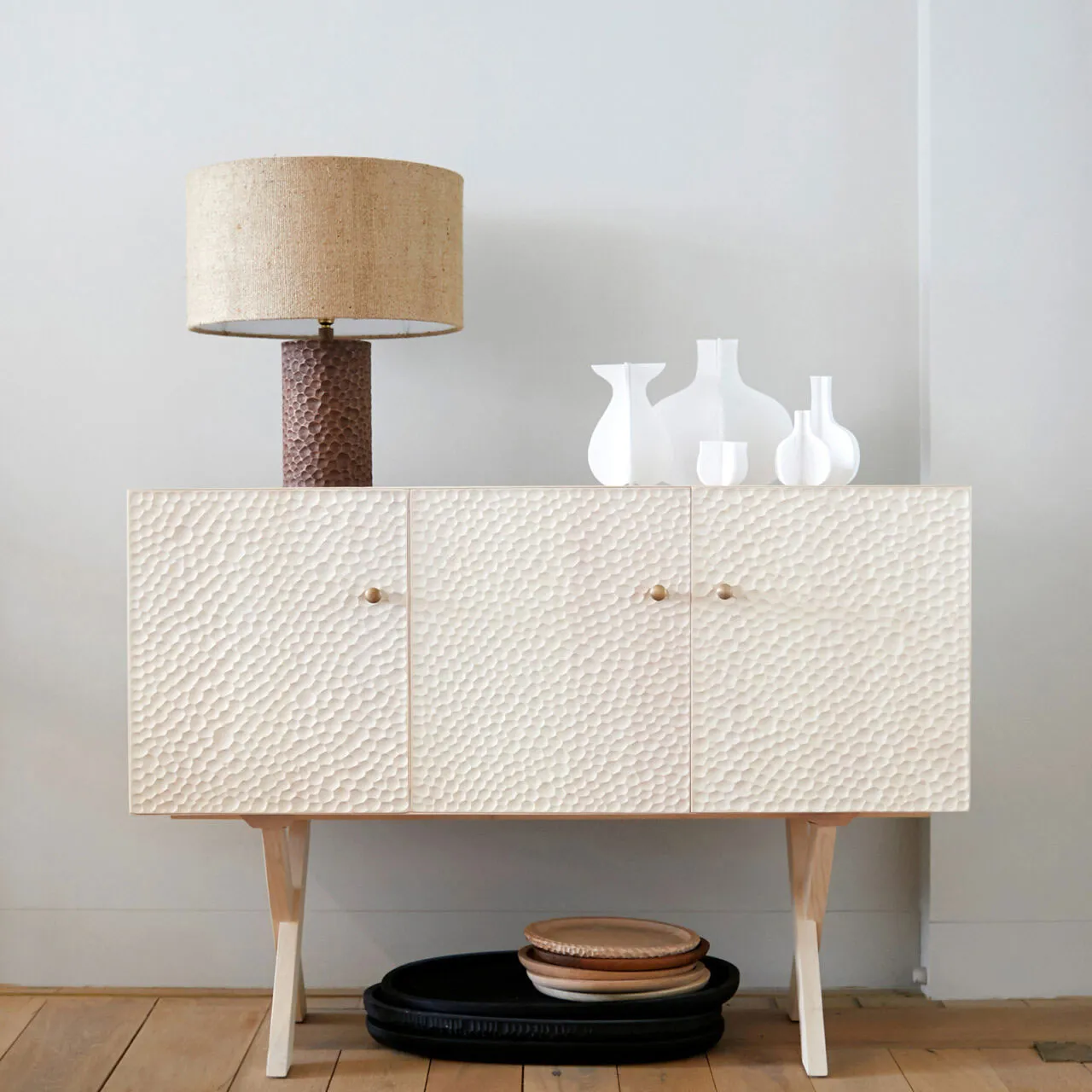
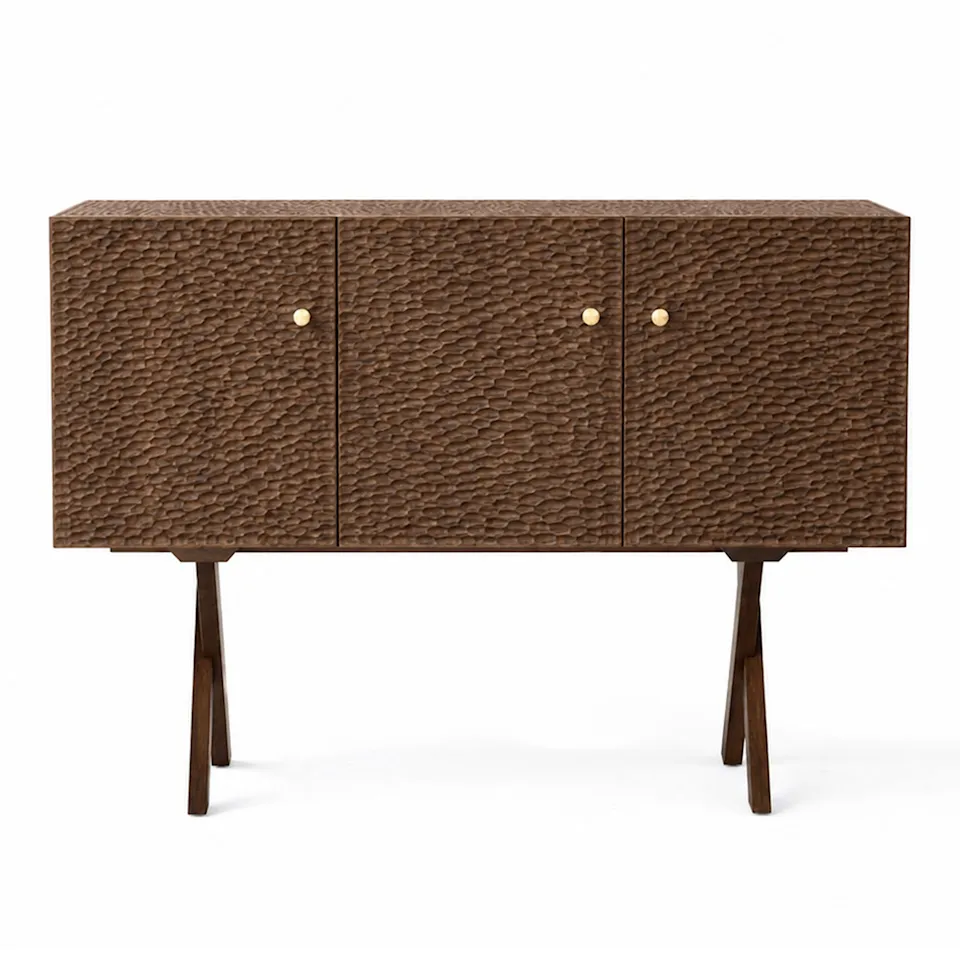



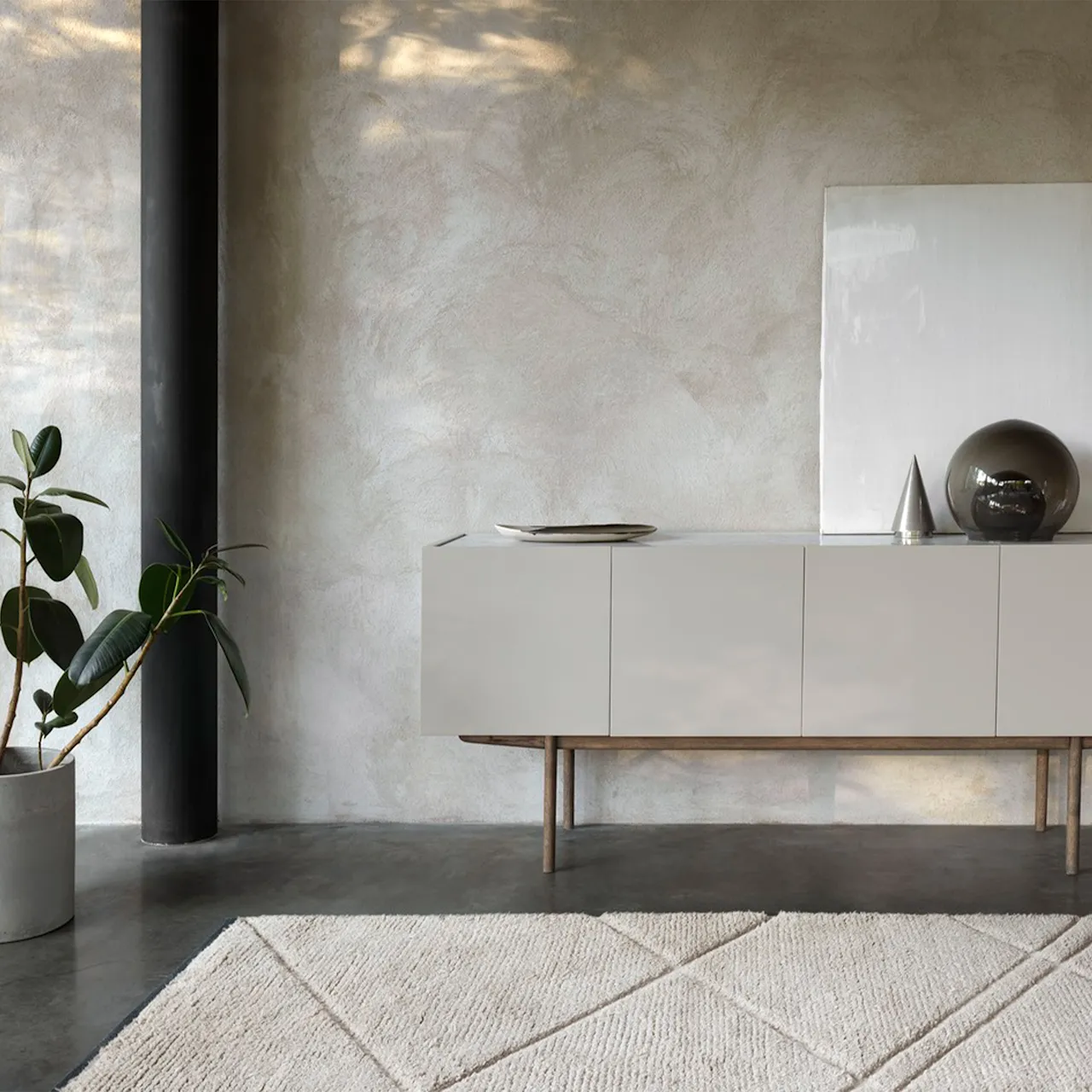
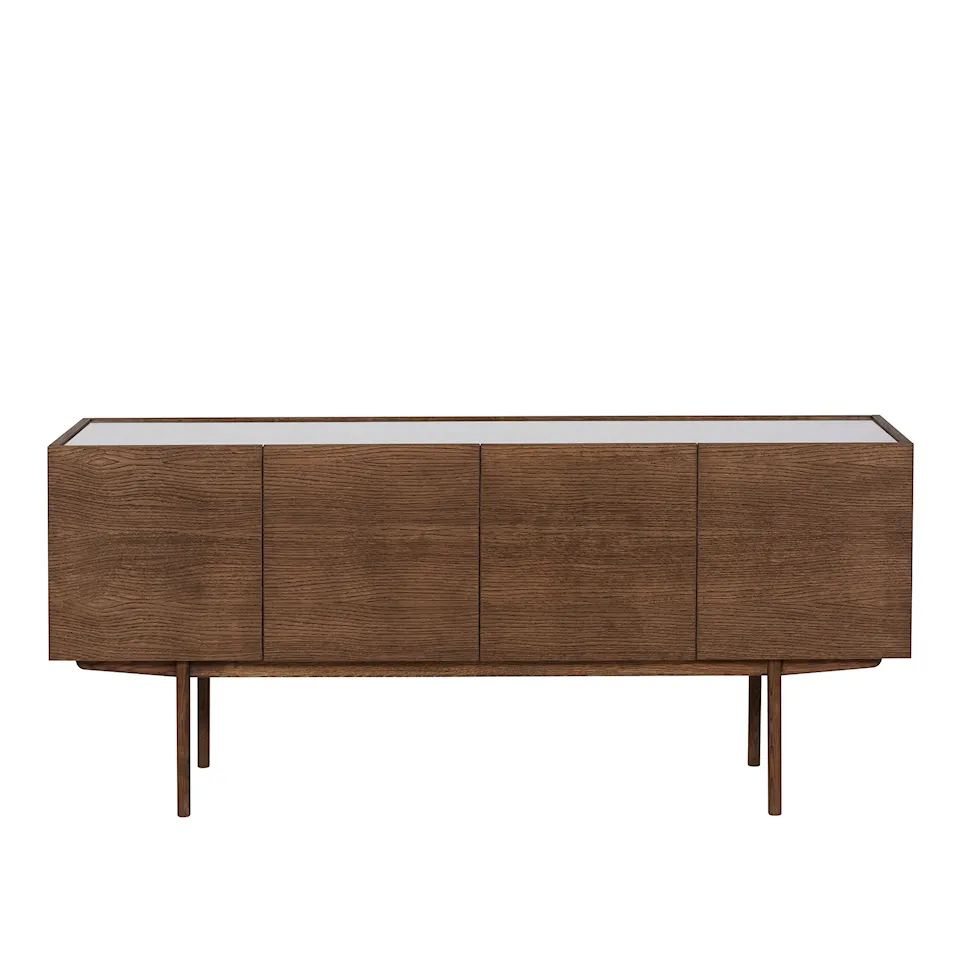


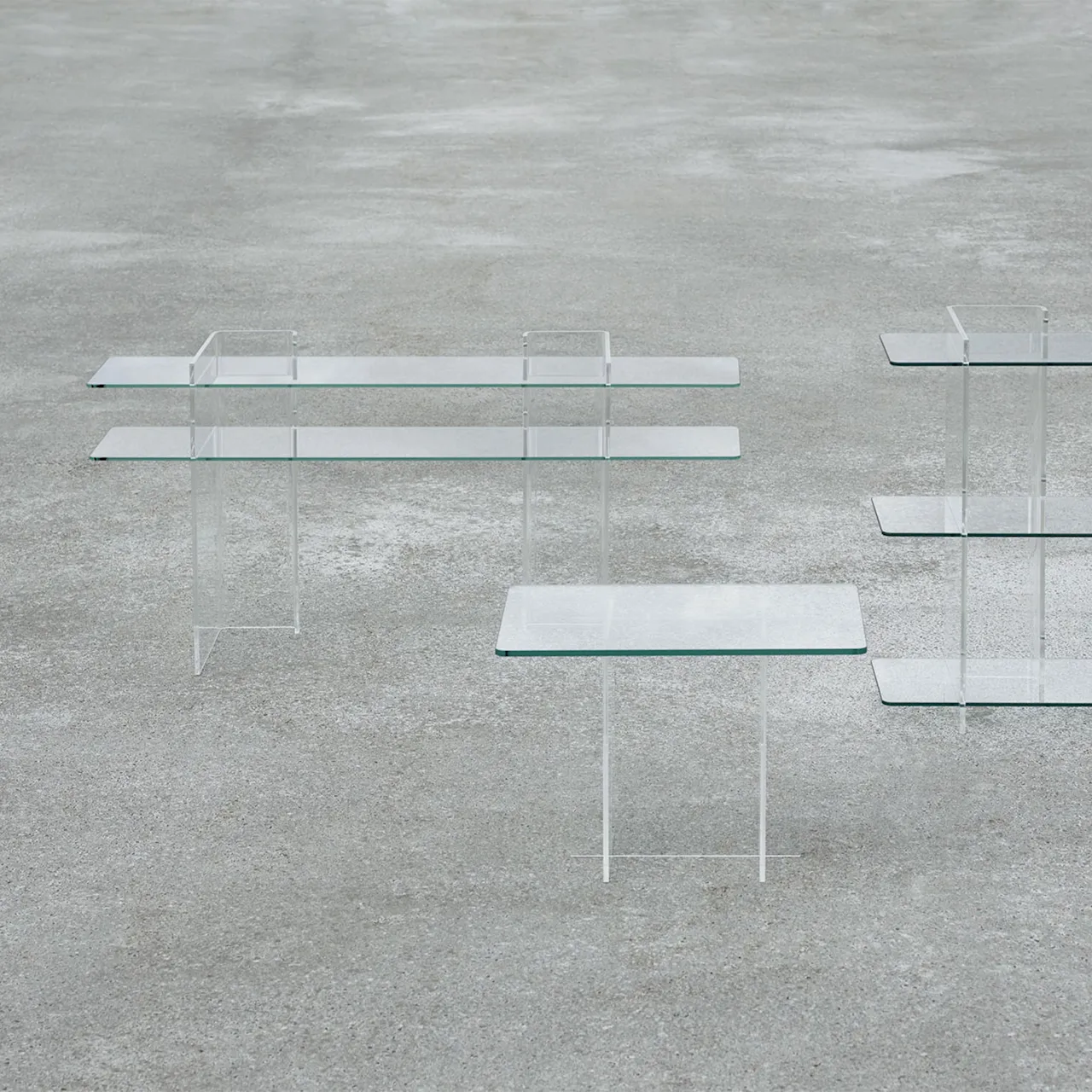


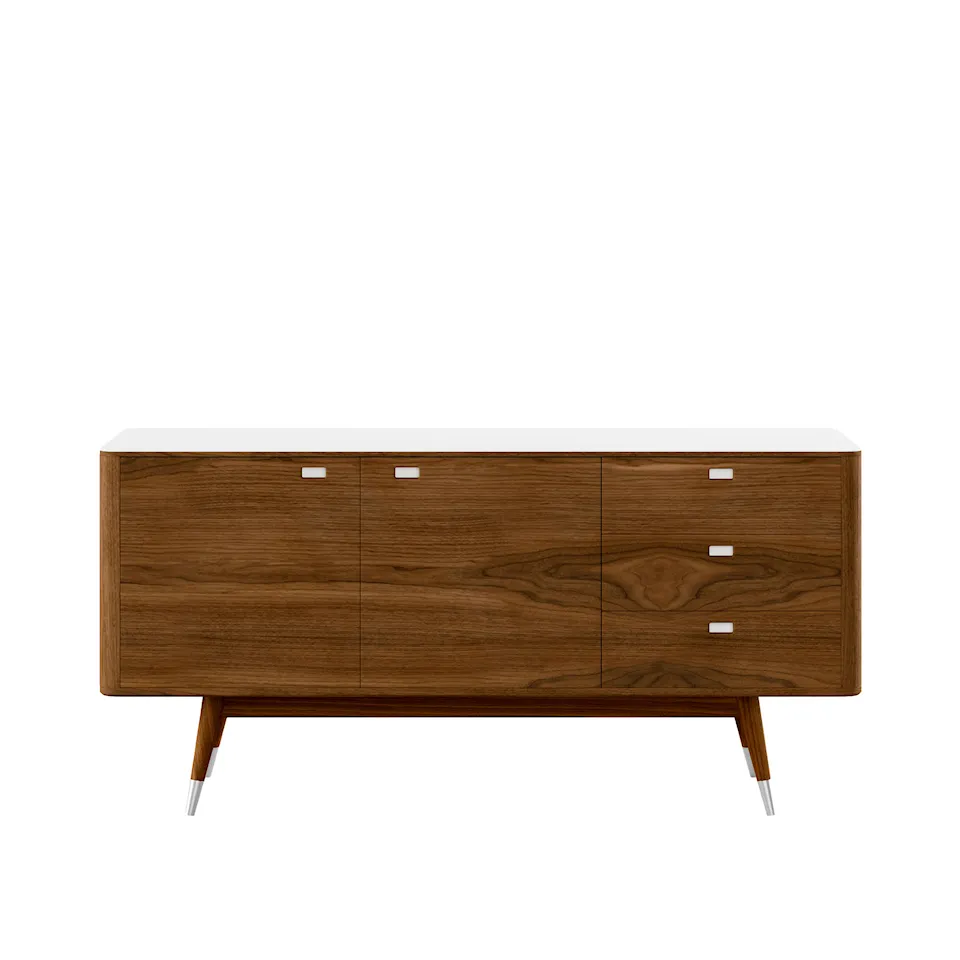
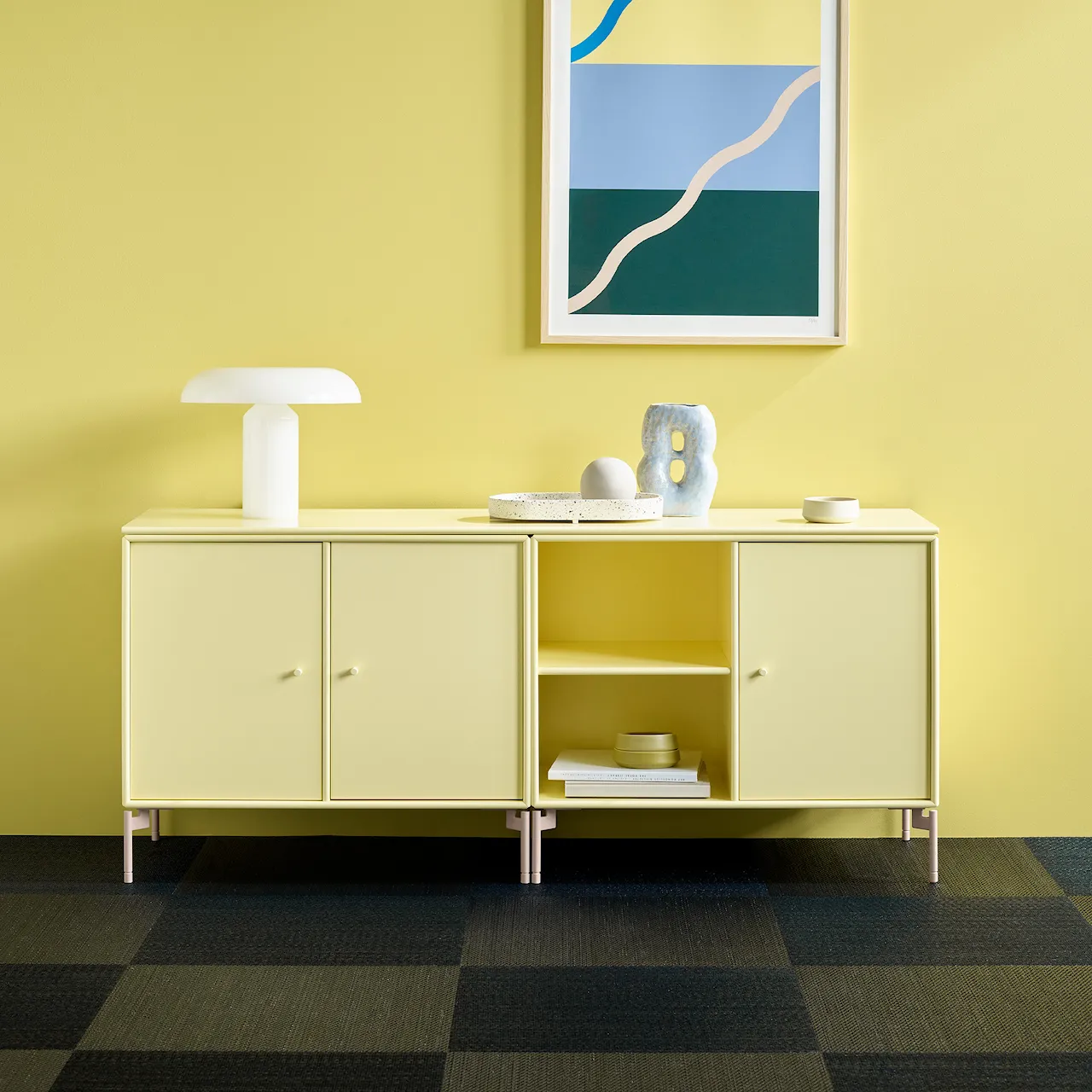
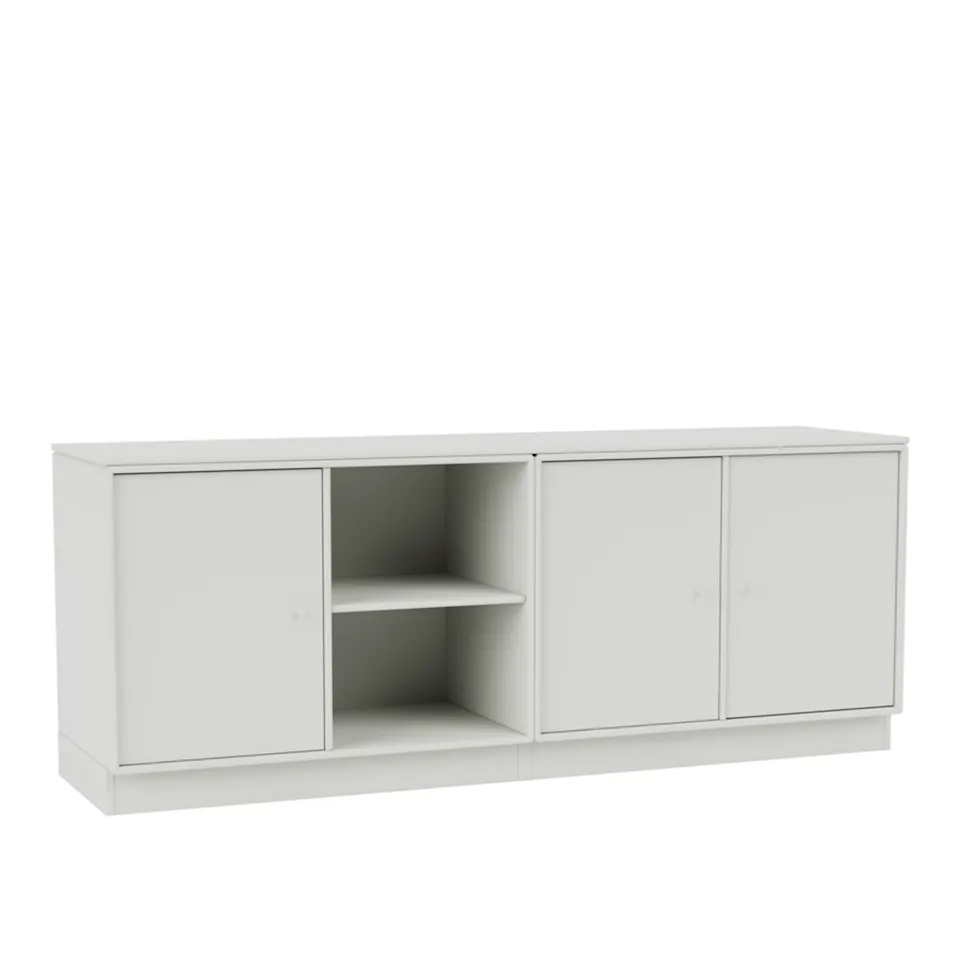

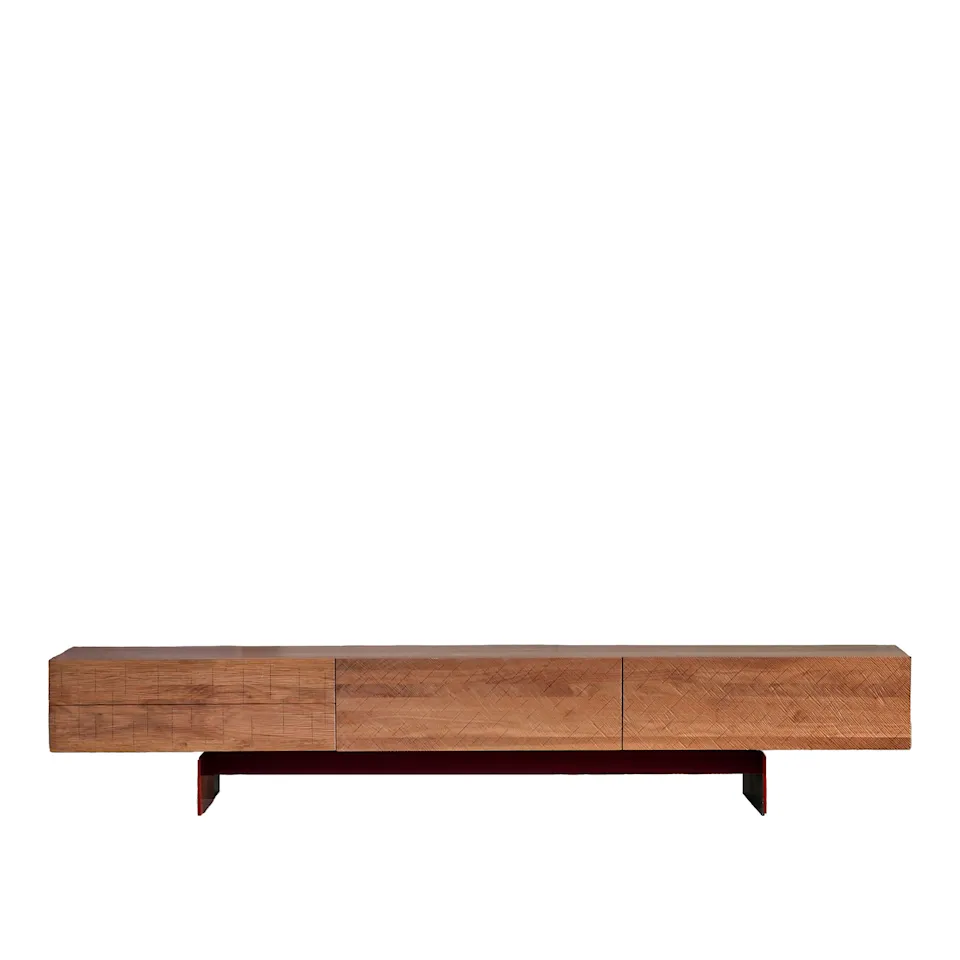

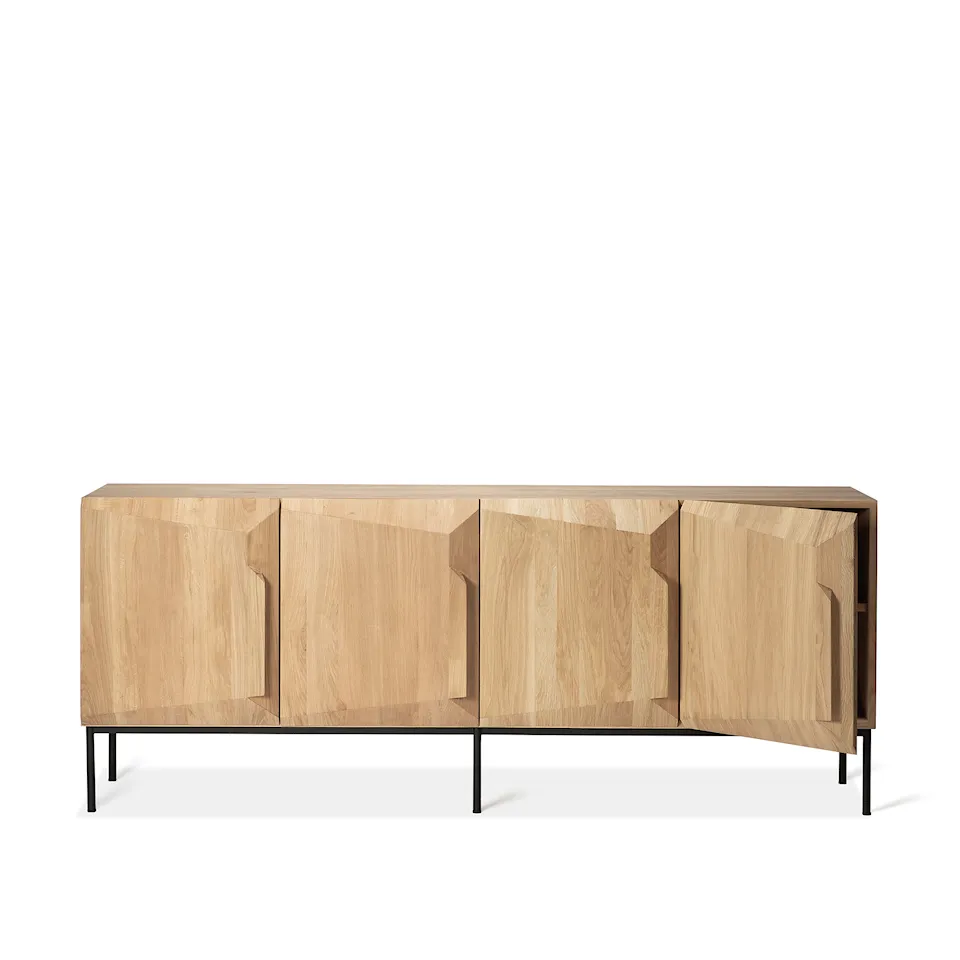

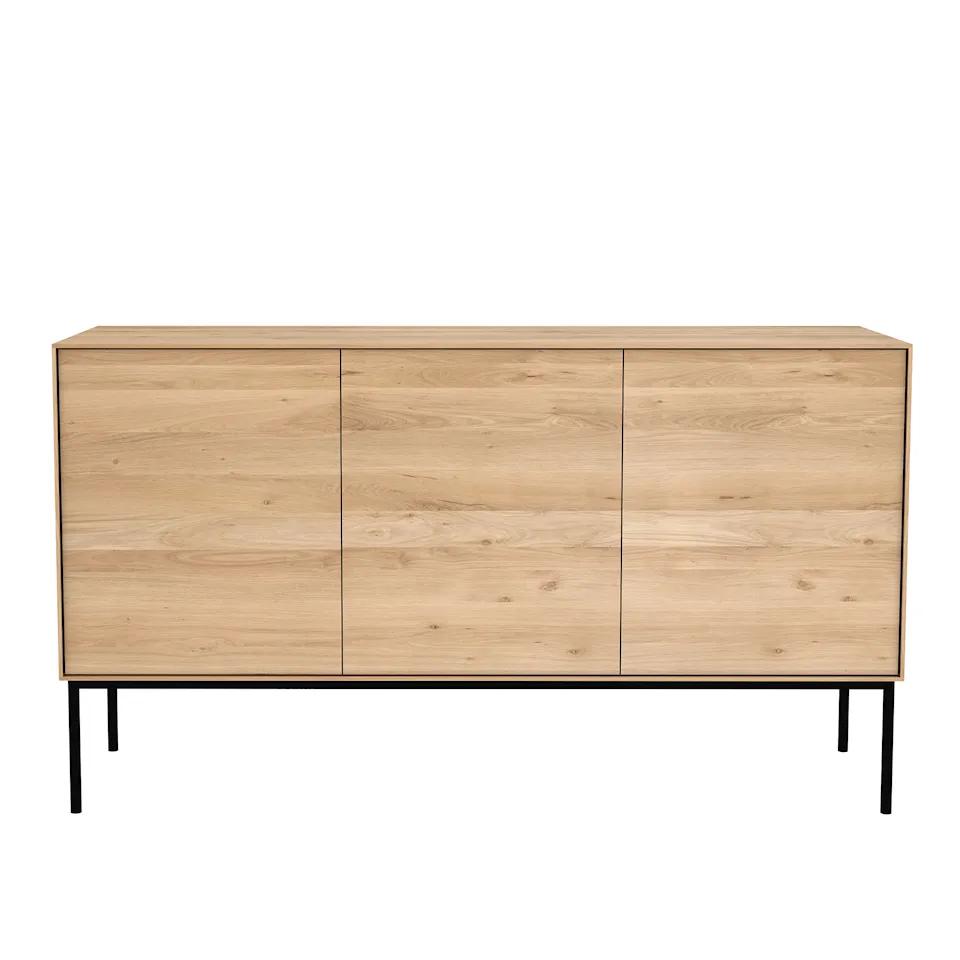

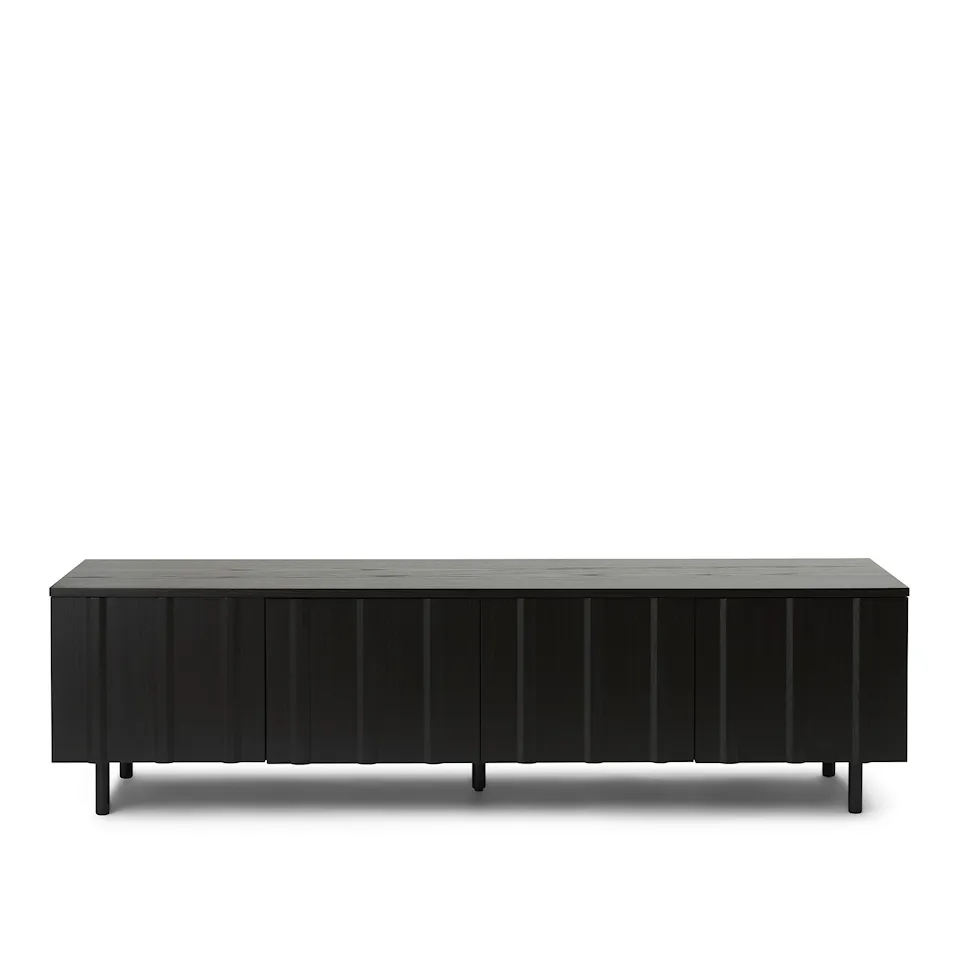
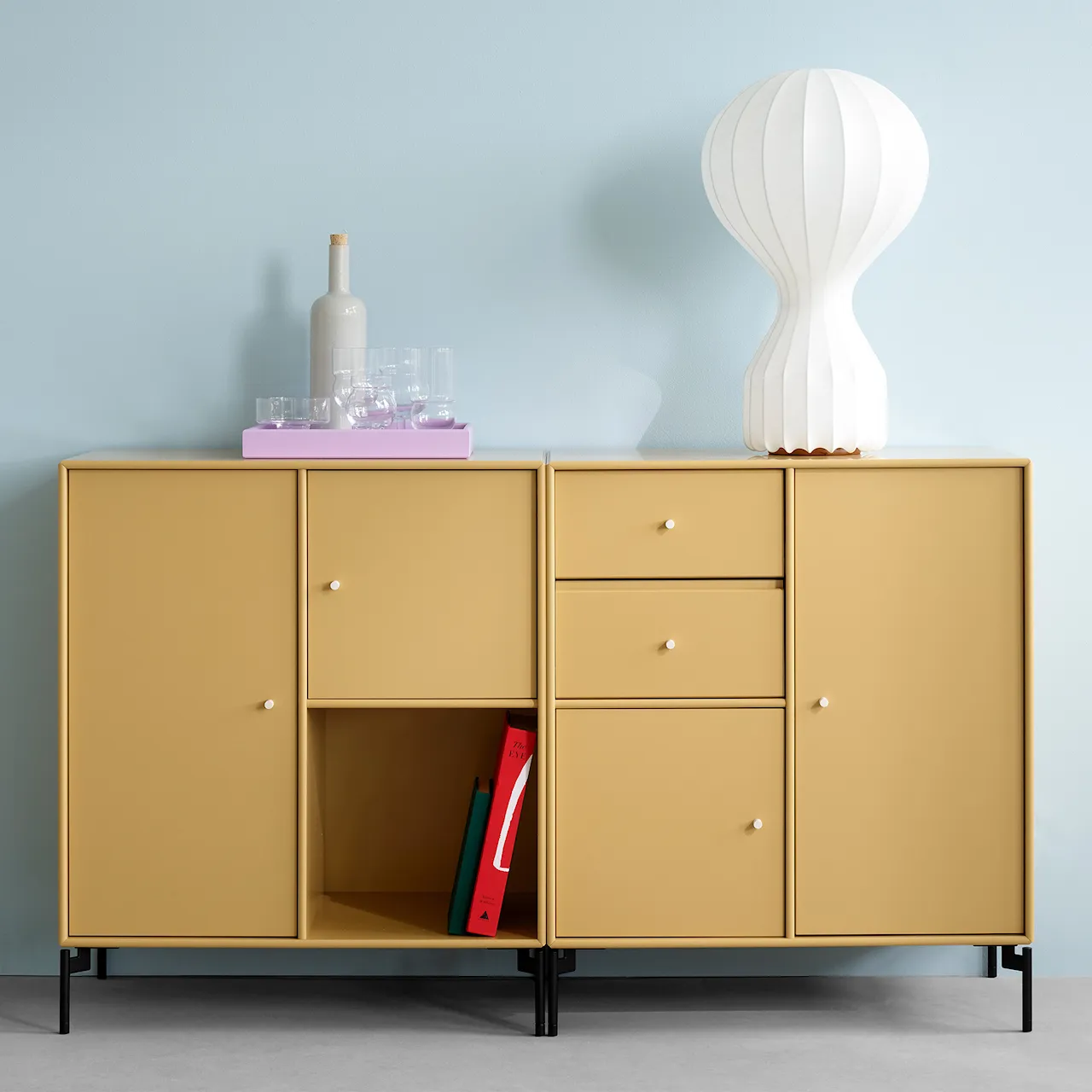
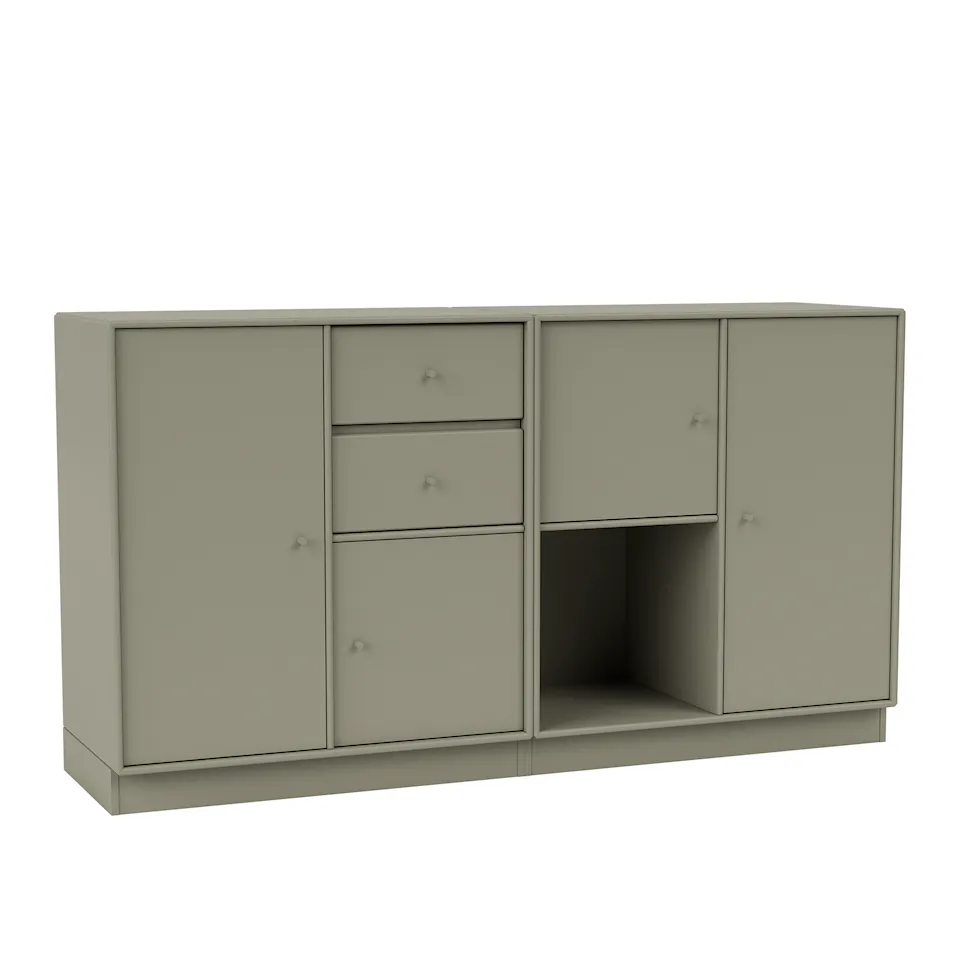
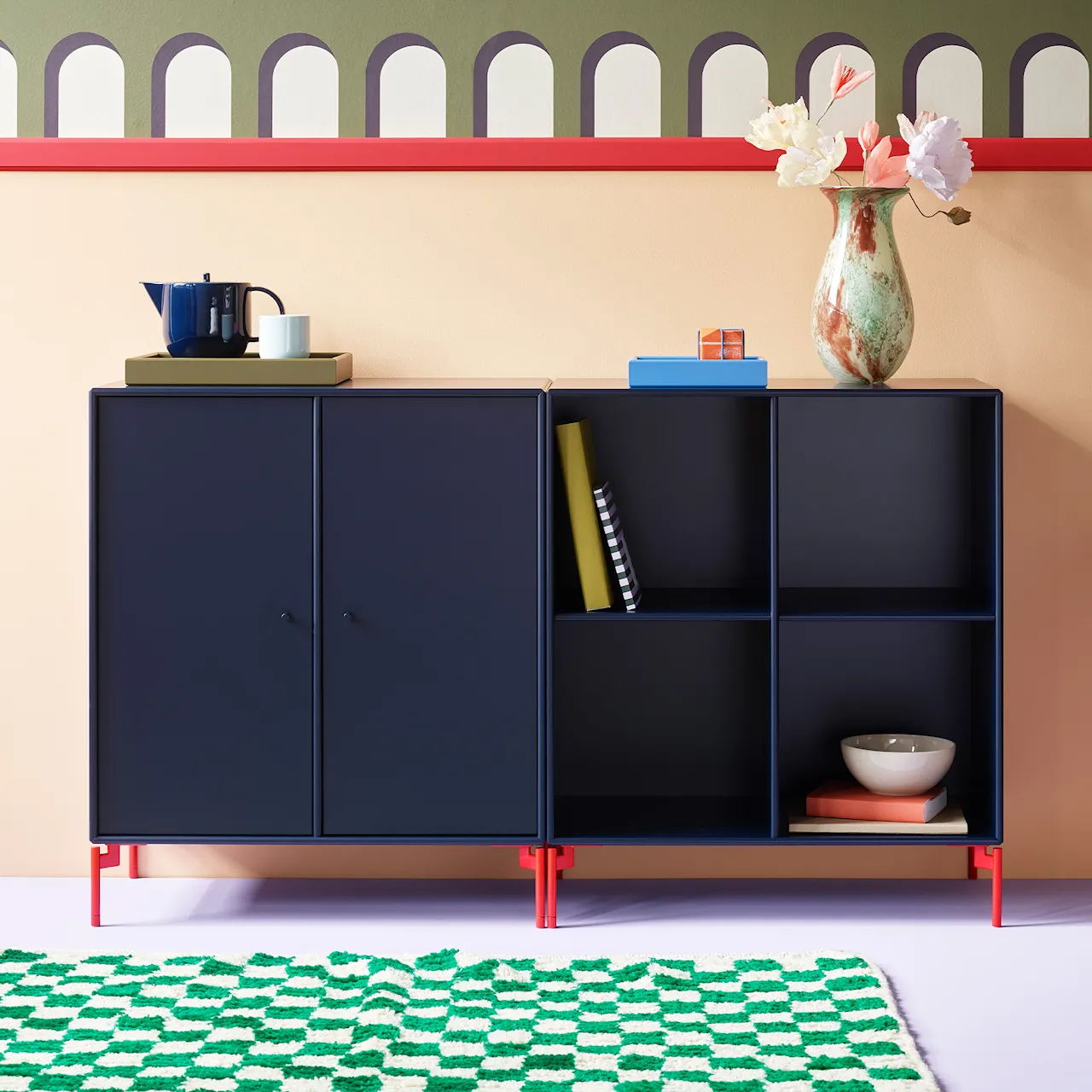
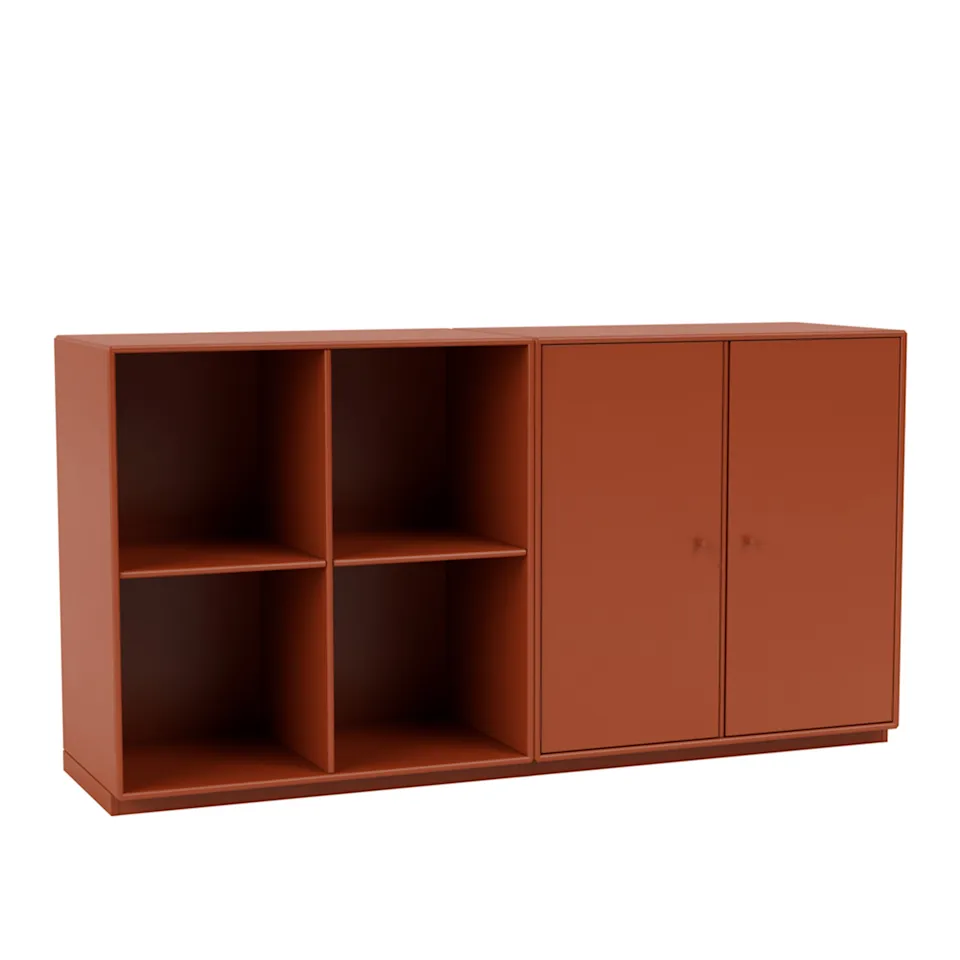
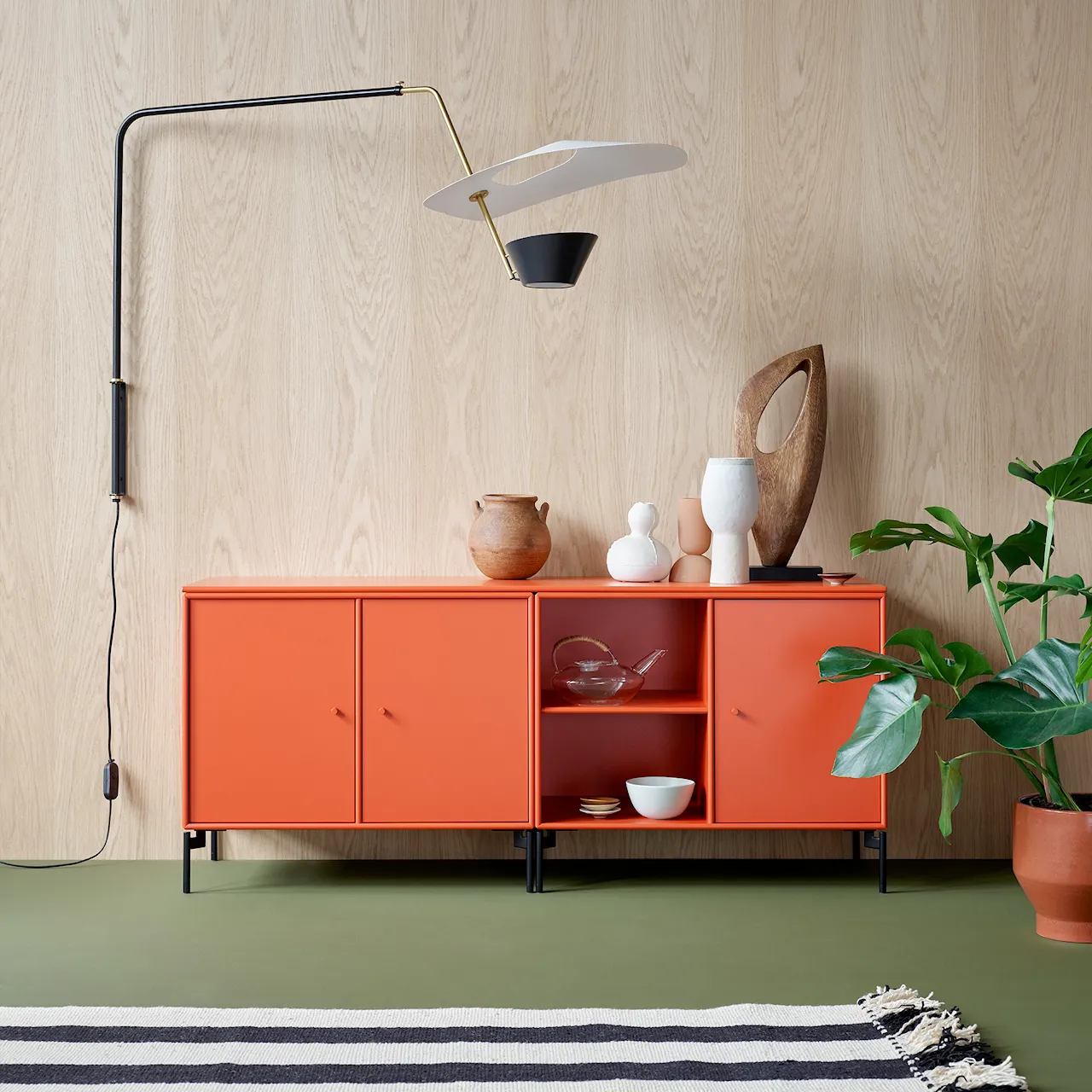
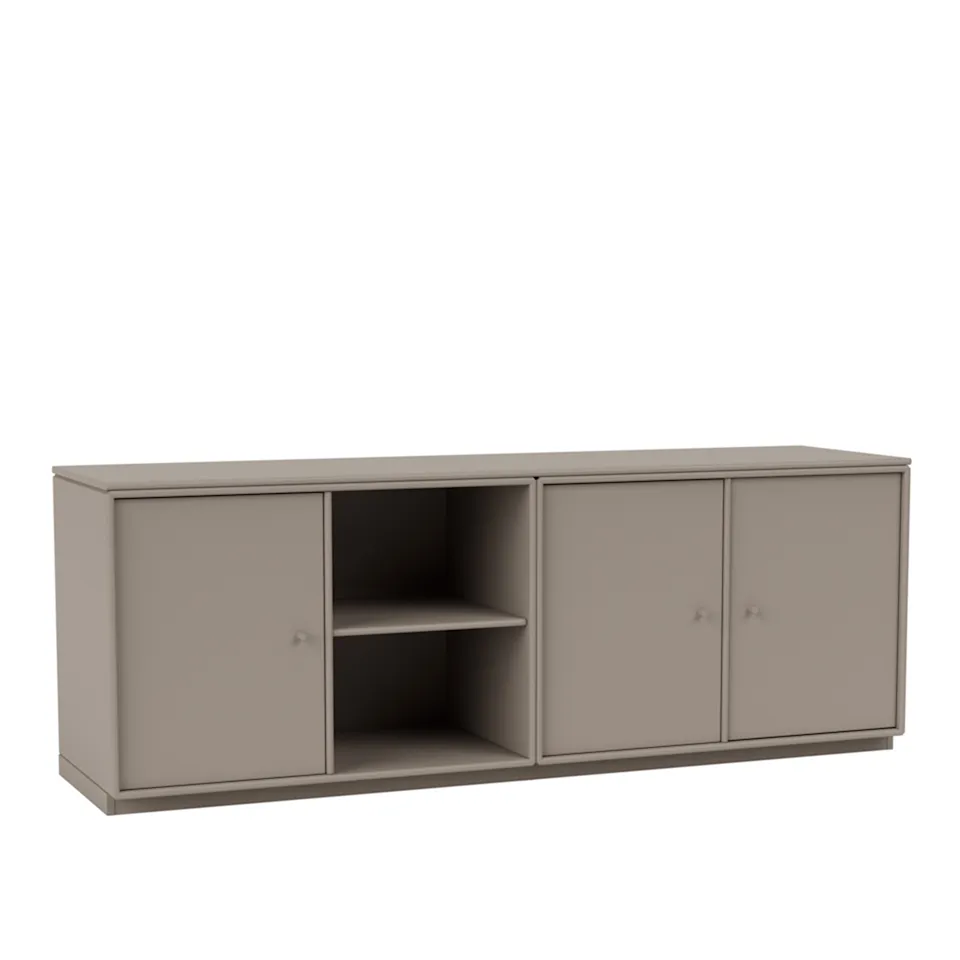
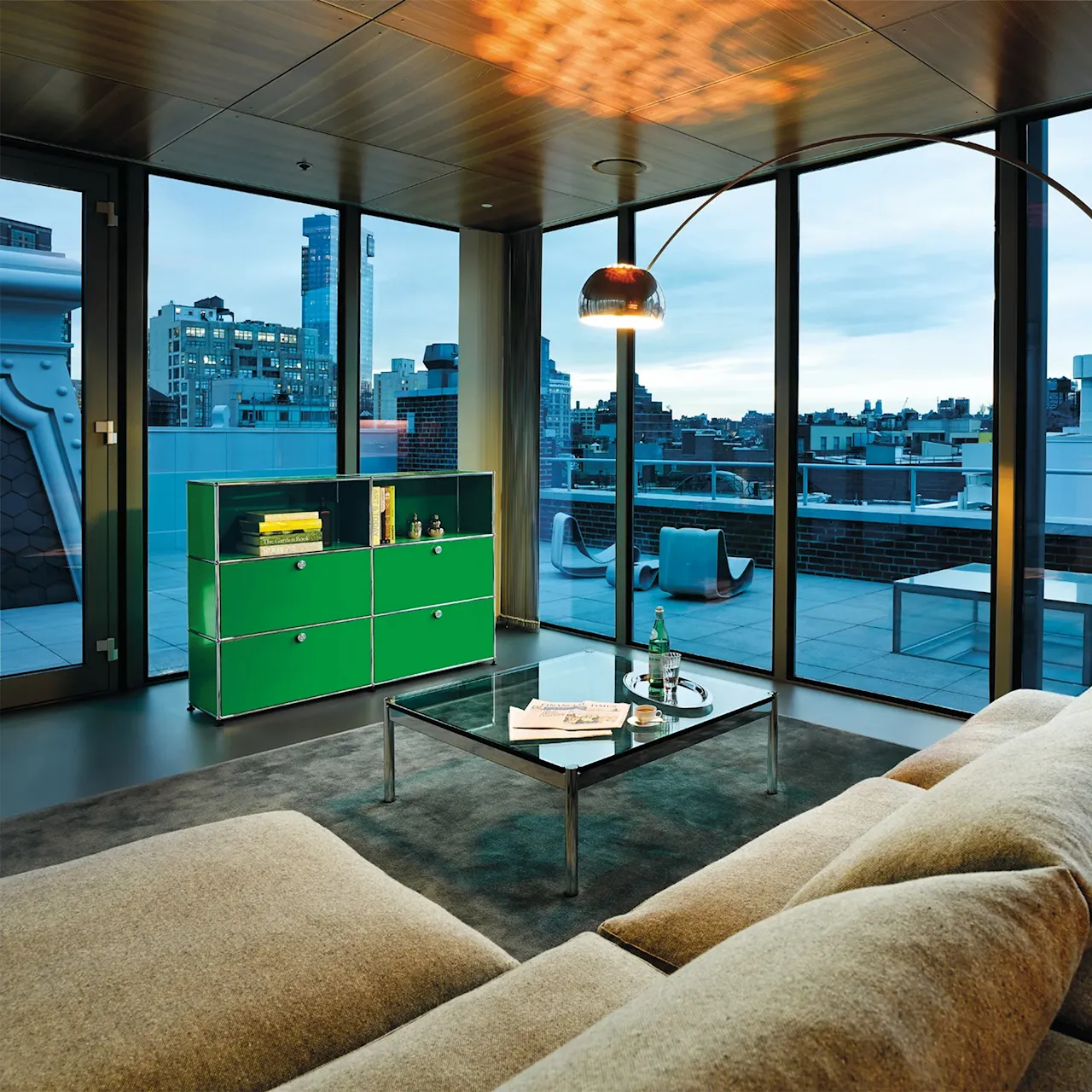
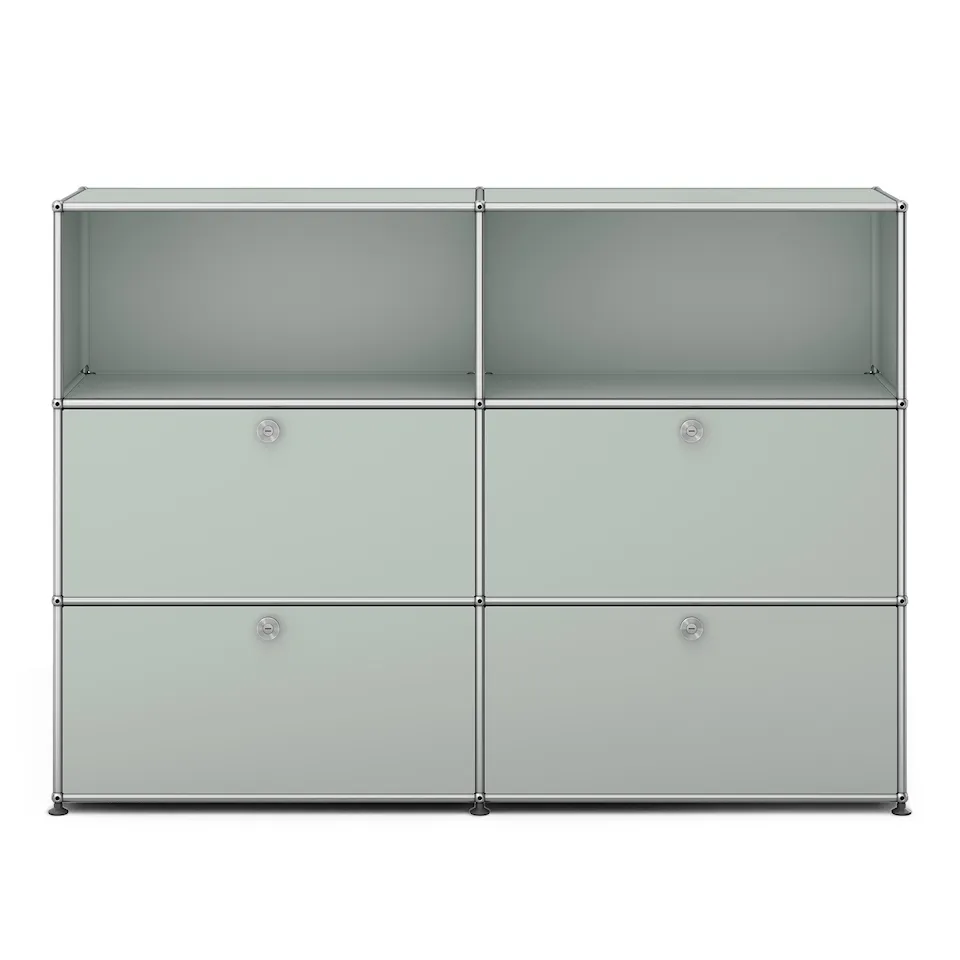
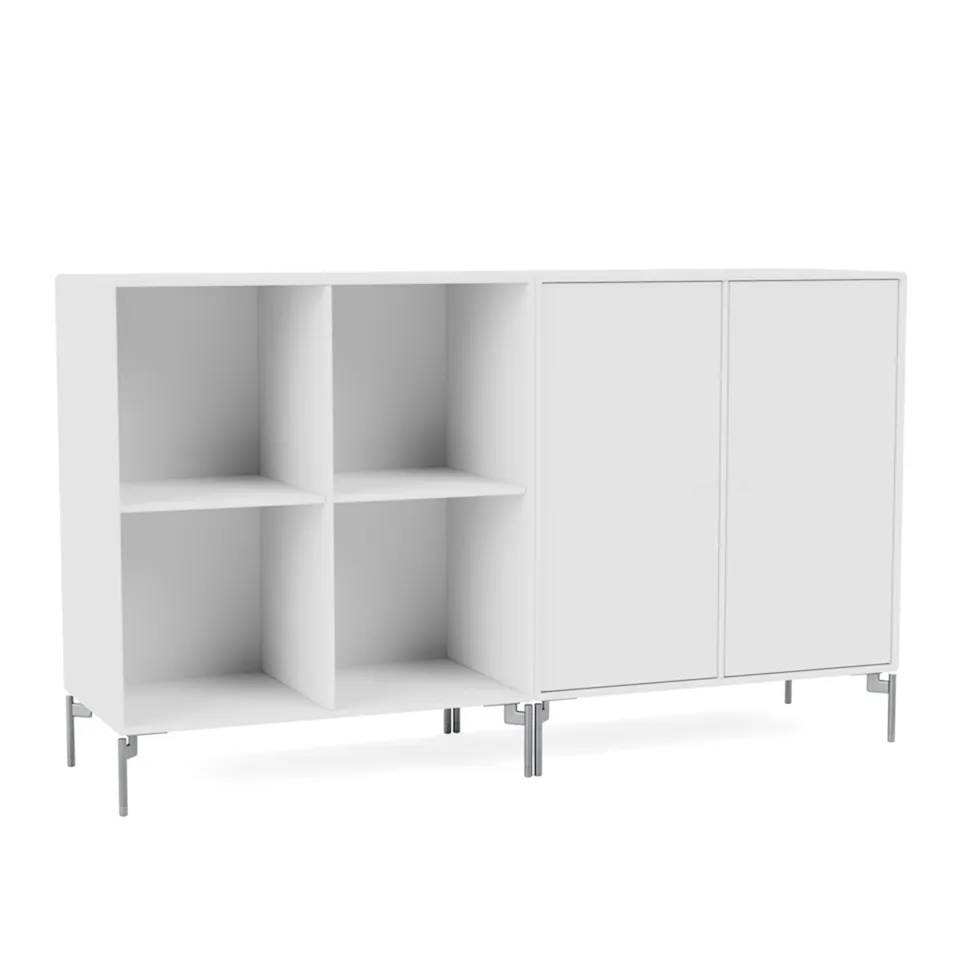
A sideboard, also referred to as a credenza, is a low storage piece with proportions that emphasize a horizontal line within the space. It offers discreet storage behind doors or drawers, while the top surface serves as a place for lighting, decoration or art. This combination of storage and display contributes to structure and balance in interiors, whether in a living room, dining area or hallway.
Function and form
The main purpose of a sideboard is to offer storage and bring order by collecting and concealing items that would otherwise clutter the room. Its relatively low height frees up the wall space above, making it a natural base for artwork or a mirror. This results in a balance between the horizontal form and a clearer vertical expression on the wall.
In the living room, the sideboard often holds media equipment. Many choose to place a television on top to reduce its visual presence or use the piece for a record player and other devices. It also works well for displaying objects and table lamps and can be adapted to suit your interior style and the room's layout.
Its proportions affect how the space is visually arranged. The long, low shape can unify a wall and guide the room’s orientation or create a soft transition between different zones. In larger spaces, a long model can anchor an entire wall, while a shorter one provides a visual focal point in smaller areas. In this way, the sideboard is both a functional element and a tool for shaping spatial rhythm.
Design and build
The collection at NO GA includes both minimalist systems and more expressive pieces. They are united by a thoughtful approach to construction and a focus on functional versatility.
The CH825 sideboard by Hans J. Wegner, produced by Carl Hansen & Søn, demonstrates how a seemingly simple wooden form can hide smart sliding doors and advanced storage. The BIT Side Table by Massproductions represents a more pared-down, rational design where proportions and surfaces create a sense of calm.
Modular systems like USM Haller and Montana Selection offer added flexibility. Designed to meet practical needs like cable management and ventilation, they can be tailored in height, depth and length. These perspectives show how a sideboard can range from tailored storage to a striking furniture piece.
Material selection
The choice of materials is central to both character and durability. At NO GA, the focus is on material integrity, including solid woods like oak and walnut, glass, polished steel and natural stone.
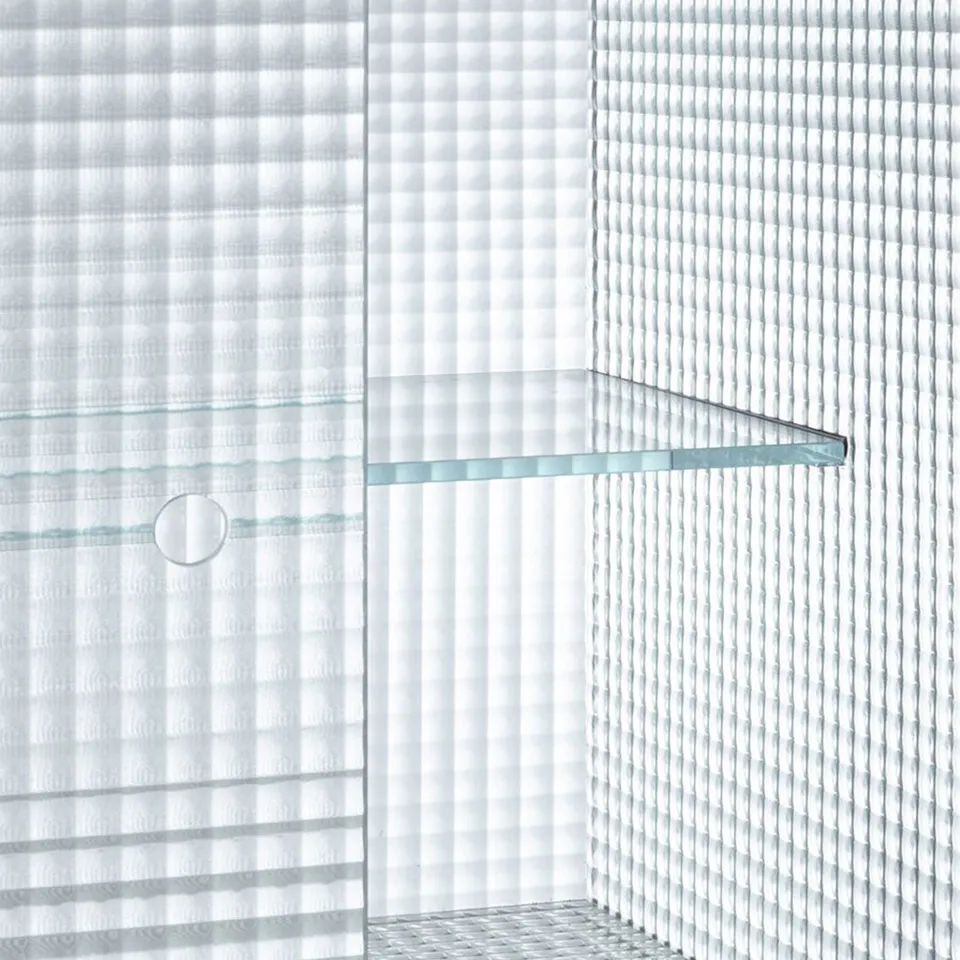
A wooden sideboard from brands such as House of Finn Juhl or Naver Collection introduces softer acoustics, where grain and finish become part of the expression. Metal gives an industrial feel, while marble tops offer a refined surface with visual weight. These materials add a cool precision that contrasts well with soft furnishings. Glass pieces, like those from Glas Italia, enhance the light in a room and make the volume appear lighter, which is particularly useful in open interiors.
Combining materials allows for variations in gloss, texture and reflection, which influence how the sideboard connects with or stands apart in a room.
Is there something you are missing in terms of sideboards?
Please contact us via our contact form to discuss your specific product request.