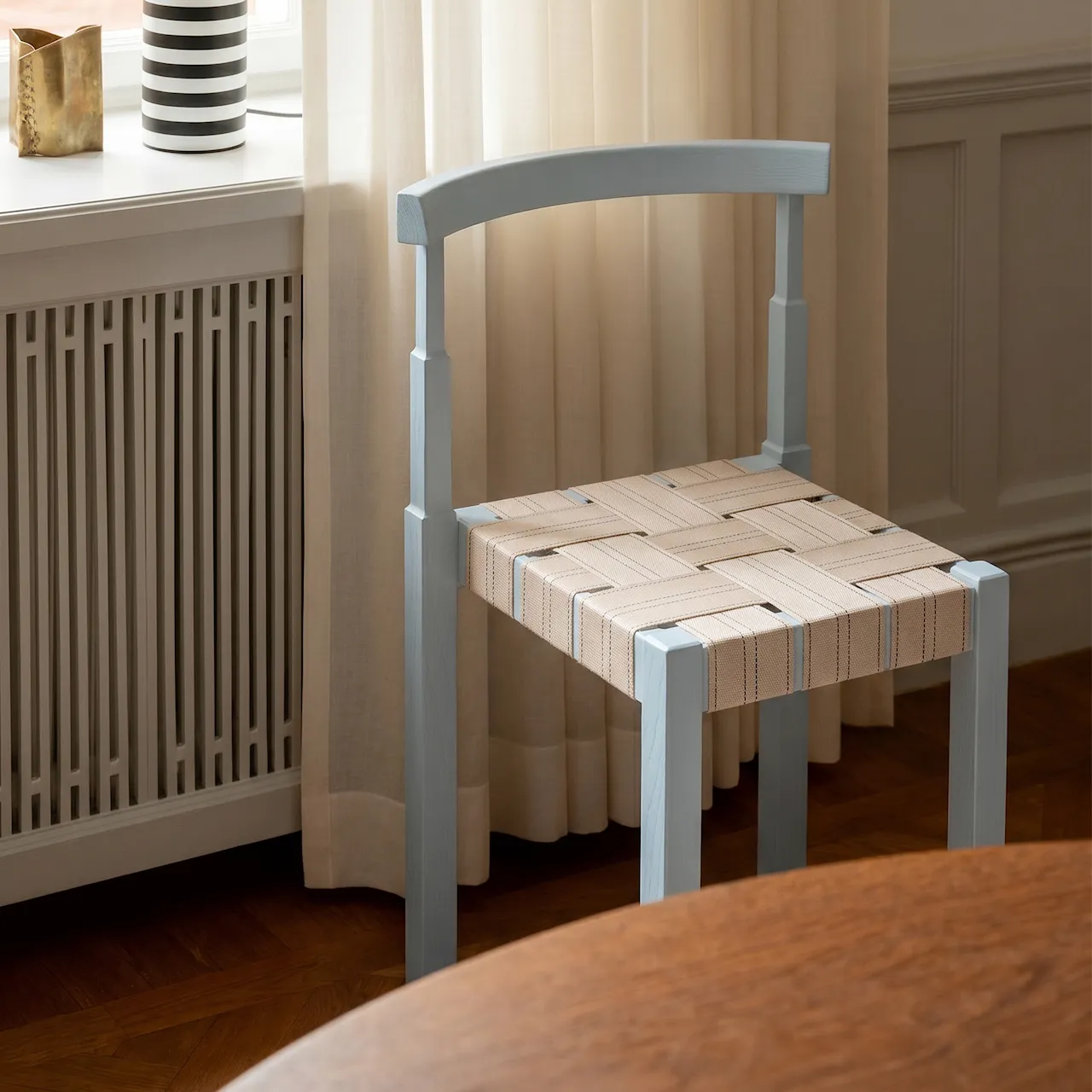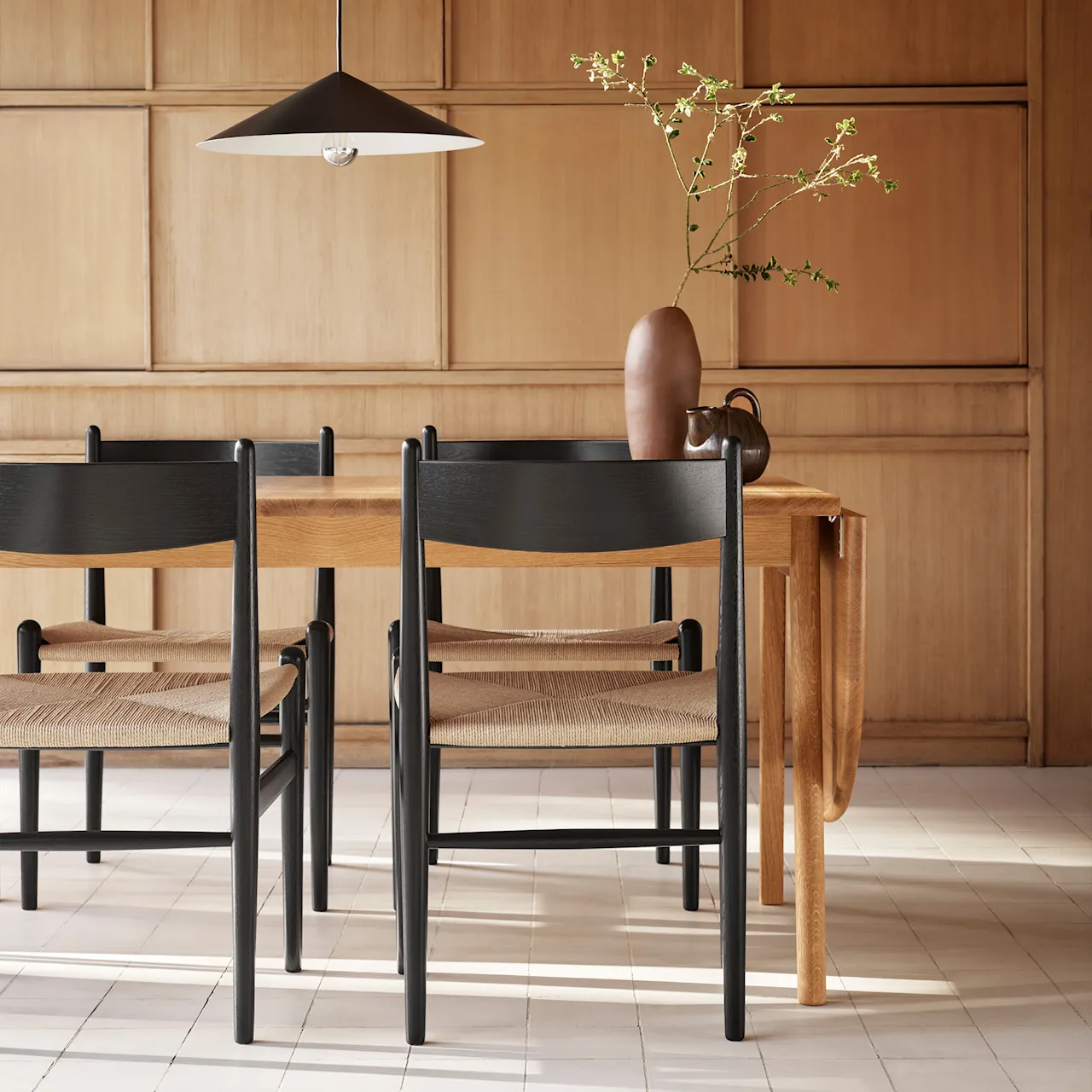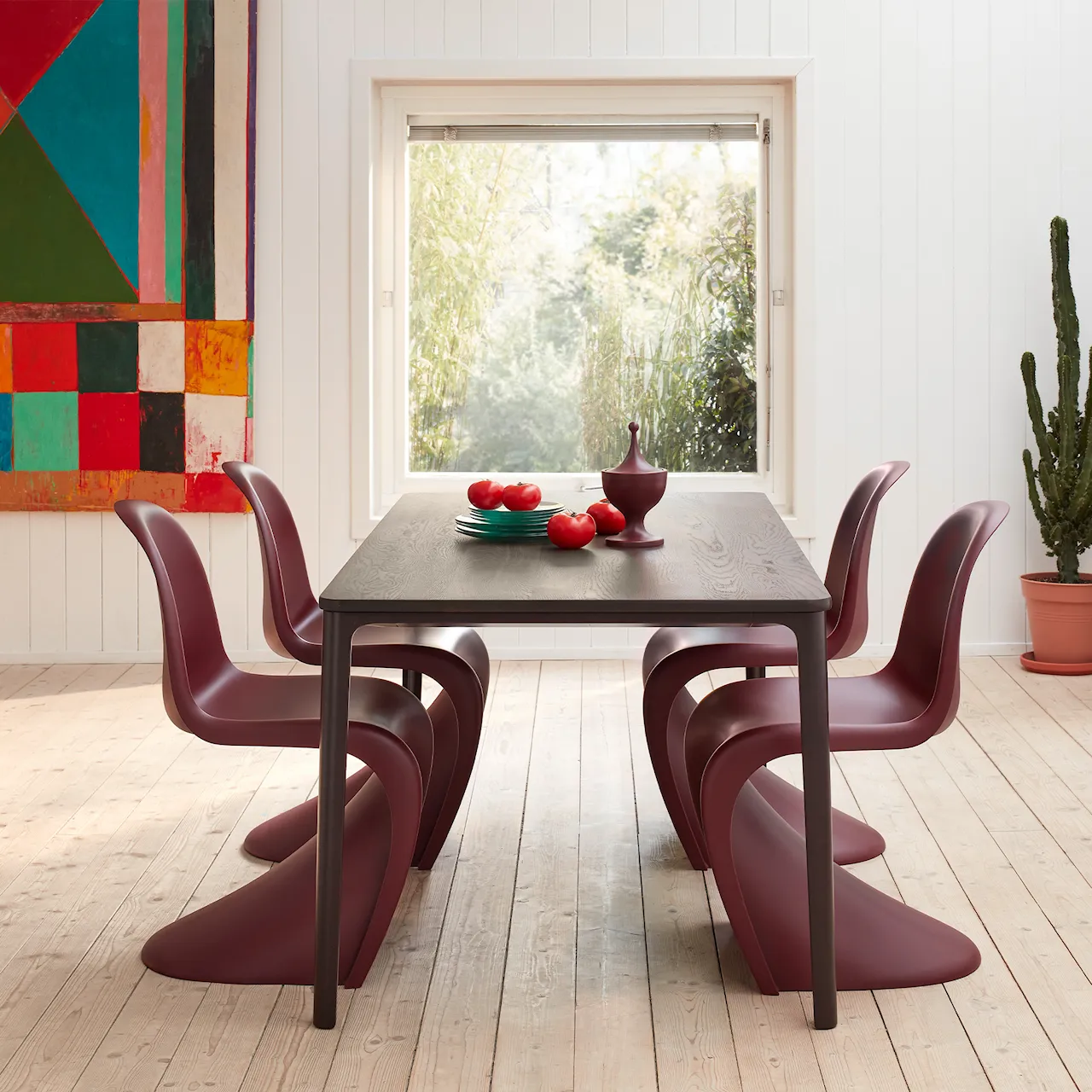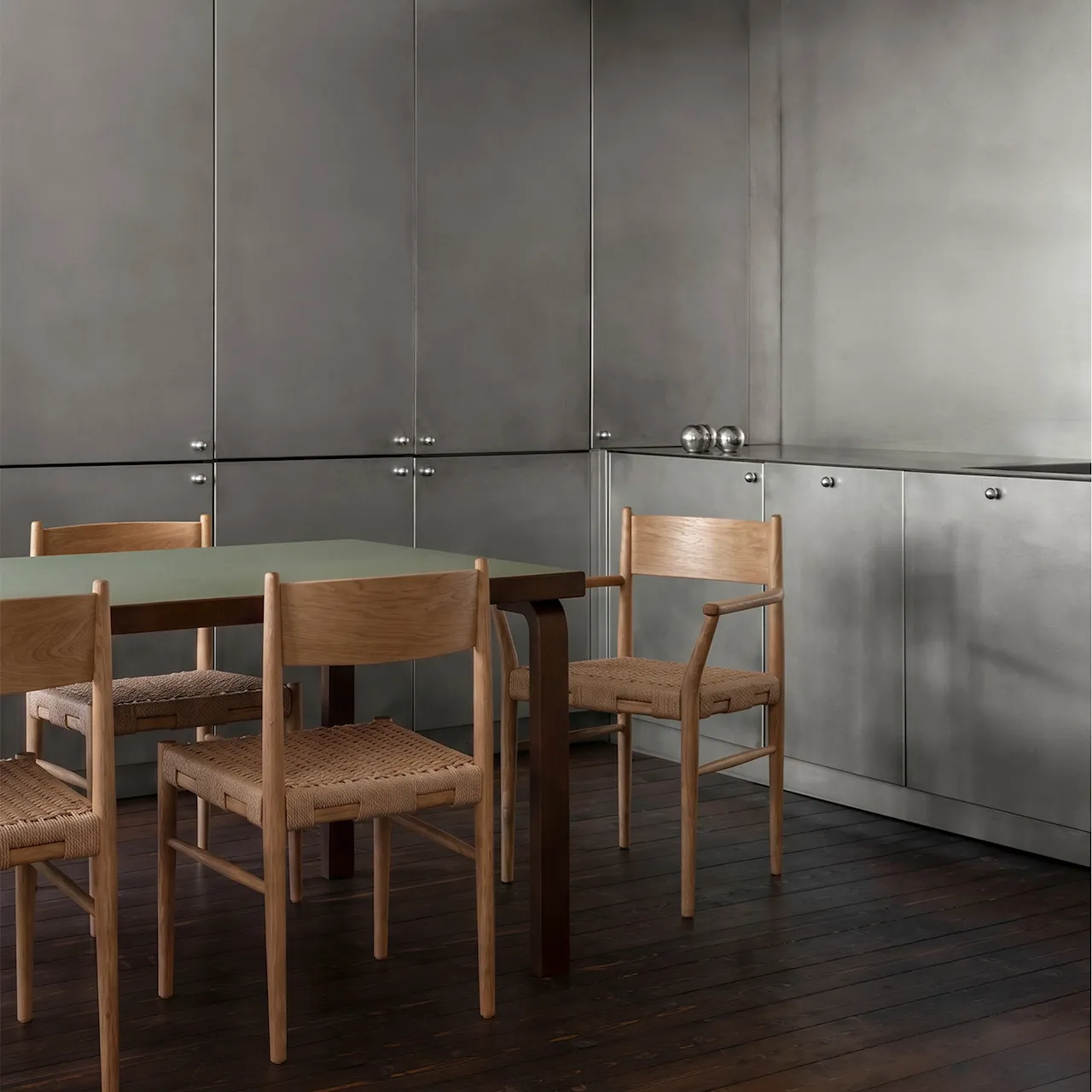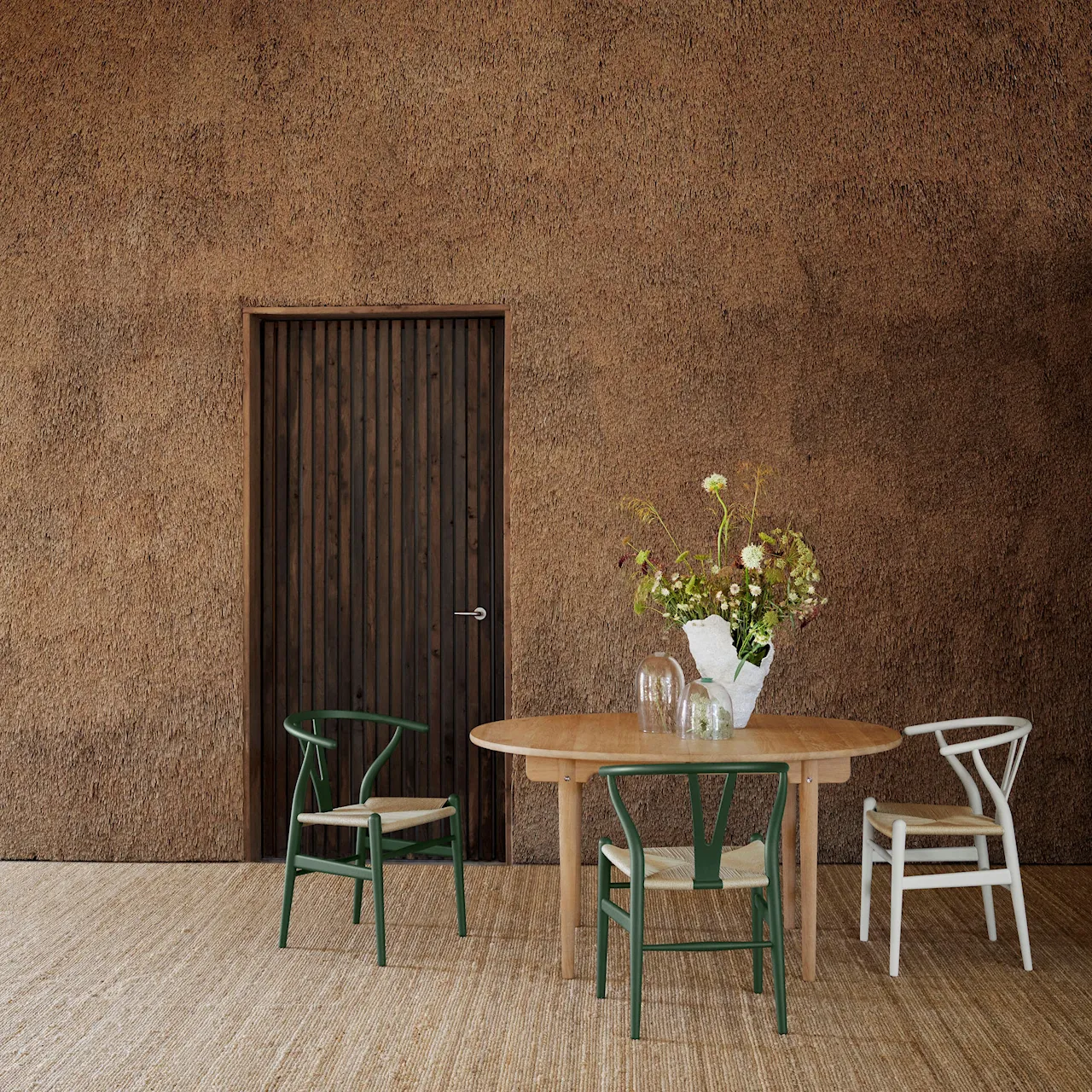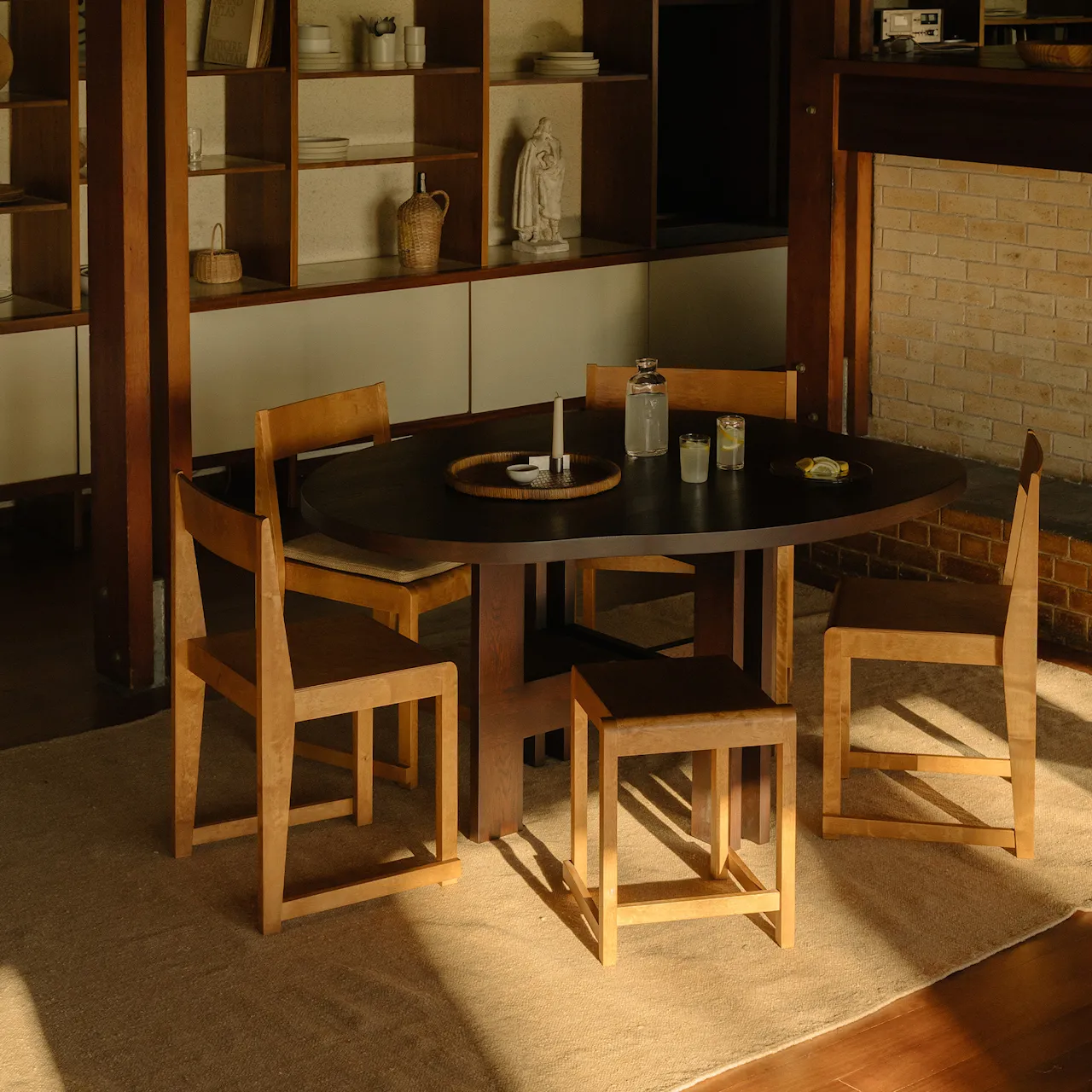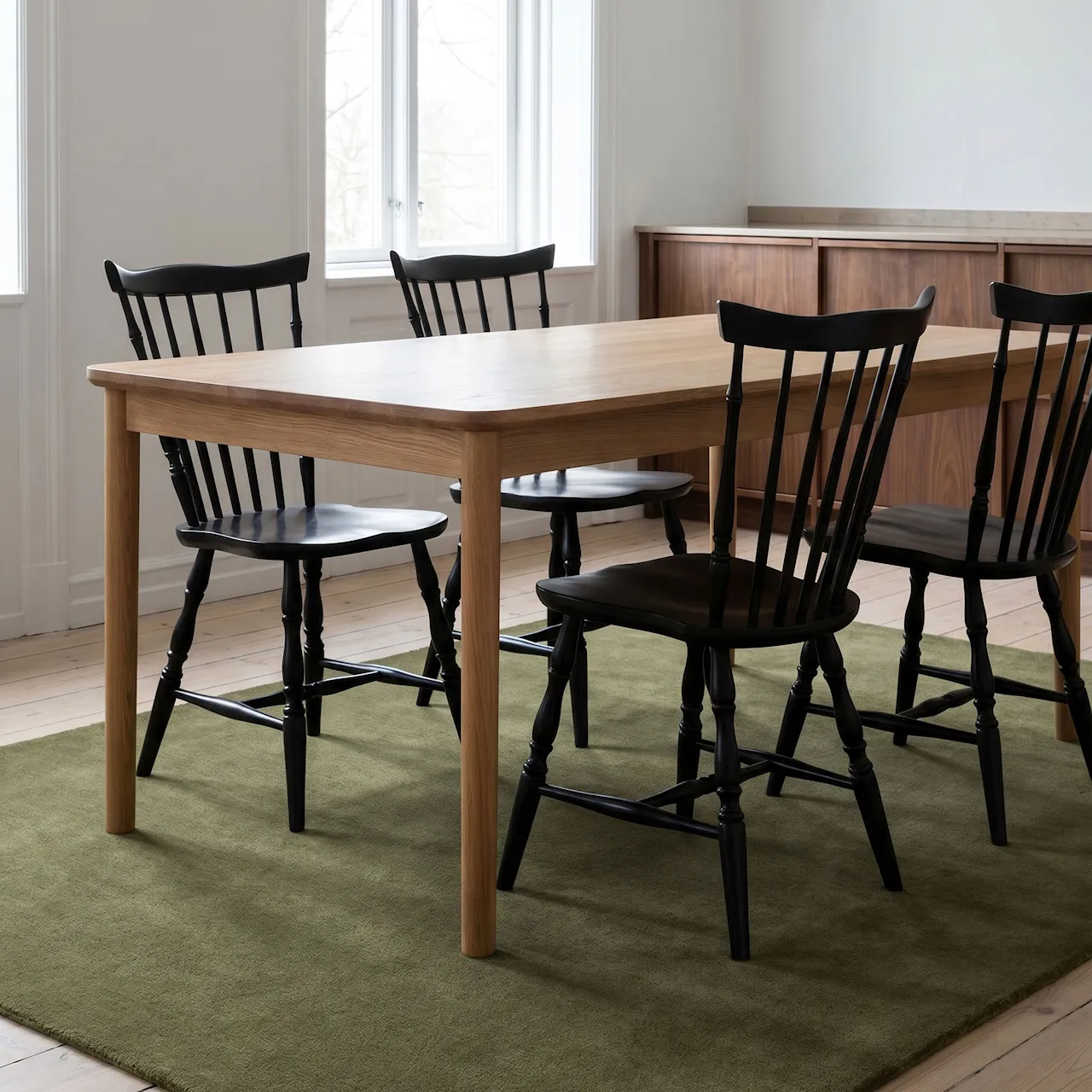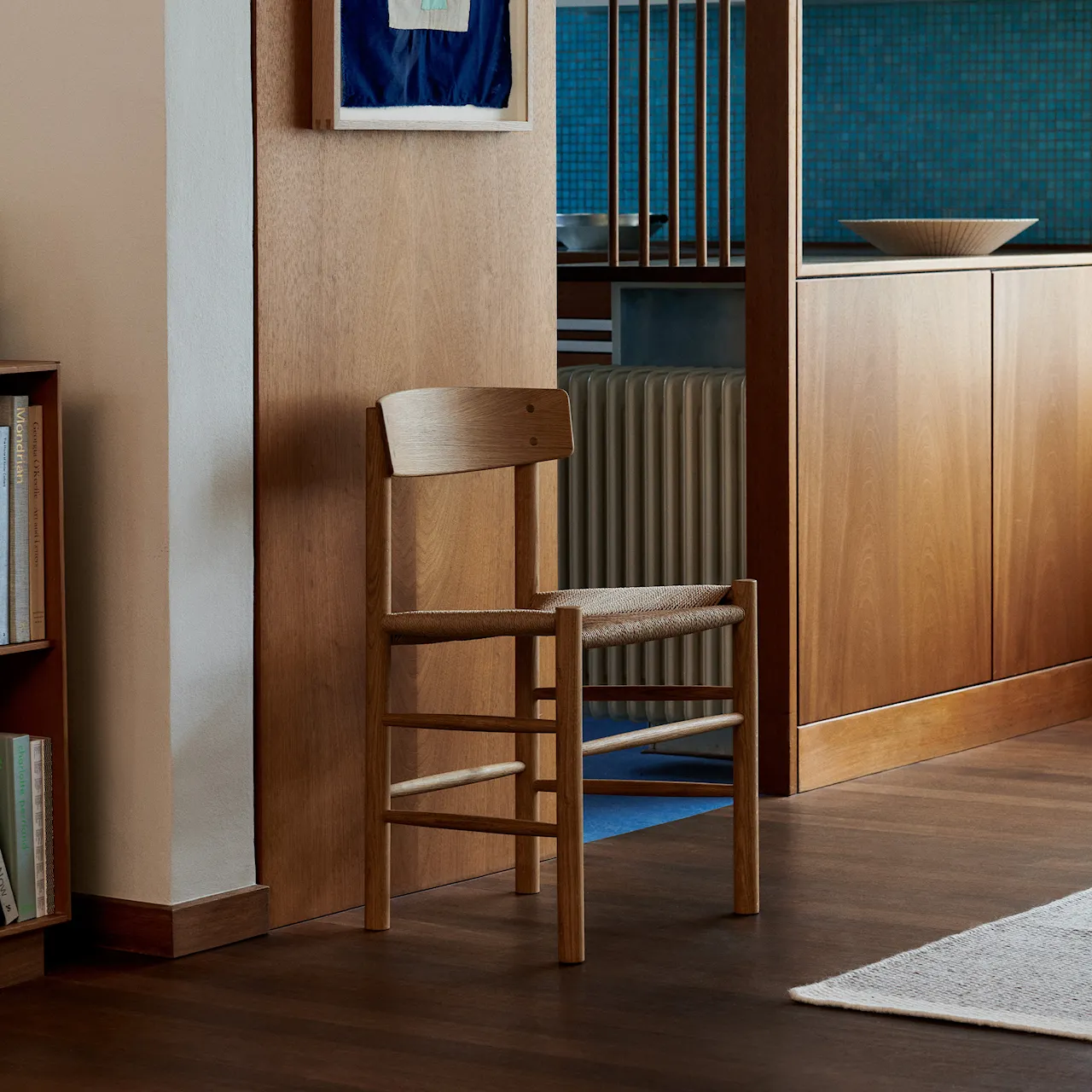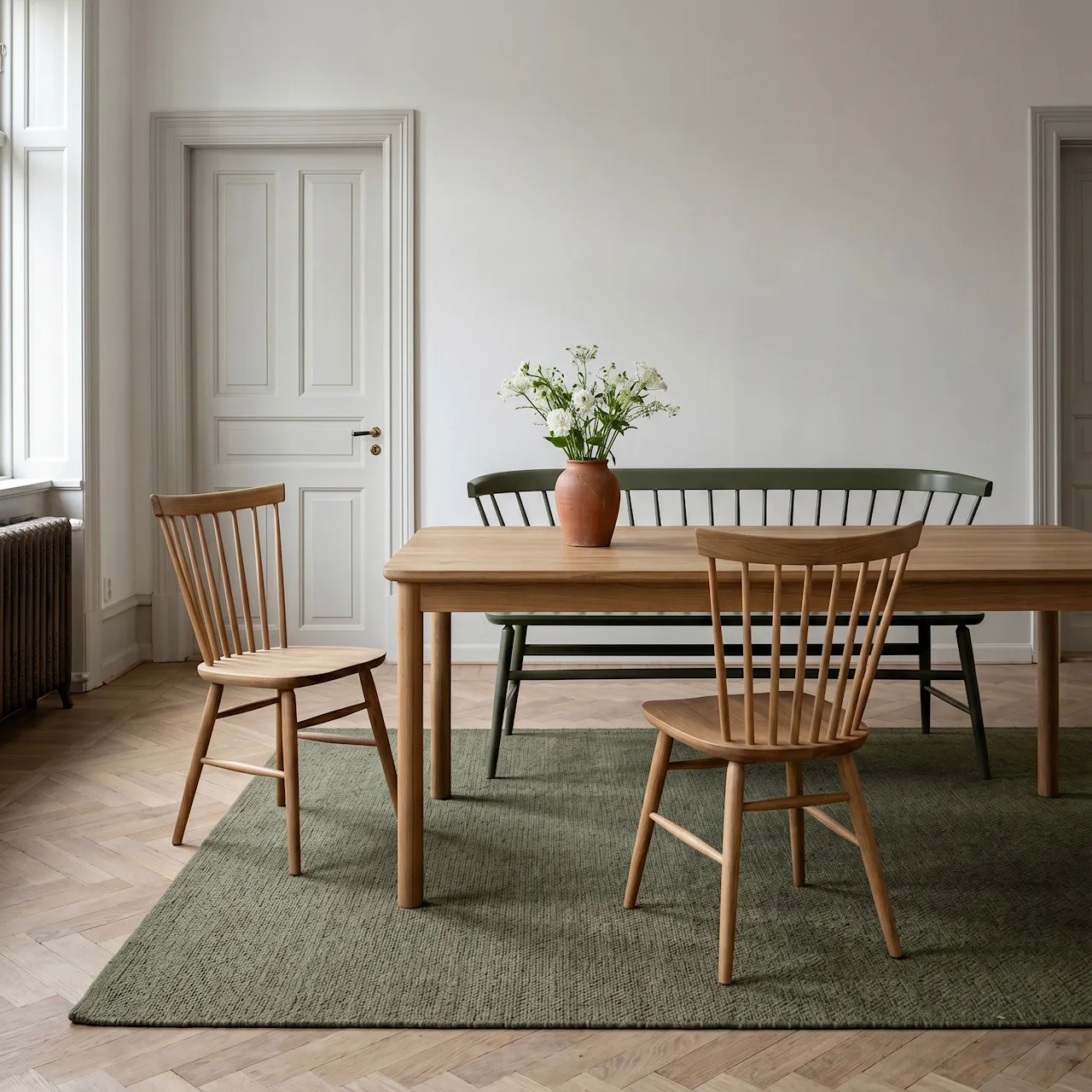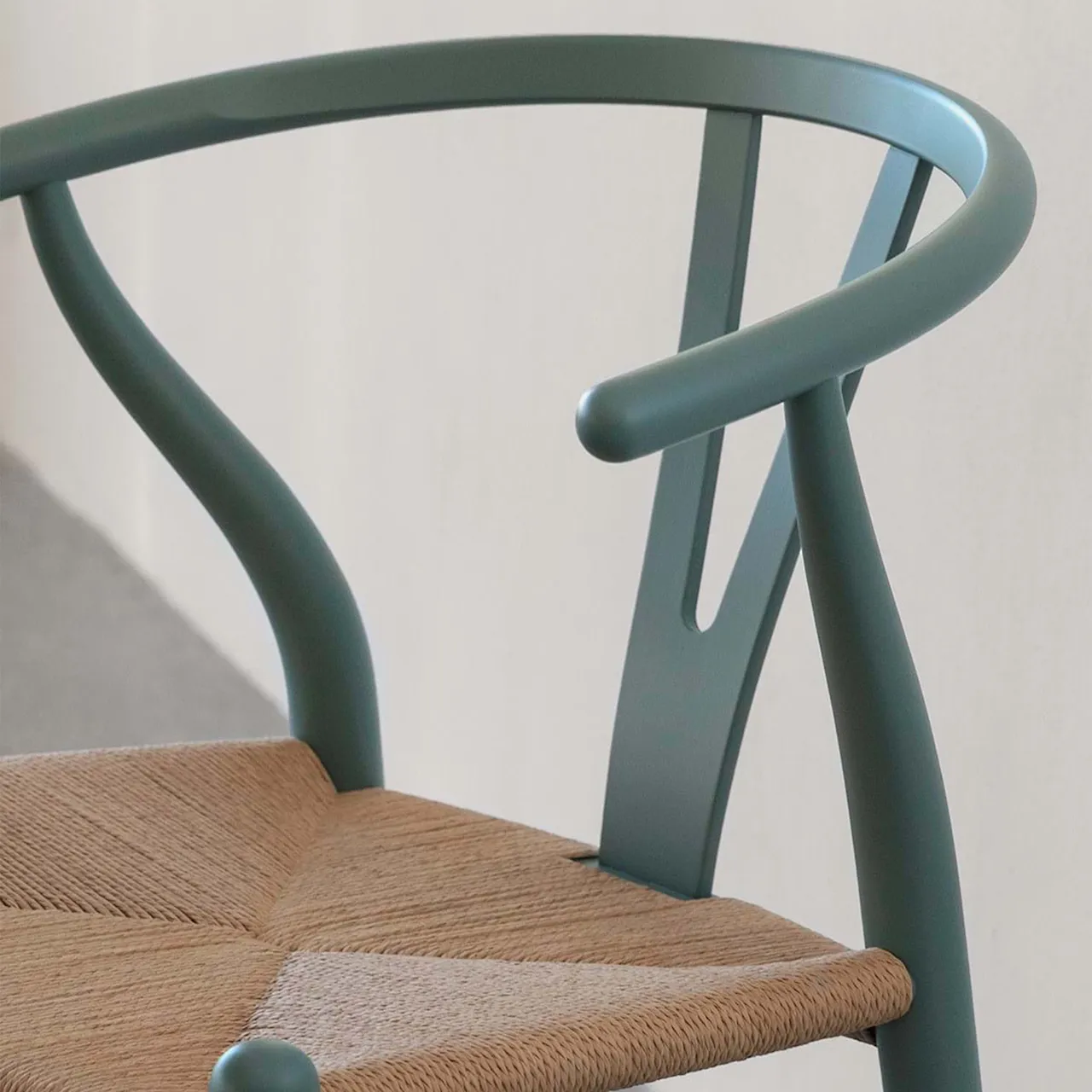
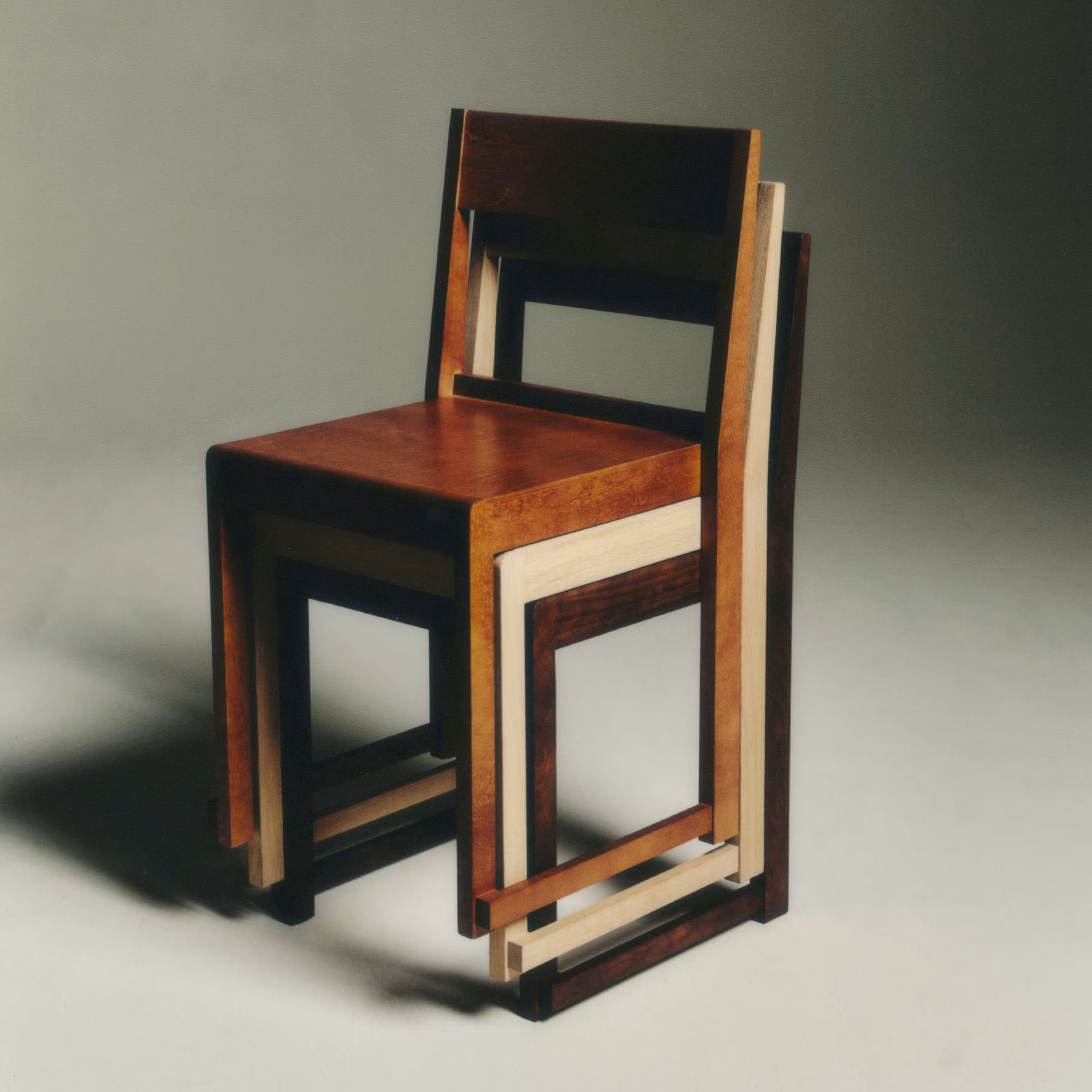
Orchestra Chair by Sven Markelius
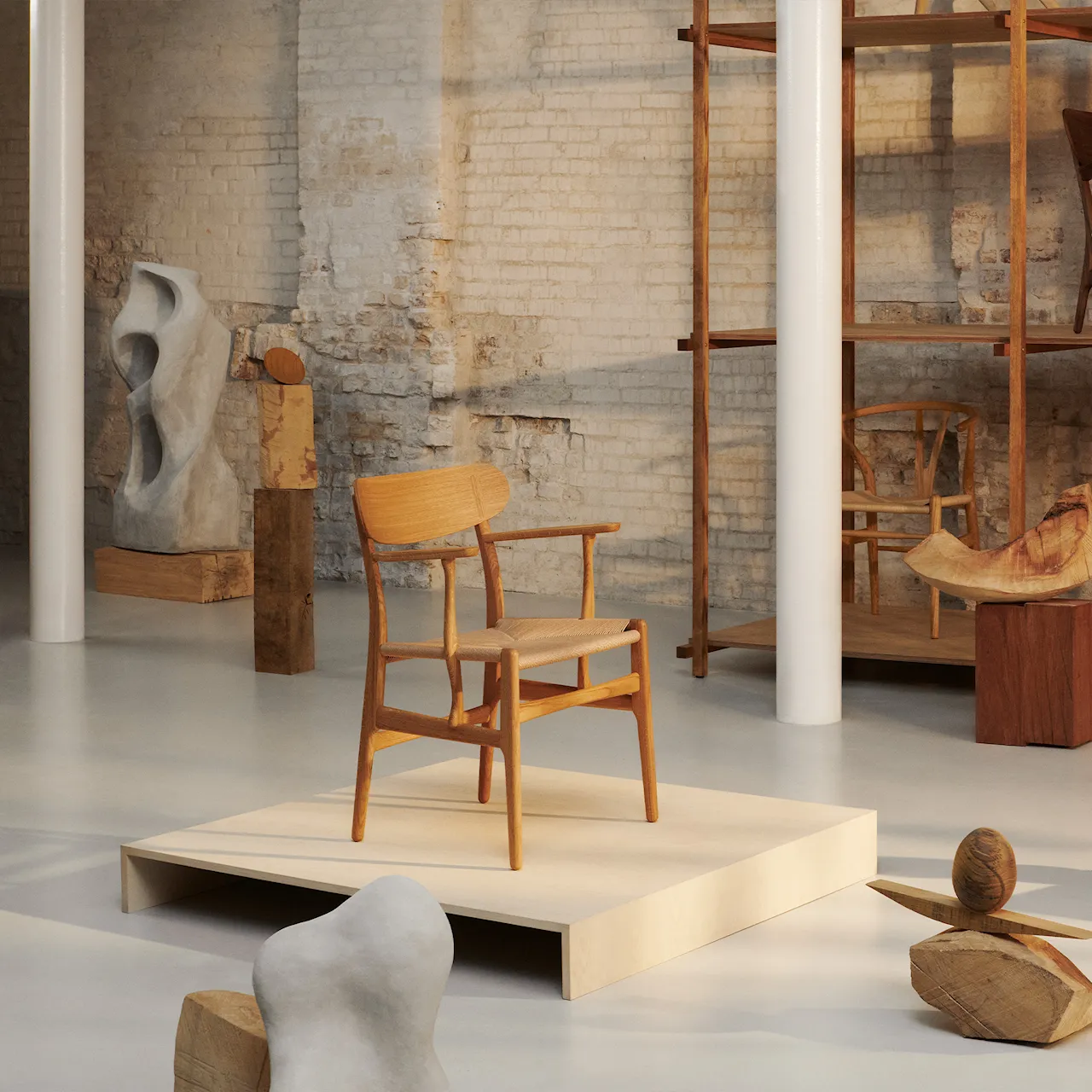
Designed in 1931 by architect Sven Markelius, now launched exclusively for Nordiska Galleriet
Designed in 1931 by architect Sven Markelius, now launched exclusively for Nordiska Galleriet
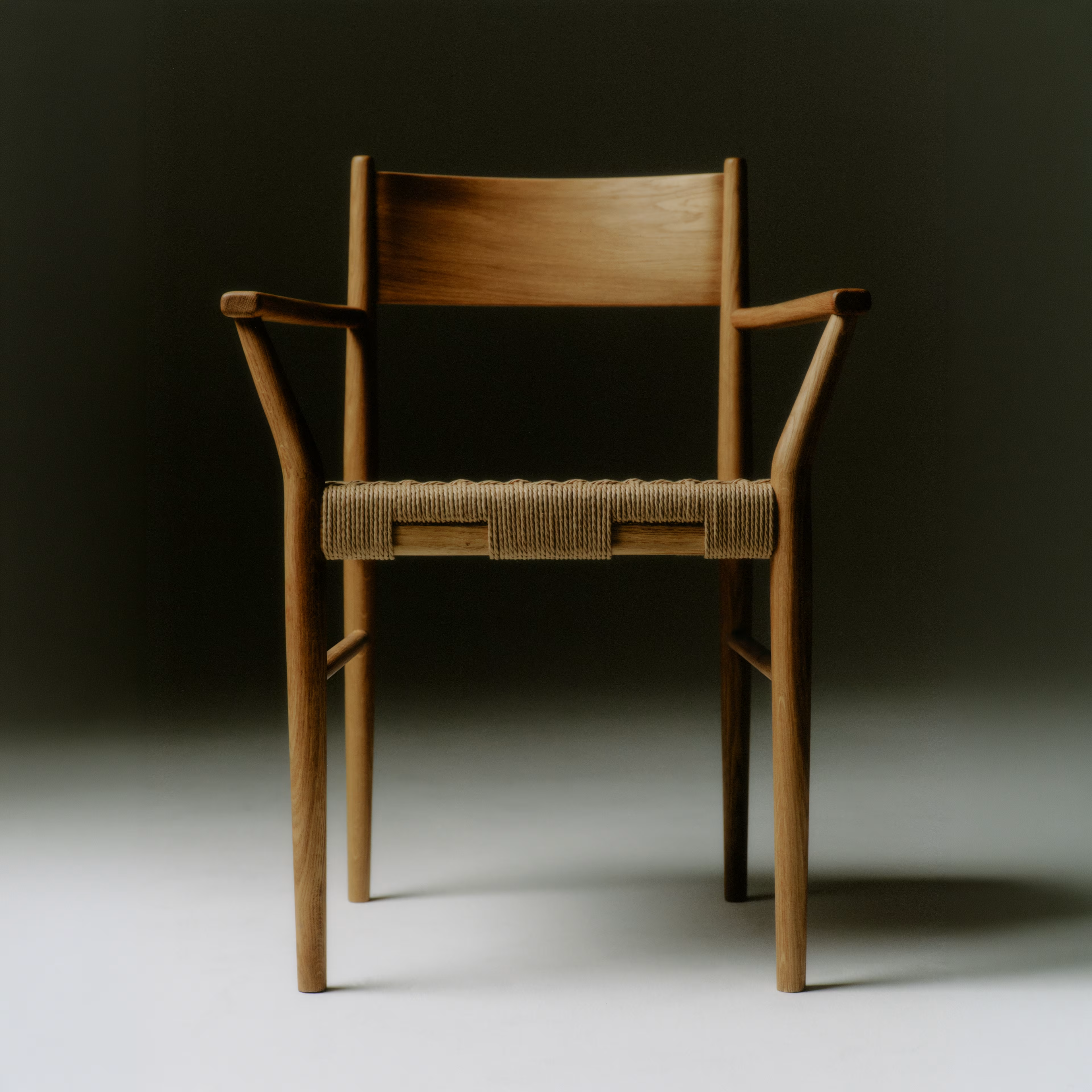
Traditional craftsmanship meets a contemporary design language
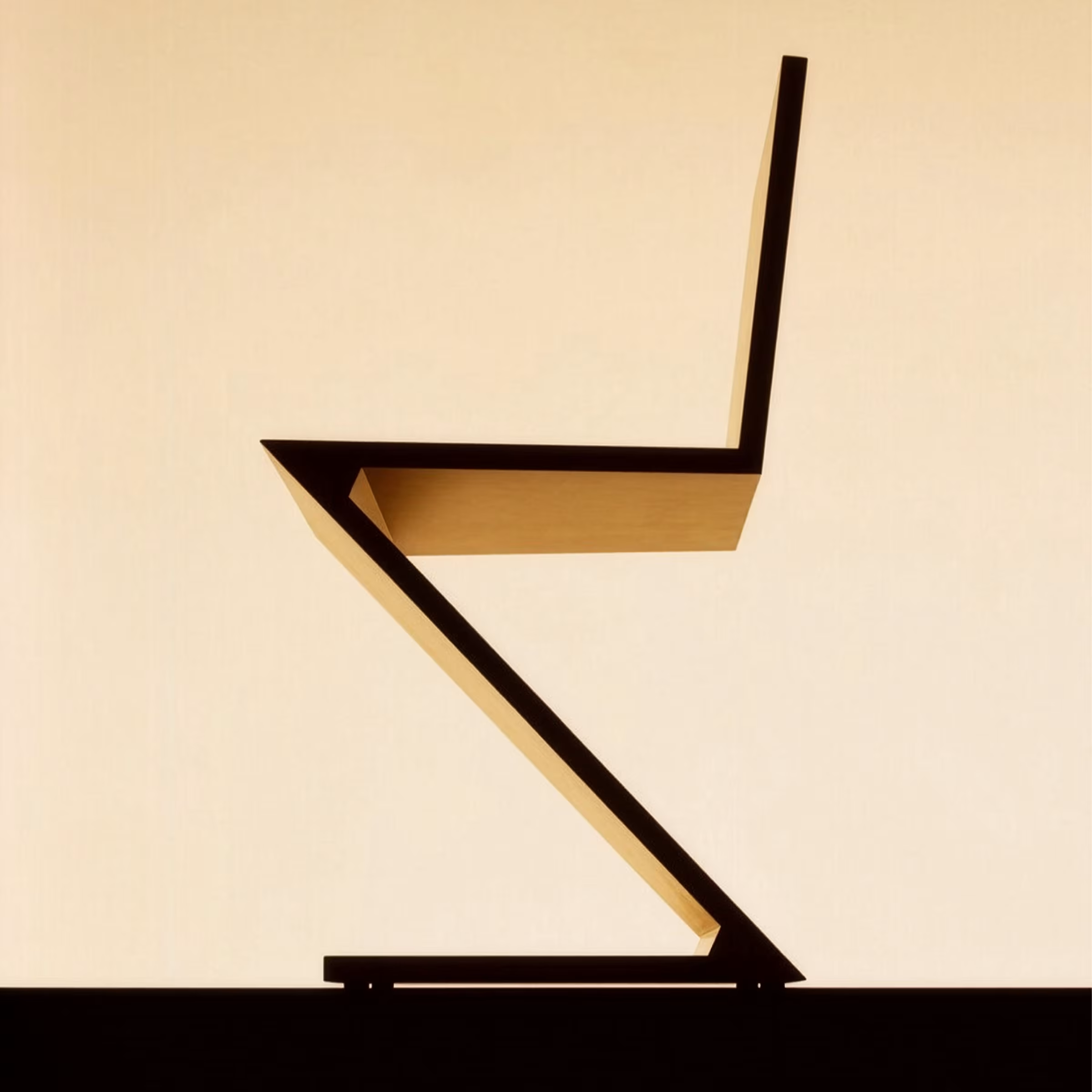
From classics to contemporary interpretations. We select the season’s finest seating from leading Swedish and international brands
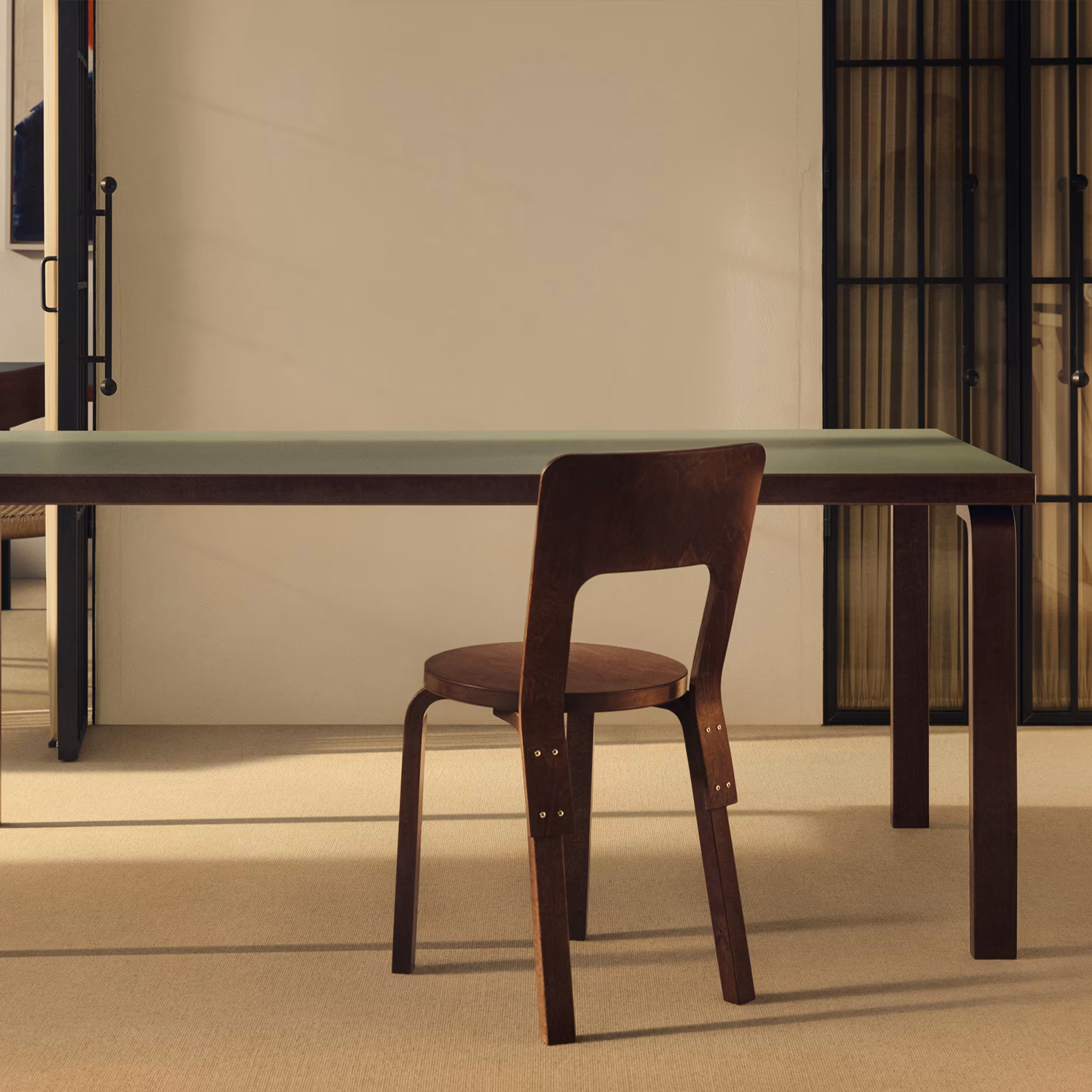
Discover exclusive editions and collaborations with leading designers and brands
408 products
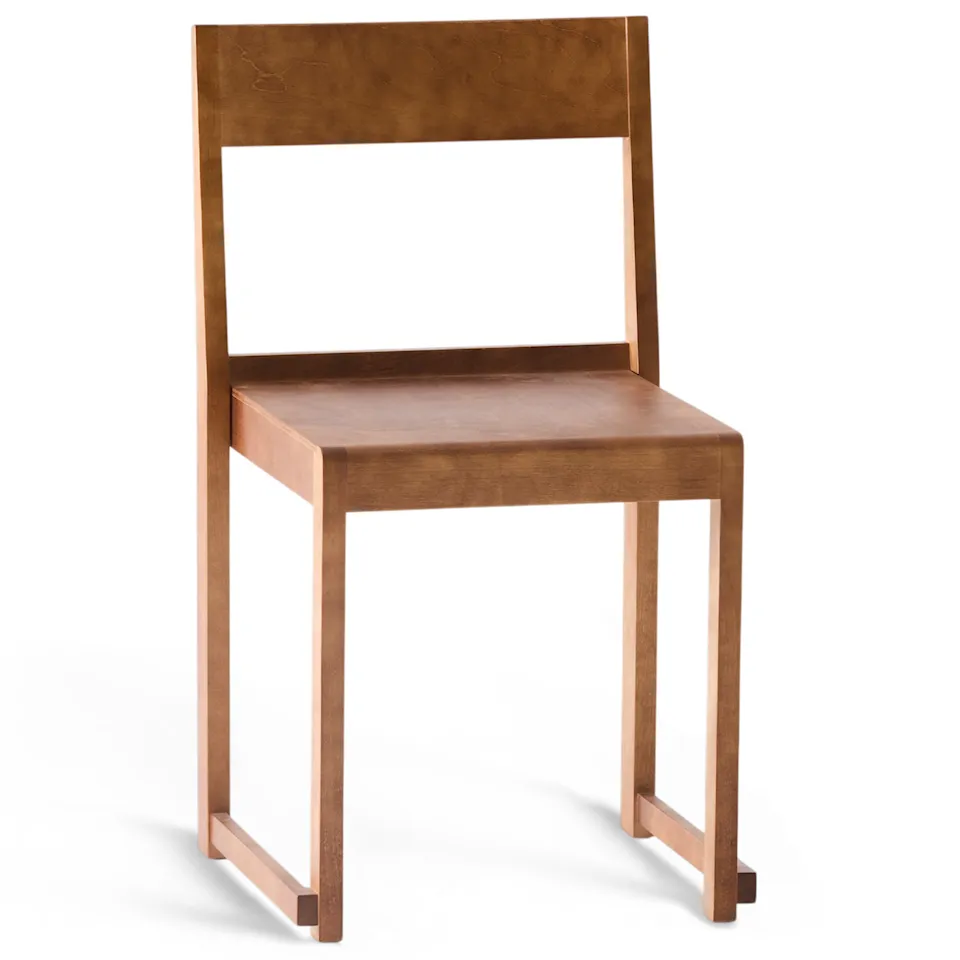
NOGA
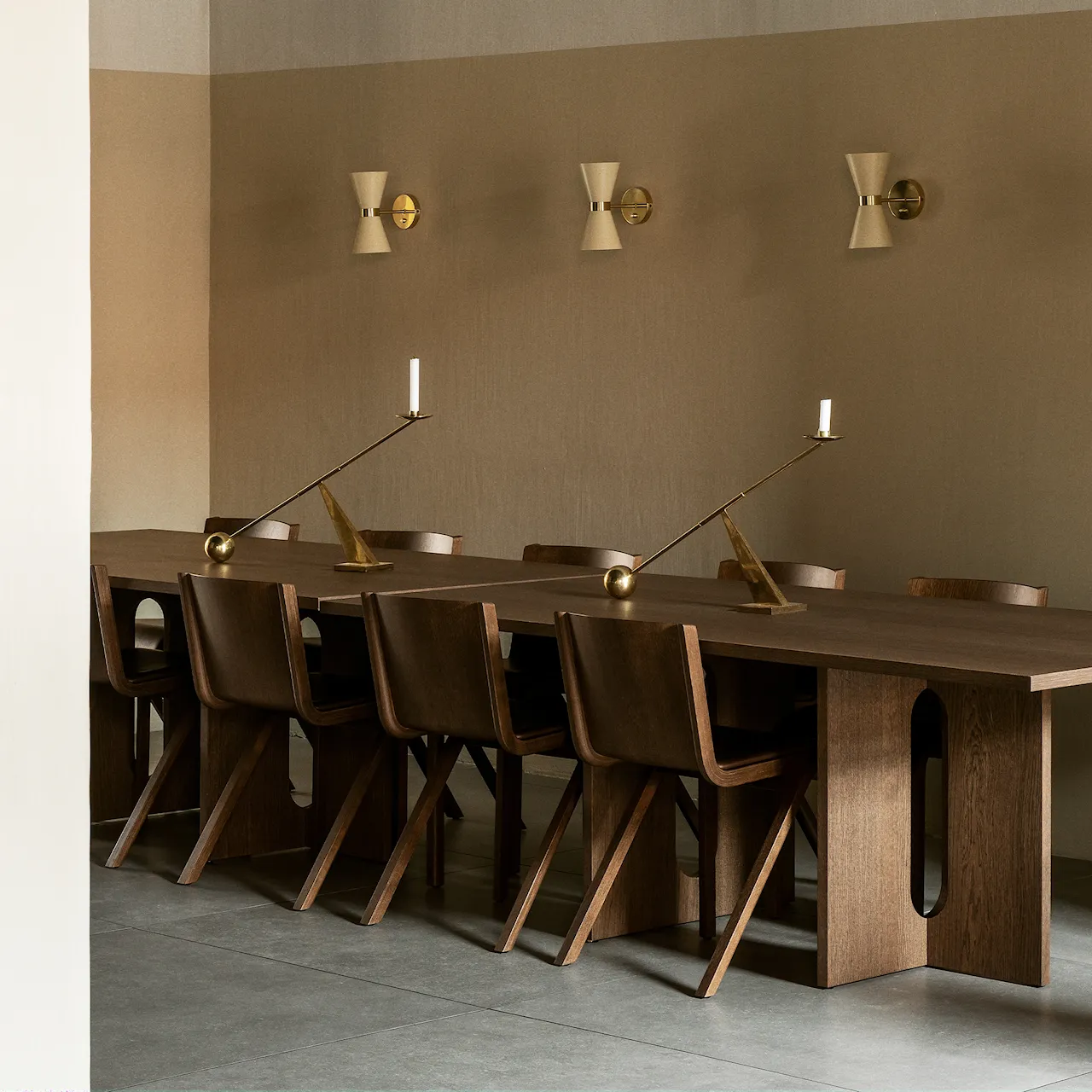
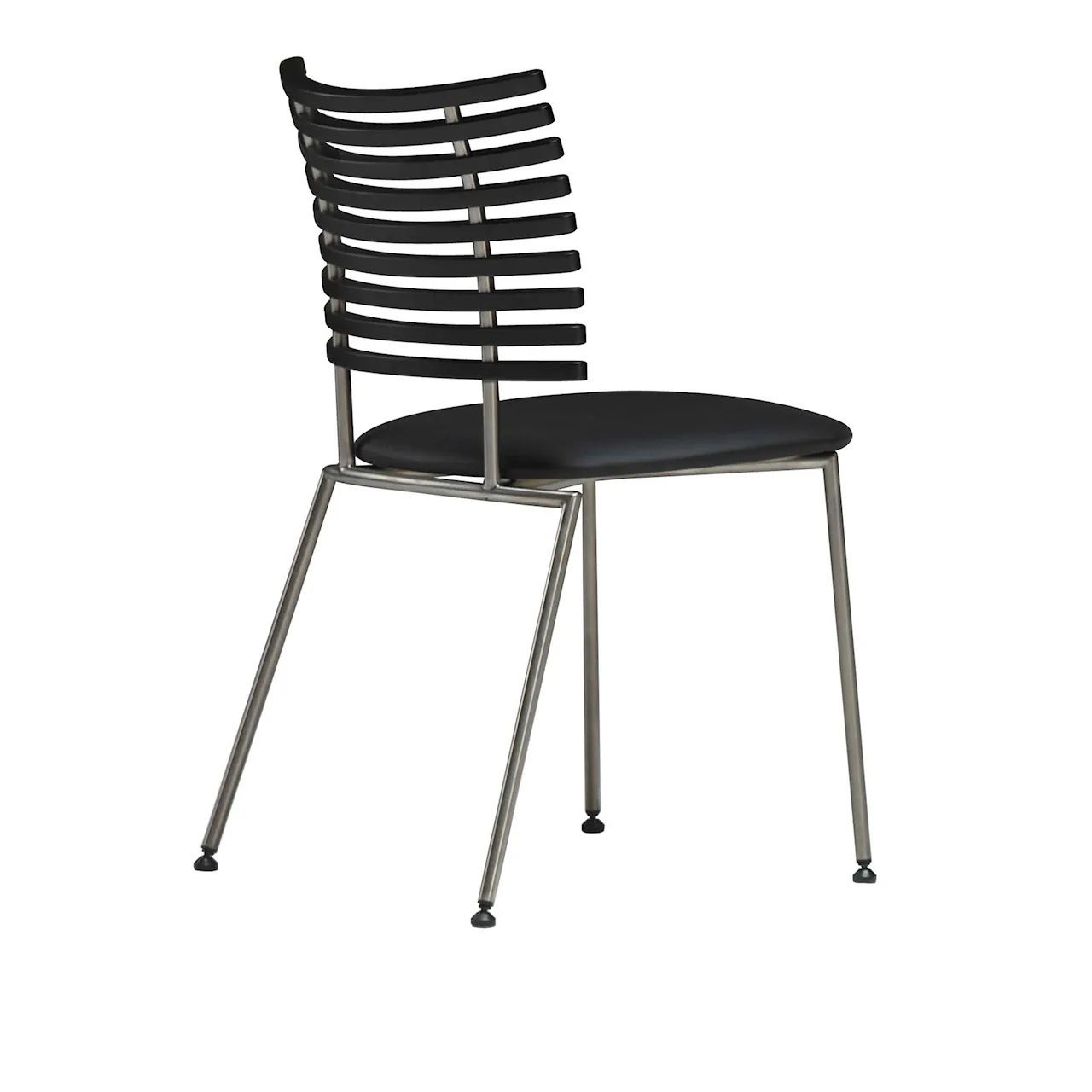
Orchestra Chair
From €421€495
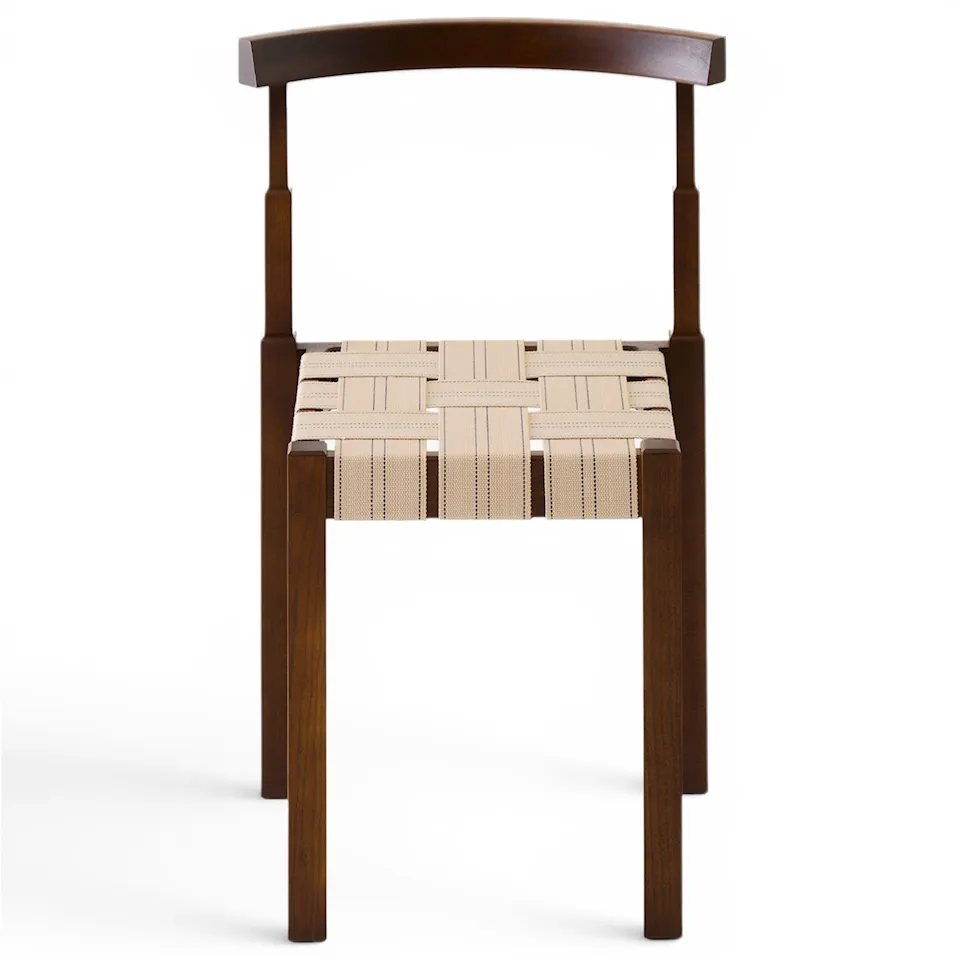
NOGA
Empire Chair
From €383€450
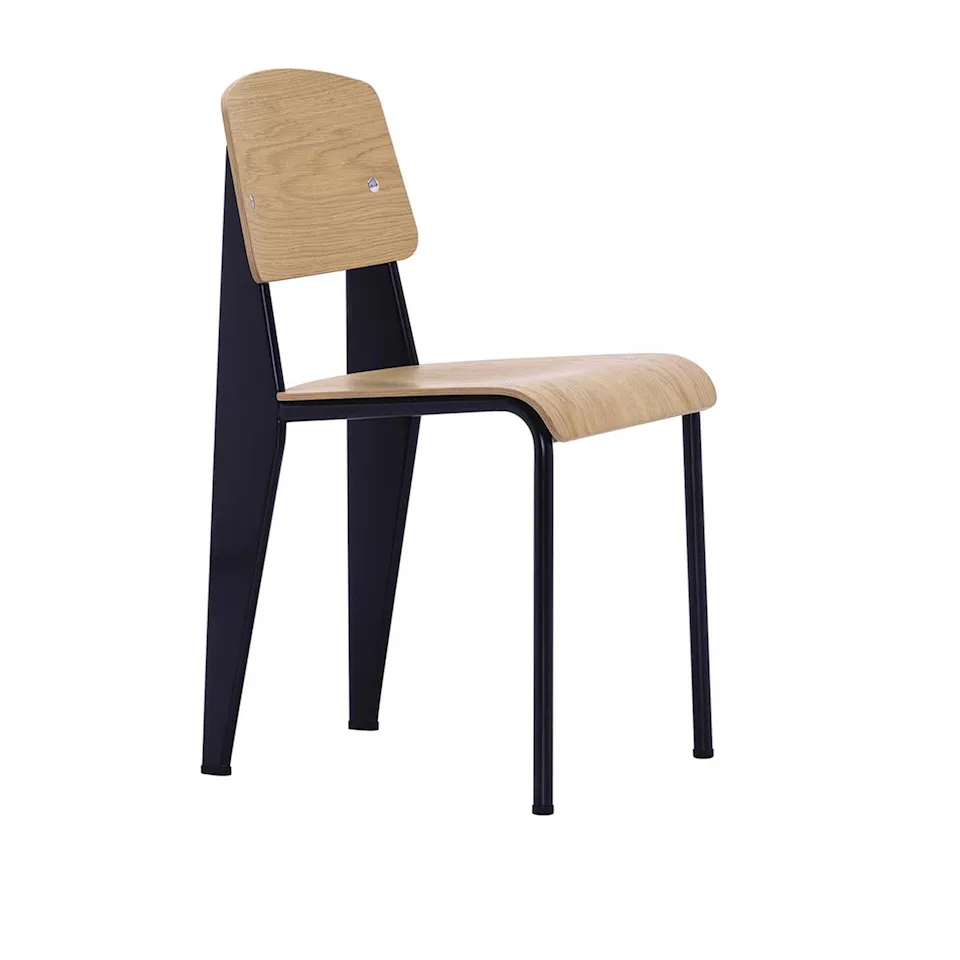
Vitra
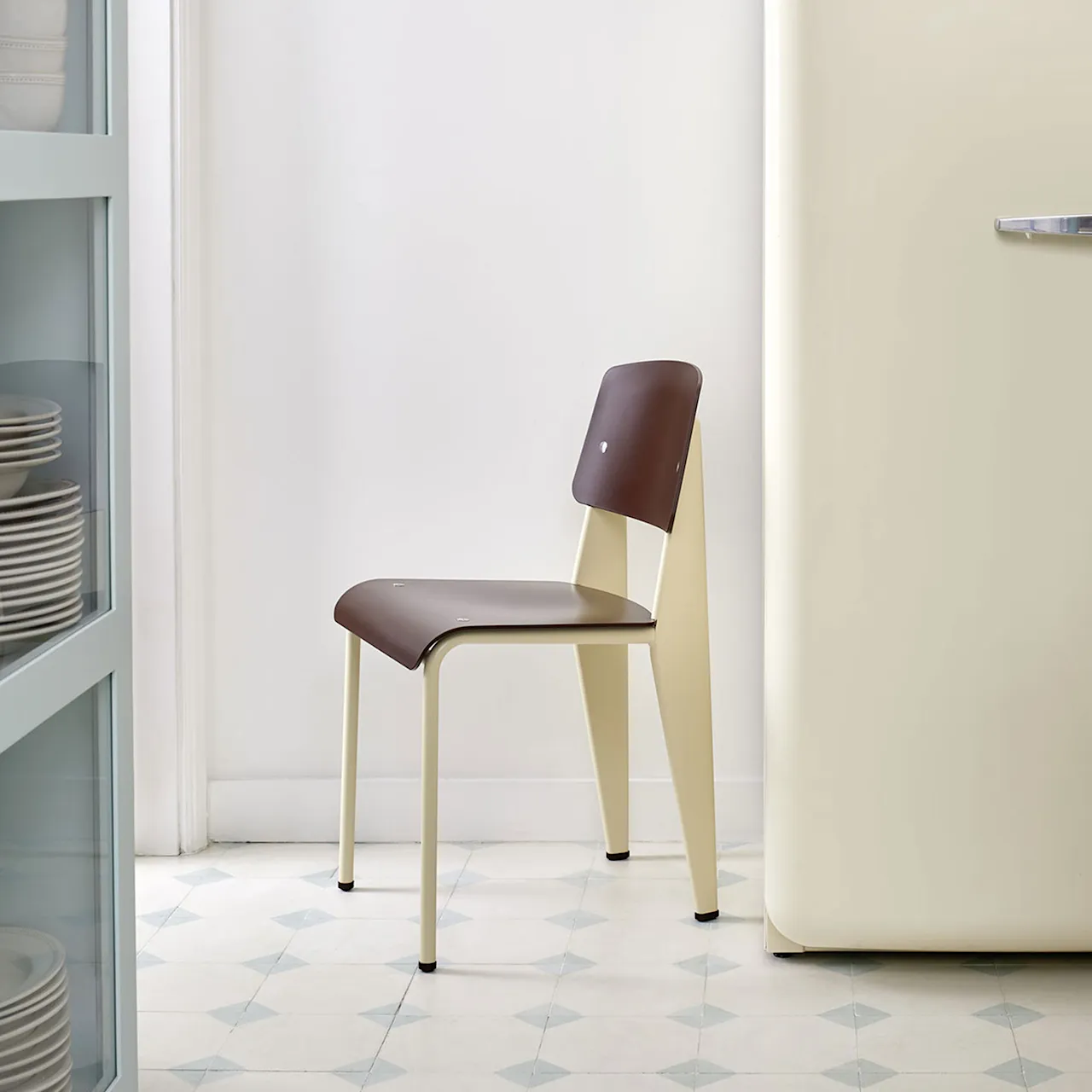
Standard Chair
€865
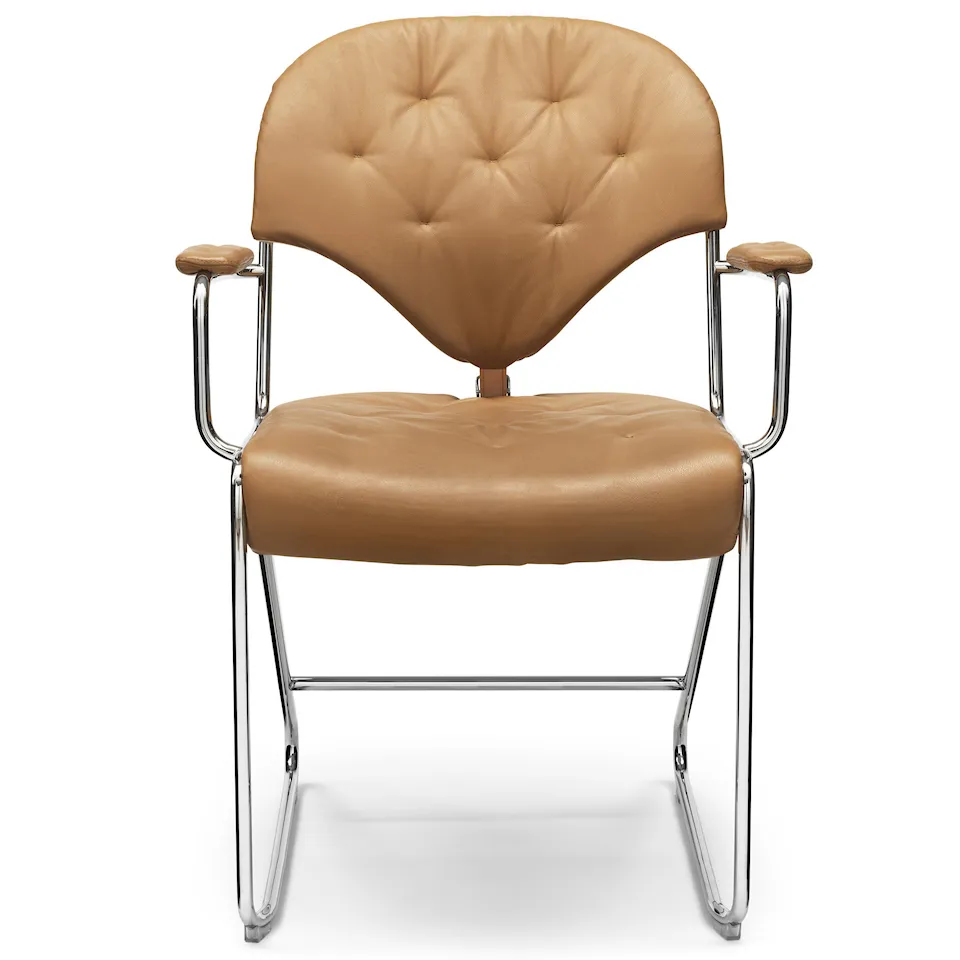
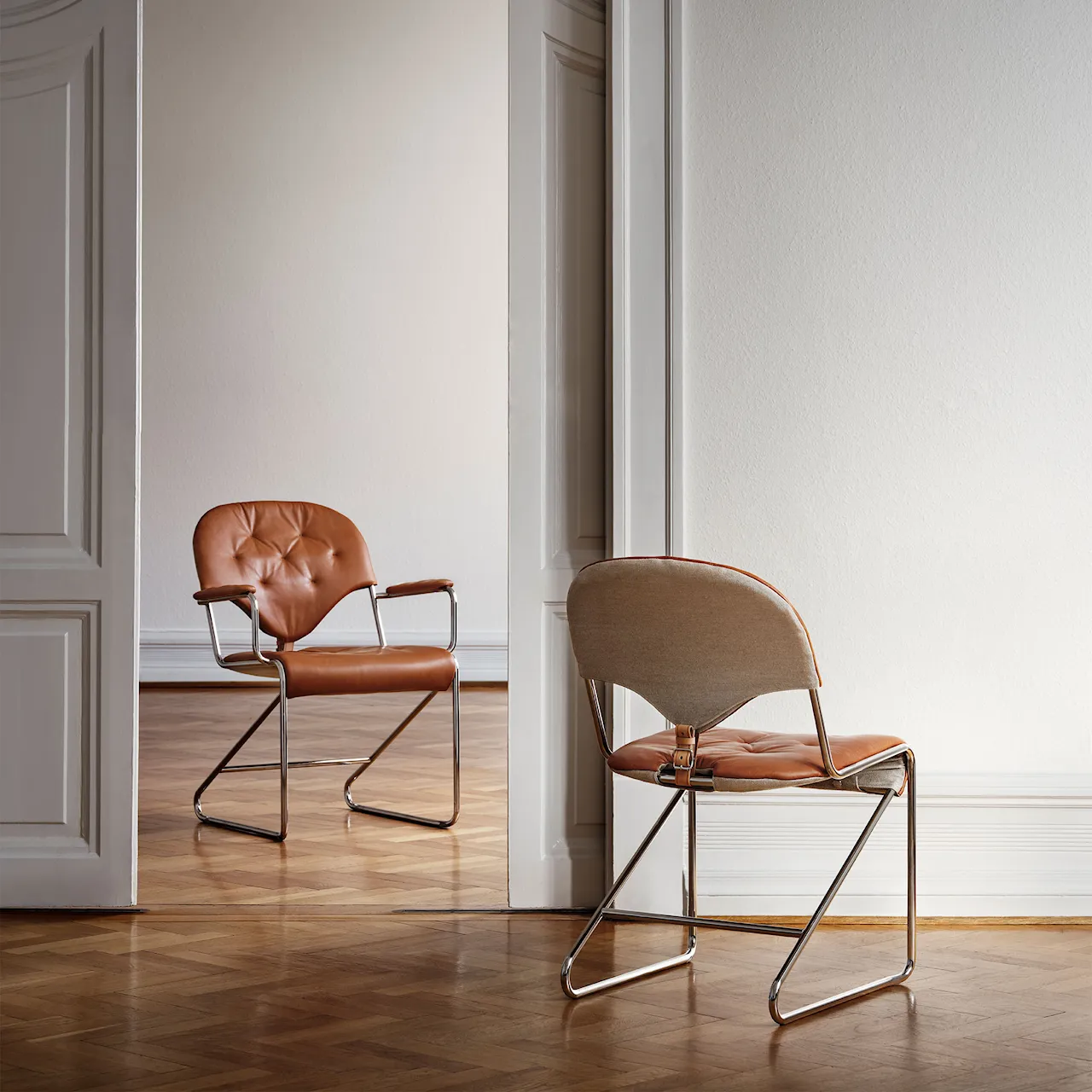
DUX
Sam Karmstol
From €1,460
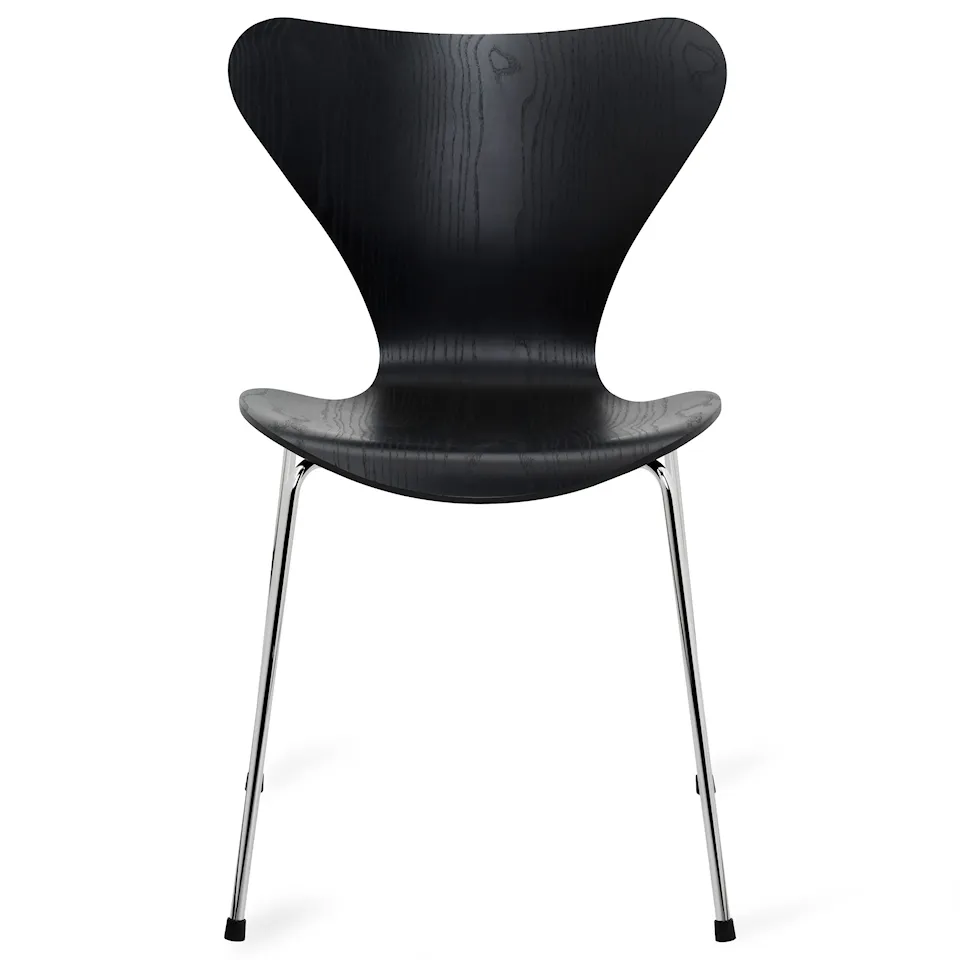
Fritz Hansen
Series 7 chair 3107 coloured ash veneer
From €399€469
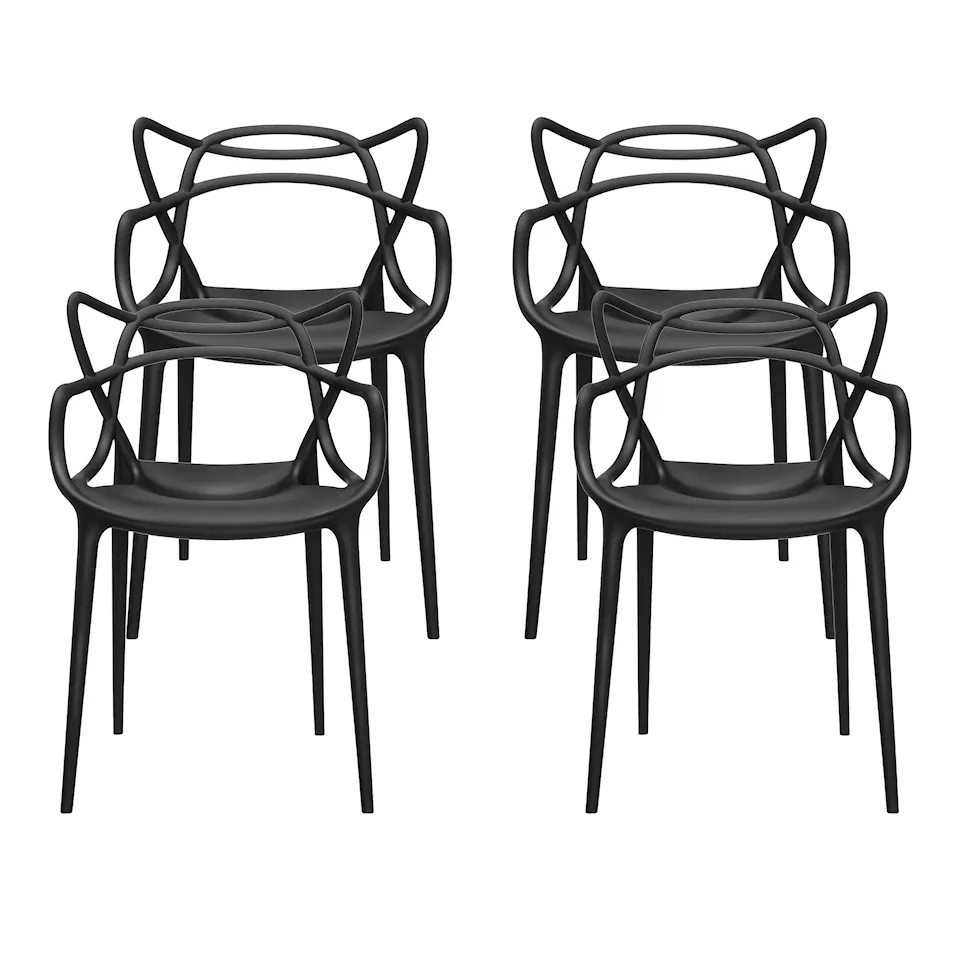
Kartell
Masters Chair 4-pack
€874€1,028
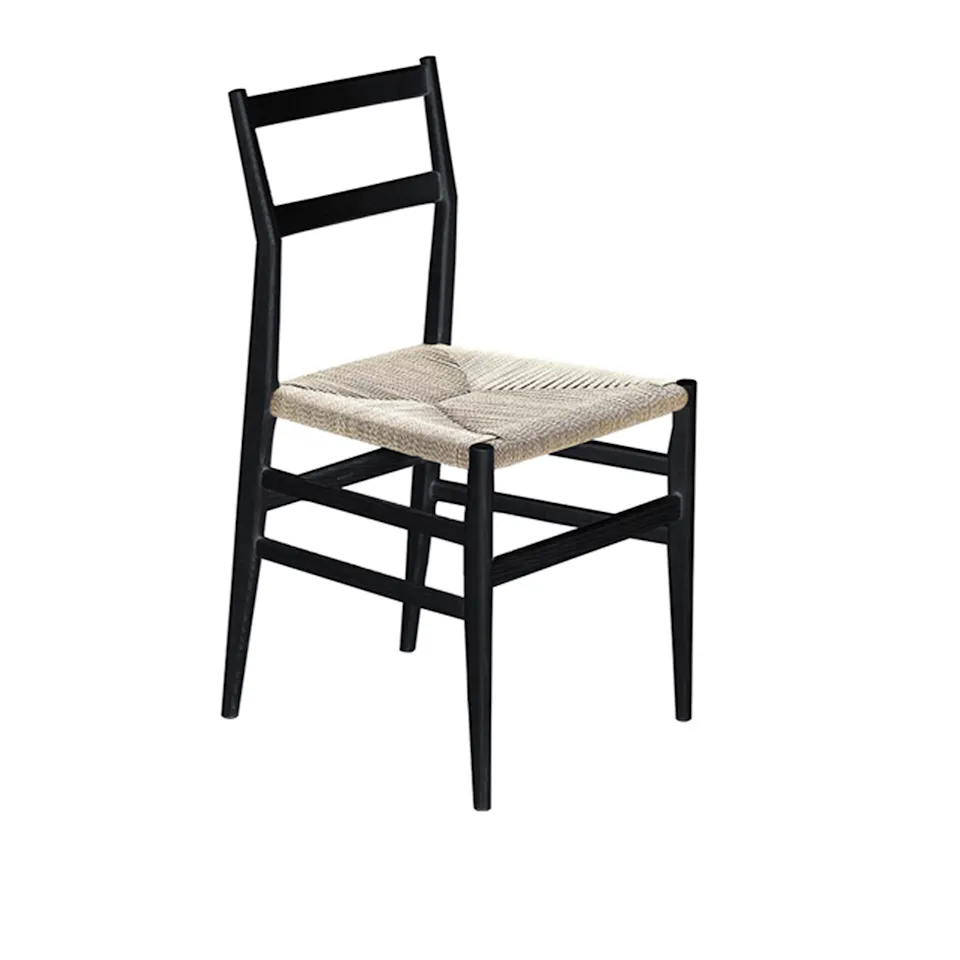
Cassina
646 Leggera Rope Seat
From €952
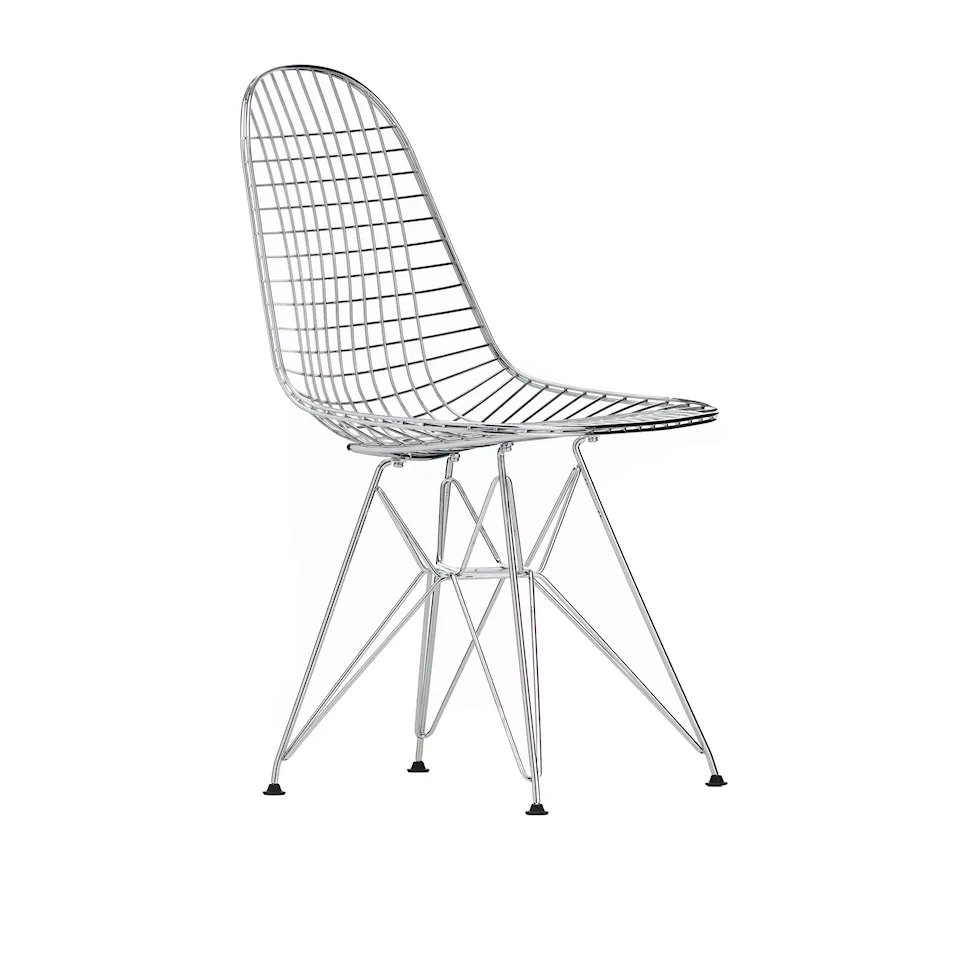
Vitra
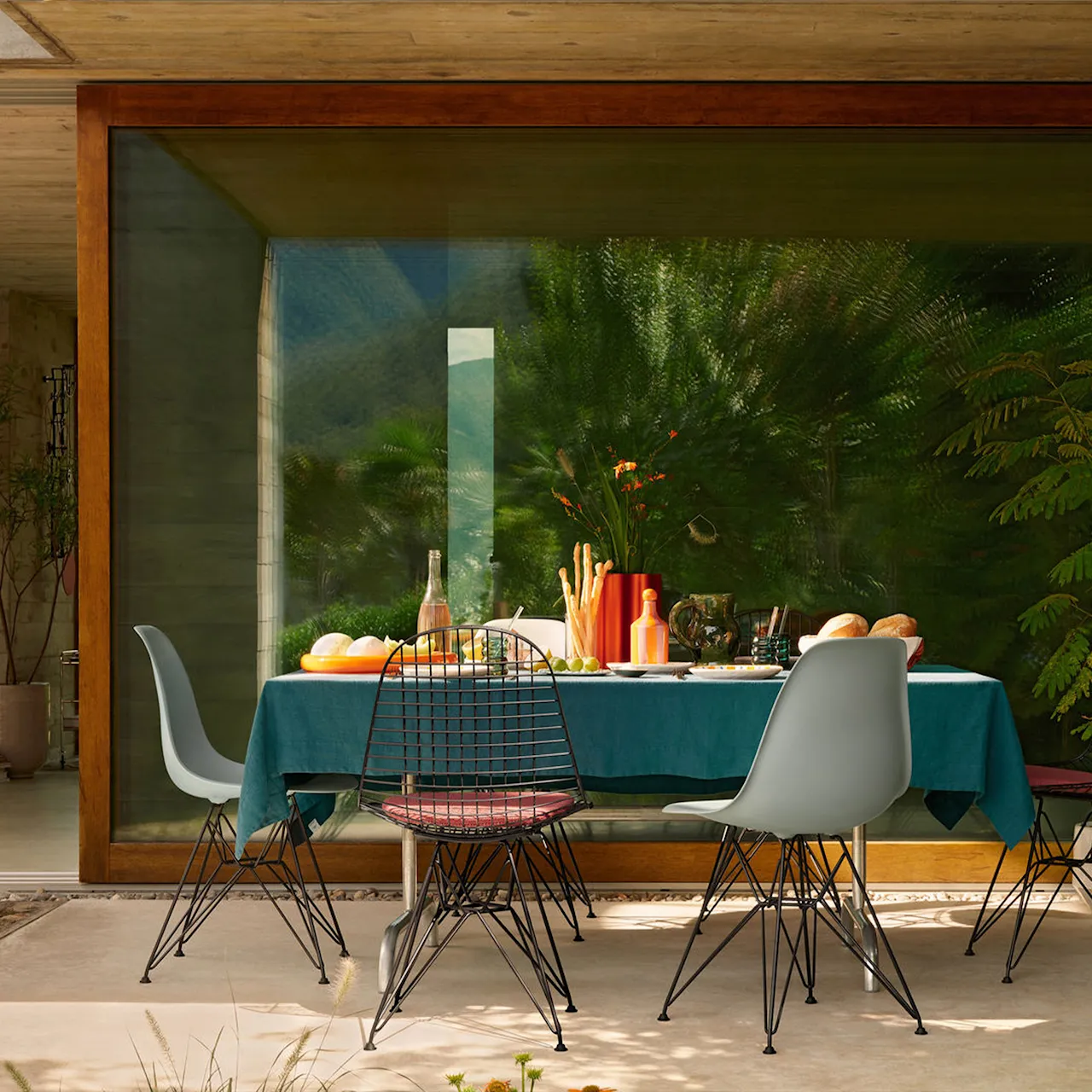
Wire Chair DKR Chair
€465
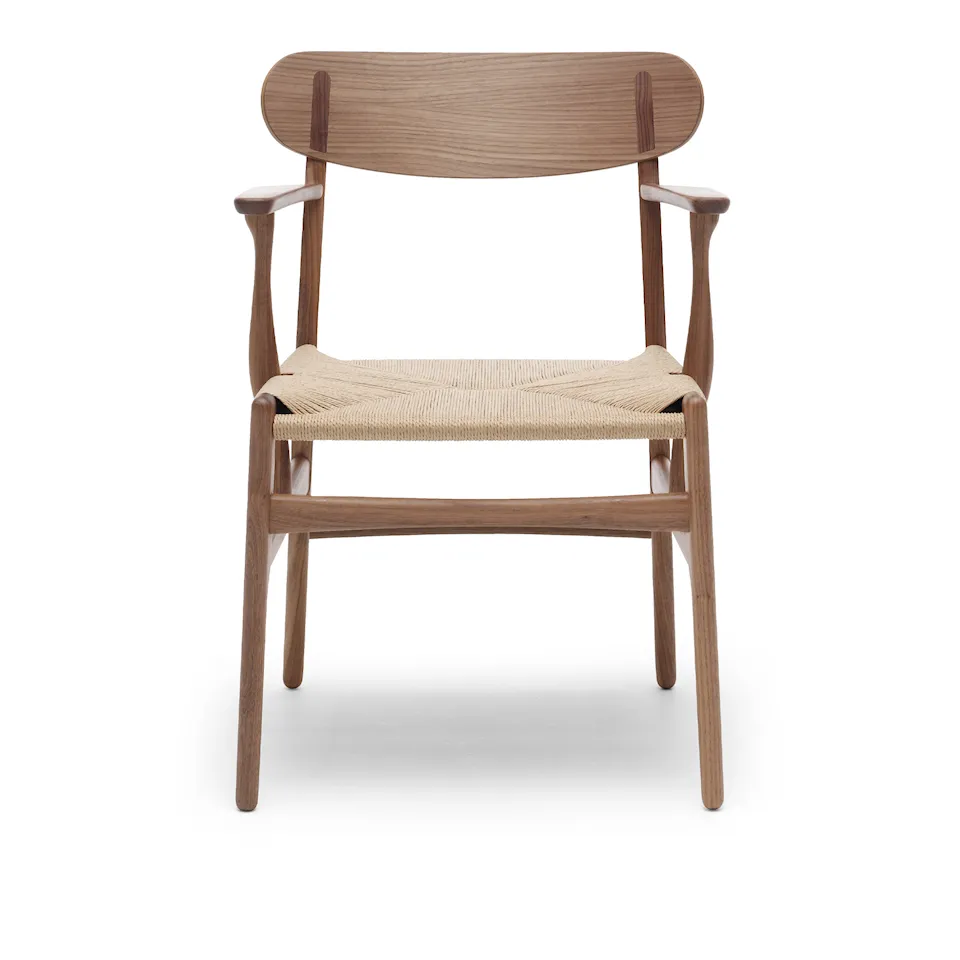
Carl Hansen
CH26 Armchair Natural Cord
From €1,413€1,662
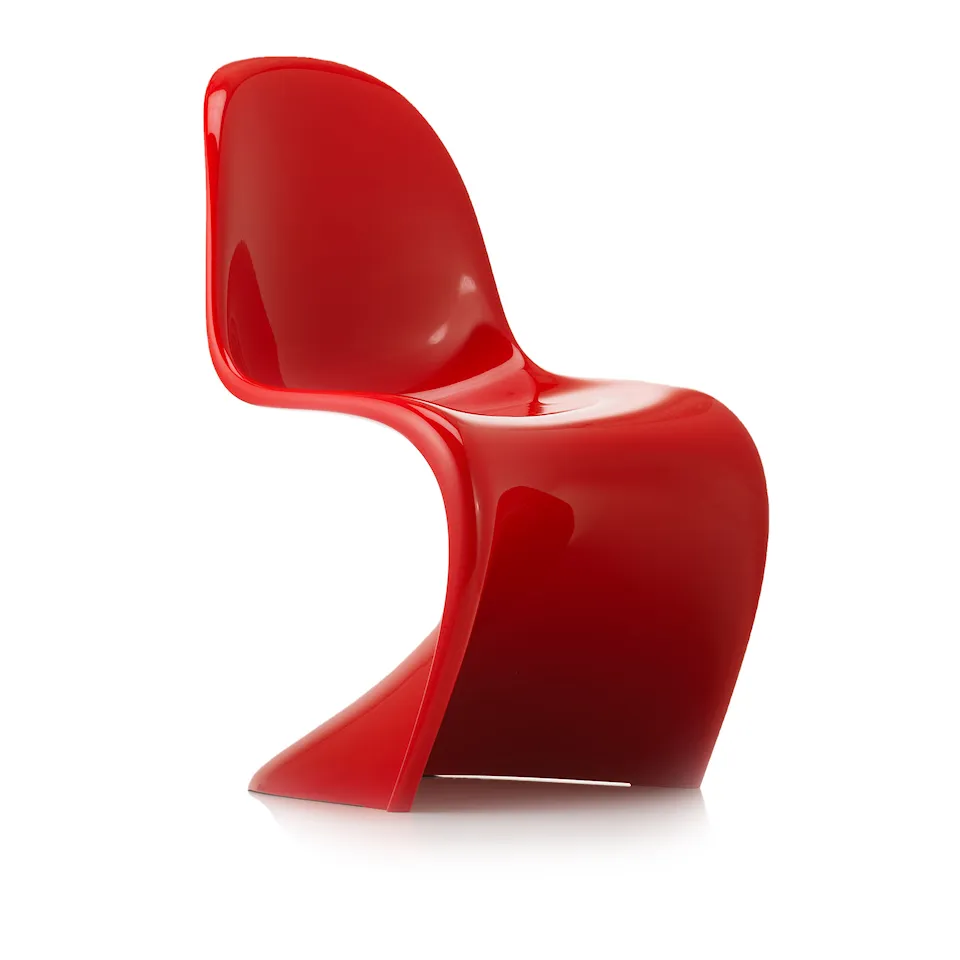
Vitra
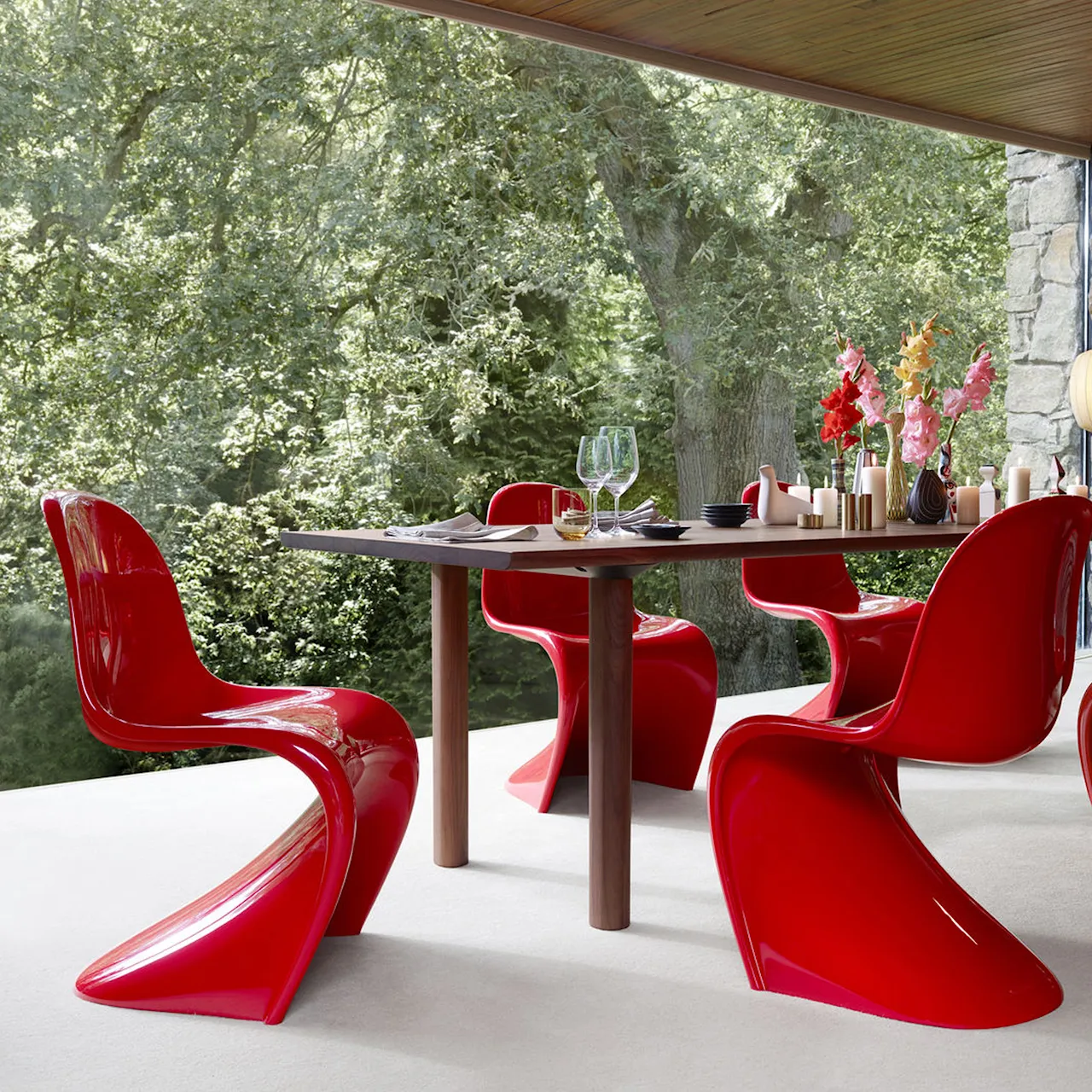
Panton Chair Classic
€1,620
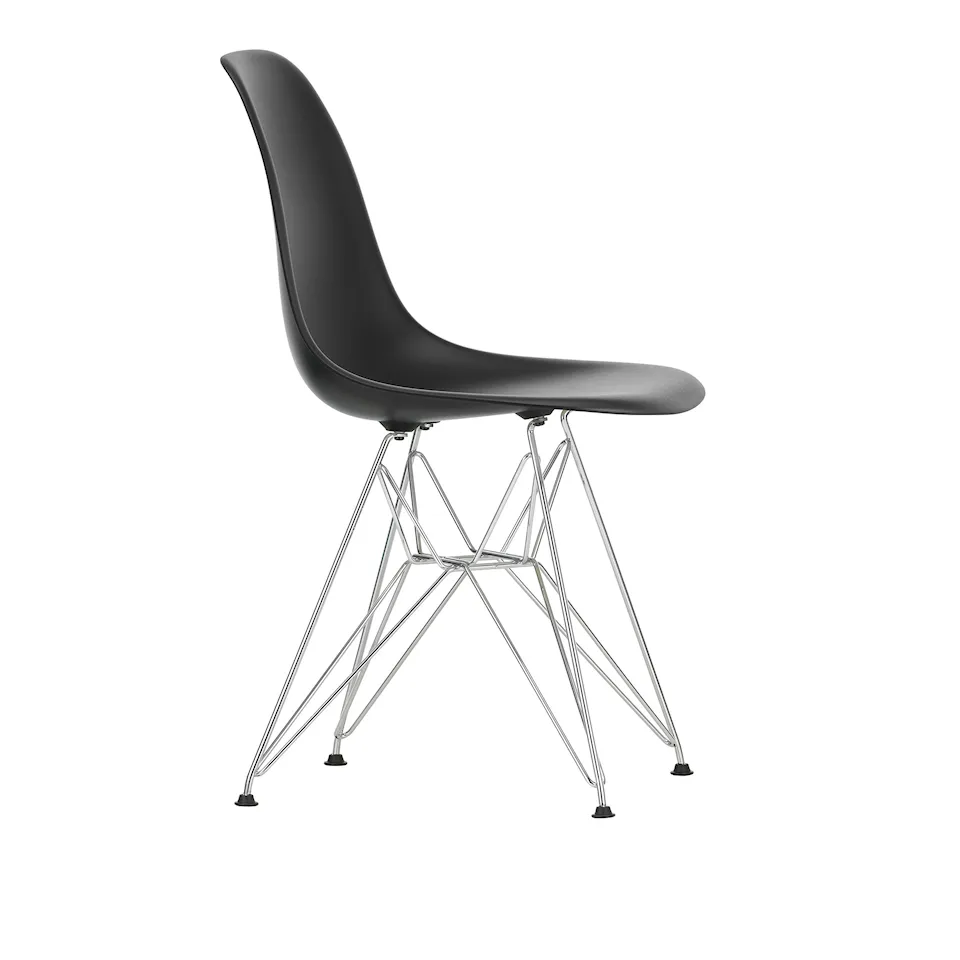
Vitra
Eames RE Plastic Chair DSR Chrome
€290
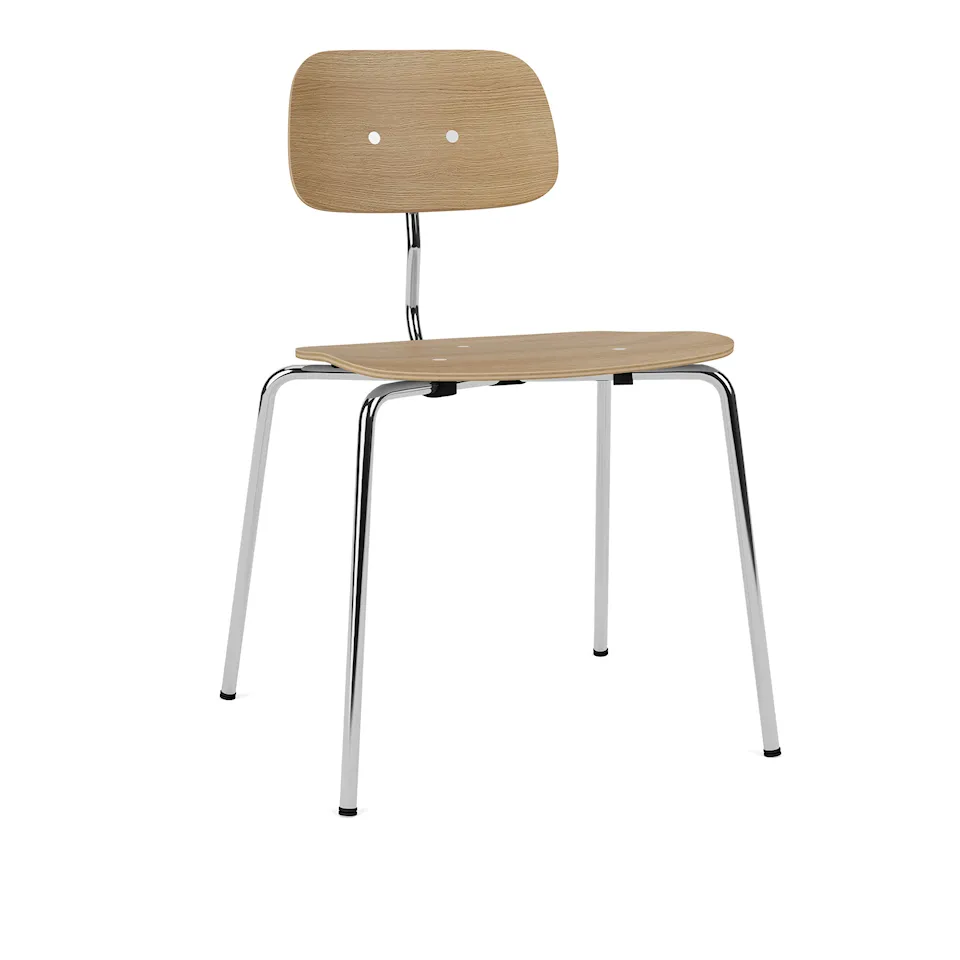
Montana
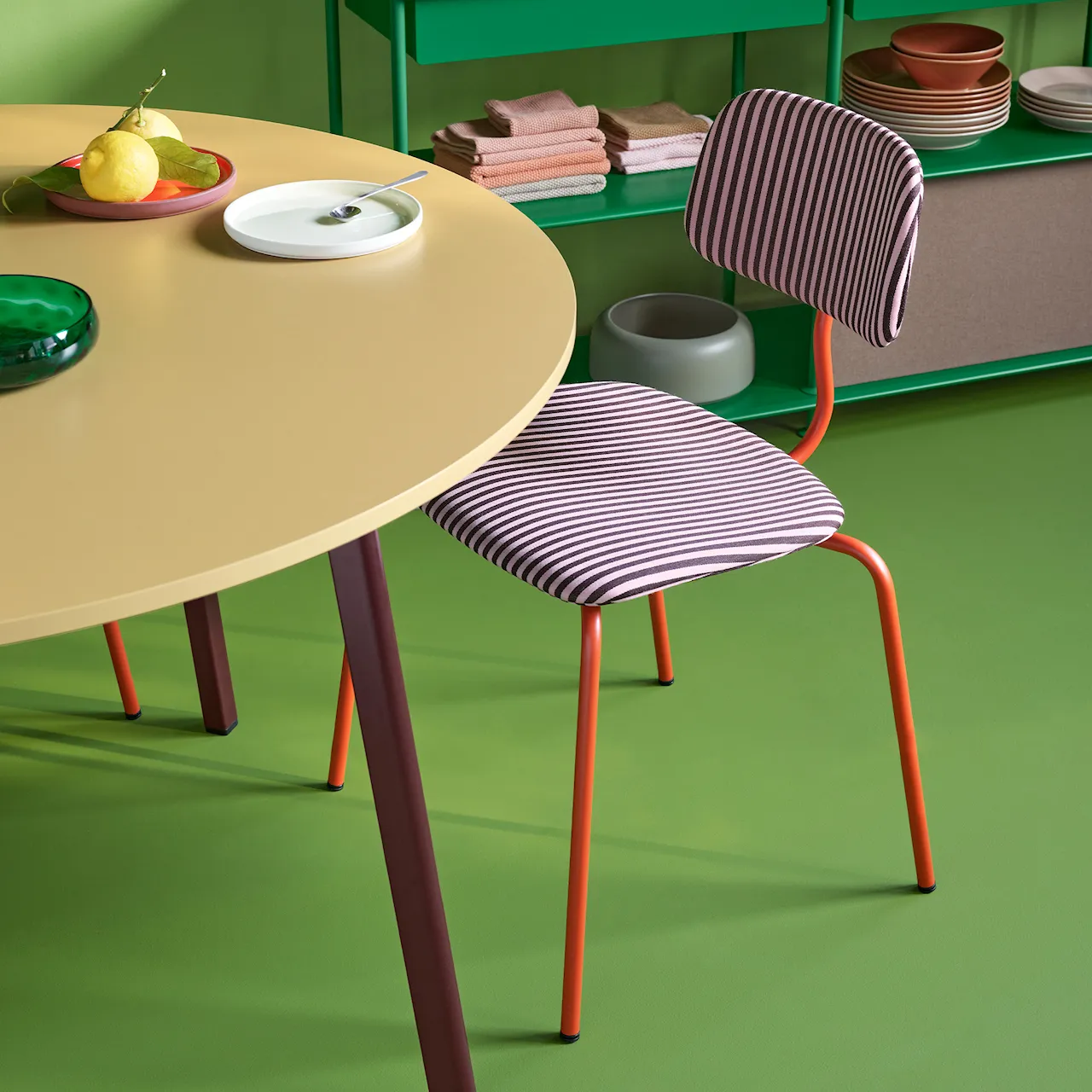
Kevi 2060 Chair
From €341€420
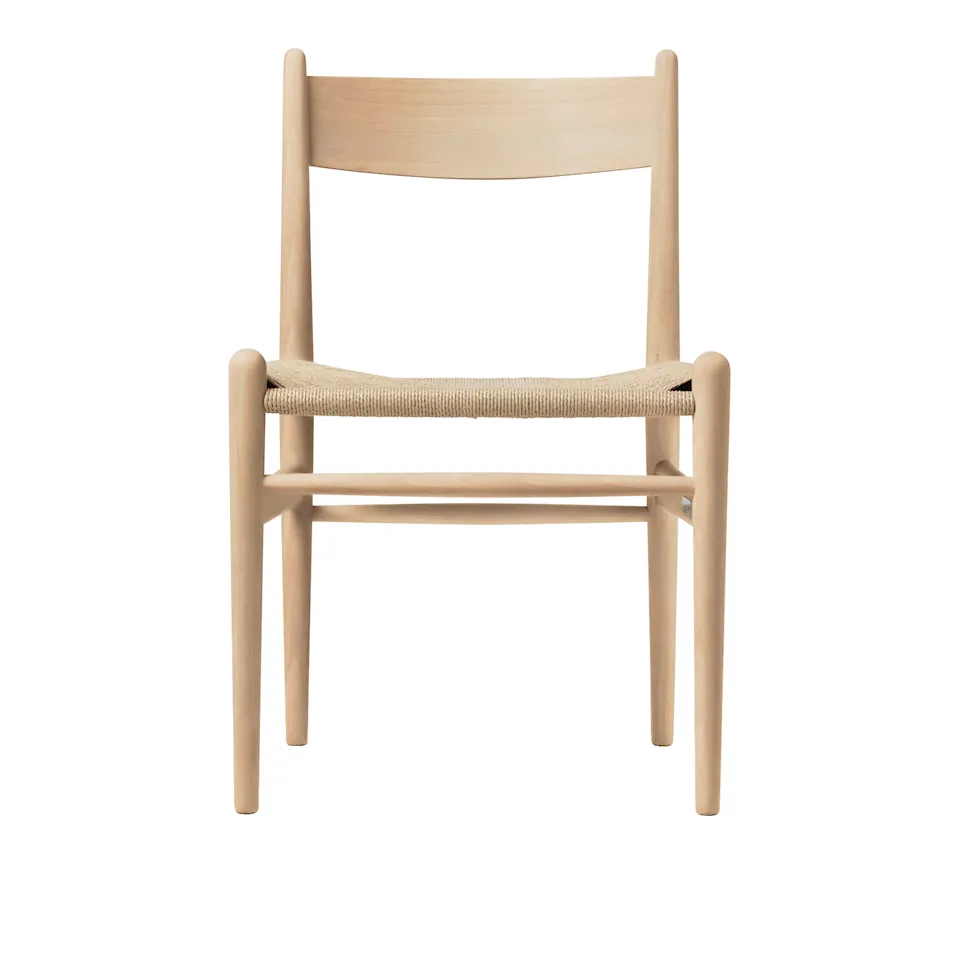
Carl Hansen
CH36 Chair Oak
From €803€945
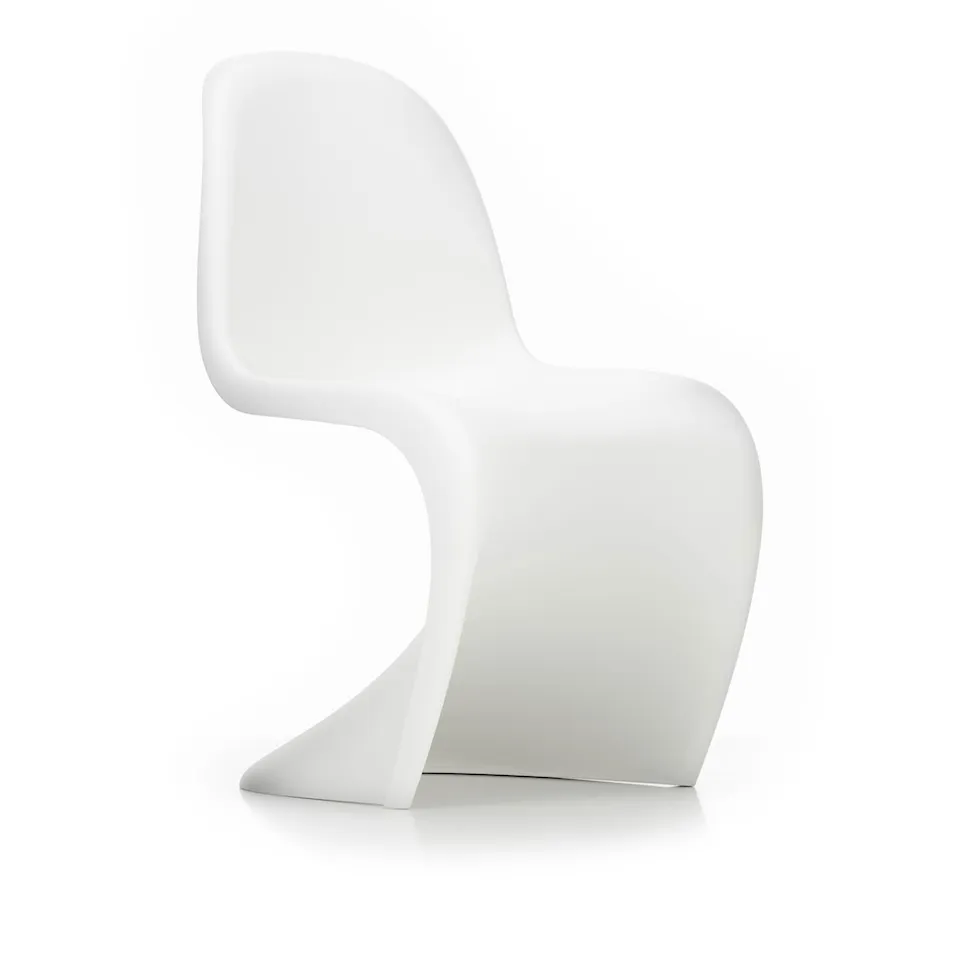
Vitra
Panton Chair
€365
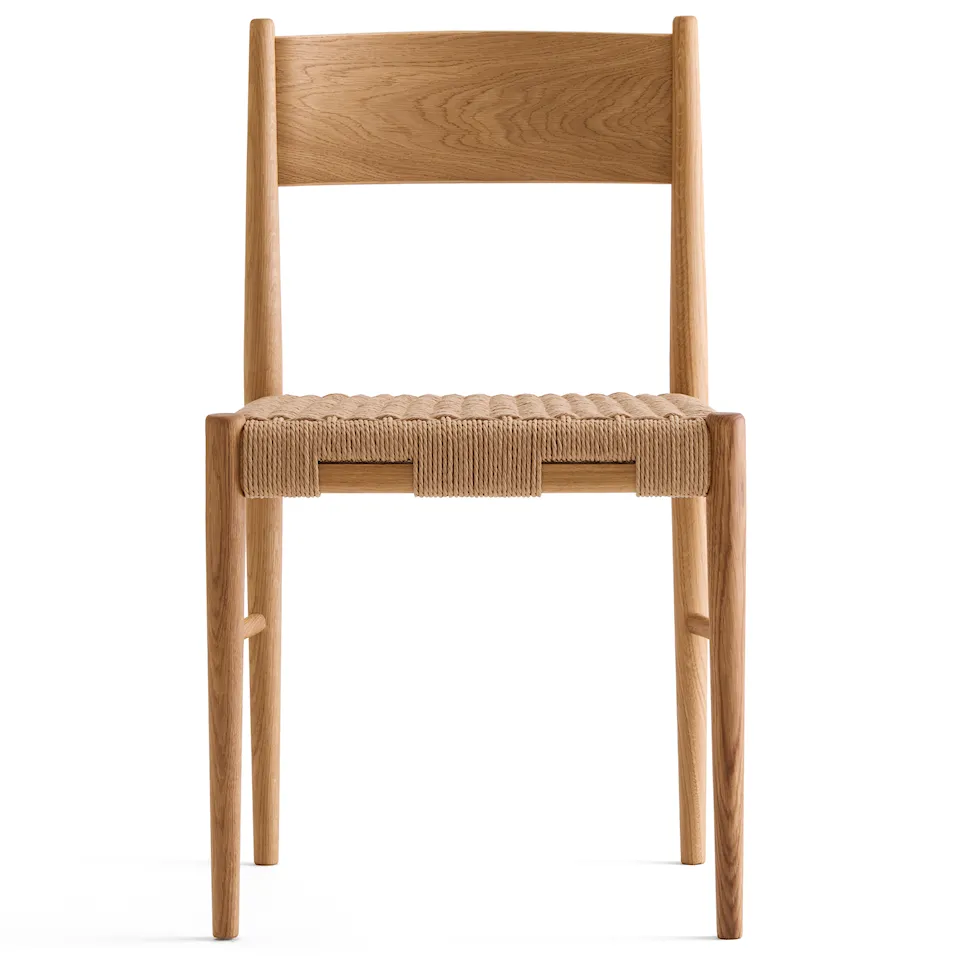
NOGA
Vidar Chair
€590
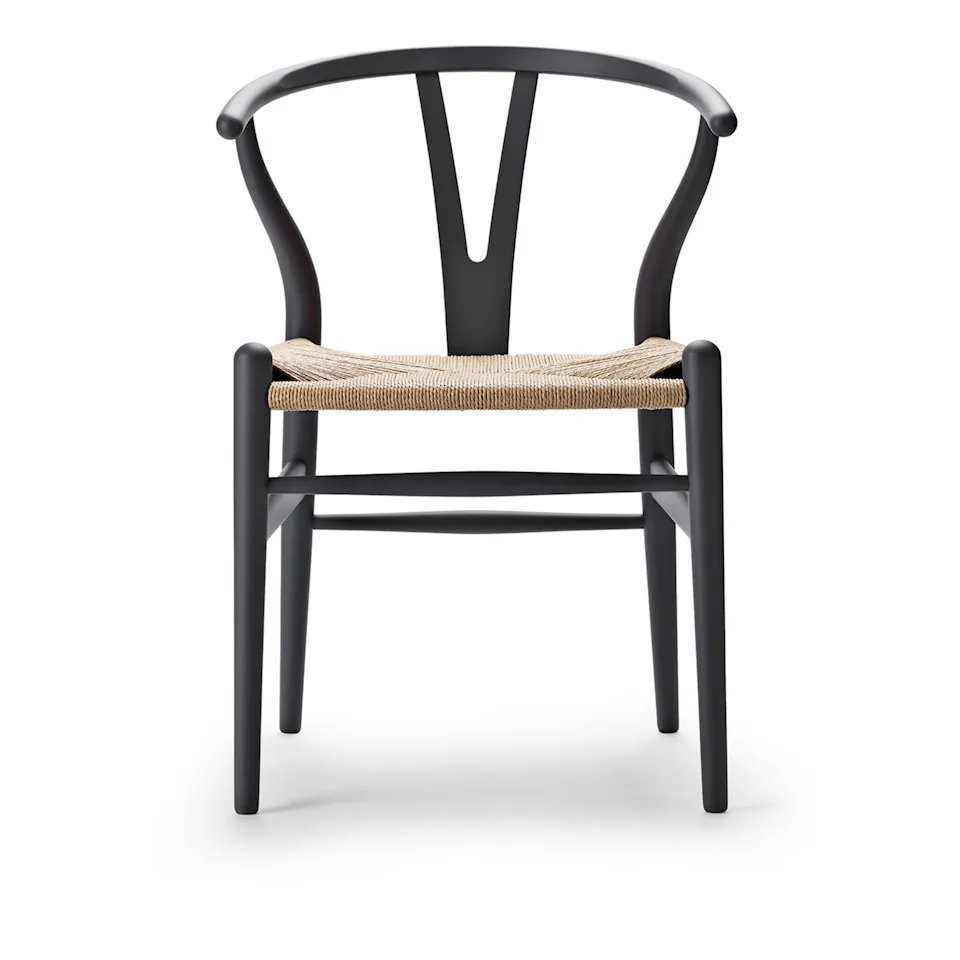
Carl Hansen
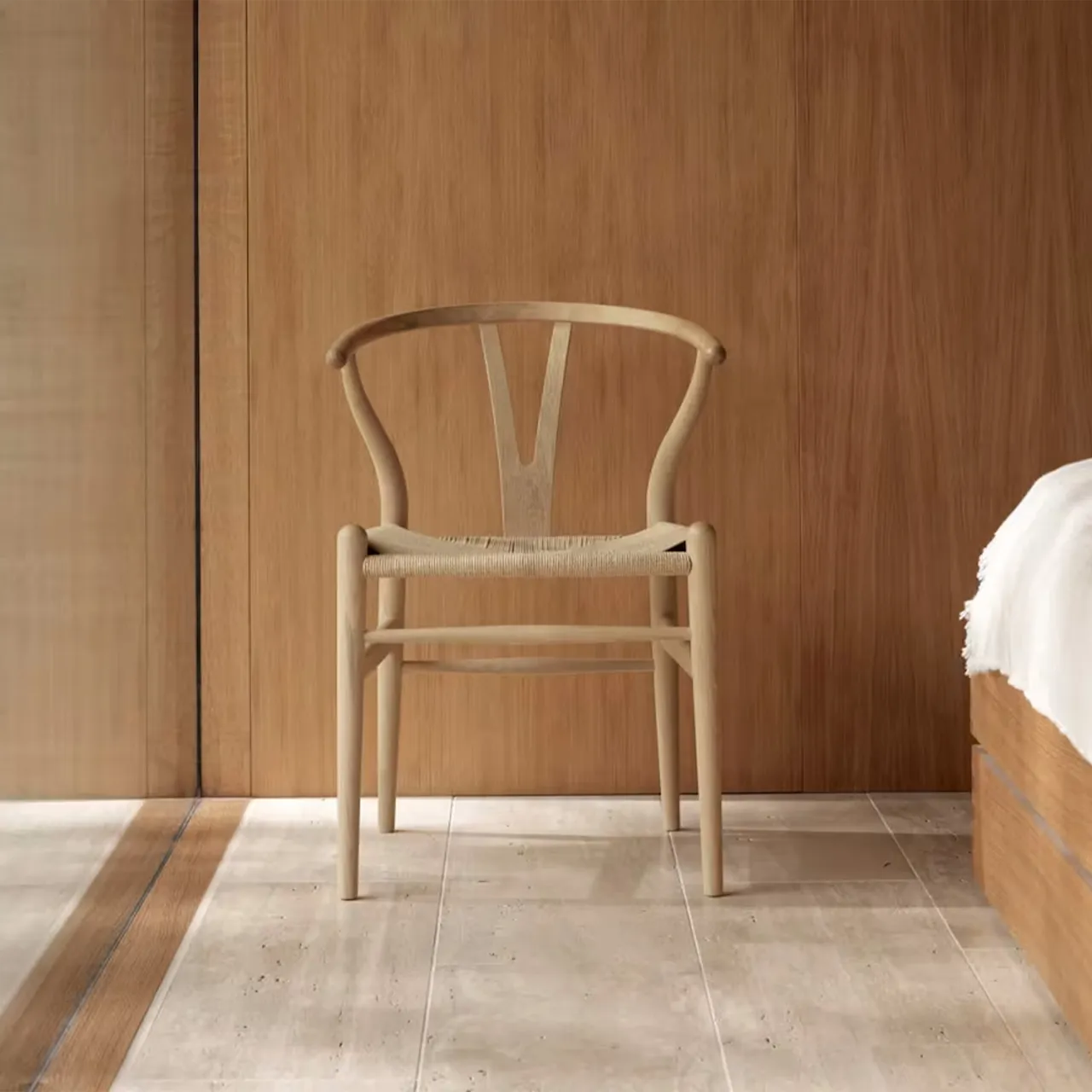
CH24 Wishbone Chair Soft Edition
€585€688
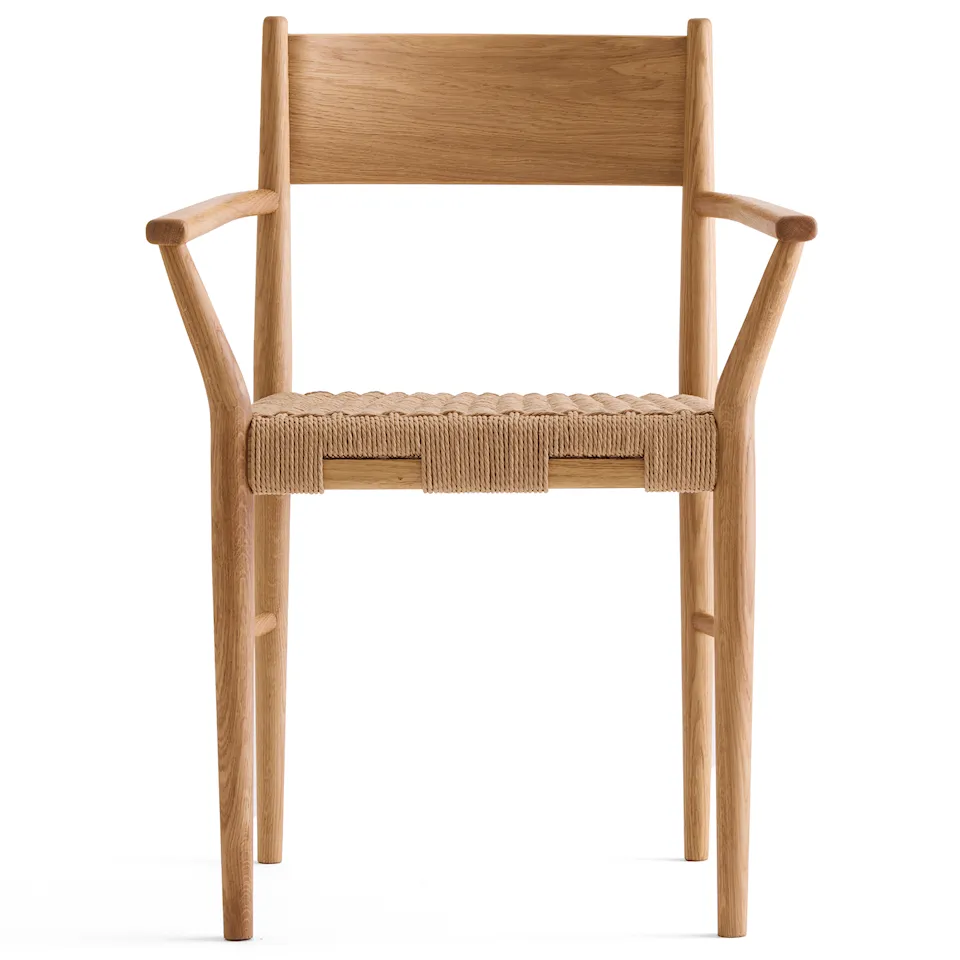
NOGA
Vidar Armchair
€690
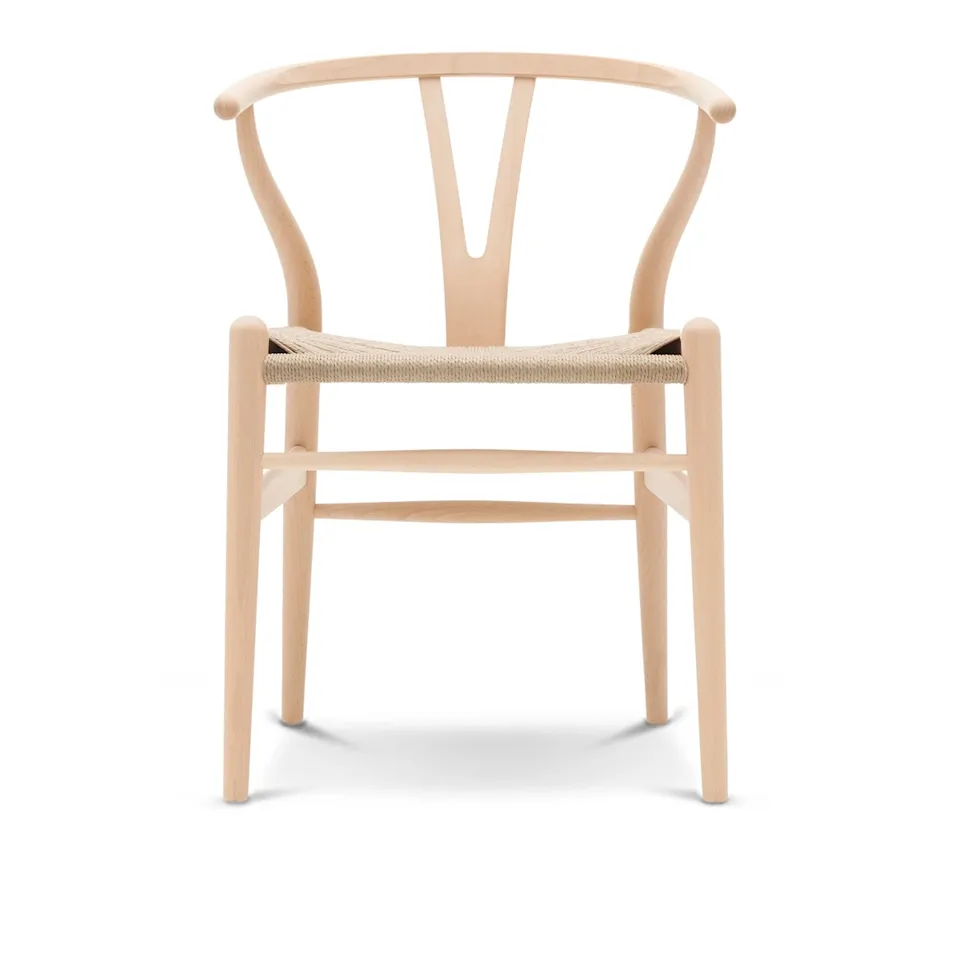
Carl Hansen
CH24 Wishbone Chair Beech/Nature Cord
From €527€658
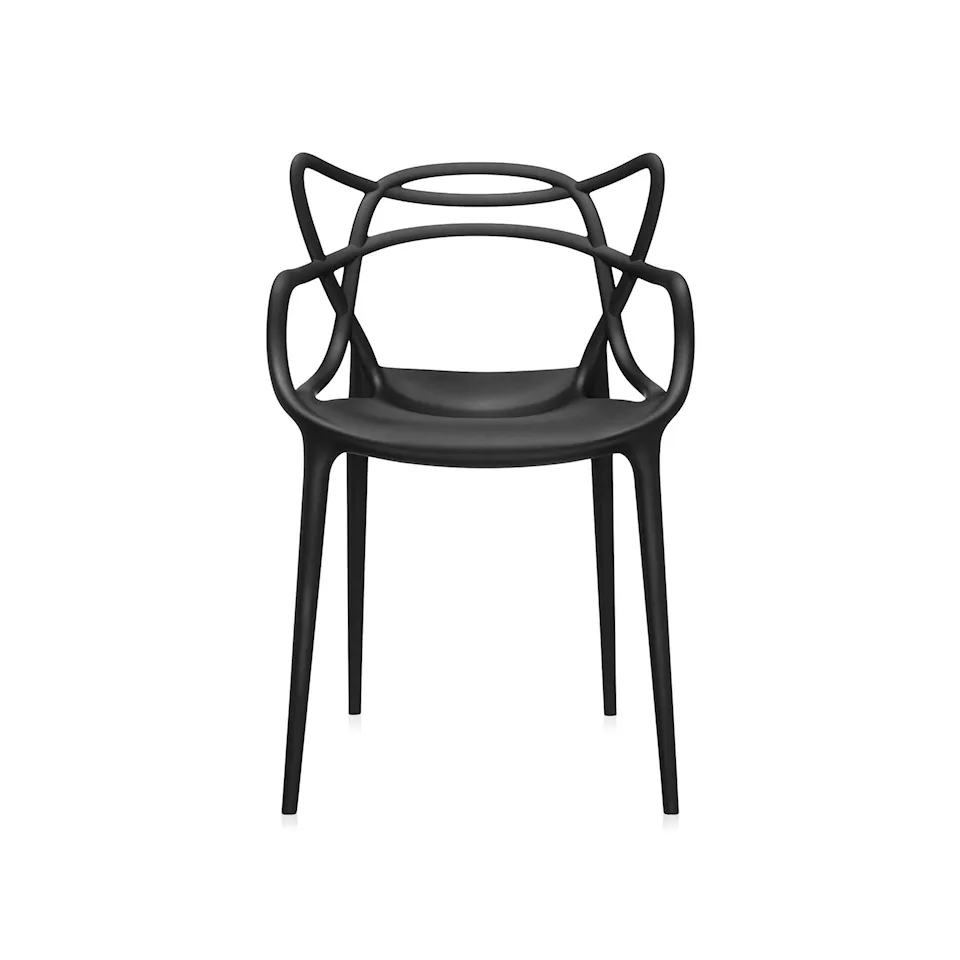
Kartell
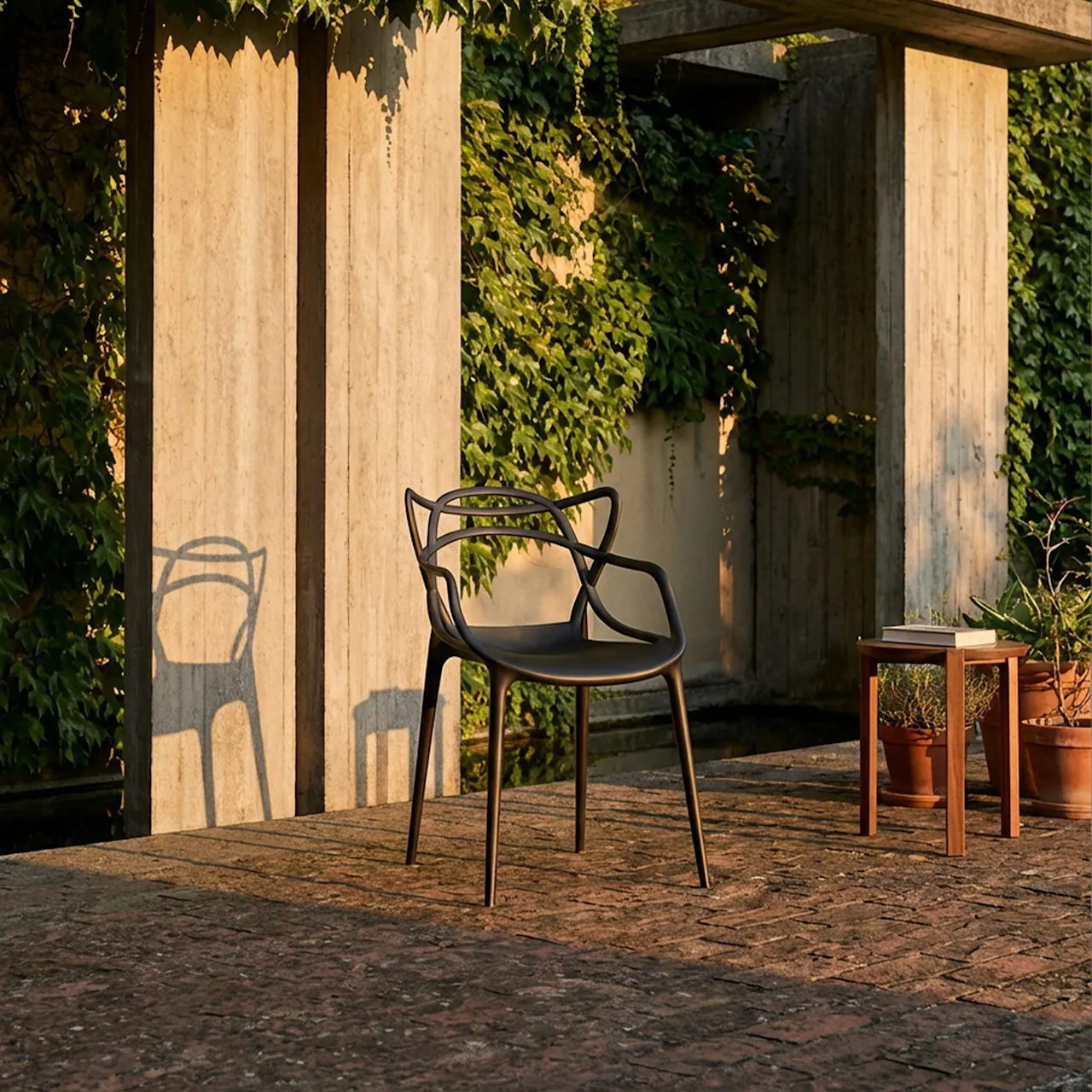
Masters Chair
€225€265
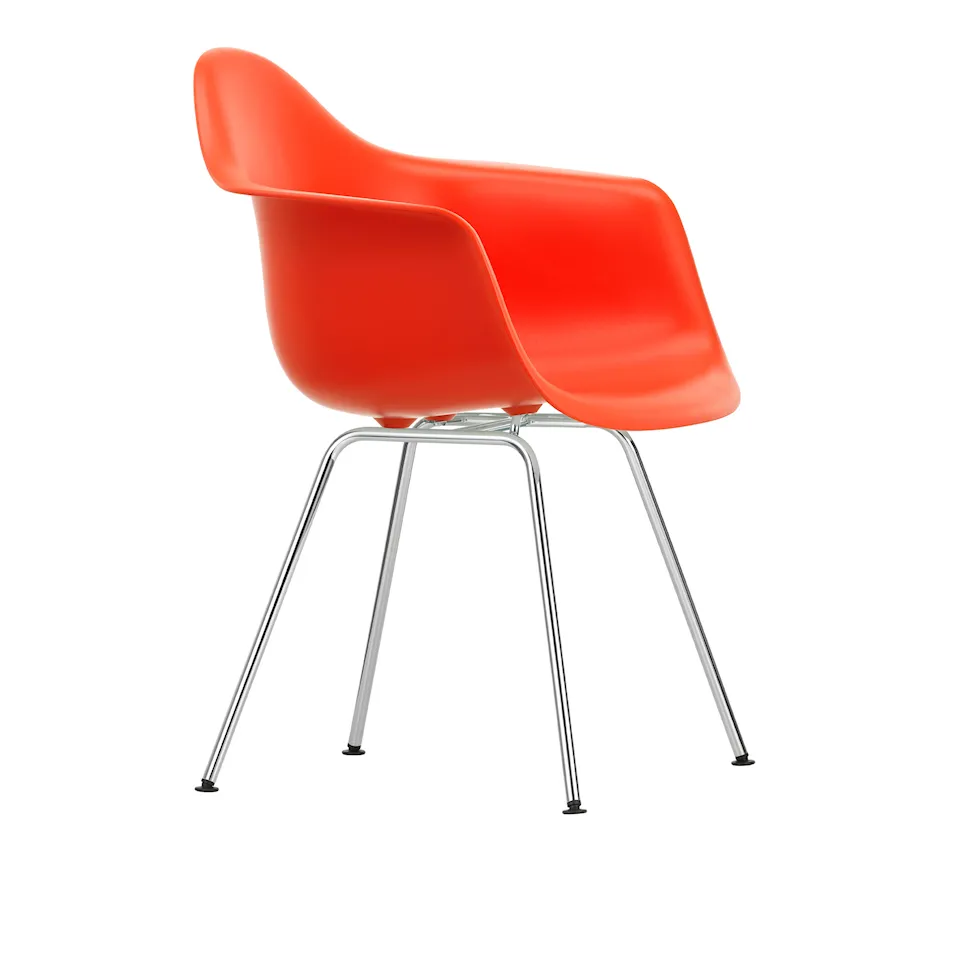
Vitra
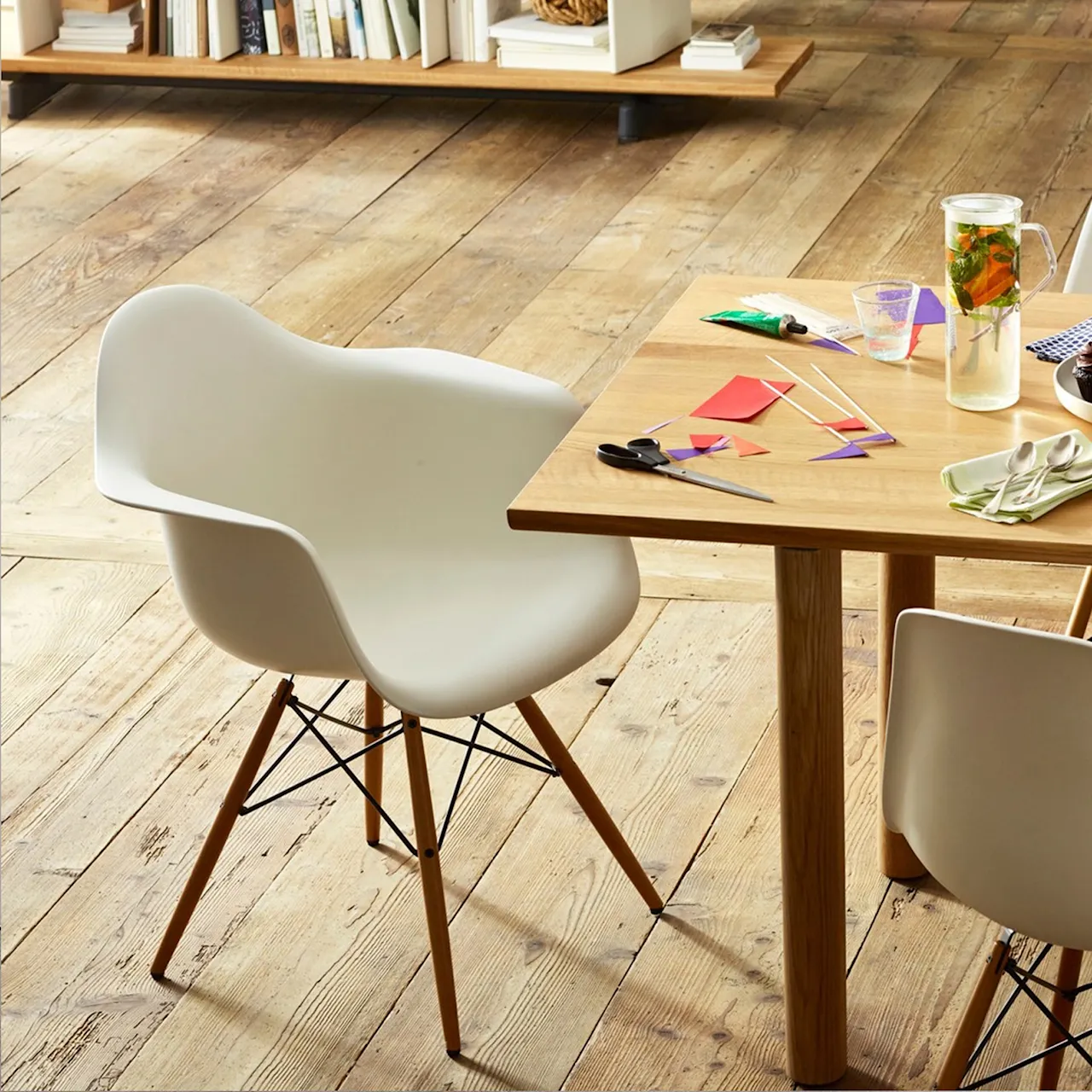
Eames RE Plastic Armchair DAX Chrome
€430
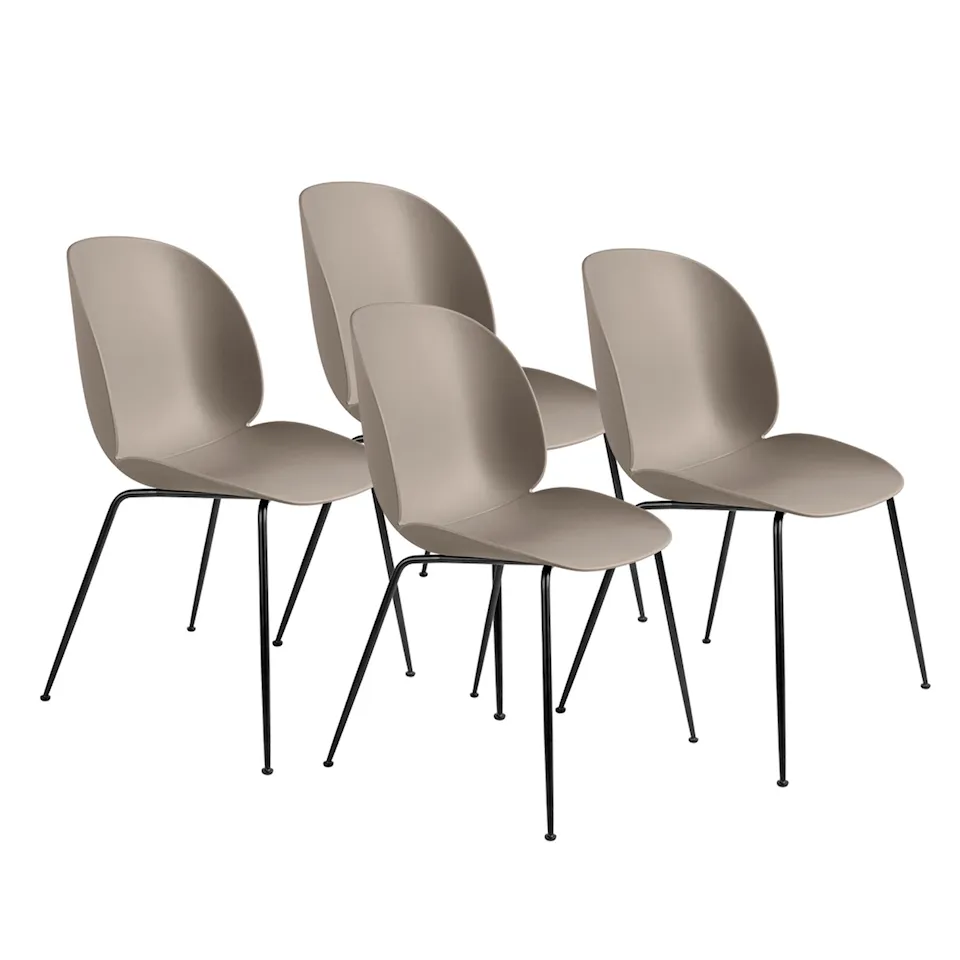
Gubi
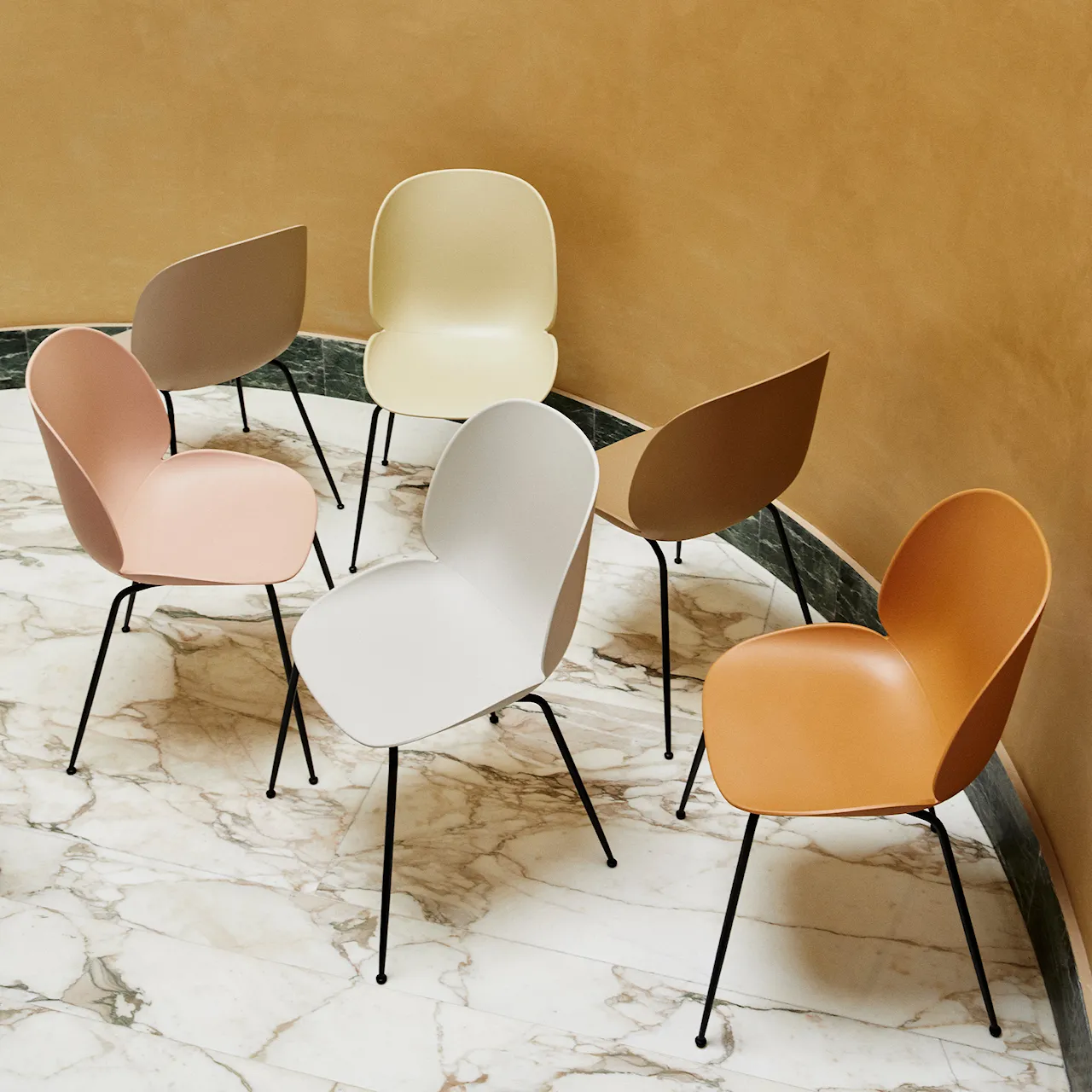
Beetle Dining Chair Set of 4
From €1,040€1,299
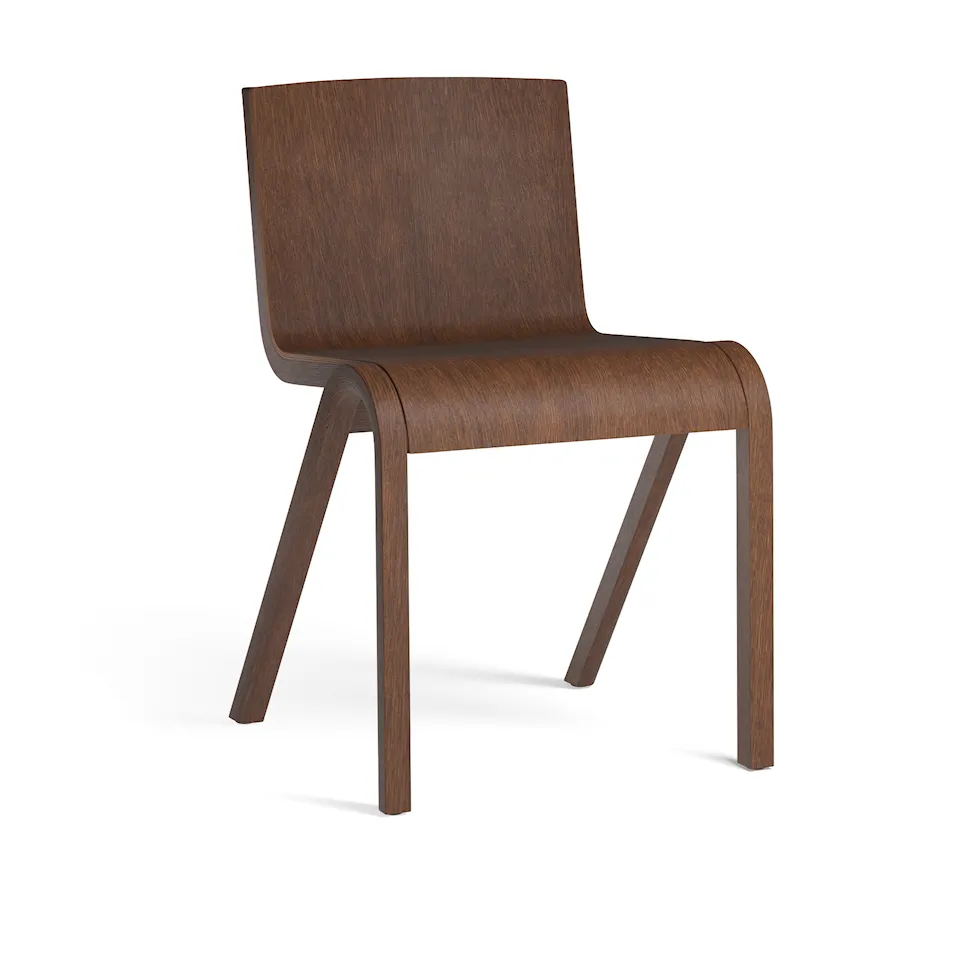
Audo Copenhagen
Ready Dining Chair
€316€395
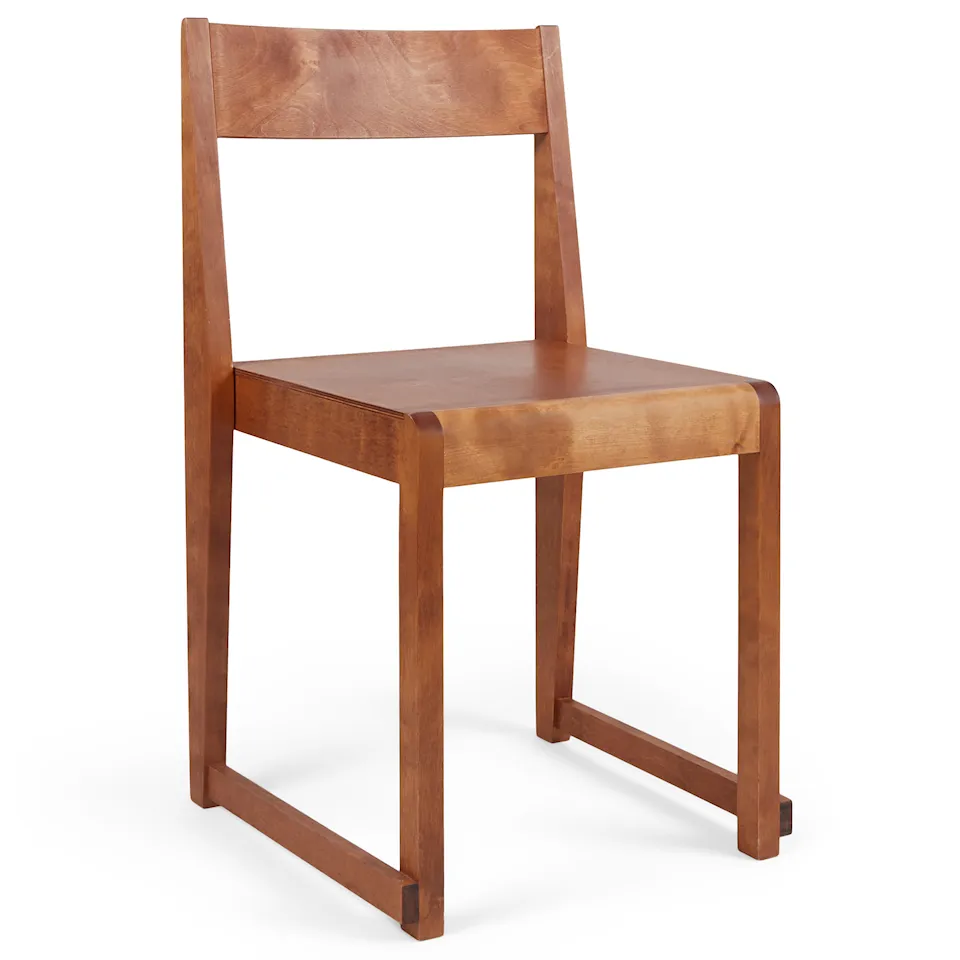
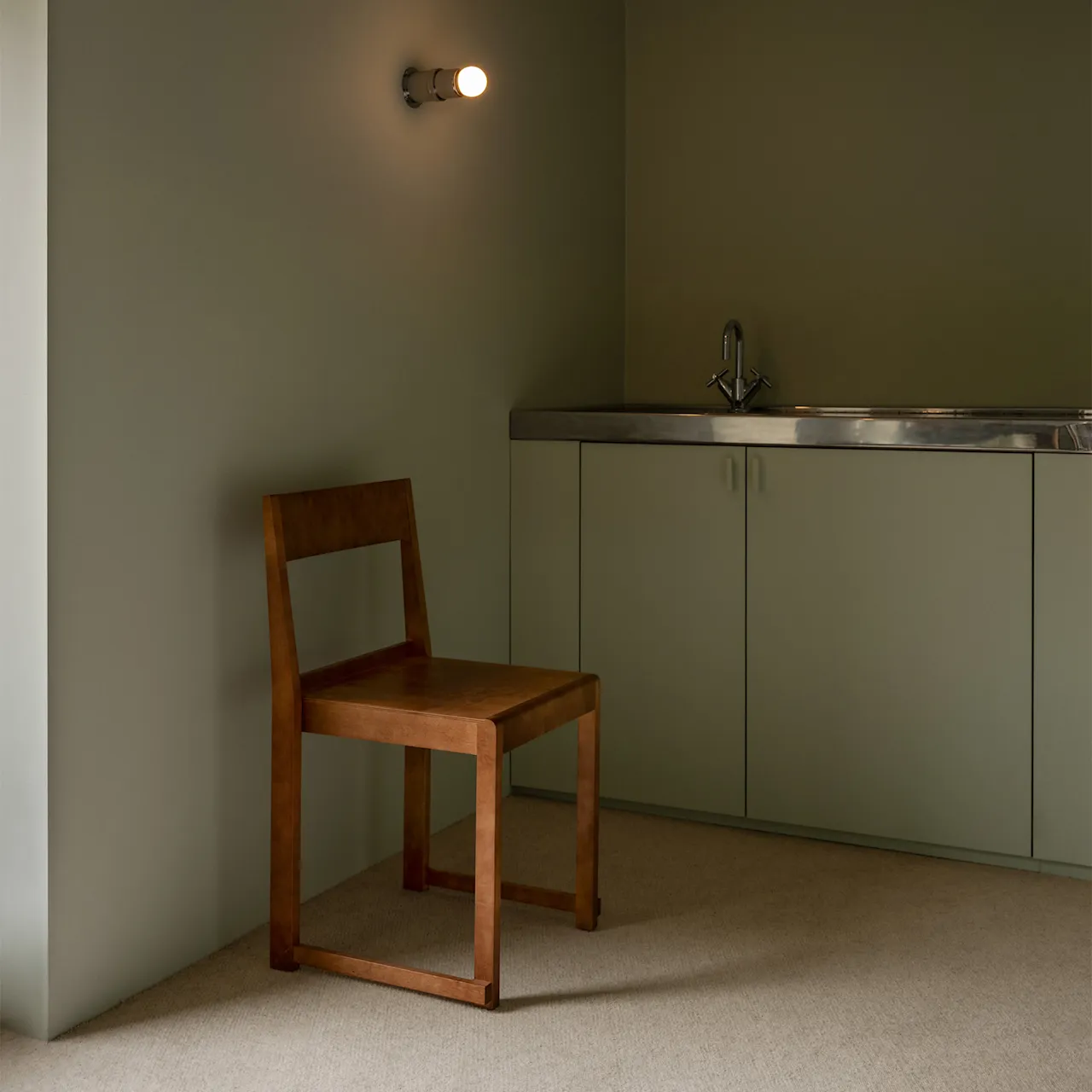
Frama
Chair 01
€660
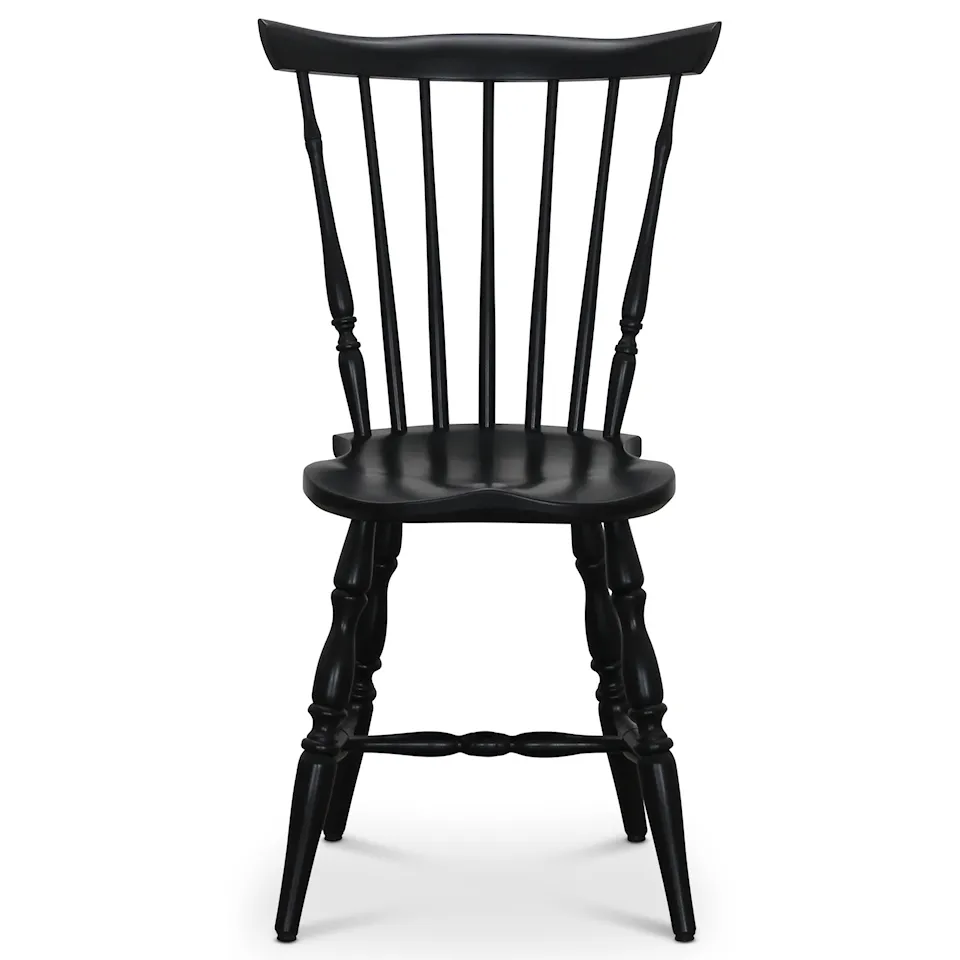
Wigells
Classic Spindle Chair
From €358
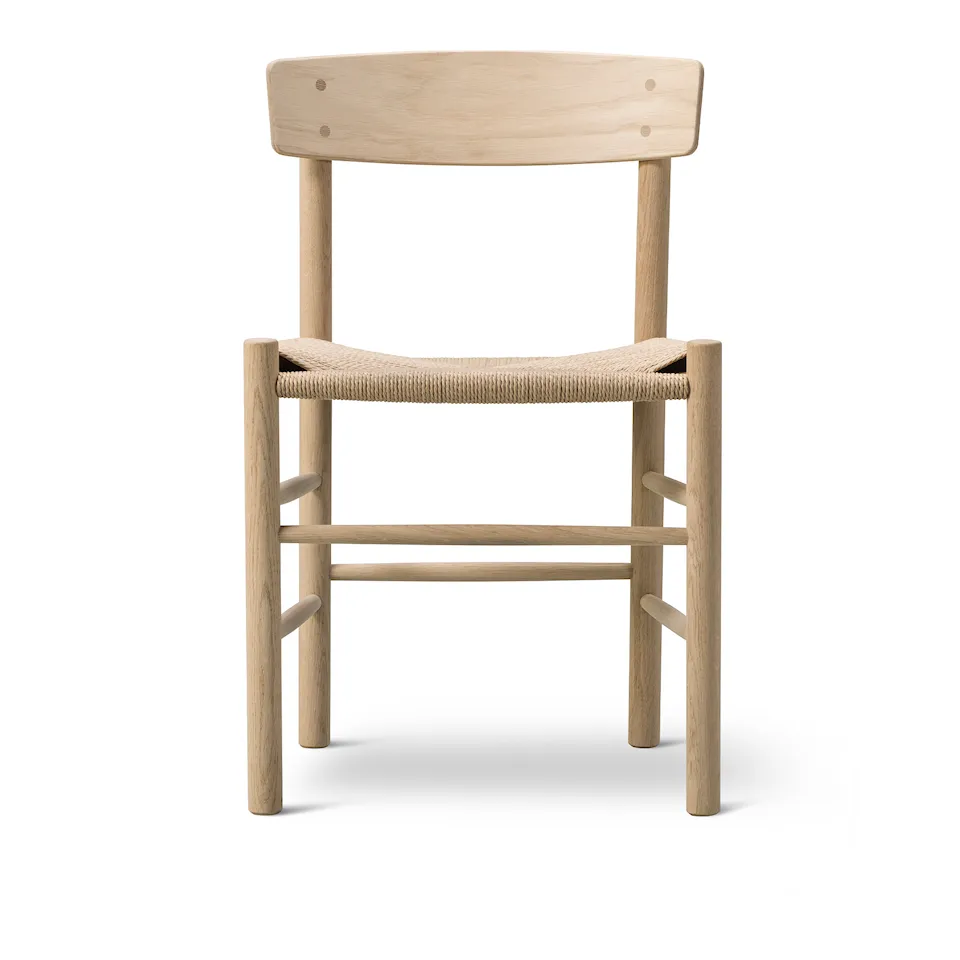
Fredericia Furniture
Mogensen J39 Chair
From €438€547
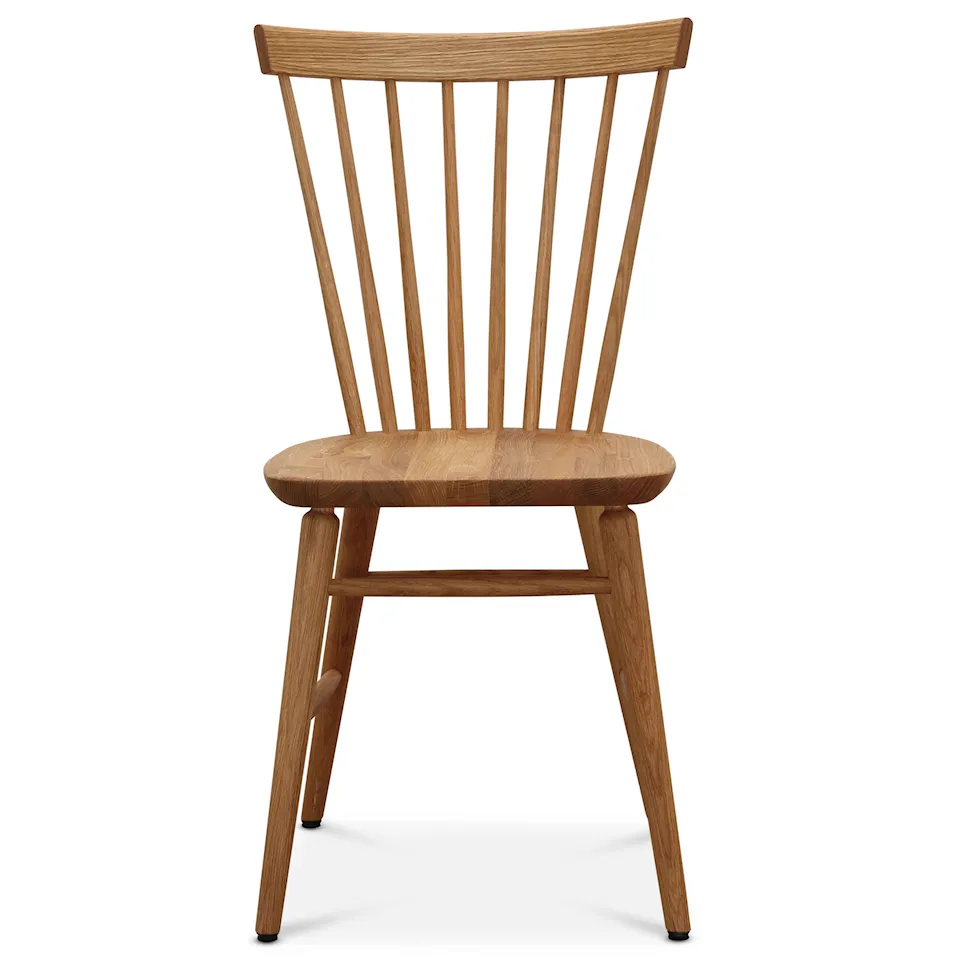
Wigells
Florida Spindle Chair
From €316
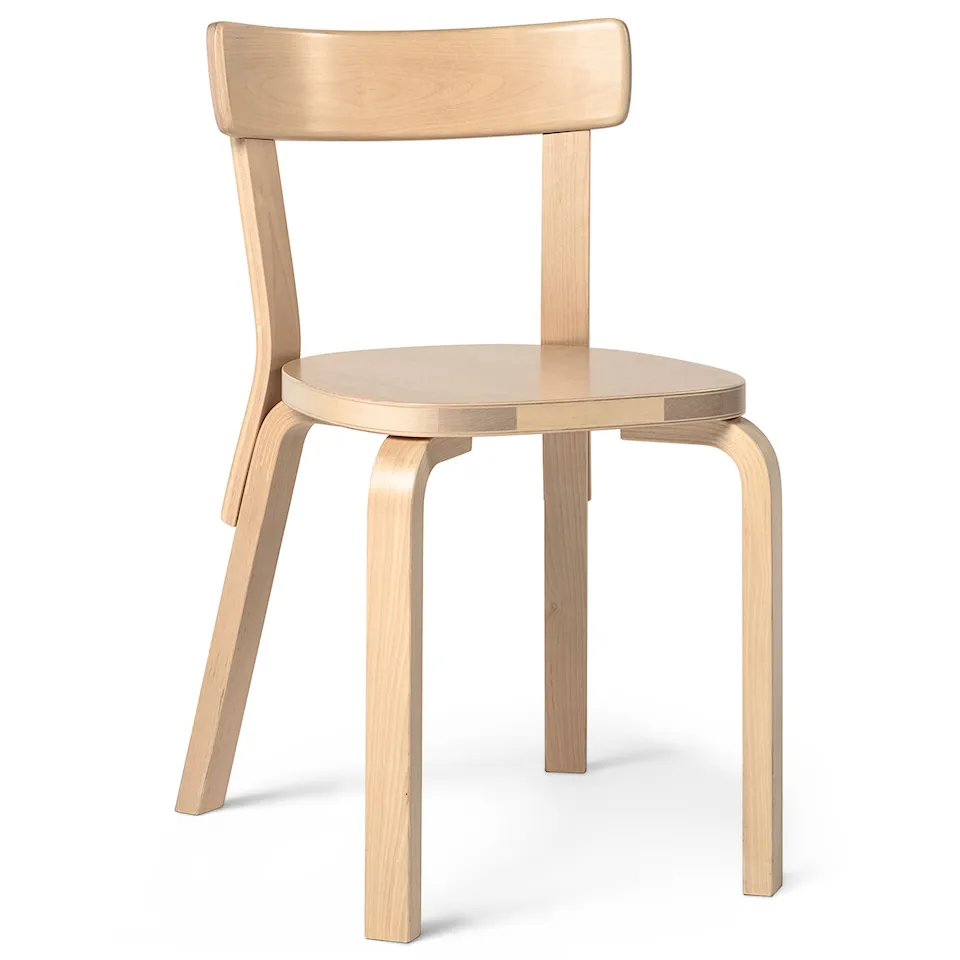
Artek
Chair 69
From €468
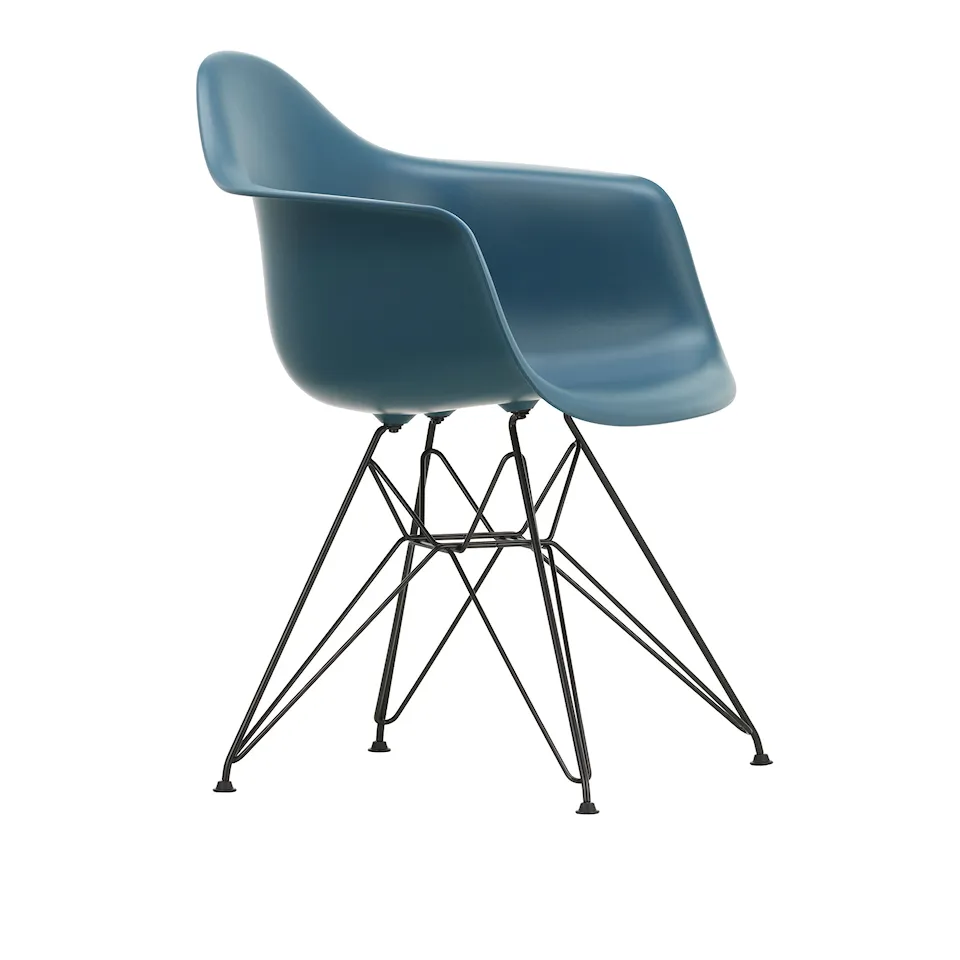
Vitra
Eames RE Plastic Armchair DAR Basic Dark
€430
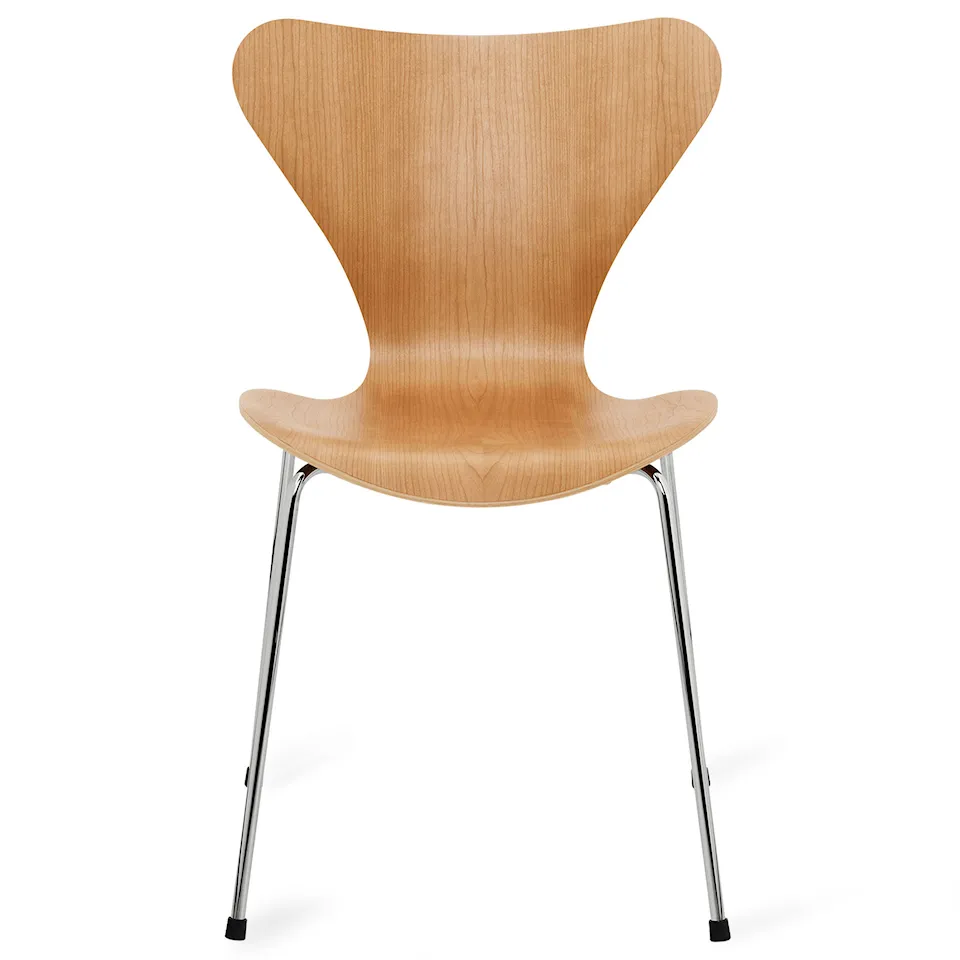
Fritz Hansen
Series 7 chair 3107 clear lacquered veneer
From €463€545
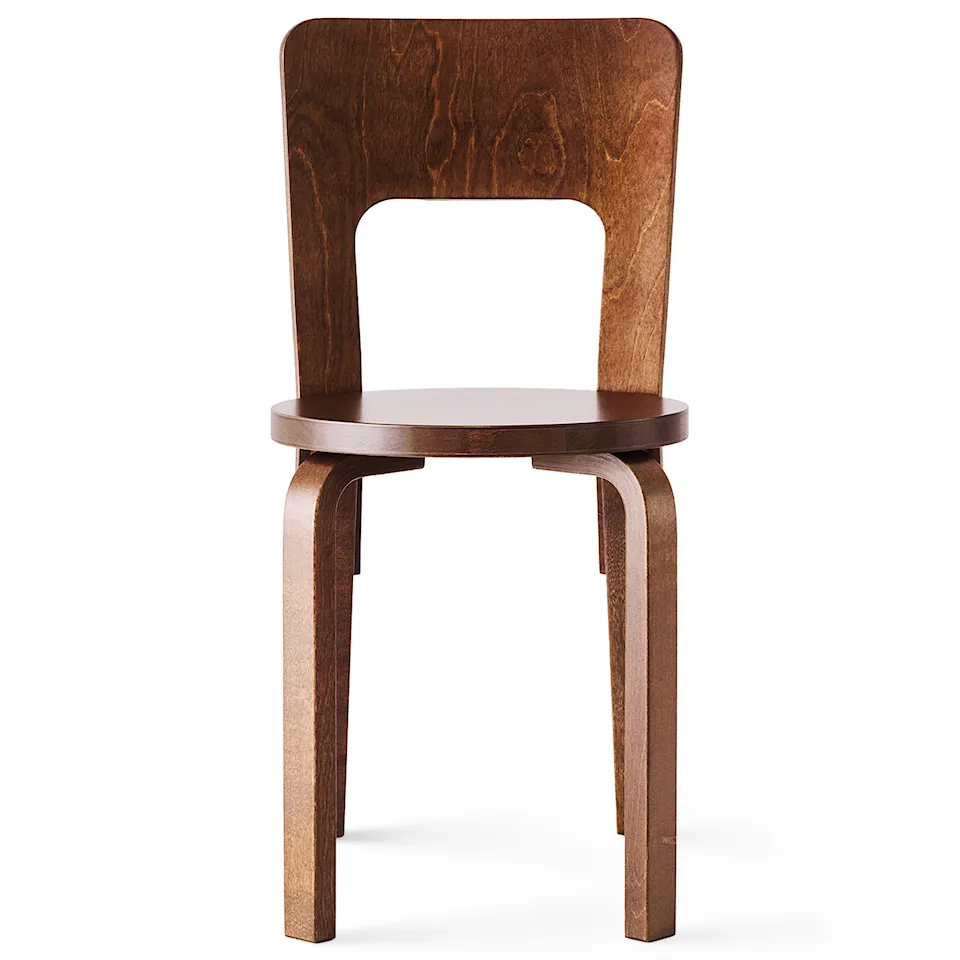
Artek
Chair 66 Exclusive Edition
€568
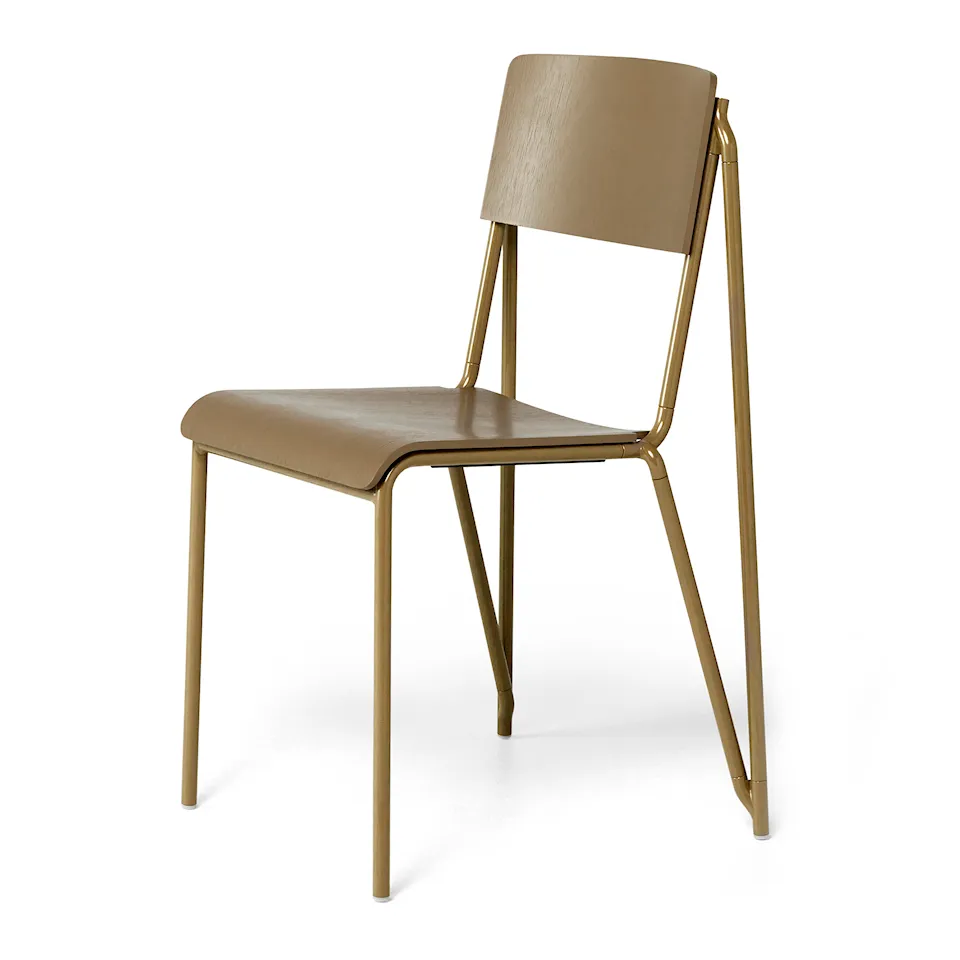
HAY
Petit Standard Chair
€382€449
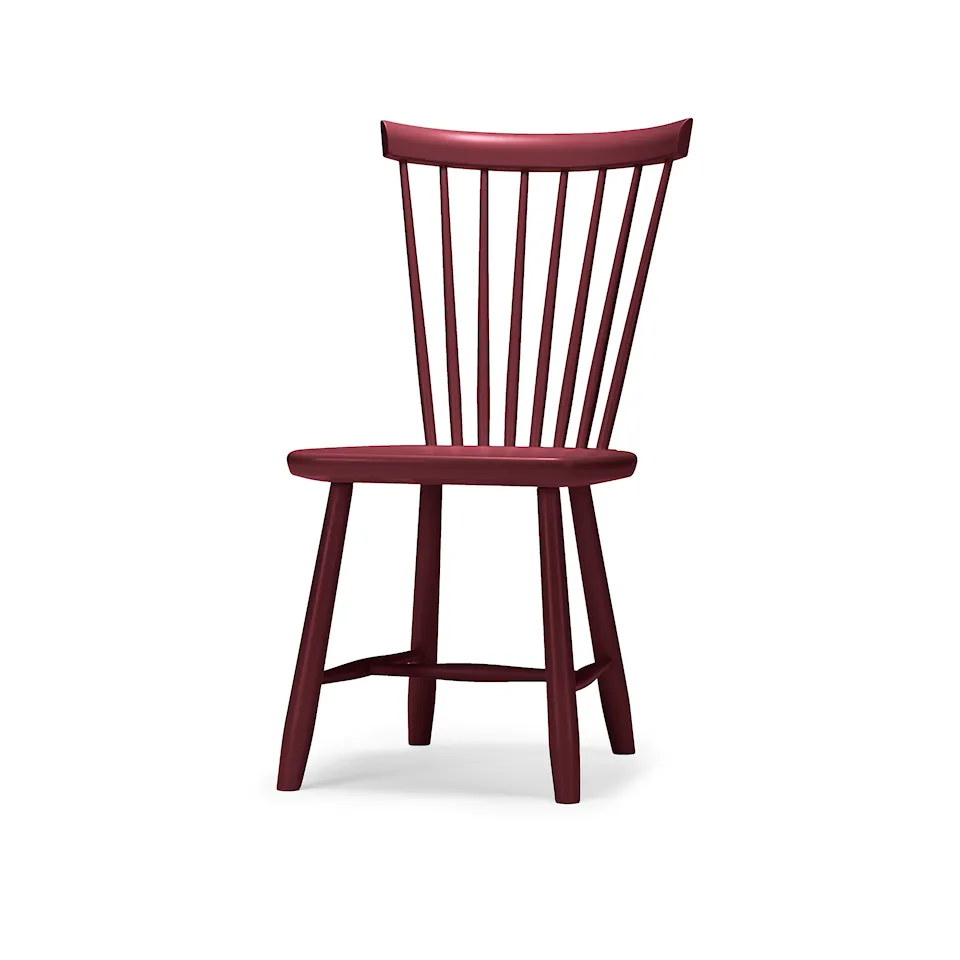
Stolab
Lilla Åland Chair Color birch
From €373€466
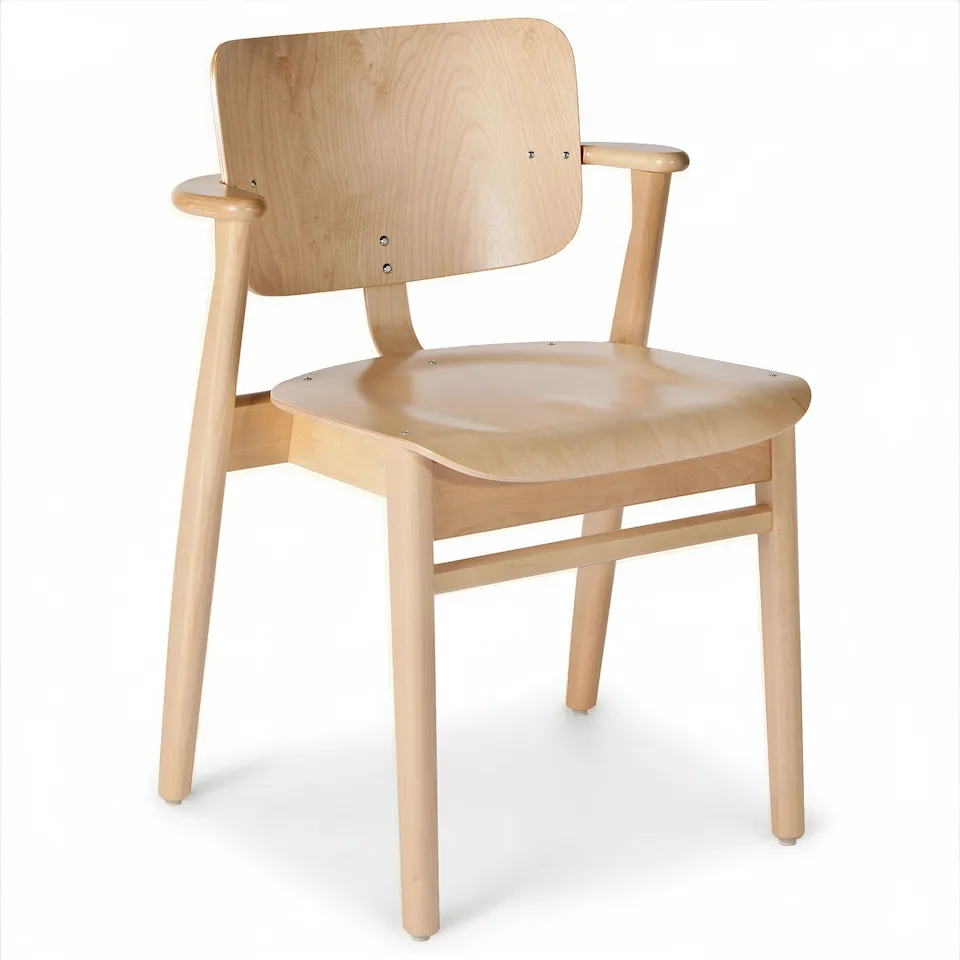
Artek
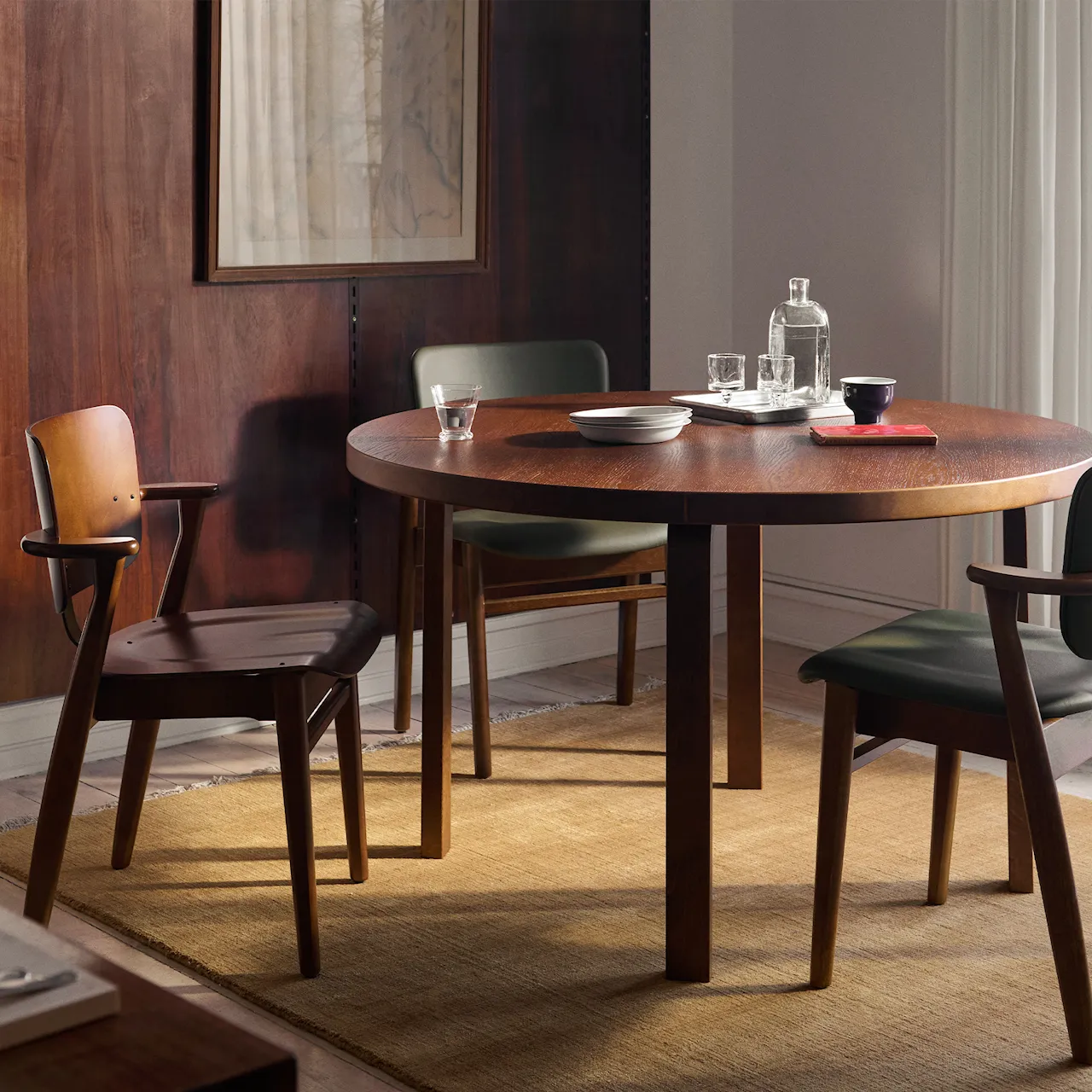
Domus Chair
From €779
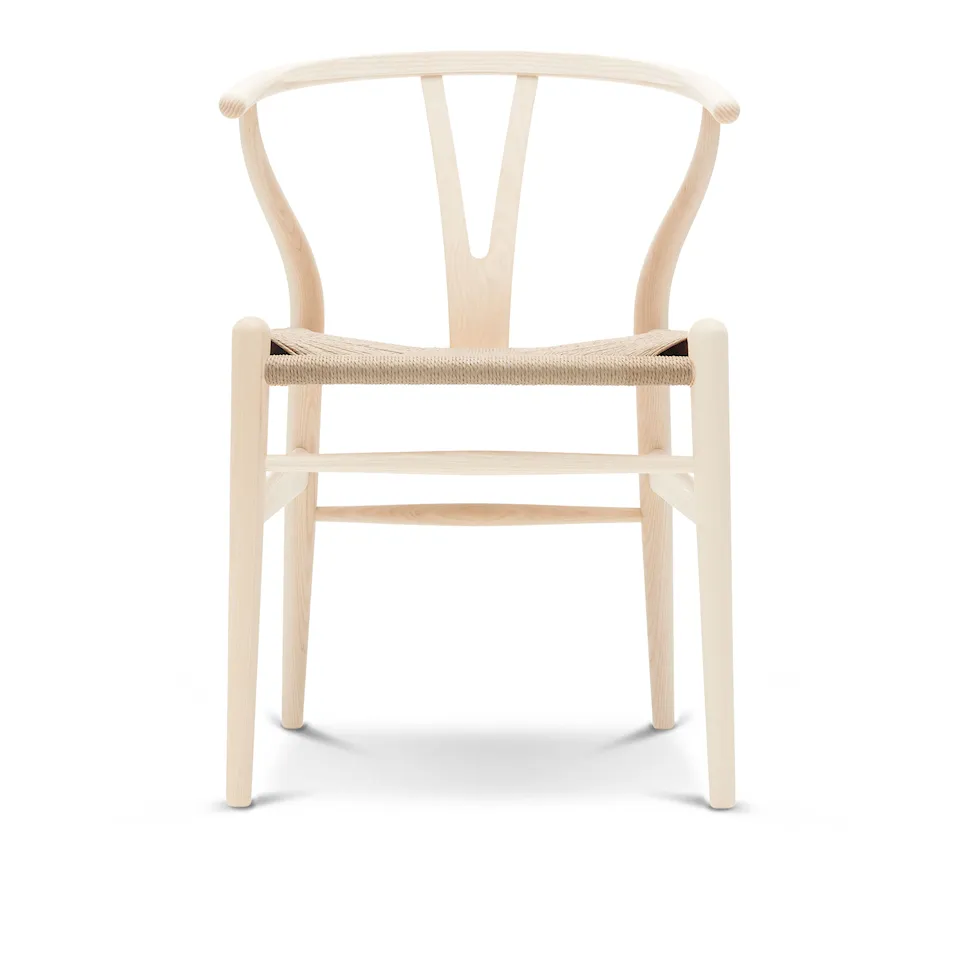
Carl Hansen
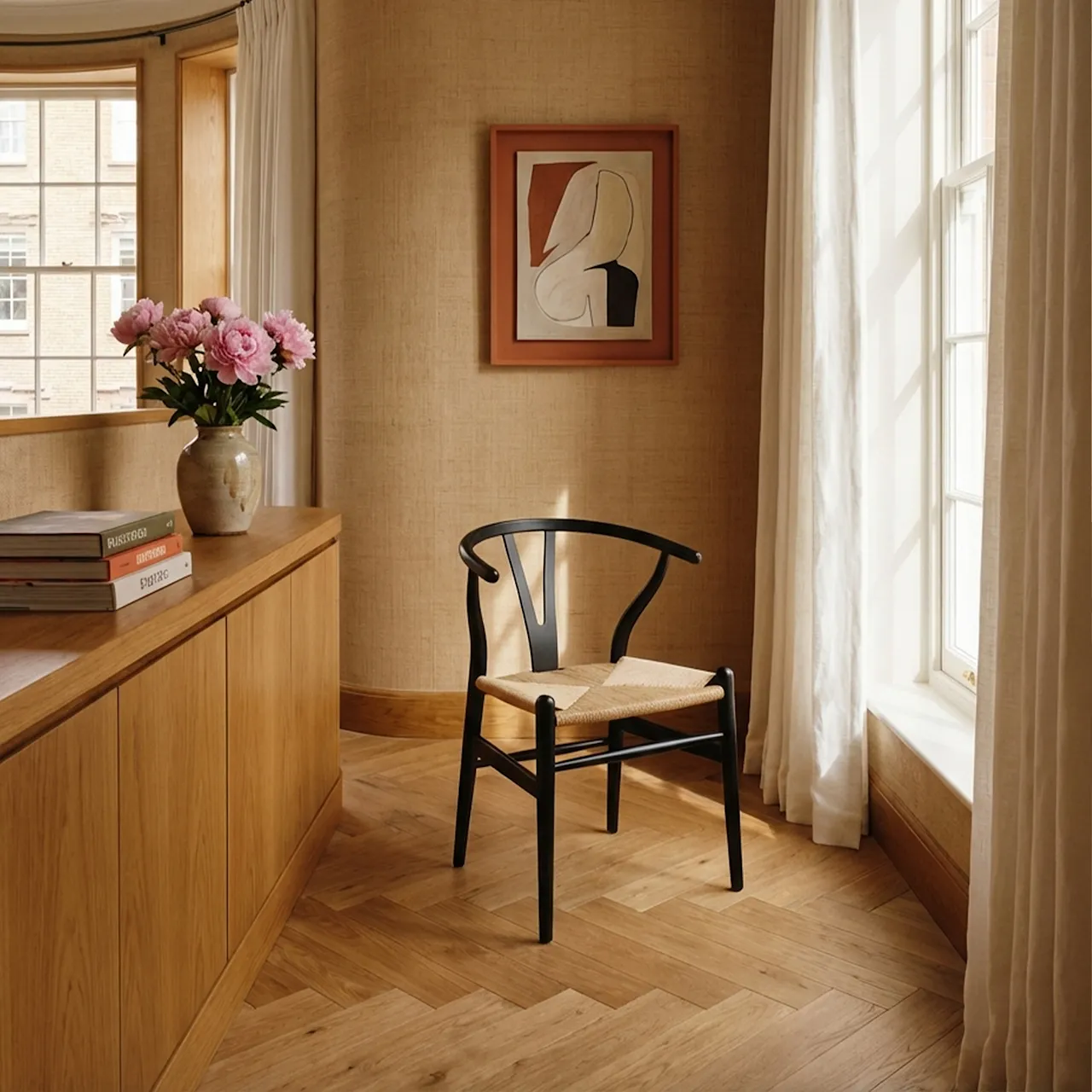
CH24 Wishbone Chair Ash/Natural Cord
From €926€1,089
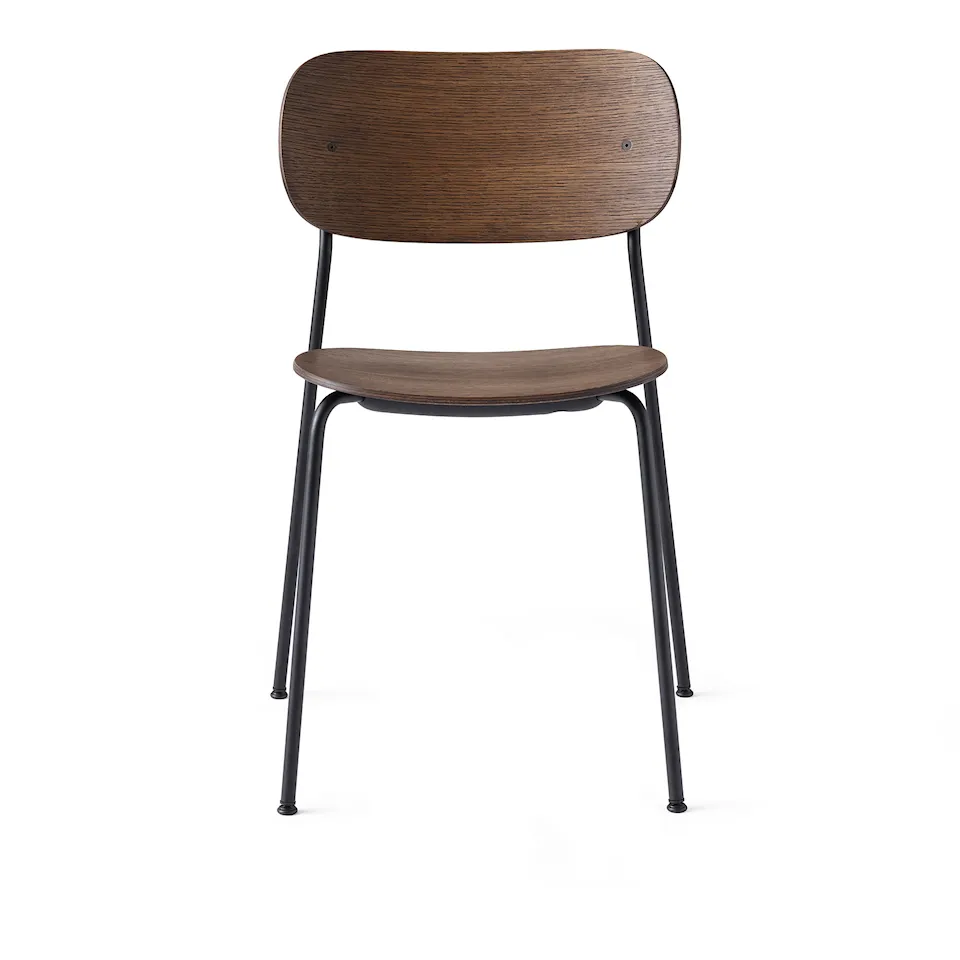
Audo Copenhagen
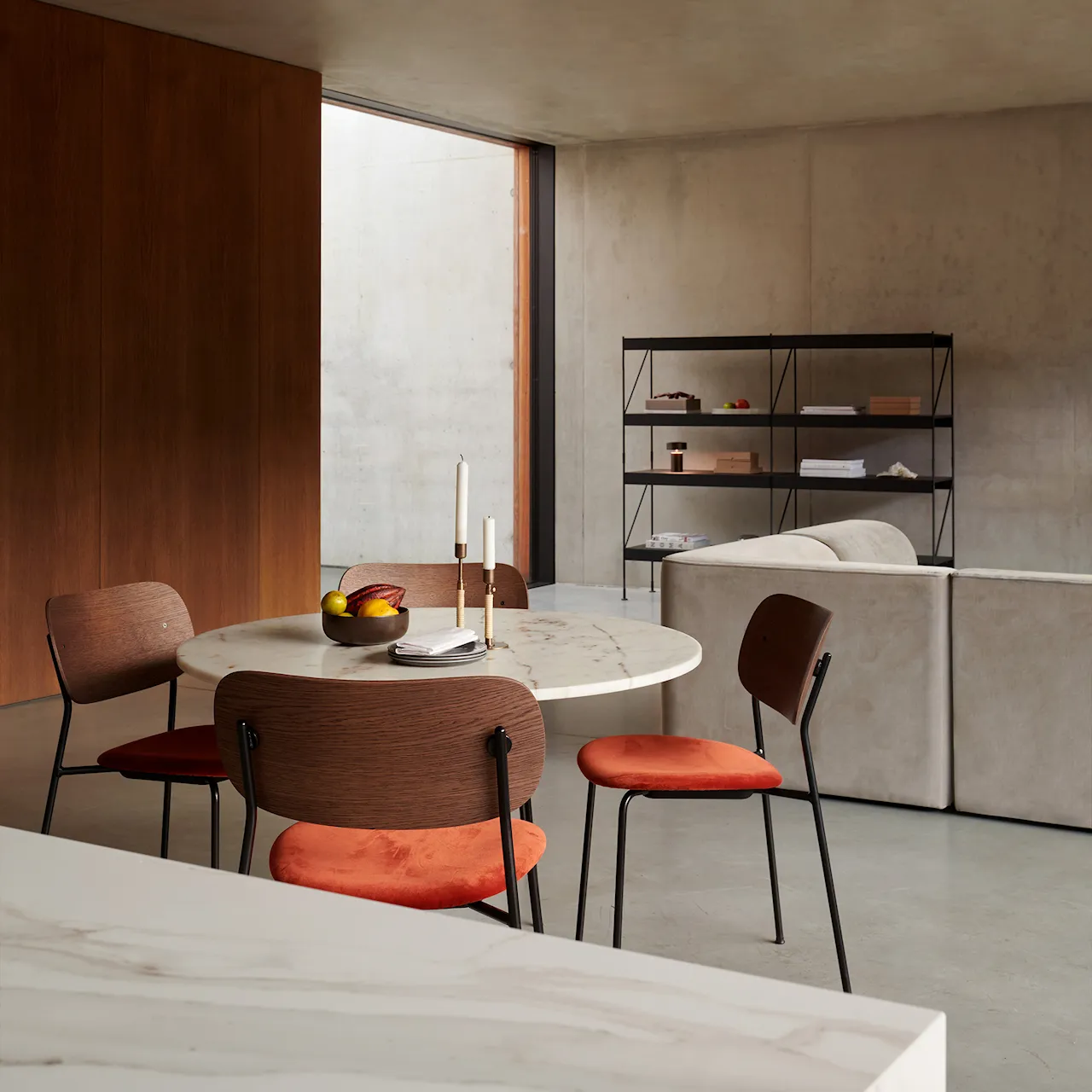
Co Chair Black
€310€365

Carl Hansen
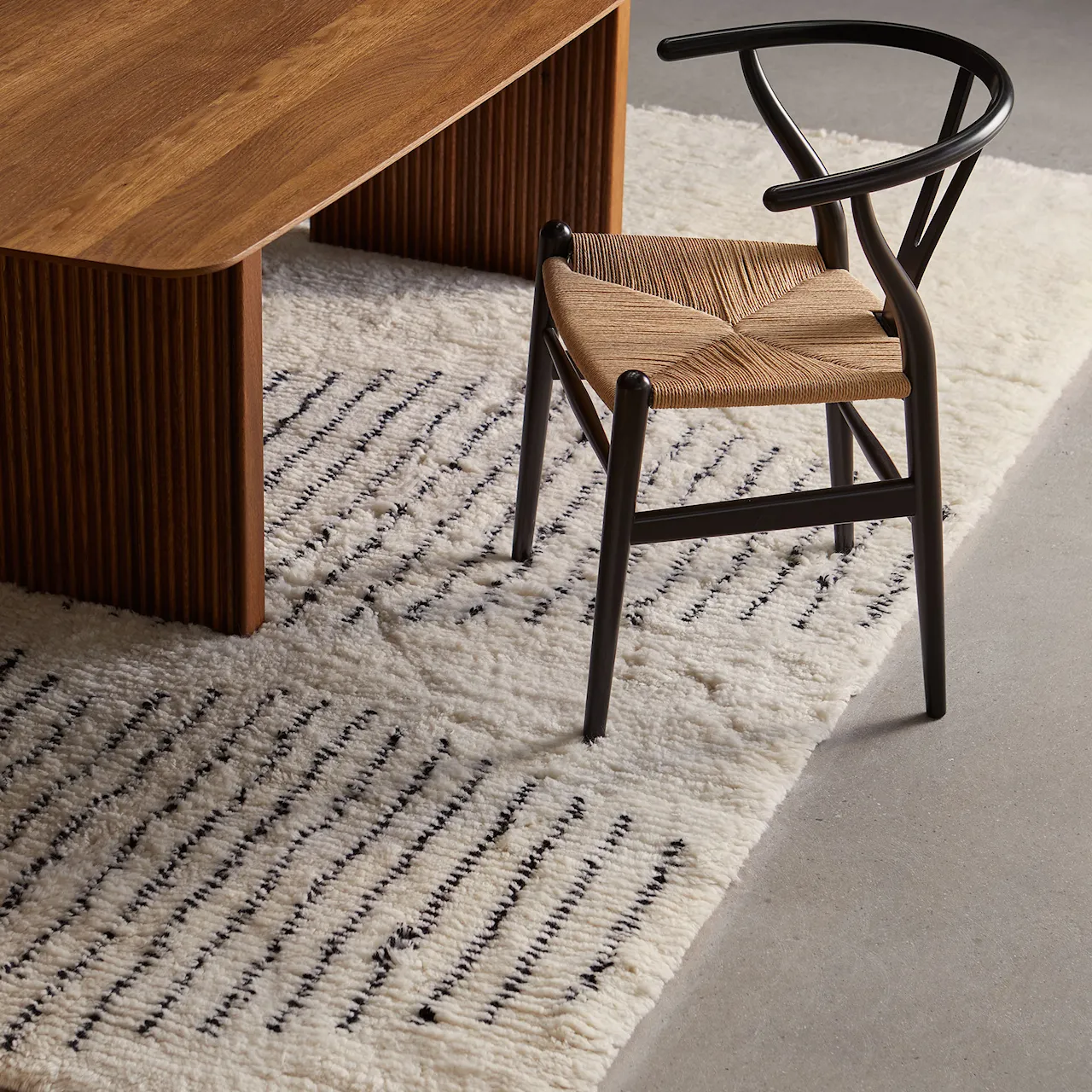
CH24 Wishbone Chair Oak/Natural Cord
From €826€1,032
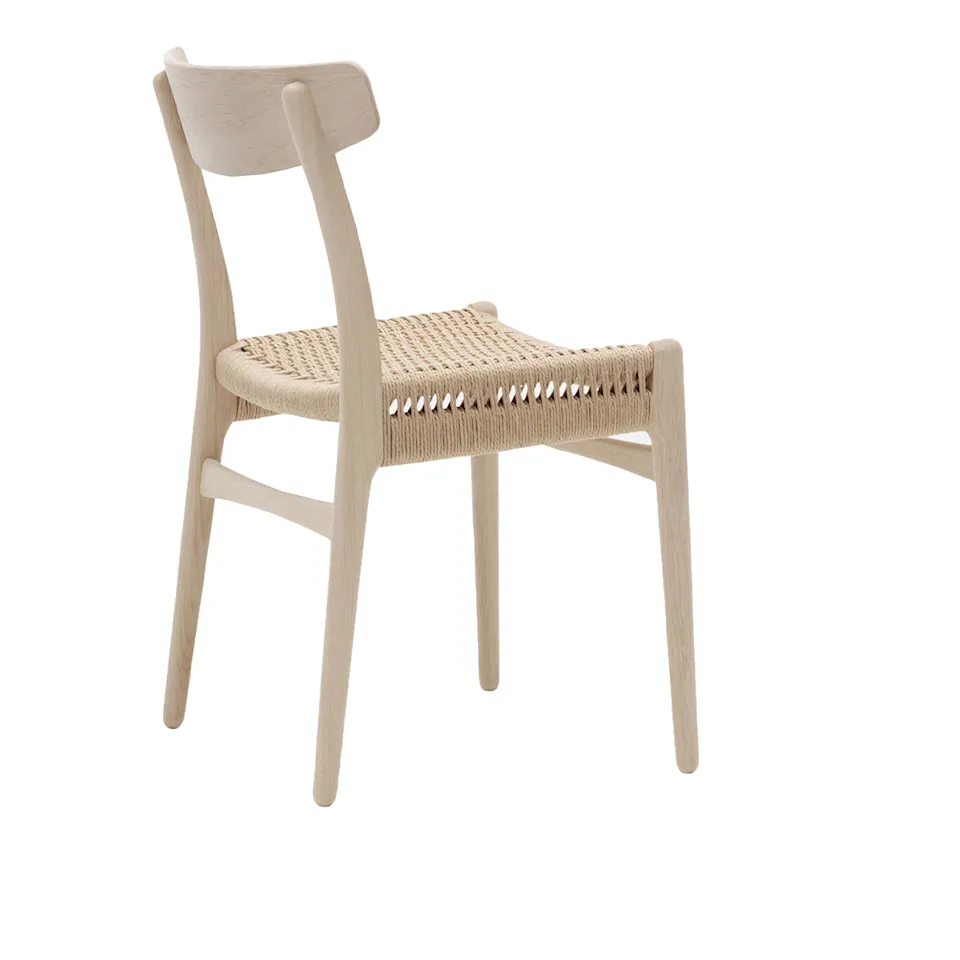
Carl Hansen
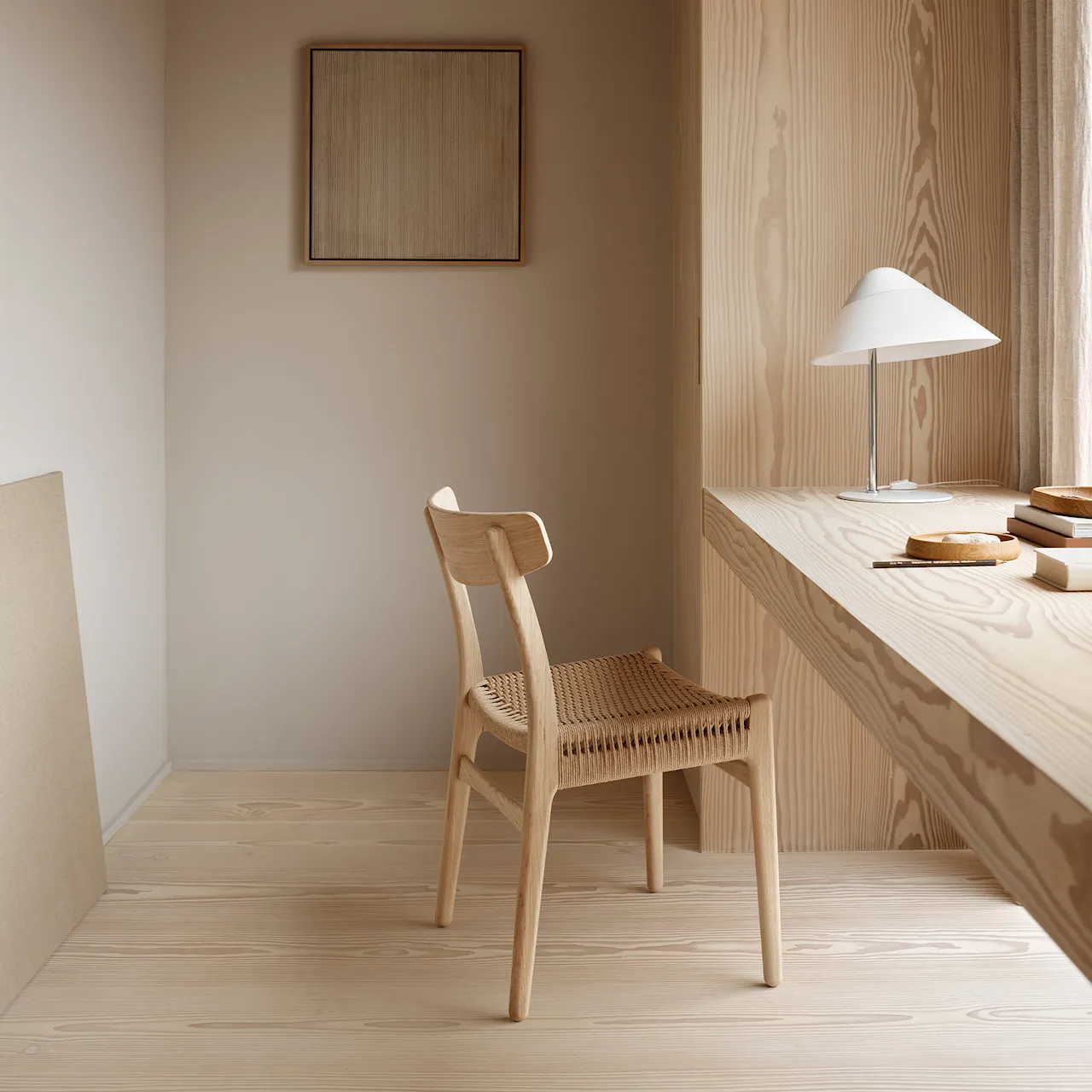
CH23 Chair
From €840€988
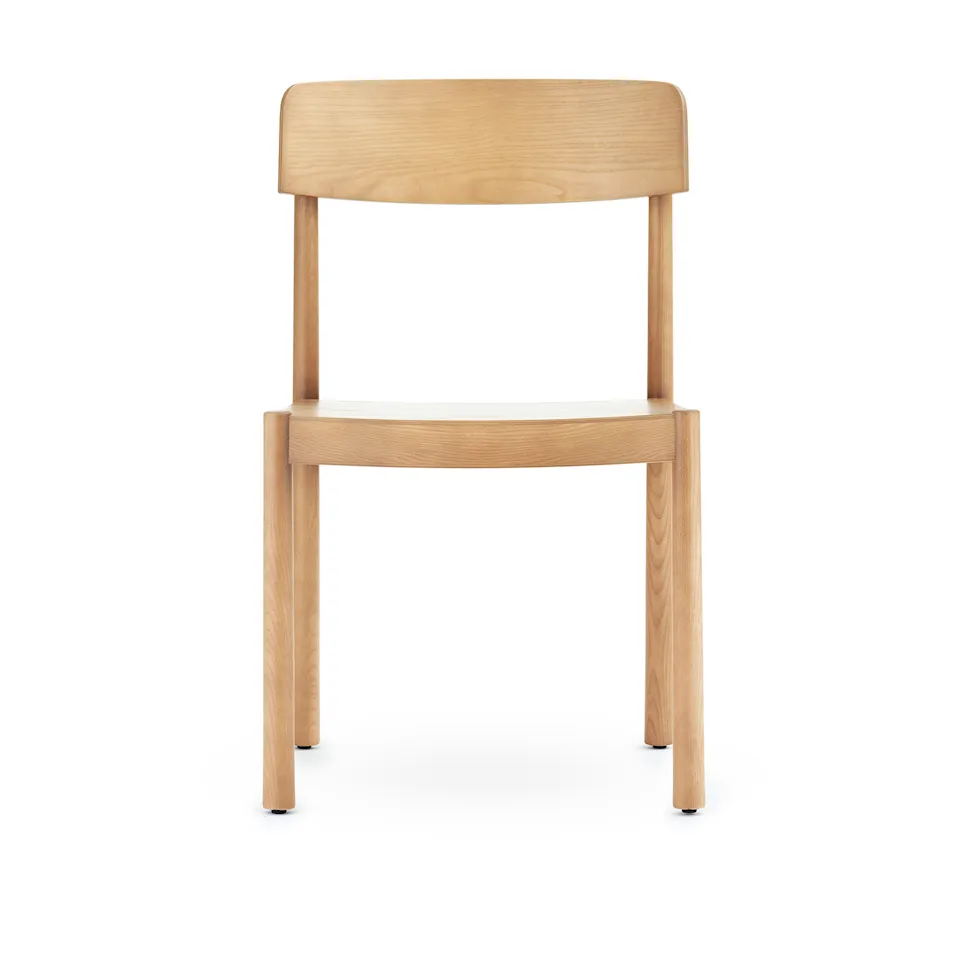
Normann Copenhagen
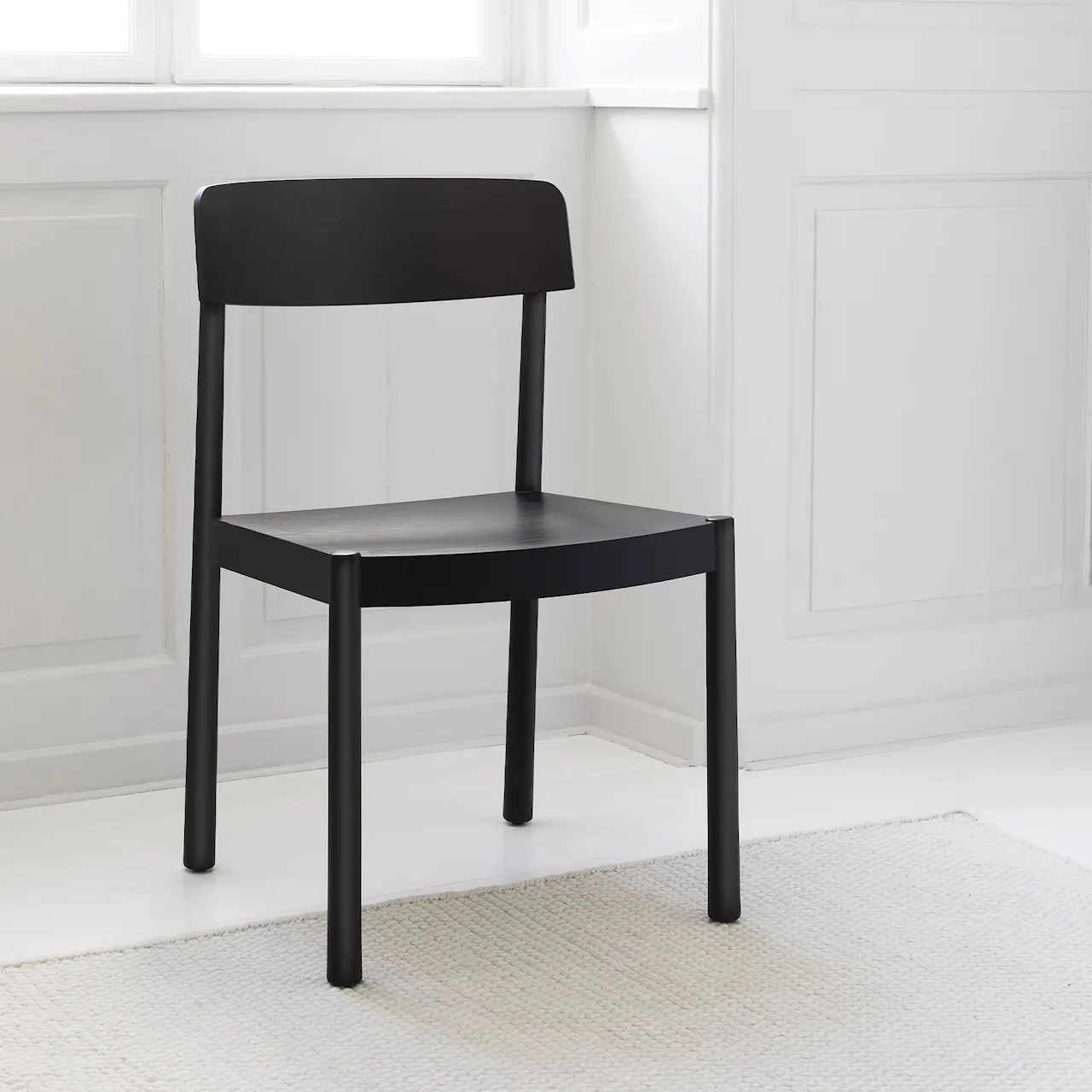
Timb Chair
€289€340
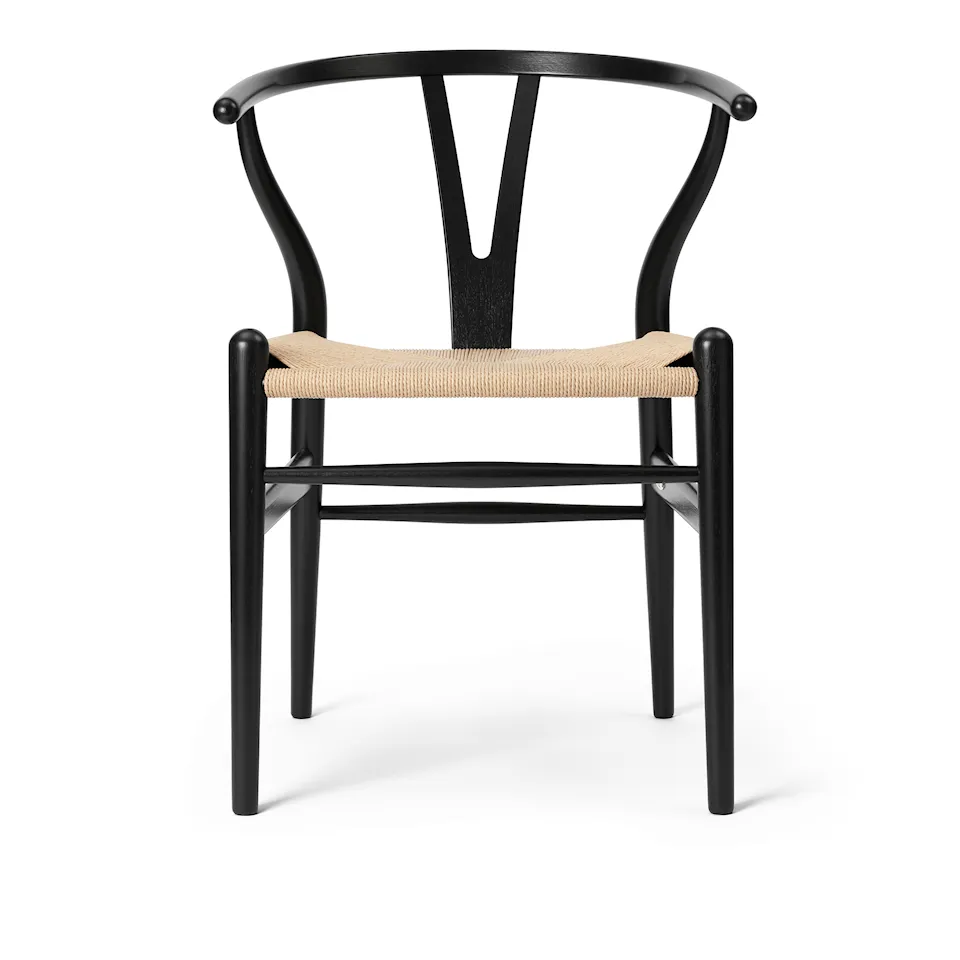
Carl Hansen
CH24 Wishbone Chair Exclusive Edition
€499€610
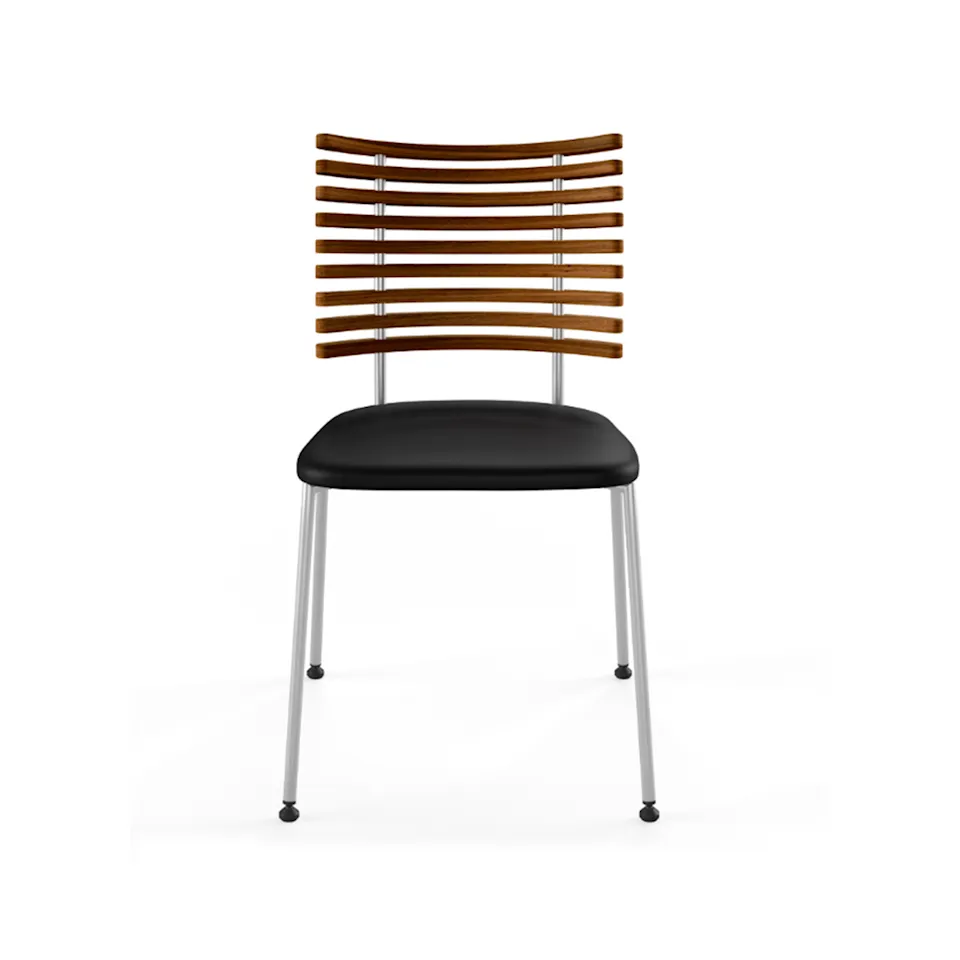
Naver Collection
Tiger 4105
From €588€692
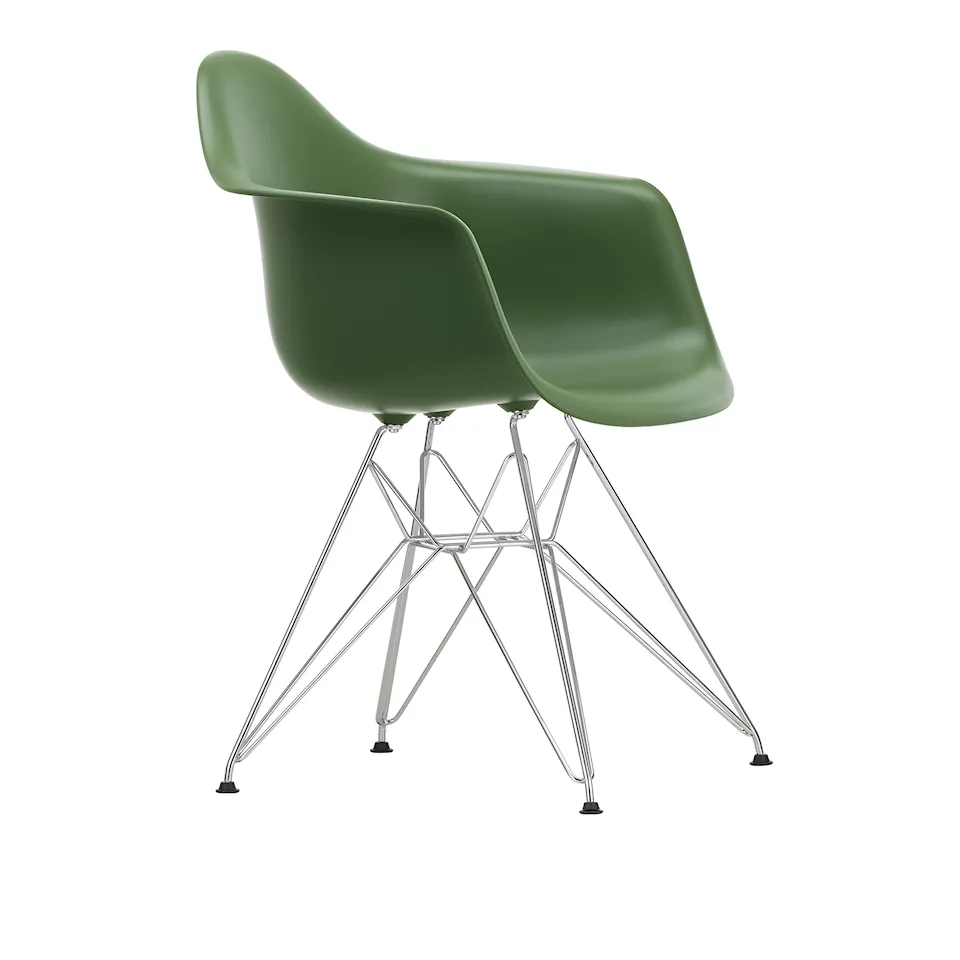
Vitra
Eames RE Plastic Armchair DAR Chrome
€430
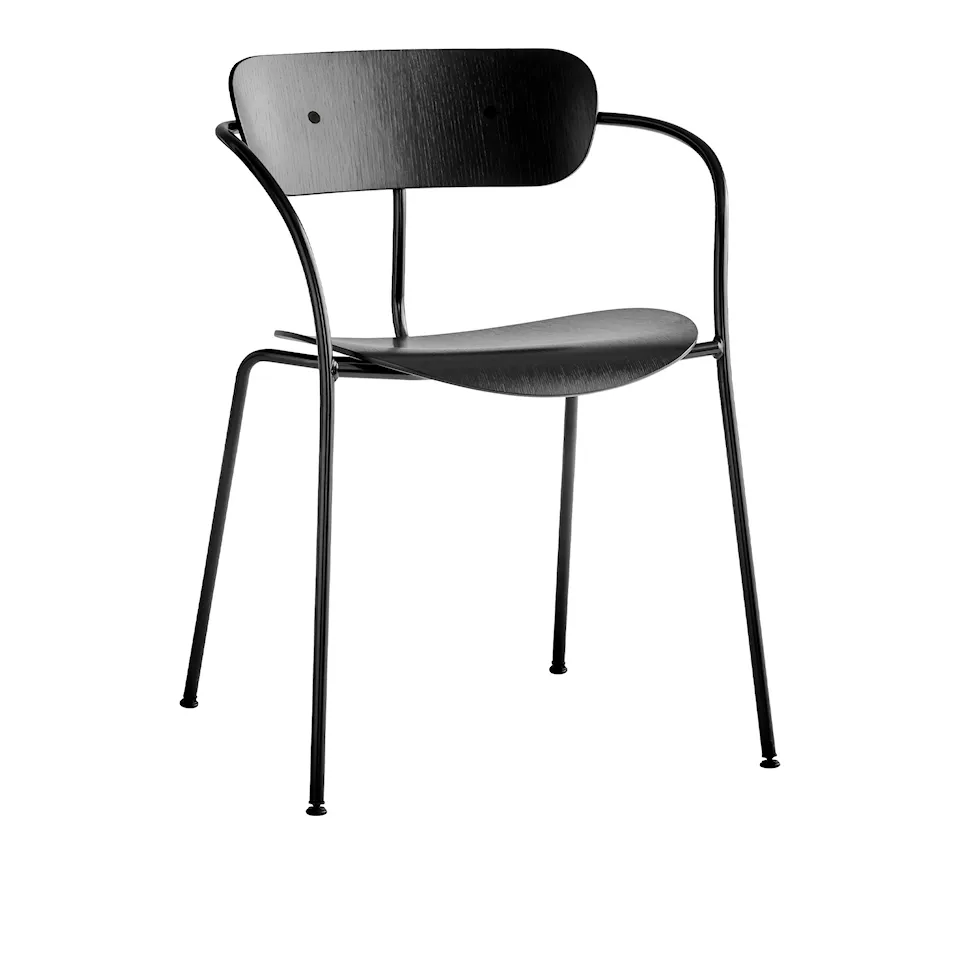
&Tradition
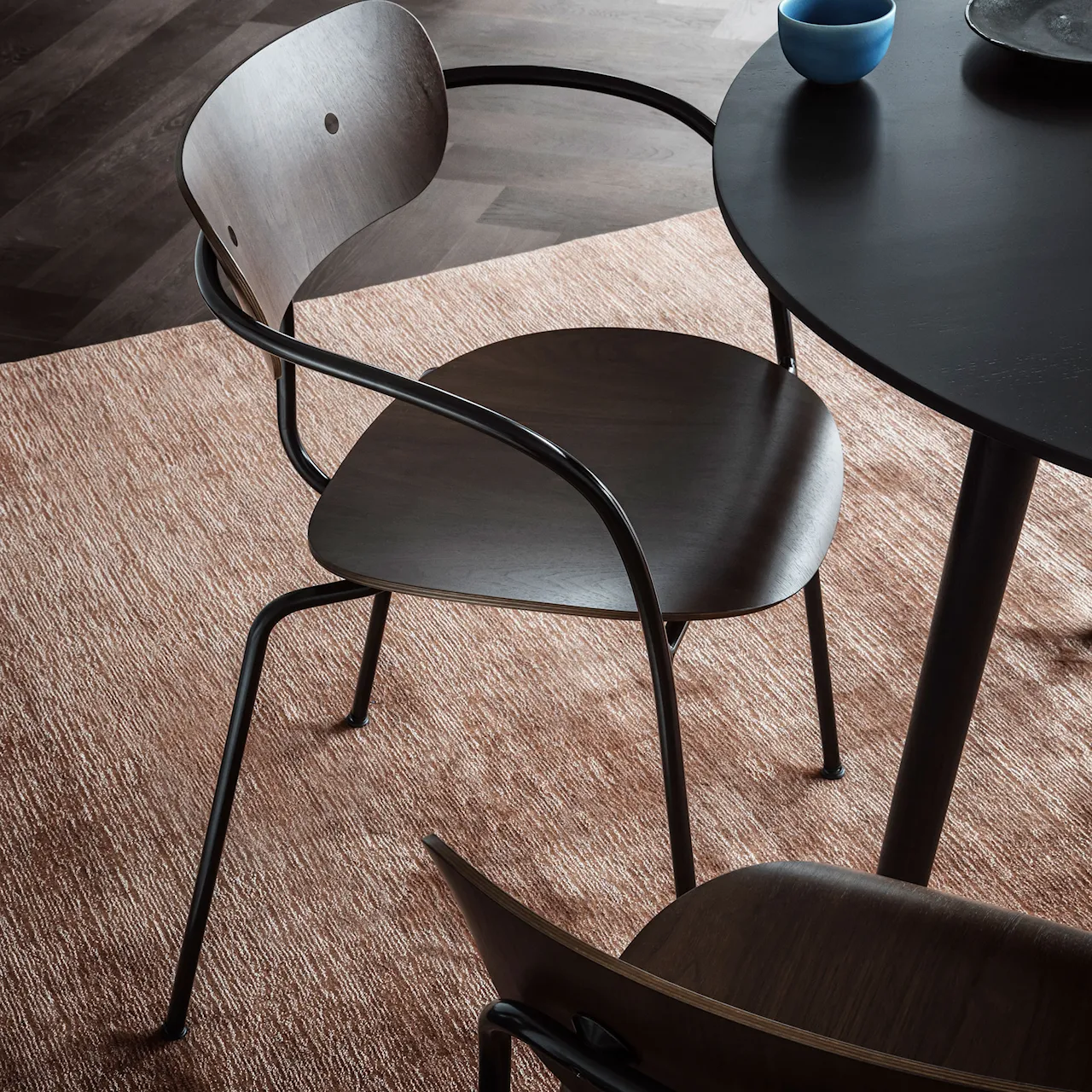
Pavilion Armchair AV2 Black
From €320€377
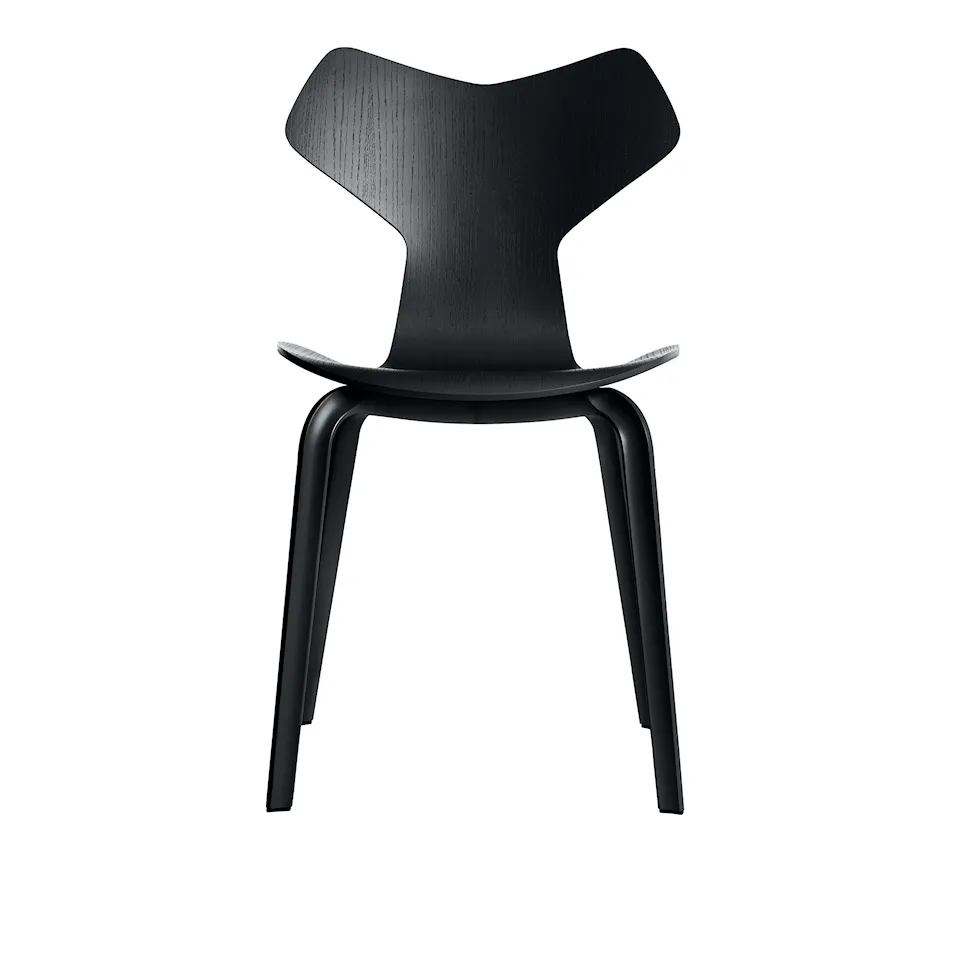
Fritz Hansen
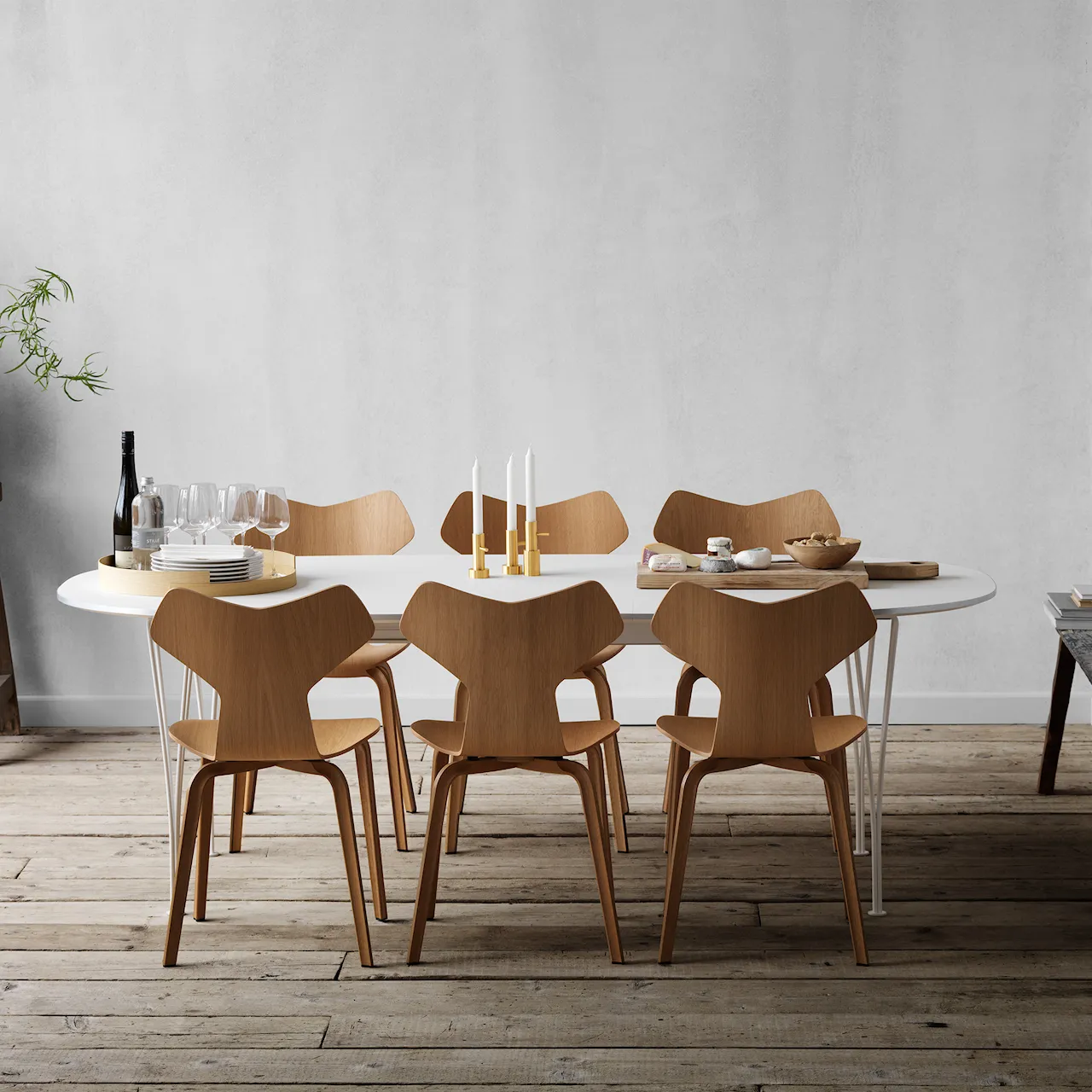
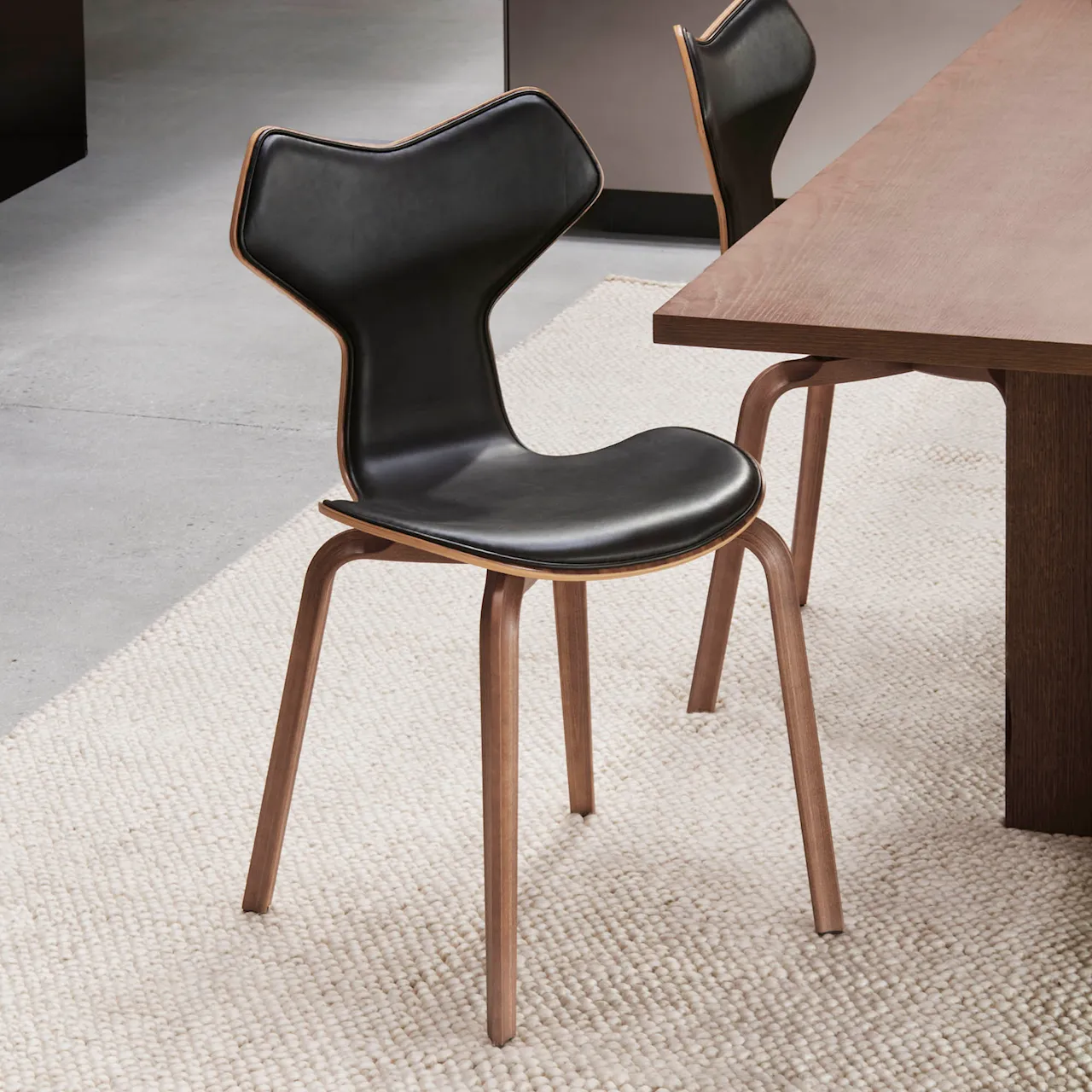
4130 Grand Prix Chair
From €559€658
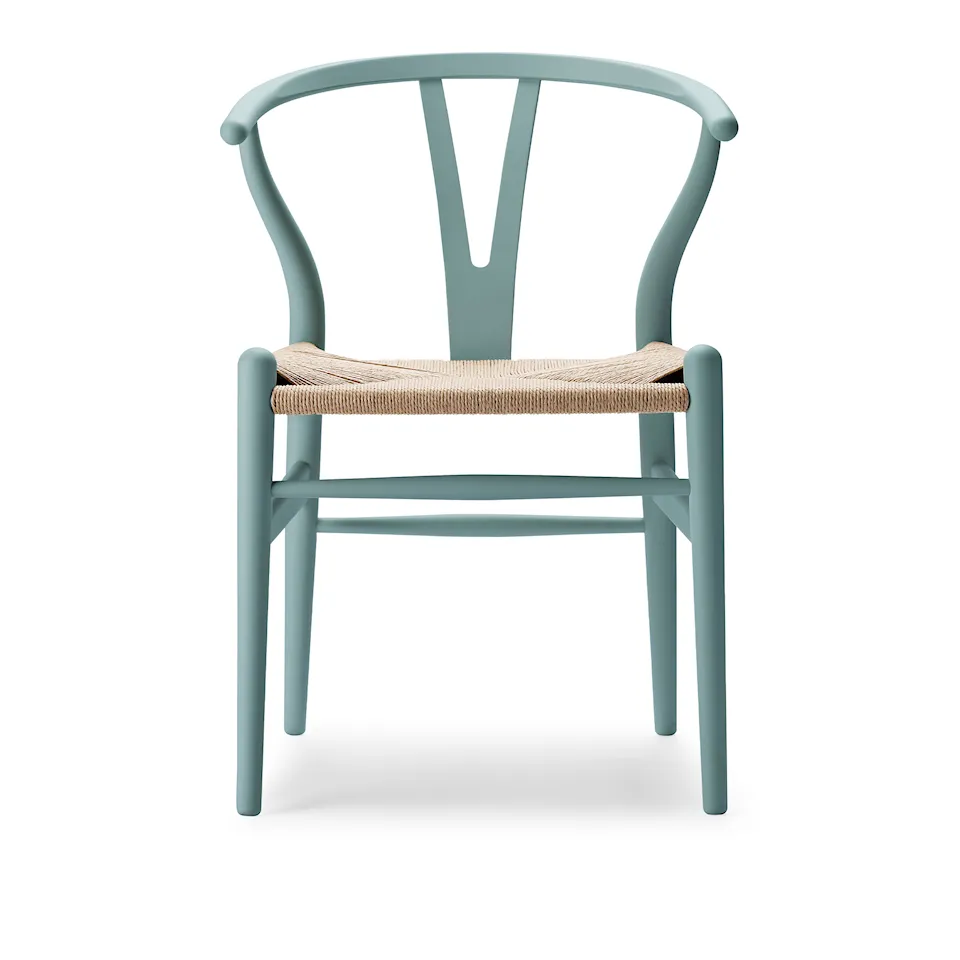
Carl Hansen
CH24 Soft Special Edition Hans J. Wegner & Ilse Crawford
€585€688
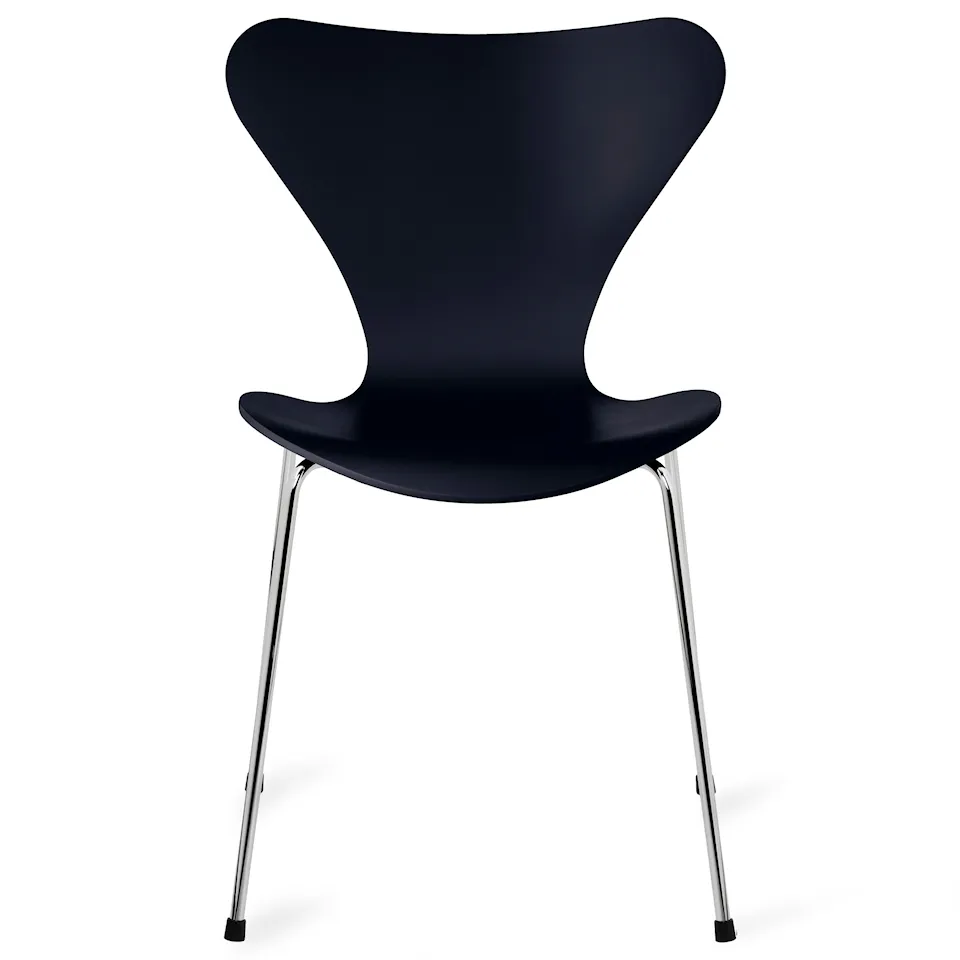
Fritz Hansen
Series 7 chair 3107 lacquered beech veneer
€415€488
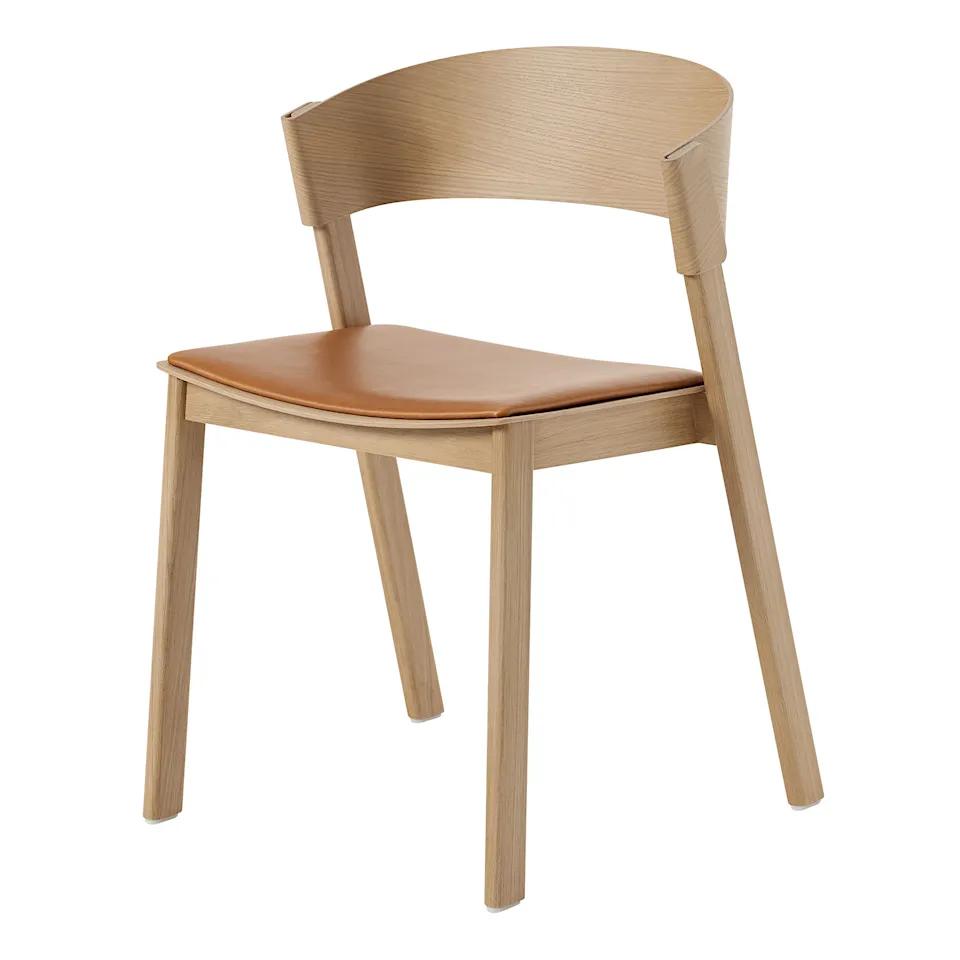
Muuto
Cover Side Chair
From €368€525
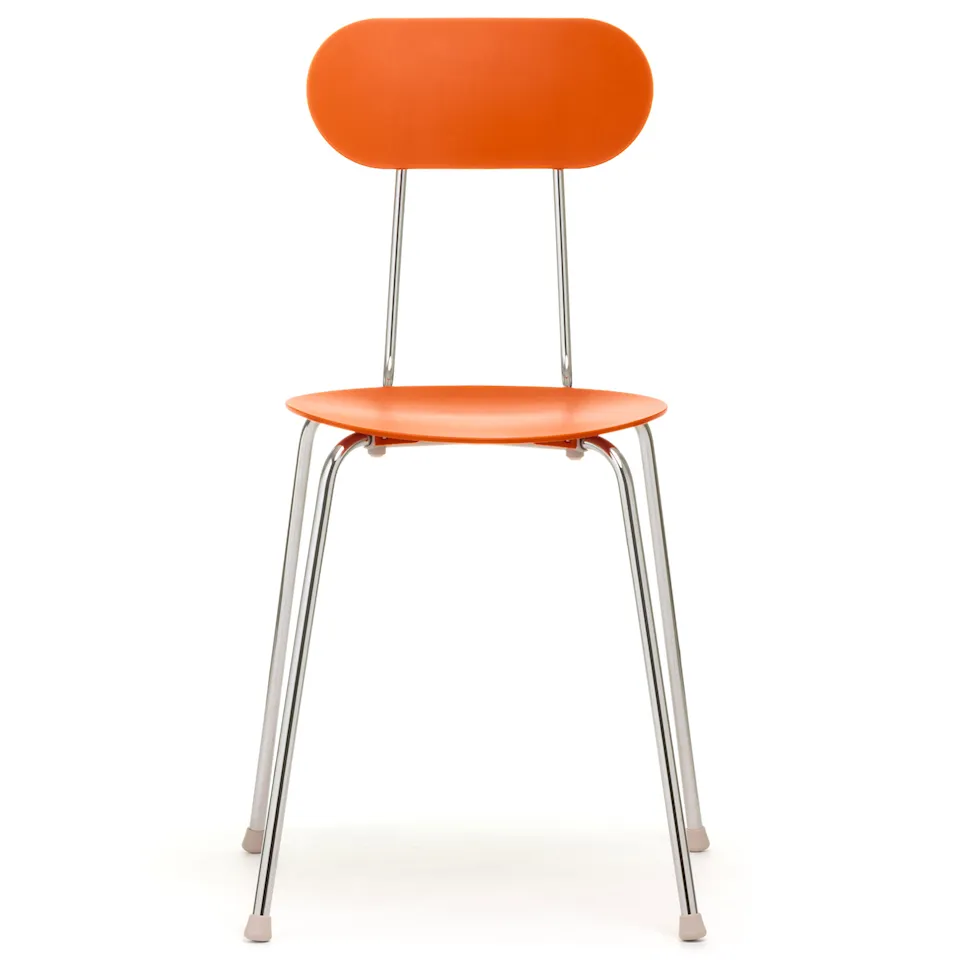
Magis
Mariolina chair chrome
€142€167
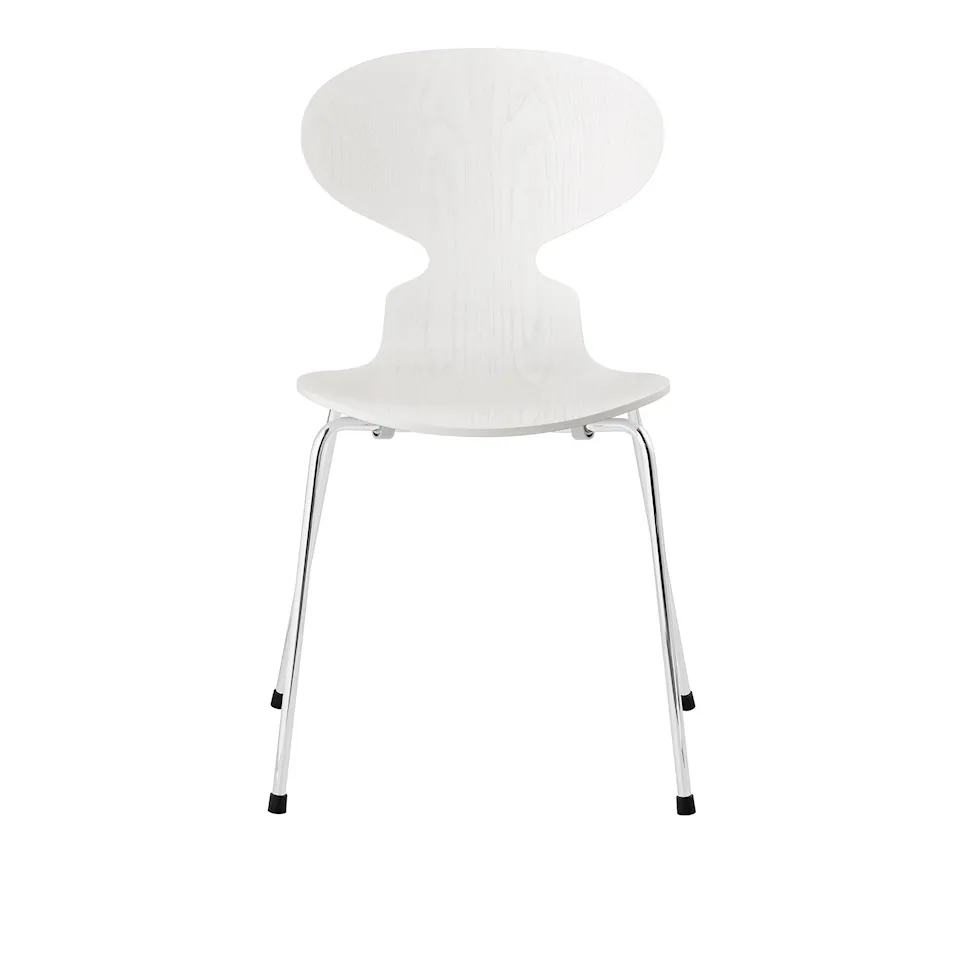
Fritz Hansen
3101 Ant chair
From €287€338
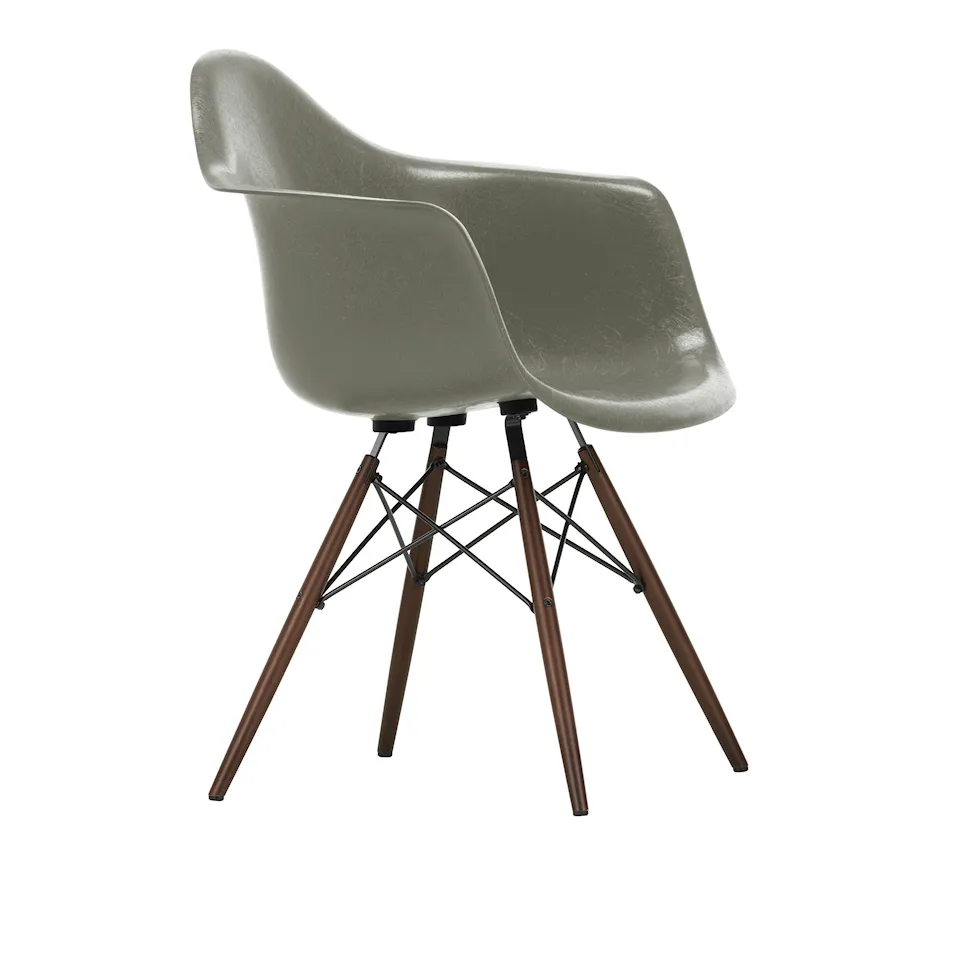
Vitra
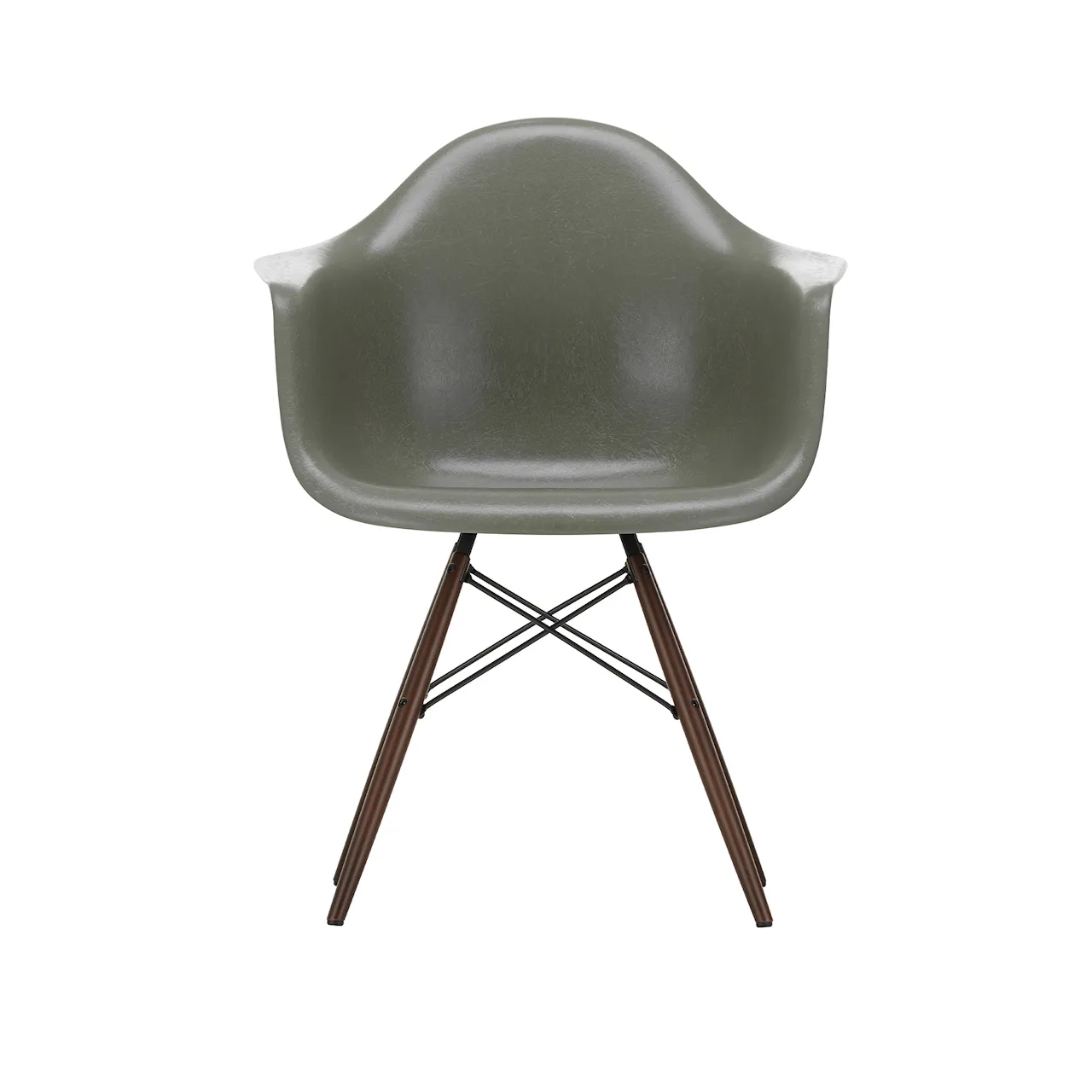
Eames Fiberglass Armchair DAW
From €1,185
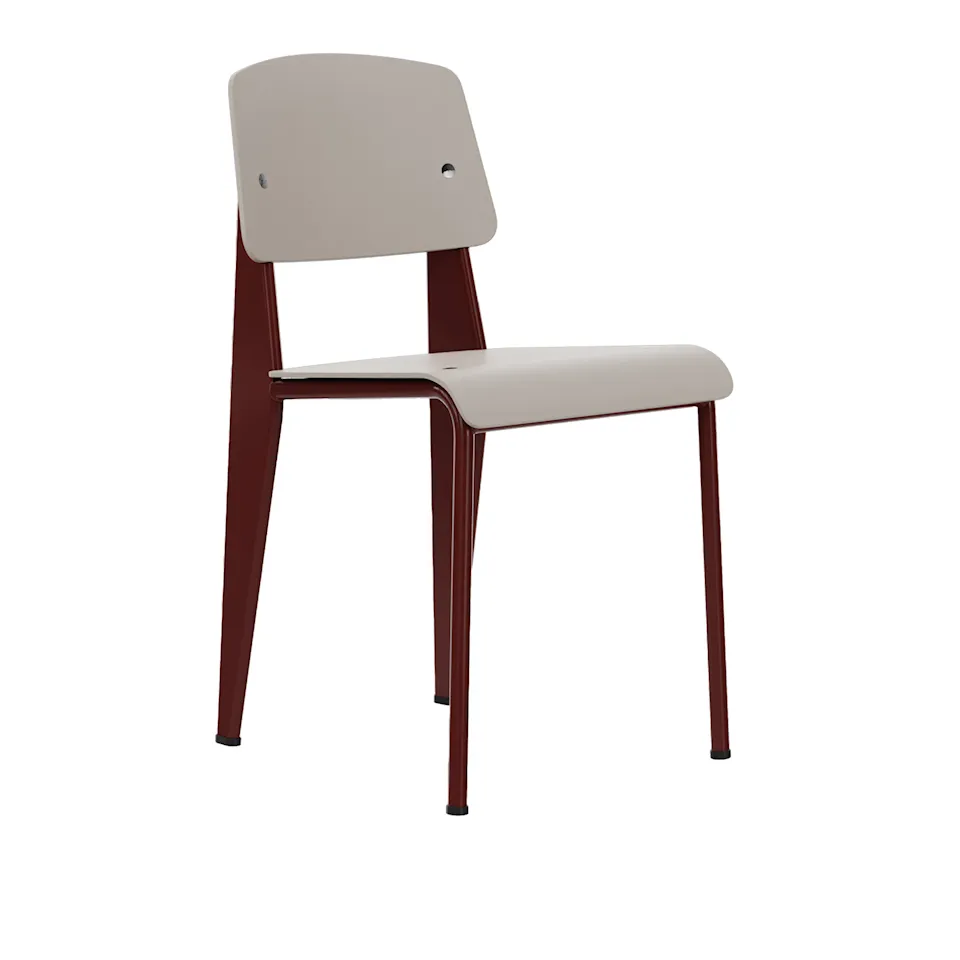
Vitra
Standard SP Chair
€585
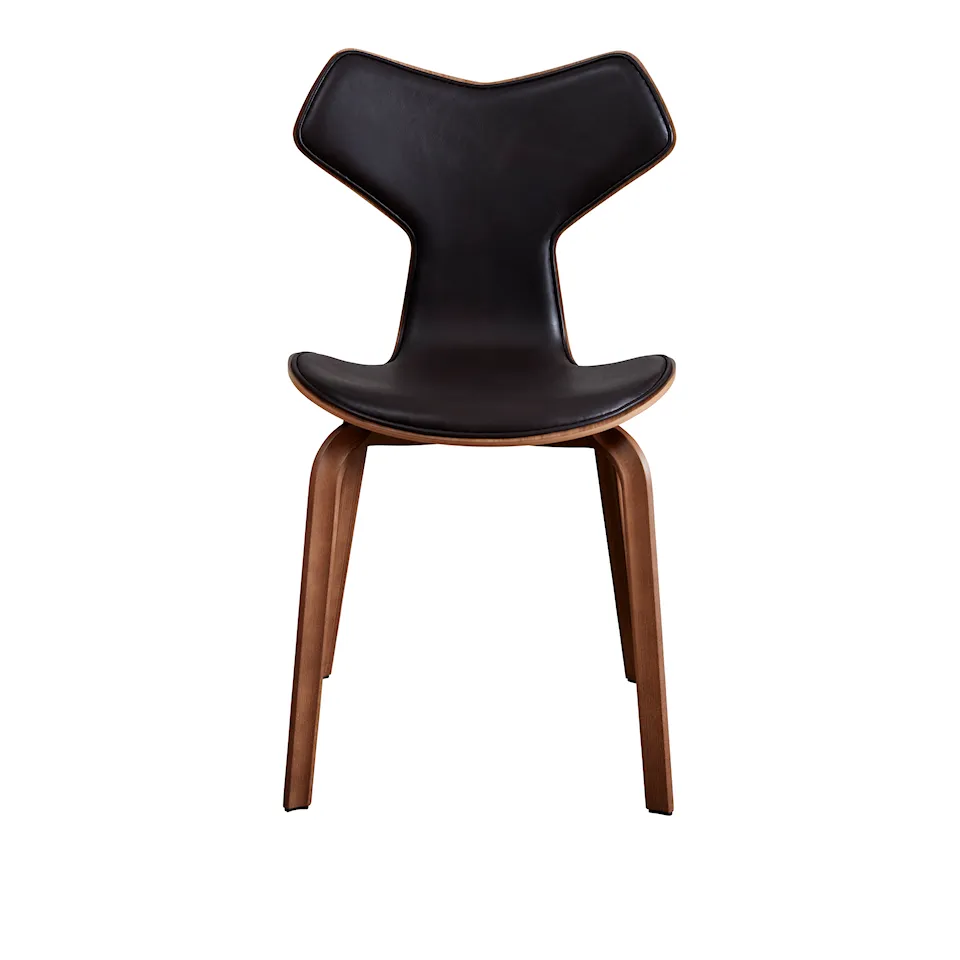
Fritz Hansen
Grand Prix Nordiska Galleriet Exclusive Edition
€1,100€1,330
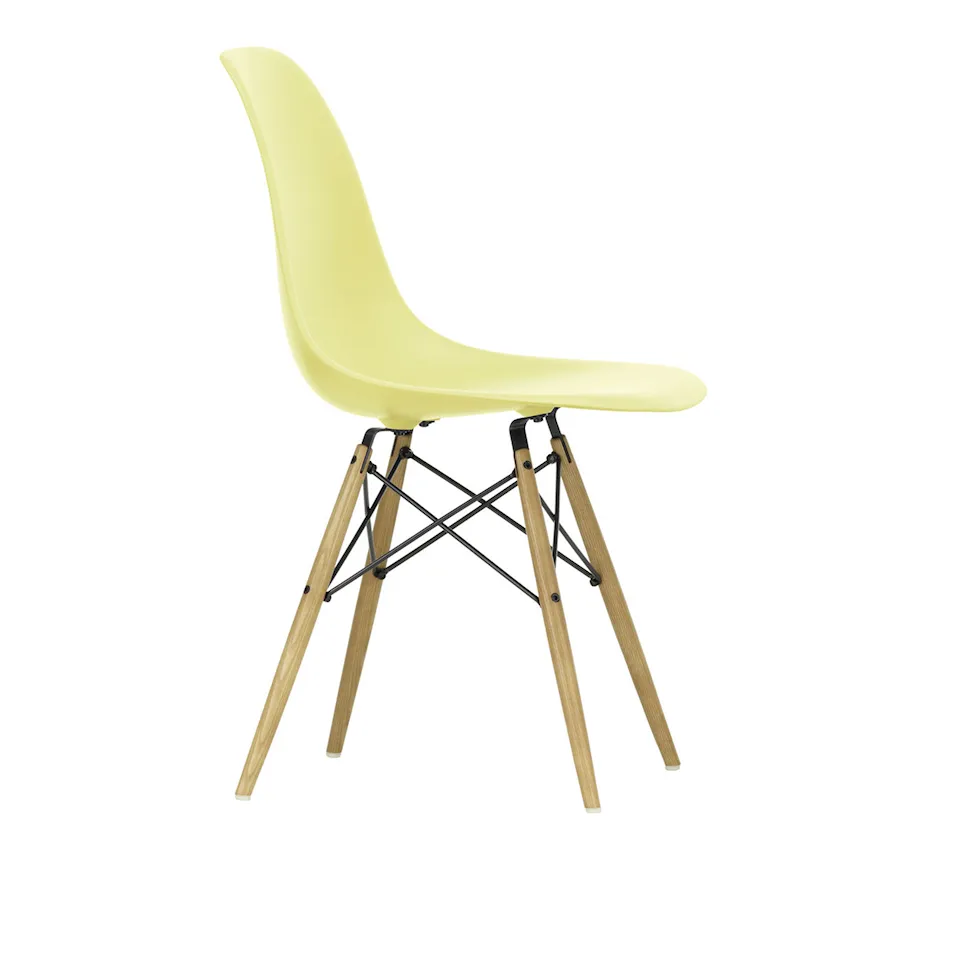
Vitra
Eames RE Plastic Chair DSW Ash Honey Tone
€480
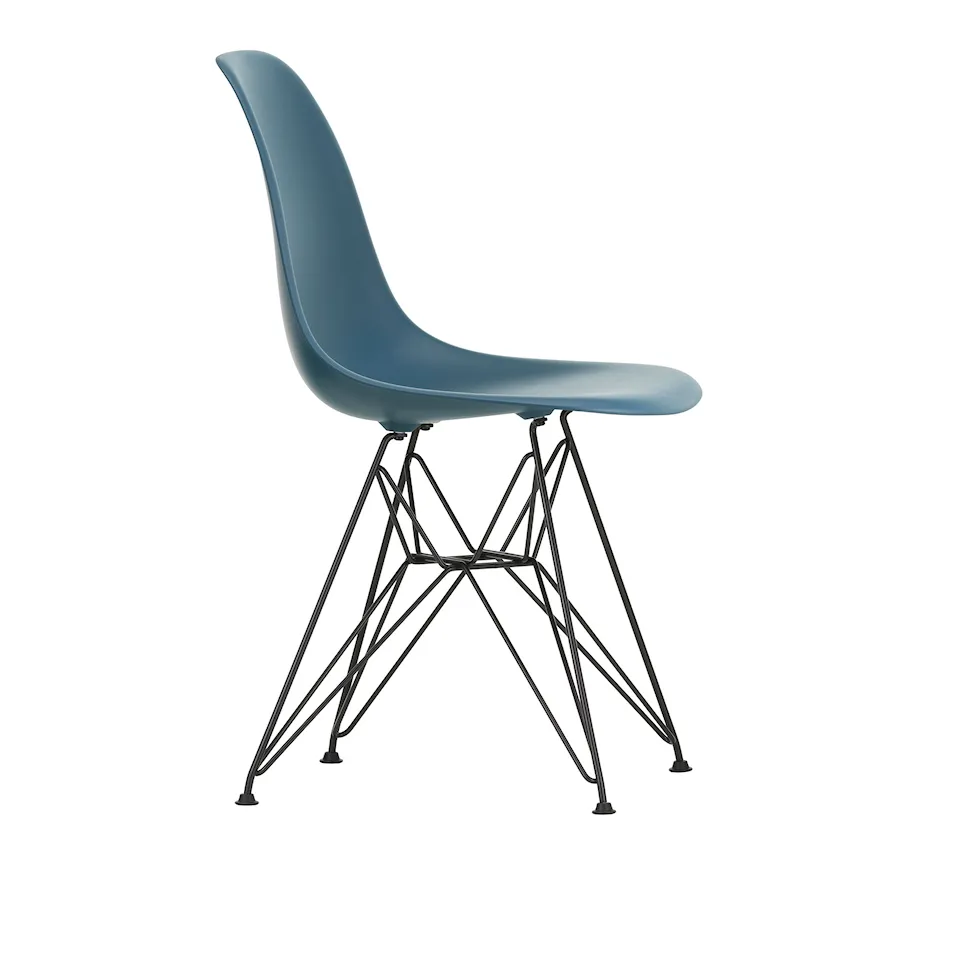
Vitra
Eames RE Plastic Chair DSR Basic Dark
€290
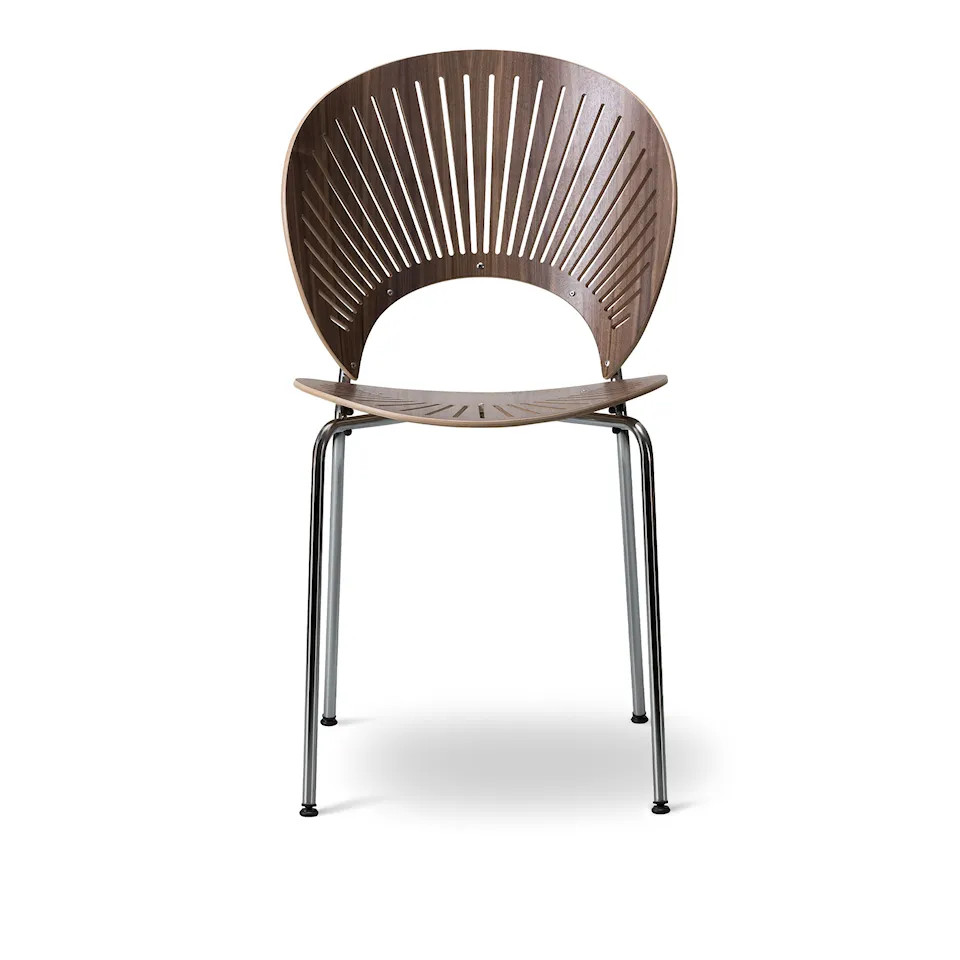
Fredericia Furniture
Trinidad Chair Chrome
From €485€571
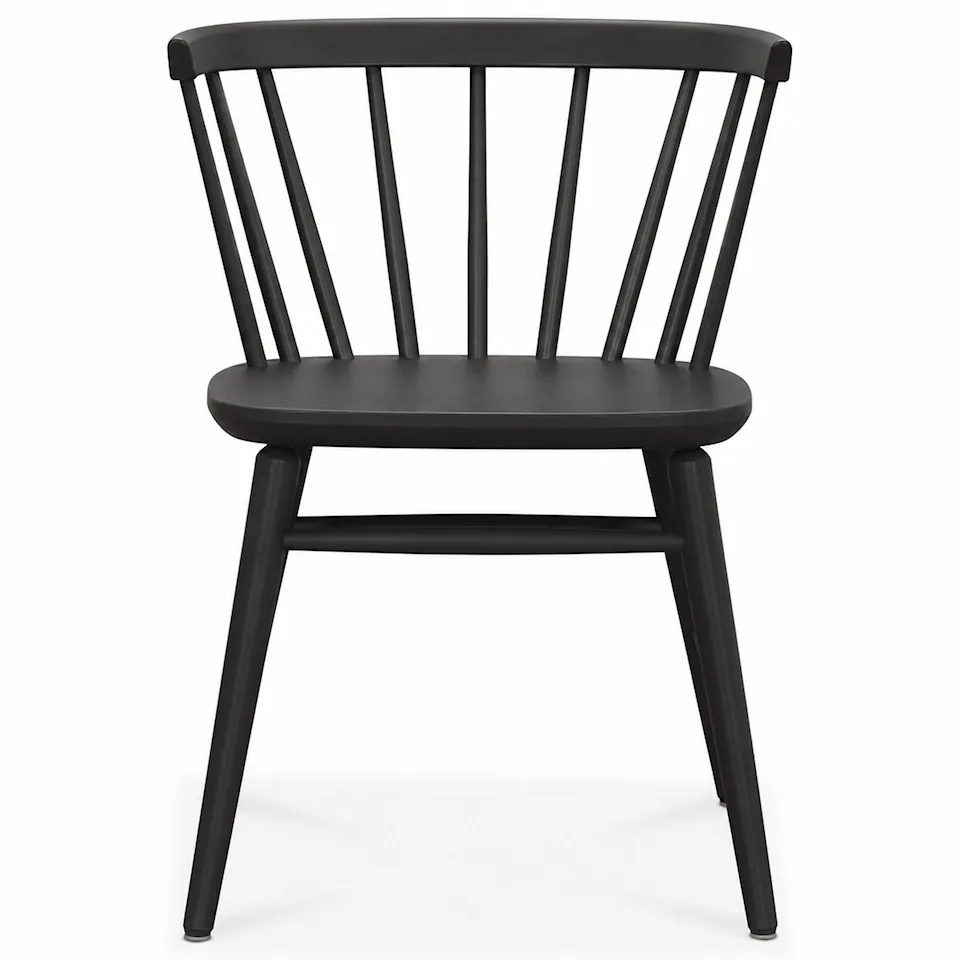
Wigells
Florida Armchair
From €416
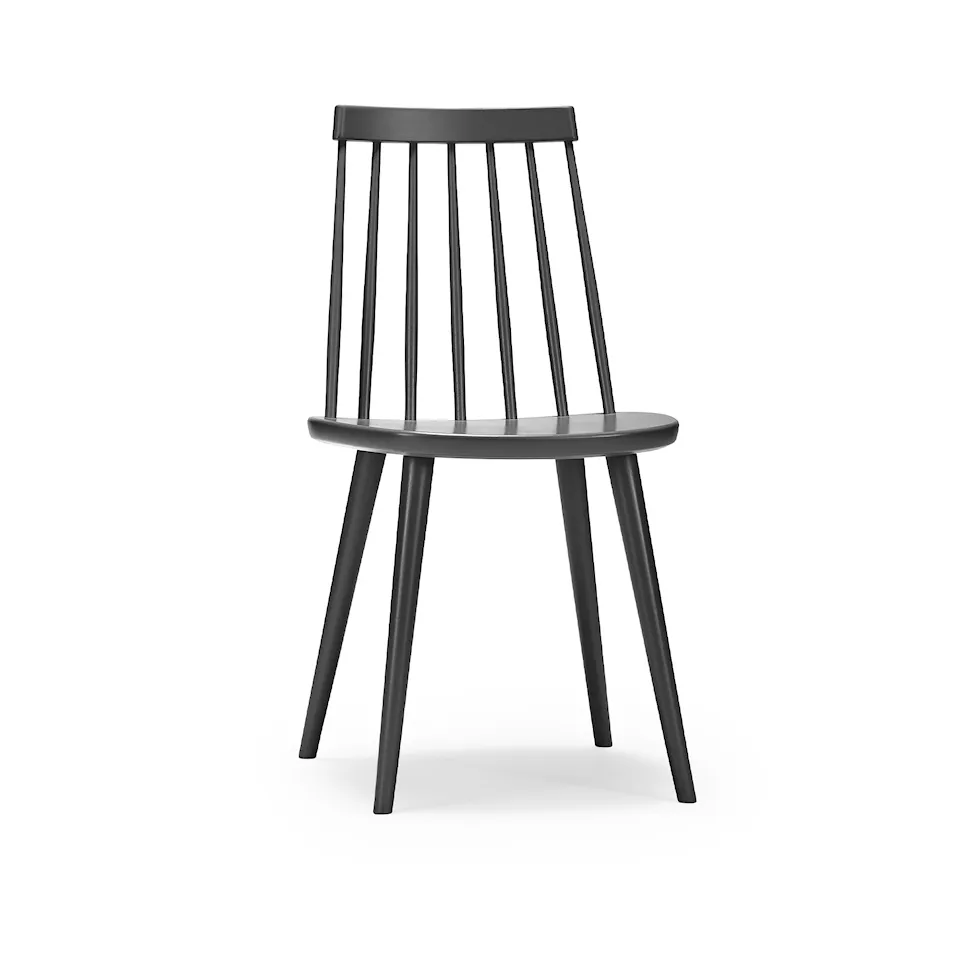
Stolab
Pinnockio Chair Color
€317€396
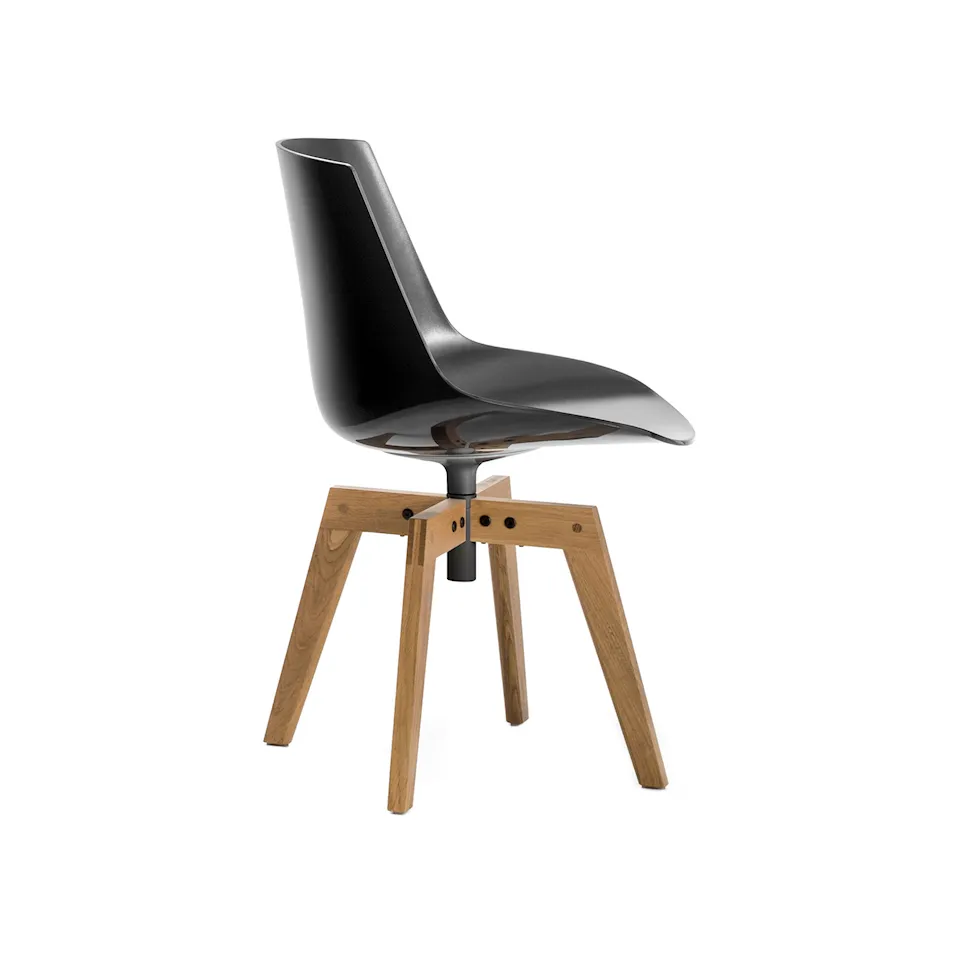
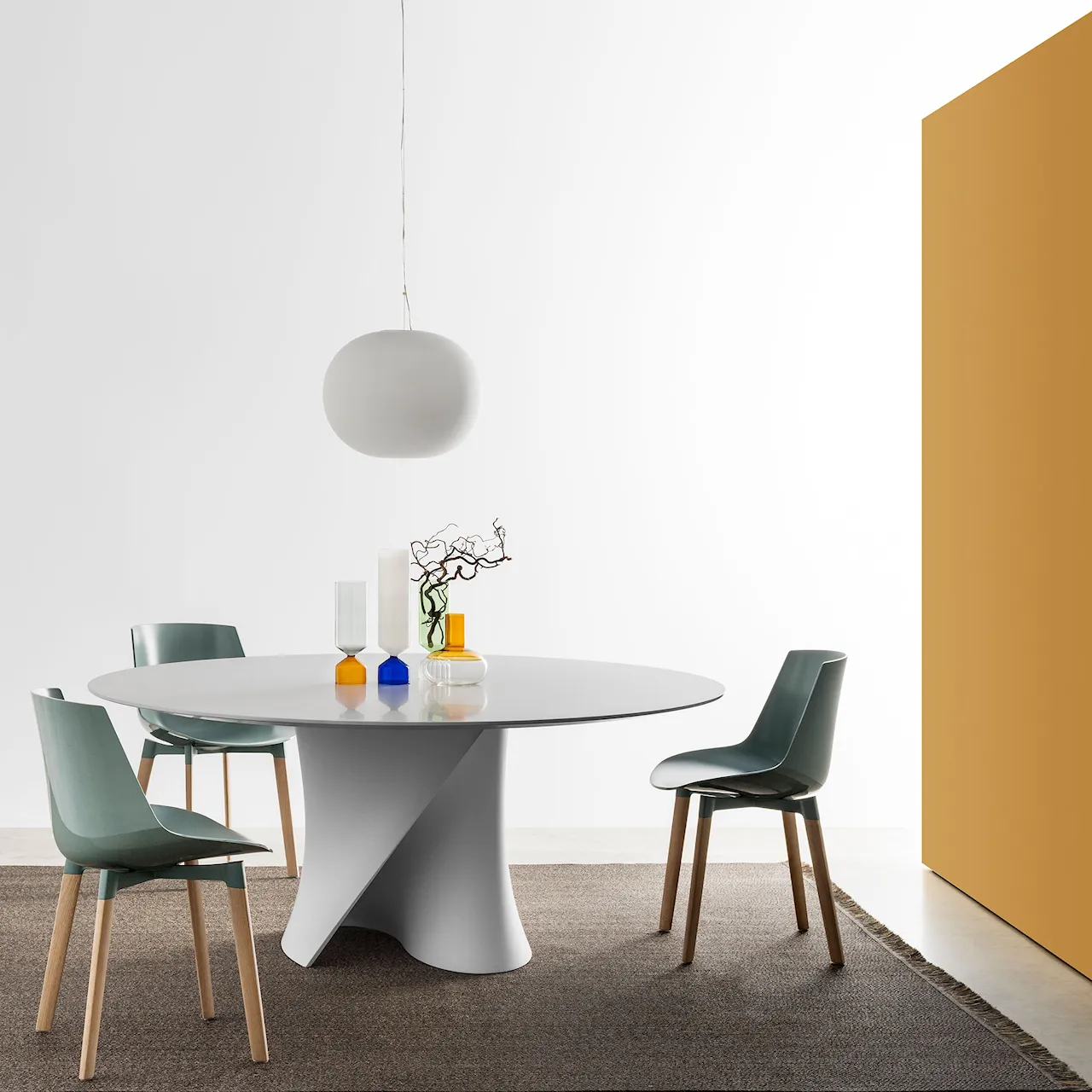
MDF Italia
Flow Chair Color Mass-Pigmented
€688€809
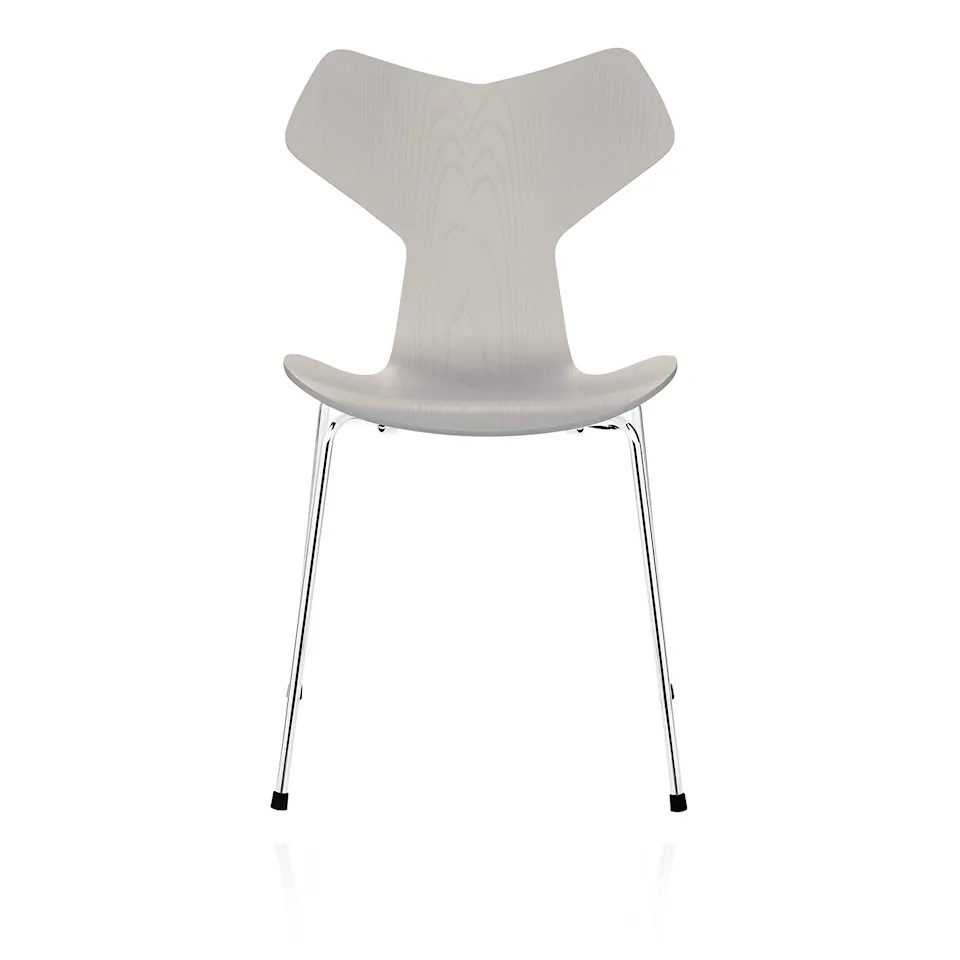
Fritz Hansen
3130 Grand Prix Chair Ash Veneer Chrome
From €406€478
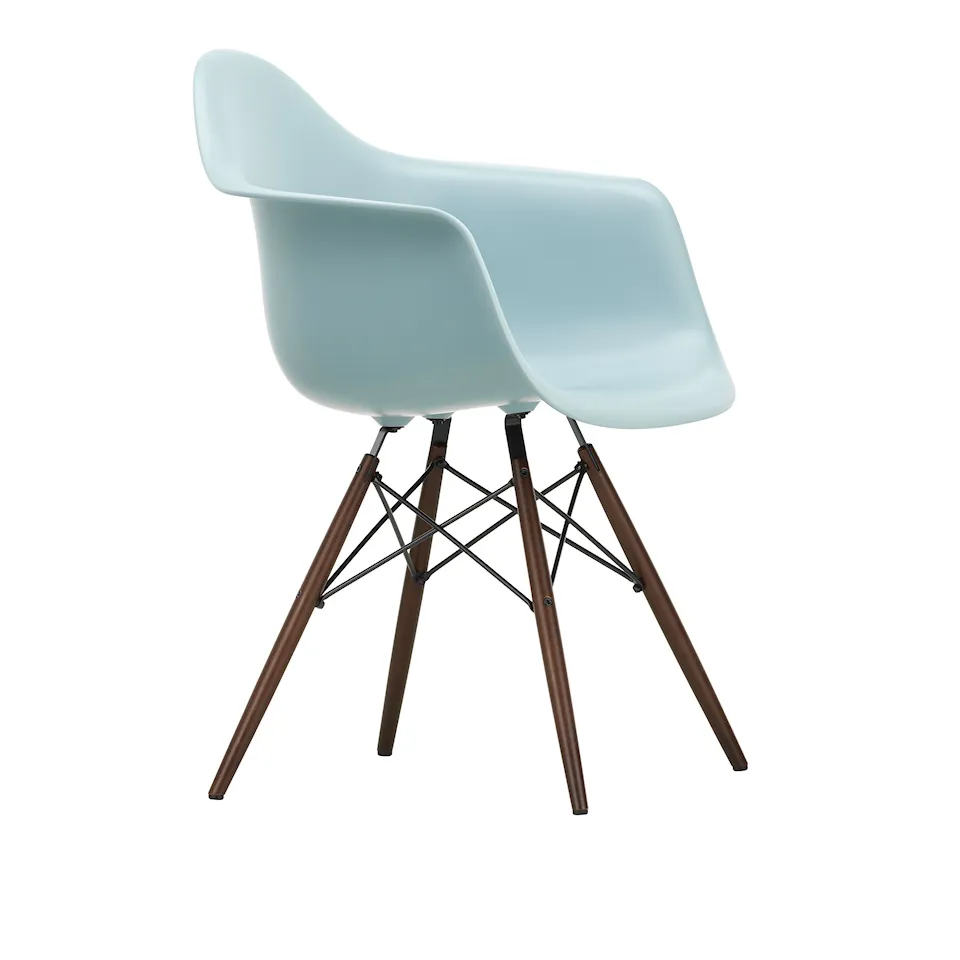
Vitra
Eames RE Plastic Armchair DAW Dark Maple
€580
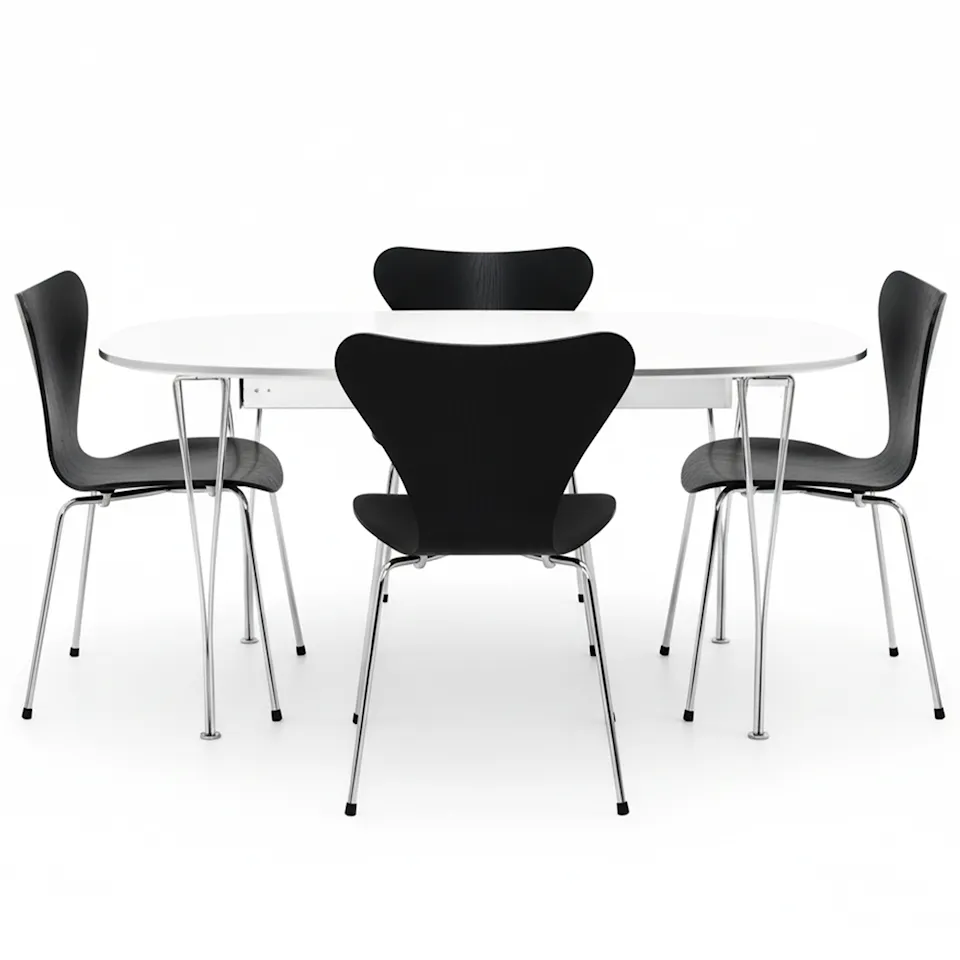
Fritz Hansen
B620 Superellips dining table & Sjuan 3107 dining chair black ash 4 pcs
€5,928€6,974
Dining chairs are furniture intended for daily use at the dining table. Construction, seat height, materials, and proportions determine how the chair functions within a space and over time in use. NO GA’s selection of dining chairs includes models made of wood, metal, and upholstered designs, chosen for stable construction, consistent proportions, and long-term durability.
The choice of dining chairs affects both the usability of the dining area and its visual structure. A dining chair is designed for repeated use and should provide stable support during extended periods of sitting. At the same time, the chair forms part of the room’s furnishing and interacts with the table, other furniture, and the proportions of the space.
The dining chair does not function solely as seating, but as a component within a larger whole. Seat height, the chair’s volume, and the character of the materials influence how the room is perceived and used. A cohesive interior is built on clear relationships between the form, scale, and construction of the furniture.
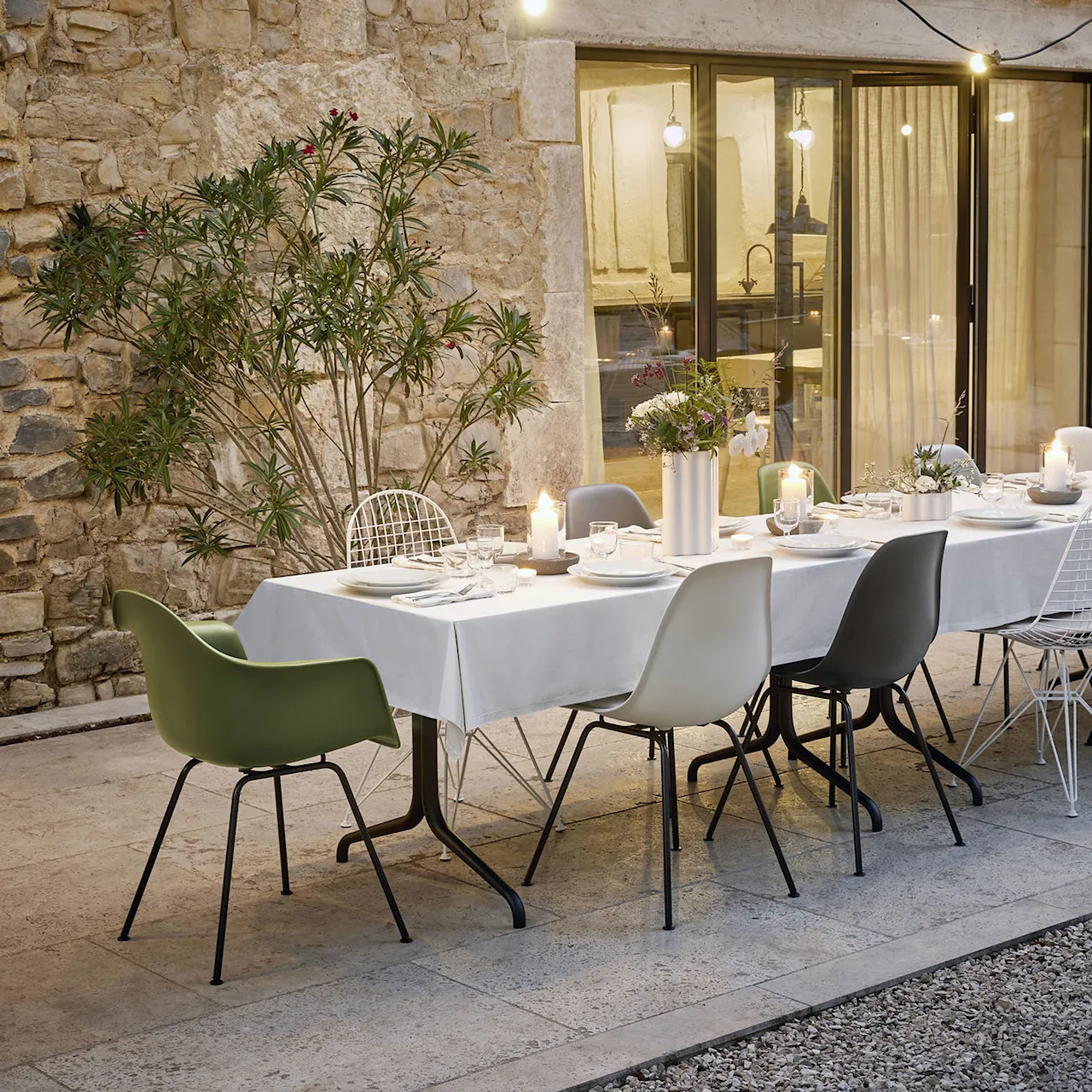
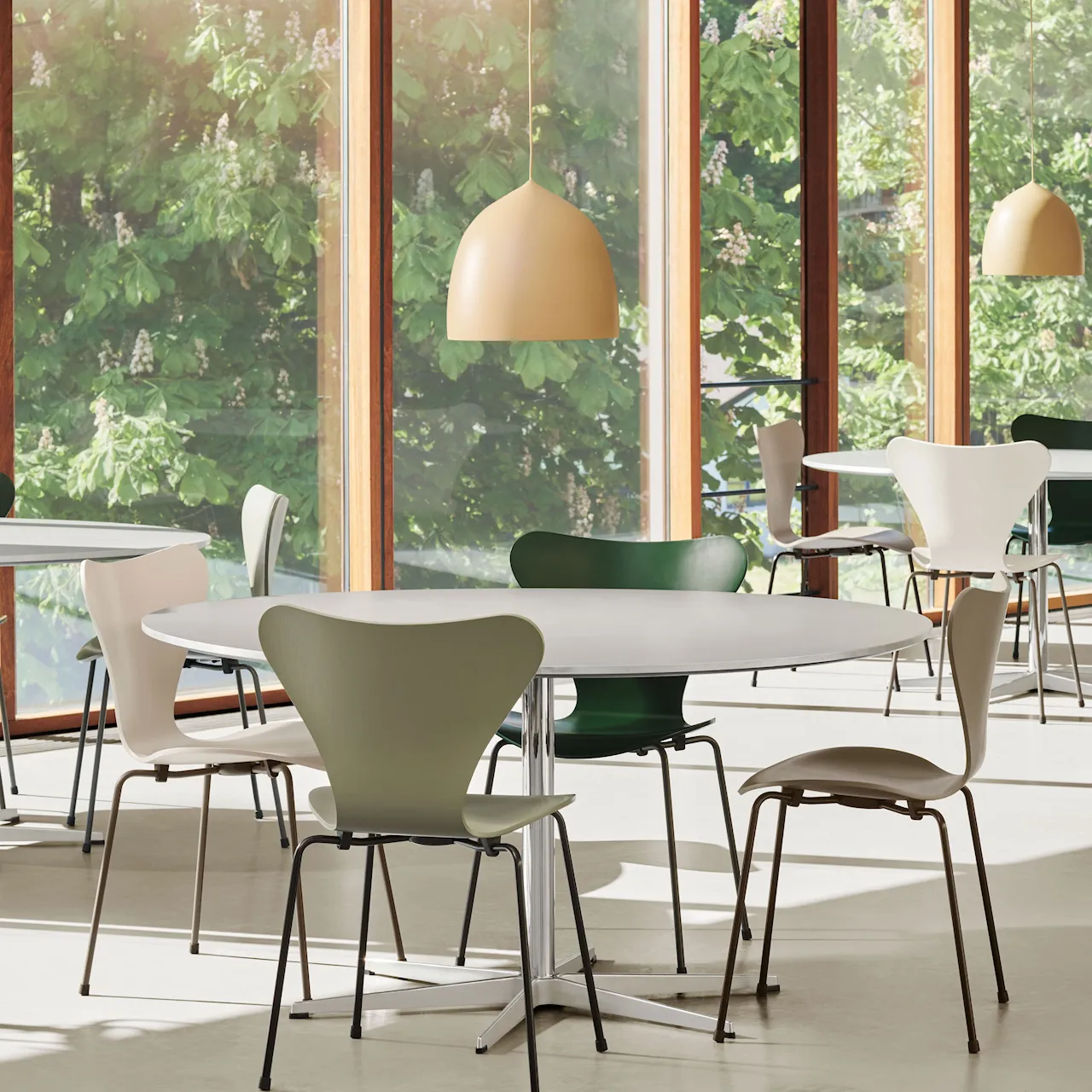
In some settings, variation among different chairs around a table occurs. Such variation may be based on shared references, such as materials, color palette, or formal language. Differences can exist within a consistent framework, where each chair relates to the whole through proportion and construction. In this way, variation can be introduced without altering the overall structure.
NO GA’s selection of dining chairs includes furniture designed by designers with a strong grounding in design history and furniture tradition. The selection is based on construction, material quality, and documented use over time. The focus is on design where function, proportion, and production are closely interconnected.
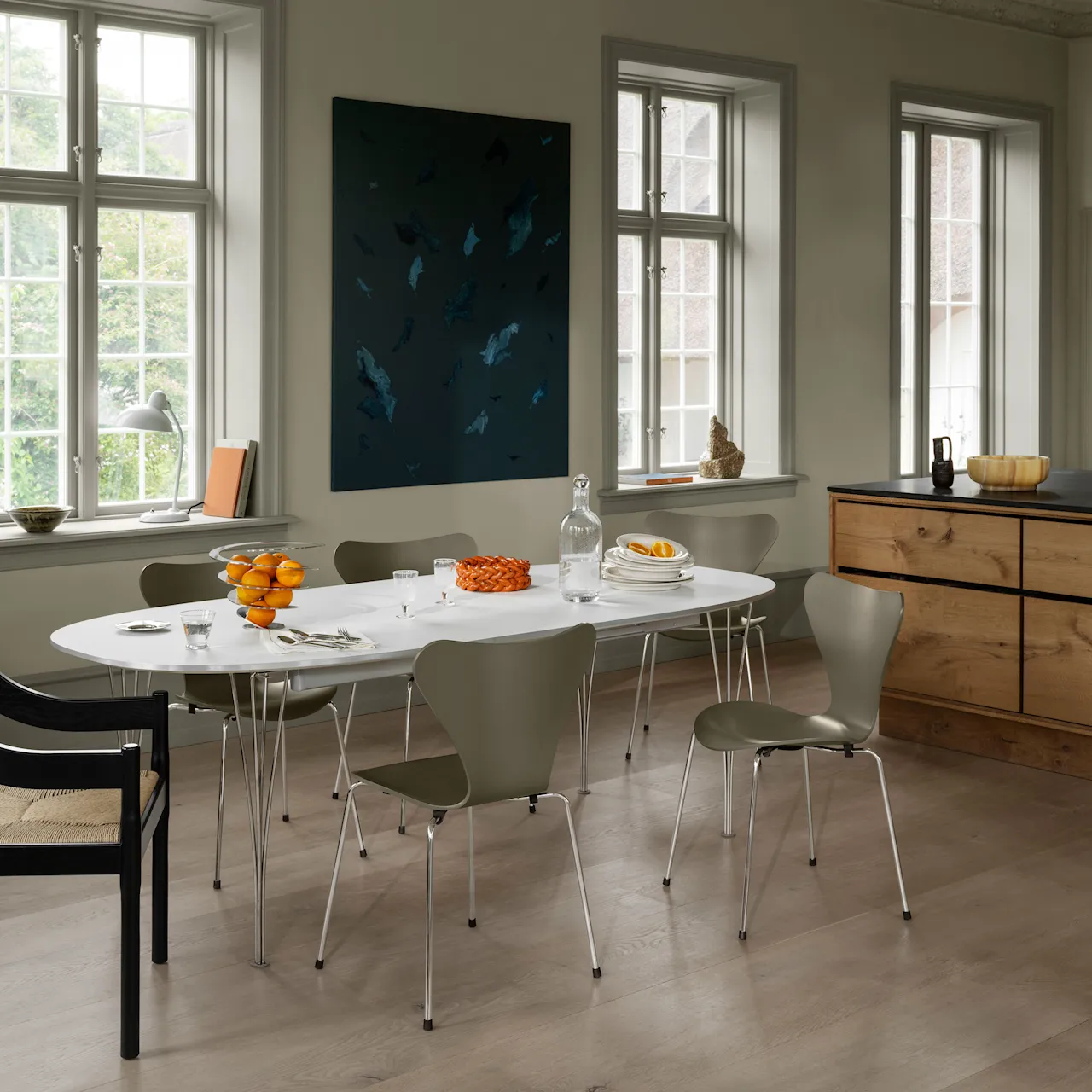
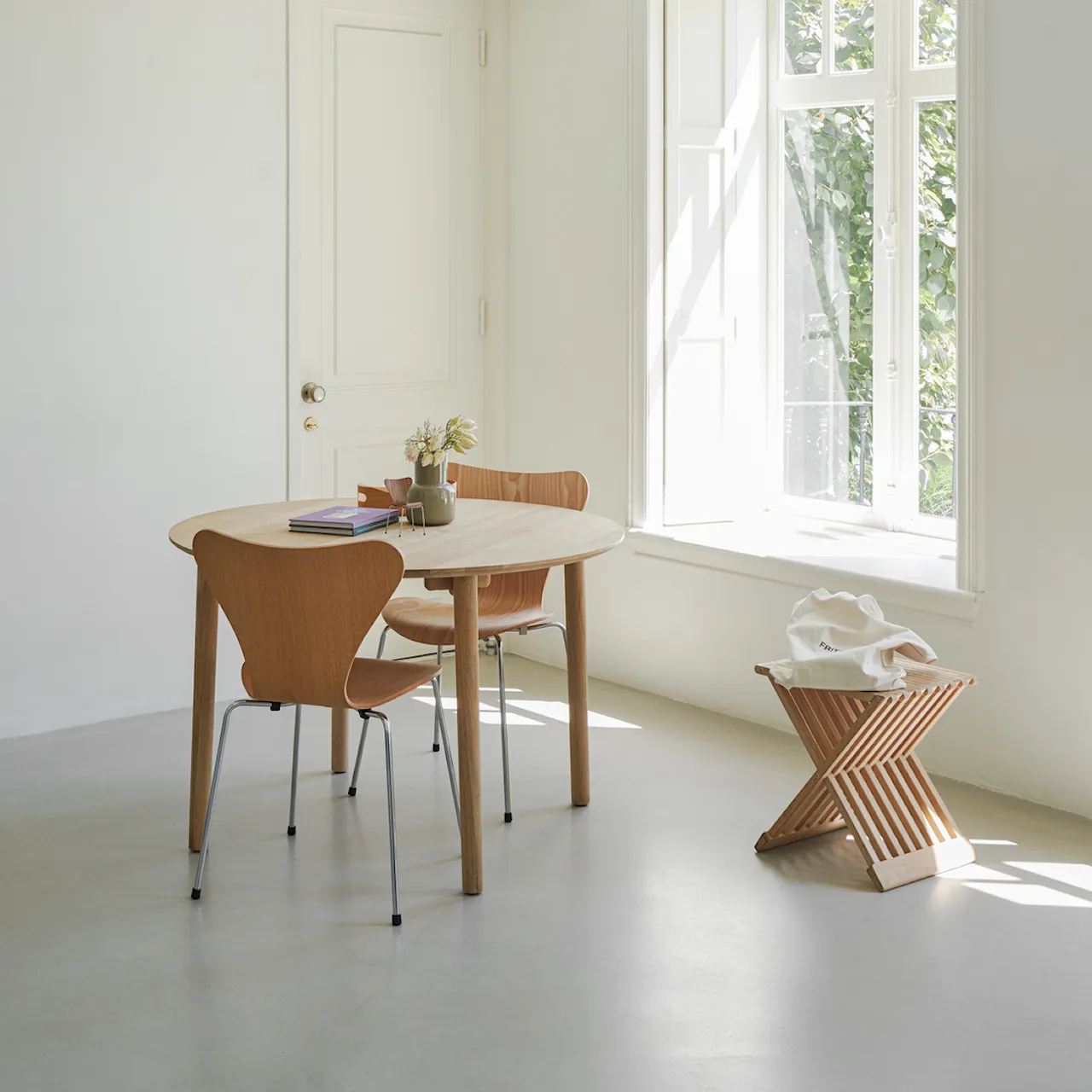
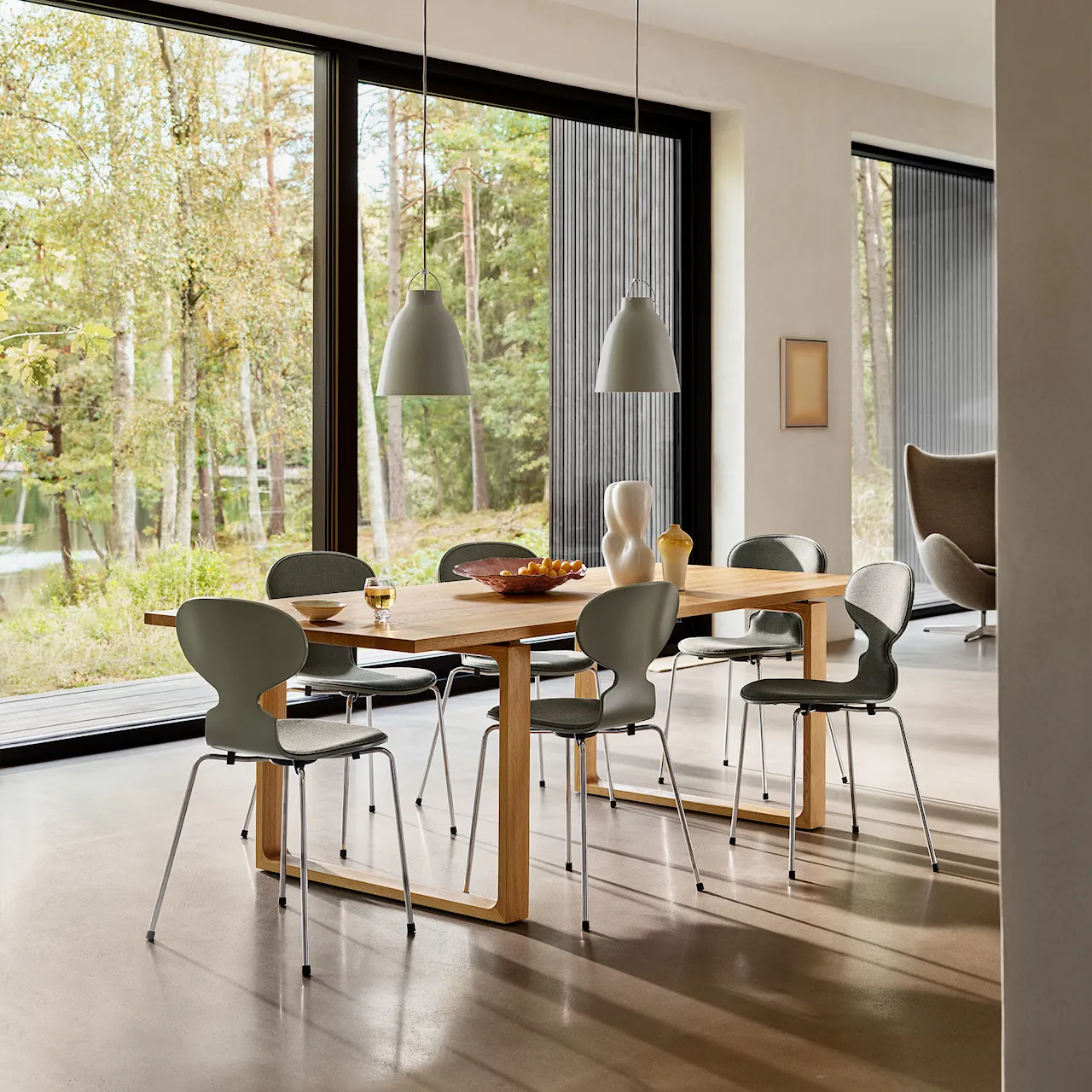
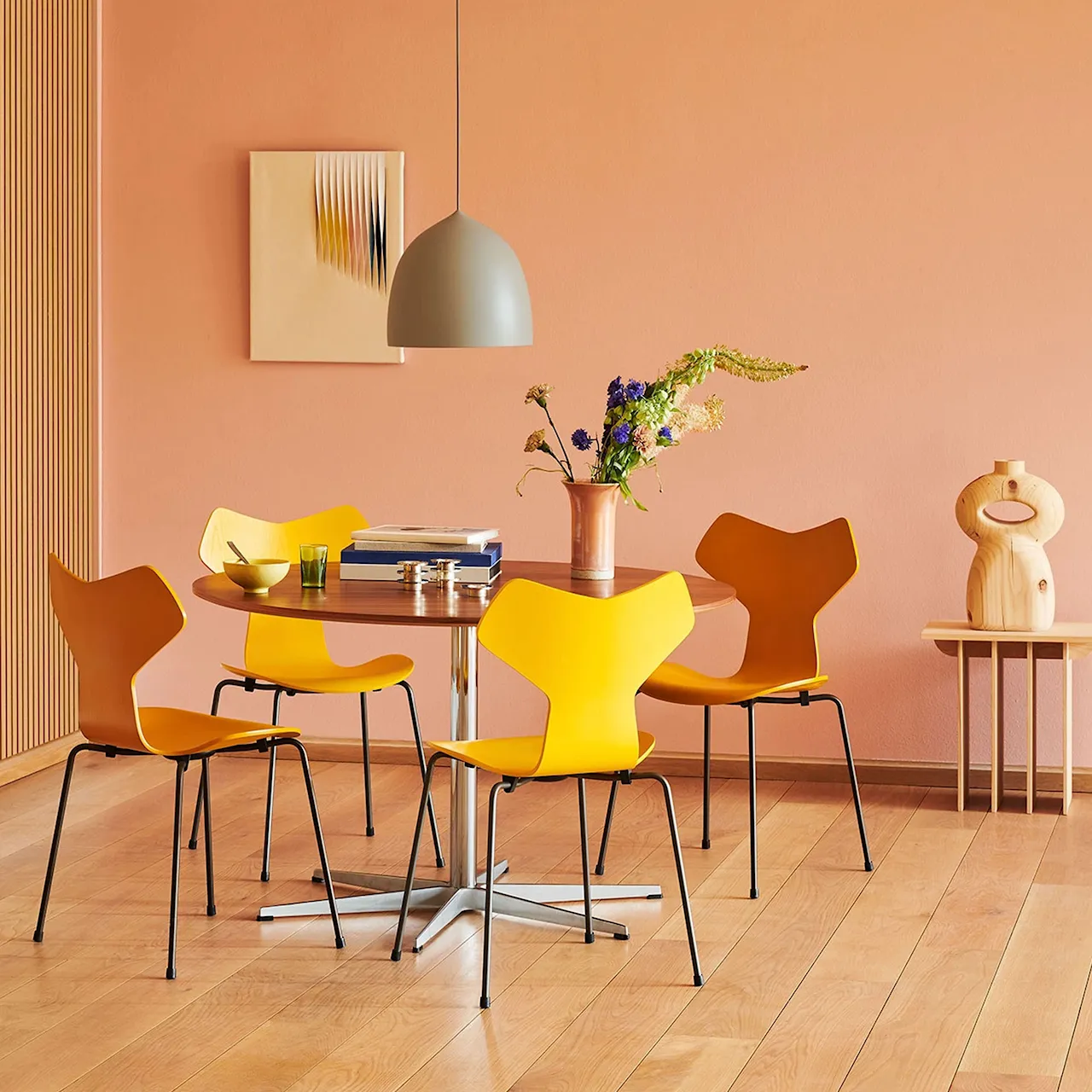
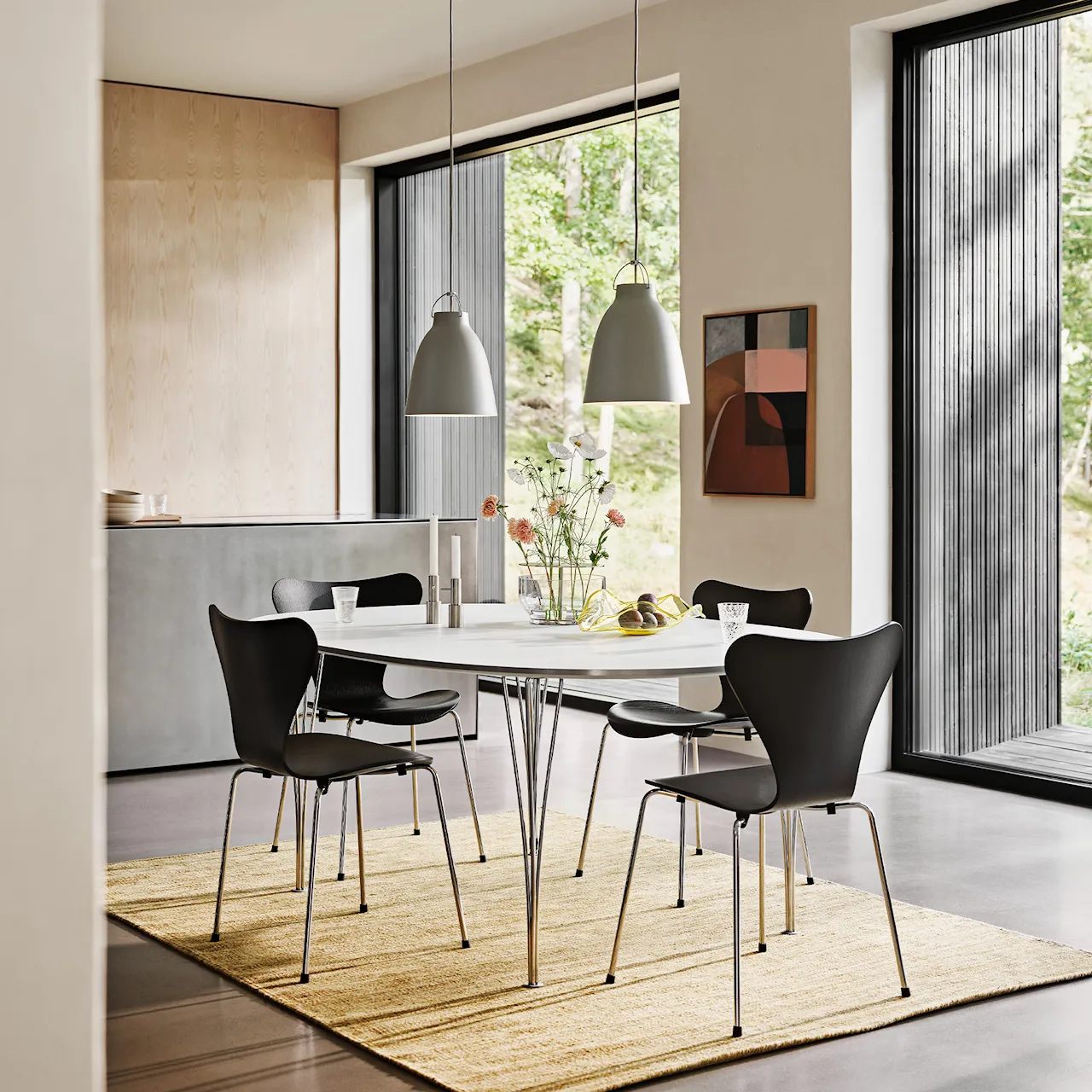
Arne Jacobsen’s Ant and Series 7 chairs, produced by Fritz Hansen, were introduced in the mid-20th century. The chairs are based on molded plywood technology and were developed for rational production combined with low weight and stable construction. Series 7 is available in multiple versions with different bases and materials, making the model suitable for both private and public environments. The design language is restrained and based on a clear relationship between seat, back, and base.
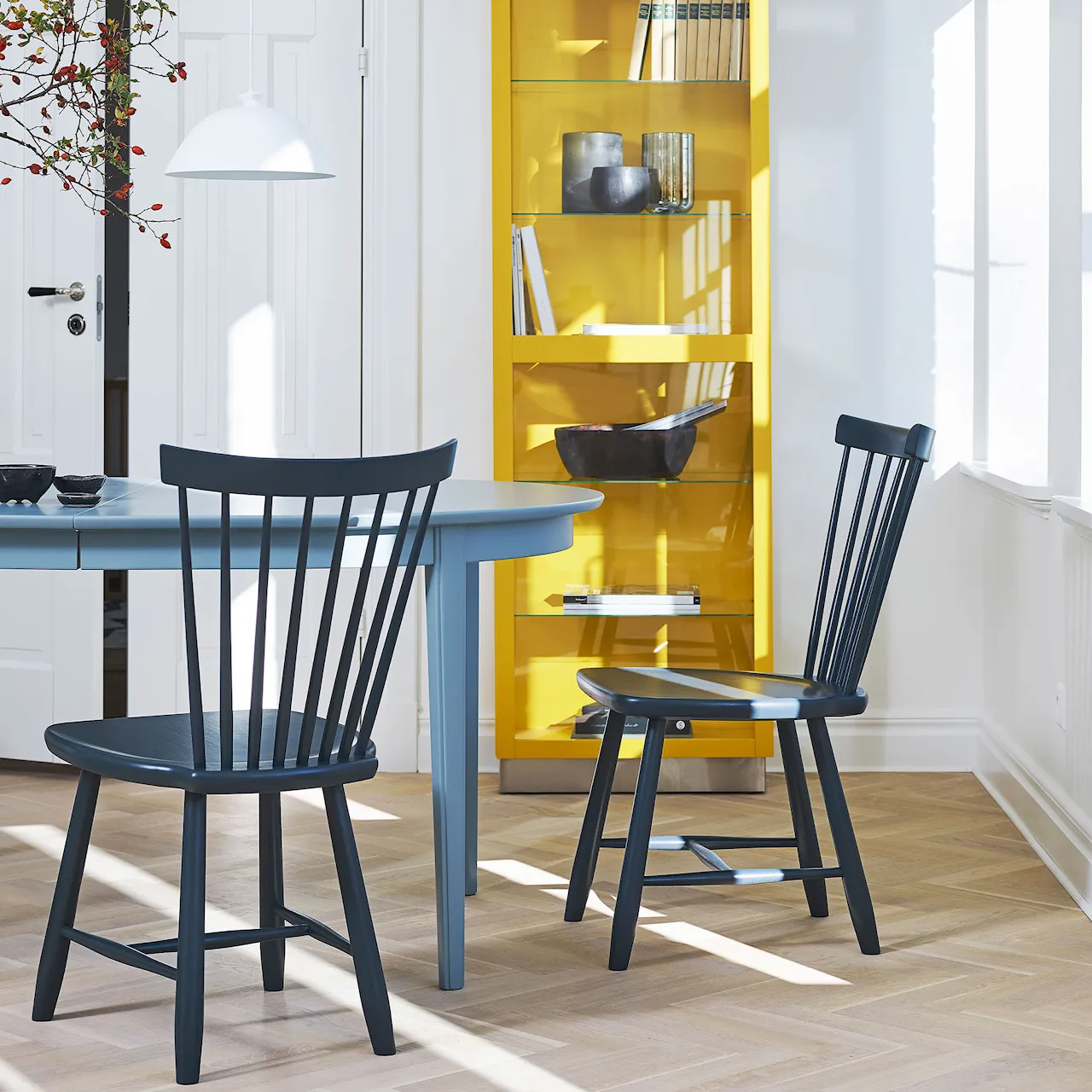
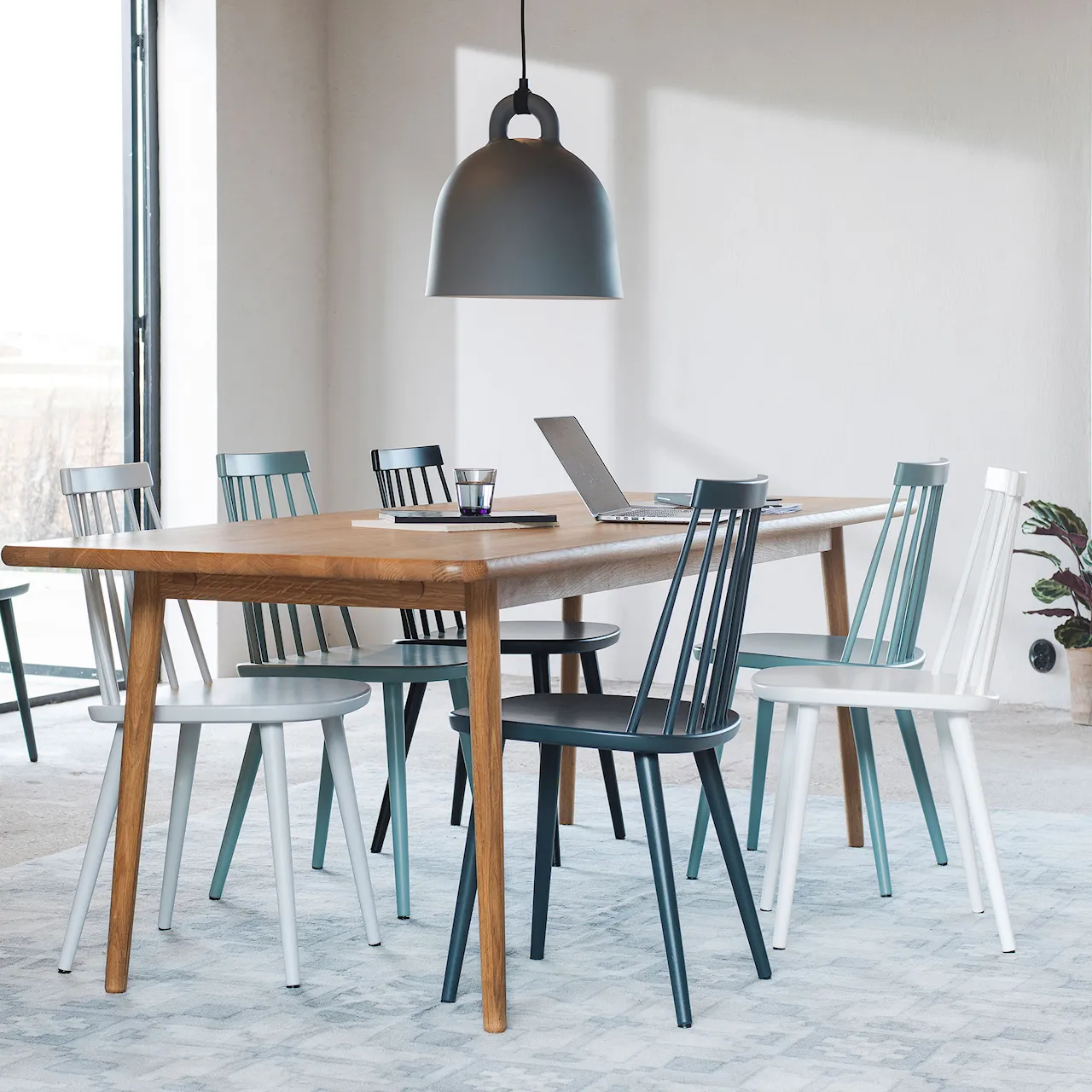
Pinnockio is a chair series designed by Yngve Ekström in 1968 and produced by Stolab. The series is made of solid wood and is rooted in Swedish furniture tradition, with a focus on clear construction and long-term use. The design language is restrained and consistent. The vertical spindles of the backrests give the series a graphic expression, while proportions and material choices are developed for stability and functionality in everyday environments.
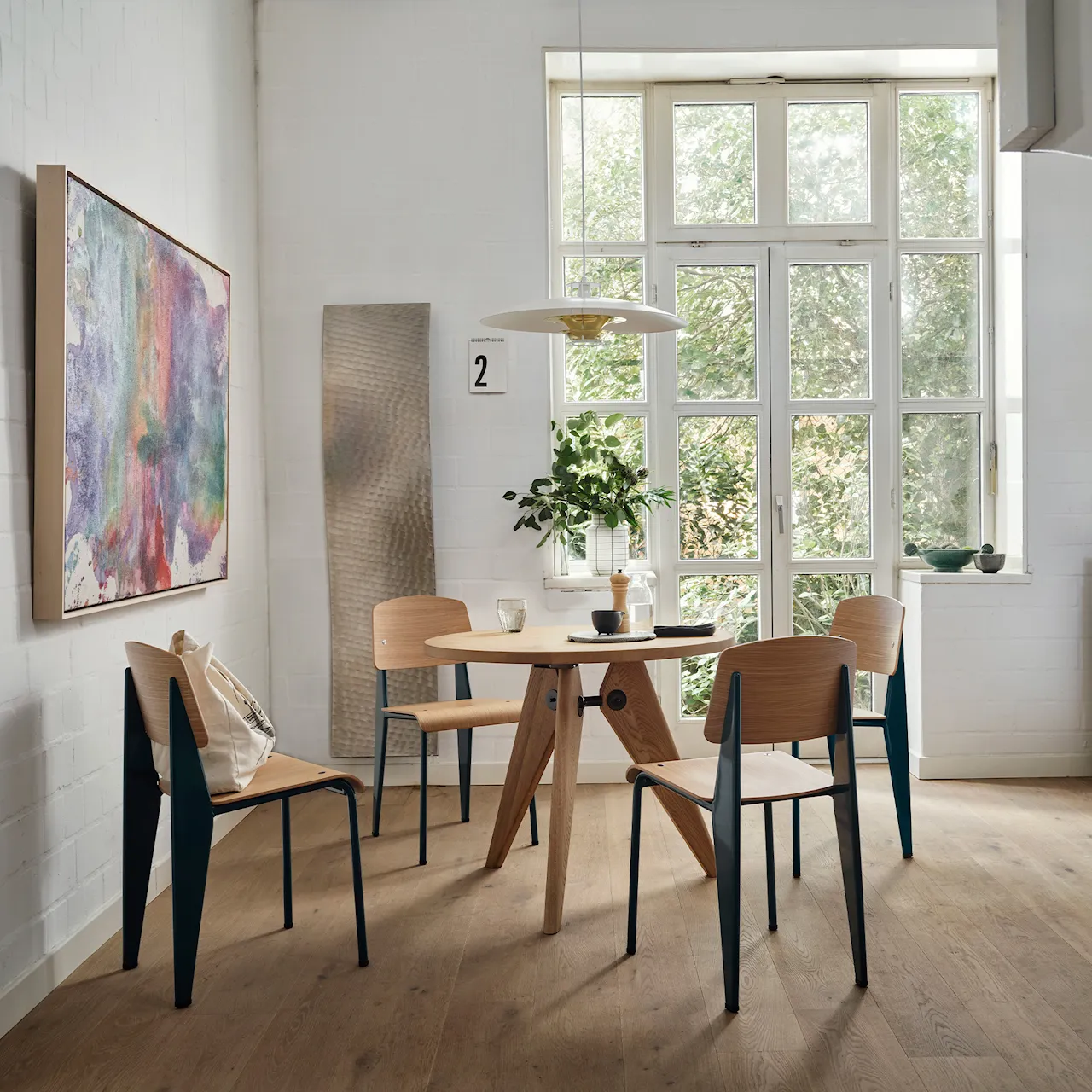
Prouvé is a furniture series designed by Jean Prouvé and produced by Vitra. The series was introduced in the mid-20th century and is based on Prouvé’s engineering-driven approach to furniture design, where construction and materials are directly linked to function. The design is centered on load-bearing metal components combined with wood or upholstered surfaces. The series is characterized by visible structure, clear proportions, and a rational construction, developed for long-term use in both private and public environments.
Material choice has a direct impact on the dining chair’s construction, durability, and use. Wood is a commonly used material, often in solid oak, beech, or walnut. Solid wood provides stability and is suitable for long-term use. Surface treatments such as oiled, lacquered, or soap-finished surfaces affect both appearance and resistance to wear and moisture. Veneer is used to enable lighter constructions and more precise forms.
Metal, such as steel or aluminum, is primarily used in bases and load-bearing components. The material offers high strength in slender dimensions and allows for clear structural solutions. Finishes such as powder coating, brushed, or chrome-plated surfaces influence the chair’s visual character and maintenance properties. Metal is particularly well suited to environments with high levels of use.
Armchairs are developed for increased seating comfort. Leather is durable and changes gradually with use. Textiles offer variation in texture and color and are used where softer surfaces or improved acoustics are desired. The choice of upholstery affects both functionality and how the chair interacts with other materials in the room.
Materials should be selected based on the intended use and maintenance requirements. A dining chair is designed for daily use and should retain its properties over time. Our selection includes dining chairs where material choice and production are carefully balanced for long-term durability and consistent performance.
The range includes dining chairs adapted to different types of dining tables and spatial contexts. The ambition is to offer furniture that meets practical requirements while contributing to a cohesive and well-proportioned dining area.
The dining chair is designed for use at the dining table, but it also appears in other spatial contexts. Beyond the dining area, it is often used as seating in an entryway, living room, or bedroom, where its construction, proportions, and materials determine how it functions within the space.
In the home, a dining chair can serve as a standalone piece or as part of a larger furnishing scheme. In the hallway, it may be used as temporary seating; in the bedroom, as a complement to a desk or storage; and in the living room, as additional seating. In public environments, higher demands are placed on durability and robust construction, as the chair is used frequently and in changing contexts.
Design and materials influence how the dining chair relates to different room types. Wood, metal, and upholstered surfaces bring distinct structural and functional properties that make the chair useful beyond the traditional dining setting. The chair’s volume, weight, and any armrests affect how it is used and positioned across different environments.
Is there something you are missing in terms of dining chairs?
Please contact us via our contact form to discuss your specific product request.
Follow us on Instagram and subscribe to our newsletter to access exclusive offers, inspiration, and product launches, as well as to get €50 off your first purchase when you spend over €500.