
Abstract Rugs
24 products
- Code: STOOL60+ More options
Dusty Deco
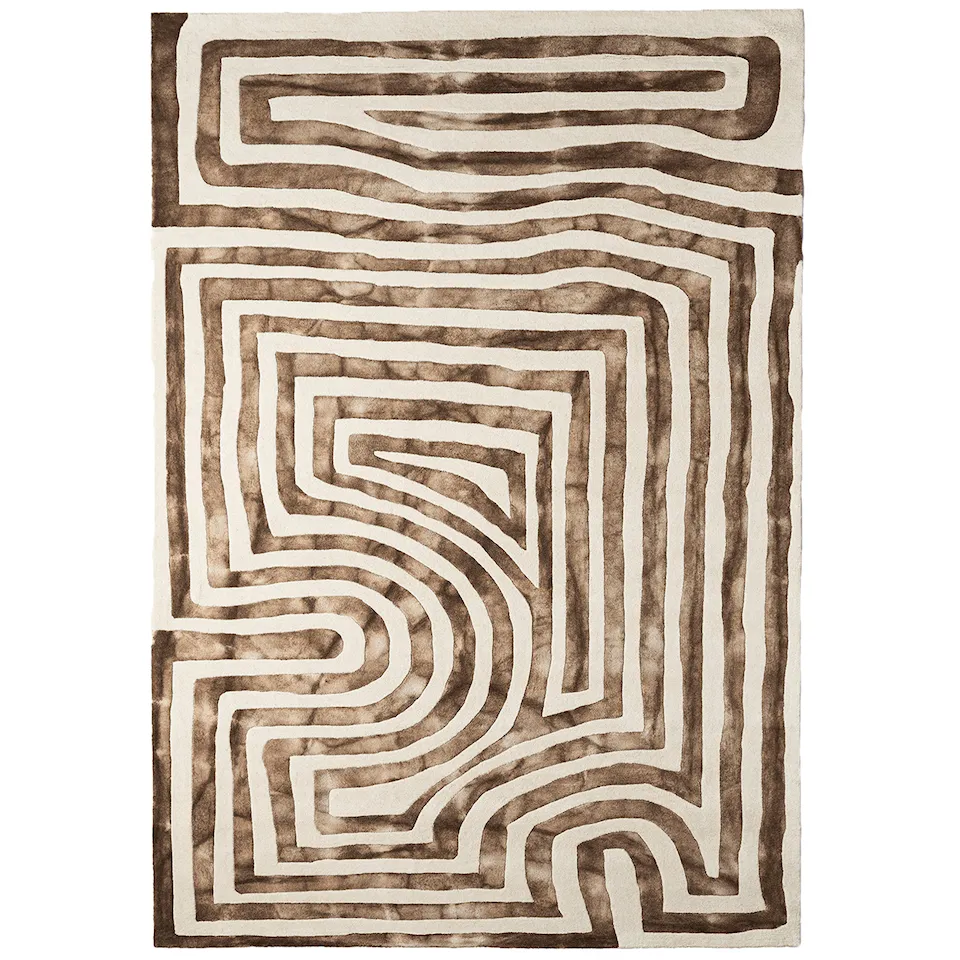
Psychedelic Labyrinth wool rug beige
From €1,020
In stock - Code: STOOL60+ More options
Dusty Deco
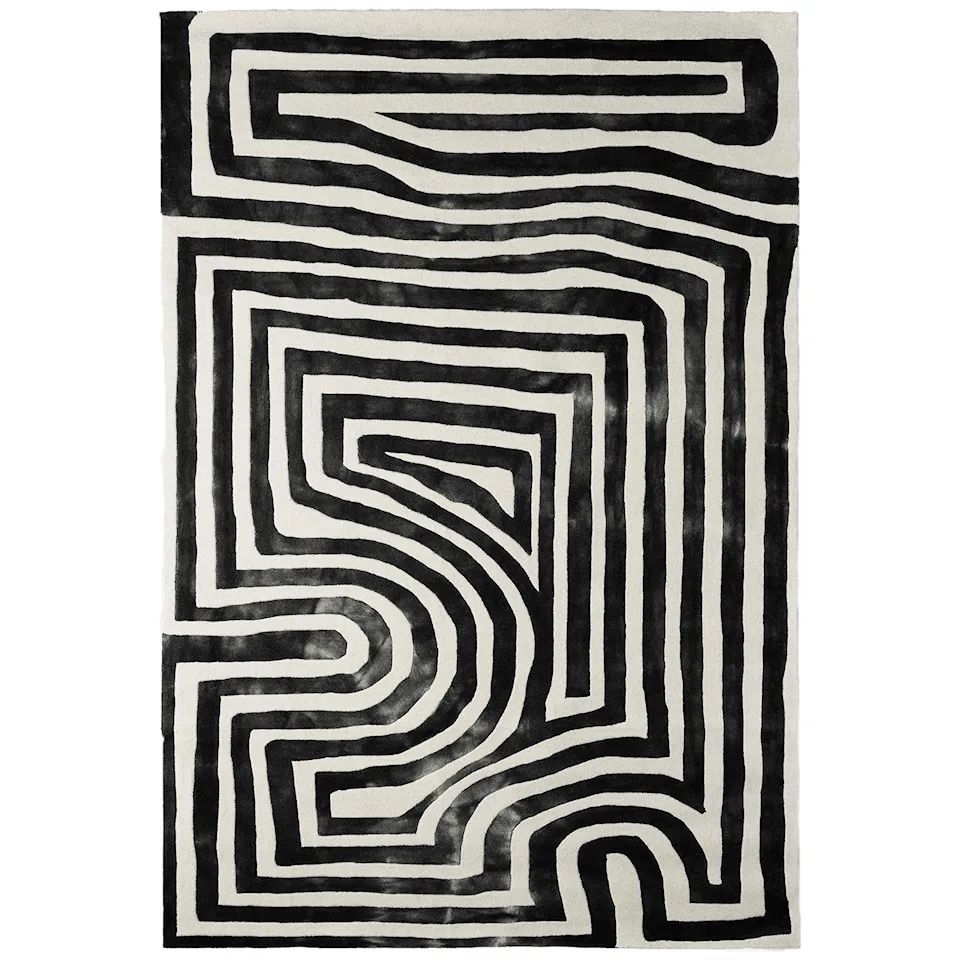
Psychedelic Labyrinth Charcoal Wool Rug
From €1,020
In stock - Code: STOOL60+ More options
Dusty Deco
Murillo Multi Neutral Wool Rug
From €1,490
In stock - Code: STOOL60+ More options
Nanimarquina
Silhouette Kilim Rug
From €1,285
- Code: STOOL60+ More options
Nordic Knots
Art Deco 1 Blue Wool Rug
From €895
- Code: STOOL60+ More options
Nordic Knots
Art Deco 2 Brown Wool Rug
From €495
- Code: STOOL60+ More options
Nordic Knots
Celestial Deep Navy/Ochre Wool Rug
From €2,295
- Code: STOOL60+ More options
Nordic Knots
Nomad Cream Rya Rug
From €895
- Code: STOOL60+ More options
Nordic Knots
Nomad Sand Rya Rug
From €895
- Code: STOOL60
cc-tapis
Asmara Rug Standard
€6,670
- Code: STOOL60
cc-tapis
Tack Red Rug
€8,613
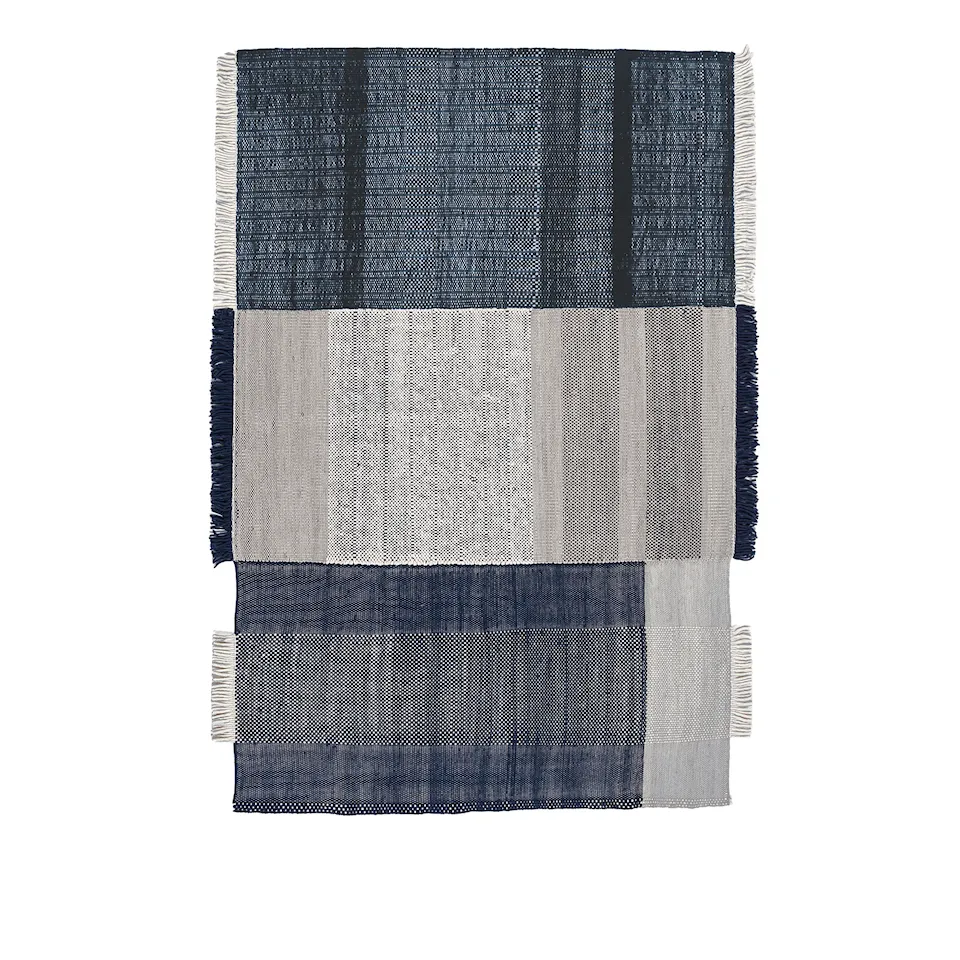
- Code: STOOL60+ More options
Nanimarquina
Tres Blue Rug
From €1,952
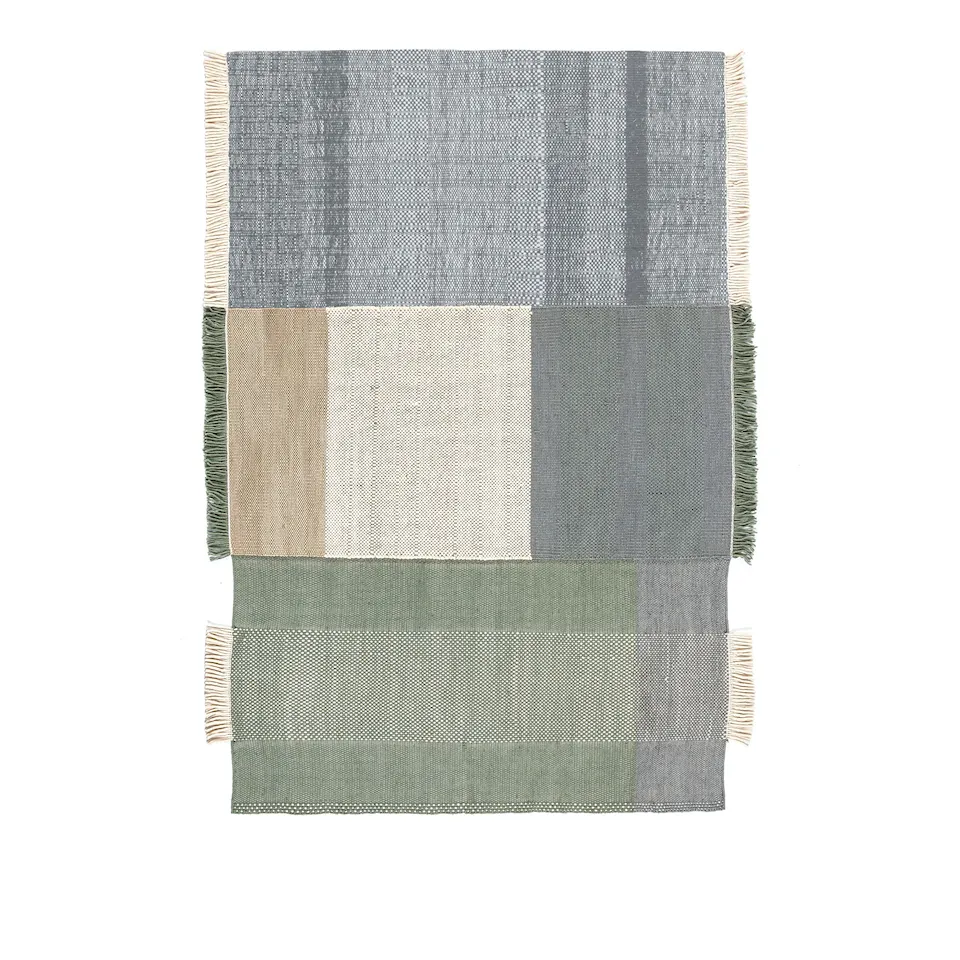
- Code: STOOL60+ More options
Nanimarquina
Tres Salvia Rug
From €1,952
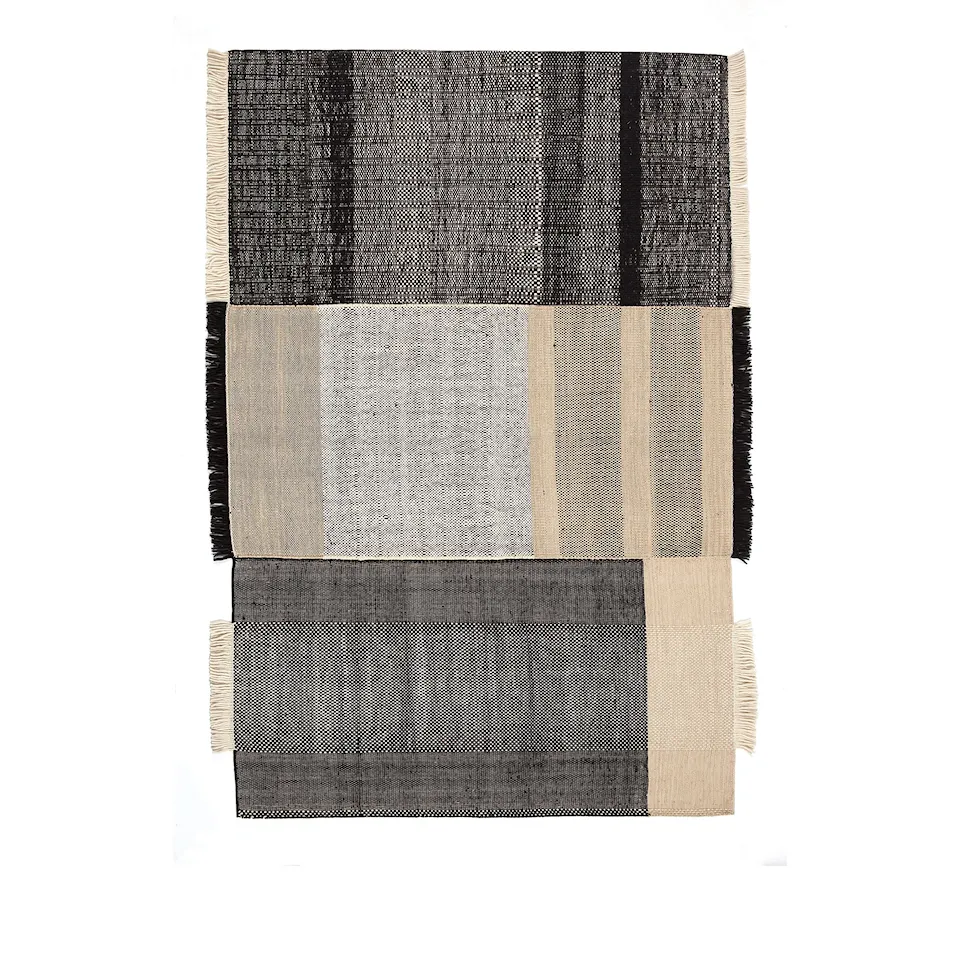
- Code: STOOL60+ More options
Nanimarquina
Tres Black Rug
From €1,952
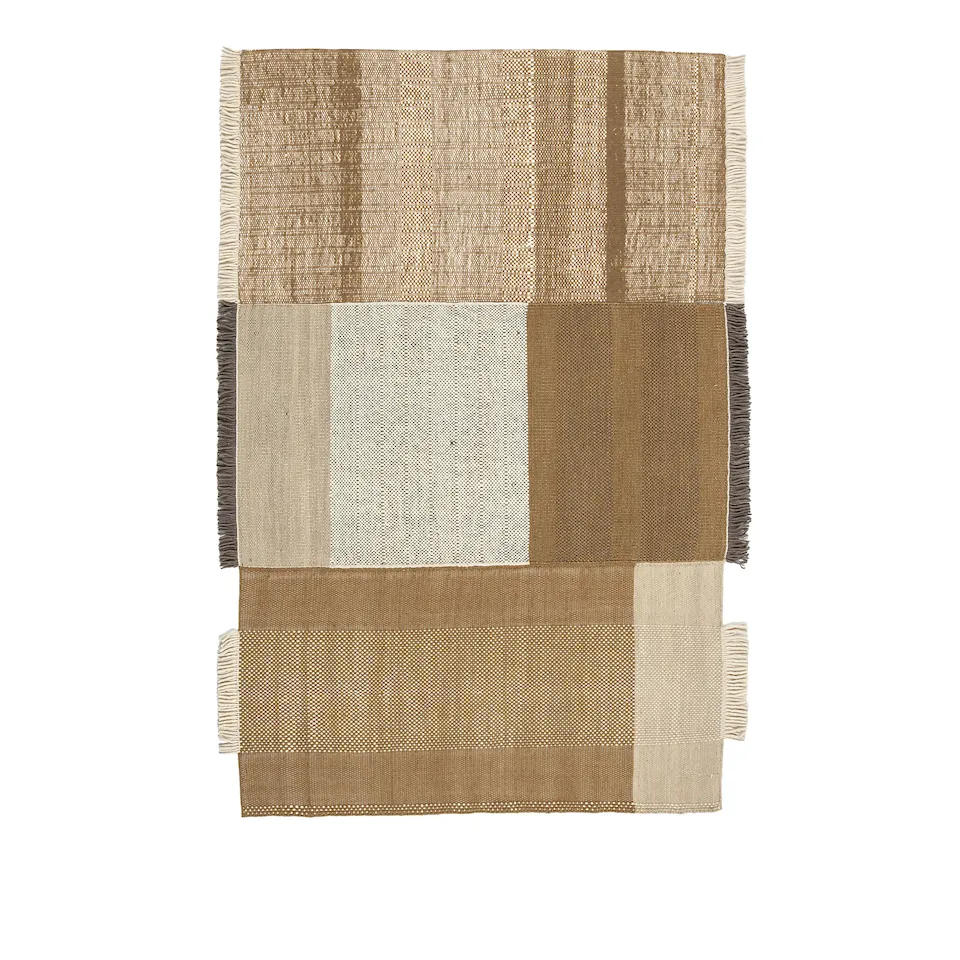
- Code: STOOL60+ More options
Nanimarquina
Tres Ocre Rug
From €1,952
- Code: STOOL60+ More options
Nanimarquina
Tres Vegetal Jute Rug
From €1,720
- Code: STOOL60+ More options
Nanimarquina
Medina 1 wool rug
From €2,285
- Code: STOOL60+ More options
Nanimarquina
Tres Green
From €1,952
- Code: STOOL60+ More options
Nanimarquina
Wabisabi wool rug Anthracite
From €1,952
- Code: STOOL60+ More options
Nanimarquina
Wabisabi wool rug Bone
From €1,952
- Code: STOOL60+ More options
Nanimarquina
Wabisabi Rug Mustard
From €1,952
- Code: STOOL60+ More options
Nanimarquina
Wabisabi wool rug Navy
From €1,952
- Code: STOOL60
Nordic Knots
Norr Mälarstrand 03 wool rug
€795
- Code: STOOL60+ More options
Nanimarquina
Alga wool rug Ochre
From €4,415


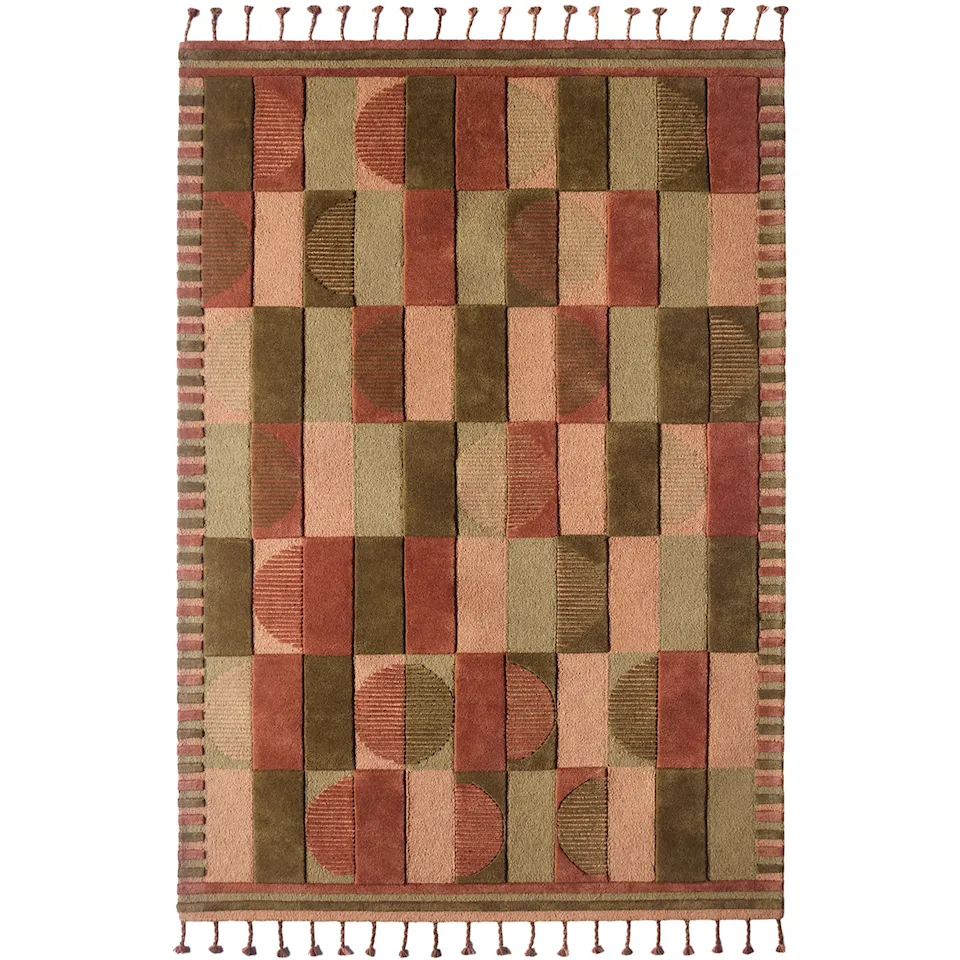

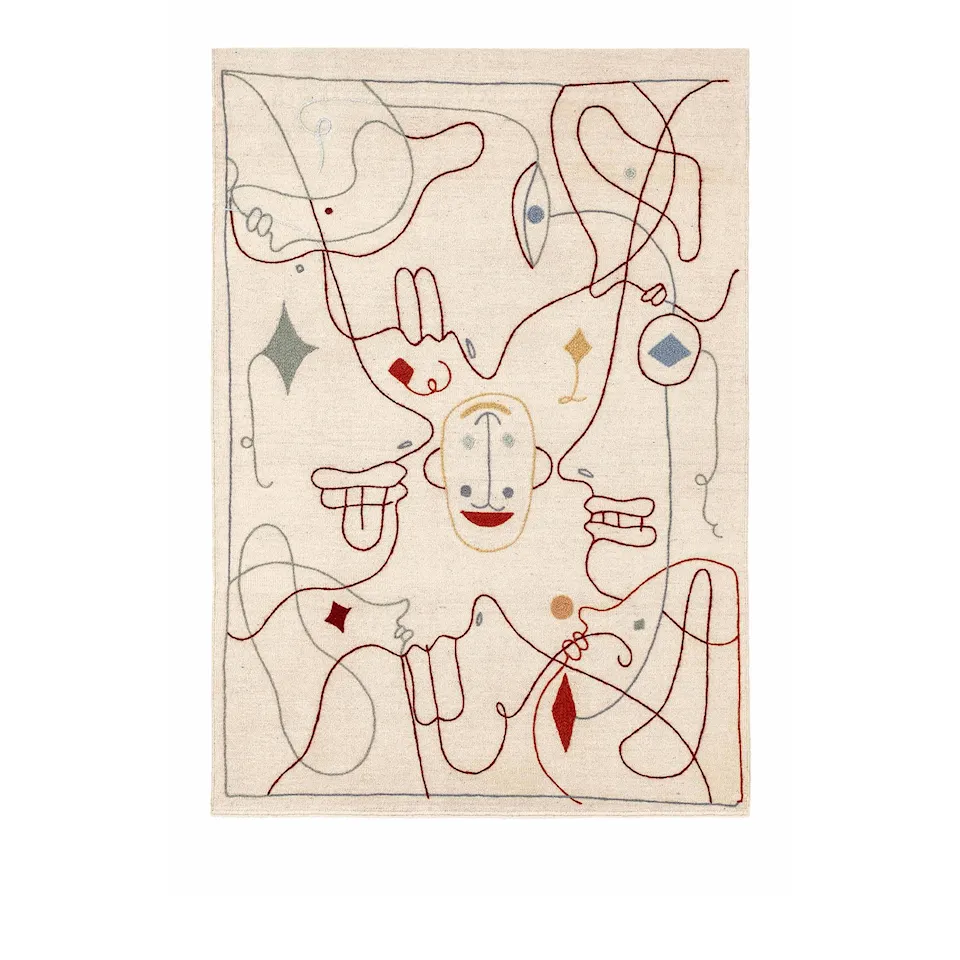
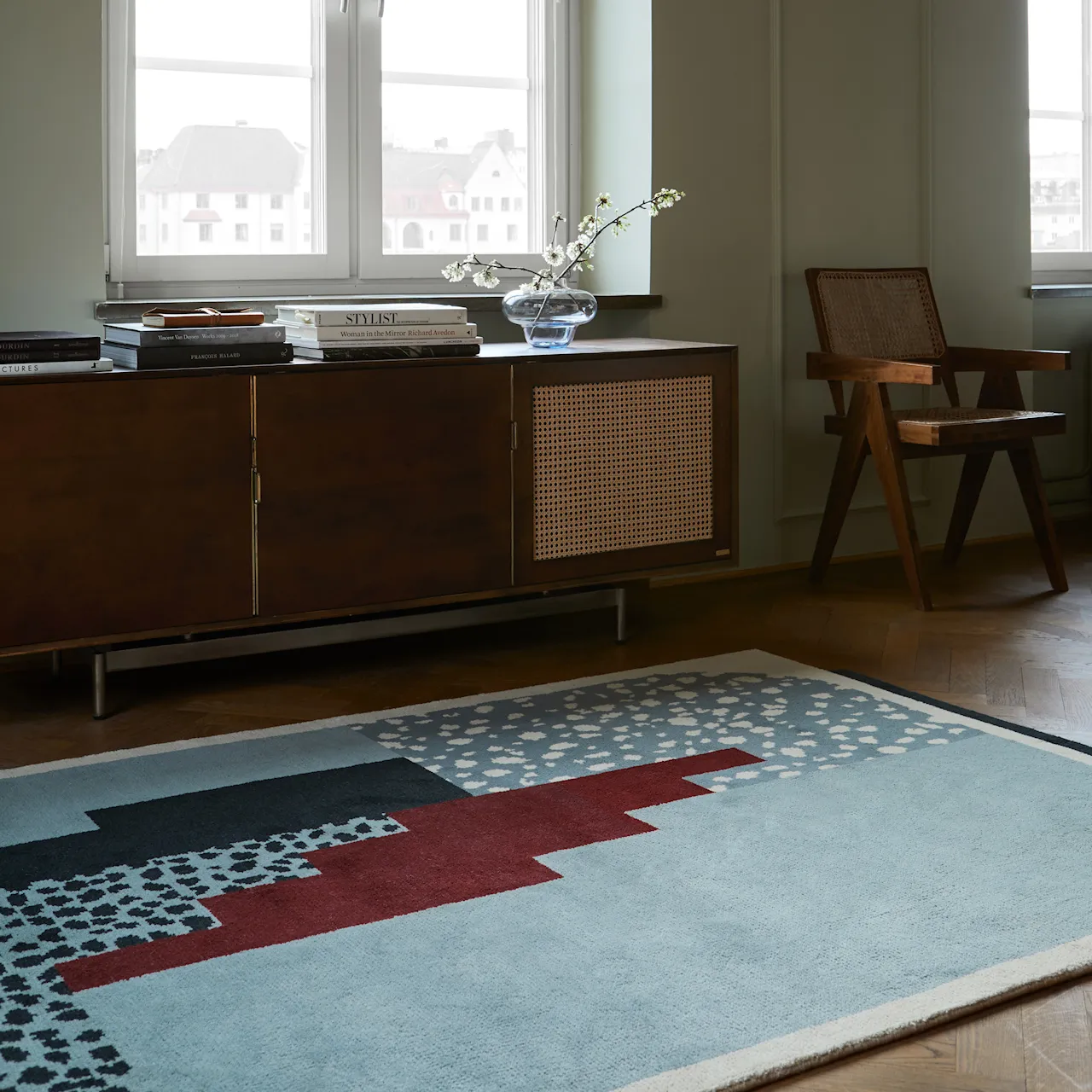
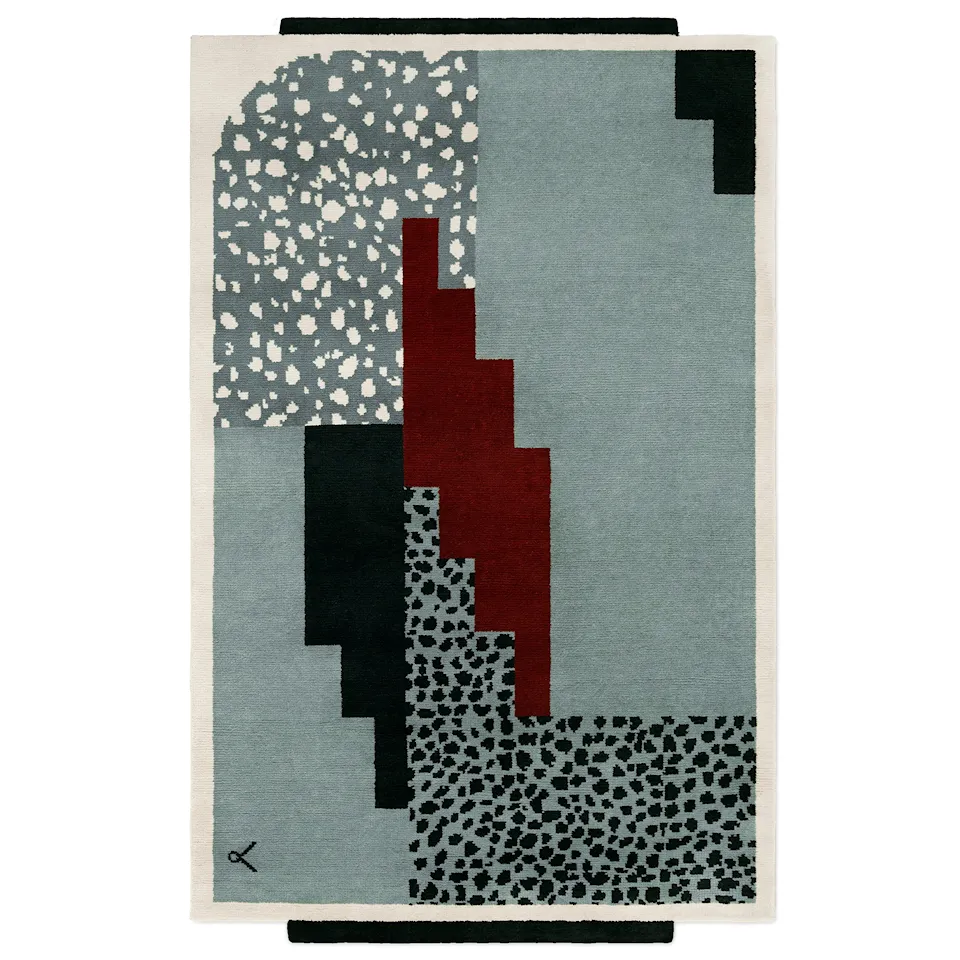
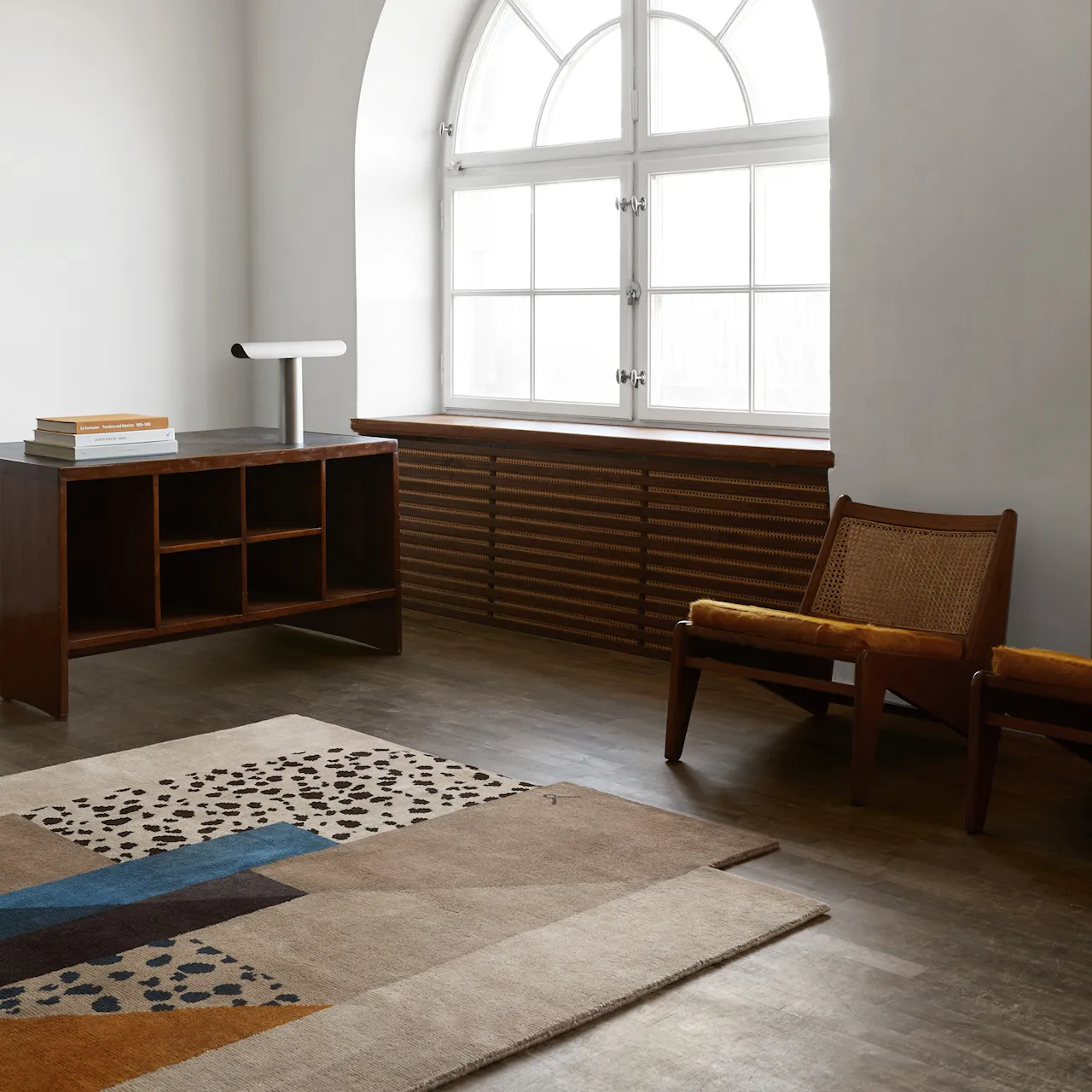
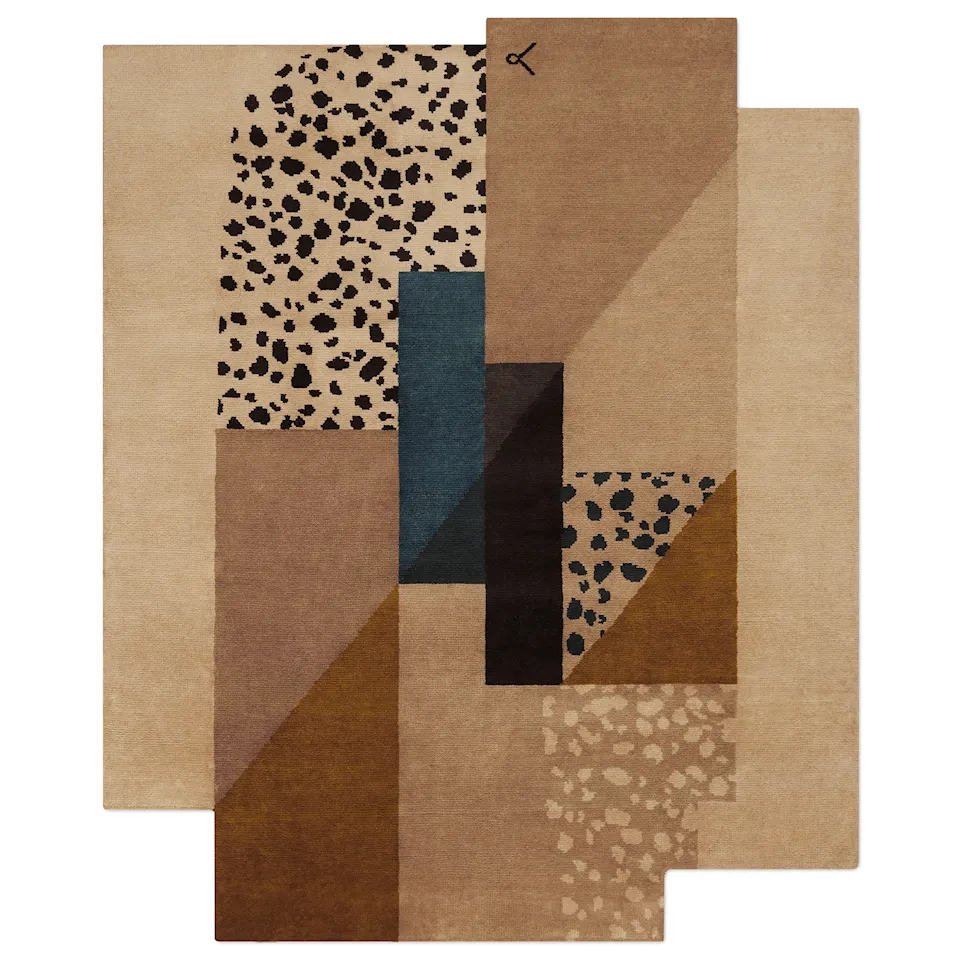
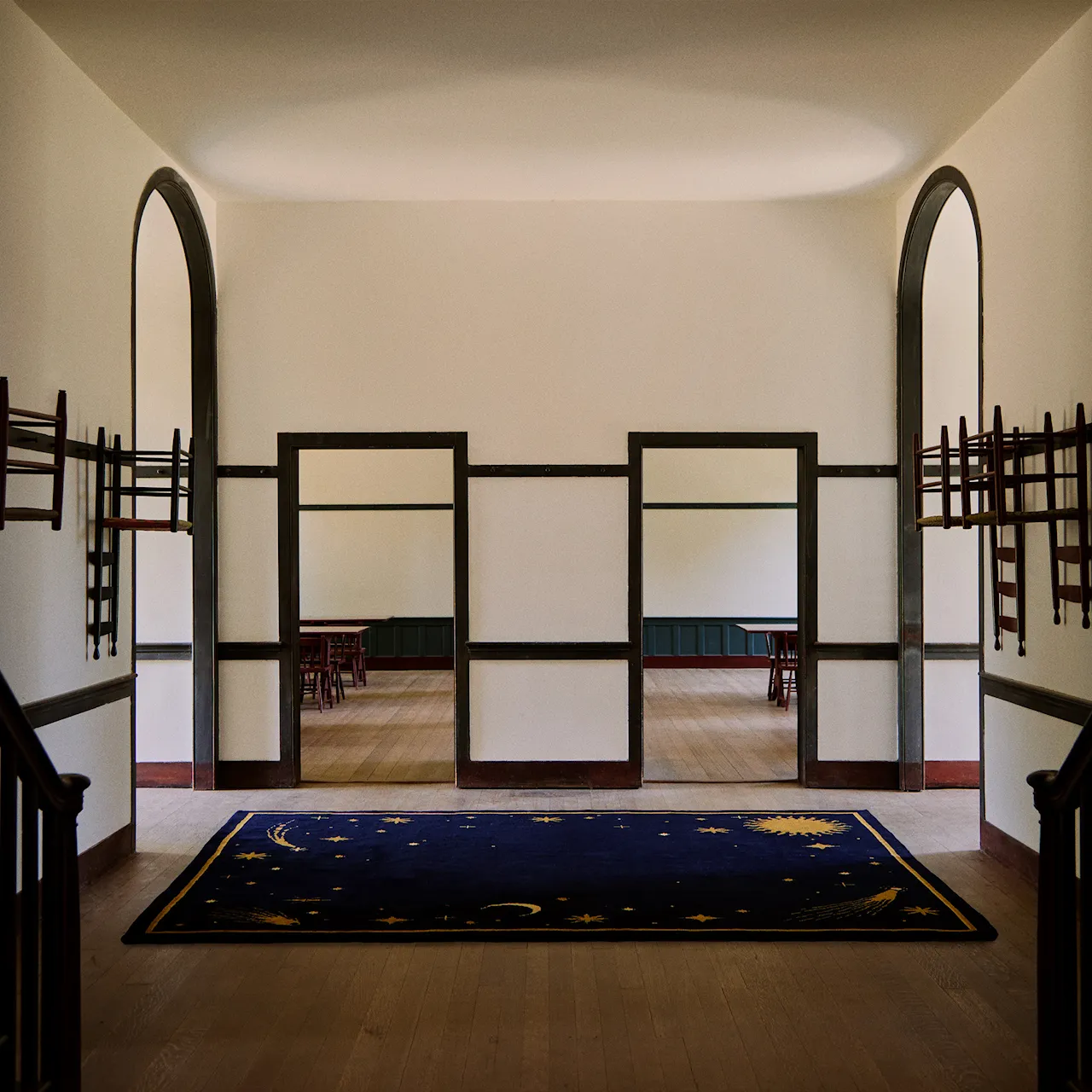
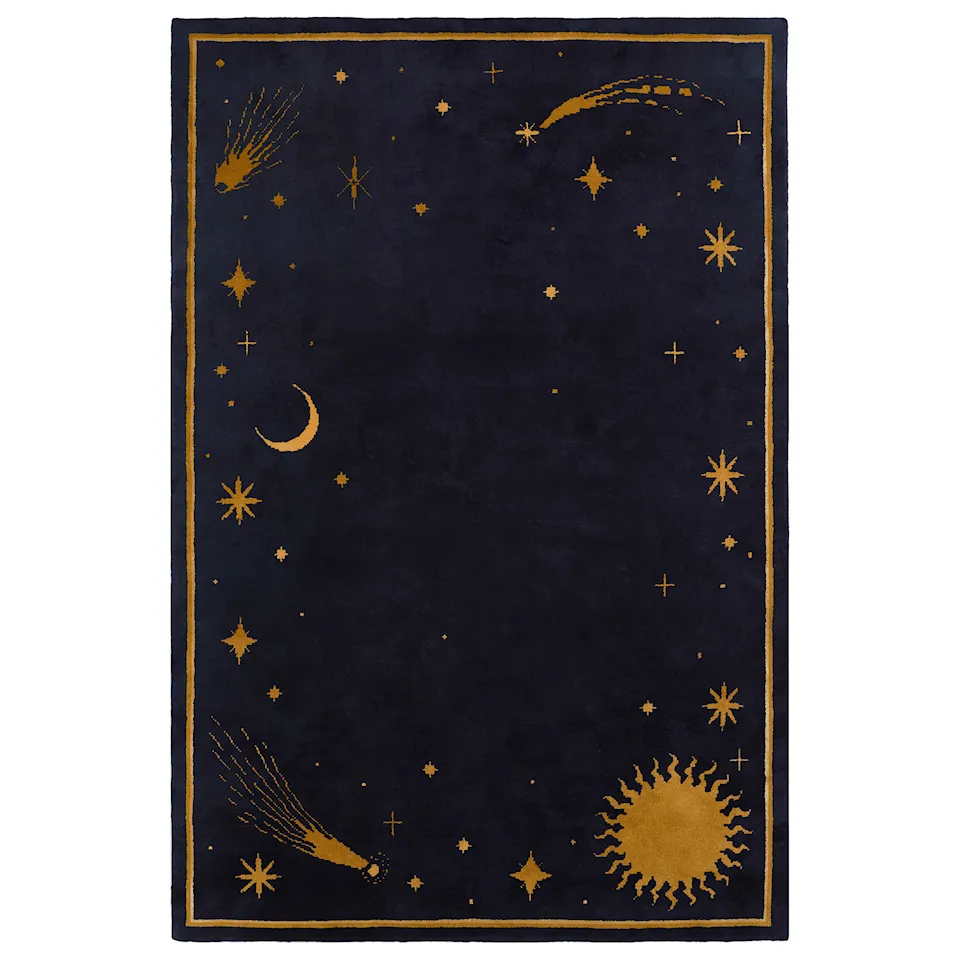
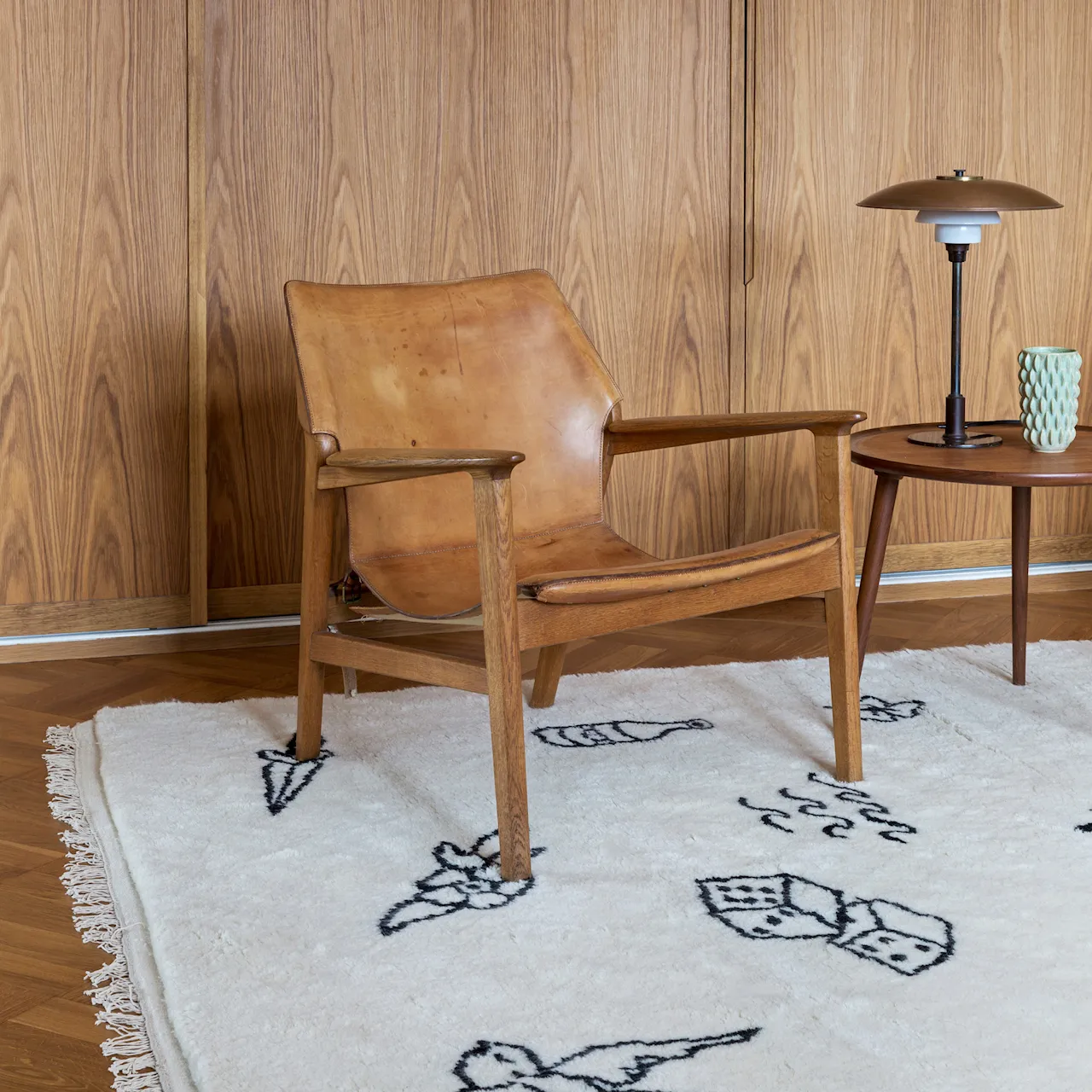
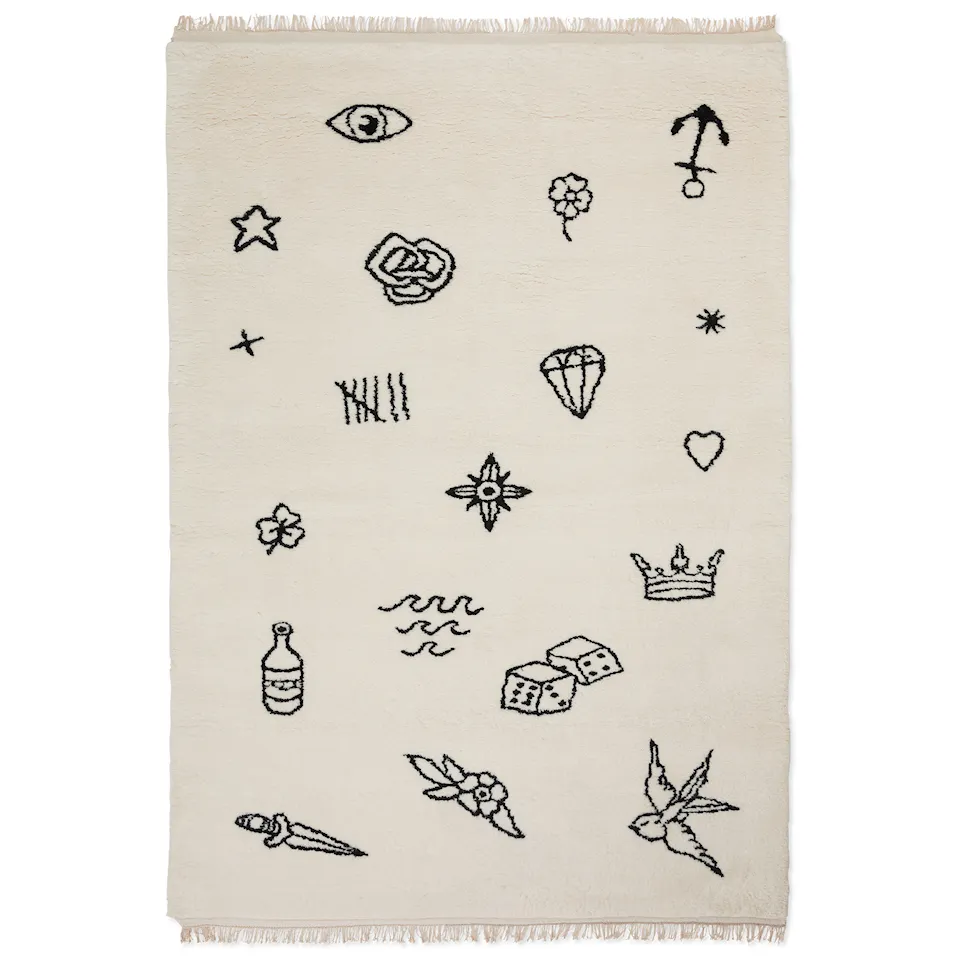
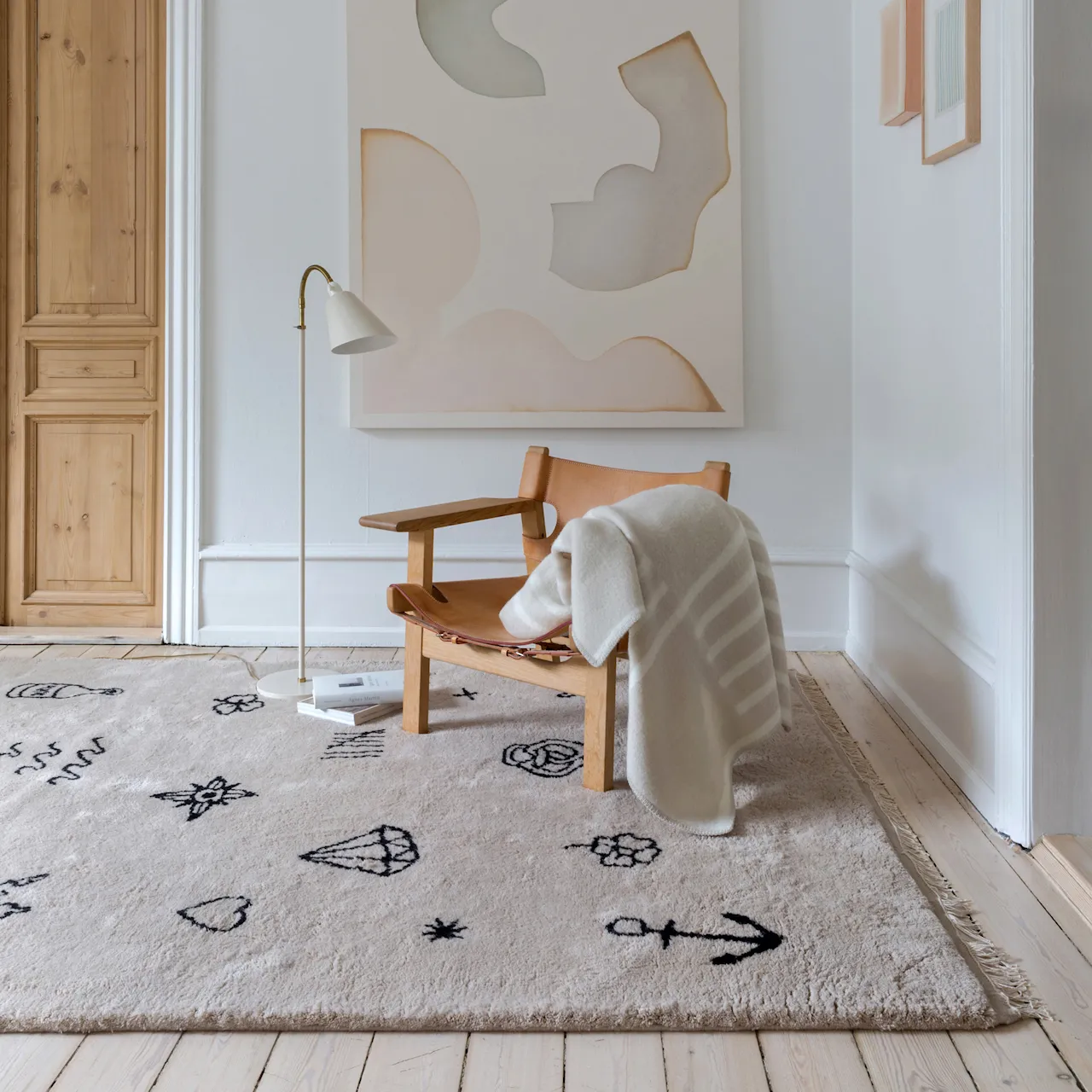
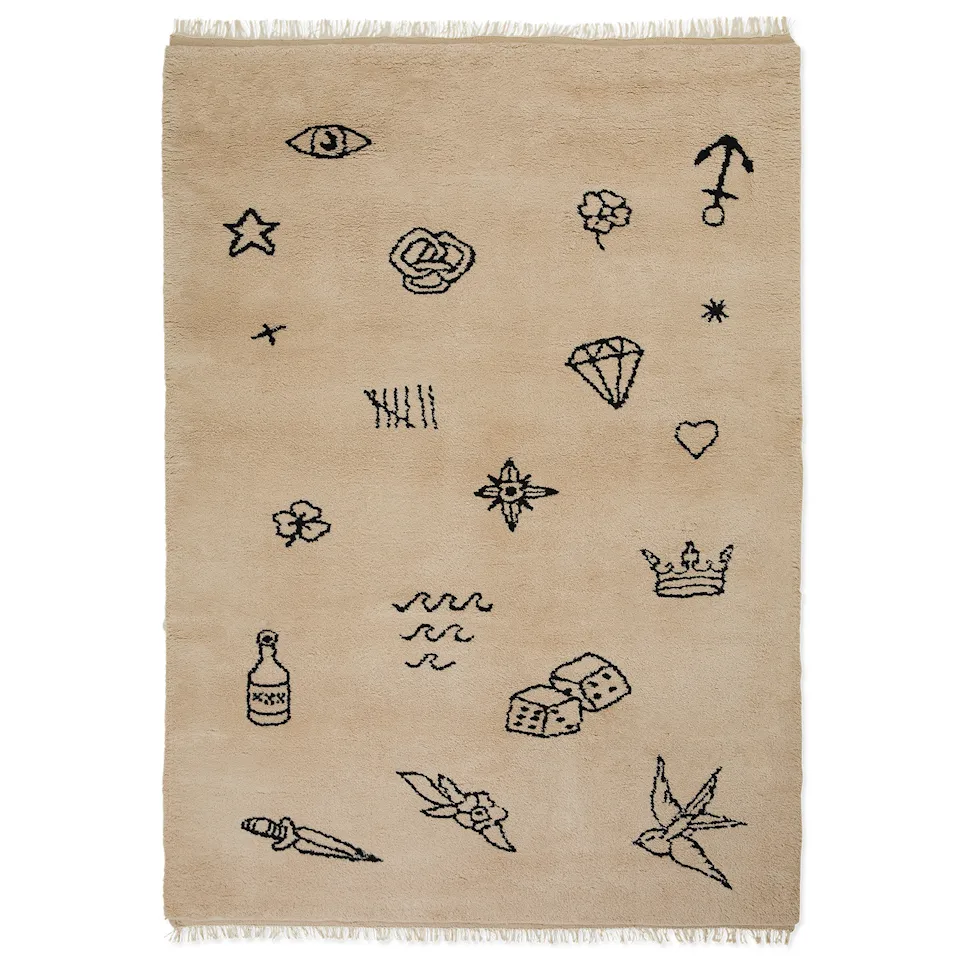
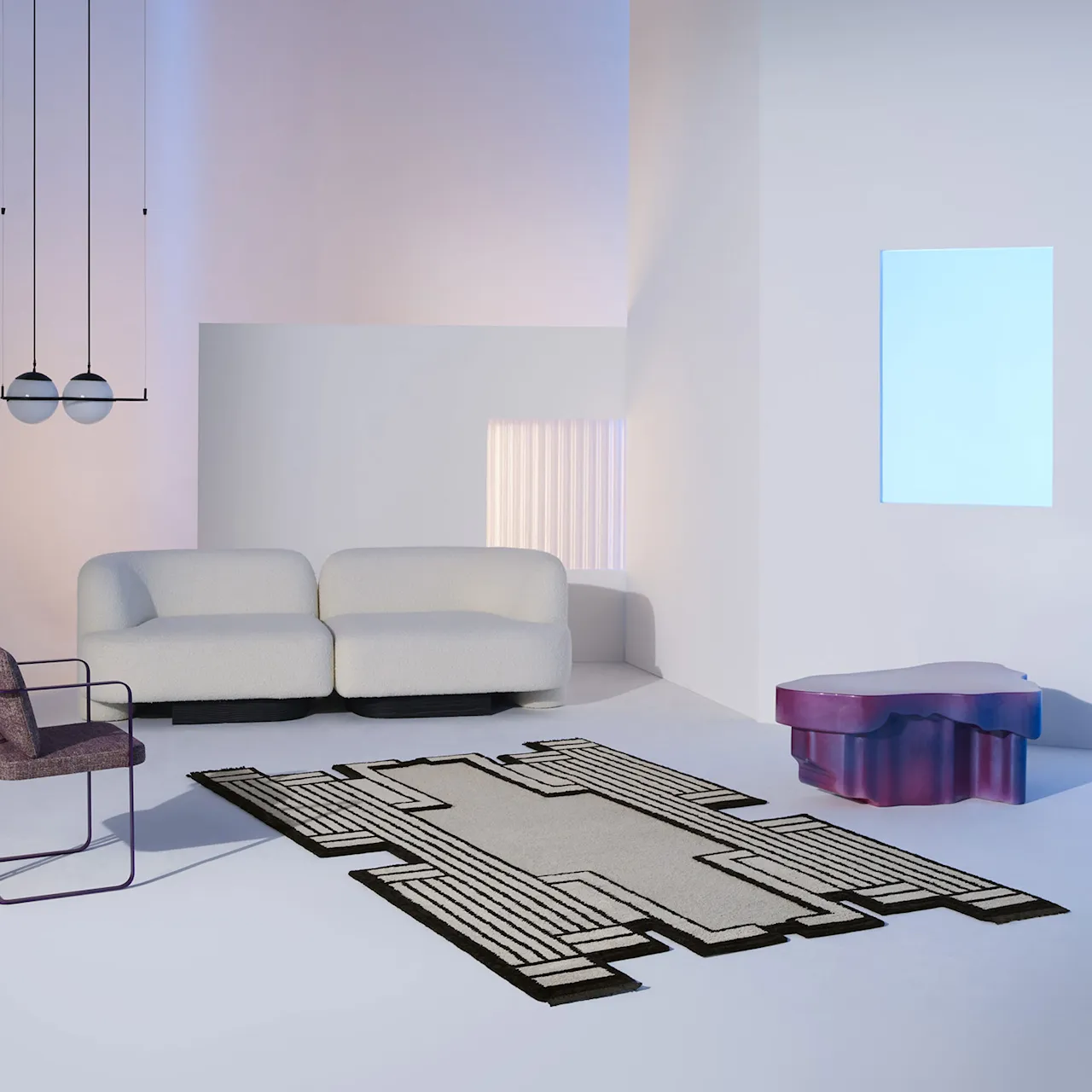
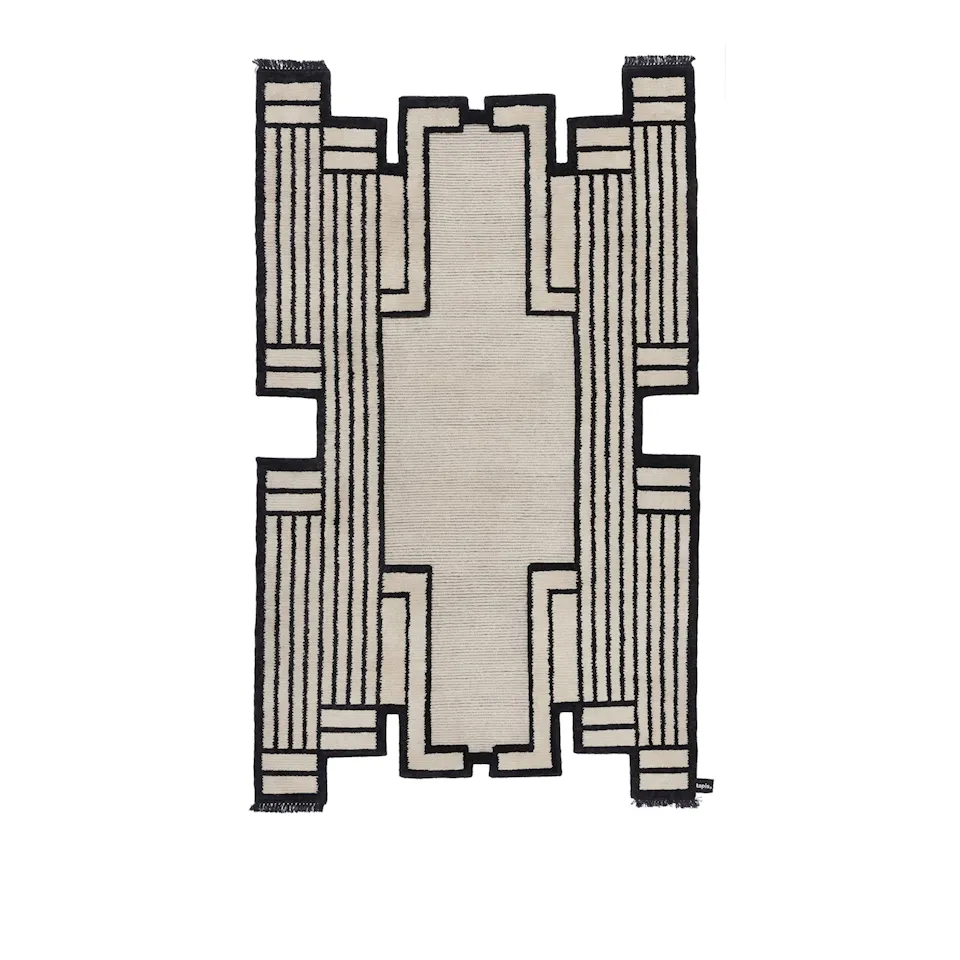
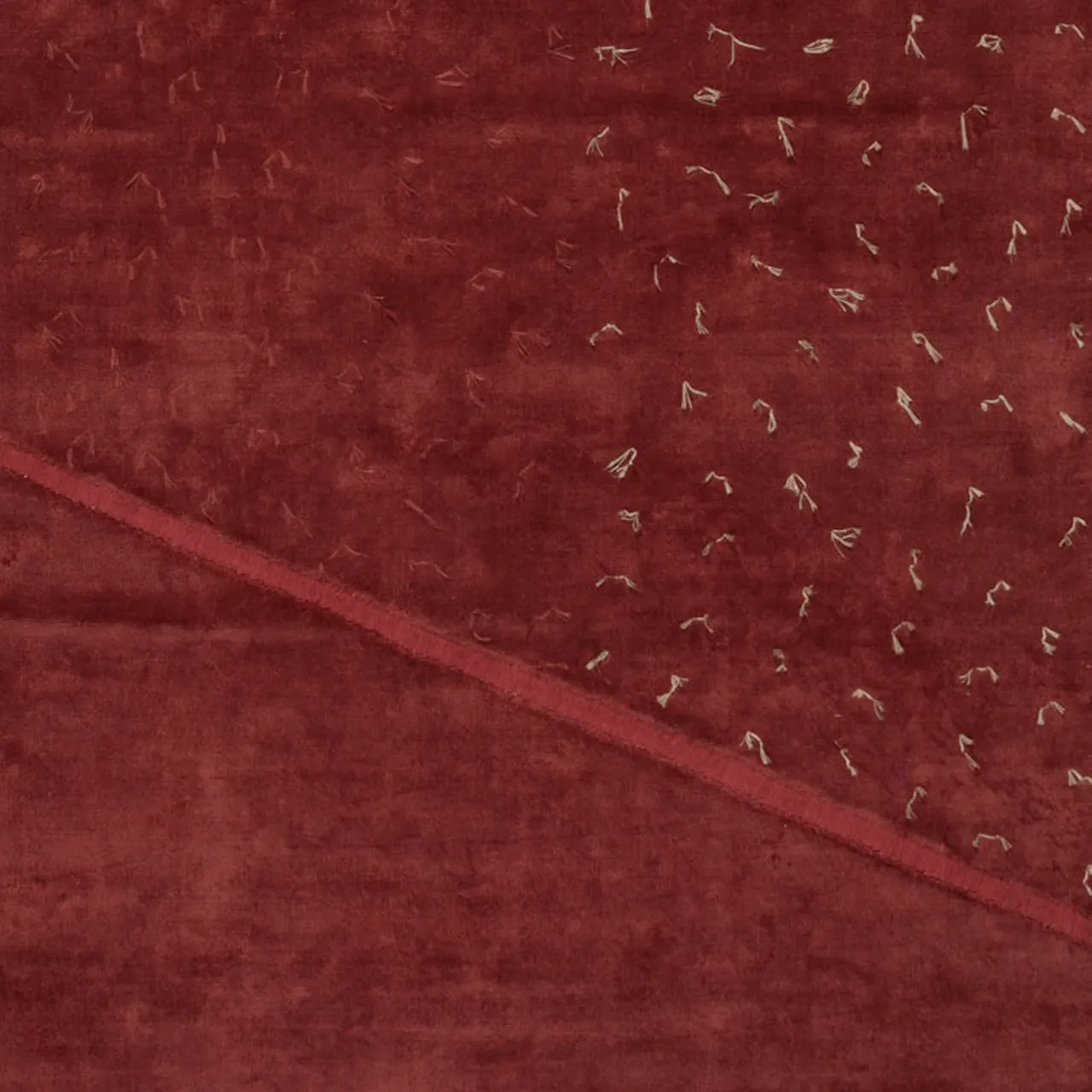
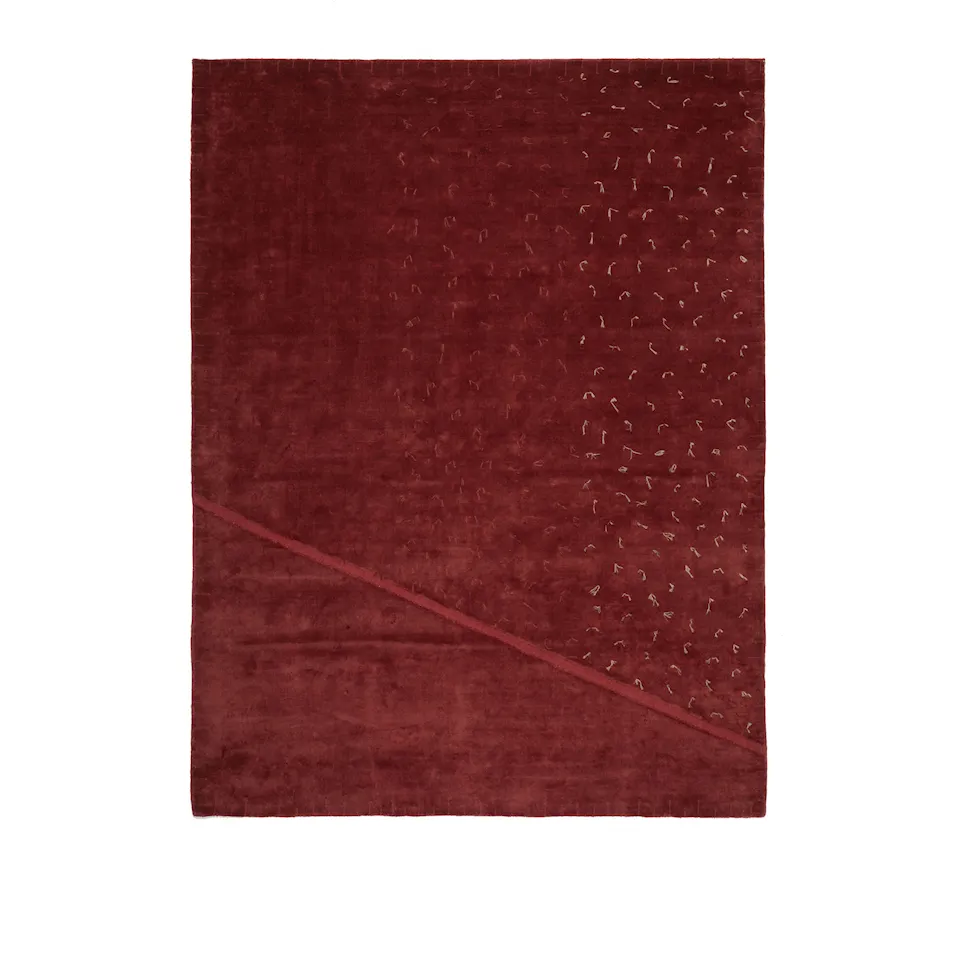





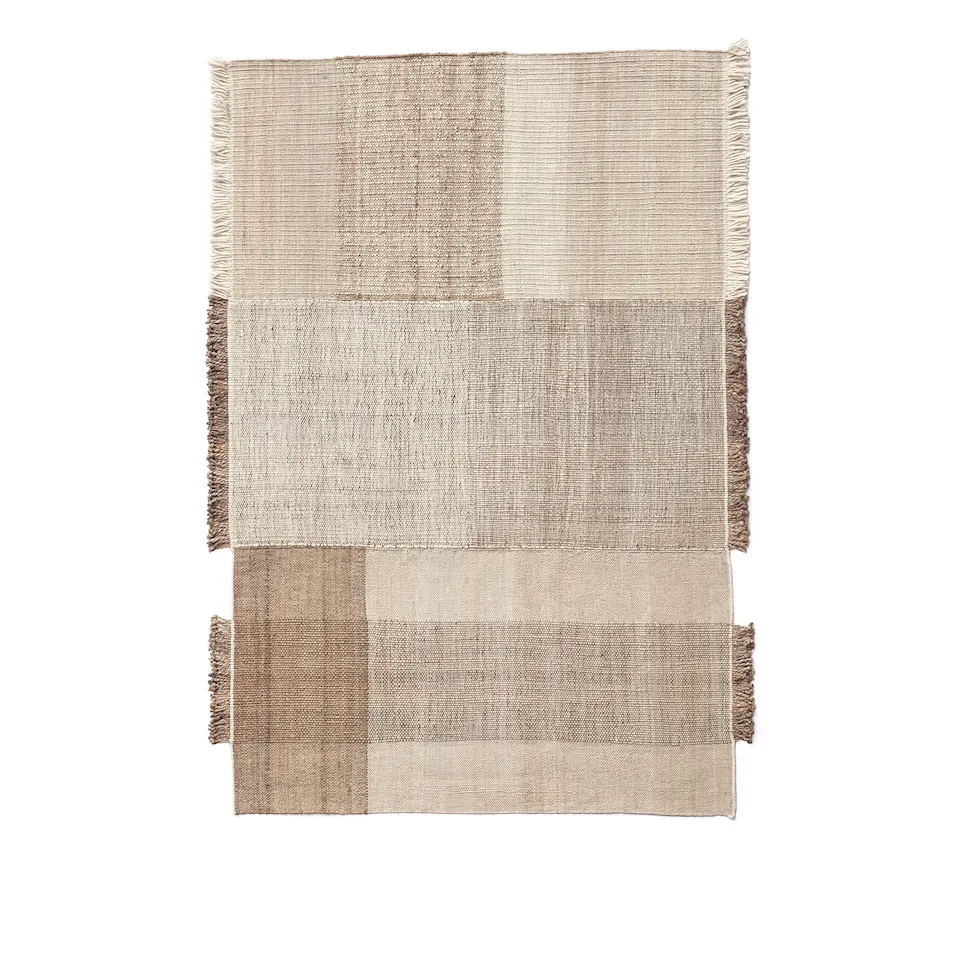
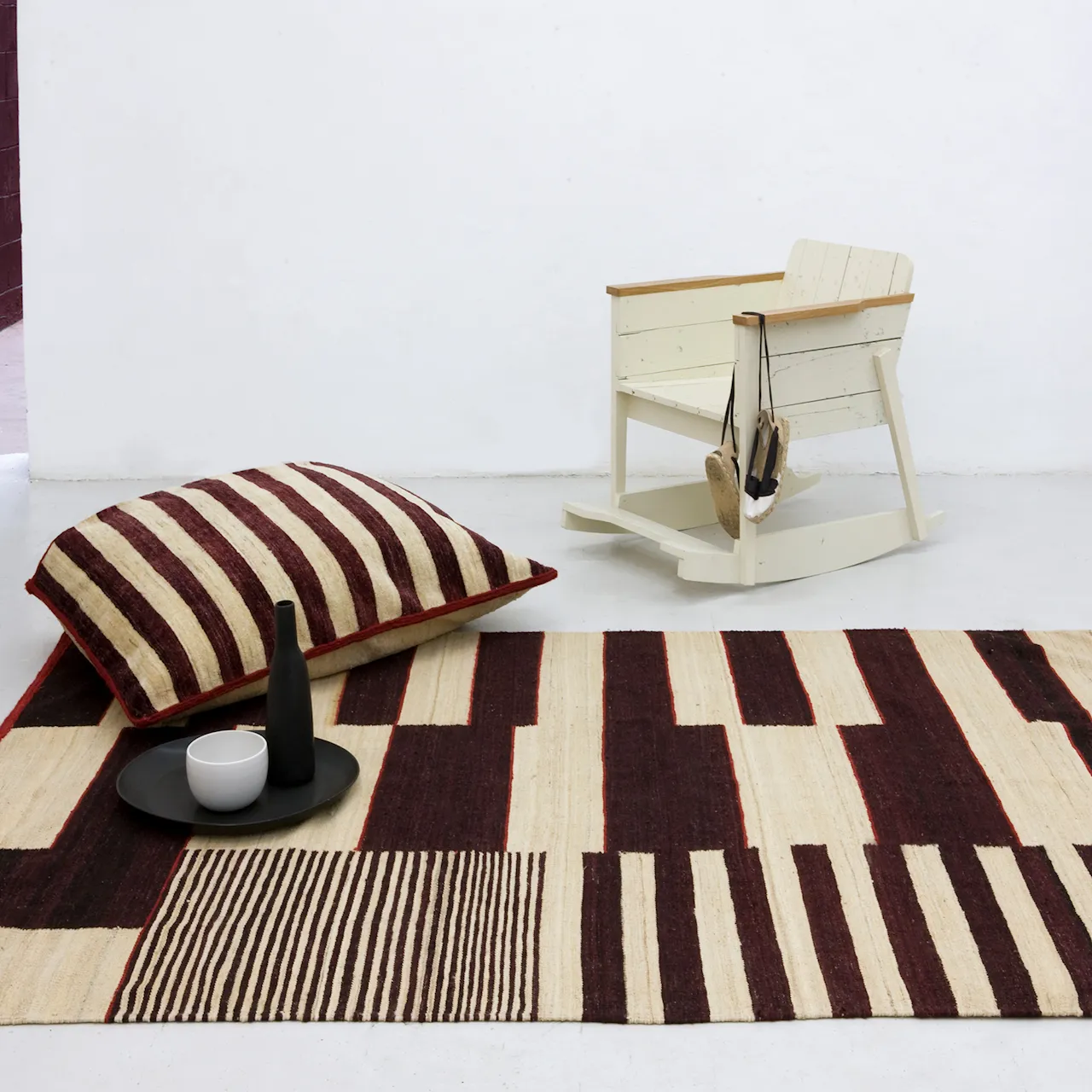
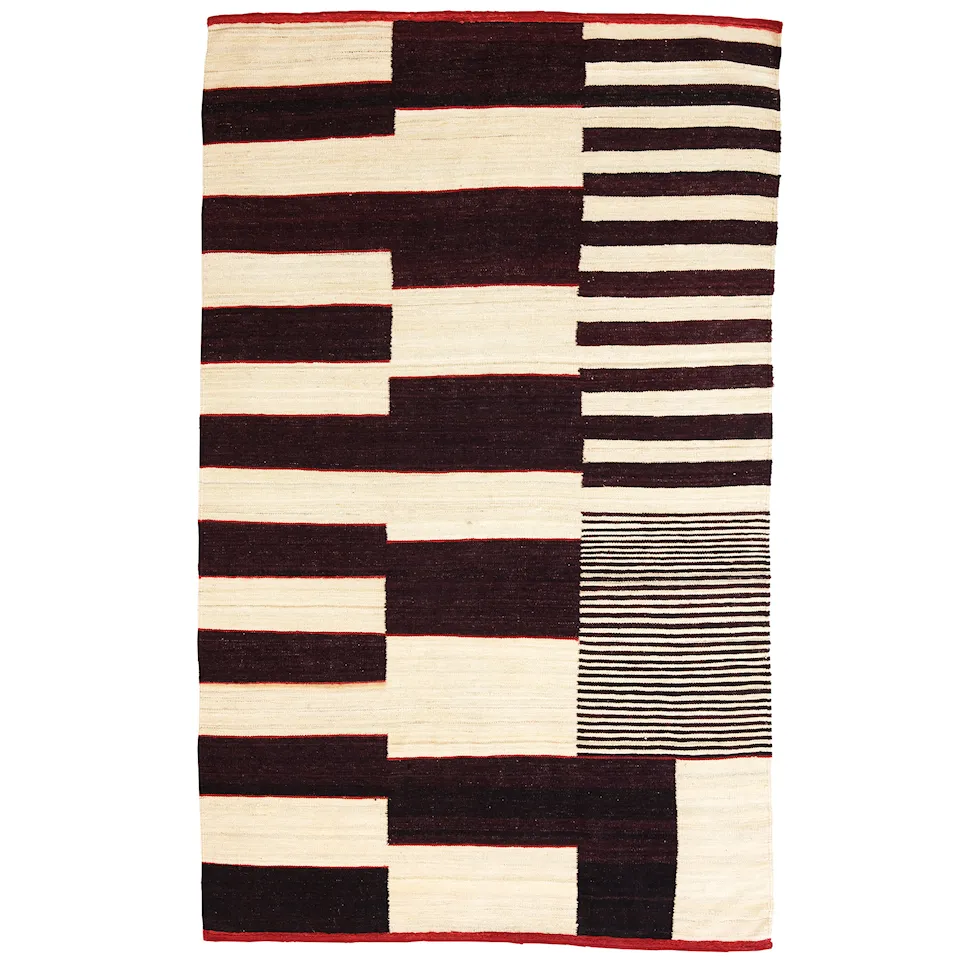

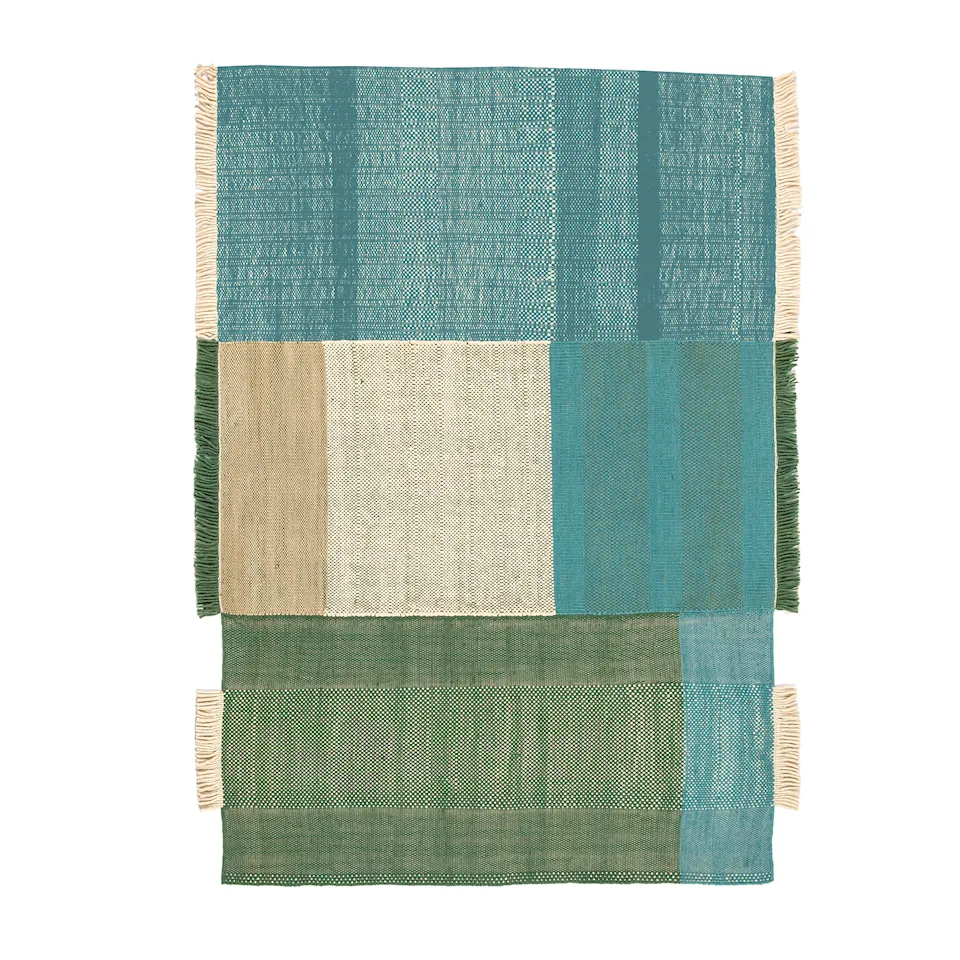
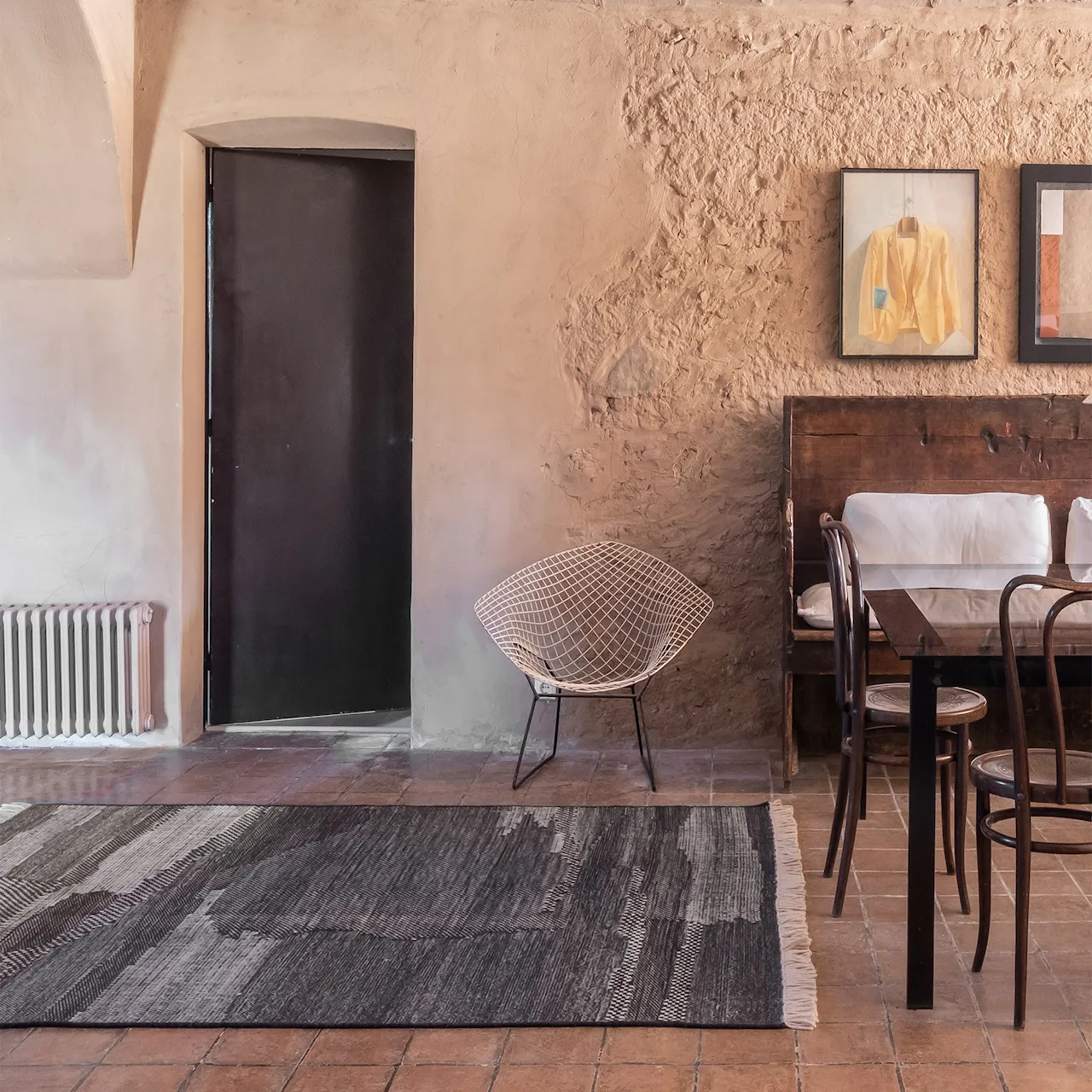
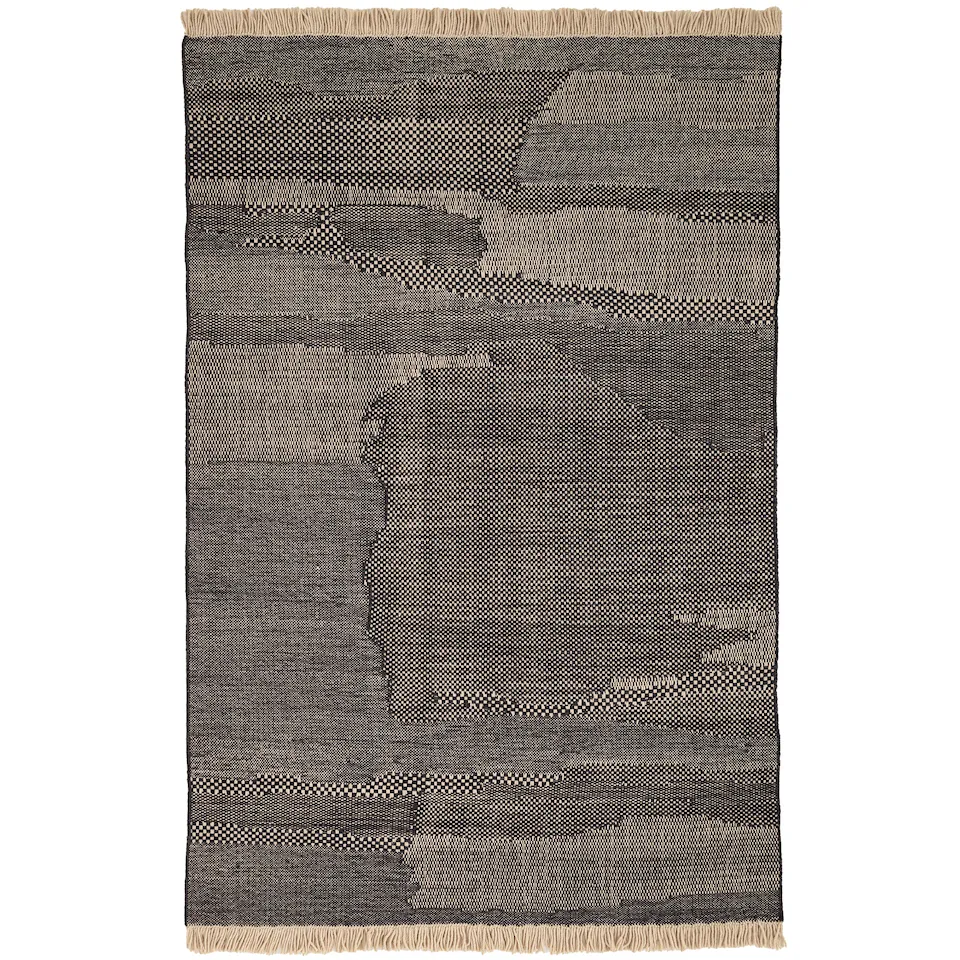
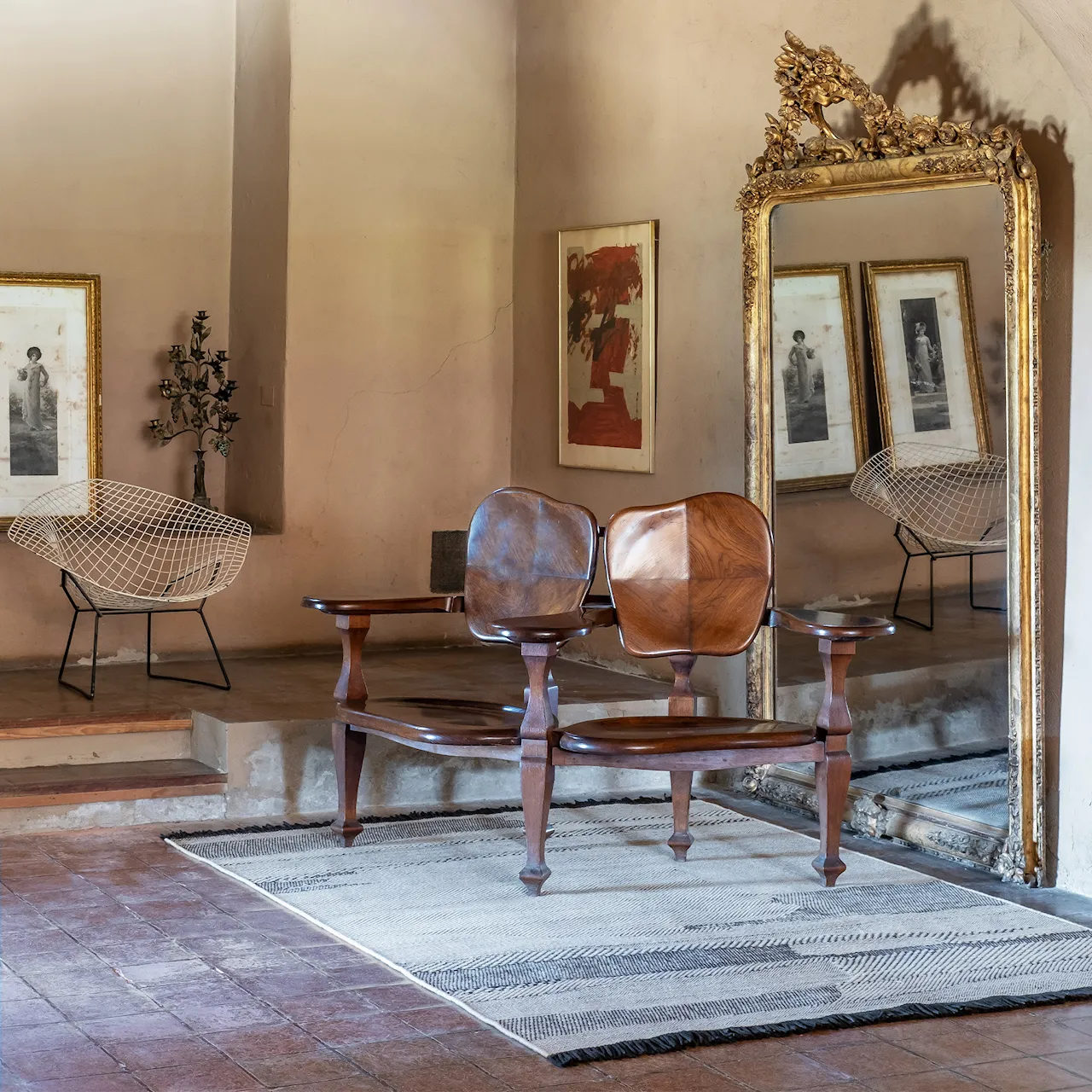
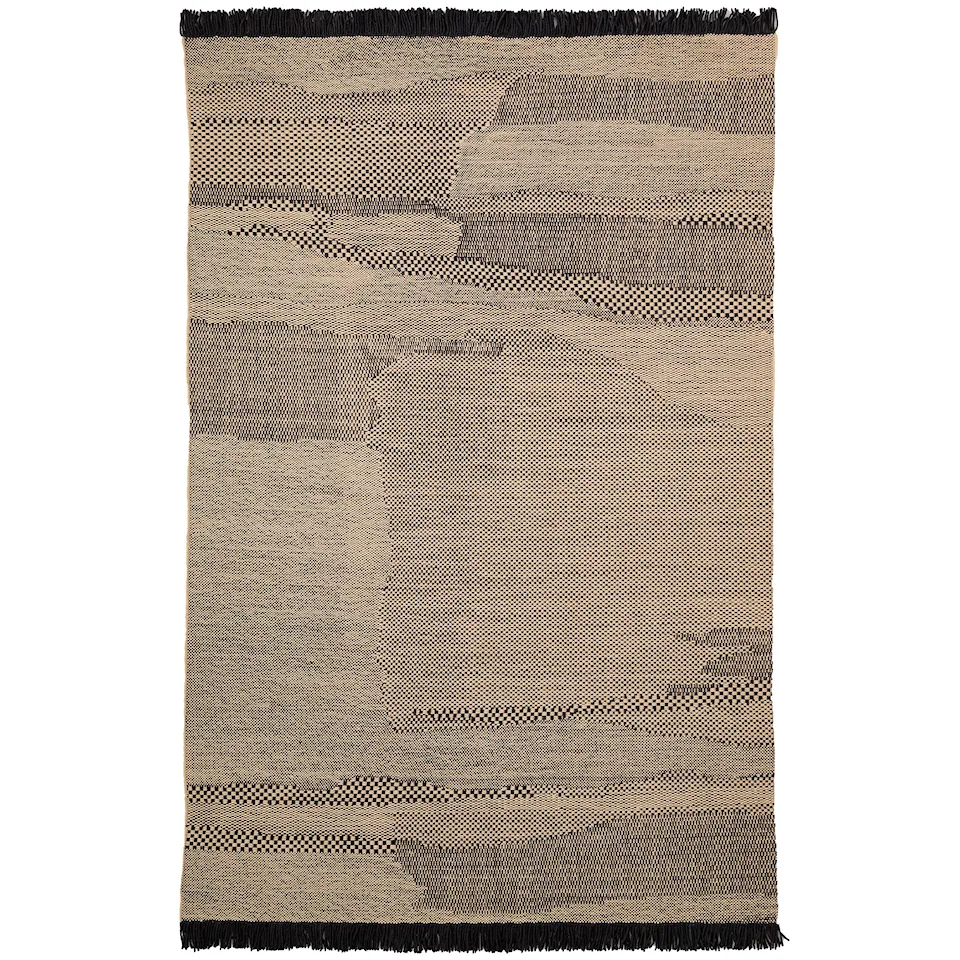
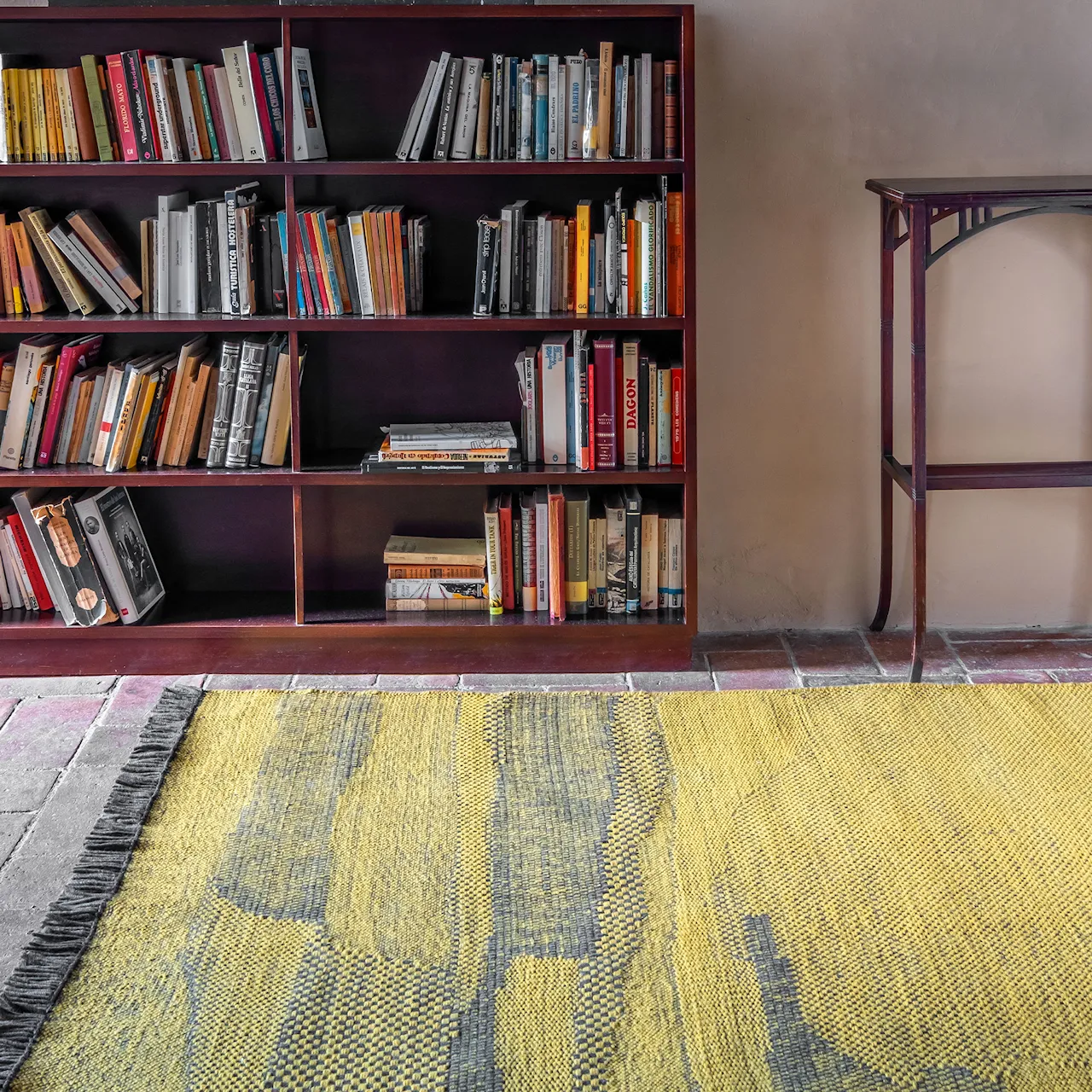
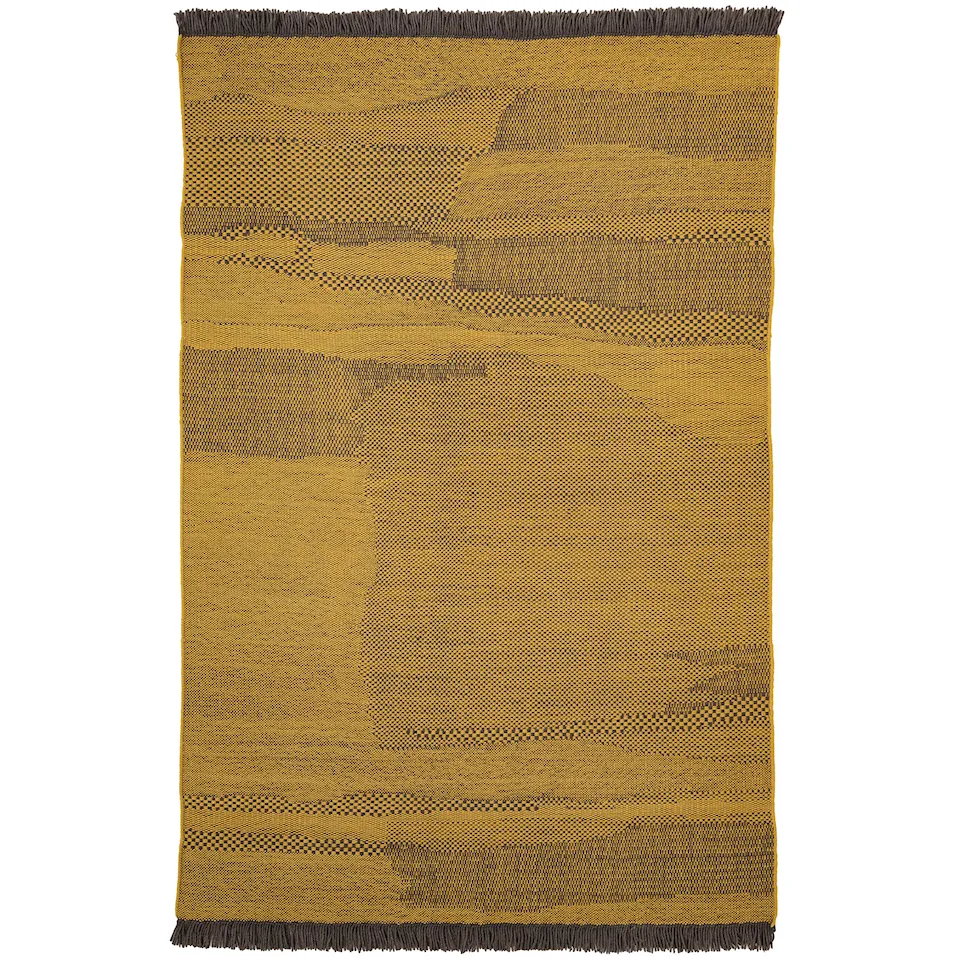
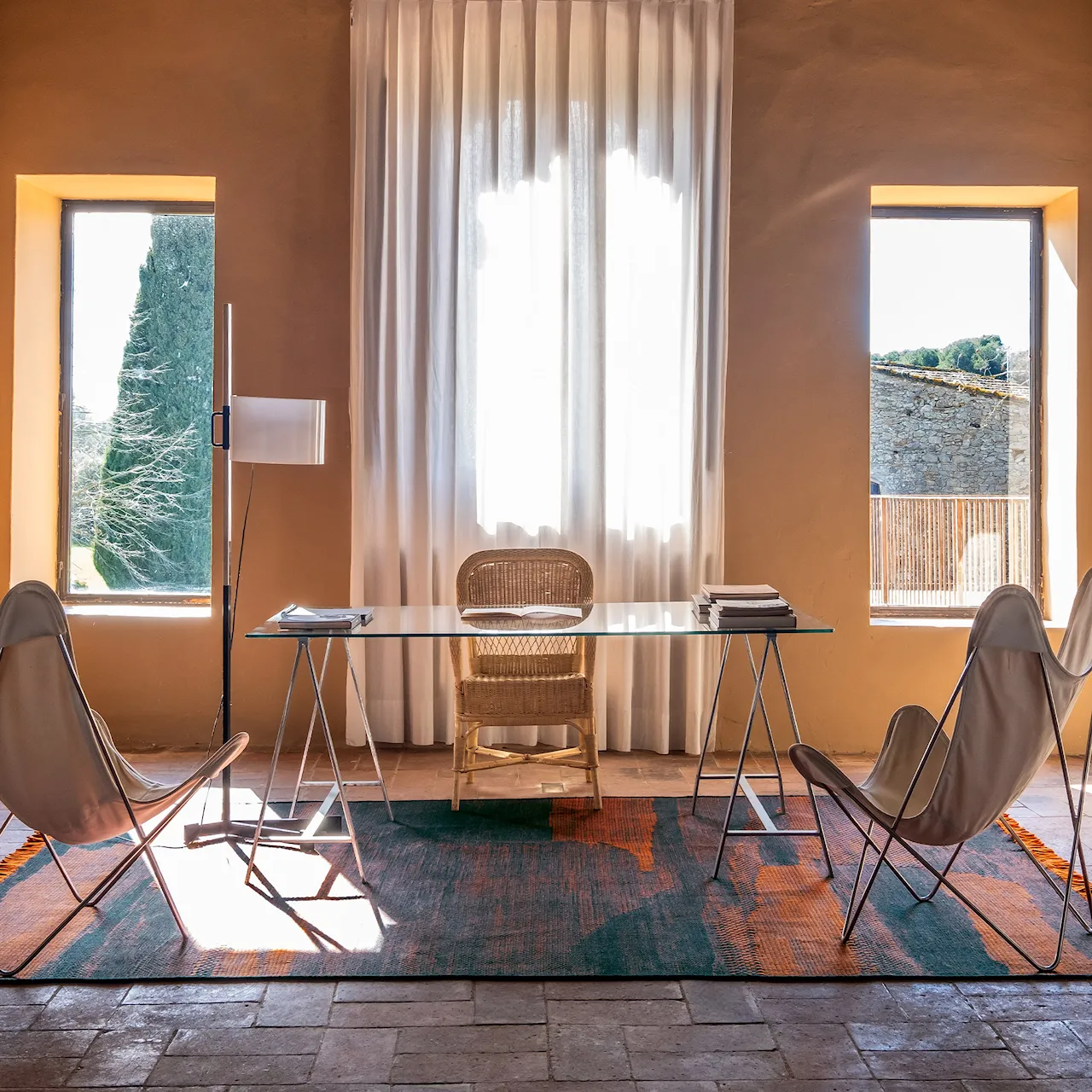
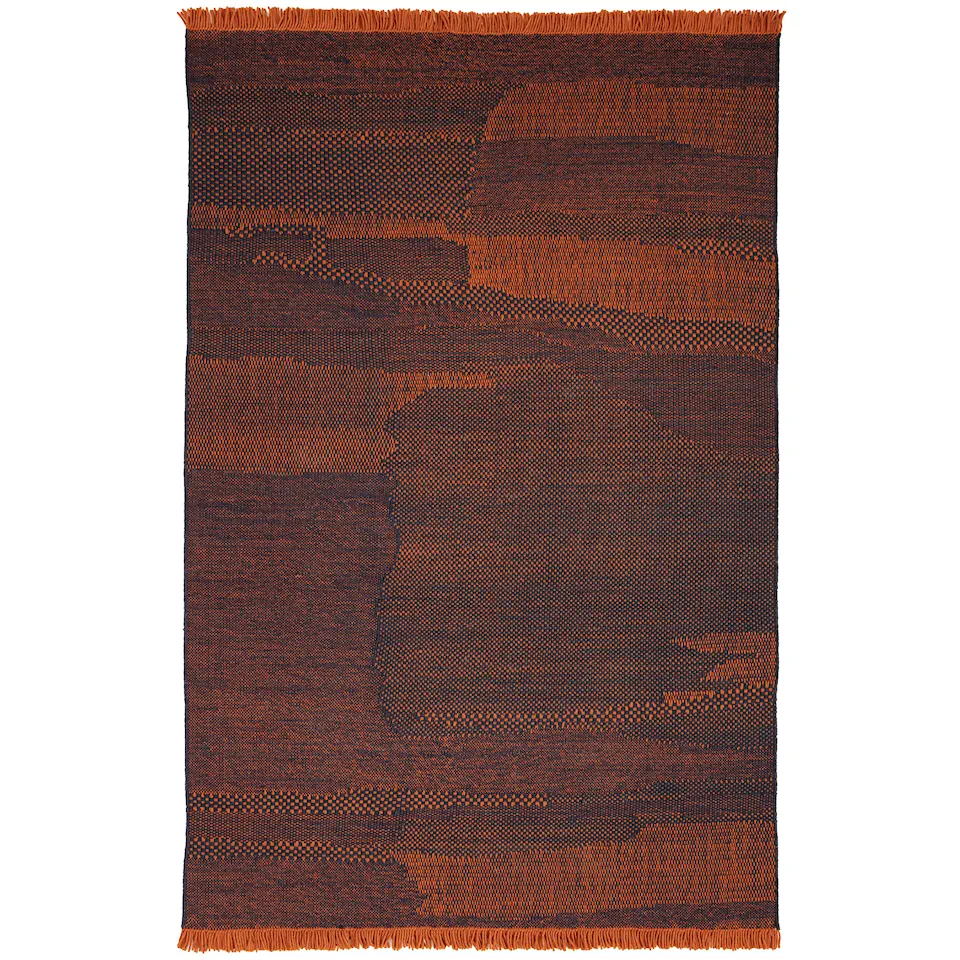
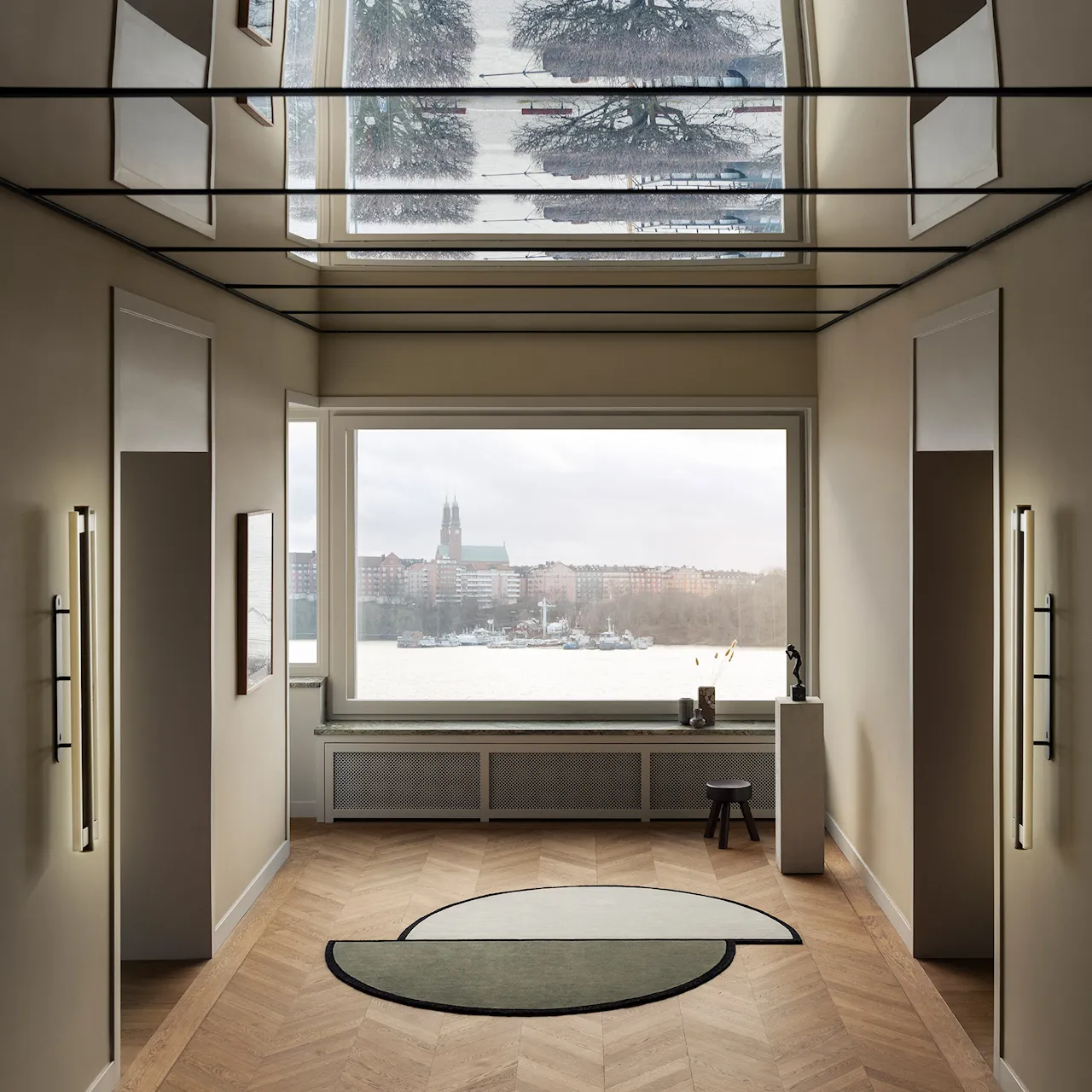
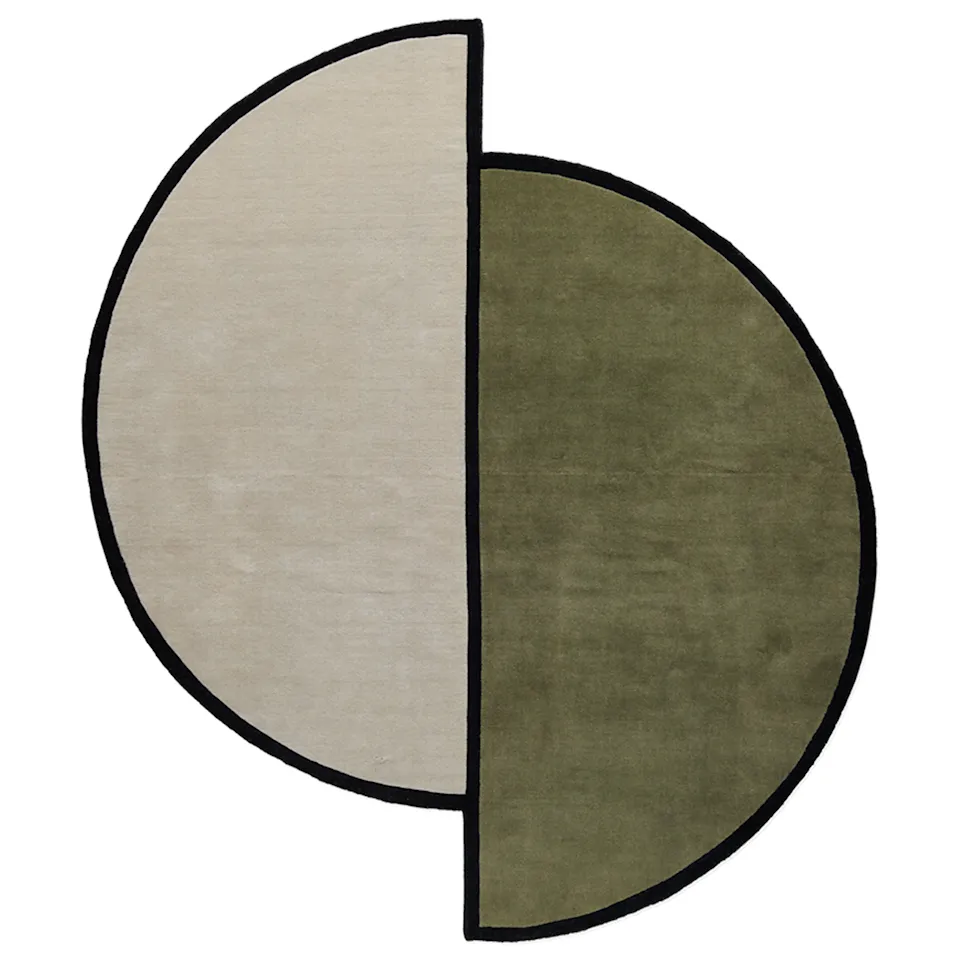
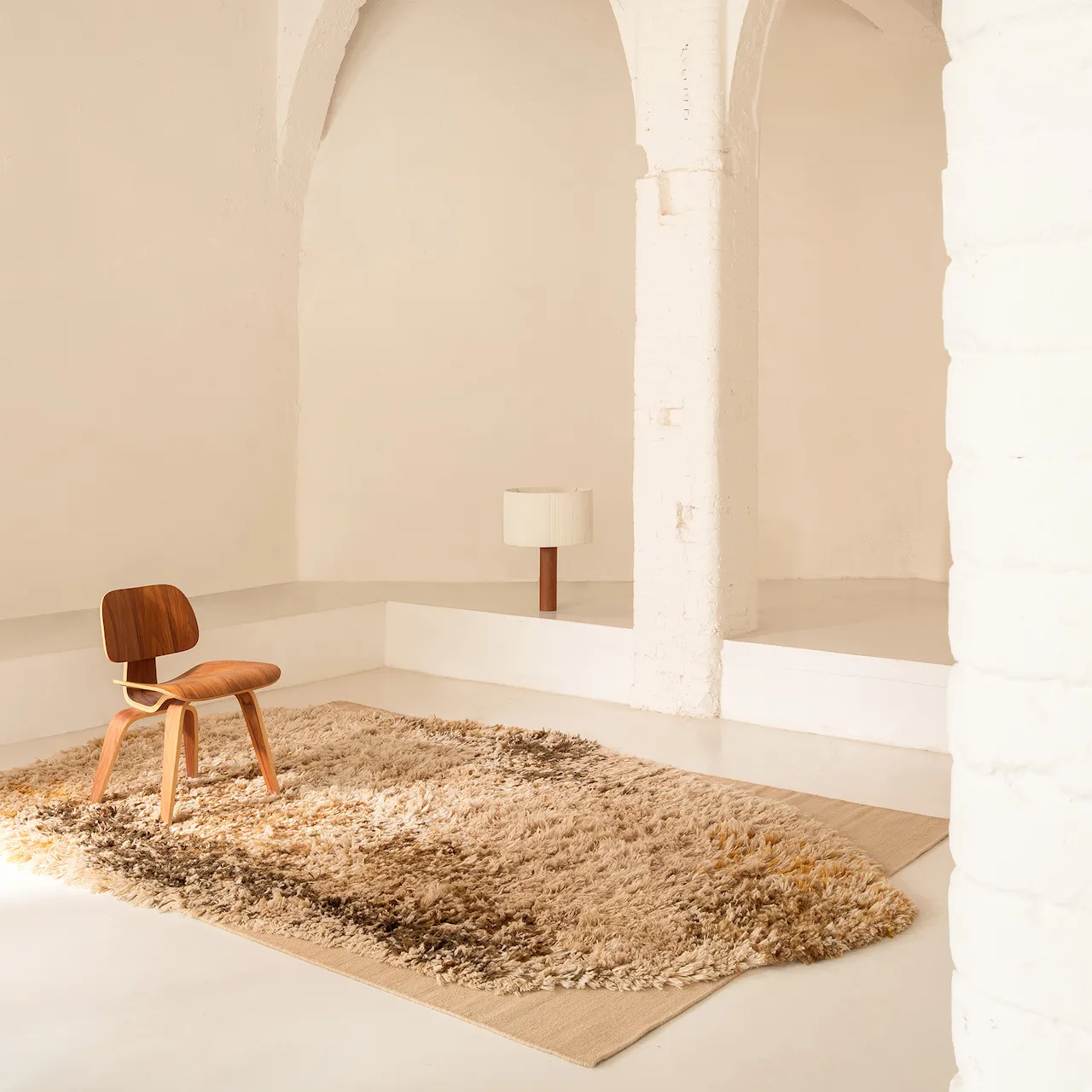
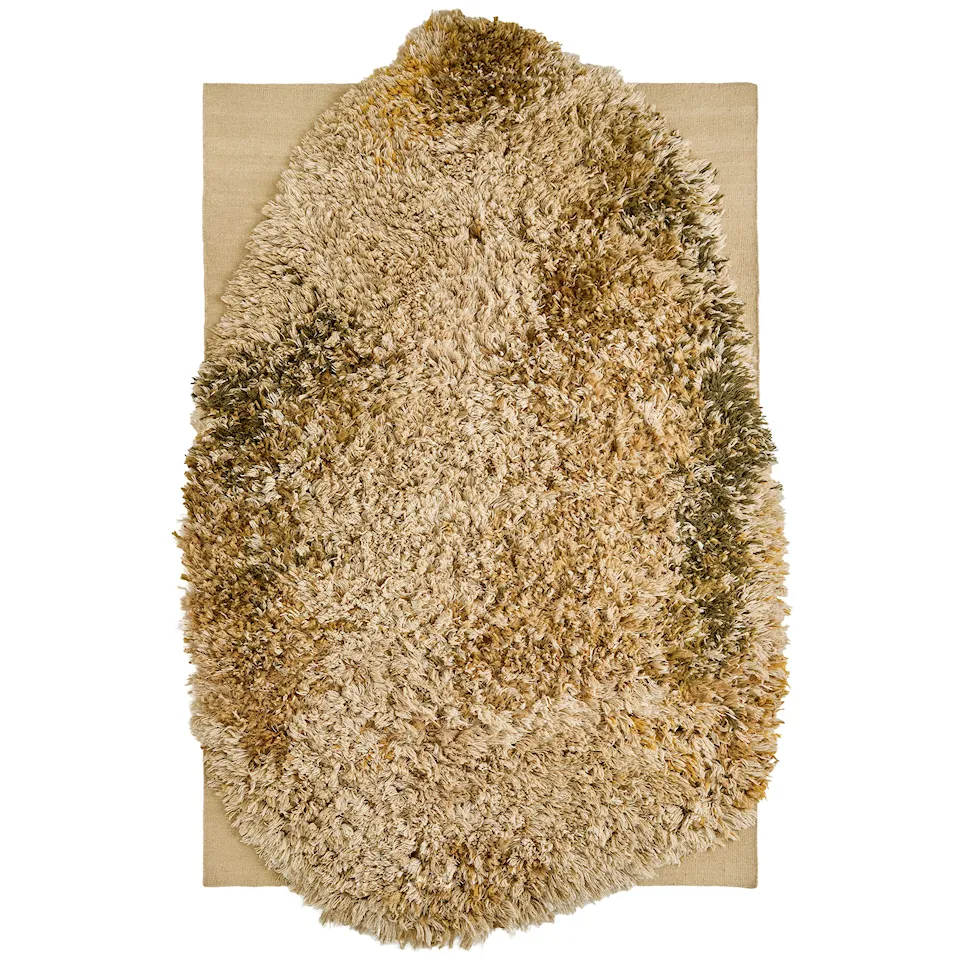
Here you’ll find all our abstract rugs – and a reflection on how abstraction, as a concept, exists both in the principles of mathematics and in the emotions of art – thereby connecting two seemingly distant worlds.
Welcome – a homage to abstraction and to Nordiska Galleriet’s specially curated collection of design rugs featuring abstract forms and motifs.
Abstract – to remove in order to see more
Abstract. A word from the Latin abstrahere – to draw away, to separate, to lift something from its context. When something is removed from the concrete, it leaves behind a space that opens toward something larger.
The abstract is a layer – it doesn’t point to the chair before us, the tree outside the window, or the stone in our hand. It points to something that requires a different capacity: our imagination, our ability to understand, our power to hold onto an idea without seeing it in physical form.
To approach the abstract, then, is not to make the world more complicated – it is to make it larger.
The abstraction of mathematics – the liberation of principle
Mathematics may be the purest expression of abstraction we have. Three is three – whether it refers to three apples, three buildings, or three people. The number three is not three of something. It is threeness itself – a principle, a pattern, an idea that can be applied to anything. It is abstract, yet entirely active.
Mathematics consists of a long chain of such abstractions. Algebra removes the numbers themselves and reveals the principles behind calculation. Geometry abstracts the forms of nature – circles, triangles, angles – showing us their inherent laws. Physics goes even further, using equations to describe the movements of galaxies and the waves of the sea.
The abstraction of art – the liberation of feeling
In art, abstraction takes place in a different way. Here, it’s not about removing the objects we count, but about seeing forms without definition and feeling their atmosphere. Such elements awaken something within us. When we look at abstract art – or art in general – we experience resonance, a mood, something that can’t be reduced to “a rose” or “a body.”
We must let go of the concrete and enter the emotional layer to experience the artwork. The abstract in art does not free a principle as mathematics does – it frees a feeling. But what both share is the ability to see patterns or feel emotions beyond the concrete – when something tangible is taken away.
Mathematics and art share abstraction
Mathematics and art may seem far apart. One is guided by precise principles, the other open to interpretation. One is the language of logic, the other of the senses.
But if we zoom out, we see that they are doing the same thing.
In mathematics: we remove the objects and retain the principle.
In art: we remove the subject and retain the emotion.
Two different paths, but the same gesture. The gesture of abstraction – to remove what is representational and leave something larger behind.
It’s this gesture that makes mathematics and art – rarely mentioned in the same breath – belong together when seen through the lens of abstraction.
Abstraction helps us understand the world
Aristotle argued that the foundation of our understanding of the world lies in abstraction.
When we see many individuals and can still speak of humanity, we have made an abstraction. We have lifted away the particular and found the universal. That is how we understand the world as a whole. Without this ability, we would drown in details – seeing only each person, each tree, each house – without recognising the patterns, concepts, and structures that connect them.
Knowledge is built on abstraction. Language is built on abstraction. Even our capacity to understand one another depends on it.
When we encounter the abstract – in a painting or an equation – we are not given everything. We face something incomplete, something without an answer. And precisely because of that, we must create meaning ourselves. We associate, interpret, and fill in the gaps.
The brain is activated in a different way than when facing the familiar. Instead of recognition – “this is a cat,” “this is a house” – we enter an open play. What does this mean? What does it evoke in me? How does it connect?
Abstraction trains our tolerance for ambiguity – our ability to remain within something uncertain and let it work within us.
Studies also show that abstraction can increase our psychological distance. When we encounter something abstract, we take a step back from the details of daily life. We don’t just see the coffee cup on the table, but the pattern of habits it represents. We don’t just see the flower, but the movement of growth and decay it embodies.
This distance is not an escape but an opportunity for perspective. By seeing the world through the lens of abstraction, we lift ourselves above the immediate and glimpse the greater patterns.
Abstraction as freedom
The abstract liberates.
When we remove what is representational – what ties us to something specific – something larger opens up. When the number three is no longer three apples but threeness itself, we see the structures behind the world. When an abstract painting no longer depicts a flower but allows colour and form to stand free, a space opens where we can feel beyond what is named.
To approach the abstract is therefore to approach a kind of freedom. The freedom to see the invisible layers of the world. The freedom to think beyond the obvious. The freedom to experience life without everything needing a fixed form.
It is a freedom that’s not about leaving reality – but about seeing more of it. Discovering that behind what we can touch lie layers of patterns, principles, and feelings that shape our existence.
The everyday expression of freedom
An abstract rug may seem like a simple detail in a home – a surface on the floor, a piece of fabric. But it carries the same characteristics as the principles of mathematics and the colour fields of art. It releases us from the given. It doesn’t bind us to a motif – it opens us to associations.
Abstract rugs – a reminder for everyday life
An abstract rug is more than a piece of design or floor protection. It is a horizontal painting – a pattern beneath your feet that doesn’t tell you exactly what it represents, yet gives the room rhythm and feeling.
In the living room, an abstract rug can create dynamism – a movement that ties the furniture together into a whole. In the bedroom, it can bring a quiet vibration, a surface that softens and invites rest. In the hallway, it can offer an unexpected welcome – a hint that this home holds more than meets the eye.
A beige abstract rug can create a soft, timeless feeling, while a modern rug in stronger colours can add energy and personality. A round shape can soften an angular space, while a rectangular one can emphasise architectural lines.
What makes abstract rugs unique is that they don’t force you into a story – they leave space for you to create your own.
Abstract rugs and the philosophy of interiors
Interior design is often associated with function and aesthetics – with what is practical, what is beautiful. But when we place an abstract rug in a room, we also do something subtler. We introduce an element that reminds us that the world is not only what it appears to be.
Just as mathematics reveals patterns and art evokes feelings, an abstract rug can act as an everyday gesture of the same kind – a reminder that a space doesn’t have to be fully defined. That it can hold ambiguity, openness, and freedom.
In this lies strength. In a time when so much is precise, measurable, and goal-oriented, something as simple as a rug that depicts nothing can be a liberation.
An abstract rug is more than design – it’s a daily reminder of the same principles that guide mathematics, art, and philosophy. That we can remove the given and see something greater.
From math to rug – a homage to abstraction as a doorway to freedom and a deeper perspective on life.
To celebrate abstraction is to celebrate our own ability to look beyond the concrete. Aristotle showed that it’s through abstraction that we understand the world. Art shows that it’s through abstraction that we feel the world. Research shows that it’s through abstraction that we train ourselves to think more freely.
And that’s why an abstract rug becomes more than just a piece of interior design – it becomes a statement. A daily reminder that we can remove the given and see something greater.
Is there something you are missing in terms of abstract rugs?
Please contact us via our contact form to discuss your specific product request.